
What Becomes Attractive Only After 25 — And Why
Ask a roomful of twenty-somethings what they notice first on a potential partner and you'll hear talk of looks, humor, and chemistry. Ask the same question of people a few years older and the conversation widens to include steadiness, follow-through, and emotional clarity. That shift isn't trivial: it marks a deeper psychological and social recalibration. This article explores the single cluster of traits that tend to become attractive only after about age 25, why that change happens, and what it means for anyone navigating relationships or personal growth in their mid- to late twenties.

stability attractiveness after 25
Why Age Changes What We Find Attractive
Preferences are not static. They evolve as priorities, responsibilities, and self-knowledge change. In early adulthood, people often prioritize novelty, physical chemistry, and social proof. By the late twenties, life horizons—career goals, family planning, financial commitments—bring long-term outcomes into focus. The brain's social filters and reward systems are context-sensitive: as perceived costs and benefits of choices shift, so do the attributes we prize in others.
There are several overlapping reasons for this shift:
- Life-stage priorities: When your rent, job trajectory, or desire for children becomes more salient, you naturally place more value on partners who can reliably share those burdens or collaborate on plans.
- Self-definition: Many people consolidate identity in their mid-twenties. As identity stabilizes, so does the kind of partner that seems compatible—someone who matches, complements, or helps sustain that sense of self.
- Social signaling: Traits like consistency and responsibility communicate that a person is a lower-risk long-term investment, which becomes more attractive when long-term outcomes matter.
These forces create the conditions where certain characteristics—once background traits—move to the foreground of desirability.
The Trait That Shifts: Stability (Emotional, Financial, and Behavioral)
If one cluster of attributes rises above all others in attractiveness after 25, it is stability—encompassing emotional steadiness, financial responsibility, and reliable behavior. Stability is not glamorous in the way spontaneity or wild charisma can be, but it becomes an axis of desirability because it solves real problems people face when planning lives together.
Why stability? Because by the late twenties, the cost of instability has tangible consequences. Missed rent payments, last-minute cancellations, or unpredictable mood swings compound into ongoing stress when two lives are being coordinated. Stable partners reduce friction, enabling shared projects—home, career, parenting—to proceed. In short, stability equates to lower relational risk and higher practical compatibility.
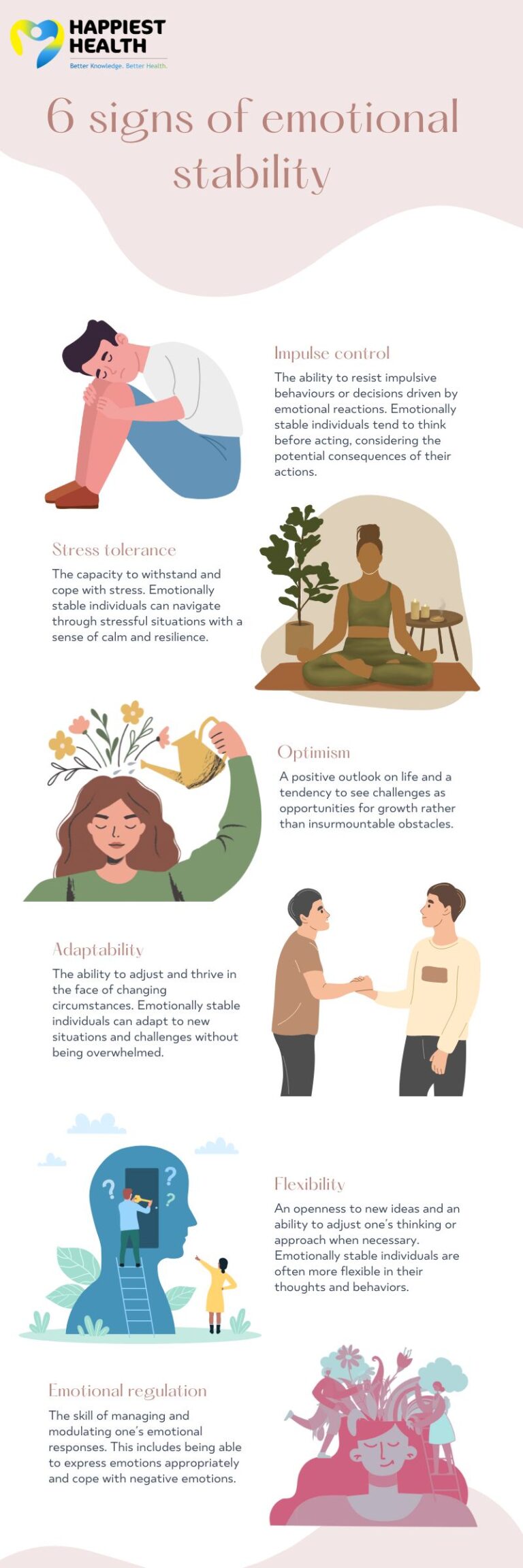
emotional stability late twenties
Emotional Stability
Emotional stability looks like consistent responses under stress, clear communication about needs, and fewer dramatic swings. It doesn't mean absence of emotion; it means predictable regulation and the ability to repair ruptures. For people building long-term relationships, a partner who can handle conflict without catastrophic blowups is more valuable than someone who offers constant high-intensity excitement.
Financial and Practical Stability
Financial stability is part reality and part signal. A steady job or a realistic plan to achieve one signals responsibility and foresight. After 25, many people begin to care less about headline earnings and more about fiscal habits: budgeting, saving, and prioritizing spending consistent with shared goals. Practical stability—showing up on time, keeping commitments, managing household tasks—operates similarly. These habits are evidence of an ability to collaborate and sustain joint plans.

financial stability attractiveness
Behavioral Stability: Follow-Through and Reliability
Behavioral stability is the everyday manifestation of character: returning calls, being punctual, finishing projects, and honoring promises. It's often invisible early on because early dating can be buoyed by novelty and adrenaline. Over time, though, behavioral reliability becomes a key indicator of whether someone will be present when it truly matters.
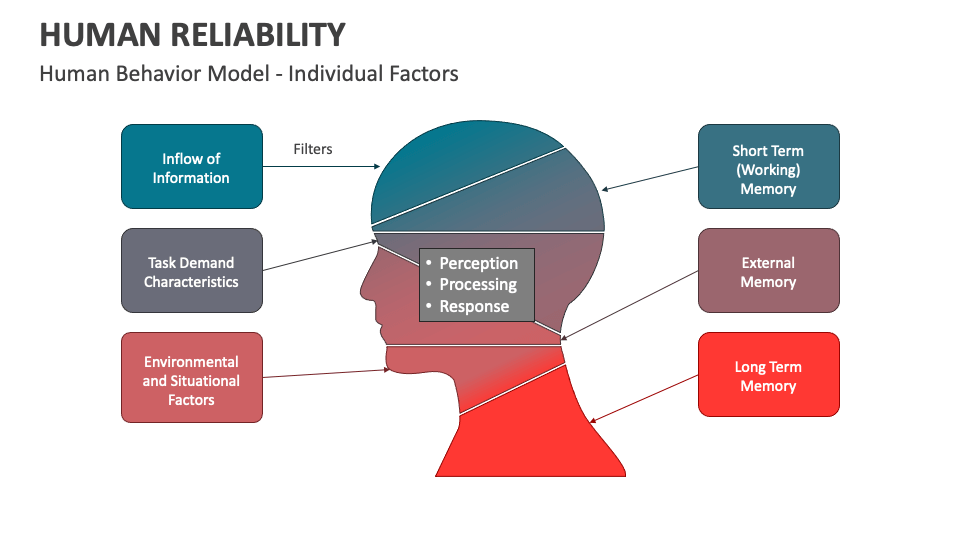
behavioral reliability relationship
Reliability isn't excitement; it's the quiet trait that makes excitement sustainable.
How Cultural and Technological Contexts Affect This Shift
Culture and technology don't create the underlying preference for stability, but they shape how and when it becomes visible. Dating apps, social media, and the gig economy have extended adolescence for many, delaying some markers of adulthood. That can make stability more conspicuous—and more prized—when it does appear.
Dating apps emphasize short-term signals: photos, witty bios, quick chats. Those cues maximize initial attraction but obscure long-term qualities. When people reach a point where day-to-day coordination matters, the gap between app charisma and real-world dependability becomes stark. People start to reward traits that are less swipeable but far more consequential.
Generational Effects and Expectations
Millennials and Gen Z face different economic realities than previous generations: student debt, precarious housing markets, and career volatility. Those pressures raise the value of partners who can offer stability—financially and emotionally. In cultures where extended families play a lesser role in daily support, the choice of partner carries more weight, increasing the premium on stability.

long-term partner attractiveness
Signs Someone Has Become More Attractive After 25
Not every person matures on the same timeline, and attractiveness is a mosaic. Still, there are observable signs that a person has gained the kind of attractiveness that matters after 25:
- Consistent habits: Regular work, planned finances, and routines that signal predictability.
- Clear communication: They can discuss needs and boundaries without turning conversations into drama.
- Emotional regulation: They recover from setbacks without weeks of silence or grand gestures.
- Investment in health and future: They take care of their physical and mental health in ways that show they value longevity.
- Shared-priority alignment: Their life goals—children, career mobility, location—are compatible and discussed openly.
When you see those elements in someone, what used to be a secondary preference—calm competence—can become the deciding factor.
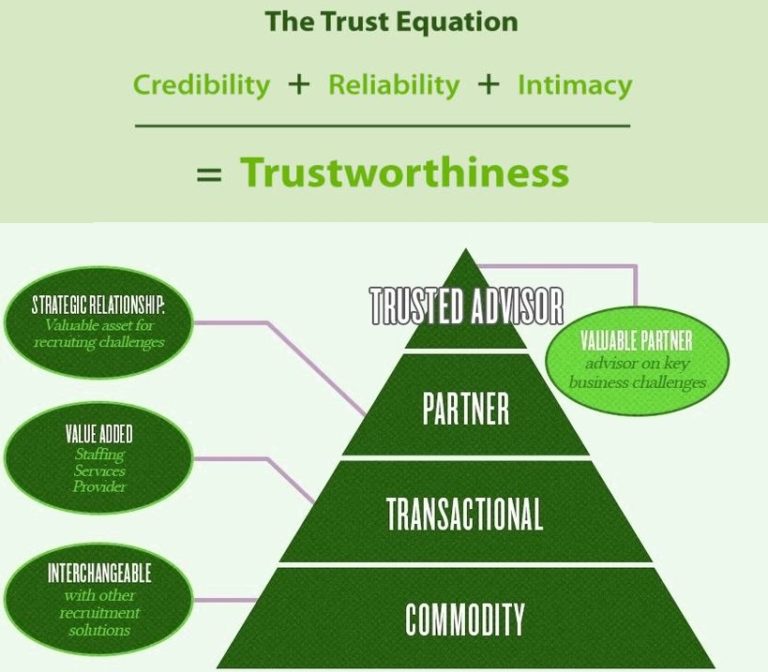
trust reliability relationship satisfaction
Why This Is Not About Boredom or Settling
One common objection is that valuing stability equals giving up on passion. That's a false dichotomy. Stable partners can also be funny, adventurous, and deeply affectionate. The distinction is that stability allows passion to be sustained instead of burning out. Choosing stability is often a choice for depth over transient excitement: it prioritizes continuity, not the end of spontaneity.
Another concern is that focusing on stability implicitly prioritizes traditional markers—steady job, homeownership—that may be unrealistic or undesirable for some. The important clarification is that stability can take many forms. For freelancers, it might be a dependable pipeline of clients and good financial habits. For creatives, it might be routines that support productivity and emotional health. The adaptable core is predictability in essential domains, not a particular career path.
How to Become More Attractive in Your Late Twenties
Whether you're dating or simply aiming to grow, cultivating the qualities that become attractive after 25 is practical and actionable. Consider these steps:
- Prioritize follow-through: Start with small promises and keep them. Reliability compounds.
- Build simple financial habits: Track spending, create an emergency fund, and be transparent about money patterns.
- Practice regulated communication: Name your emotions, own your part in conflict, and apologize when necessary.
- Invest in routines: Sleep, exercise, and work rhythms stabilize mood and performance.
- Document responsibilities: When you say you support someone, show the ways you do it—arranging appointments, splitting bills, or being present at hard moments.
- Stronger trust and lower relational anxiety.
- Better coordination for shared life projects.
- Less novelty if not balanced with spontaneity.
- Risk of complacency if stability becomes stagnation.
How to Recognize When Others Value Different Things
Not everyone prioritizes stability at the same moment. Some people keep novelty and freedom at the top of their list into their thirties. Recognize differing timelines by listening for hints: are conversations future-oriented or present-moment? Do they discuss routines and responsibilities, or do they emphasize exploration and flexibility? Both approaches are valid; the task is matching partners whose timelines align enough to allow cooperation.
Common Missteps and How to Avoid Them
People trying to signal stability sometimes overcorrect—performing responsibility rather than embodying it. Simple missteps include oversharing staged accomplishments, pretending to be financially secure, or appearing emotionally flat in an attempt to seem steady. Authenticity matters: small, consistent actions beat grand declarations.
Key Takeaways
- After 25, stability—emotional, financial, and behavioral—becomes disproportionately attractive because it reduces long-term relational risk.
- Stability is practical, not the opposite of passion: it enables deeper connection and sustainable excitement.
- To cultivate post-25 attractiveness, focus on follow-through, communication, routines, and small financial habits.
Conclusion
Attractiveness after 25 is less a fashion and more a pragmatic preference. As people move from short-term thrills toward longer horizons, the quiet virtues of reliability and steadiness gain shine. That doesn't mean the end of humor, attractiveness, or adventure; it means those qualities are now judged against the yardstick of whether they can be sustained. Understanding this shift helps both those seeking partners and those aiming to evolve—because being reliably yourself may be the most attractive thing of all.
Being reliable doesn't mean being unexciting; it means being someone worth staying with.
Illustration idea: a split-frame showing a spontaneous night out on one side and a calm shared morning routine on the other.