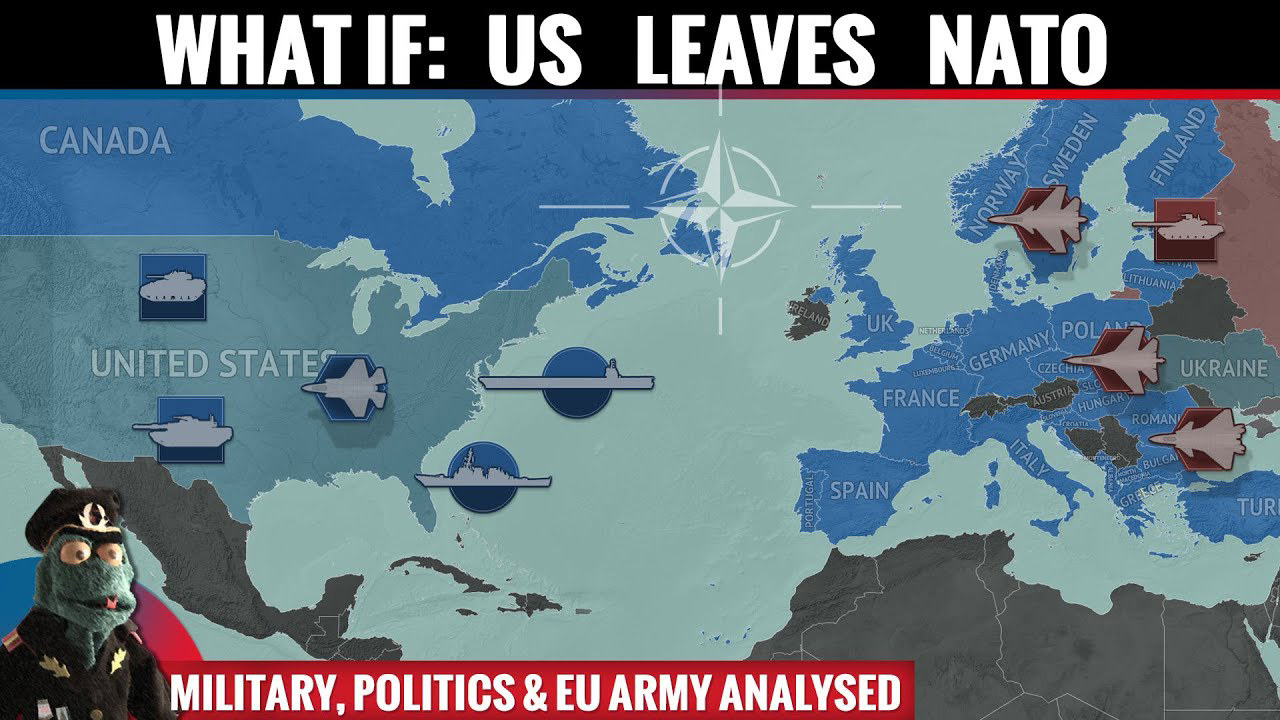
What a U.S. Exit from NATO Would Mean for Global Security
The suggestion that the President of the United States is "considering" withdrawal from NATO—whether political theater, bargaining chip, or genuine policy turn—sets off a shockwave of questions about how Western security is structured today. NATO is more than a club: for 75-plus years it has been the organizing axis of transatlantic defense, an insurance policy against large-scale aggression, and a platform for collective crisis management. Pulling the United States out would not only alter military arrangements; it would change the psychology of allies and adversaries, the economics of defense, and the legal architecture of international security.
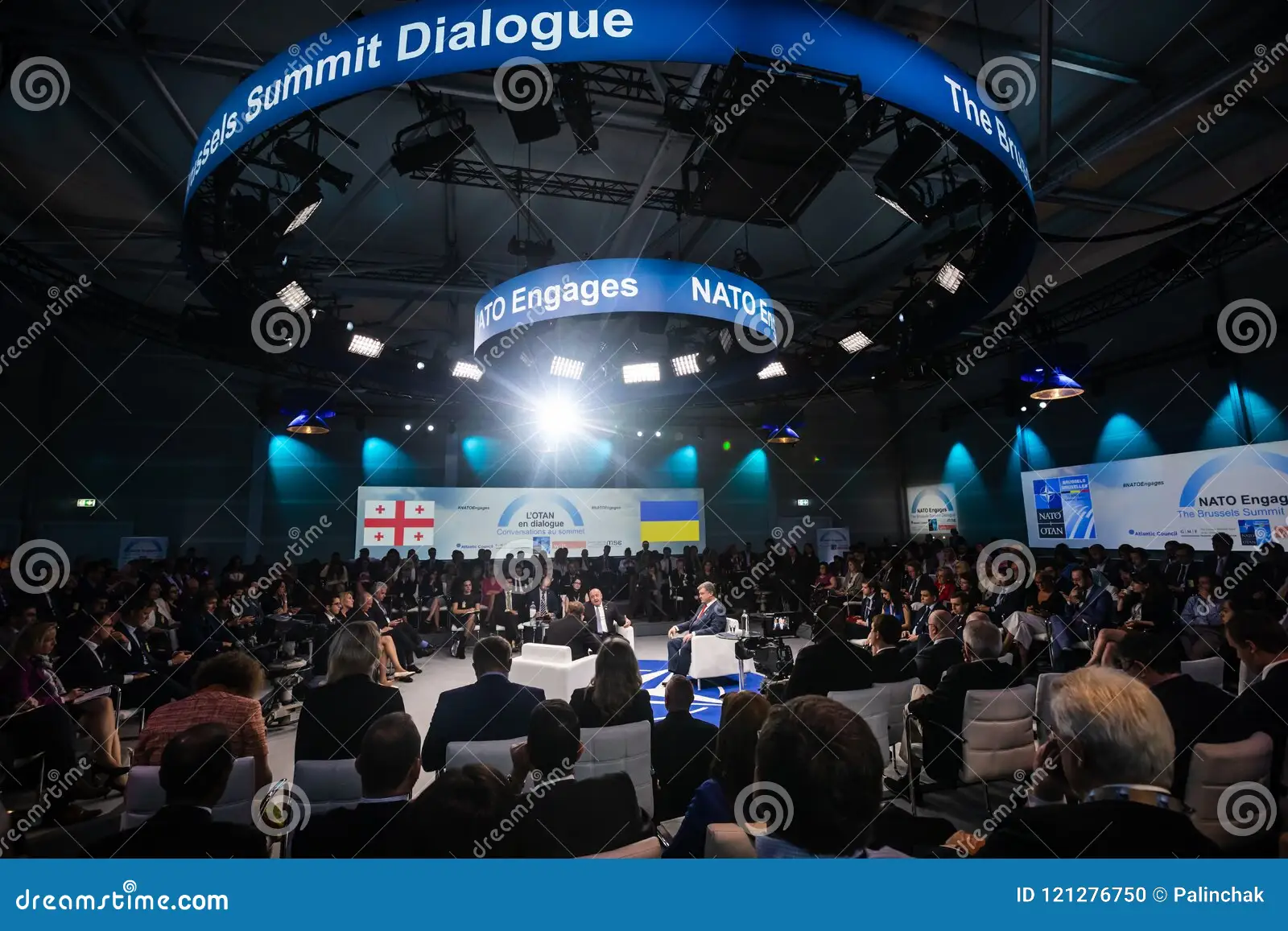
NATO military alliance meeting
A U.S. withdrawal would turn a predictable defense architecture into a contest of improvisation and risk.
Why This Matters: The Stakes of NATO for World Security
NATO's power rests on three pillars: military capability (especially U.S. force projection), political cohesion (shared commitments under Article 5), and institutional infrastructure (command-and-control, interoperability, logistics). The alliance's credibility has constrained revisionist powers and provided a stable framework for European security. If the United States were to exit, all three pillars would be weakened simultaneously—reducing deterrence where it is most needed and introducing uncertainty about the future of collective defense.
The Legal and Political Path to Withdrawal
Formally, withdrawal from NATO is governed by the treaty's withdrawal clause. The process would require written notice and a waiting period before it takes effect. Politically, a U.S. withdrawal would likely involve intense domestic debate, congressional gridlock, legal challenges, and diplomatic negotiation. It is not purely administrative; it would be read internationally as a strategic choice with profound signaling effects.
Immediate Military and Operational Effects
If the U.S. were to begin a phased pullback of forces, several immediate operational effects would follow.
- Loss of forward presence: U.S. air, naval and land forces stationed in Europe provide rapid reinforcement capability and logistical hubs. Their removal would extend response times and complicate collective defense planning.
- Command and control gaps: NATO's integrated command benefits from U.S. leadership and assets. A U.S. exit would necessitate reassigning roles and possibly creating new arrangements to maintain intelligence-sharing and situational awareness.
- Capability shortfalls: NATO depends heavily on U.S. strategic lift (air refueling, sealift), precision munitions, ISR (intelligence, surveillance, reconnaissance), and nuclear deterrence. European members do not currently have the scale to replace these capabilities quickly.
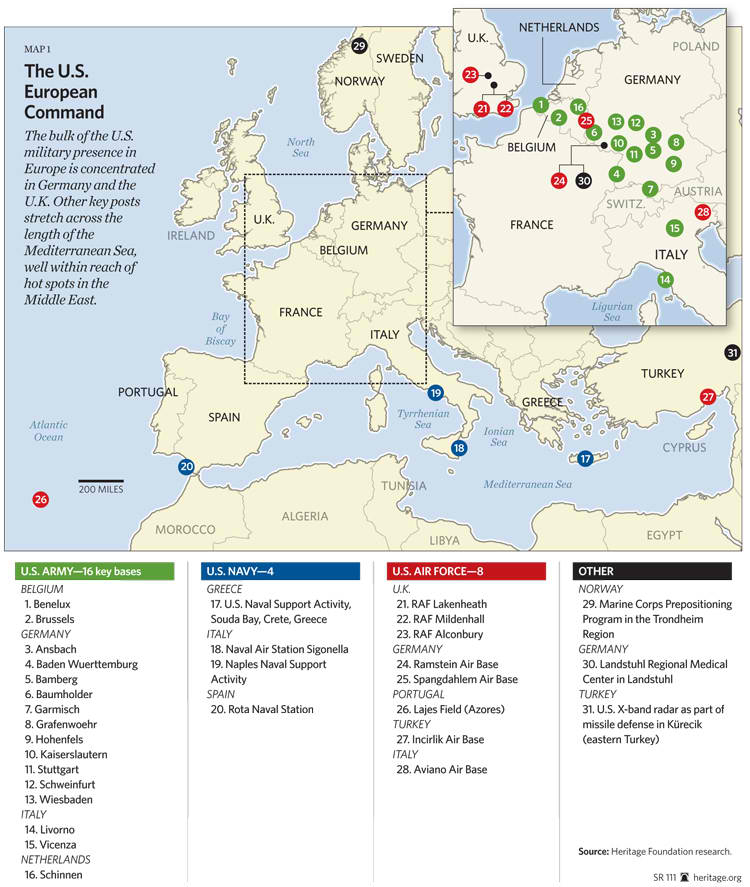
United States European military bases
Deterrence and Nuclear Posture
NATO's deterrence relies on conventional forces backed by the U.S. nuclear umbrella. A U.S. withdrawal would force European governments to reassess deterrence strategy: whether to rely on independent nuclear capabilities, seek extended deterrence through new partners, or accept a reduced deterrent. Any move toward European nuclearization would be politically fraught, legally complex, and costly, while acceptance of a diminished deterrent would likely invite strategic adventurism by revisionist states.
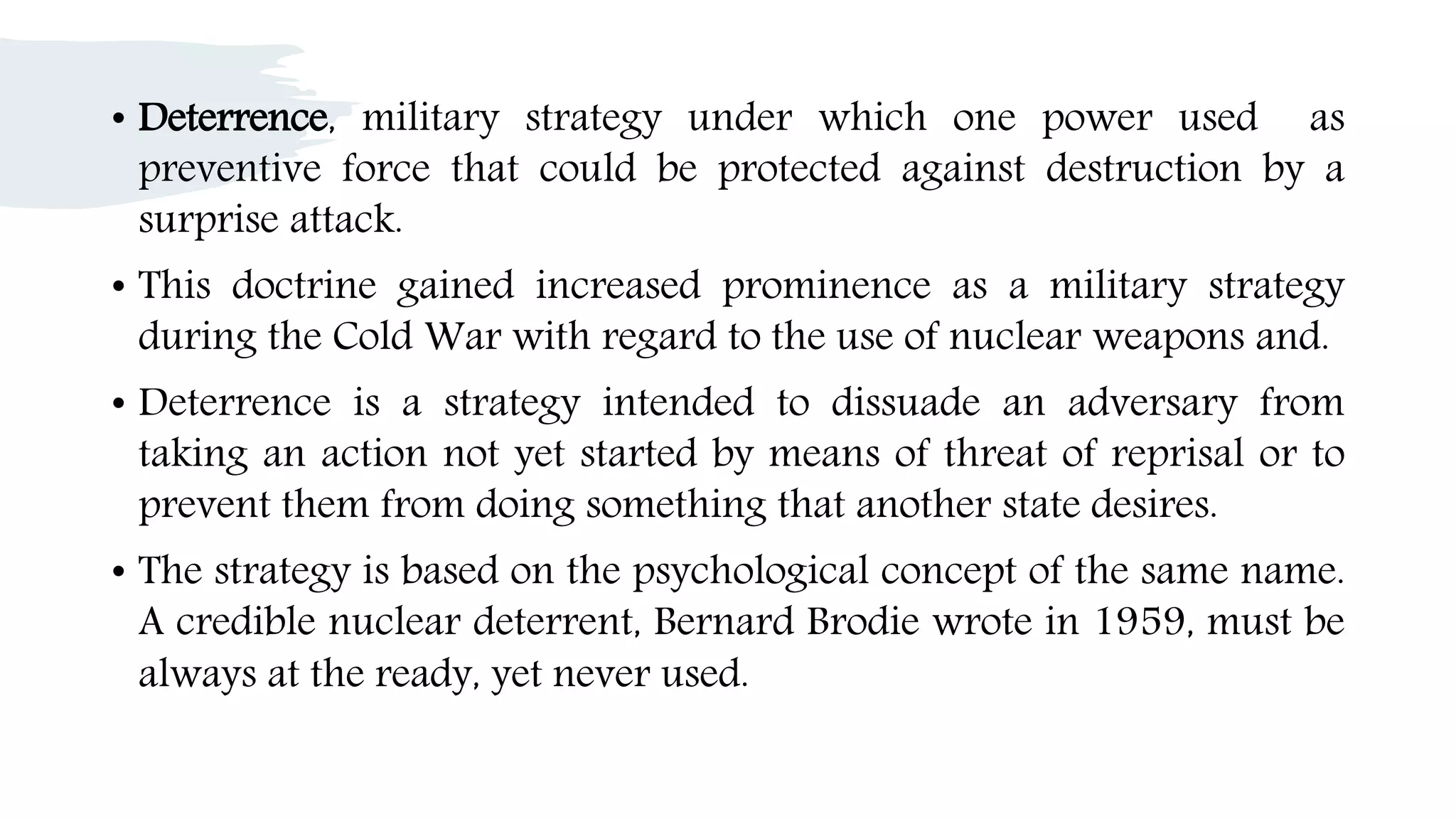
Nuclear deterrence military strategy
How Allies Would React: From Anxiety to Realignment
Allies would not react uniformly. States closer to perceived threats would experience immediate panic; others might see an opportunity to recalibrate relationships.
Eastern Europe and Baltic States
Countries along NATO's eastern flank would face the most acute security dilemma. For them, U.S. troops are not abstract—they are a tangible deterrent. Without the U.S. guarantee, these states would likely accelerate military spending, request bilateral security guarantees, or pursue alternative alignments. Some could consider neutrality or nonalignment as a survival strategy, which would redraw security lines in Europe.
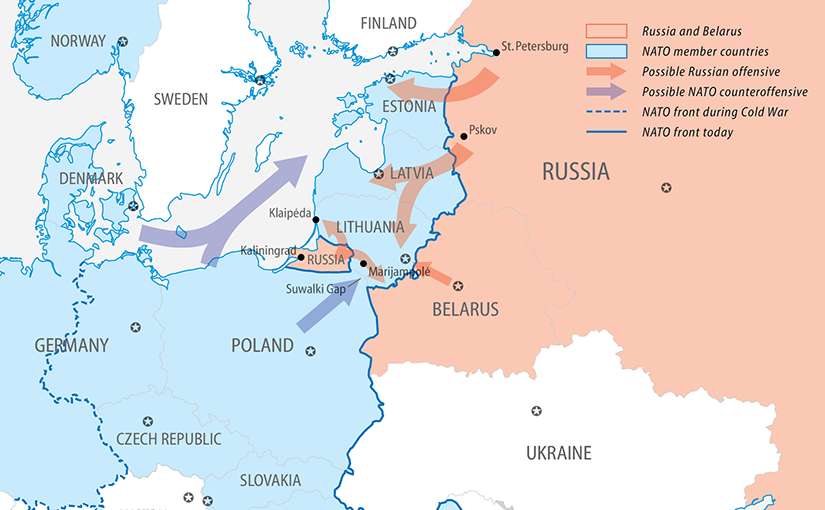
Baltic states NATO defense
Major European Powers
France and the United Kingdom possess significant military capabilities; Germany is economically dominant. These powers would be expected to assume larger roles. Yet political will varies: Germany's post‑war posture constraints, France's independent nuclear stance, and the UK's capabilities are not a simple replacement for American global reach. Expect increased pressure for joint European defense mechanisms, but also fragmentation as members pursue national responses.
- European autonomy: Could accelerate investment in independent defense.
- Burden-sharing debate: Forces allies to commit more resources.
- Capability gap: Europe lacks rapid strategic lift and nuclear umbrella.
- Instability risk: Power vacuums increase conflict probability.
Responses from Adversaries: Calculated Gains and Dangerous Gambits
Revisionist powers would not view a U.S. exit as a simple victory but as a chance to press advantages and reshape regional orders. Moscow and Beijing would likely take different approaches.
Russia
Russia would gain immediate strategic breathing room in its near abroad. Moscow could intensify pressure on contested regions, increase hybrid operations, and seek to split European unity with diplomatic and economic levers. However, an overtly aggressive campaign risks provoking NATO states to form a new cohesive front—so Russia's approach would likely be calibrated probing rather than outright invasion except where low-cost opportunities exist.
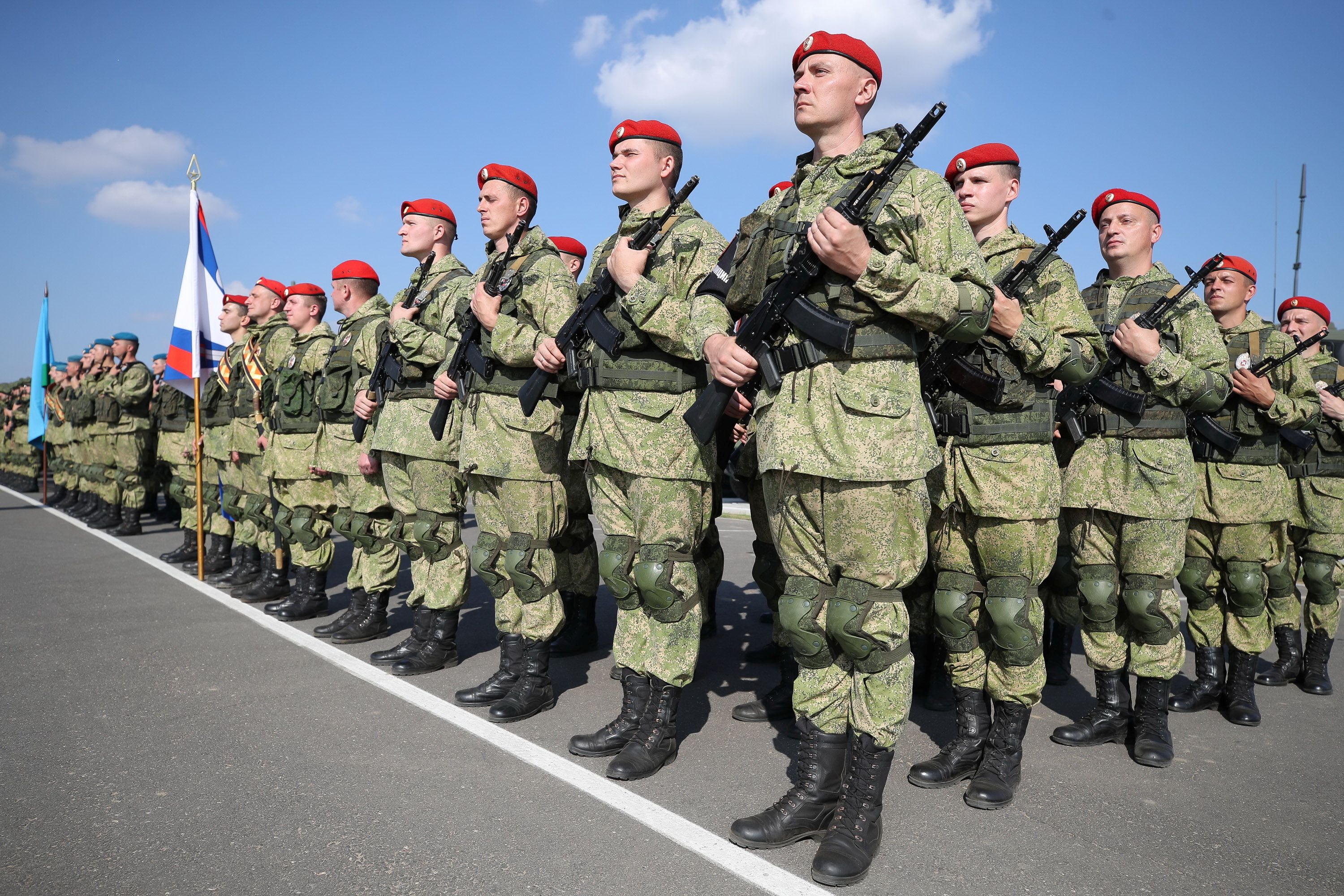
Russia military exercises Eastern Europe
China
China's principal interest is not Europe but the global balance. A diminished U.S. role in NATO could lead Beijing to expand global influence—economic, technological, and military—especially in regions like Africa, the Middle East, and the Arctic. China might also exploit transit and investment links to drive wedges between European states and the United States.
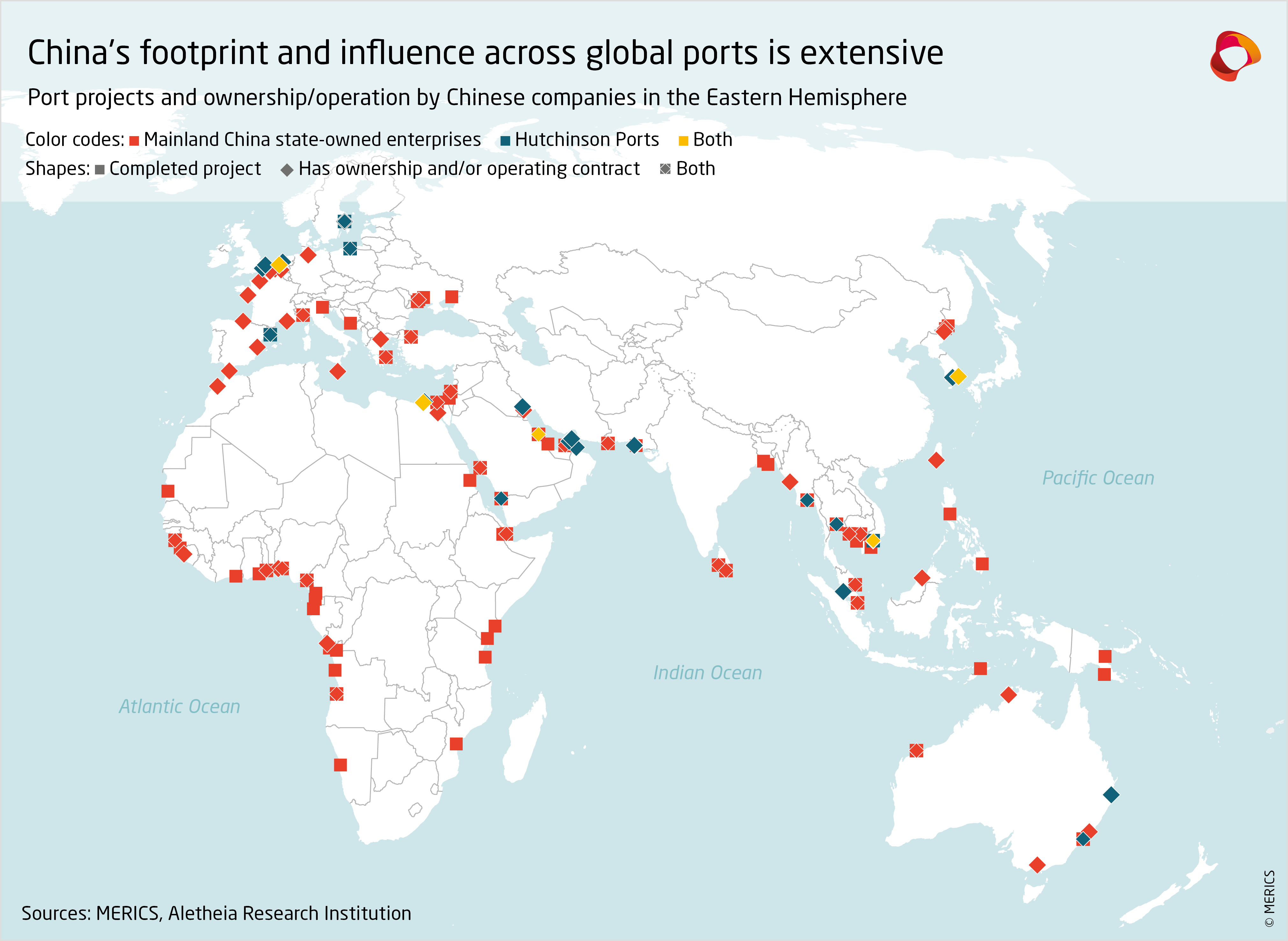
China global influence expansion
Economic, Technological, and Industrial Consequences
Defense supply chains, cooperative procurement, and joint R&D programs are woven through NATO relationships. A U.S. withdrawal would unsettle arms markets and interdependence.
- Defense industry: U.S. suppliers would lose reliable European orders; European manufacturers might see opportunities but lack scale for immediate substitution.
- Sanctions and trade: Geopolitical friction could translate into trade disruptions and reconfigured supply chains for dual-use technologies.
- Cyber and space cooperation: NATO's growing role in cyber defense and space situational awareness would be disrupted, creating vulnerabilities in critical infrastructure protection.
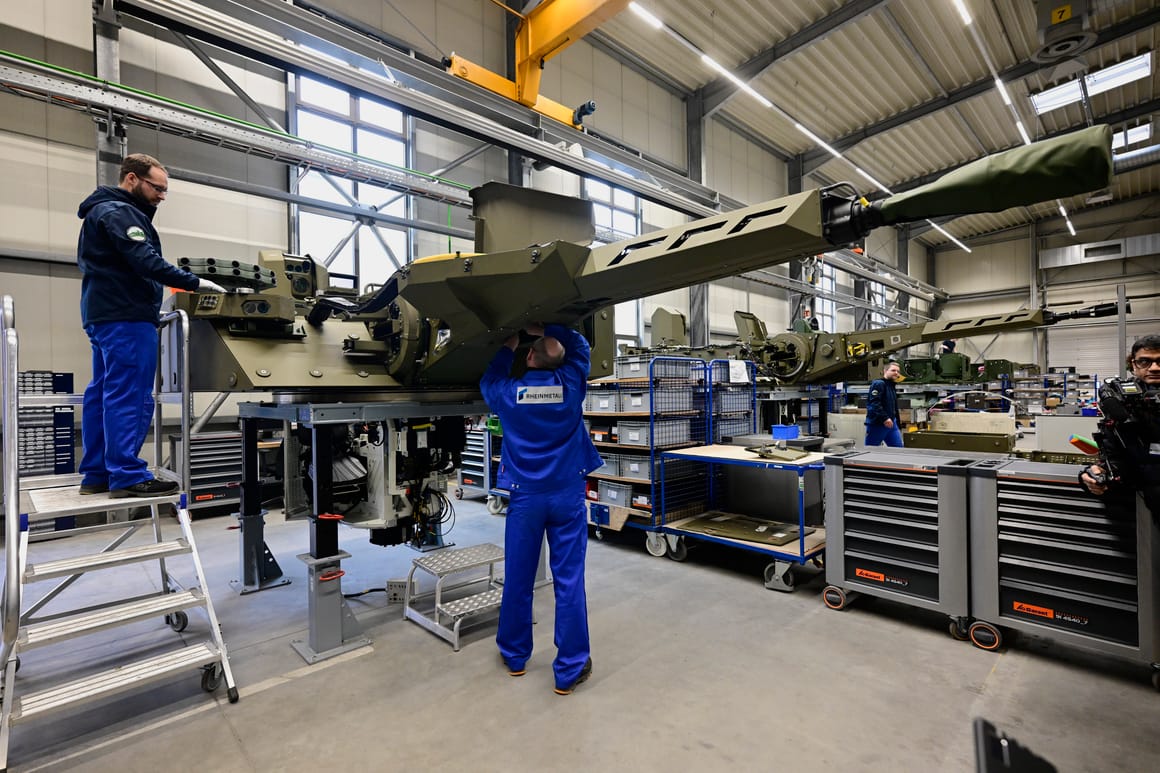
European defense industry manufacturing
Impact on Crisis Management and Non‑Article 5 Operations
NATO also conducts expeditionary, stabilization, and partnership missions outside the Article 5 envelope. A U.S. exit would make coalition-building for out-of-area operations more difficult, undermining capabilities to respond to terrorism, piracy, and humanitarian crises where NATO has traditionally led or supported operations.
Scenarios and Timelines: From Contained Shock to Long-Term Realignment
Possible outcomes range from short-term turbulence to systemic realignment:
Scenario 1 — Managed Disentanglement
A negotiated phased withdrawal with continued security partnerships (bilateral guarantees, defense pacts, basing rights) could soften the impact. Allies would scramble to fill gaps, but systems would remain functional. This scenario requires intensive diplomacy and commitments to maintain intelligence and logistics ties.
Scenario 2 — Fragmentation and Regional Balancing
Without coordinated replacement arrangements, Europe could fracture into regional security blocs—Northern, Central, and Southern groupings—each pursuing ad hoc alliances. This would reduce collective deterrence and make miscalculation in crises more likely.
Scenario 3 — Strategic Vacuum and Escalation
In the worst case, rapid U.S. withdrawal could create a vacuum that emboldens revisionist action, leading to escalatory confrontations and renewed arms races. The timeline for such shifts would be measured in months to years, but the political shock would be immediate.
Policy Options: How Allies and the U.S. Could Manage Risk
Policymakers have tools to mitigate harm even if withdrawal proceeds. Key options include:
- Binding bilateral guarantees: The U.S. could replace NATO membership with tailored treaties protecting frontline states.
- European defense acceleration: Launching ambitious joint procurement, strengthening EU-NATO coordination, and building strategic lift and ISR capabilities.
- Multilateral security architecture: Expanding regional defense frameworks with Canada, Japan, Australia, and others to create interoperable coalitions.
- Arms control and crisis management: Renewed arms control dialogue to reduce immediate escalation risks, paired with confidence-building measures and transparent military notifications.
Even a phased withdrawal demands immediate contingency planning by allies and partners.
Ethical and Democratic Considerations
All major strategic moves must be accountable to democratic processes. A withdrawal without transparent debate risks undermining domestic legitimacy and fracturing public trust at home and abroad. Allies would struggle to accept a U.S. decision perceived as unilateral abandonment of shared norms.
Conclusion: What the World Would Lose—and What Could Be Salvaged
Withdrawing from NATO would not be a tidy disengagement; it would be the beginning of a prolonged period of instability and adjustment. The immediate loss would be predictability: a system built on clear commitments and shared planning would be replaced by uncertainty, regionalized security arrangements, and a higher risk of miscalculation. Some positive effects are possible—accelerated European military integration, renewed diplomatic innovation—but they are neither automatic nor sufficient to replace the deterrent value of an American commitment.
- U.S. withdrawal would weaken NATO's military, political, and institutional pillars and increase short-term instability.
- Frontline states in Eastern Europe would face intensified security dilemmas and might pursue bilateral guarantees or neutrality.
- Russia and China would opportunistically test the new order, but responses will be calibrated to avoid unintended escalation.
- Long-term mitigation requires binding guarantees, European capability investment, and renewed arms control diplomacy.
- Democratic debate and transparent planning are essential to manage the risks of any major alliance shift.
For policymakers, the choice is stark: manage a difficult transition deliberately with international consultation, or risk an unmanaged realignment that could diminish security for decades. Whatever the motive behind talk of withdrawal, the response should be immediate contingency planning, intensified diplomacy, and clear communication—because the price of strategic surprise is measured not only in policy papers but in human security across continents.