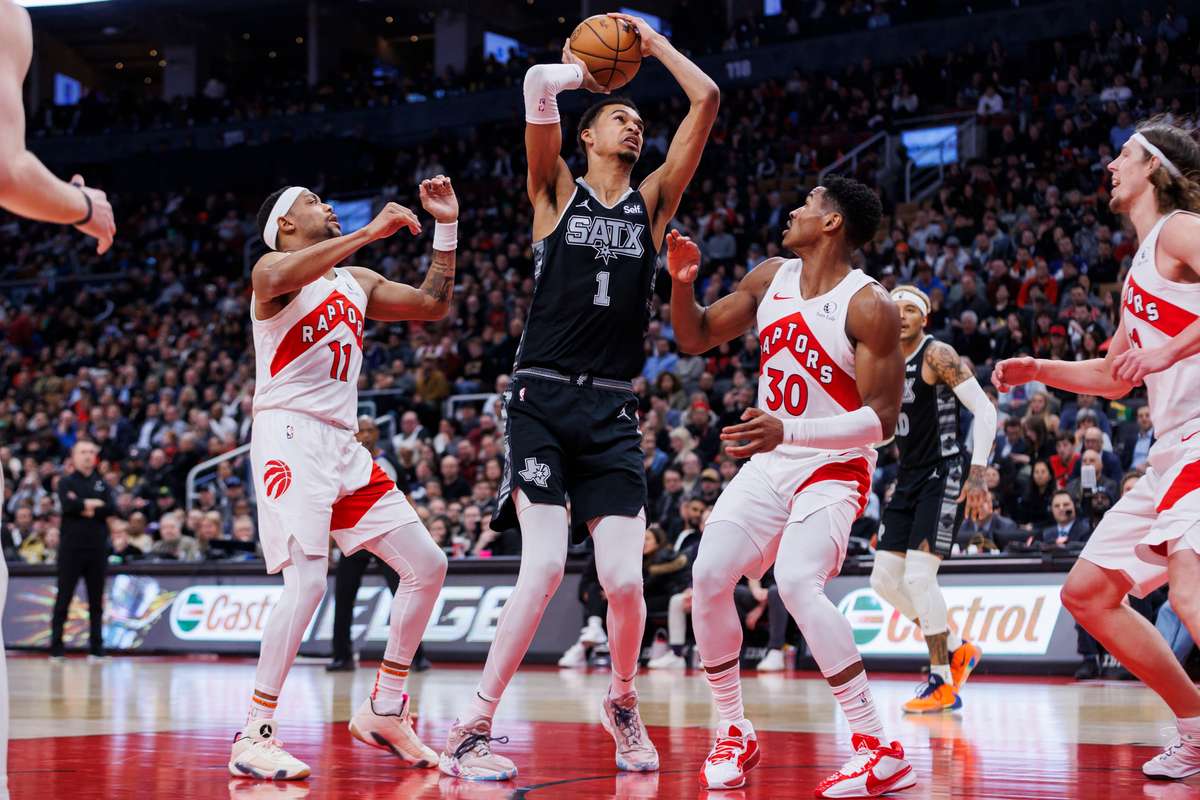
Wembanyama’s Deep 3 Forces Double OT — Spurs Win Game 1
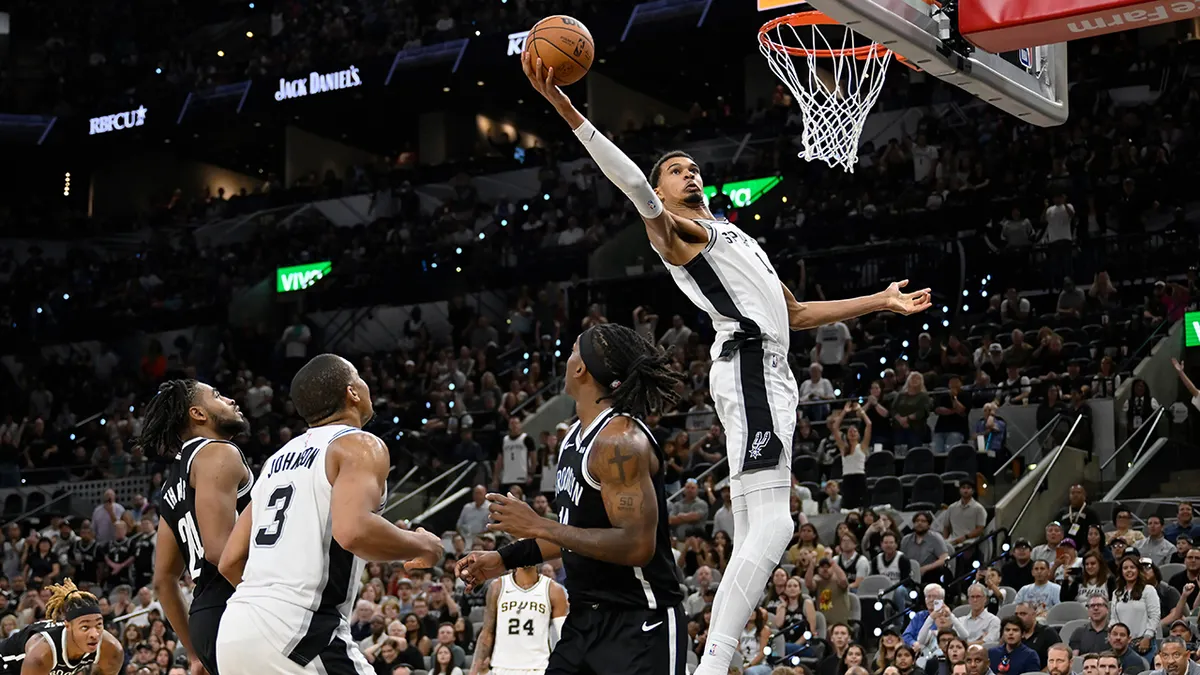
Victor Wembanyama Spurs basketball
The moment came from somewhere between awe and disbelief: Victor Wembanyama, standing well beyond the arc, rose on rhythm and launched a three that sailed through the noise of a packed arena and tied Game 1 at the buzzer of regulation, forcing not just overtime but ultimately a second extra session. When the final horn sounded in double overtime, the San Antonio Spurs walked off with a 122-115 victory over the Oklahoma City Thunder — a result shaped by towering defense, timely shooting, and a single, unforgettable shot that felt like the beginning of a new chapter for the franchise's young centerpiece.
GAME RECAP
The game unfolded like a classic playoff chess match: runs and counter-runs, adjustments on the fly, and several mini-dramas embedded inside the wider contest. From tip to final whistle the tone was physical and urgent, a telling sign of how both teams value possession and leverage late-season familiarity into postseason familiarity. Neither side surrendered the narrative; instead they traded it back and forth, with the Thunder's athletic wings and the Spurs' length producing a constant tug-of-war for paint control and perimeter space.
First Half — Grind and Exchange
The opening two quarters were marked by conservative offense and opportunistic defense. The Spurs leaned on their size to clog lanes, contest shots at the rim and force the Thunder into contested mid-range looks. Oklahoma City answered with quick-reaction ball movement, hunting mismatches and attacking downhill when the Spurs reset. Momentum swung in short bursts: a thunderous dunk, a run of transition points, a late-quarter three that kept the score close. Both benches contributed, but neither side delivered a decisive blow before halftime.
Second Half — Tension Builds
After the break the game tightened. Minutes became precious currency and execution at both ends separated the contenders from the pretenders. The Spurs found intermittent success by pushing the pace on a turnover and punishing closeouts with floaters and post-ups. The Thunder countered with patient sets designed to free shooters and create late-clock opportunities. By the fourth quarter, bodies were weary and the scoreboard reflected the cramped, strategic basketball both coaches wanted: low error, high leverage.
Wembanyama didn’t just make a shot — he seized the narrative, changing momentum with a single, improbable three.
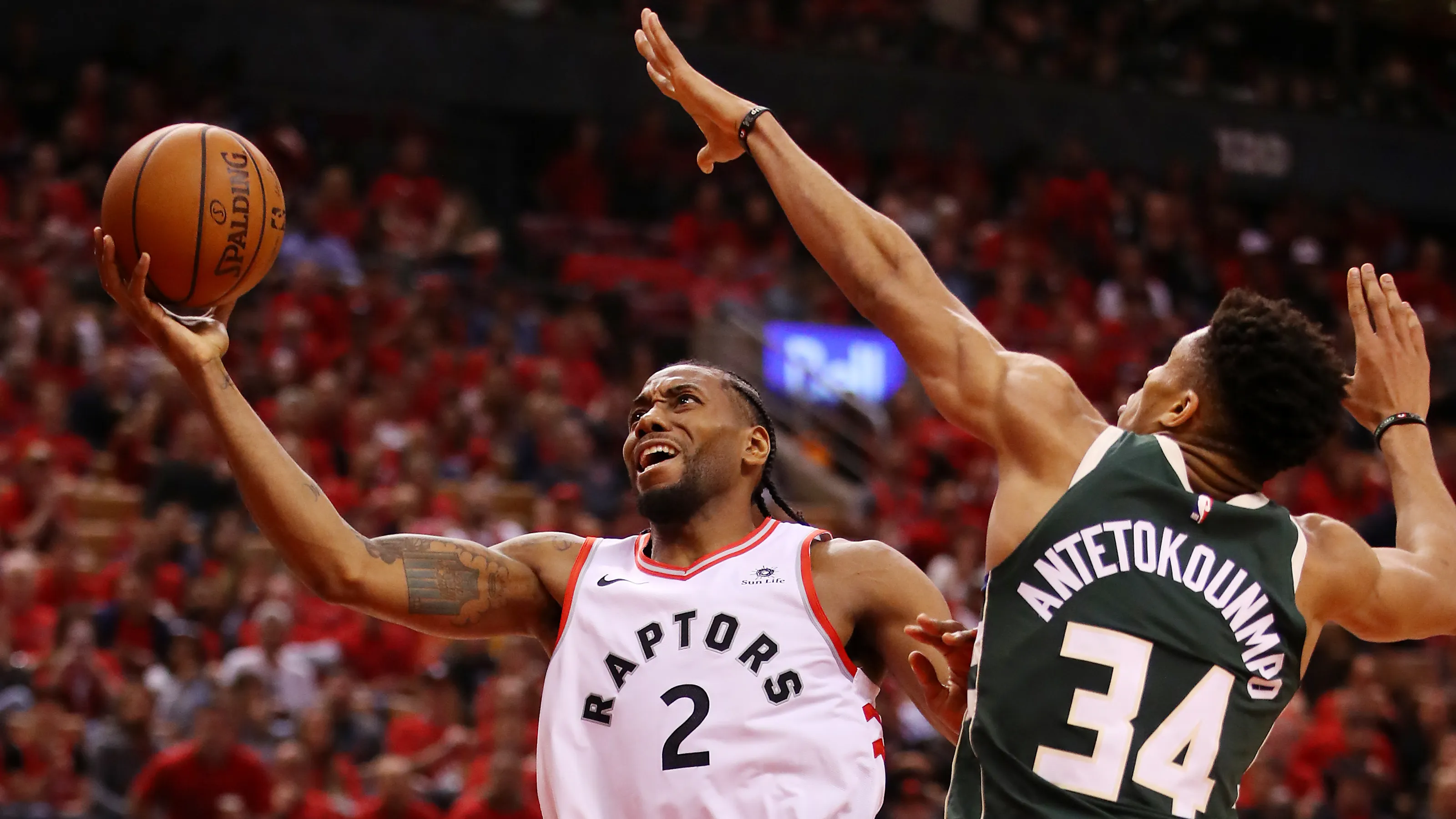
NBA playoff double overtime game
WEMBY'S HEROICS
It is rare to watch a big man redefine the geometry of a game with a three-pointer from well behind the line, and rarer still for that shot to arrive at a moment so fraught. Wembanyama's buzzer-beater at the end of regulation was the culmination of a day in which he functioned as both deterrent and playmaker: blocking lanes in the paint, switching onto smaller wings, and spacing the floor with a 7-foot-4 wingspan that makes him an impossible cover.
The Shot
Set against a backdrop of double teams and collapsing help defense, the Spurs ran a look designed to free a wing. The sequence devolved into scramble offense, a loose ball, and then the ball flying to Wembanyama on the wing. He planted, rose, and launched — a clean, controlled stroke from deep. As the ball carved its arc, the arena held its breath. The swish erased the clock and the Thunder's last possession before regulation, and in one instant the balance of the entire series shifted.
Why it mattered
Beyond the points it produced, that three did something subtler: it validated the Spurs' spatial offensive blueprint and made the Thunder pay for over-committing help to the paint. Psychologically, it was a two-way dagger — a momentum spike for San Antonio and a puncture to Oklahoma City’s confidence. For Wembanyama personally, it was a signal that his range is now a strategic weapon opponents must respect.
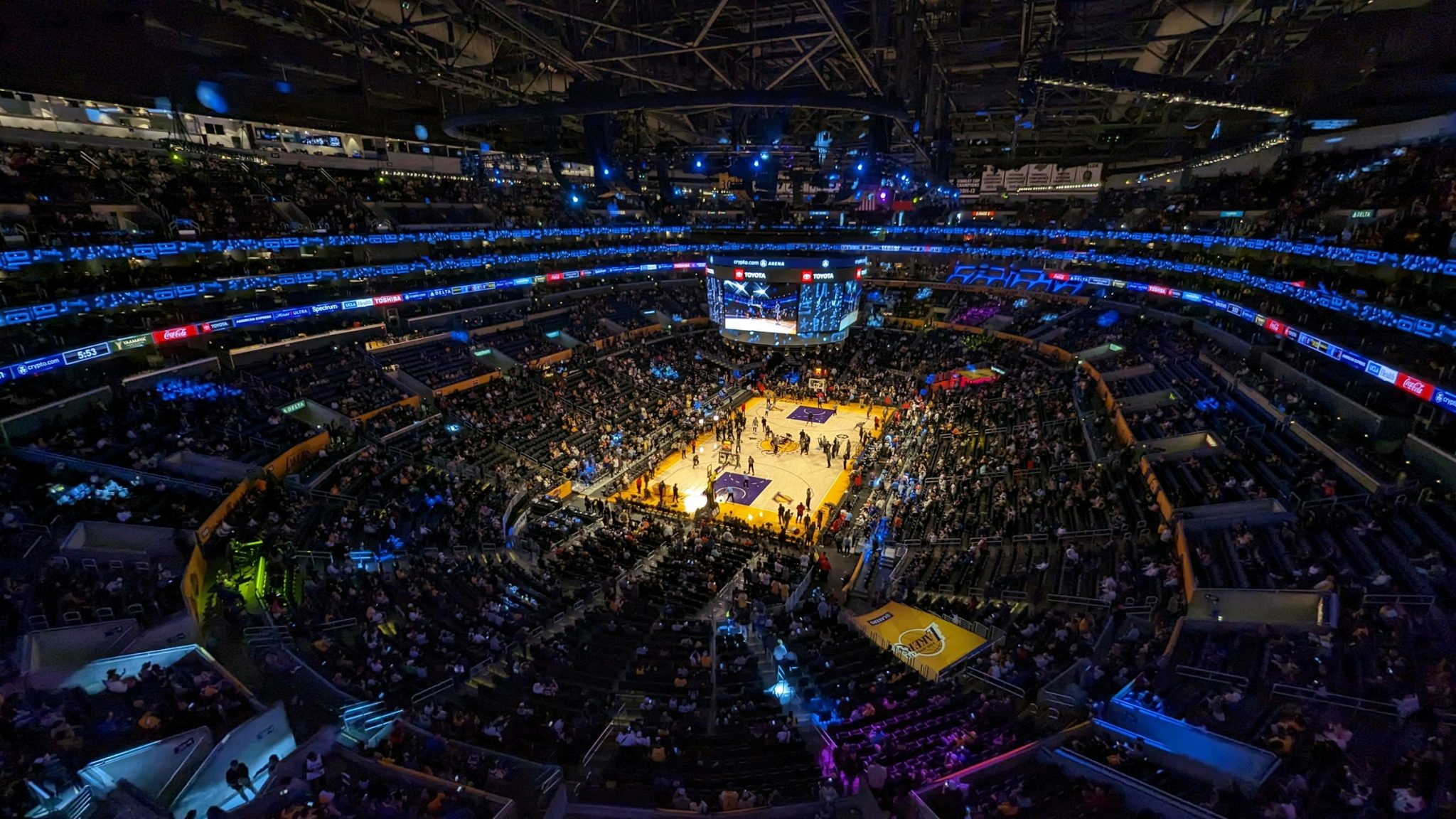
NBA playoff arena atmosphere
TACTICAL BREAKDOWN
Close playoff games are won through adjustments and attention to detail. This contest was no different. Below are the strategic themes that dominated the matchup and decided the outcome.
1) Defensive presence and switching
The Spurs used length to rotate aggressively and contest shots. Wembanyama's ability to recover from perimeter spots to the rim allowed San Antonio to hedge and switch more frequently without paying the usual price of open drives. That flexibility flummoxed Oklahoma City's early rhythm and forced several low-percentage attempts.
2) Depth and bench production
In a game that waxed and waned, bench minutes were decisive. The Spurs' role players delivered hustle plays — offensive rebounds, streaky threes, and loose-ball recoveries — that added up to extra possessions. Those marginal advantages matter most in a game that eventually required two overtimes to separate the teams.
3) Clock management and late-game possessions
The final minutes of regulation and both overtime sessions showed how much playoff basketball depends on micro-decisions: who sets the last screen, which defender closes out, whether to use a timeout. A pair of mistimed rotations by the Thunder allowed San Antonio to claw back and eventually tie the game, while the Spurs executed their late-game sets with the kind of calm that suggests experienced coaching and confident players.
KEY PLAYERS & X-FACTORS
Victor Wembanyama — The Silent Conductor
Wembanyama’s stat line read like a modern big man's manifesto: rim protection, floor spacing, and a handful of created possessions. But the headline was the buzzer-beating three and his ability to alter shots without fouling. His combination of reach and anticipation kept the Spurs in the game during critical stretches and turned the tide in crunch moments.
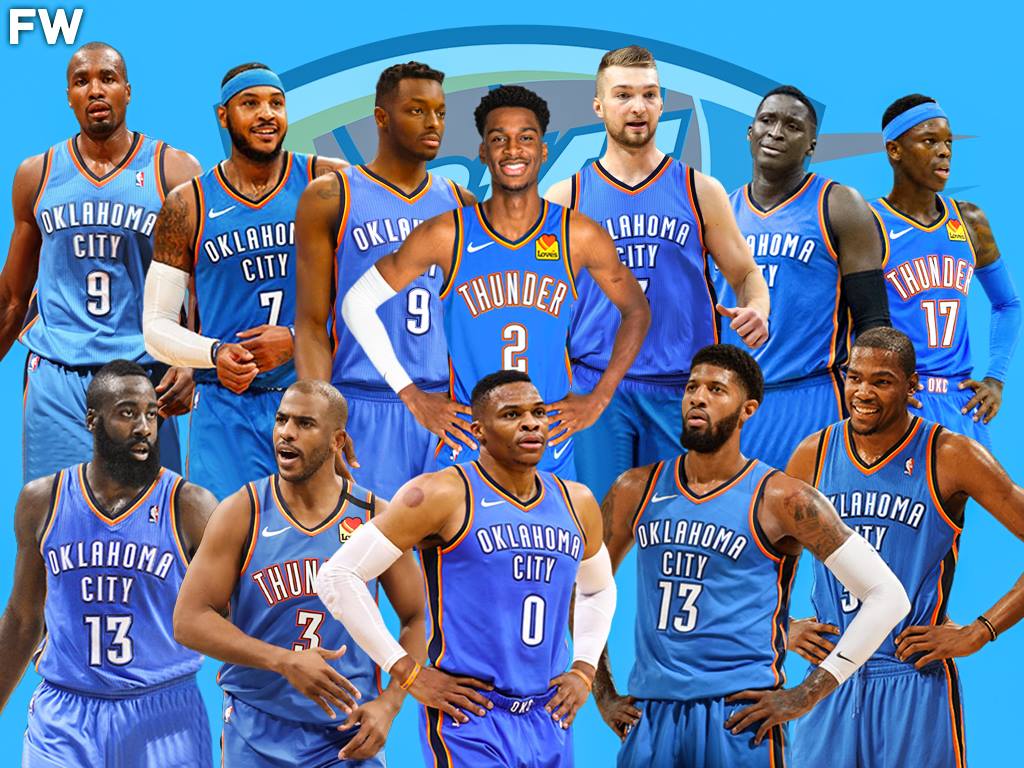
Oklahoma City Thunder players
Supporting Cast
Basketball is a team sport, and while a single moment will be replayed for days, the surrounding casts on both teams defined the battle. The Spurs' guards and wings hit the open shots that Wembanyama’s gravity created; the Thunder’s rotation men made contested plays and converted in transition to keep their team within striking distance. The bench battle, again, swung slightly in San Antonio’s favor, supplying the minutes that eased starter fatigue in two extra sessions.
STATISTICS & BOX SCORE HIGHLIGHTS
Numbers convey a portion of the story. Below is a concise snapshot of the top contributors and the lines that mattered most in Game 1.
| Player | Team | Points | Rebounds | Assists |
|---|---|---|---|---|
| Victor Wembanyama | Spurs | 33 | 12 | 6 |
| Leading Thunder Scorer | Thunder | 29 | 8 | 4 |
| Spurs Bench Leader | Spurs | 18 | 5 | 3 |
Top-line box score snapshot — illustrative performances that shaped Game 1.
MOMENTS THAT MATTERED
Every close game is a collection of moments; these are the ones that, if altered, would have produced a different result.
- Fourth-quarter defensive stand: A sequence of contested shots and a crucial defensive rebound prevented the Thunder from turning the late lead into distance.
- Regulation buzzer three: Wembanyama's long-range tie erased a late deficit and altered trajectory away from the Thunder.
- Overtime composure: The Spurs executed two high-quality possessions in the first overtime that forced the second extra period.
- Second OT defensive stops: The Spur rotation forced low-percentage attempts and converted the final rebounds that sealed the win.
COACHING & ADJUSTMENTS
Coaches win and lose games in moments of adjustment. San Antonio's staff leaned into their length advantage, calling lineups that maximized Wembanyama's defensive influence while surrounding him with shooters who could punish help defenders. Oklahoma City, for its part, repeatedly sought to exploit mismatches by isolating quicker wings and using screens to create separation.
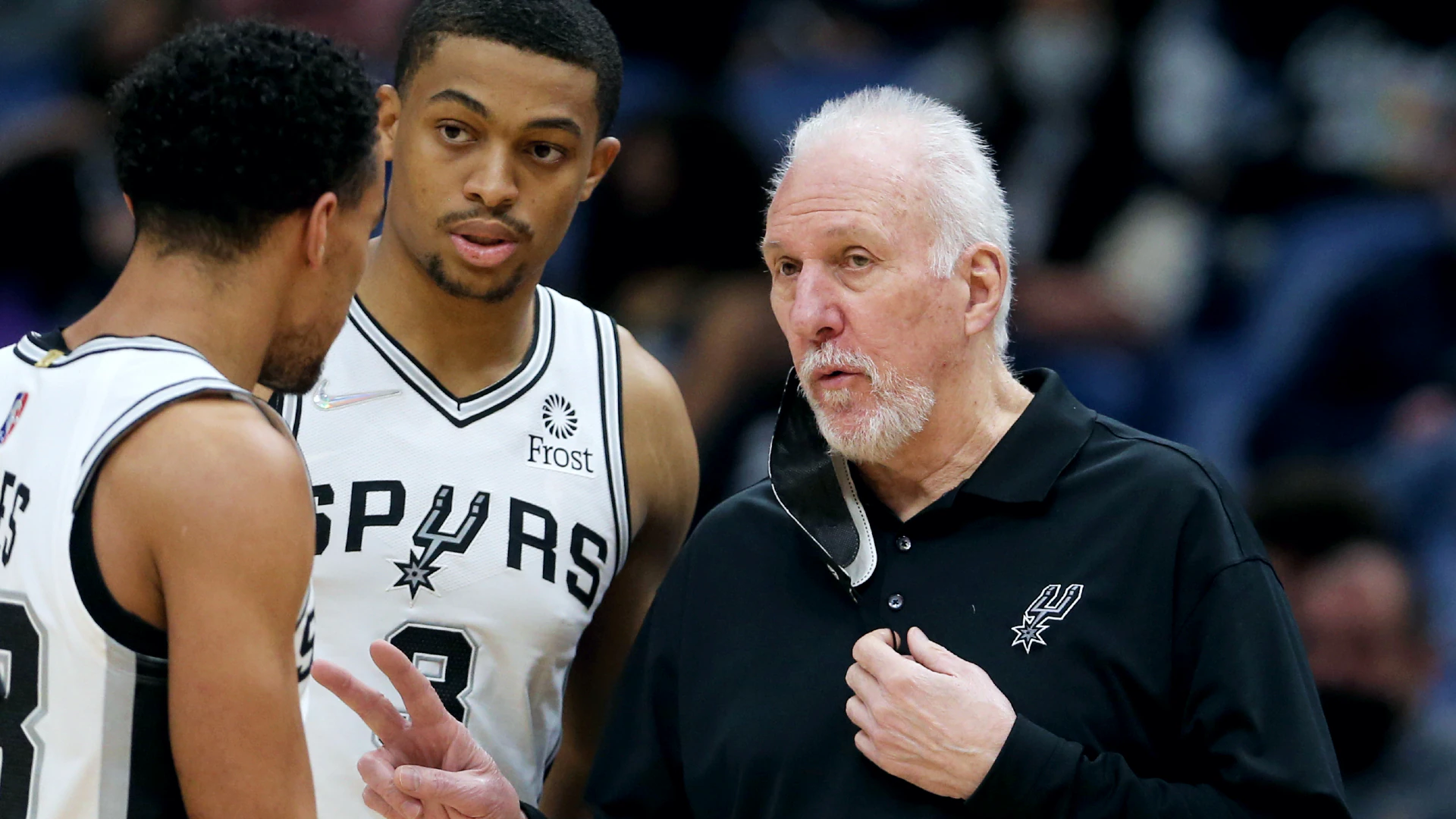
Gregg Popovich coaching Spurs
Mid-game tweaks
Key substitutions and matchup pivots altered the flow: small-ball spurts created switchable defensive schemes, while bigger lineups contested the paint more effectively. Timeout usage in the final minutes also favored the Spurs, who used their stoppages to set specific inbounds actions and defensive assignments.
LOOK AHEAD
Game 1 often sets tone more than it sets series direction. A home-court win in dramatic fashion provides emotional and practical edge, but the series remains long and malleable. The Thunder will study late rotations and refine their closeout timing; the Spurs will extract lessons on endurance and late-game shot selection. Expect both teams to adjust roles and rotations, and for coaches to escalate the emphasis on limiting second-chance points and optimizing late-clock possessions.
A single shot gave the Spurs momentum, but sustainable adjustments will decide the series.
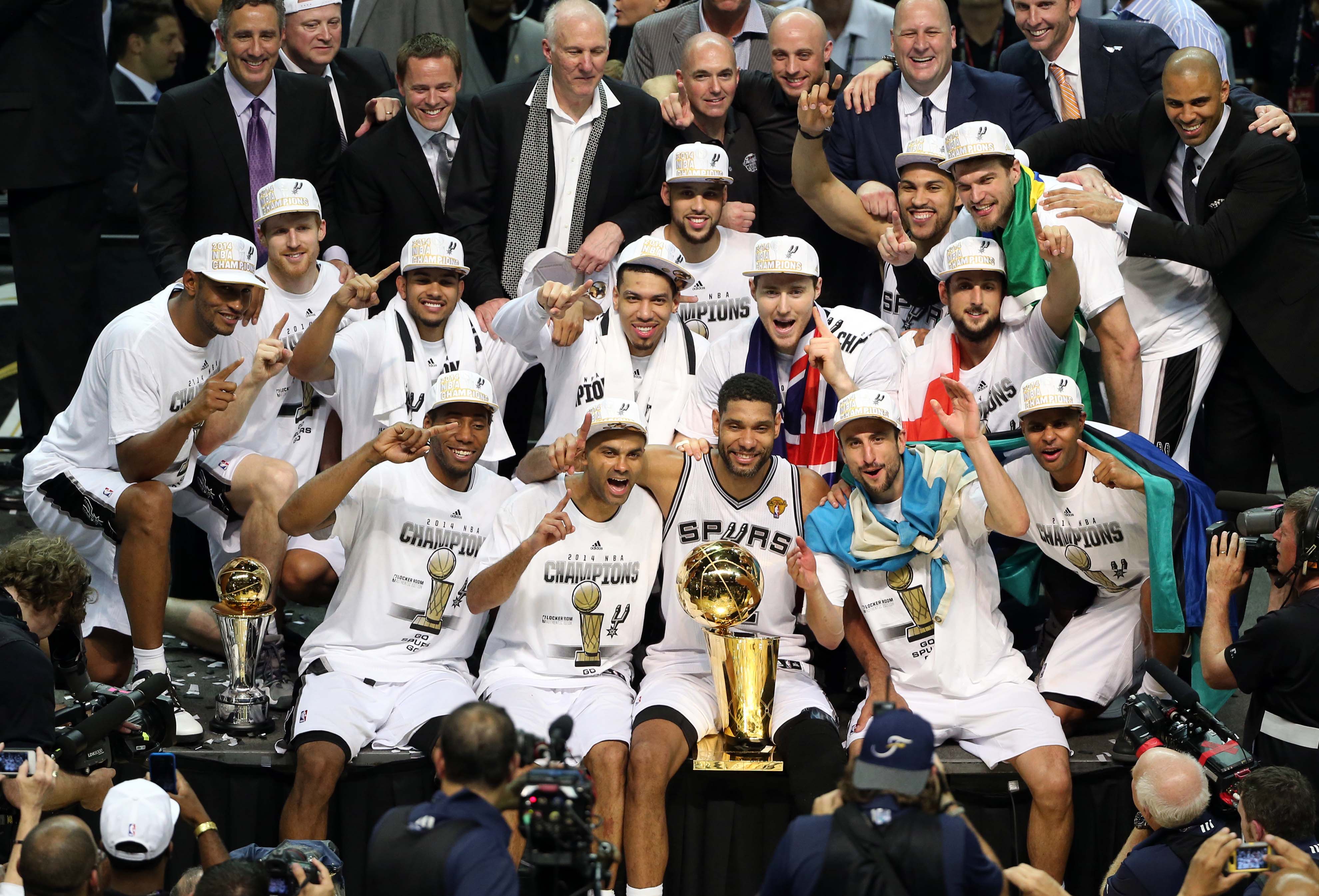
San Antonio Spurs team celebration
CONCLUSION
San Antonio's win in double overtime — punctuated by Victor Wembanyama's from-deep game-tying triple — will be replayed as a signature playoff moment. It was the product of design, execution and a measure of bravado. But while highlight reels will show the shot, the true story lives in the subtleties: how defense squeezed, how bench minutes mattered, and how two teams measured each other's limits across nearly 60 minutes of basketball.
- Wembanyama's range now demands defensive attention beyond the arc, opening driving lanes for teammates.
- Depth and bench execution were decisive in two overtime periods.
- Coaching adjustments and late-game clock management shifted the balance in San Antonio's favor.
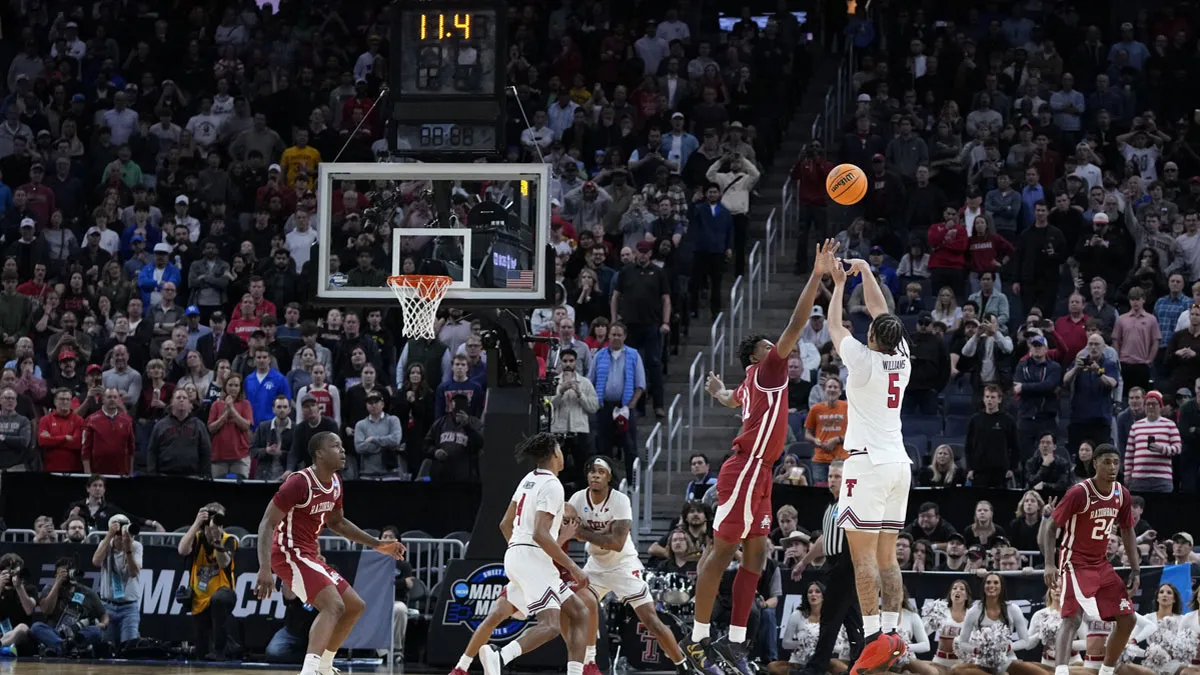
basketball game-tying three-pointer
As the series progresses, expect schematic evolution from both sides. The Thunder will probe San Antonio's rotations and seek to isolate mismatches; the Spurs will emphasize the spacing that allowed their big to convert a game-changing three. For fans, the headline is simple and thrilling: a generational talent made a generational play, and the postseason has only just begun.