Was I Wrong to Tell a Coworker I Was Miscarrying? Workplace Boundaries
The smell of disinfectant, the hum of the fluorescent lights and the small clock above the break room—ordinary office details that dissolve when something private collides with public routine. That happened to me the day a coworker tried to get me in trouble for what she called "excessive" bathroom use, and I answered in a way that changed the dynamics on our team: I told her I was miscarrying. The immediate outcomes were messy, painful and instructive. The longer arc has been about what workplaces owe employees, how coworkers should respond when personal crises surface, and how people who experience pregnancy loss navigate disclosure in environments that are often unsympathetic.
The Moment
What happened
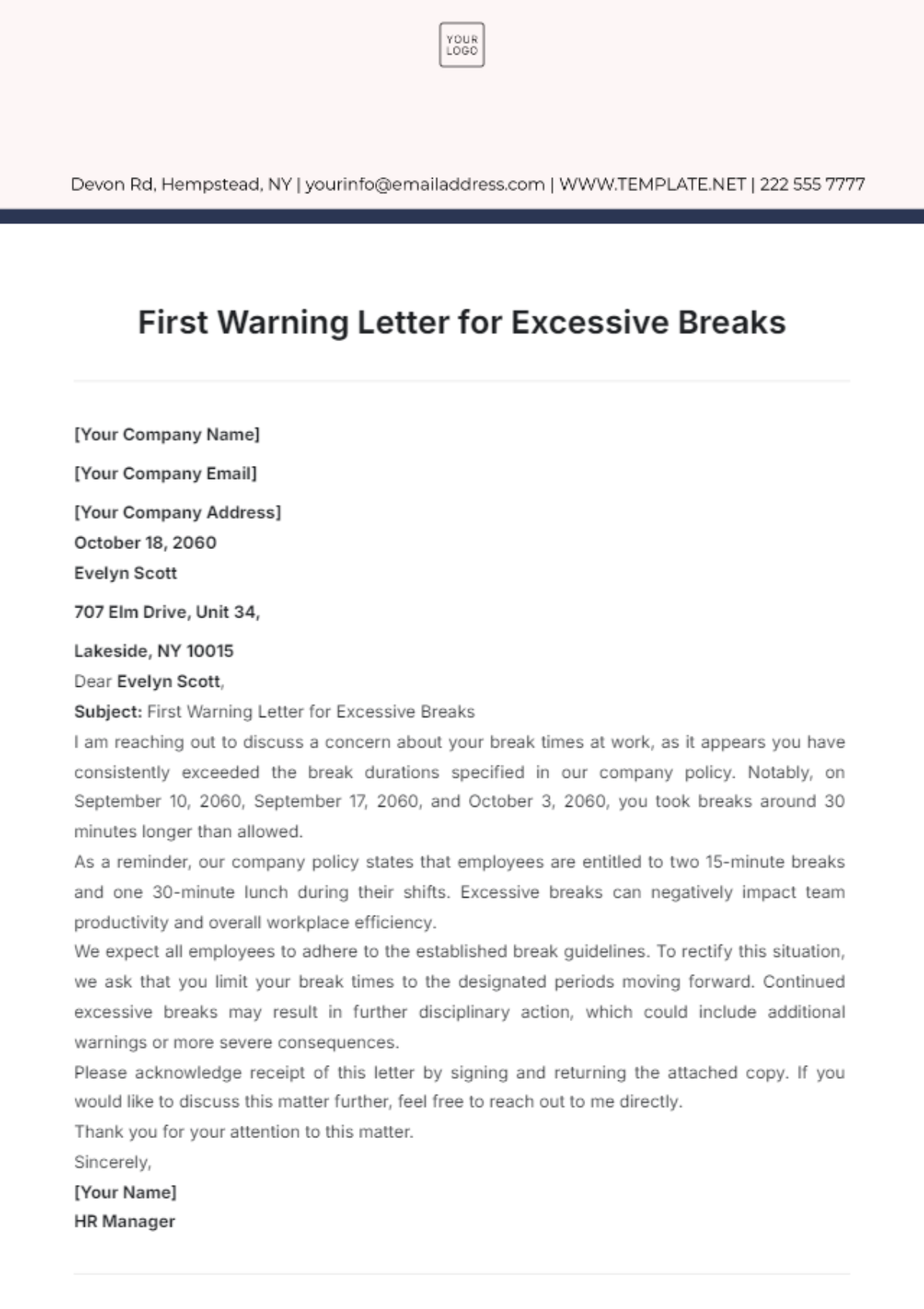
I worked a standard eight-hour shift at a midsize office. I'd been to the restroom more often than usual for a few days—cramping, blood loss, doctor visits and a desperate need to sit down between meetings. One of my teammates noticed and emailed our manager to complain about "excessive breaks" and a perceived lax attitude toward productivity. When I learned of the complaint, I confronted the coworker in a private hallway and told her, bluntly: I was miscarrying. She went quiet. The complaint evaporated, but not the humiliation, the anger, or the questions that followed.

office bathroom breaks miscarriage
Immediate fallout
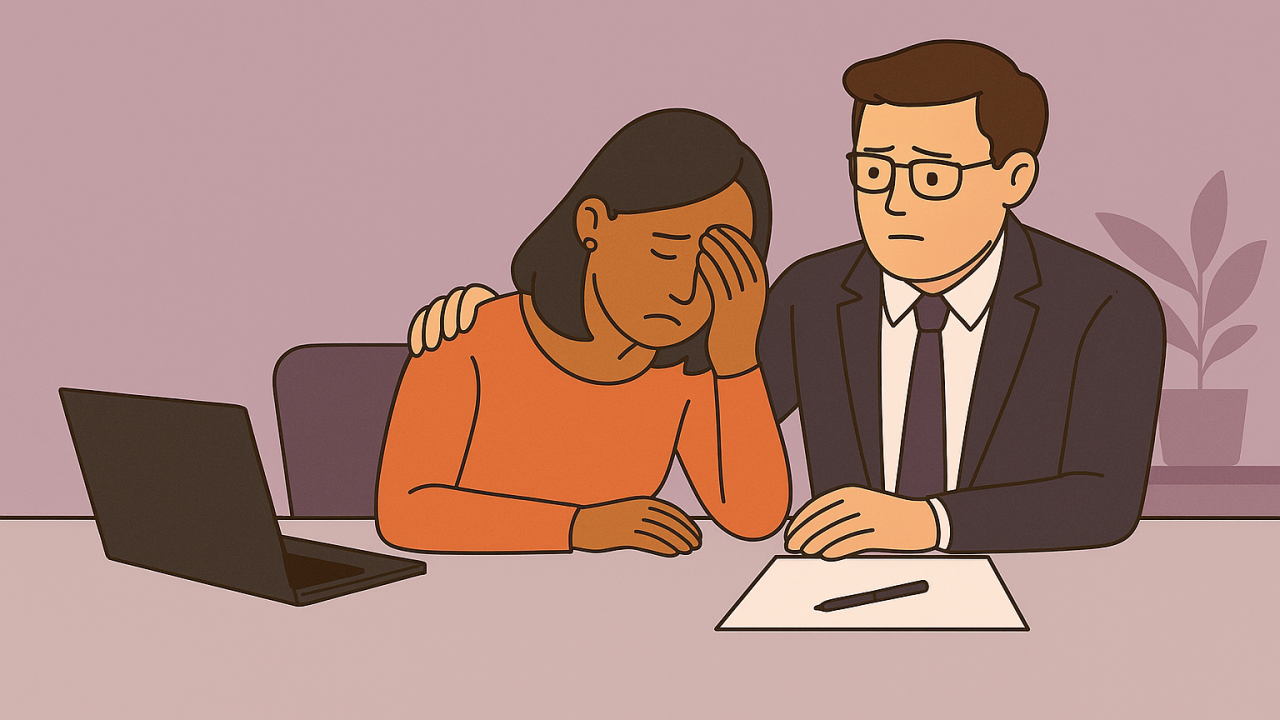
After the disclosure, reactions varied. Some colleagues became gently protective and offered help. Others withdrew, awkwardness replacing the small talk we used to share. My manager was apologetic but also concerned about documentation and policy. The coworker who filed the complaint said she felt "misled," as if she had been railroaded into shame. I felt both vindicated and exposed. I kept thinking: Was telling her the right move? Did I have any obligation to educate her about what I'd been experiencing? Would someone else have handled this better?
coworker complaint excessive breaks
“Disclosing miscarriage at work can be both a boundary-setting act and a surrender of privacy—no single approach fits everyone.”
Why bathroom use becomes a workplace flashpoint
Cultural expectations and productivity myths
Offices run on visible participation: being at your desk, answering Slack pings, showing up to meetings. When a colleague's physical presence is interrupted frequently, it triggers assumptions—about laziness, privilege or unfair workloads. Bathroom breaks are one of the only bodily functions that happen in plain sight of team rhythms, and they become a shorthand for engagement or lack thereof.
Gendered and health-related assumptions
Miscarriage is overwhelmingly a women’s health issue, and conversations about it intersect with gendered expectations in the workplace. Women are often expected to manage emotional labor—supporting others while minimizing their own needs. When health symptoms are visible in the form of repeated restroom visits or sudden absences, the suspicion can fall on the individual's commitment rather than their wellbeing.
The realities of miscarriage and why it affects work
Physical and emotional symptoms
Miscarriage can bring bleeding, severe cramping, fatigue, hormonal shifts and the need for unexpected medical care. Emotionally, it may trigger grief that resembles the response to the death of a loved one. These experiences can make sustained concentration, meeting attendance and routine tasks difficult or impossible in the short term.
Why some people choose to disclose
People disclose pregnancy loss for many reasons: to explain absences, to get empathy, to protect themselves from judgment or to ask for accommodations. Disclosing can provide immediate relief—colleagues stop speculating and the individual gets support—but it can also invite unwanted attention and questions, or create pressure to perform emotional labor by educating others.
workplace empathy pregnancy loss
When disclosure is weaponized or mishandled
From complaint to confrontation
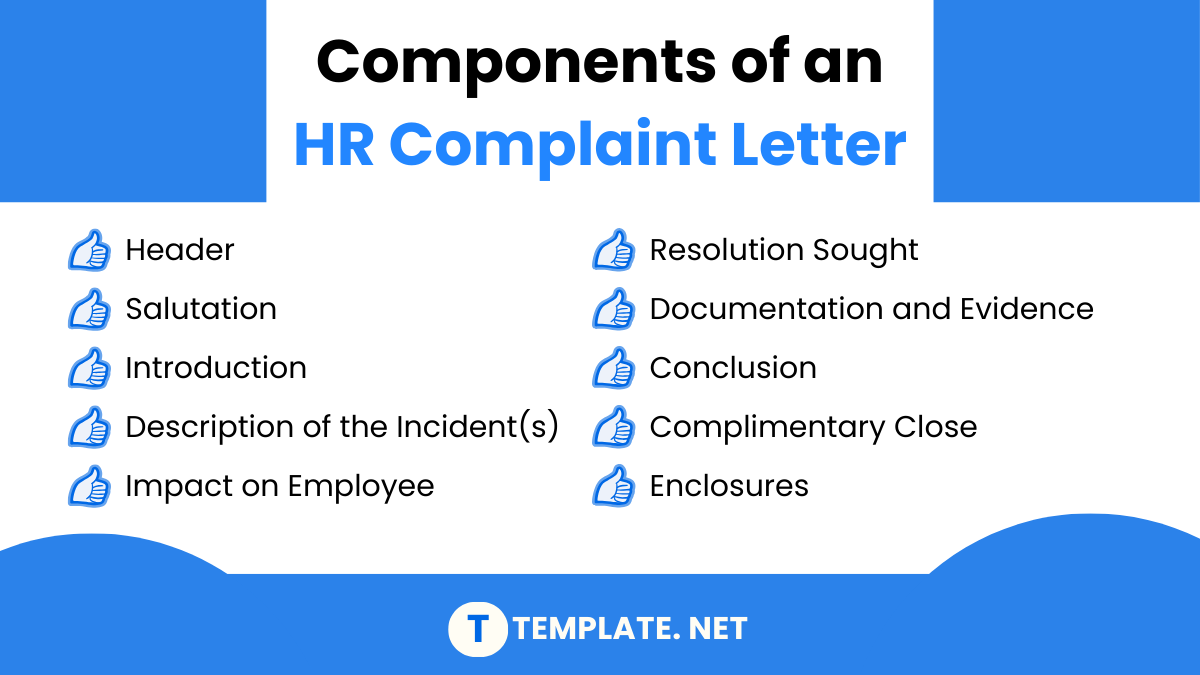
In scenarios like the one described, a coworker uses a formal mechanism (an HR or manager complaint) to address a perceived problem. That mechanism is legitimate when workplace norms are being violated, but it becomes harmful when it's used without context or when it targets someone experiencing a medical crisis. The coworker's email about "excessive bathroom use" lacked empathy and assumed ill intent—traits that can poison team trust.
Why some coworkers react poorly
People respond poorly for many reasons: fear of extra work, lack of emotional literacy, discomfort with grief, or a strict adherence to productivity metrics. Some may worry about fairness and resent having to redistribute duties. None of these reactions justify shaming or escalating a private health matter without first seeking understanding.

manager handling bereavement disclosure
What employers and managers should do
Create clear, humane policies
Companies that combine clear attendance guidelines with compassionate flexibility reduce conflict. Policies should explain how to request time off for medical reasons, handle intermittent absences and support employees experiencing personal crises like bereavement or pregnancy loss. Training managers to respond with privacy and empathy is critical: they are the first line of defense against misunderstandings.
How to handle complaints
When managers receive a complaint—about bathroom use or anything similar—they should follow a measured approach: check in privately with the person who raised the concern, gather facts, and then have a confidential conversation with the targeted employee to understand context. Jumping straight to disciplinary action without assessing the situation risks harm and legal exposure.
Support, not spectacle
Employers should treat disclosures of miscarriage with confidentiality and offer options: temporary workload adjustments, referral to counseling services, short-term leave, or flexible scheduling for medical recovery. A culture where such offers are routine reduces the need for dramatic disclosures in hallways.
HR complaint miscarriage disclosure
How to respond if a coworker confronts you
Short-term strategies
If confronted about bathroom use or absences, you have a few immediate choices: decline to disclose and ask for privacy; give a brief factual explanation ("I have a medical issue and need occasional breaks"); or disclose more fully if you are comfortable. Any choice is valid. You can also say you'd prefer to discuss it with HR or your manager.
Longer-term steps
Document incidents where a coworker escalated without cause, especially if their behavior crosses into harassment. Speak with HR about reasonable accommodations. If the emotional toll is significant, seek counseling or employee assistance programs. Connecting with trusted coworkers or external support groups can also help process grief without turning the workplace into the sole forum for emotional labor.
team dynamics after personal crisis
Ethical considerations around disclosure
The burden of education
People who experience loss often find themselves explaining and justifying why their grief matters. That educational burden can be exhausting. Coworkers, managers and organizations should proactively learn about bereavement and medical privacy so that employees don't have to teach basic empathy in moments of crisis.
Privacy vs. transparency
Some employees prefer full transparency; others want strict privacy. A respectful workplace respects both. That means building systems that allow people to ask for what they need without forcing public confessionals. It also means colleagues practice restraint—avoid prying questions and respect boundaries when someone says they don't want to talk.
When to escalate: HR, legal, or outside help
Escalate when pattern or harm exists
If a single complaint stems from a genuine procedural concern, a conversation may resolve it. Escalate to HR when a coworker's actions create a pattern of harassment, discriminatory treatment or when confidentiality has been breached. If you fear retaliation, seek documentation and counsel from employee assistance or external legal advisors.
Know your rights—but avoid DIY legal conclusions
Employment laws vary and some protections may apply depending on your region and circumstances. Speaking with HR, a union representative or a qualified employment attorney can clarify options. Maintain copies of any communications and formal complaints as part of a careful, factual record.
How coworkers can do better
Ask first, assume less
Before emailing management or sending accusatory messages, try a private check-in: "Are you all right? Is there anything I can do to help with coverage?" A few words can transform suspicion into support. If a colleague declines to share, accept that boundary and offer to cover tasks temporarily if needed.
Build a culture of care
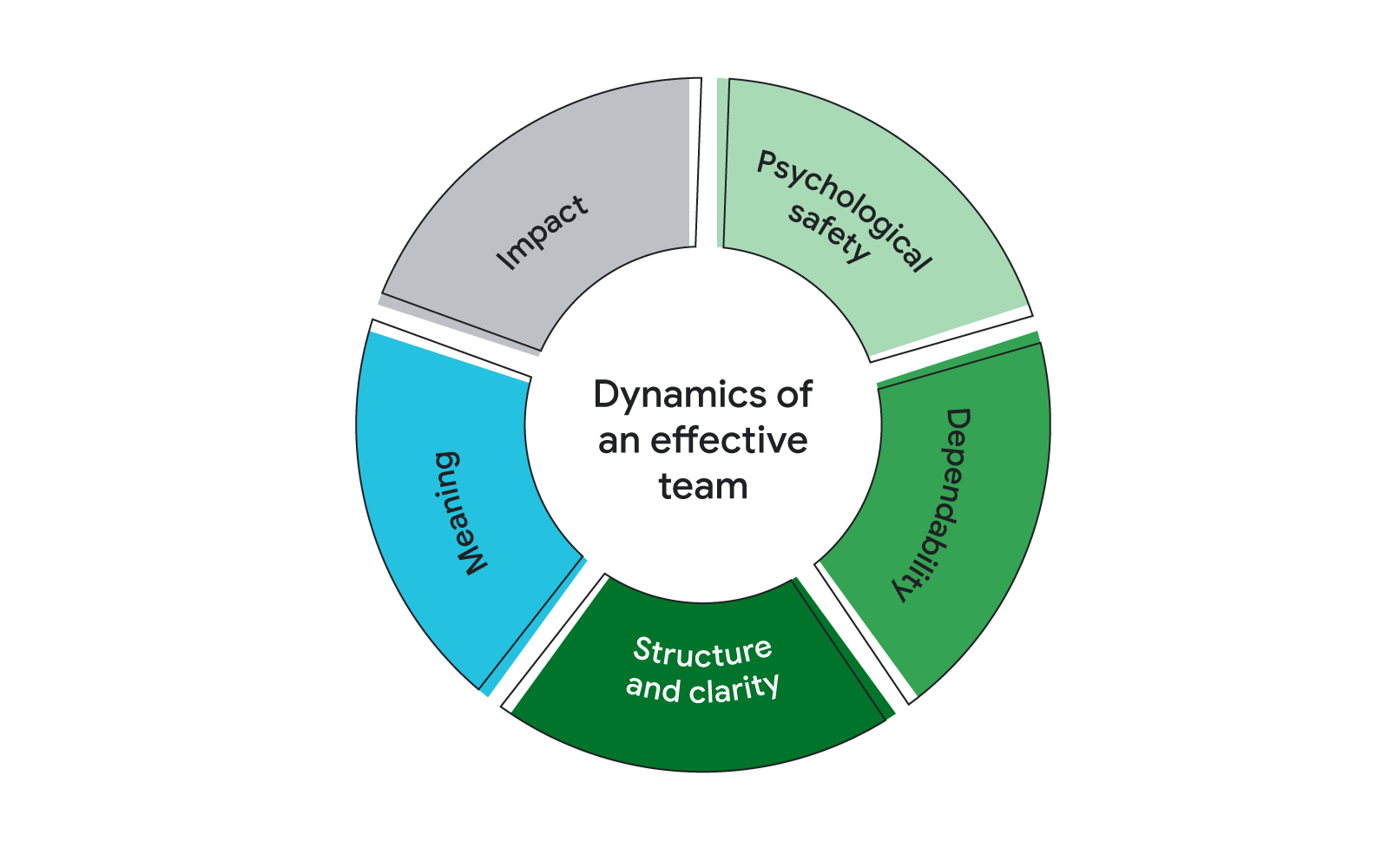
Teams that normalize vulnerability in structured ways—through clear HR channels, regular manager check-ins and accessible mental health resources—lower the chance that personal crises will turn into interpersonal conflict. Encourage training on grief, empathy and reasonable accommodations so teams react with competence instead of curiosity.
- Disclosure is personal: There's no single right choice when you face a medical crisis at work.
- Managers should act with confidentiality and empathy: Rapid disciplinary responses without context can cause harm.
- Coworkers must ask before accusing: Private conversations often defuse tensions before HR becomes involved.
Conclusion
Telling a coworker you are miscarrying is an act that can protect you from judgment—or expose you to unwanted attention and new forms of vulnerability. My decision to disclose in that hallway settled an immediate complaint but left me reckoning with larger questions about privacy, workplace culture, and how we treat each other when lives complicate paychecks. The healthier response, at every level, is one that centers dignity: for colleagues to ask and offer help; for managers to protect confidentiality and provide accommodations; and for organizations to build policies that recognize the messy realities of human life. Work will always demand productivity, but it does not have to demand the erasure of pain. We can choose workplaces where grief is met with care rather than suspicion—one private conversation at a time.