
Was I Wrong to Stop My Son from Helping a Girl Who Rejected Him?
It started as a small favor: helping carry a box, tutoring a chapter of math, or running an errand between school and practice. It became, from a parent's perspective, a pattern — an adult-sized kindness supplied by a young person who had been rebuffed romantically by the recipient. The question that followed was simple but heavy: when is it fair to ask a child to stop doing favors for another child who rejected them? And more pointedly: when does kindness become obligation, emotional labor, or a source of exploitation?

Small favors like carrying boxes can become patterns that need boundaries
Parents talk about teaching empathy and doing the right thing, but we also teach boundaries, dignity, and self-respect. The tension between those aims is where this disagreement lives. This article walks through the psychology, the ethics, practical scripts, and long-term lessons that can turn an awkward family conflict into a teachable moment.
Why This Situation Matters
At first glance, the scenario reads like a teenage romance subplot: a boy shows affection, a girl says no, and life goes on. But underneath are several issues that matter for development and for family dynamics.
Emotional labor and young caregivers
Emotional labor — the invisible work of offering comfort, favors, and time — is learned young. When one child repeatedly performs favors for another who has clearly indicated disinterest in a closer relationship, the balance of care can become one-sided. This pattern risks teaching the helper that affection must be bought through service, rather than earned through mutual respect.
Autonomy and consent
Consent isn't just about physical boundaries; it includes social and emotional reciprocity. If a child says "I don't want to be more than friends" or outright rejects a romantic advance, that choice should be respected. Continuing to press for closeness by doing favors can implicitly pressure the rejected child to reciprocate affection they have declined.

Academic help, when unreciprocated, can become an unhealthy pattern
Parenting models: protector vs. coach
Some parents naturally move into a protector role — they see a potential for their child to be hurt and step in. Others take a coaching approach — guiding children to make their own choices and learn from consequences. Both approaches can be right; the important thing is being deliberate about which role fits the situation and the child's maturity.
The most important lesson here is not whether the favor is small or large, but what the favor teaches your child about dignity and consent.
How to Evaluate the Situation
Before delivering a verdict about whether a parent was "wrong" to stop the help, consider a few concrete factors.
1. Is the help reciprocated or appreciated?
If the favors are acknowledged and returned — even if not romantically — the helper is learning generosity and social reciprocity. If favors are taken for granted, used to manipulate, or ignored, the imbalance should raise concern.
2. Is the helper being exploited or emotionally harmed?
Young people are resilient but also vulnerable. If your son is showing signs of depression, decreased self-worth, or withdrawing from other friendships because his time is consumed by helping someone who rejects him, those are red flags. A parent's job includes protecting mental health.
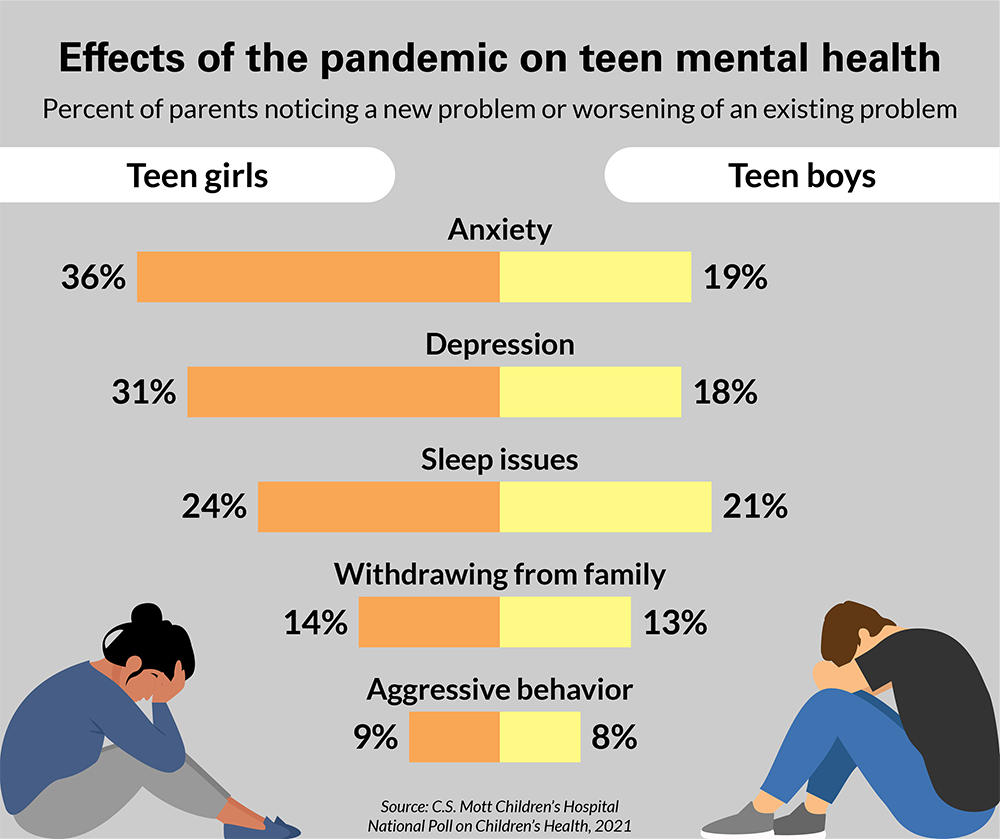
Watch for signs of depression or withdrawal as red flags
3. Is the help interfering with responsibilities?
Does the help come at the expense of schoolwork, a job, or family obligations? If so, it isn't a harmless kindness — it's an unsustainable burden.
4. What are the helper's motivations?
Children sometimes help from genuine care; other times it's a transactional hope for affection. If you suspect the latter, that's a teachable moment to discuss healthy motivation and self-worth.

Emotional harm from unreciprocated favors is a serious concern
A Parent's Roadmap: Talk, Teach, and Test
Stopping a child from helping someone can feel cold if delivered without context. Use this roadmap to create a compassionate but firm response.
Step 1 — Ask, don't accuse
Open the conversation by asking questions. What does he get out of helping? How does he feel afterward? Does he think the girl would get closer if he keeps doing this? These questions avoid shaming and illuminate motives.

Start with questions, not accusations, to understand motives
Step 2 — Name the imbalance
Once you understand motives, explain the concept of emotional reciprocity in plain terms. Use examples he can relate to: "Imagine always being the one to lend your bike and never getting a thank-you. How long would you keep lending it?" Naming the imbalance gives language to the problem.
Step 3 — Offer scripts and limits
Children learn social boundaries by practicing scripts. Give him short, respectful ways to say no to requests that feel one-sided, and set family limits about time spent on others' favors.
- Scripts: "I have homework right now, I can help later," or "I can help this once, but I can't make this a regular thing."
- Family boundaries: No more than X hours per week helping friends with errands; homework and family time come first.
Step 4 — Teach emotional resilience
Rejection stings. Teach him coping strategies: talk about the feeling, stay connected to other friends, invest in hobbies, and remember that self-worth isn't conditional on another person's affection.

Investing in hobbies and other friendships builds resilience
When It Was Right to Intervene
There are clear situations where a parent stepping in — even to stop help — is the more humane choice.
Harm or burnout
If your child shows signs of emotional harm, persistent sadness, or burnout from doing favors, intervening is appropriate. Protecting a child's mental health is not controlling their autonomy; it's ensuring they can grow into a healthy adult.
Bullying or manipulation
If the recipient is intentionally using the helper — asking only when convenient, mocking the helper, or sharing their vulnerabilities to gain advantage — a boundary needs to be drawn. This is not about being mean; it's about stopping exploitative dynamics.
Safety concerns
If favors expose the child to unsafe situations — like being asked to transport items unknown to parents or entering risky locations to help — stop immediately and investigate.
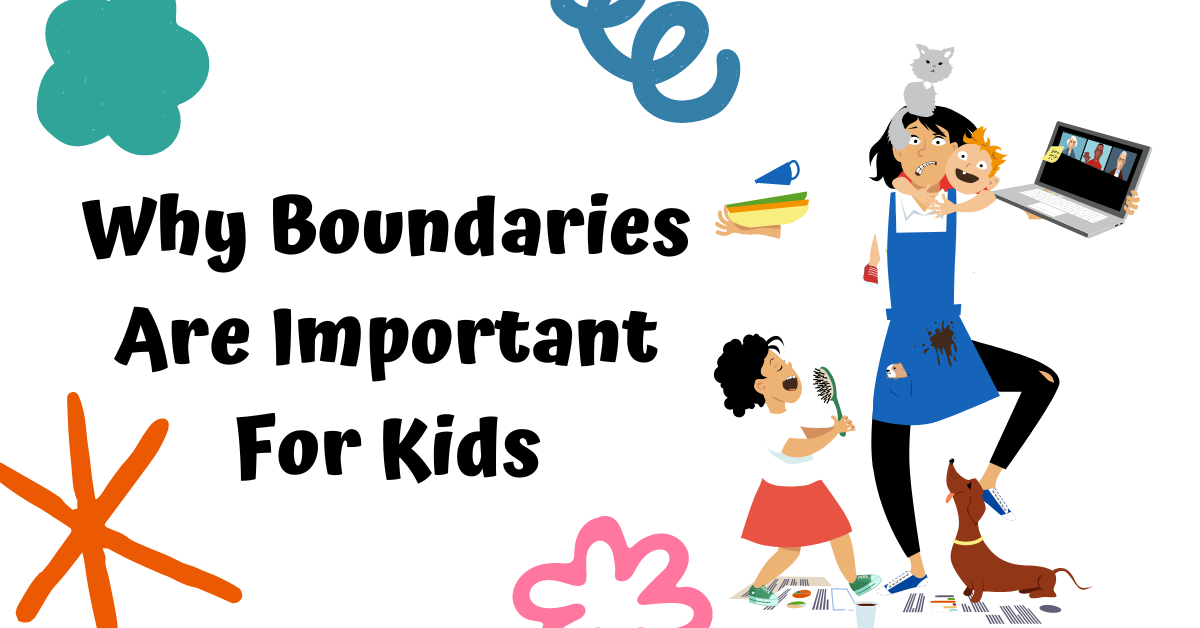
Setting clear boundaries protects children from exploitation
When to Let the Helping Continue
Not all continued help is problematic. There are circumstances where allowing the favors to continue is the right developmental choice.
Mutual friendship and reciprocity
If the relationship includes mutual give-and-take, continuing to help reinforces healthy generosity. Teach him how to expect reciprocity without demanding it.
The helper's growth
If helping is building skills — responsibility, time management, empathy — and not hurting him, it may be worth allowing. The key is balance: make sure other parts of life aren't sacrificed.
Clear boundaries within freedom
Allow him to make his own choices, but set clear family rules: chores come first, school comes first, and there are limits on weekday hours spent assisting friends. Those guardrails let him practice autonomy without risking neglect.
Practical Scripts for Parents and Kids
Concrete language helps everyone act with dignity. Use these scripts to say no gracefully, to set boundaries, and to coach your child.
For parents to open the conversation
"I see you care a lot about helping X. I'm proud of that. Can we talk about how much time and energy you're spending so you don't get drained?"
For kids to decline a favor
"I can't help today because I have practice/homework, but I hope you understand."
For parents to set limits
"We can't make helping someone a regular obligation that reduces your sleep or school performance. You can help once in a while, but family time and study are non-negotiable."
Gender, Pride, and Social Expectations
This scenario often pulls in gendered assumptions: boys must pursue, girls must be chased, and rejection is a rite of passage. Those cultural scripts can hide unhealthy patterns.
Challenging the "pursue until accepted" narrative
Teach boys that persistence must be coupled with respect. Being persistent doesn't mean ignoring explicit 'no's or equating favors with leverage. Teach girls that rejection should be clear and compassionate, and that they should also engage responsibly with friends who help them.

Clear, compassionate communication benefits both sides
Respect over pride
Encourage both kids to value dignity over social points. A thoughtful no is better than leading someone on; thoughtful help is better than transactional service. Both sides grow when social norms prioritize mutual respect.
Complicated Outcomes and Longer-Term Lessons
Stopping help might produce short-term friction: hurt feelings, accusations of being "overprotective," or awkwardness at school. But long-term lessons can emerge: learning boundaries, practicing mutual respect, and developing self-reliance.
Repairing relationships
After a boundary is set, coach your child in repair strategies: apologize for tone if needed, explain why a limit exists, and offer other ways to show care that don't require sacrificing time or self-worth.
Learning to attract healthy relationships
Children who learn to balance kindness with self-respect are more likely to attract peers who value them for who they are, not for what they do. That lesson pays dividends through adolescence and adulthood.
Conclusion
Was it wrong to stop your son from helping a girl who rejected him? There is no one-size-fits-all answer. The right call depends on context: whether the help is mutual, whether it harms your child, and whether the dynamic teaches dignity or dependency. A measured parental response uses questions first, educates second, and enforces limits third — with empathy sewn through every step.
The broader point is a positive one: teaching children that kindness is valuable, but not at the cost of self-respect. That balance prepares them for adult relationships founded on consent, reciprocity, and mutual care.
- Ask questions to understand motives before intervening.
- Teach children scripts and limits so they can decline gracefully.
- Protect a child's mental health and time; stop helping if it causes harm or exploitation.
- Allow helping that builds skills and is reciprocal, with boundaries that prioritize responsibilities.
- Frame rejection and refusal as opportunities to learn about dignity, not failure.