
Was I Wrong to Book a Hotel and Leave My Friend's 'Family' Trip?
I arrived thinking this would be a holiday — sunshine, sightseeing and the easy camaraderie that comes from years of friendship. Instead I found myself drafted, without warning, into unpaid childcare and constant logistics for a group my friend described as "family," but which increasingly felt like paid labor by another name. I booked my own room, packed my bag, and left. Now I'm asking a different question: did I do the right thing?

family vacation childcare expectations
When travel becomes work, it stops being a vacation.
SETTING THE SCENE
Group travel is a social contract built from explicit and implicit expectations. When friends invite you into a trip that's nominally a family vacation — and treat you as an extra set of hands — the mismatch can feel shocking. Were you invited as a guest to share space and money, or as an unpaid assistant to someone else's family obligations? The difference determines not only whether you're justified in leaving, but how you explain your choice afterward.
Common ways good trips go wrong
Small slights accumulate: promises of shared planning that never materialize, last-minute responsibility shifts, or one person assuming another will handle constant childcare, cooking or cleanup. Over three or four days, what might start as minor help becomes your default role. That's when the vacation turns unequal — and you're suddenly paying not just money but time and emotional labor.
WHY THIS FEELS WRONG
At the heart of the frustration is consent. If you didn't agree to be a caretaker, then no number of "it's just for a little while" comments should change that consent retroactively. Boundaries exist to protect your time, finances and emotional energy — all of which are critical on vacation.
Emotional labor and vacation equity
Emotional labor is the invisible work of anticipating needs, smoothing tensions and managing logistics. On a trip, that can mean juggling nap schedules, packing snacks, or calming a toddler while everyone else enjoys an activity. If that work is distributed unevenly, it's not just annoying — it's exploitative. A guest who ends up doing more chores than the hosts isn't a favor; they're filling a role the hosts should share or hire assistance for.
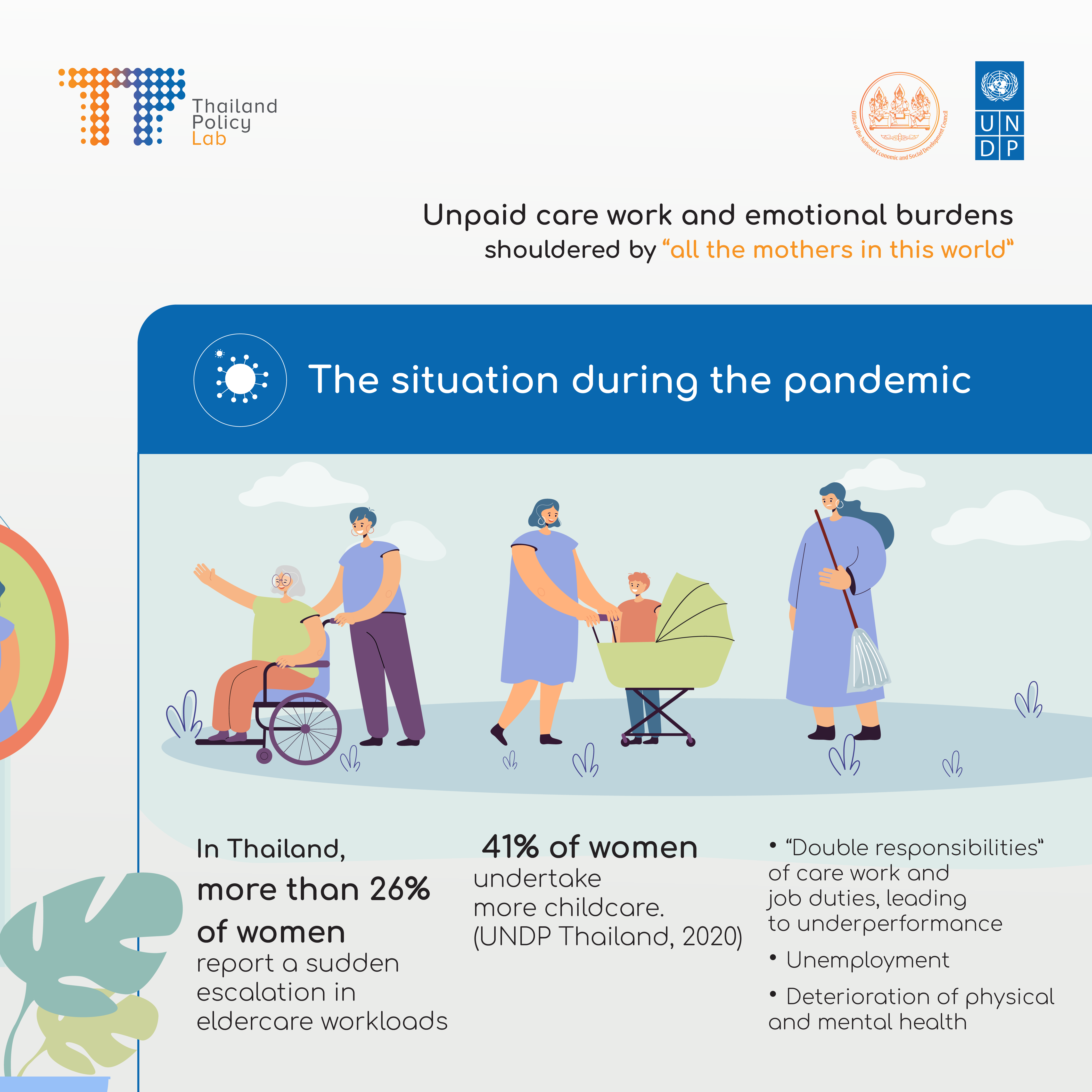
unpaid childcare emotional labor
BOUNDARIES: WHAT TO SET BEFORE YOU GO
Prevention is easier than cure. Before accepting invitations that blur the line between guest and caregiver, set clear expectations. A few phrases you can use in advance:
- "I'm excited to come — I'm booking my own room so I can have private downtime."
- "I can help with X for a bit, but I won't be on childcare duty for the whole trip."
- "I'm not comfortable supervising children unsupervised; I'll help during scheduled activities, not as a primary caregiver."
Those statements do two things: they make your limits visible and they offer a reasonable compromise. You do not need to over-explain or defend your decision to want rest and personal space.
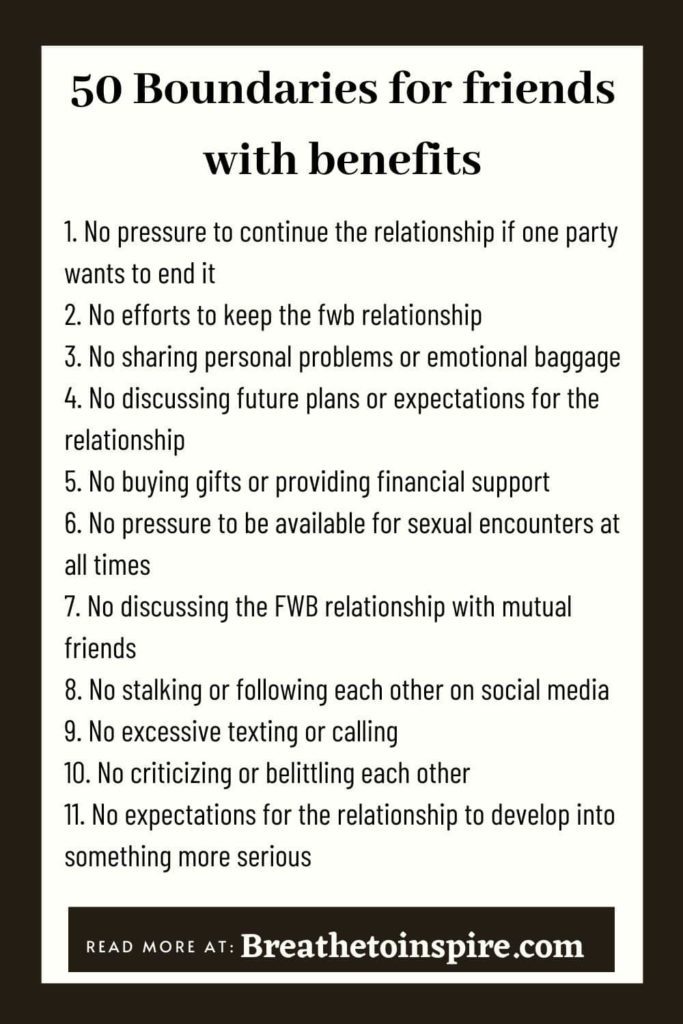
friendship travel boundary negotiation
What to clarify if you're unsure
Ask direct questions: Who else will be present? Will there be hired help? How will meals and chores be divided? The answers — or their absence — tell you whether the trip is equitable.
PRACTICAL STEPS TO TAKE IF YOU'RE SUDDENLY ASKED TO HELP
Not everyone has the luxury of declining last-minute. If you're on the trip and find expectations changing, use a three-step approach: pause, state, propose.
1. Pause
Take a beat. You don't have to agree immediately. Silence is permission only if you give it. A short step away — even to the bathroom or to check your phone — gives you space to choose.
2. State
Say something direct and factual: "I'm not able to be the primary caregiver during this trip." Use "I" language to avoid escalation. Avoid apologetic over-explaining — simple clarity is kinder and more effective.
3. Propose
Offer a boundary-respecting alternative: "I can watch the kids for an hour so you can go to the museum, but I won't be available for full-day childcare. Maybe we can rotate or hire a sitter for the afternoon." Framing your refusal around a concrete alternative reduces friction.
"I can help for X hours, not the whole day."
HOW TO LEAVE WITHOUT BURNING BRIDGES
Leaving a trip can feel dramatic, but sometimes it's the healthiest choice. The key is how you do it. Aim for dignity and clarity.

leaving vacation early conflict
Practical exit steps
- Book your own room or transportation before you leave: that preserves autonomy and avoids awkward last-minute financial disputes.
- Communicate your decision calmly: explain that the expectations changed and you're prioritizing your vacation or mental health.
- Offer a concrete follow-up: "I'll talk this through with you when we're both back home." That signals you're not cutting off communication but setting a boundary.
If you decide to leave immediately, keep the explanation brief to avoid inflaming a contentious moment: focus on your needs rather than the friend's failings.
WHEN LEAVING IS THE RIGHT CHOICE
There's no single yardstick for moral correctness, but several signs point to leaving as a reasonable — even necessary — action.
Red flags that justify departure
- Repeated boundary violations: you explicitly say no and duties are still piled on.
- Financial exploitation: you're paying for shared expenses while being expected to work.
- Safety concerns: the caregivers are overwhelmed, or children are being left in unsafe situations.
- Emotional abuse or manipulation: sustained shaming, gaslighting, or guilt-tripping when you assert yourself.
If any of these are present, leaving can be a necessary act of self-preservation rather than a dramatic overreaction.
AFTERMATH: REPAIRING THE FRIENDSHIP OR MOVING ON
What happens after a decision to leave depends on your goals. Do you want to repair the relationship, or is parting ways more honest? Both answers are valid.
If you want to repair
Initiate a calm conversation after you've both cooled down. Use neutral language and stick to concrete examples: "When I was asked to manage the kids the whole afternoon, I felt like a helper rather than a guest." Suggest future safeguards: written expectations, rotating tasks, or agreeing on paid help for intensive caregiving.
If you want to step back
Accept that some friendships change shape. You can explain your boundary once and let the other person process it. If their reaction is defensive or dismissive, that's informative: friendships built on reciprocity will adapt; those that rely on entitlement rarely do.
- Protects mental health
- Maintains financial fairness
- Signals personal limits
- Possible immediate conflict
- Short-term social awkwardness
- Risk of losing a close friend
COMMUNICATION SCRIPTS YOU CAN USE
Simple, specific language works best. Here are scripts you can adapt.
- On arrival: "Thanks for inviting me. I booked a separate room because I need quiet time in the evenings."
- If asked to babysit unexpectedly: "I can help for an hour, but I'm not available for full-time childcare."
- If you decide to leave: "This trip isn't what I expected. I'm going to check into my own place and rest. We can talk later."
These scripts are short, clear and keep the focus on your needs rather than assigning blame.
EMOTIONAL AFTERCARE
Leaving early can leave you with mixed feelings: relief, guilt, or grief. All are valid reactions. Process them in ways that feel grounding.
Ways to cope
- Journal the timeline: writing what happened helps you see patterns and justify your decisions.
- Talk to a neutral friend: get perspective without immediate stakes in the relationship.
- Self-care rituals: prioritize rest, good food and low-stakes activities to recover from travel stress.
CONCLUSION
Booking your own room and leaving a friend's vacation isn't inherently selfish. It's often a practical response to an unfair situation. Travel magnifies relationship dynamics — it makes small inequities feel enormous because there's less margin for private recovery. If you find yourself doing unpaid caregiving that wasn't agreed to, you have several options: speak up and renegotiate, set clear limits, or leave. Each option has consequences, but none make you the villain for protecting your time and mental health.
Boundaries protect relationships as much as they protect you.
- Define expectations before a trip and confirm them in writing.
- Use short, factual language when refusing unexpected caregiving duties.
- Leaving a trip can be a healthy boundary — explain briefly and follow up later.
Travel should rejuvenate, not exploit. If your presence on someone else's trip consistently converts into unpaid labor, that pattern is telling. Your choice to book separately and leave was a boundary in action — and boundaries are one of the clearest measures of self-respect in friendship.