
Was I Wrong for Telling My Daughter She Won't Marry a Billionaire?

teen girl billionaire fantasy
On the surface this reads like the sort of Reddit post that invites a thousand hot takes: a parent allegedly punctures a child's daydream and the internet adjudicates. But beneath the punchy line—"you are not going to marry a billionaire"—is a knot of better questions: How do parents temper fantasy without extinguishing hope? When does protection look like control? And how does a family negotiate competing visions of success in an age when wealth feels both mythic and reachable?
"Telling a child the limits of possibility is different from telling them the limits of their worth."
The scene: what probably happened

parent and child difficult conversation
Picture a typical evening: a teen or young adult is excitedly talking about a crush, an influencer, or an elite lifestyle that features flashing headlines about the ultra-rich. The parent—worried, practical, perhaps exhausted—intervenes with a blunt sentence meant to snap the child back to reality. The tone can be paternal, protective, resigned, or even jealous. Whatever the feeling behind it, the sentence lands. A child who was floating in hopeful fantasy suddenly detects correction and judgment.
Why that phrasing feels so explosive
There is a particular sting to phrasing that begins with "You are not..." It reads as a declaration not just about circumstance but about identity and future. For adolescents and young adults, the future is where identity consolidates. A blunt denial can feel like a denial of agency: as if parents are not only steering possibilities but rewriting the child's story.
At the same time, the parent's worry often comes from practical places: concern about safety, unrealistic expectations, or a fear that a belief in a spectacular rescue (romantic or financial) will discourage the work and resilience needed to build a stable life. Both impulses—dream-protecting and reality-worrying—are understandable. The problem is how they collide.
Why parents deny the billionaire dream
Parents tell their children things like this for a mix of reasons that are emotional, cultural, and pragmatic:
- Protection: A blunt correction can be an attempt to protect a child from scams, manipulation, or poor judgment.
- Frustration: Parents who sacrificed for stability may feel exasperated watching a child believe in overnight wealth rather than hard-earned progress.
- Projection: Sometimes a parent's own disappointments project onto the child's imagined futures.
- Practical guidance: It can be a misguided attempt to incentivize education, career planning, or prudent relationships.
None of these motives are automatically malicious. But the delivery matters. The line between a corrective statement and a shaming statement is a thread thin enough to snap family trust.
How children hear it: psychology and development

teen aspirations and reality
Developmentally, adolescents and young adults construct possible selves—versions of who they might be. That exercise is essential. Fantasies about wealth, celebrity, and rescue often fulfill emotional needs: the desire to escape anxiety, to feel secure, to be valued. When a parent yanks a fantasy away without offering an alternative narrative that meets those needs, the child can feel invalidated.
Research on motivation suggests that people do best when their aspirations are coupled with a believable plan. An aspiration without agency can encourage passivity; a plan without aspiration can feel aimless. The parenting challenge: how to translate a child's big dream into a set of realistic, actionable goals while honoring the emotional truth behind the dream.
Three common trajectories after the comment
When a parent tells a child they won't marry a billionaire, three outcomes commonly follow:
- Withdrawn hurt — The child retreats, taking the comment as a statement of low expectations or lack of parental faith.
- Defiant doubling-down — The child intensifies the fantasy or adopts riskier behaviors to prove the parent wrong.
- Productive pivot — The exchange becomes a catalyst for a serious conversation about goals, values, and concrete steps forward.
Which path unfolds depends on tone, relationship history, and what happens next—how both parties repair or expand the conversation.
How to turn a sharp rejection into a constructive conversation

parent apology to child
If you're the parent who said it and now wonders whether you were the asshole, consider these repair steps:
- Own the tone, not just the content. Say: "I said it badly. I was worried and said something hurtful. I'm sorry for how I said it." An apology focused on impact, not justification, rebuilds trust.
- Ask about the dream's meaning. Instead of debating its plausibility, ask: "What about that idea excites you? What would it actually feel like day-to-day?" That validates the emotion behind the fantasy.
- Co-create a bridge. Turn the fantasy into actionable goals: creative work, financial literacy, entrepreneurship, networking—and checkpoints along the way.
- Model realistic optimism. Acknowledge low odds without stamping out hope: "It's very unlikely, but there are things we can do to increase your chances of financial independence and meaningful work."
How to listen when you're the child
If you're the daughter or son and you felt crushed by the line, you aren't necessarily overreacting. Here's how to respond effectively so the conversation becomes a bridge rather than a battlefield:
- Name the feeling. "When you said that, I felt small and misunderstood."
- Clarify your priorities. Explain whether the billionaire idea is shorthand for safety, status, freedom, or excitement.
- Ask for partnership. Request that your parent help you map steps toward independence rather than simply pronouncing limits.
- Set boundaries. If the remark was shaming, calmly say you won't accept put-downs and suggest a time to revisit the talk when emotions are lower.
Good outcomes require both parties practicing curiosity instead of correction.
Wider cultural context: why billionaire fantasies feel plausible
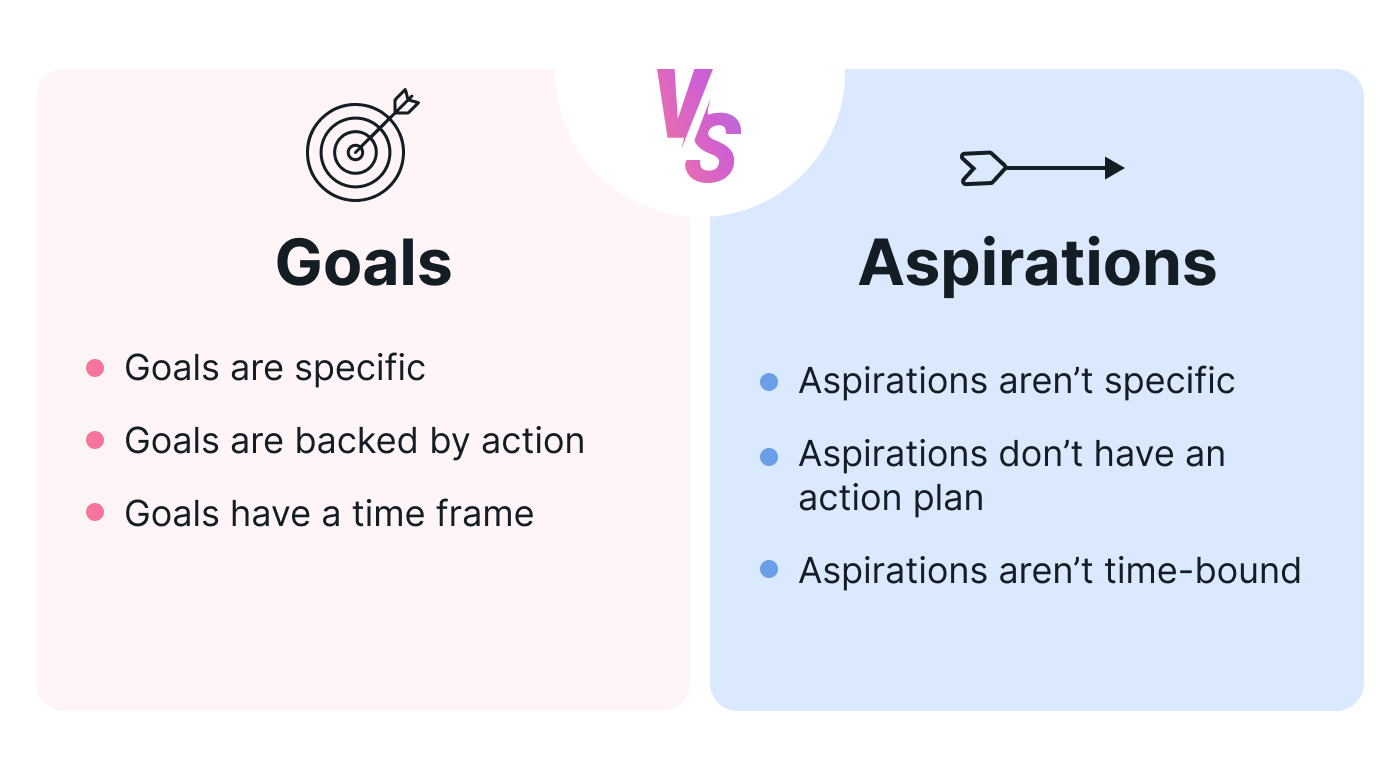
wealth aspirations vs practical goals
We live in an era of viral success stories. Technology and media highlight the outsized winners: tech founders, social media stars, and lottery moments. The result is a cultural funnel: we see a few spectacular case studies and extrapolate a widespread possibility. Combine that with rising inequality and the perception that traditional pathways (steady jobs, pensions) are less secure, and you get a powerful siren song: maybe a spectacular rescue is not just desirable but sensible.
Ethics and boundaries: when is it acceptable to intervene?

parent setting boundaries with child
It is reasonable and often necessary for parents to intervene in situations where safety or exploitation is possible. If a child's fantasy leads them toward predatory relationships, financial risk (advance-fee scams, risky investments), or behaviors that endanger health and education, parental limits are justified. The key is proportionality: interventions should be proportionate to the real risk and paired with guidance rather than moralizing sermons.
"Boundaries without guidance are scaffolding without instructions."
Practical scripts
Here are short scripts parents can use to defuse and then deepen the conversation:
- Defuse: "I said something sharp. I was thinking about [concern], but I didn't mean to make you feel bad. Can we talk?"
- Explore: "Tell me what that life looks like to you. If you could design it, what would your week be like?"
- Plan: "Okay, let's pick one thing that would move you toward more independence: a short course, a savings target, or a project. We'll check in in six weeks."
When repair fails: escalation and outside help

family therapy session
Sometimes repeated conflict signals deeper issues: personality clashes, unresolved grief, or substance misuse. When apologies and conversations fail or the relationship becomes punitive, it may help to bring in a neutral third party: a family therapist, school counselor, or trusted community elder who can facilitate constructive conversation. Seeking help is not an admission of defeat; it is a pragmatic step when two people keep hitting the same wall.
Conclusion: was it asshole behavior?
Context matters. A single blunt sentence born of fear or fatigue is not necessarily the summation of a parent's character. If the line was delivered with contempt, used to control, or repeated as a pattern that undermines autonomy, then yes—the behavior leans toward being harmful. If the line was an impulsive, poorly worded attempt to protect, followed by apology and willingness to build a plan together, it's more remedial than condemnable.
- Dreams signal unmet emotional needs—address those needs, not just the improbability.
- Repair tone first: apologies that admit impact rebuild trust faster than defenses.
- Turn fantasies into experiments: short projects and financial literacy convert hope into agency.
- Escalate to professional help when conflict repeats or becomes shaming.
Family arguments about unrealistic hopes are, at heart, conversations about safety, dignity, and the distribution of hope across generations. The better question than "Was I the jerk?" is "What story do we want to tell each other about what success looks like—and how do we help each other build toward it?" That question keeps the door open, and it honors both the pragmatic and the imaginative parts of being human.