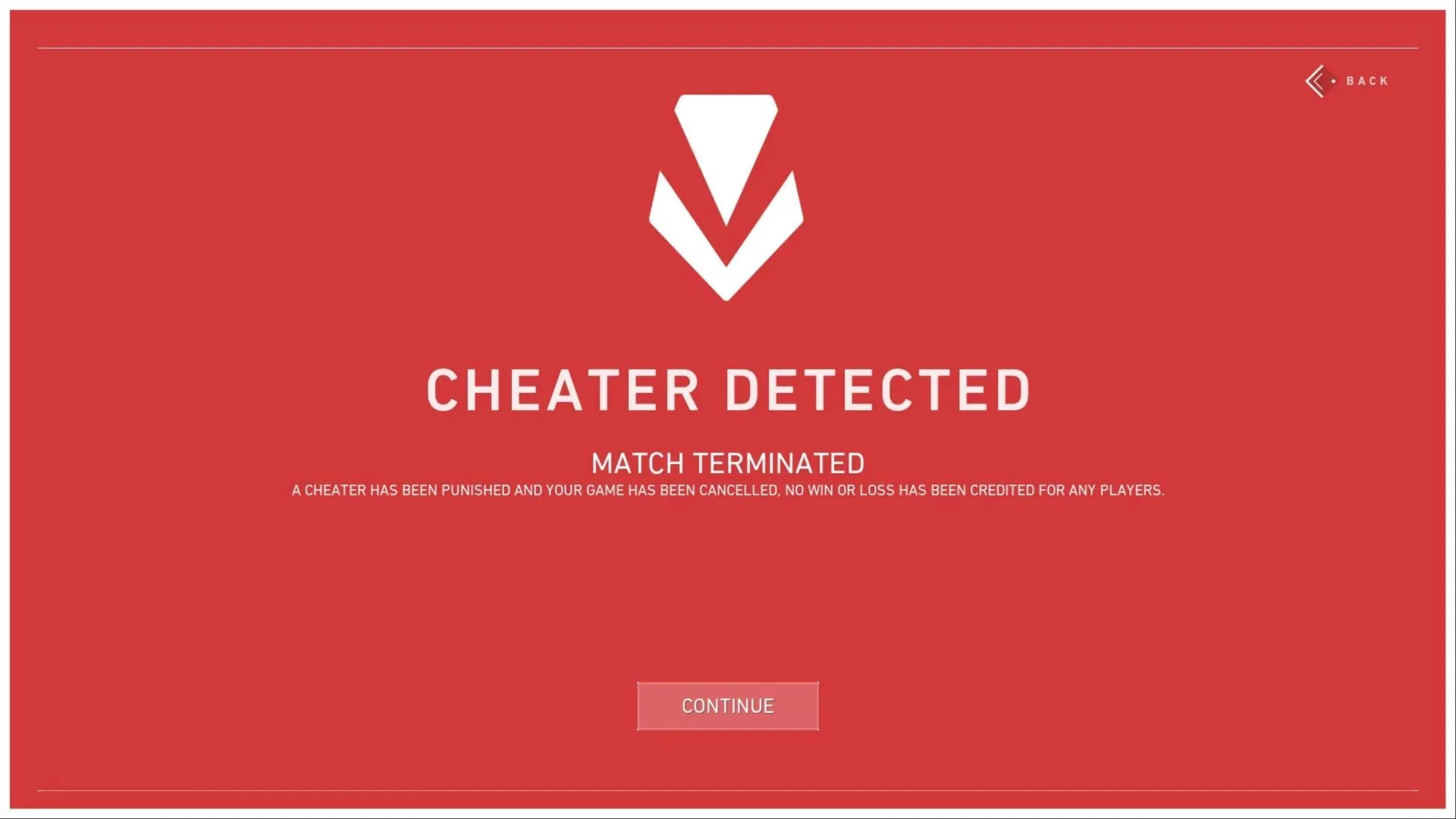
When an Anti-Cheat Update Became a $6K Paperweight
On forums, social feeds and Twitch chat, a vivid image spread: a high-end gaming rig bought for thousands rendered inert, its owner calling it a "$6,000 paperweight." The culprit, in the telling, was not a power surge or a faulty graphics card but a routine update to Vanguard — Riot Games' kernel-level anti-cheat for Valorant. Whether the headline is accurate, exaggerated or somewhere between, the episode reopened a long-running conversation about how far game companies should reach into players' systems to stop cheaters, and what happens when that reach misfires.
Valorant game logo
What Happened — The Story in Plain Terms
The viral accounts followed a pattern: a player running cheat software in Valorant was forced offline by an update. The machine failed to boot, threw blue screens, or entered an unrecoverable state where peripherals and display remained dark. In the most dramatic posts, owners described hours of fruitless troubleshooting before concluding their rigs were effectively unusable without a full reinstall or professional repair. The punchy nickname — "$6K paperweight" — captured both the frustration and the suspicion: did anti-cheat software deliberately render hardware unusable, or did an interaction between the update and user modifications cause the failure?
What Vanguard Is and Why It’s Different
Kernel-Level Anti-Cheat: A Double-Edged Sword
Vanguard operates at the kernel level, meaning it runs with the highest privileges on Windows systems. That level of access allows it to inspect other processes, detect unauthorized memory manipulation, and intercept techniques cheaters use to hide from traditional detection methods. In short: it can see everything a cheater might try to hide. But with great privilege comes increased risk. Kernel-mode drivers, if buggy or incompatible, can cause system instability, crashes, or prevent the operating system from booting properly.
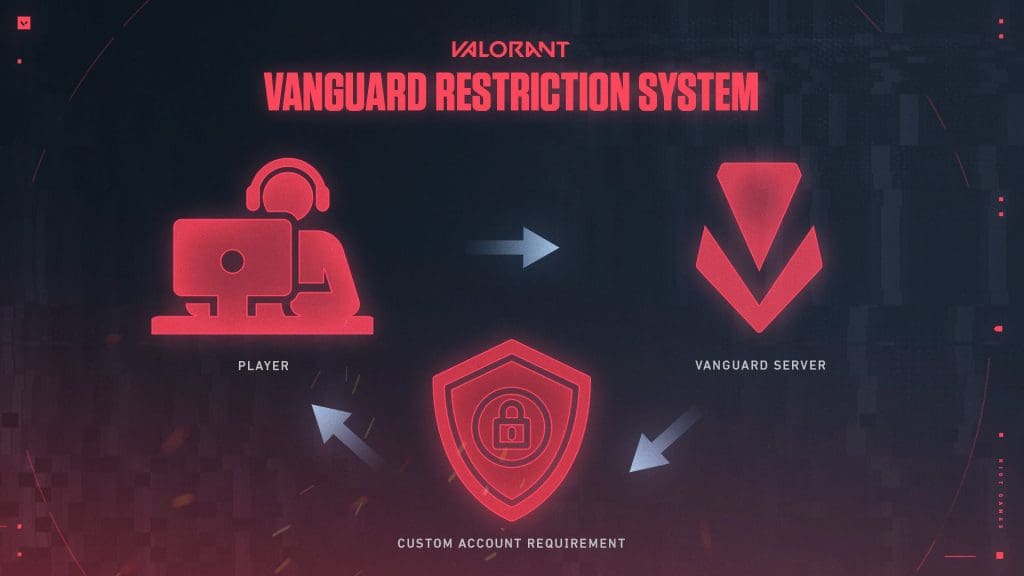
Valorant Vanguard anti-cheat software
Why Companies Choose Kernel Access
Game developers and publishers choose kernel-mode anti-cheat for a simple reason: efficacy. Client-side cheats increasingly operate beneath application-level protections. To catch sophisticated or stealthy cheats, anti-cheat systems sometimes need to operate at the same level as those cheats — and that means deeper hooks into the OS. The tradeoff is harder safety guarantees and a heavier responsibility on the publisher to ensure compatibility and fail-safe behavior.
"Stopping a cheater can require tools that look dangerous to the rest of a system — and that tension is where things go wrong."
Technical Pathways from Update to Bricked Machine
Common Failure Modes
There are several technical scenarios that can transform a software update into an unbootable computer. None of them are mystical; they’re the same failure modes that affect any low-level system software:
- Driver Signature and Secure Boot Conflicts — If a driver isn’t properly signed or its installation conflicts with Secure Boot policies, Windows may refuse to load it and can enter recovery loops.
- Kernel Crashes and BSODs — Bugs in a kernel-mode driver can trigger immediate blue screens on boot.
- Hardware and Firmware Incompatibilities — Interactions with firmware-level settings, custom BIOS mods, or overclocking can expose latent bugs.
- Cheat Software Interference — Third-party cheat tools actively manipulating kernel space or tampering with drivers can leave the system in an inconsistent state once an anti-cheat update attempts remediation.
- Failed Rollbacks — If an update partially applies and the system cannot rollback cleanly, boot files or driver registries may be left corrupted.
Why Cheaters’ Machines Are at Higher Risk
Machines running cheat software are more likely to host unsigned drivers, modified system files, or other low-level changes intended to evade detection. When a security system designed to neutralize those modifications applies aggressive measures — such as forcibly removing drivers, blocking access to kernel functions, or quarantining files — it can trigger boot instability. That does not mean the anti-cheat 'bricked' a brand-new, unmodified machine on purpose; rather, the update collided with pre-existing alterations in ways the software may not have anticipated.
Who Was Affected and How Big the Problem Was
It’s important to separate anecdote from scale. High-visibility posts and videos create the impression of a sweeping failure. In many incidents like this, a small number of dramatic cases receive outsized attention. Riot Games has historically defended Vanguard as effective at reducing cheating in ranked play; at the same time it has acknowledged compatibility issues with specific hardware or driver configurations in the past. Without access to Riot’s internal telemetry, the public picture is a combination of user reports, forum threads and the company's official statements.
Riot's Position and the Community Reaction
Official Responses vs. Online Outrage
When incidents like this go viral, companies usually respond on two fronts: immediate technical guidance and damage control. Riot has previously emphasized that Vanguard is required to play Valorant and that it’s designed to preserve fair competition. Community reaction, however, is rarely limited to technical details. People express anger about perceived intrusion, distrust of persistent drivers, and concerns about privacy and stability. Some argue that cheaters deserve hard treatment; others worry that legitimate players could be collateral damage.

Riot Games company logo
The Ethics of Aggressive Anti-Cheat
There’s a moral gray area. Esports integrity depends on tools that are sometimes invasive. But developers must balance enforcement against the duty to avoid harming customers’ property. The strong reactions are less about the aim — stopping cheats — and more about the method and its consequences when things go wrong.
Practical Recovery Steps (If You’re Affected)
For anyone worried that their machine is one of the affected units, immediate calm and methodical troubleshooting are essential. Radical steps like smashing hardware or posting sensational claims help no one. Here is a reasoned sequence to follow:
- Disconnect Peripherals — Unplug non-essential devices and boot again to see if the machine completes startup.
- Boot to Safe Mode — If Windows can reach Safe Mode, you may be able to uninstall Vanguard or roll back a problematic driver.
- Use System Restore or Recovery Media — Restore points or installation media can repair boot files and allow a rollback to a known-good state.
- Remove Unofficial Drivers and Cheat Tools — If you knowingly ran cheat software, remove it before attempting normal boot; these tools often leave unsigned drivers that cause conflicts.
- Contact Riot Support Before Reinstall — Open a ticket with Riot; they can provide specific steps and may offer logs or guidance to avoid repeated failures.
- Full Reinstall as Last Resort — If corruption is deep, a clean Windows installation is the surest path back to a stable system.
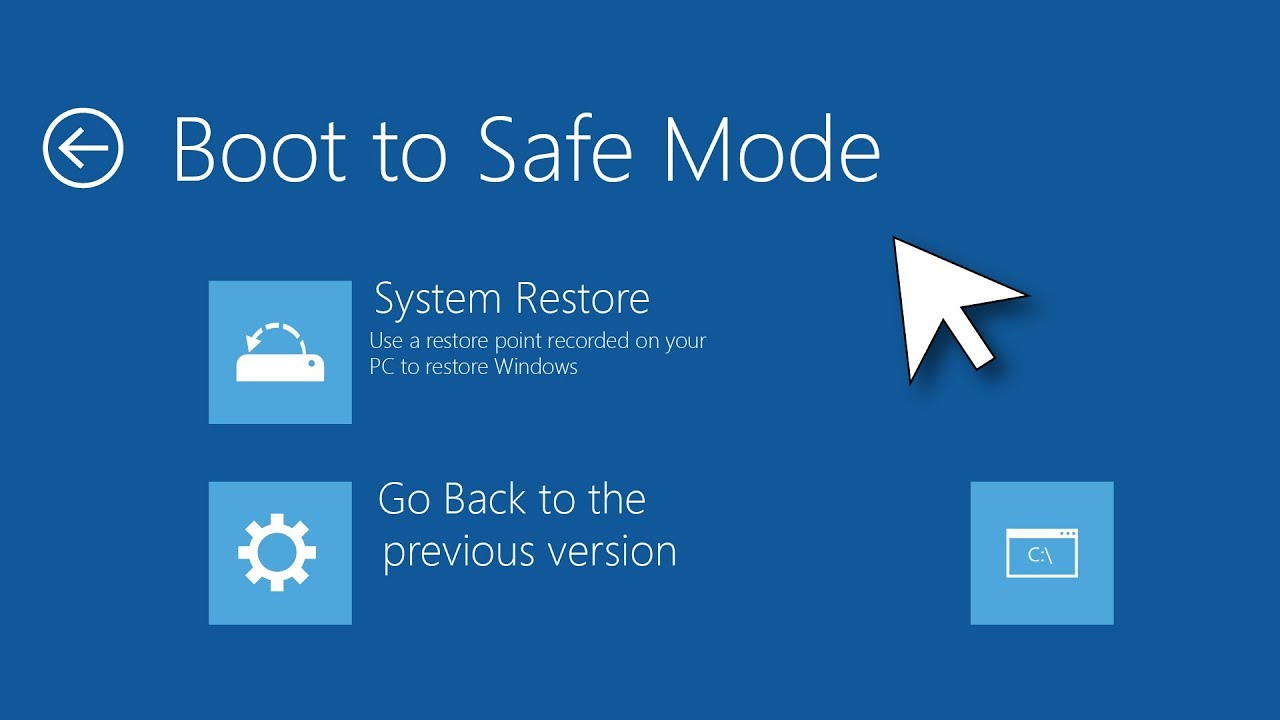
Windows Safe Mode boot
Why Cheaters’ Machines Are at Higher Risk
Machines running cheat software are more likely to host unsigned drivers, modified system files, or other low-level changes intended to evade detection. When a security system designed to neutralize those modifications applies aggressive measures — such as forcibly removing drivers, blocking access to kernel functions, or quarantining files — it can trigger boot instability. That does not mean the anti-cheat 'bricked' a brand-new, unmodified machine on purpose; rather, the update collided with pre-existing alterations in ways the software may not have anticipated.
"If your machine contains unsigned drivers or modified system files, an anti-cheat designed to remove them can leave the system unable to complete boot — not as punishment, but as an unintended side effect."
A Small Table: Symptoms, Likely Cause, and First Aid
| Symptom | Likely Cause | First Aid |
|---|---|---|
| Boot loop after update | Driver load failure or corrupted boot files | Boot to recovery, run Startup Repair, roll back driver |
| Immediate BSOD | Kernel-mode crash triggered by driver | Safe Mode, remove driver, system restore |
| No display / peripherals unresponsive | Firmware conflict or driver blocking I/O | Reset BIOS/UEFI to defaults, remove USB devices |
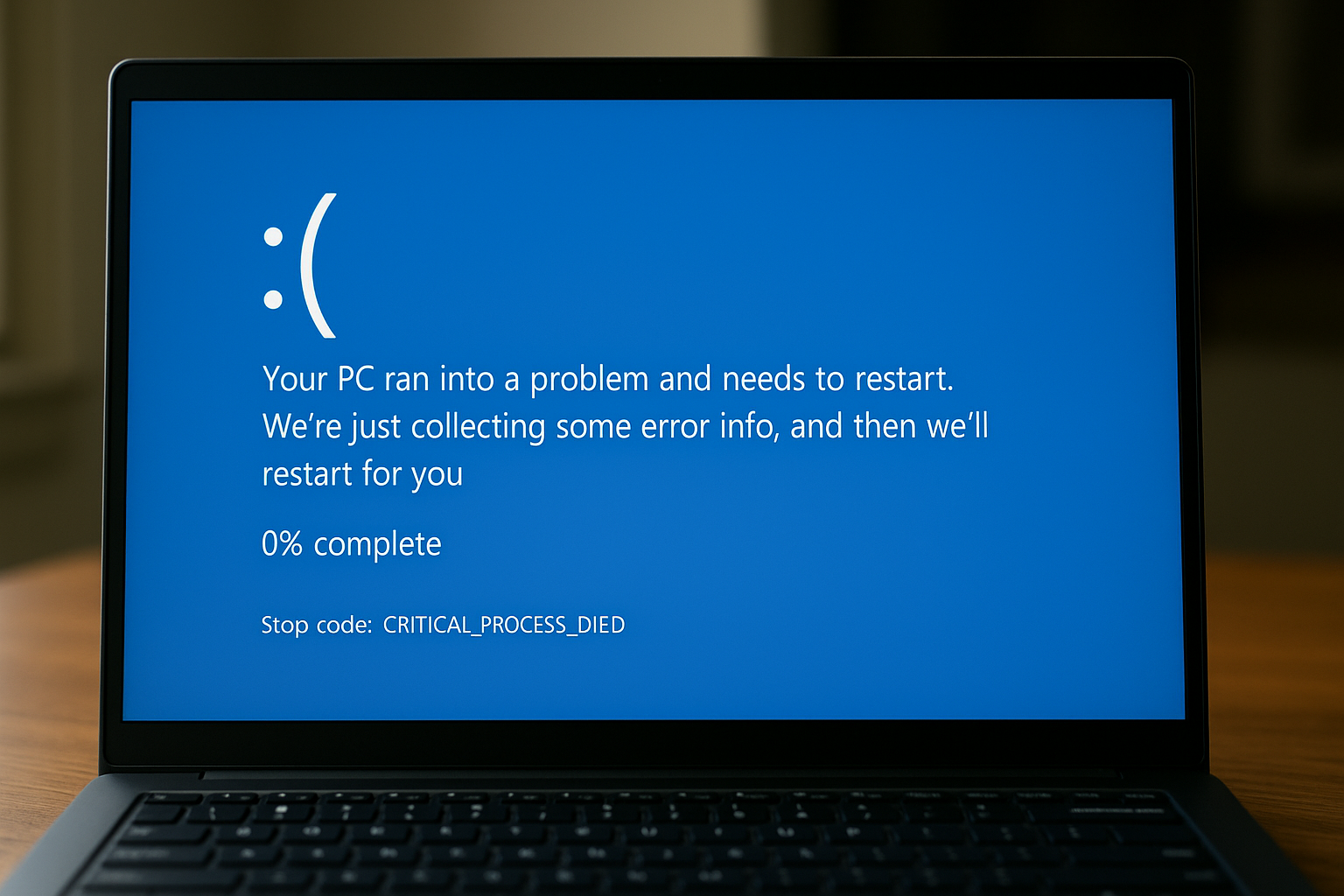
Windows Blue Screen of Death
What This Means for Players, Developers and the Industry
For Players
Players should understand the tradeoffs. If you want the cleanest competitive experience with the lowest chance of running into cheaters, an aggressive anti-cheat like Vanguard helps — but it also means granting deep system privileges to third-party software. If you’re a modder, overclocker or someone who uses unsigned drivers, expect friction. The prudent path: keep full backups, use system restore, and avoid running unsigned kernel components unless you accept the risk.
For Developers
Publishers need to justify invasiveness with transparency, thorough testing, and robust rollback plans. Clear communication about what an update will do, how it behaves with modified systems, and a documented recovery path reduces panic when things go sideways. Automated telemetry that safely captures failure modes without violating privacy can help companies fix edge cases faster.
Legal, Privacy and Trust Considerations
When software runs at kernel level, questions arise about privacy and consent. Users often accept Terms of Service without reading fine print; regulators and courts increasingly scrutinize how much control companies can claim over consumer devices. While most incidents resolve without litigation, the reputational damage can be significant — users resent feeling powerless to control the software running on their hardware.
How Anti-Cheat Could Evolve
Less Invasive Alternatives
Industry alternatives include server-side detection, behavioral analytics, and sandboxed client monitoring that avoids kernel hooks. These approaches may not be as immediately decisive as kernel-level monitoring, but they lower the risk of catastrophic system failures. Hybrid approaches — using kernel access only when certain high-confidence indicators are present — could balance safety and efficacy.
Better Fail-Safes
Anti-cheat vendors and game publishers can build safer update mechanisms: digitally signed rollback packages, preflight checks for firmware conflicts, and a grace period that triggers non-destructive mitigation before irreversible changes. Transparency about these safeguards would help rebuild trust.
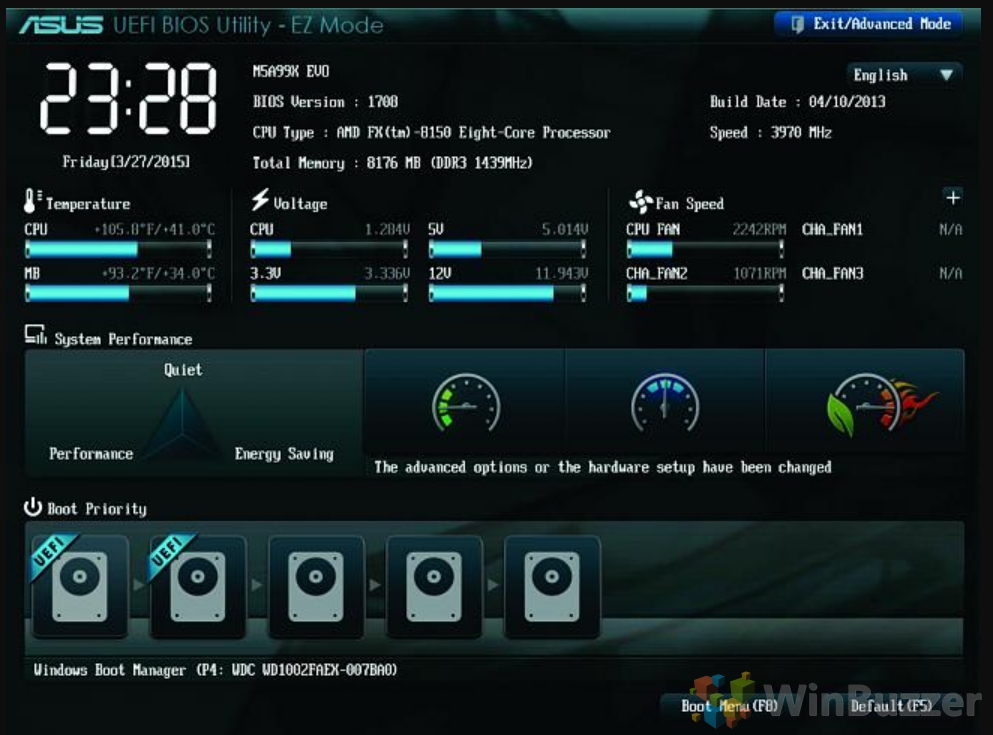
BIOS UEFI settings screen
Conclusion: Fair Play Without Fear
The "$6K paperweight" story is a dramatic encapsulation of a core tension in modern PC gaming: enforcing fairness sometimes requires powerful tools, and powerful tools can break things. The answer is not simple. Publishers should aim for effective anti-cheat that is measurably safer, more transparent and easier to undo when it misfires. Players should protect themselves with backups, cautious system modification, and a clear awareness of the tradeoffs they accept when they install deep-reach software.
- Kernel-level anti-cheat like Vanguard is powerful but carries higher risk of system instability.
- Many reported "bricked" machines are the result of conflicts between aggressive remediation and pre-existing unsigned drivers or cheat software.
- Methodical recovery steps — Safe Mode, system restore, and vendor support — can often restore functionality without hardware replacement.
- Developers should invest in safer updates, clear communication, and rollback mechanisms to reduce collateral damage.
Caption: The episode highlighted a difficult tradeoff between competitive integrity and system safety.
Ultimately, the incident is a reminder that technical solutions have social consequences. The gaming community demands fair play; achieving it should not require players to risk their hardware or trust opaque systems without recourse. Between Riot, its peers and the player base, the path forward lies in better engineering, clearer communication, and stronger safeguards that protect both game integrity and the people who buy the hardware to play.