
US Warns of Anti‑Tech Extremism as AI Hatred Grows
The phrase "anti‑tech extremism" sounds at once futuristic and lodged in the present: a blend of old‑fashioned outrage and new‑scale capability. Across town halls and intelligence briefings, officials describe a spectrum of hostility aimed not just at policies or companies but at the very idea of technology—especially artificial intelligence. From vandalism at data centers and targeted harassment of researchers to coordinated online campaigns that encourage violence or sabotage, the contours of this new threat are emerging in ways that implicate law enforcement, civil liberties advocates, policymakers and the technology industry itself.
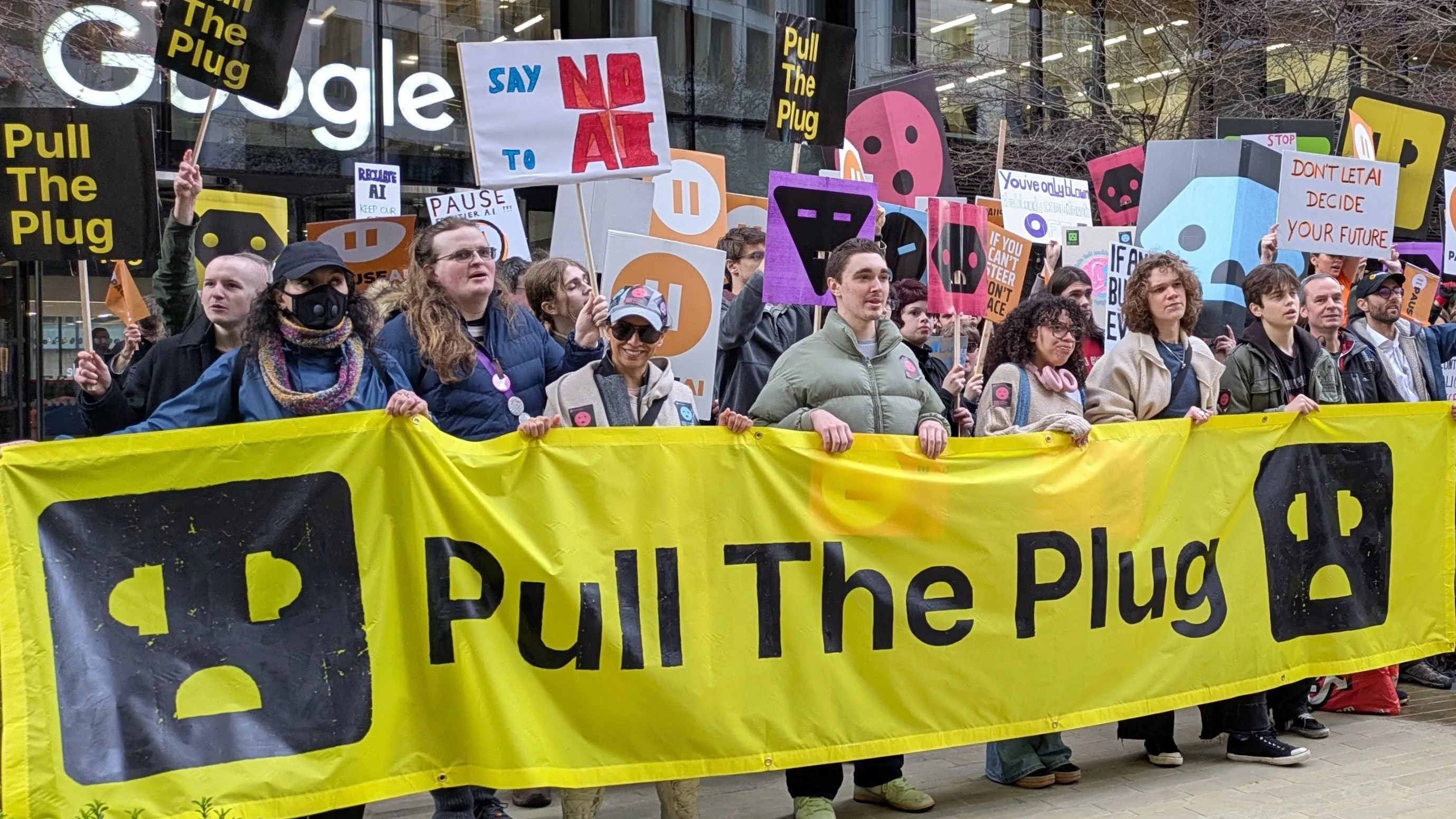
AI protest demonstrations technology
"When tools become symbols, attacks on those tools can become attacks on the institutions that build them."
What is anti‑tech extremism?
Anti‑tech extremism refers to organized or semi‑organized movements that promote hostility or violence against technology companies, workers, infrastructure or technologies themselves. It exists along a continuum: at one end are peaceful protests, whistleblowing and public advocacy; at the other are networked campaigns that call for criminal acts, coordinated harassment of scientists, physical attacks on buildings, or attempts to damage or disable hardware and software that communities depend on.
Why officials are sounding the alarm
Law enforcement agencies in the United States, confronted with a rising tide of online mobilization and real‑world incidents, are reframing certain tech‑targeted activities through the lens of extremism. The reasons are practical: the capabilities that make modern activism effective—encrypted messaging, rapid fundraising, decentralized organizing—also lower the barrier for more harmful acts. When that potential meets apocalyptic rhetoric about AI or conspiratorial narratives that portray technologists as existential threats, the mix becomes combustible.
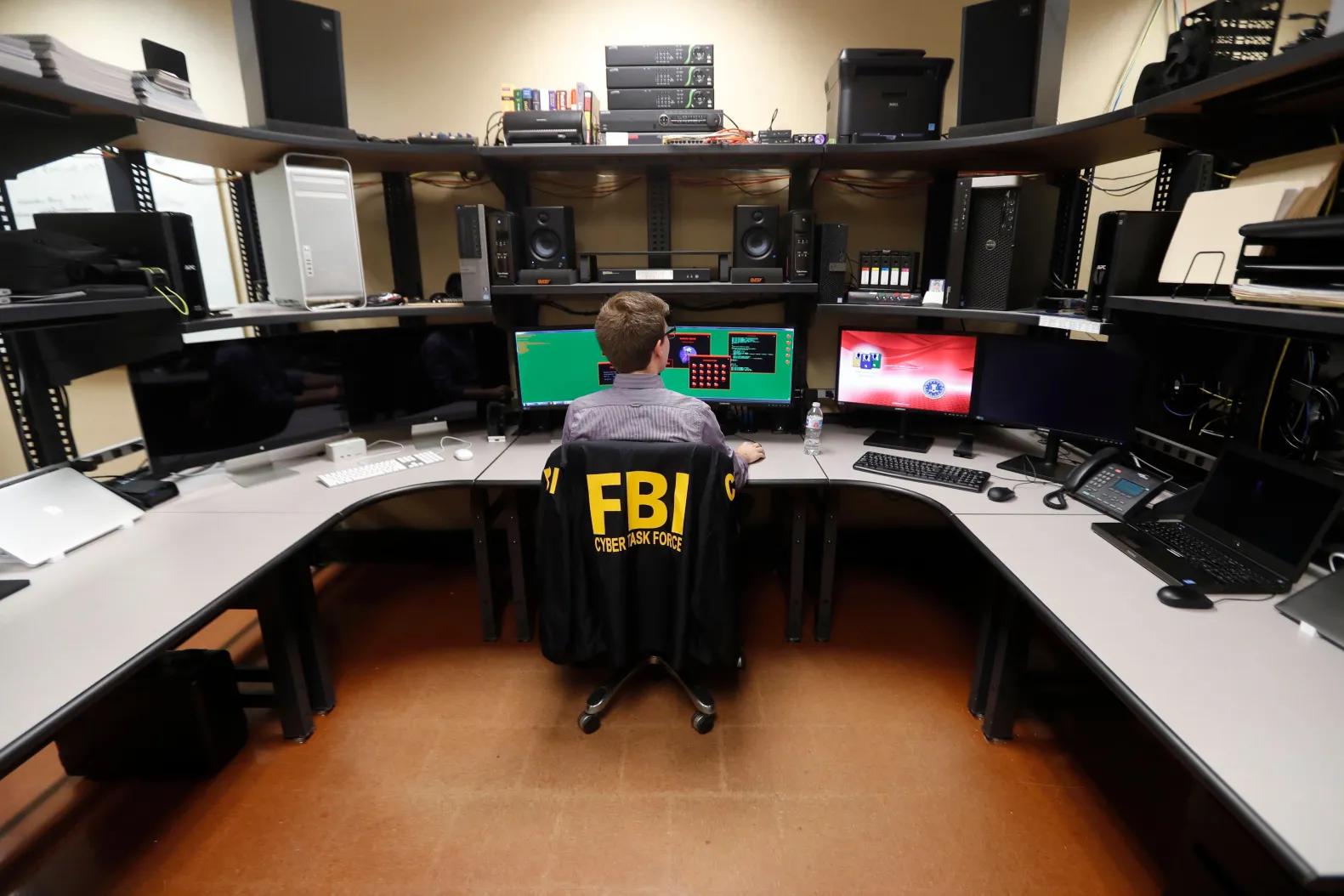
FBI technology extremism briefings
Officials worry about three immediate risks: the protection of critical infrastructure (data centers, fiber lines, cloud services), targeted harassment and doxxing of researchers and engineers, and the use of online networks to coordinate real‑world violence. All three can cause cascading harm: a single, well‑timed outage can disrupt hospitals and emergency services; persistent harassment can chill research and delay beneficial developments; and coordinated sabotage can undermine public trust in essential systems.
Drivers: why anti‑tech sentiment is growing
Several social, political and economic forces have converged to amplify anti‑technology sentiment.
- Perceived economic displacement: Automation and AI are seen by many as threats to livelihoods. Even when economic analysis shows mixed or long‑term effects, the perception of being left behind fuels resentment.
- High‑profile failures and harms: High‑visibility algorithmic errors, privacy violations and opaque corporate decisions create narratives of betrayal. Those stories become recruitment tools for more radical actors.
- Misinformation and moral panic: Conspiracy theories and exaggerated predictions—both dystopian and utopian—polarize public opinion and make fear more contagious.
- Tech worker activism: Grassroots movements within tech companies that protest business practices can radicalize or inspire external actors who embrace more extreme tactics.
- Political weaponization: Politicians and media voices that frame technology as an enemy of particular communities or values can harden attitudes and legitimize more aggressive responses.
Tactics and targets
Those who embrace anti‑tech action use a varied toolkit. Many tactics start online and escalate outward.
- Harassment and doxxing: Publishing private information about researchers and executives to intimidate them or endanger their families.

tech researcher harassment doxxing
- Distributed disruption: Coordinated campaigns to overload customer support or exploit reporting tools to take down services temporarily.
- Physical sabotage: Attacks on fiber optic cables, data centers or supply‑chain facilities that produce hardware used by tech companies.

data center vandalism attacks
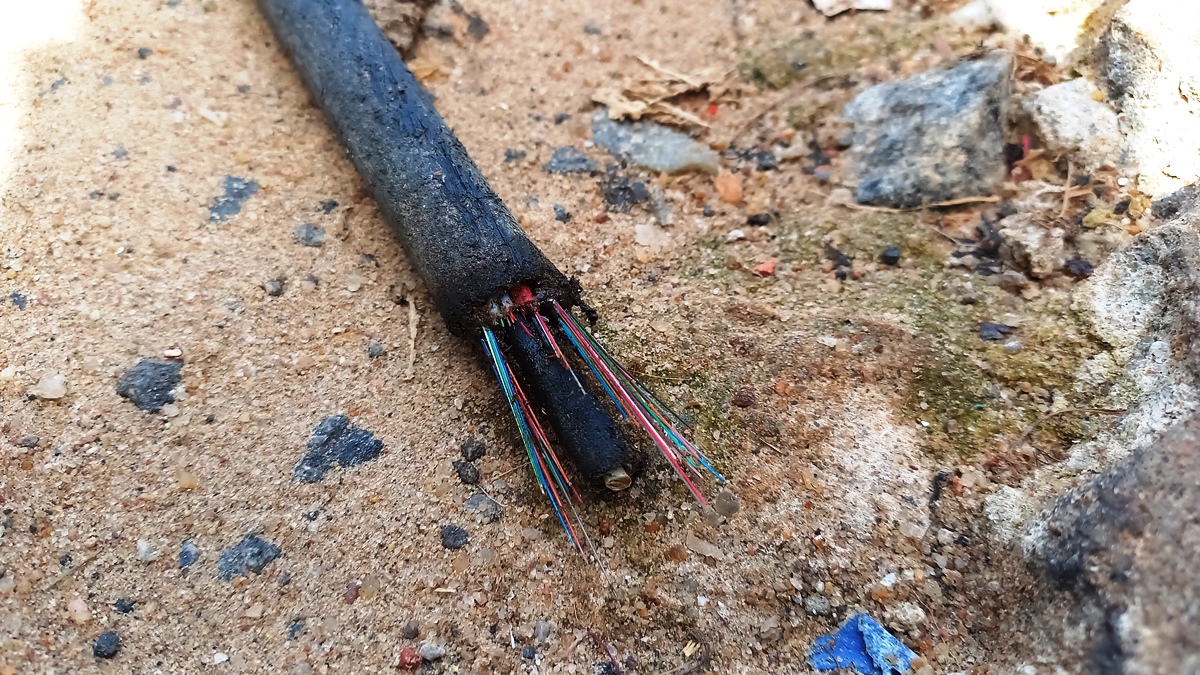
fiber optic cable sabotage
- Insider threats: Attempts to recruit or coerce employees to leak sensitive data or sabotage production systems.
- Propaganda and recruitment: Use of memes, videos and chat channels to radicalize newcomers, justify violence, or normalize illegal acts.
These tactics are neither hypothetical nor isolated; they echo playbooks from other forms of extremism and criminal activity, adapted for a world where the targets are digital and the audiences global.
How law enforcement is responding
U.S. law enforcement's response is multi‑layered: threat assessment, intelligence sharing, disruptions of networks, partnerships with industry, and outreach to communities. Agencies are adapting familiar counter‑extremism techniques—monitoring hotbeds of radicalization, tracking financial flows, and infiltrating networks—to the online ecosystems where anti‑tech activists organize.
At the same time, investigators are mindful of important constraints. Civil liberties groups warn against sweeping surveillance that could chill dissent. Investigators must distinguish between protected speech and criminal intent. The legal and ethical tightrope is real: overreach can delegitimize the response and inadvertently fuel recruitment.

DHS critical infrastructure protection
A complicated partnership with industry
Technology companies and platforms are both targets and first responders. Platforms can be used to organize attacks, but they also provide signals—metadata, patterns of behavior, abuse reports—that law enforcement relies on. This creates a complex public‑private partnership. Companies must balance user privacy with public safety while navigating brand risk and shareholder expectations.
Corporate responses have included improved content moderation, rapid takedown procedures for explicit calls to violence, safer‑reporting tools for employees, hardening of physical sites, and more structured information‑sharing with authorities. Tech firms also face pressure to avoid unilateral takedowns that suppress legitimate political dissent.
- Faster takedowns of violent calls to action.
- Shared intelligence can prevent attacks.
- Risk to free speech from overbroad enforcement.
- Trust erosion if companies appear to act as extensions of state power.
Legal and civil liberties concerns
Defining when criticism becomes extremism is legally and ethically fraught. Policy responses that lump protest and advocacy with violent acts risk criminalizing dissent. Civil liberties advocates urge narrowly tailored laws, transparent oversight, and judicial safeguards.
Key legal questions include: under what conditions should online material be subject to surveillance or removal? When does advocacy cross into criminal conspiracy? How should governments handle requests for user data from private firms? Answers will shape the contours of acceptable response for years to come.
Community and policy responses that balance safety and rights
To address anti‑tech extremism without undermining democratic norms, a suite of complementary actions is necessary:
- Targeted law enforcement actions: Focus on individuals or networks that demonstrate intent to commit or coordinate criminal acts.
- Transparency and oversight: Clear public reporting on how law enforcement and companies act when they receive threats or takedown requests.
- Public education: Programs that improve digital literacy and explain the actual risks and benefits of technologies such as AI.
- Community engagement: Local dialogues that include activists, technologists and residents to address grievances before they radicalize.
- Policy reform: Legislative frameworks that protect research and essential services while enabling targeted responses to criminal behavior.
What companies and researchers can do
Organizations on the front lines can strengthen defenses across several dimensions:
- Operational security: Harden facilities, diversify supply chains, and reduce single points of failure.
- Employee protections: Provide security resources, legal support and mental‑health services for staff facing harassment.
- Responsible disclosure: Maintain channels for researchers and critics to raise concerns without fear of reprisal.
- Transparent governance: Publish clear policies on how research is conducted and how products are rolled out, to reduce rumors and conspiratorial narratives.
When communities see themselves in the governance of technology, fear is harder to weaponize.
Individual actions: practical steps to reduce harm
Individuals can also play a role. Simple, practical measures help protect people and systems without escalating conflict.
- Digital hygiene: Use strong account security, limit public personal information, and learn how to report doxxing or harassment.
- Community reporting: Share credible threats with employers or platforms and, when appropriate, with authorities.
- Critical media consumption: Verify sensational claims before sharing and look for reputable, corroborated sources.
- Civic engagement: Participate in local discussions about technology governance to ensure diverse voices are heard.
Risks of misclassification and mission creep
One of the central dangers in this policy area is the risk of misclassification: labeling legitimate dissent as extremism simply because it criticizes technology could chill debate and empower authoritarian impulses. Mission creep—where temporary measures become permanent powers—must be guarded against through sunset clauses, oversight committees and public reporting.
International dynamics
Anti‑tech sentiments are not confined to the United States. In some countries, governments weaponize anti‑technology rhetoric to justify censorship or centralize control. In others, activist movements target multinational corporations in transnational campaigns. International cooperation is therefore crucial, but it must respect differing legal standards and human rights frameworks.
Measuring success: what good outcomes look like
Success is not the disappearance of protest—it is the prevention of violence, the protection of critical systems and the preservation of open debate. Measurable indicators might include fewer coordinated disruptions of infrastructure, stronger protections for researchers, transparent use of investigative powers, and improved public understanding of AI's actual risks and benefits.
A longer view: governance, trust and design
At its core, the rise of anti‑tech extremism signals a deeper crisis of trust. Technologies do not exist in a vacuum; they are embedded in social, economic and political systems. Building resilience means improving governance: clearer rules about accountability, inclusive design processes that incorporate affected communities, and stronger institutions for independent oversight.
The design of technology itself can also mitigate risk. Systems that are interpretable, adjustable and privacy‑preserving reduce the sense that decisions are opaque and uncontrollable. When people understand how technology works and can influence its direction, the symbolic appeal of attacking it diminishes.
Conclusion
Anti‑tech extremism is a symptom of broader tensions—economic anxiety, political polarization, technological surprise and institutional distrust. Treating it solely as a law‑and‑order problem will not suffice. Effective, rights‑respecting responses require smart enforcement targeted at clear criminal intent, improved public‑private cooperation guided by transparency and oversight, and patient work to rebuild civic trust in both institutions and technologies.
The choices we make now will shape whether the next decade is defined by constructive governance and resilient systems, or by cycles of fear and retaliation that hollow out both innovation and democratic debate. There is room for healthy criticism of technology; there is no room for campaigns that seek to terrorize workers, destabilize critical services or weaponize fear to close down public discourse.
- Anti‑tech extremism blends online radicalization with risks to infrastructure and individuals.
- Law enforcement, industry and civil society must cooperate with clear safeguards to protect rights.
- Transparent governance, community engagement and better design can reduce the appeal of violent or criminal tactics.
Reporting, design and policy must converge to protect both people and the principles of open debate.