U.S. Jobs Revised: What the 2025 Payroll Cut Means
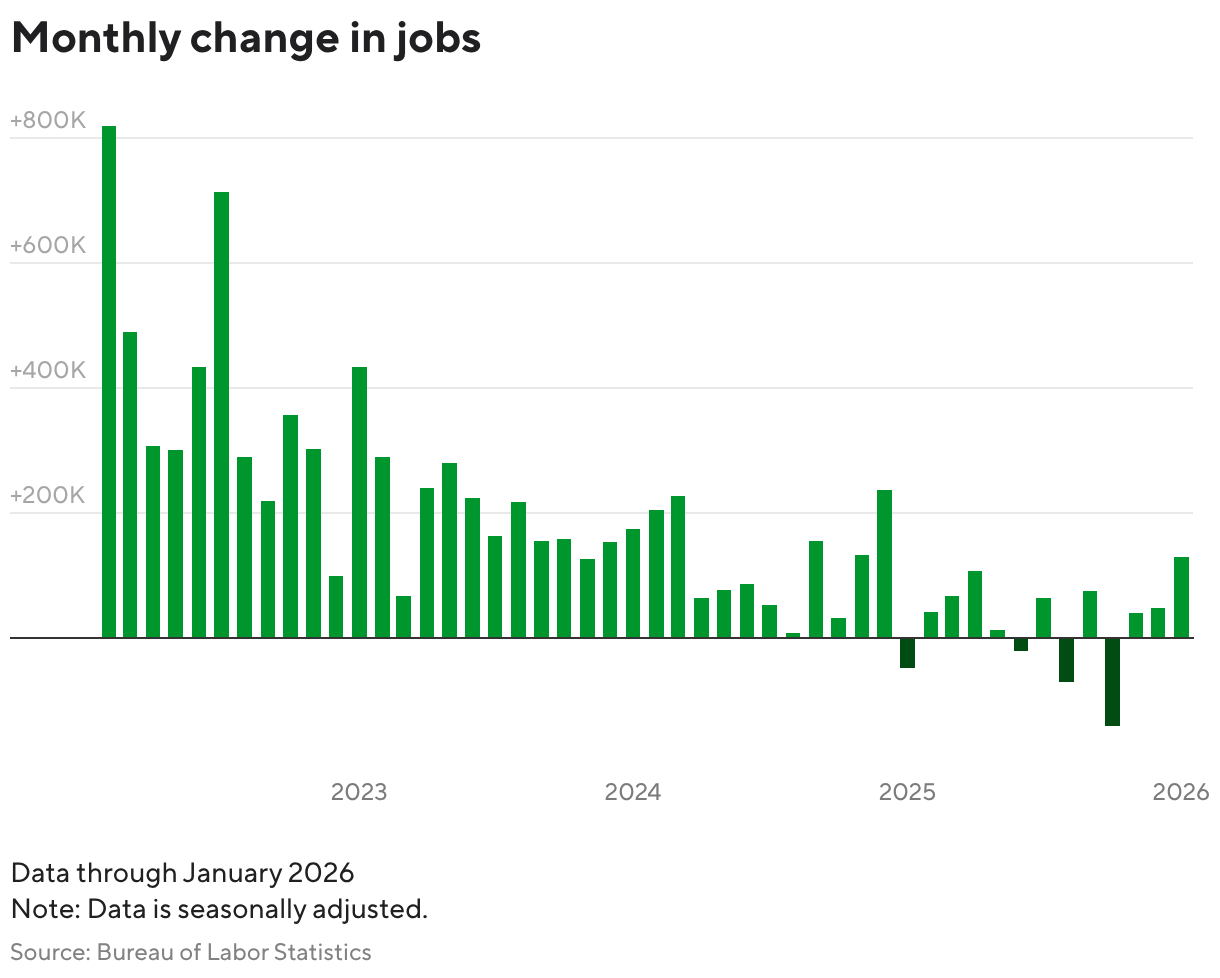
The Bureau of Labor Statistics' preliminary benchmark revision for the 12 months ending in March 2025 delivered a sobering update: the headline tally of U.S. payroll gains was sharply reduced, leaving policymakers, investors and everyday Americans recalibrating what 'a strong labor market' really meant last year. The change is not a single month's surprise; it is a wholesale re‑statement of the pace of hiring over an extended period — the kind of correction that reshapes narratives about growth, inflation and the resilience of the economy.
BLS benchmark revision 2025
Numbers that looked like momentum now look far more like a stall: the raw data we relied on last year have been materially scaled back, and that has consequences.
What Changed — The Headline Revision
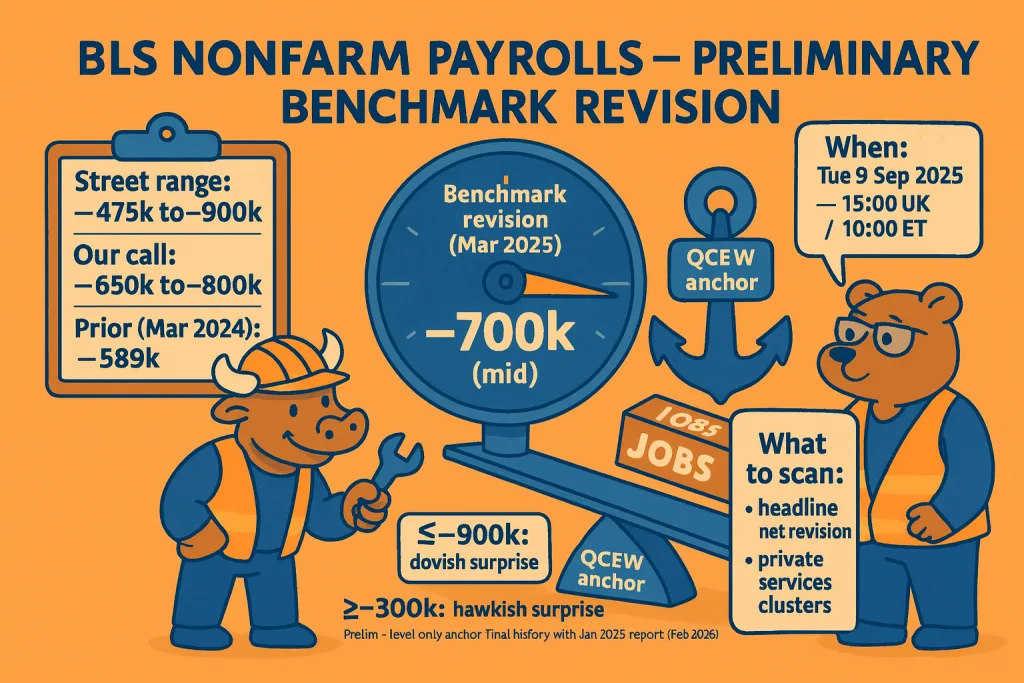
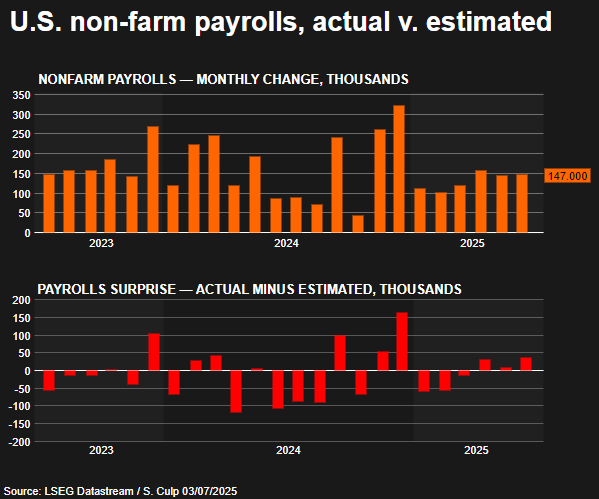
In the BLS preliminary benchmark revision announced in September 2025, the agency reduced its estimate of payroll gains for the 12‑month span through March 2025 by roughly 911,000 jobs compared with previously reported figures. That adjustment meaningfully lowered the average monthly pace of nonfarm payroll growth and altered the story line about hiring strength heading into 2025. citeturn0search1
Nonfarm payrolls cut 911,000
How big was the cut?
The revision shaved the prior estimate of multi‑million job additions down by close to a million positions, leaving average monthly gains at a fraction of what they appeared to be in preliminary reports. For many months that had looked like steady hiring, the corrected numbers show a much more tepid advance — one that changes the base from which 2025's labor market developments should be judged. citeturn0search3
Why Revisions Happen — The Mechanics Behind the Numbers
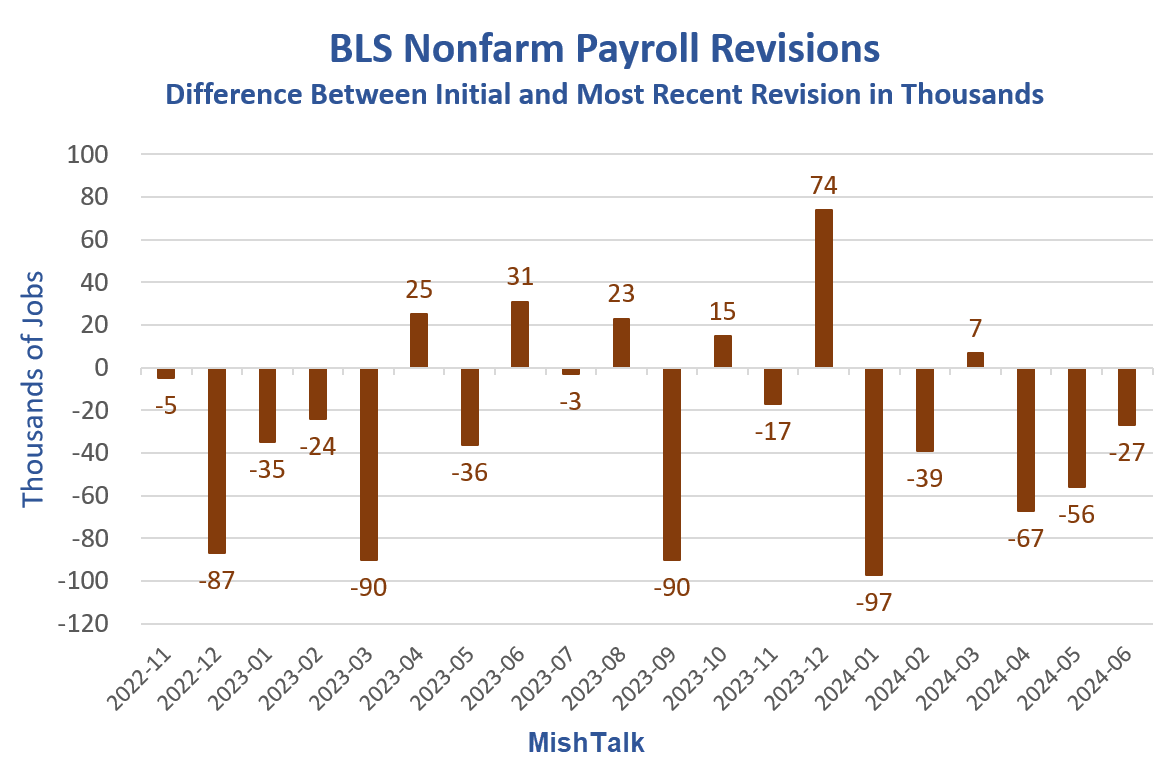
Monthly payroll estimates are produced from the Current Employment Statistics (CES) survey, a sample of firms and establishments. Those early estimates are inherently provisional because they are based on survey responses from a subset of employers. Periodically — typically once a year in a benchmark or preliminary benchmark process — the BLS recalibrates those survey estimates to more complete administrative records and state unemployment insurance data. This reconciliation is designed to align the survey with the universe of payroll records, and when the economy is shifting or when survey sampling misses underlying changes, the corrections can be large.
Payroll data methodology BLS
There are several technical drivers of large revisions: sampling error, timing differences between survey responses and payroll filings, how seasonal adjustment algorithms treat unusual business openings or closures, and the administrative lags in state UI submissions that the BLS uses to benchmark the survey. It's not evidence of malfeasance; it's a statistical reality of working with imperfect early estimates that the agency corrects when fuller data arrive. citeturn0search5
Where the Losses Were Concentrated
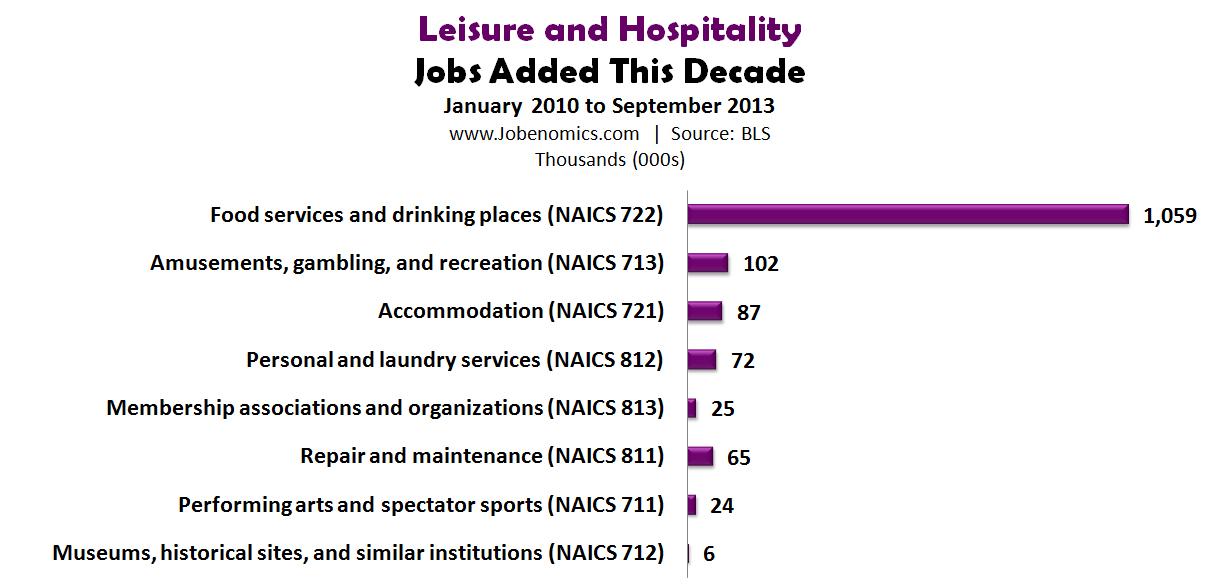
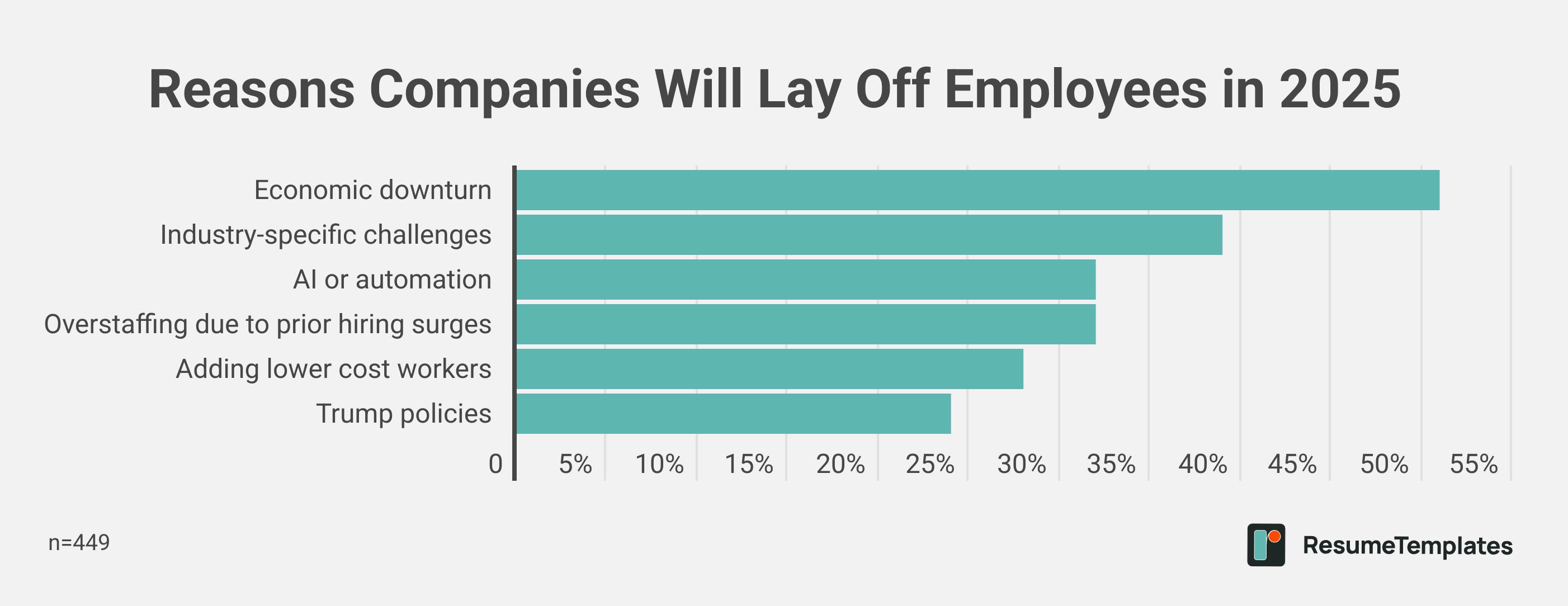
Not all industries were affected equally. The preliminary revision trimmed employment across multiple sectors, with some industries bearing a larger share of the downward adjustment. Leisure and hospitality saw one of the largest cuts, while retail, professional and business services, manufacturing and the information sector also recorded substantial downward changes. The information sector — which includes tech and media — took hits that analysts flagged as consistent with recent layoffs and automation pressures. citeturn0search6turn0search4
Leisure hospitality jobs revised
Sector snapshot
The revisions included hundreds of thousands of reductions spread across a range of industries: leisure and hospitality, retail trade, professional services and information among the most notable. For example, leisure and hospitality was reduced by roughly a mid‑hundreds of thousands figure; manufacturing and construction were lowered as well, highlighting that the cooling in hiring was not isolated to one corner of the economy. citeturn0search3turn0search6
Information sector layoffs 2025
What This Means for the Unemployment Rate and Labor Strength
At first glance, a downward revision to payrolls sounds like a direct hit to the unemployment rate. But the relationship between payrolls, unemployment and labor‑force dynamics is nuanced. Payroll revisions alter the employment count on the jobs side of the ledger; the unemployment rate also depends on the number of people actively looking for work and the size of the labor force. In recent updates the unemployment rate remained in a range that many economists call moderate, even as payroll additions were revised sharply lower, because other pieces of the household survey and labor‑force participation did not move in lockstep. citeturn0news13
Wage pressure and inflation implications
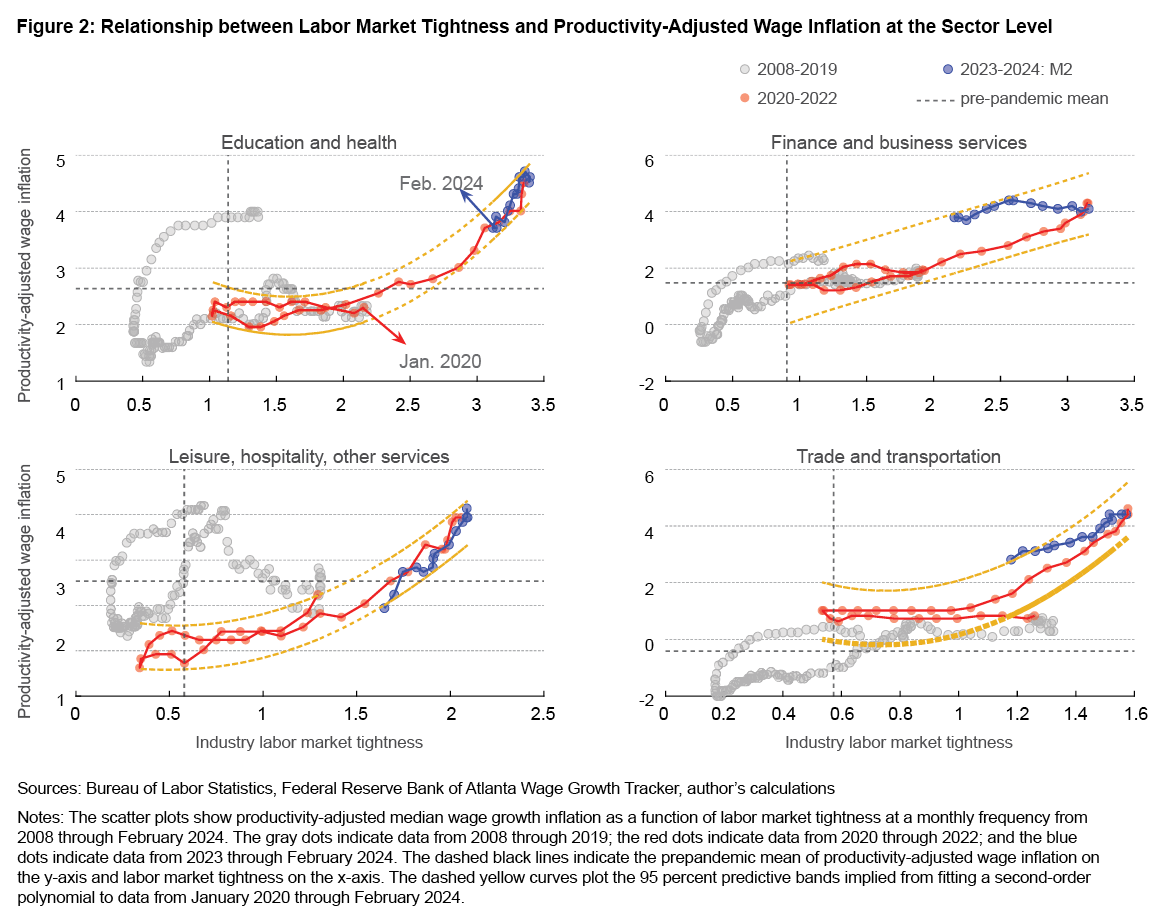
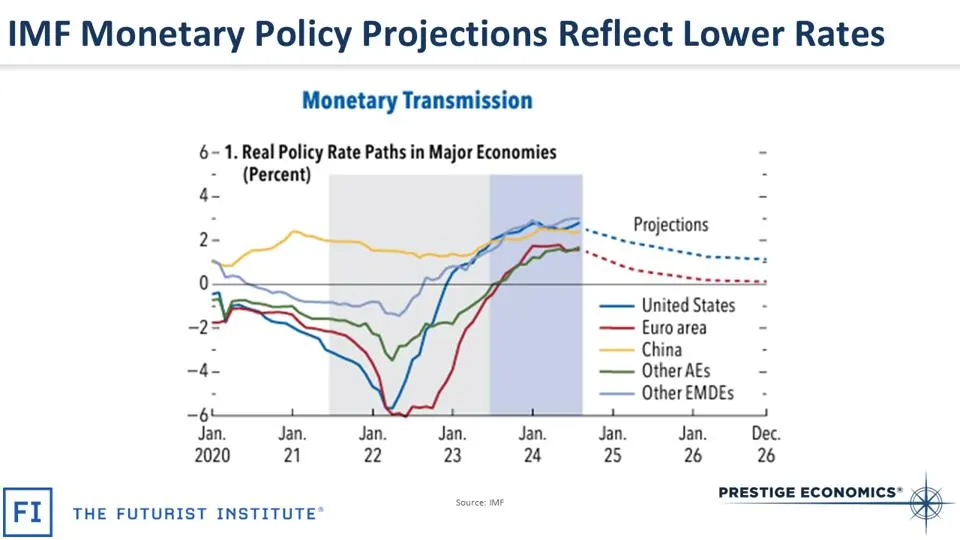
One of the most consequential implications of a large payroll downgrade is what it implies for wage growth and — by extension — inflation. If hiring was weaker than first believed, that reduces the tightness of the labor market narrative, which in turn weakens the case that wage‑driven inflation would remain elevated. That matters for the Federal Reserve's policy calculus: a cooler labor market gives policymakers more room to be patient with rate cuts or to justify maintaining higher rates until they see clearer signs of re‑acceleration in employment and wages. citeturn0search4
Labor market inflation implications
Market and Policy Reactions
Investors and bond traders rapidly priced the revision into expectations about future interest‑rate moves. Equity markets reacted to the news in sector‑specific ways: financials and consumer‑cyclical names took their cues from the implied slowdown in consumer activity, while some interest‑rate sensitive assets shifted on the prospect of a less hawkish Fed. For policymakers, the revision complicates communication: central banks prefer to base guidance on stable, well‑measured trends, not on data that are later trimmed dramatically.

Federal Reserve labor market
Political consequences
Large revisions also feed political debate. When headline payroll counts are corrected by hundreds of thousands, critics question whether the public and lawmakers were misled by early numbers; defenders point to the transparency of the revision process and the statistical necessity of benchmarking. The result is often a heated conversation about data funding, agency independence and the resources needed to improve measurement. citeturn0search1
Economic policy rates 2025
How Businesses and Workers Feel the Shift
For many businesses the revision changes the framing rather than the day‑to‑day reality. Firms that planned for expansion or contraction based on local demand and balance‑sheet considerations are guided by real‑time signals like sales, vacancies and applicant flows — not national‑level revisions published months later. For workers, however, the psychological and practical effects can be significant: a narrative of slowing hiring can dampen consumer confidence, influence wage negotiations and alter career decisions.
Reading the Data — Practical Tips for Interpreting Jobs Reports
When you read monthly jobs headlines now, keep these points in mind:
- Early estimates are provisional. The CES survey provides an essential, timely snapshot, but it can be revised materially when matched with administrative records.
- Look for trend confirmation. Pay attention to multiple labor indicators — unemployment rate, labor‑force participation, job openings and household‑survey employment — not just the payroll headline.
- Watch sector detail. A tepid aggregate can mask strength in pockets like healthcare even as leisure, retail or tech are weak.
- Consider seasonality and one‑offs. Weather, large employer closures or policy shifts can produce distortions that influence seasonal adjustment factors.
What Comes Next — Data, Policy and the Road Ahead
After a revision of this magnitude, analysts will watch subsequent months closely to see whether corrected historical levels align with fresh hiring activity. The BLS will issue final benchmark adjustments and continue to refine seasonal factors. Policymakers will weigh whether the new baseline implies different risks to inflation or growth. For markets, the key question is whether the labor market rebounds to the pre‑revision narrative or whether the economy settles into a slower, steadier pace of hiring.
Longer‑term considerations
Beyond the immediate market and policy ripples, the episode raises broader questions about statistical capacity and public understanding. If routine adjustments can change the story by nearly a million jobs, there's a case for better funding of data collection, clearer public education about what preliminary estimates mean, and improved real‑time indicators that complement the monthly surveys.
Conclusion — Why the Revision Matters
The BLS benchmark revision that trimmed 2024–2025 payroll gains forces a sober reassessment of the labor market's health. It does not rewrite every firm's hiring choice, but it alters the macroeconomic backdrop against which policymakers, businesses and investors make decisions. For readers, the lesson is clear: treat early job headlines as provisional, triangulate with other indicators, and be ready for narrative shifts when fuller data arrive. citeturn0search1turn0search3
- The BLS preliminary benchmark revision reduced reported payroll gains by roughly 911,000 jobs for the year ending March 2025, lowering average monthly job additions and reshaping the labor‑market narrative.
- Revisions reflect reconciliation between the CES survey and fuller administrative payroll records — a routine but sometimes large corrective process.
- Several sectors — including leisure and hospitality, retail, professional services and information — absorbed the largest downward adjustments.
- The correction eases some pressure on wage‑led inflation narratives and complicates the Fed's communication and timing of rate moves.
- Readers should interpret monthly payroll headlines alongside other labor indicators and expect revisions as part of sound statistical practice.
Numbers and revision details are based on the BLS preliminary benchmark announcement and subsequent reporting; revised series will be finalized in later BLS releases.