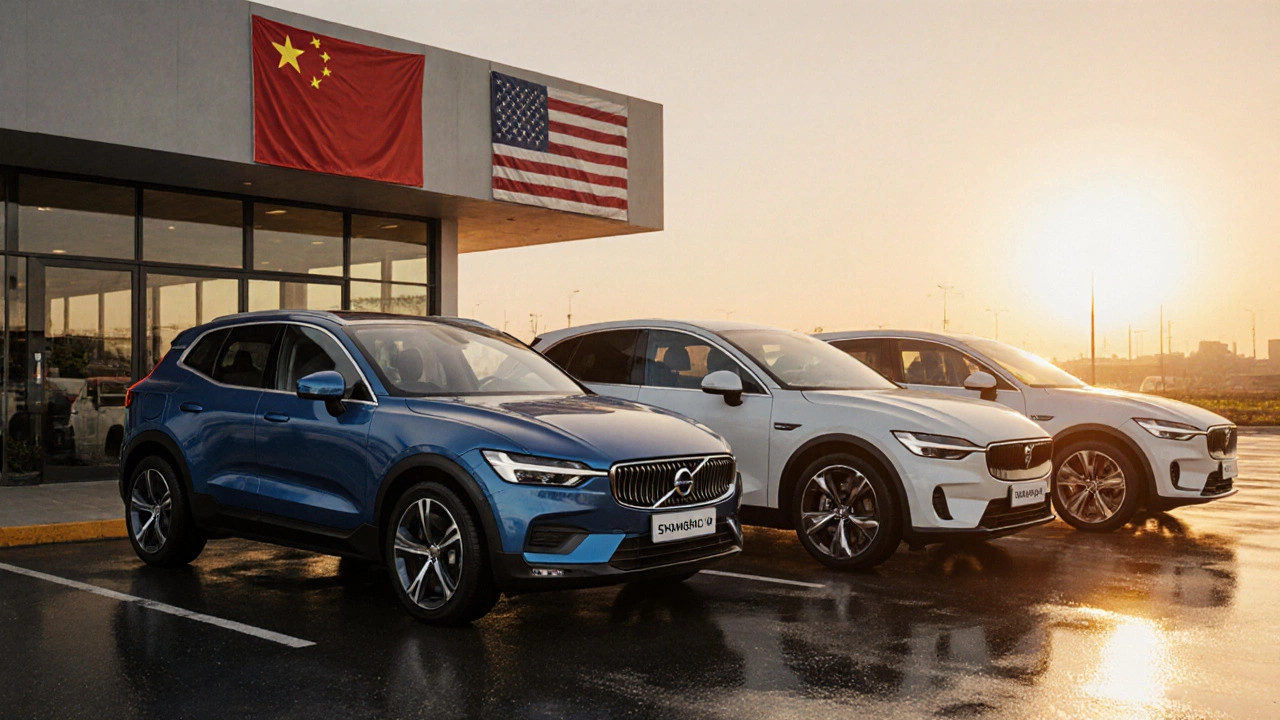
U.S. Dealers Fear Impact as Canada Approves Chinese Cars
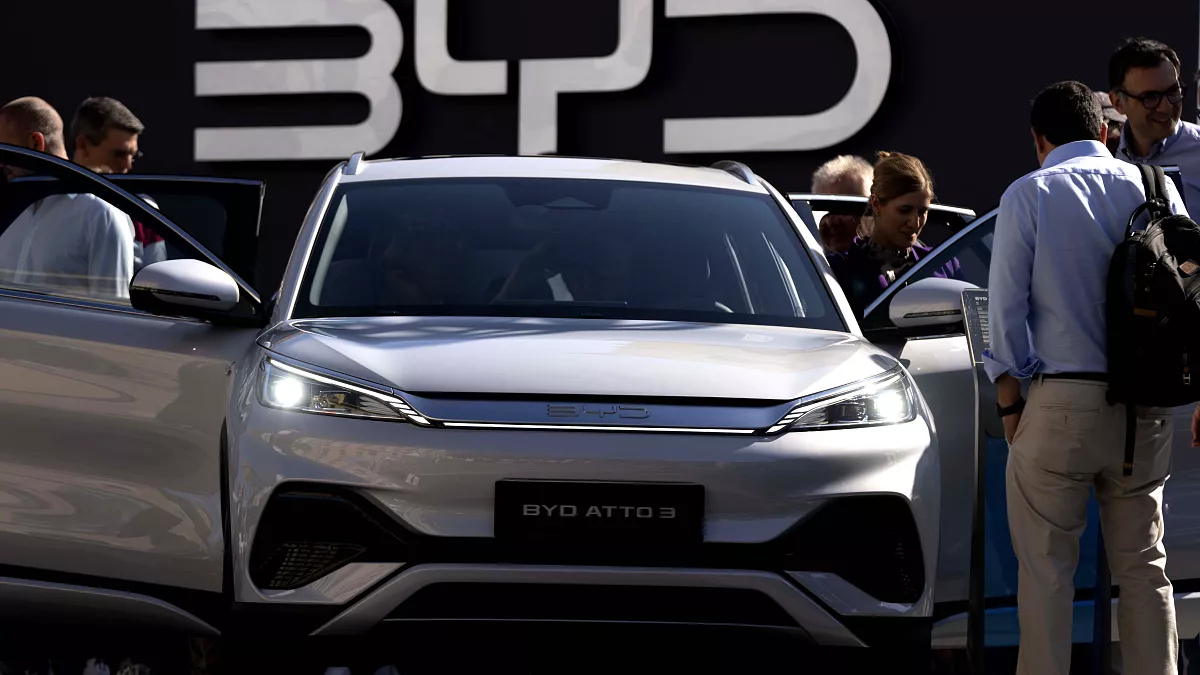
Chinese electric vehicles Canada approval
The moment a near-border neighbor officially opens its market to a new wave of entrants, reaction ripples across the industry. For many U.S. franchised dealers, that ripple has become an alarm bell: if Canada welcomes Chinese-made vehicles at scale, what prevents those vehicles from reshaping North American demand — eroding margins, compressing used-car values, and forcing rapid changes to service and parts ecosystems? This feature unpacks the legitimate worries, the overblown fears, and the pragmatic steps dealerships can take to defend revenue and relevance.
Cross-border trade policy
Context: A Cross-Border Pivot
The automotive market in North America is not hermetic. Automakers and consumers already navigate cross-border flows, regulatory harmonization, and supply chains that ignore national lines. A change in Canada's import and certification stance toward certain foreign automakers — in particular, manufacturers from China whose models are competitively priced and packed with technology — acts as a stress test for U.S. dealers. What follows is not a single domino falling; it is a complex interplay of pricing, perception, distribution, and policy.
Dealers are not just selling cars; they sell service, trust, and convenience — assets that can be quickly devalued by a flood of cheaper alternatives.
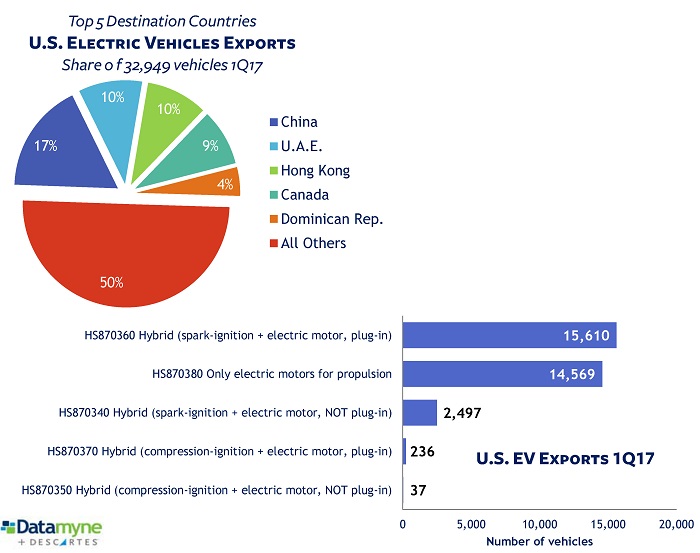
EV imports North America
How the Market Shift Could Work
Two channels of impact
The potential effects on U.S. dealerships fall into two practical channels:
- Direct competitive pressure: Chinese-branded new cars that meet certification and safety requirements enter Canada at aggressive price points and with long battery warranties and technology packs. Buyers compare their options, and downward price pressure can jump borders through cross-shopping and reimports.
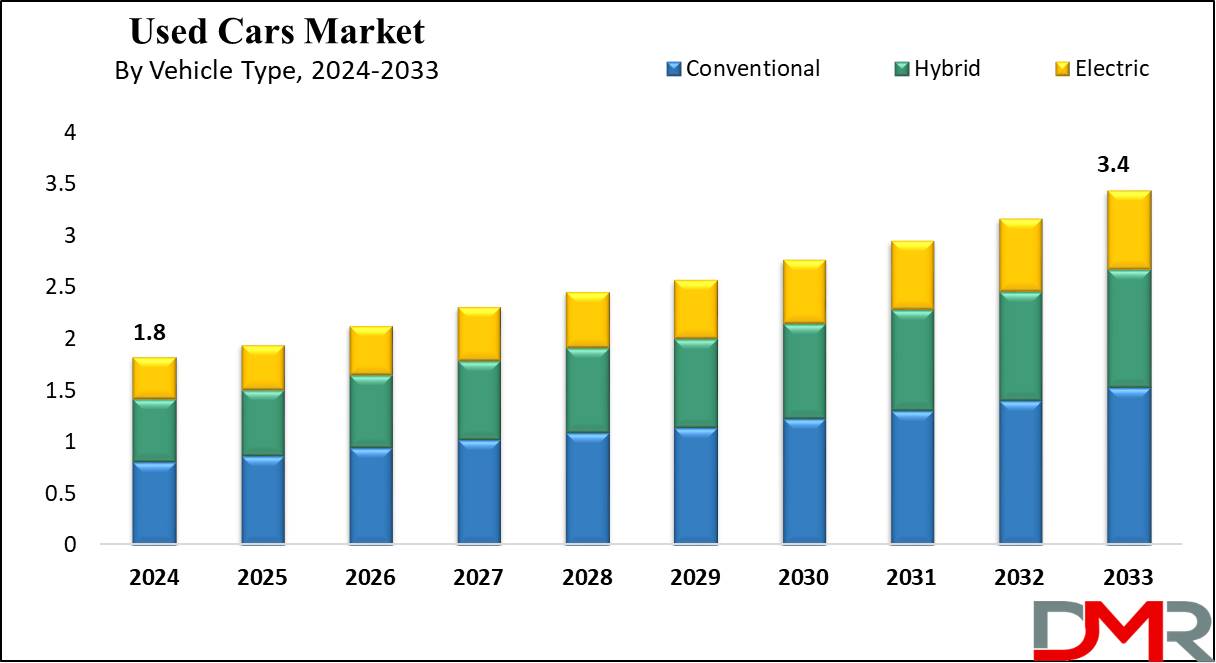
- Secondary-market contagion: Vehicles sold in Canada eventually appear in the used-car market, influence trade-in valuations, and change expectations around features-for-price. Lower-priced new entries depress residual values and amplify margin squeeze on used inventory — a cornerstone of dealership profitability.

EV charging infrastructure
Price, perception, and parity
Many Chinese models arrive with a feature-laden pitch: long-range electric drivetrains, large infotainment screens, advanced driver-assistance systems, and market-competitive warranty packages — at a price that undercuts established players. For consumers, that value proposition is enticing. For U.S. dealers, whose sticker strategies and holdback models rely on traditional price bands, the result can be sudden downward pressure on transaction prices and less room for negotiation cushion.
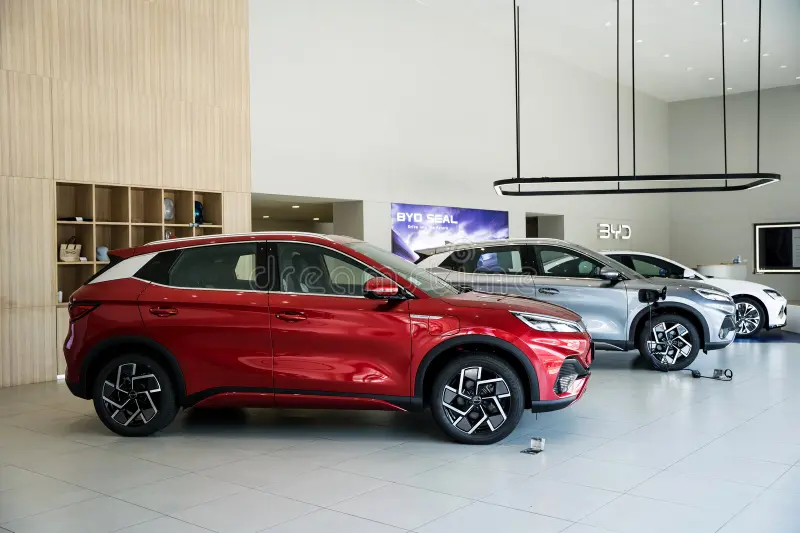
BYD electric car showroom
Why Dealers Are Panicking
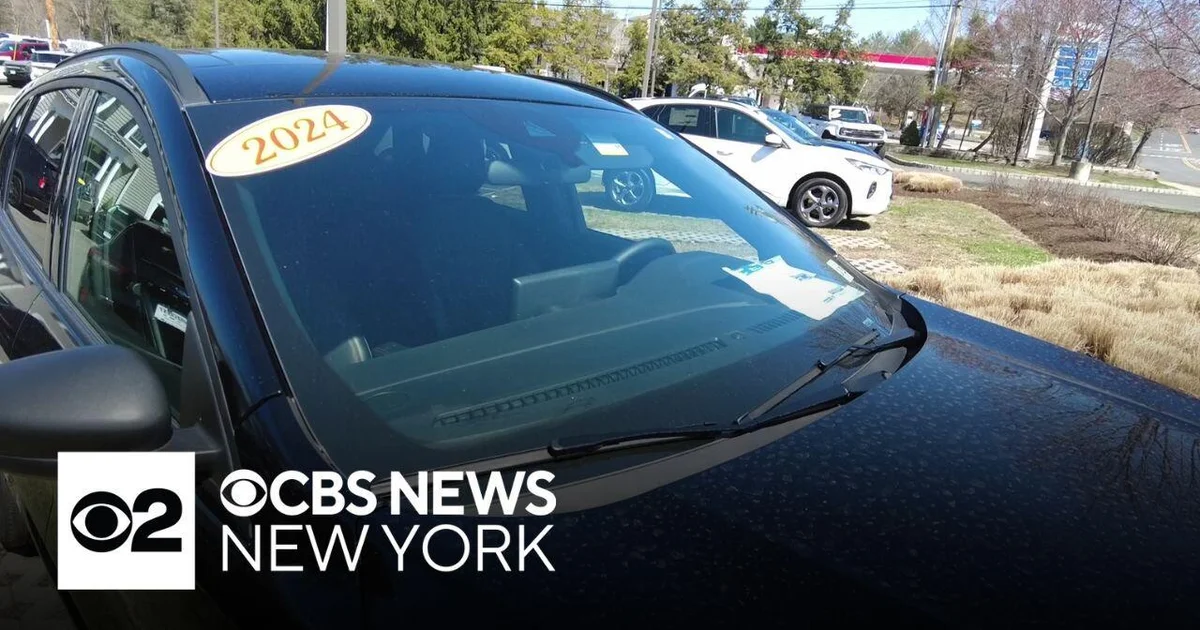
U.S. auto dealership panic
Margin erosion is real
Franchised dealers operate on thin gross margins for new vehicles and rely heavily on volume, manufacturer incentives, and captive finance relationships. When a new entrant competes primarily on price and direct-to-consumer convenience, dealers feel margin compression on both ends: new-vehicle discounts increase while used-vehicle trade-in values fall. Add in potential manufacturer-led price guarantees or subscription models, and traditional dealer economics face a rapid rewrite.

Dealership profit margins
Service and parts uncertainty
Service bays are a major profit center. If new cars entering Canada are later sold into U.S. markets as used vehicles without established dealer-service networks, dealerships worry about the cost of training technicians, stocking parts, and servicing unfamiliar platforms. Even if aftermarket solutions emerge, the initial period will be costly and operationally disruptive.
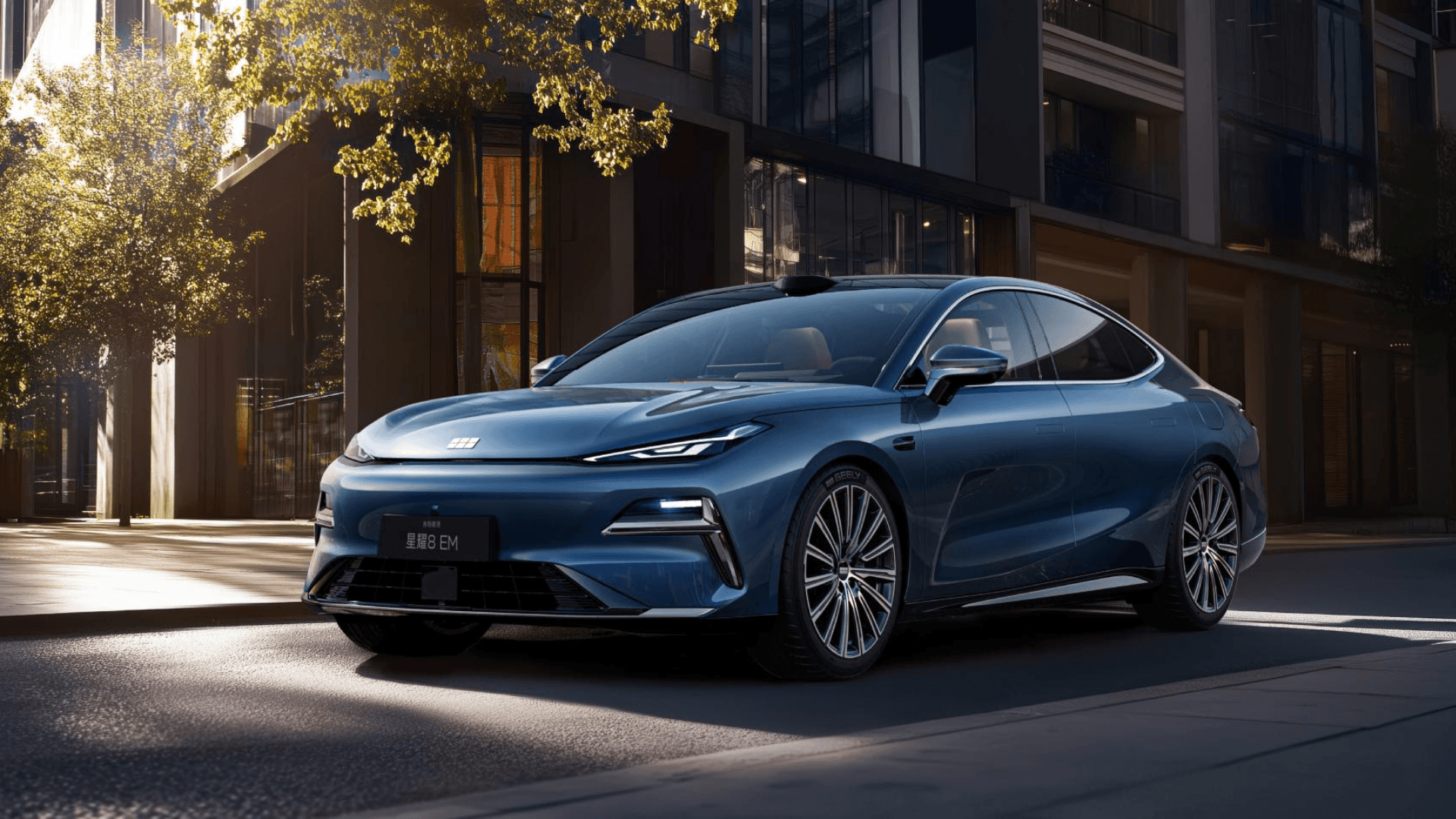
Geely Chinese automaker
Brand loyalty and consumer trust
Many franchised dealers claim value above the vehicle itself: sales consultants, trade-in valuation, vehicle servicing, and brand trust. If new brands enter the market with compelling warranty, roadside assistance, and remote update capability, consumers may deprioritize the local dealer relationship. That shift reduces recurring revenue from service and parts, which historically underwrites dealership profitability during cyclical sales downturns.
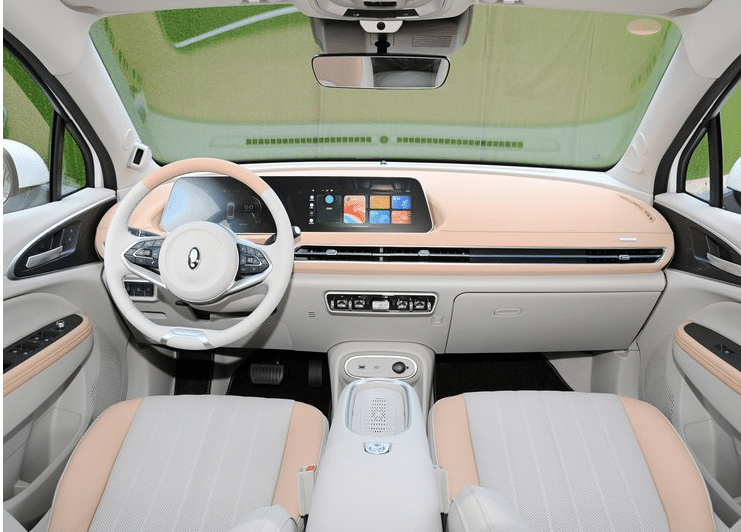
Great Wall Motors China
Breaking Down The Financial Exposure
Revenue sensitivity model
Consider a typical mid-size dealer whose annual profit depends on a balance of new and used sales plus F&I and service. A 3–5% reduction in average transaction price for new vehicles — paired with a 10% drop in used-vehicle gross — can translate into a double-digit decline in dealership net earnings before interest and tax. The specific numbers vary by franchise, but the sensitivity is steep because fixed costs (facilities, payroll, franchise fees) are relatively constant.
Financing and lease returns
Leases and captive finance deals rely on residual value forecasting. If new cheaper models alter expected residuals, finance arms may tighten terms, increase reserve requirements, or adjust residual forecasts upward — all of which increase monthly payments or reduce lease volume. Dealers that rely on lease penetration incentives could see a fall in ancillary income and increased exposure when off-lease units enter a softer used market.
Used car market valuation
Policy, Trade, and Legal Considerations
Tariffs and regulatory friction
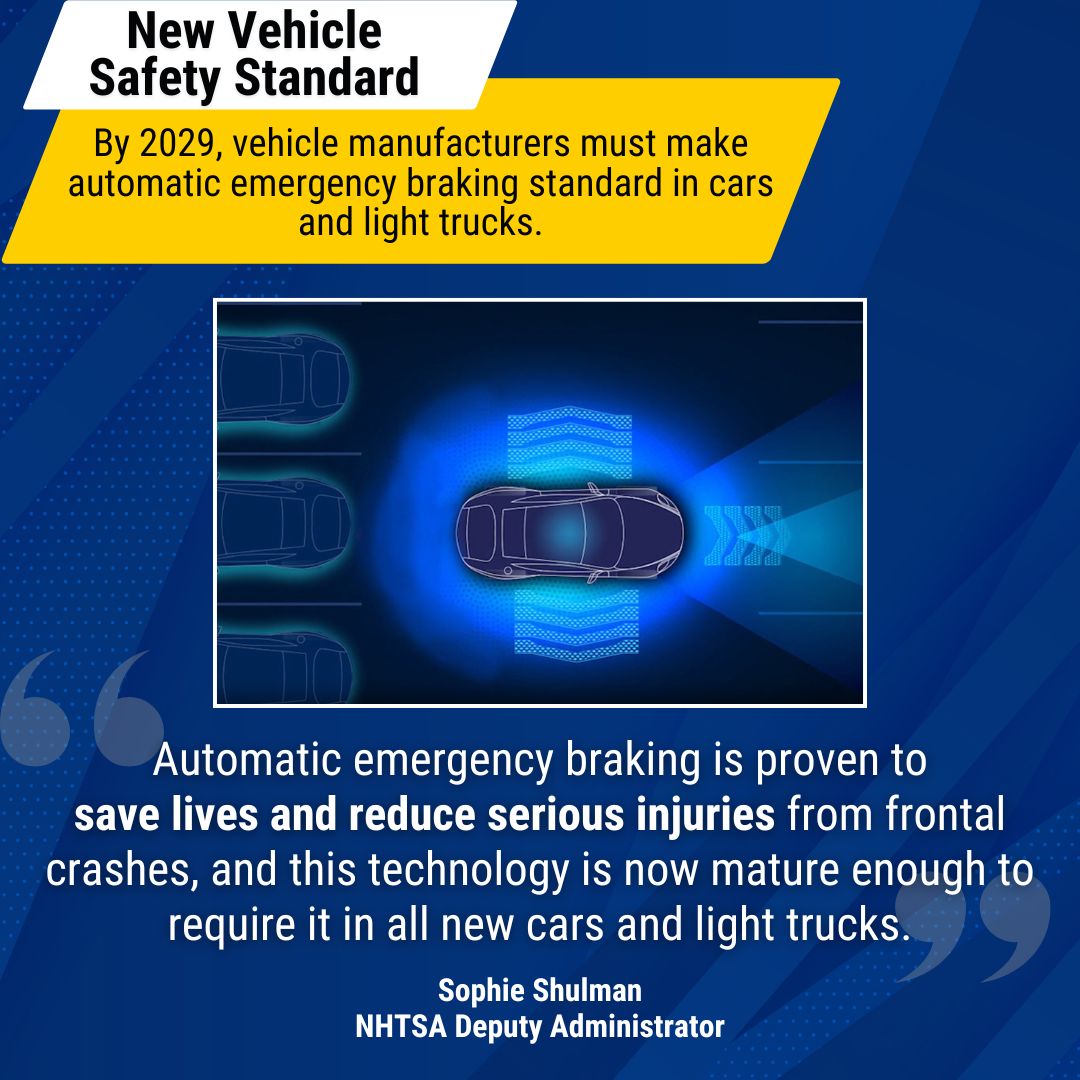
One immediate line of defense for domestic interests is policy — tariffs, import restrictions, certification hurdles, or safety and emissions testing regimes. However, policy responses are slow and politicized. Raising tariffs to blunt price competitiveness can trigger retaliatory measures and usually increases costs for consumers. Regulatory alignment between Canada and the U.S. also complicates matters; what is allowed north of the border is more easily visible and potentially portable to the U.S. market over time.
NHTSA safety standards
Franchise laws and manufacturer strategies
Many U.S. states have franchise protections that limit direct-to-consumer sales by automakers. If Chinese brands pursue a direct-sales model, dealers may lobby for enforcement of franchise protections. Conversely, some manufacturers may partner with independent dealer networks or embrace hybrid strategies that preserve local service while selling online — forcing incumbents to adapt or contest in courtrooms and legislatures.
How Automakers and Consumers Might React
Manufacturers: playbook options
Legacy automakers typically respond with a mix of price adjustments, accelerated EV roadmaps, and enhanced dealer incentive programs. They may also expand trade-in guarantees, increase warranty lengths, or bundle subscription services to lock in customers. Some will experiment with authenticated online buying portals or “concierge” service to reduce friction and mimic the convenience of direct-to-consumer brands.
Consumers: short-term winners, long-term questions
In the short term, buyers benefit from more competitive pricing and a wider choice of features. Over time, though, questions persist: how will resale values hold up, who will maintain software and battery health, and which networks will provide long-term service and parts availability? Savvy consumers will price in these factors, but many buyers prioritize upfront value, especially in a tight-income environment.
Options for Dealers: Defense and Offense
Short-term tactical moves
- Inventory diversification: Tilt used inventory toward models with strong residuals and parts availability.
- F&I resilience: Expand service contracts, certified pre-owned plans, and aftermarket warranty options that create recurring revenue.
- Local service excellence: Market convenience, vetted repairs, and same-day service to keep customers in the fold.
Dealer consolidation strategy
Longer-term strategic plays
- Partnerships and training: Invest in technician upskilling and seek manufacturer-authorized pathways to service new platforms.
- Digital and customer experience: Build online buying experiences and subscription offers to match consumer expectations.
- Advocacy with nuance: Engage with policymakers for fair competition while avoiding protectionism that delays necessary transformation.
- Consumer choice: More models and technologies at lower prices.
- Innovation pressure: Incumbents accelerate EV progress and features.
- Dealer margin squeeze: Lower transaction prices and compressed used values.
- Service disruption: Parts, training, and warranty uncertainty.
What This Means for Consumers and Investors
For buyers, the immediate takeaway is favorable: more competition often yields better value. For investors — including independent dealers as business owners — the arithmetic is complex. Public automakers will face margin pressure, but winners will be those who pivot quickly into software-enabled services and high-margin aftercare. Dealers that double down on customer relationships, omnichannel retail, and service excellence stand a better chance of maintaining profitability through transition.
Conclusion: Panic Is a Signal, Not a Plan
The arrival of competitively priced, feature-rich vehicles from new geographies is an inflection point for North American automotive retail. Panicked headlines and emergency lobbying are predictable, but the sustainable response for dealers is strategic adaptation: protect cash flow, lean into service, modernize retail channels, and engage constructively with manufacturers and policymakers. Change will not be uniform — some dealers will fail, some will consolidate, and some will reinvent themselves as mobility service hubs. Those who act deliberately, not reflexively, improve their odds.
- Canada's approval of new entrants raises competitive pressure that can quickly affect U.S. dealership economics.
- Margin erosion, residual value shifts, and service-network uncertainty are the primary dealer concerns.
- Short-term tactics and long-term strategic investments in service, digital retail, and partnerships will determine who survives and who thrives.
Author's note: This analysis explores market dynamics and strategic responses; individual dealer outcomes will vary by franchise, geography, and execution.