Unlocking the Marvel of Roman Aqueducts
The ancient Roman aqueducts stand not merely as structures of stone and mortar but as embodiments of innovation, engineering ingenuity, and the very lifeblood of civilization. These remarkable feats of engineering—constructed over two millennia ago—provided water to millions and facilitated the growth of sprawling urban landscapes. Without aqueducts, the story of Rome would have been vastly different, limiting its expansion and cultural influence.
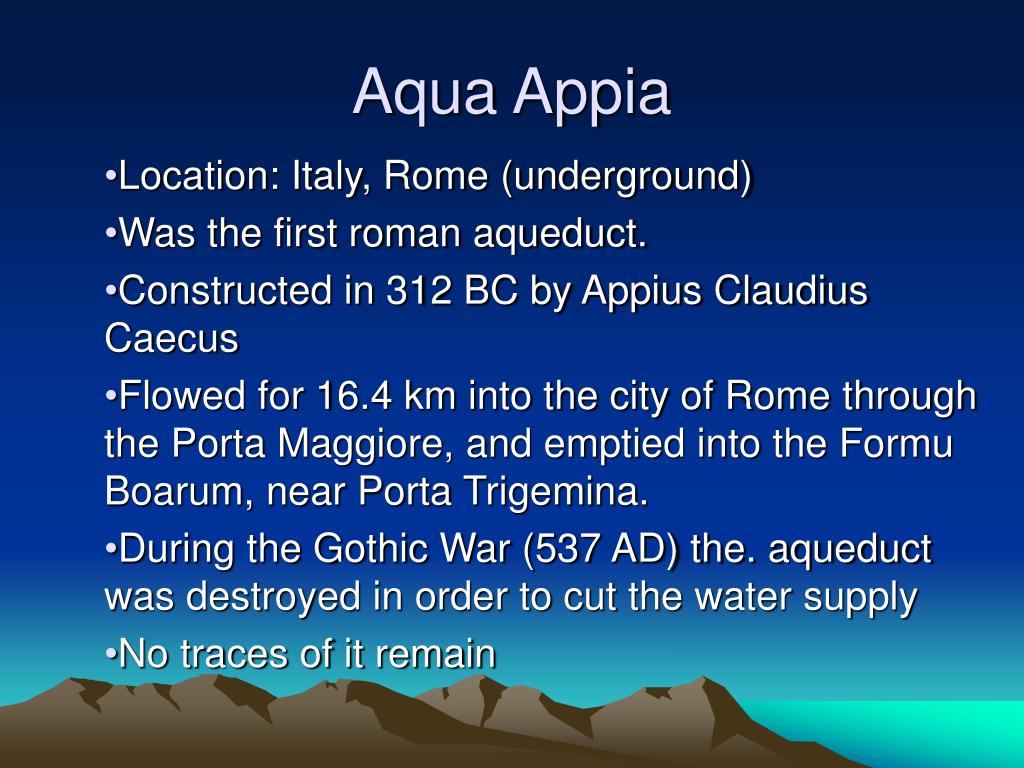
Aqua Appia 312 BC
The Engineering Genius Behind Aqueducts
When we delve into the specifics of aqueduct design, it becomes evident that the Romans were pioneers in hydraulic engineering. Each aqueduct was meticulously planned, taking into account the terrain, climate, and the specific needs of the communities it served. One of the exceptional elements of Roman aqueducts is their ability to maintain a gentle gradient, allowing water to flow without the use of pumps. This was achieved through the use of surveying instruments and techniques unfamiliar to many of their contemporaries.
For instance, the Aqua Appia, Rome's first aqueduct, built in 312 BC, stretched over 16 kilometers and was primarily underground, showcasing the Romans' capacity to work with their environment. In contrast, the Aqua Marcia, commissioned in 144 BC, was noted for its purity of water and remarkable design—boasting arches and bridges that are as aesthetically pleasing as they are functional.
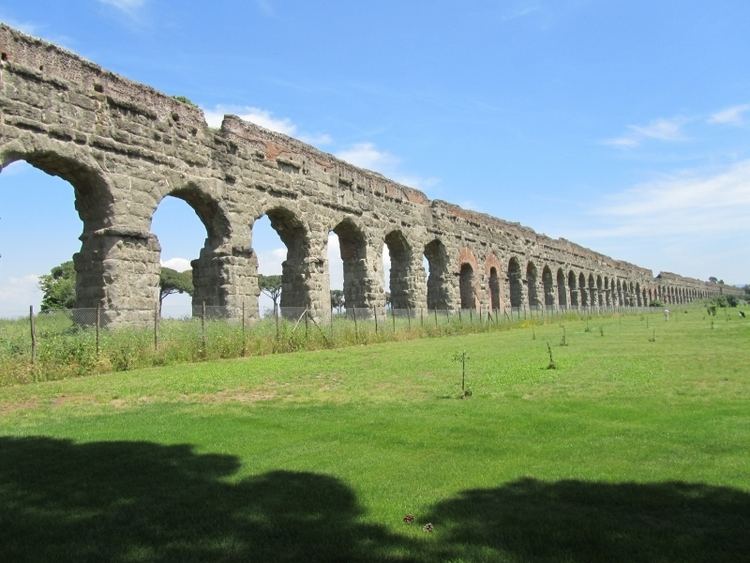
Aqua Marcia aqueduct
Construction Techniques: A Closer Look
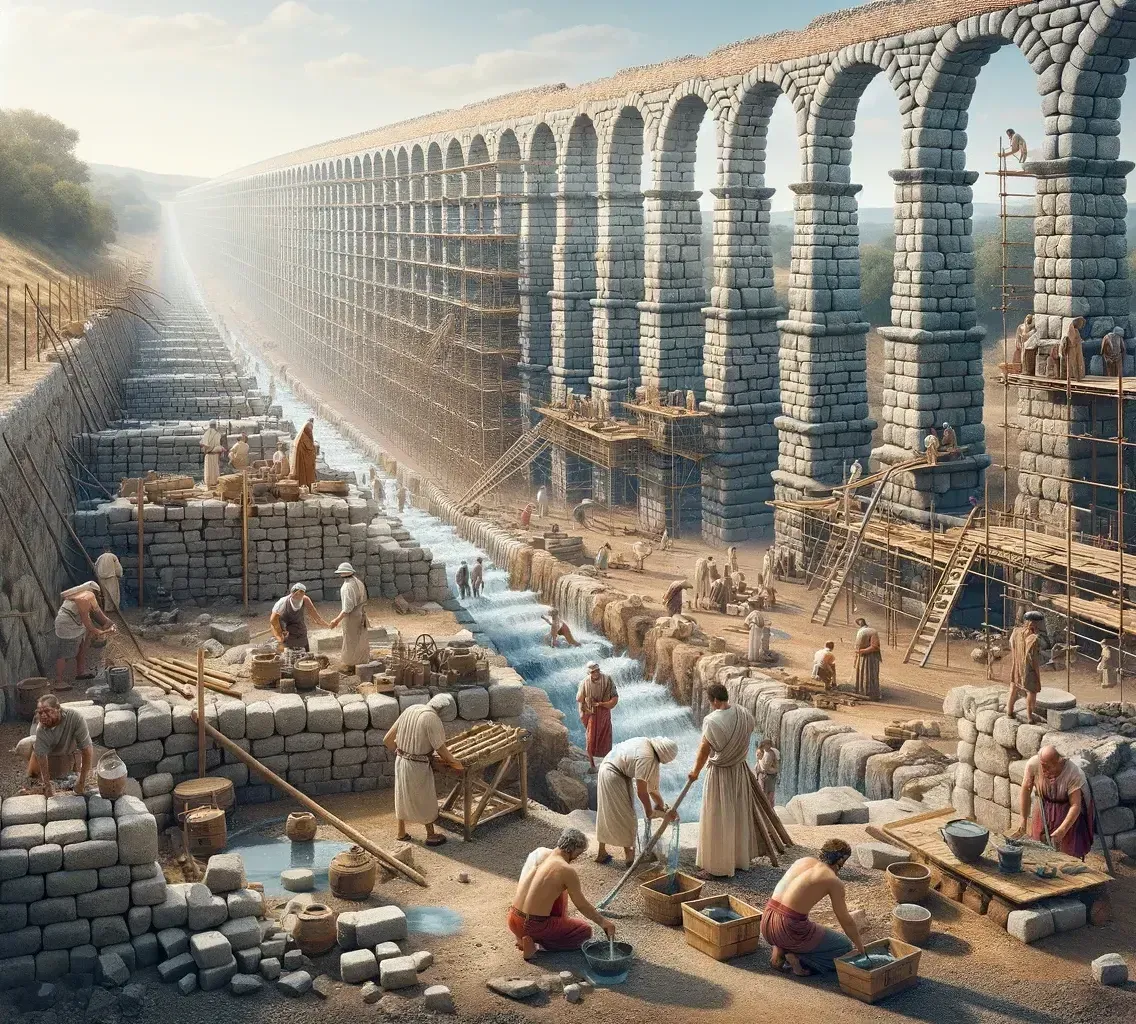
The construction of aqueducts was a monumental task that required a blend of skilled labor, creativity, and advanced technology. Workers commonly used a variety of materials, including stone, concrete, and brick, to construct arches, bridges, and water channels. The Romans were particularly skilled in creating concrete, which allowed for more intricate designs and durable structures.
Additionally, the construction process often involved:
- Surveying: Engineers used simple yet effective tools to measure and establish the necessary gradient for the water flow.
- Materials Selection: The choice of local materials reduced transportation costs and ensured the availability of resources.
- Labor Organization: Skilled laborers and slaves were often employed, reflecting the social hierarchies of the time.

Construction Techniques Closer Look
These elements combined to create aqueducts that were not only functional but also architectural masterpieces that have endured through the ages.
Aqueducts and Urban Development
The introduction of aqueducts into urban areas revolutionized city life, underpinned public health, and facilitated commerce. The availability of a reliable water supply promoted sanitation and hygiene, reducing the spread of waterborne diseases. Public baths, fountains, and latrines became integral parts of Roman culture, vital for community wellness and social interaction.
Beyond mere necessity, aqueducts became symbols of power. The elaborateness of an aqueduct often served as a reflection of the wealth and sophistication of a city. For example, the Pont du Gard in southern France is not only an engineering marvel but also a testament to the Roman Empire's extensive reach and influence.
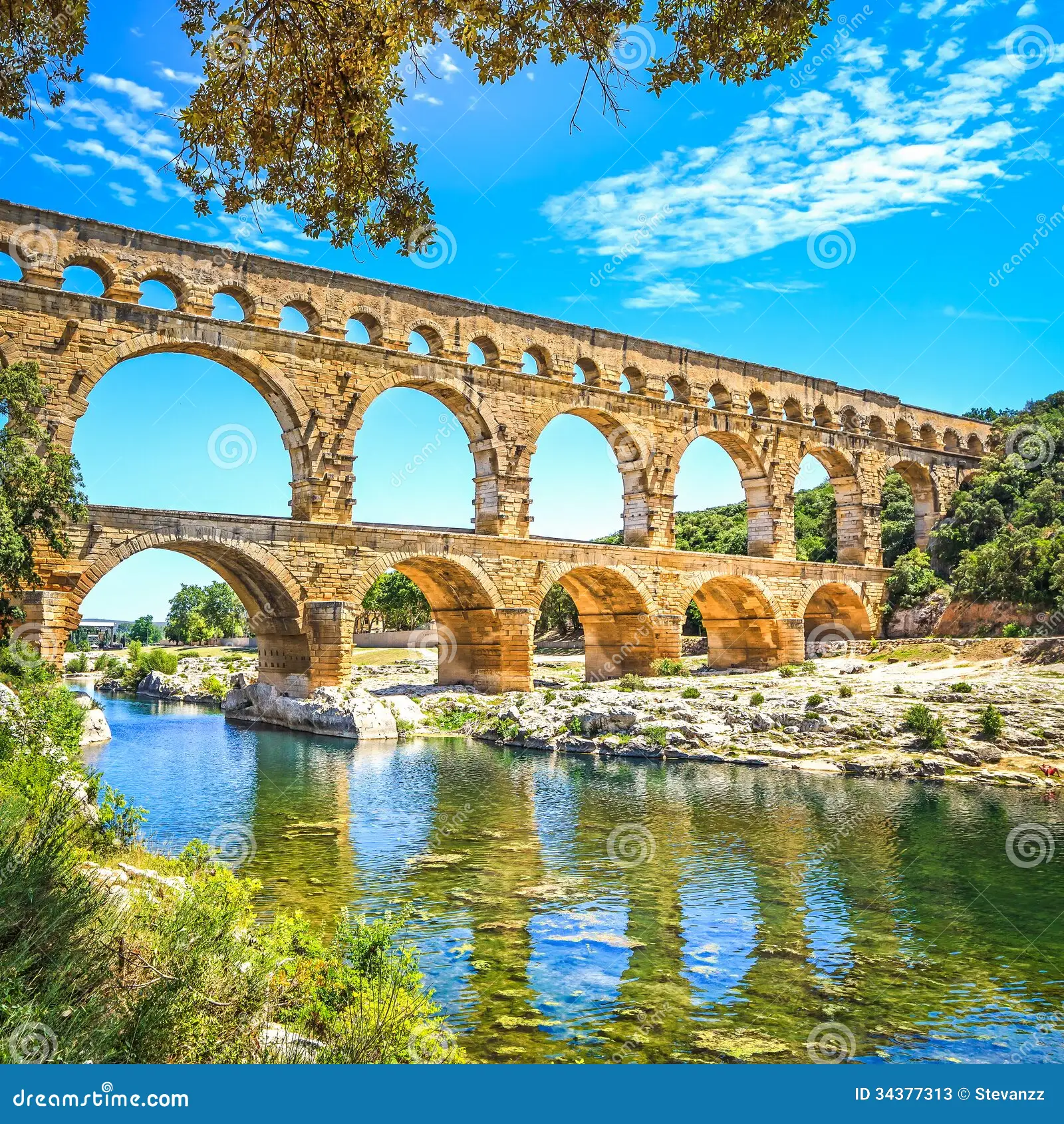
Pont du Gard aqueduct
The Decline and Legacy of Aqueducts
As empires rise and fall, so too do their infrastructures. The decline of the Roman Empire in the 5th century AD marked a downturn for the aqueduct system. Many aqueducts fell into disrepair and were repurposed or abandoned. However, the legacy of these structures endured. The technology and methods developed by the Romans laid the groundwork for modern plumbing systems and civil engineering.
In contemporary times, aqueducts are studied not merely for their engineering prowess but also for their cultural significance. The remnants of these ancient structures continue to inspire modern architects and engineers, illustrating the blend of functionality and aesthetics that characterized Roman design philosophy.
Conclusion: The Lasting Impact of Roman Aqueducts
The legacy of Roman aqueducts serves as a powerful reminder of the ingenuity of ancient civilizations and their ability to adapt to and shape their environments. Today, as we face water scarcity and environmental challenges, the principles of sustainability and engineering that the Romans mastered remain relevant. By pulling lessons from the past, we can build a future that honors those who laid the groundwork for modern civilization.

Aqueducts and Urban Development
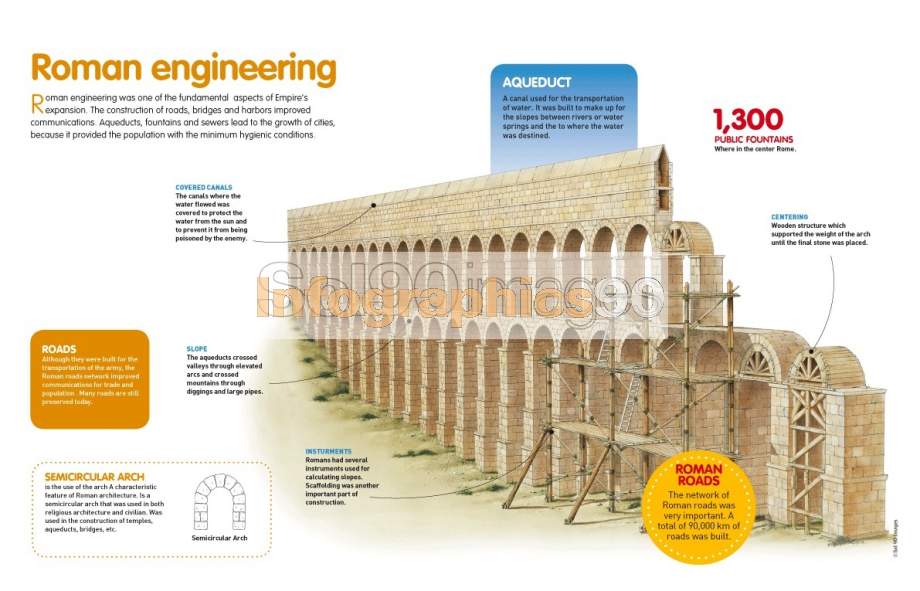
Roman hydraulic engineering