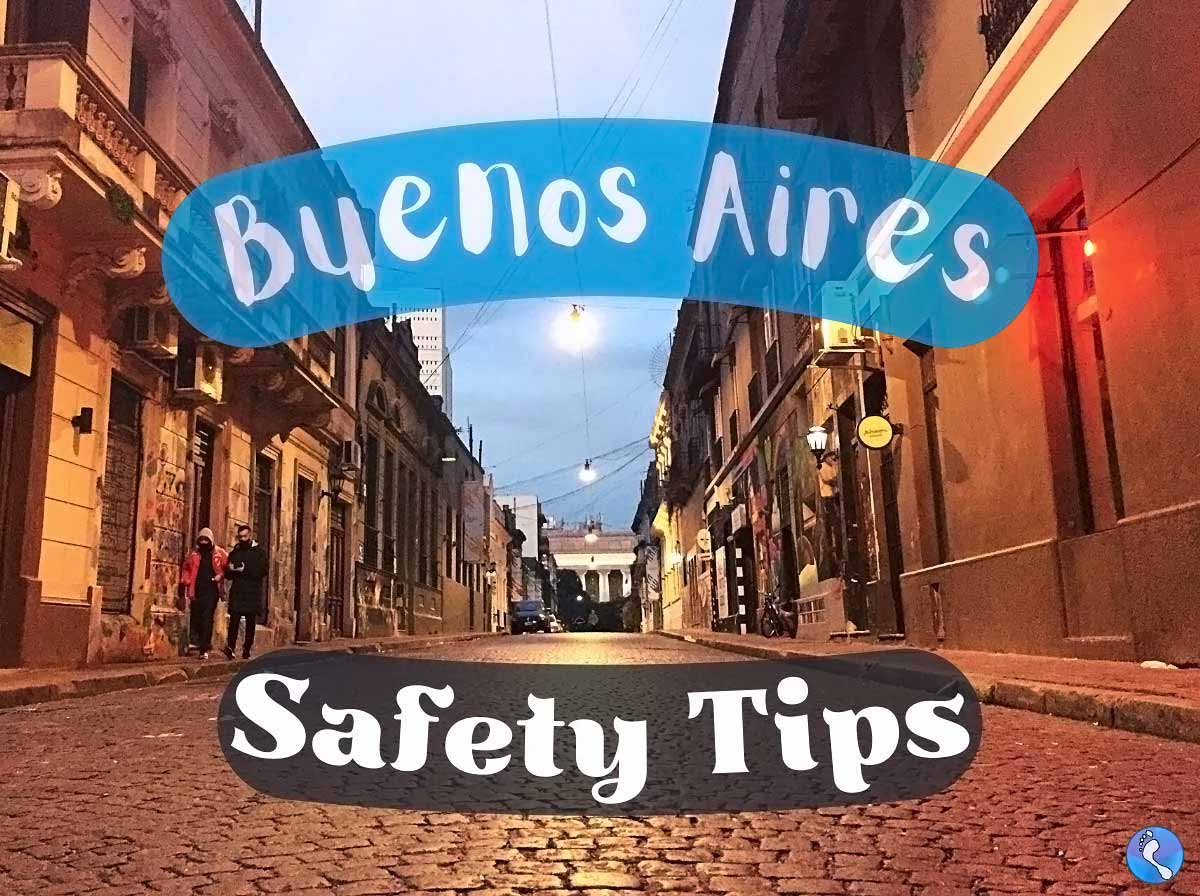
Understanding Safety in Buenos Aires: A Comprehensive Overview
As one of the most vibrant cities in South America, Buenos Aires is known for its rich culture, exquisite cuisine, and passionate tango. However, as urban landscapes evolve, concerns regarding safety have become increasingly prominent for both residents and visitors. How safe is Buenos Aires today? This guide seeks to navigate the complex terrain of security in the Argentine capital, offering insights, statistics, and tips to enjoy a safe experience in this magnificent city.
The Current Safety Landscape
Buenos Aires is a city of contrasts where beauty and danger often coexist. While many areas bustle with energy and warmth, others may present challenges. According to recent municipal data, crime rates in Buenos Aires have fluctuated, yet some neighborhoods still grapple with issues like theft and violence.

Current safety landscape Buenos Aires
In the last few years, the city has taken significant steps to enhance safety. Law enforcement agencies expanded both their presence and community outreach efforts, focusing on high-traffic areas known to attract tourists. Despite these positives, visitors should remain vigilant.
Understanding Crime Rates
Crime statistics can often seem confusing to tourists. In Buenos Aires, violent crime like homicides is relatively low compared to other cities in the region, yet pickpocketing and petty theft remain prevalent, especially in crowded areas, public transport, and tourist spots. Here’s a closer look at some critical crime statistics:
- Petty Theft: Accounts for a significant portion of crime reports, especially in tourist-heavy districts.
- Homicide Rate: While this figure ranks lower than in many other urban centers, it is critical to analyze neighborhood-specific data.
- Robbery: More common in less-touristed areas; understanding where to venture is crucial.

Petty theft tourist areas
By reviewing these statistics, visitors can develop a better understanding of how to navigate their surroundings and make informed decisions to enhance their safety.
Receiving Local Insights
One of the best ways to stay safe in Buenos Aires is to listen to local wisdom. Forums, blogs, and travel advisories often paint a picture of the city that is subjective. Engaging with locals and seeking their insights can provide a more nuanced understanding of safety in various neighborhoods. Here’s what locals often suggest:
- Avoiding Certain Areas: Popular advice is to steer clear of particular zones after dark, even if they seem lively during the day.
- Using Reputable Transport: Ridesharing apps and licensed taxis are generally deemed safer than public taxis.
- Gaining Familiarity with Local Culture: Understanding local customs can defuse potentially risky situations, fostering a respectful interaction.
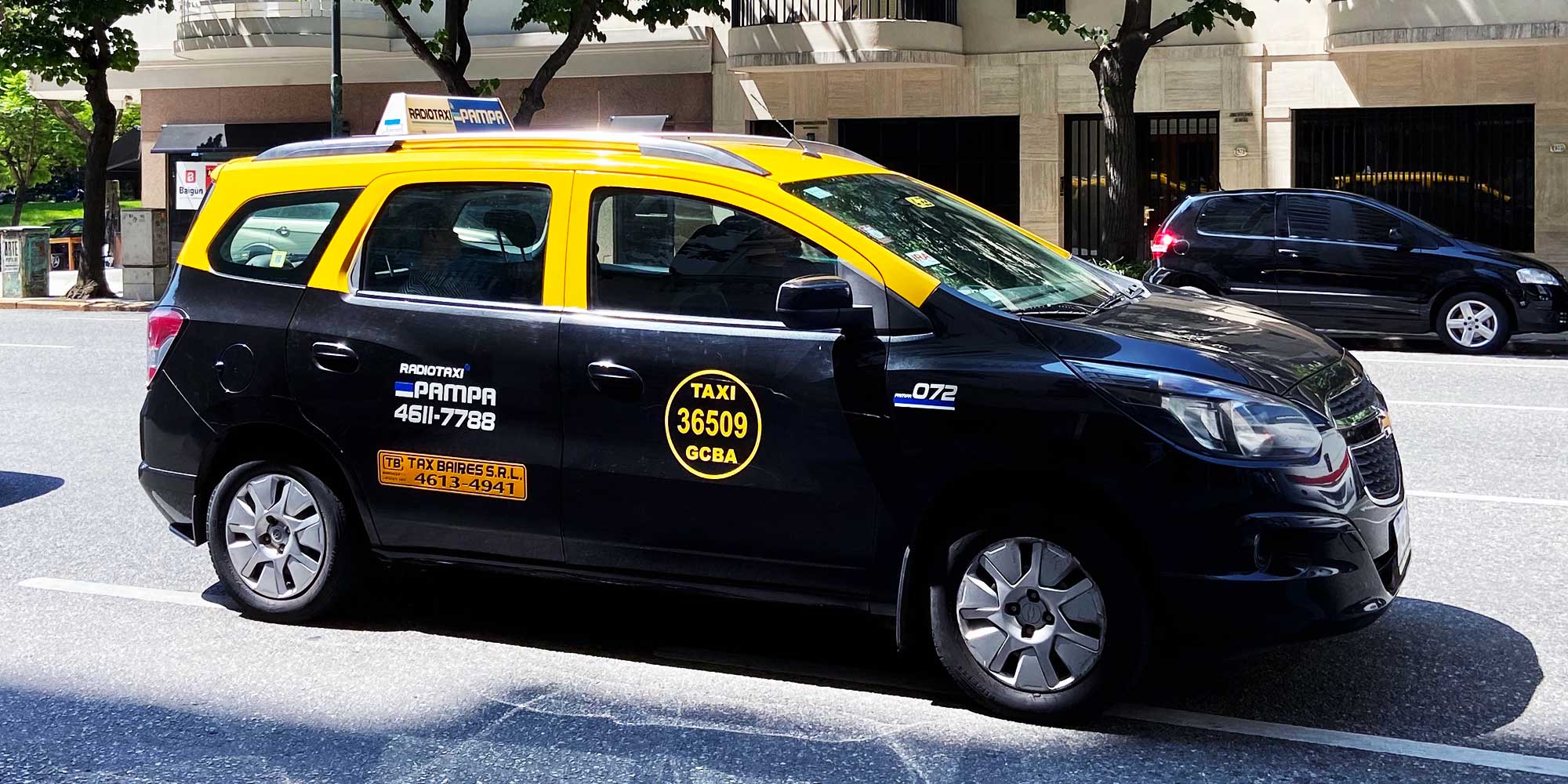
Licensed taxis Buenos Aires
Additionally, many neighborhoods have groups dedicated to community safety, circulating valuable information to assist those living or traveling in the area.
Tourist Safety Tips
While you're soaking in the beautiful sights of Buenos Aires, here are essential safety tips to keep in mind to ensure a smoother experience:
- Stay Alert: Always be aware of your surroundings, especially in crowded areas.
- Secure Valuables: Use anti-theft bags, store valuables in hotel safes, and avoid flaunting expensive items.
- Keep Copies of Important Documents: Losing your passport can complicate your travels; consider keeping digital copies in your email.
- Travel in Groups: There’s safety in numbers; try to explore unfamiliar areas with companions whenever possible.
Tourist safety tips Buenos Aires
These straightforward tips can significantly reduce risks and ensure that your experience in Buenos Aires remains enriching and enjoyable.
Public Transport Safety
Buenos Aires boasts an extensive public transport system, including buses, subways, and taxis. While commuting can be convenient, it’s essential to follow some safety guidelines:
- Subway Travel: The subway is generally regarded as safe, although crowded trains can present opportunities for petty theft.
- Bus Routes: Opt for more popular bus routes during peak hours, and try to find seats close to the driver.
- Taxis and Rideshare Services: Always use licensed taxis or rideshare apps, as they offer more security provisions compared to unlicensed taxis.
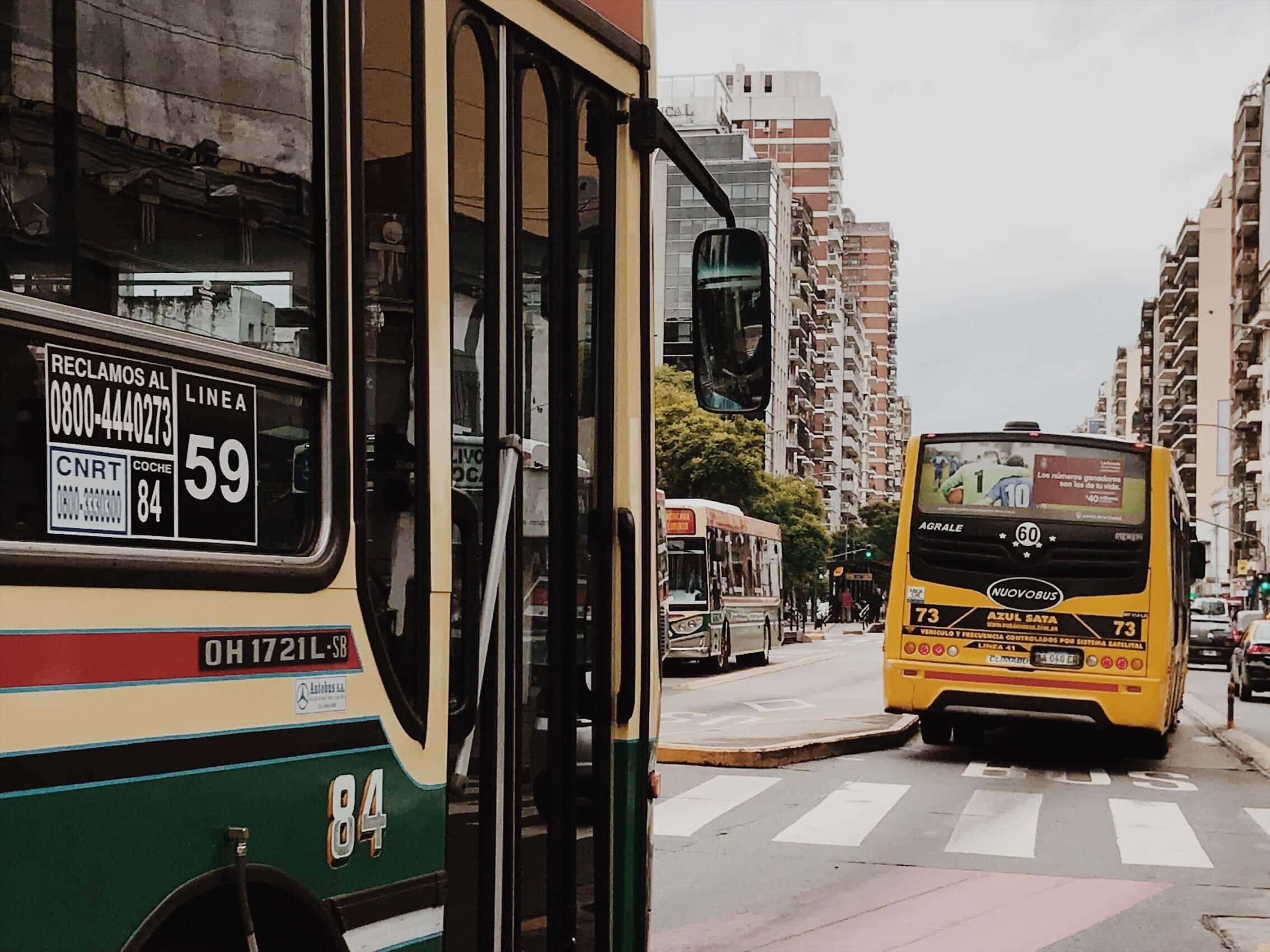
Public transport safety Buenos Aires
Familiarizing yourself with the local transport system not only saves time but can also be a safer and more enjoyable experience.
Special Considerations for Solo Travelers
Solo travelers often encounter unique challenges when exploring a new city. Here are important points to consider when traveling alone to Buenos Aires:
- Staying in Safe Accommodations: Choose reputable hotels or hostels located in well-regarded neighborhoods, ensuring peace of mind.
- Networking with Other Travelers: Engaging with fellow travelers can lead to valuable connections and recommendations for safer experiences.
- Self-Defense Awareness: Consider carrying a personal alarm or keychain that enhances your personal safety without being overly cumbersome.

Solo traveler safety Buenos Aires
By approaching solo travel with thoughtful considerations, you can navigate the city confidently and enjoyably.
Final Thoughts on Navigating Safety in Buenos Aires
In conclusion, while concerns about safety in Buenos Aires are valid, they should not overshadow the city's incredible offerings. With the right precautions and local insights, you can experience all the charm and vibrancy that this capital has to offer. Embracing the city responsibly allows for an enriching journey, laden with incredible memories, deep cultural experiences, and interpersonal connections that transcend danger. Remember, safety starts with awareness, and by staying informed and cautious, you can make the most of your time in Buenos Aires.