Two Drinks a Day: The Hidden Health Risks You Need to Know
For decades, the phrase “one for the road” carried an implied wink: a daily drink could be part of a normal, even healthy, life. But a steady drumbeat of new analyses, international advisories and large-scale studies has shifted that comfortable narrative. What many people still hear as “moderate drinking is harmless” increasingly looks like an oversimplification — and in some important ways, a potentially dangerous one.
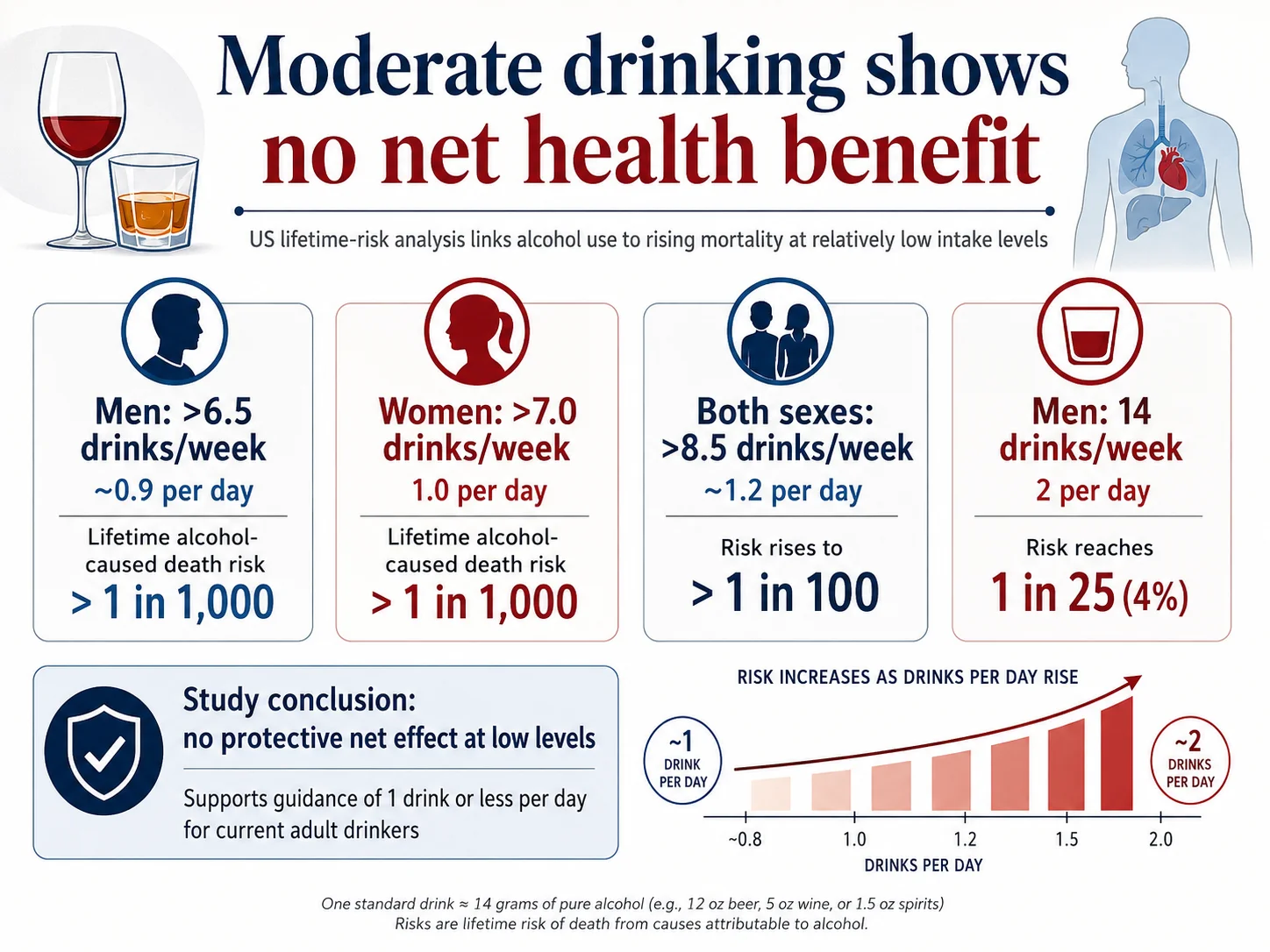
Two drinks a day might help your mood tonight — but over years they can quietly raise your odds of several serious diseases.
Why this story matters now
Public-health bodies and researchers have been re-examining alcohol’s net effect on health, not just in narrow studies of heart disease but across cancer, liver disease, mental health and accidents. A central and controversial conclusion emerging in recent years is blunt: when the whole burden of disease is considered, the safest level of alcohol consumption for population health is zero. That position has reshaped guidelines, stoked debate among scientists and prompted government advisories about labeling and public messaging. citeturn0search0turn0search12
What scientists mean by “two drinks a day”
The standard-drink problem
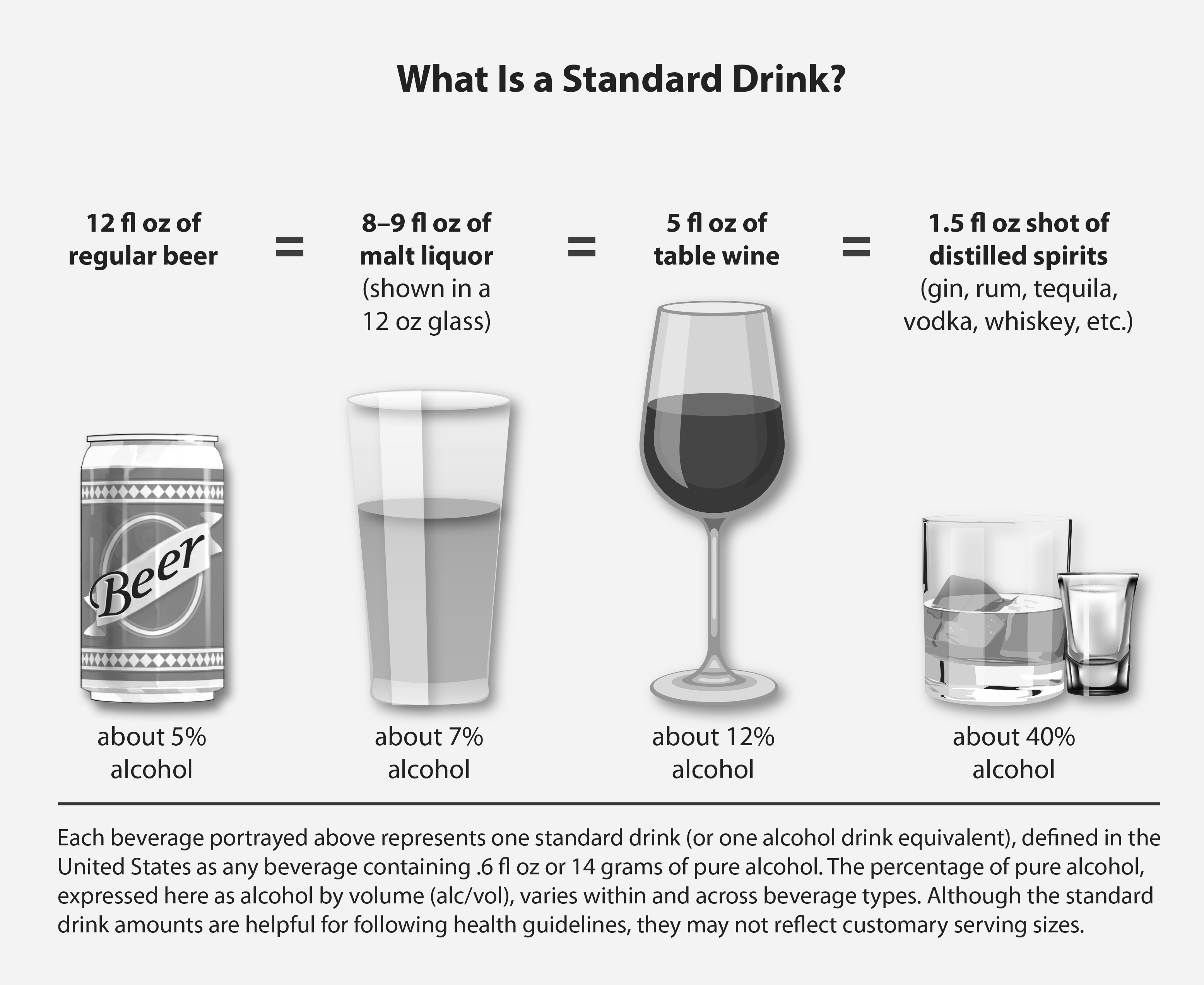
One reason confusion persists is that “a drink” is not a fixed quantity in everyday talk. In U.S. public-health language, one standard drink contains about 14 grams (0.6 fl oz) of pure alcohol — roughly a 12-ounce beer at 5% ABV, a 5-ounce glass of wine at 12% ABV, or 1.5 ounces of distilled spirits. So “two drinks a day” usually means ~28 grams of ethanol daily. But bars, restaurants and home pours are often larger than the standard measure, and cocktails frequently contain two or more standard drinks in a single vessel.
standard drink beer wine spirits
Pattern and context matter
Frequency, binge episodes, body size, sex, medications and health history change the effects of a given number of drinks. Two drinks spread across an evening in a healthy adult look different from two drinks consumed quickly or in someone taking medicines that interact with alcohol. Public guidance is necessarily simplified, but individual risk is not.
What the evidence actually shows
The cancer connection
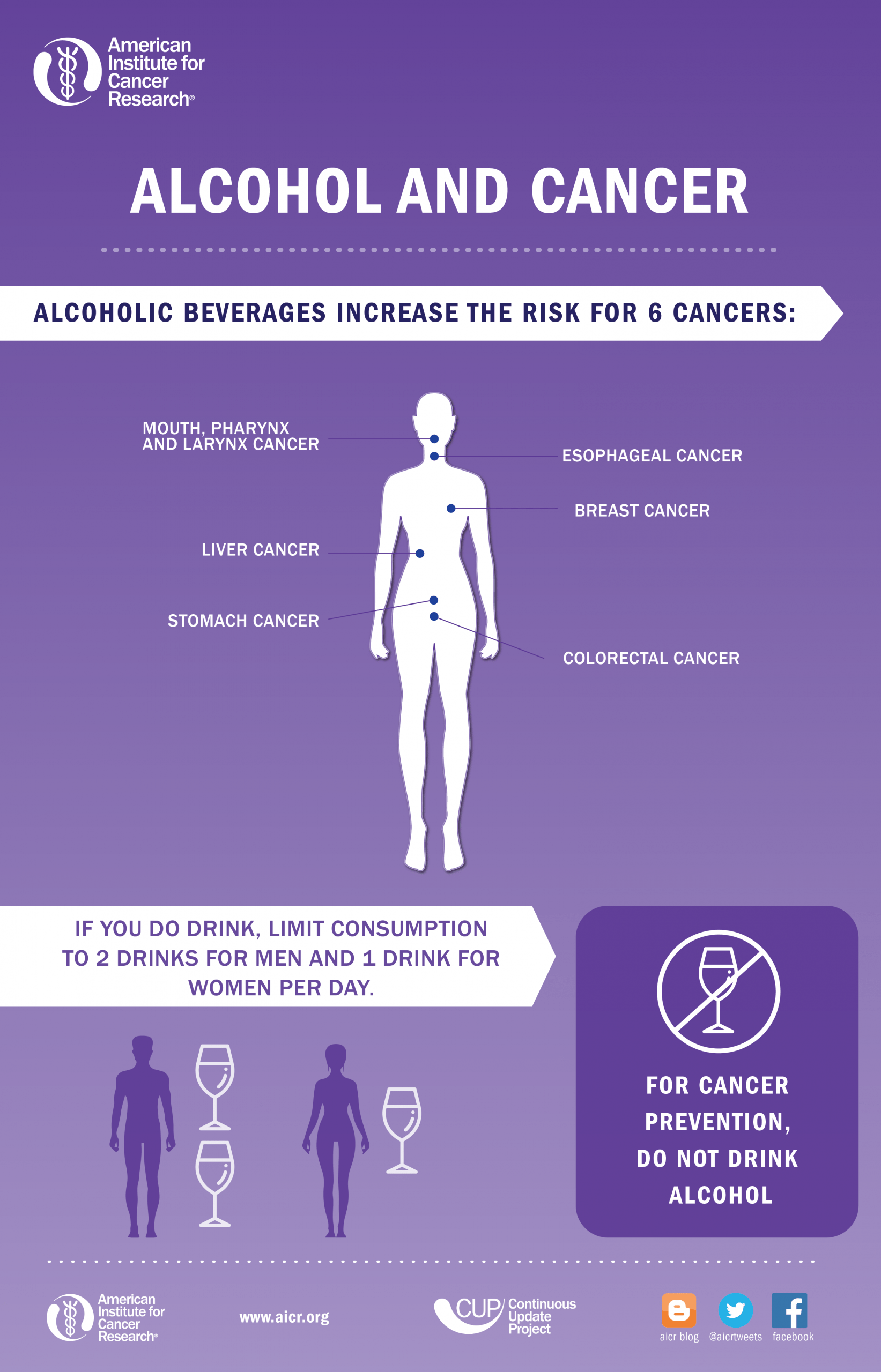
One of the clearest changes in the evidence base is around cancer. The International Agency for Research on Cancer (IARC) classifies alcoholic beverages as a Group 1 carcinogen — the same category as tobacco and asbestos — because drinking increases risk for cancers of the mouth, pharynx, larynx, esophagus, liver, colorectum and female breast. Importantly, this link is dose-responsive: each additional drink per day increases risk for some cancers. Recent policy statements from global health organizations have emphasized that there is no identified “safe” threshold for alcohol when it comes to cancer. citeturn0search3turn0search0
alcoholic beverages cancer risk infographic
Heart disease and the old paradox
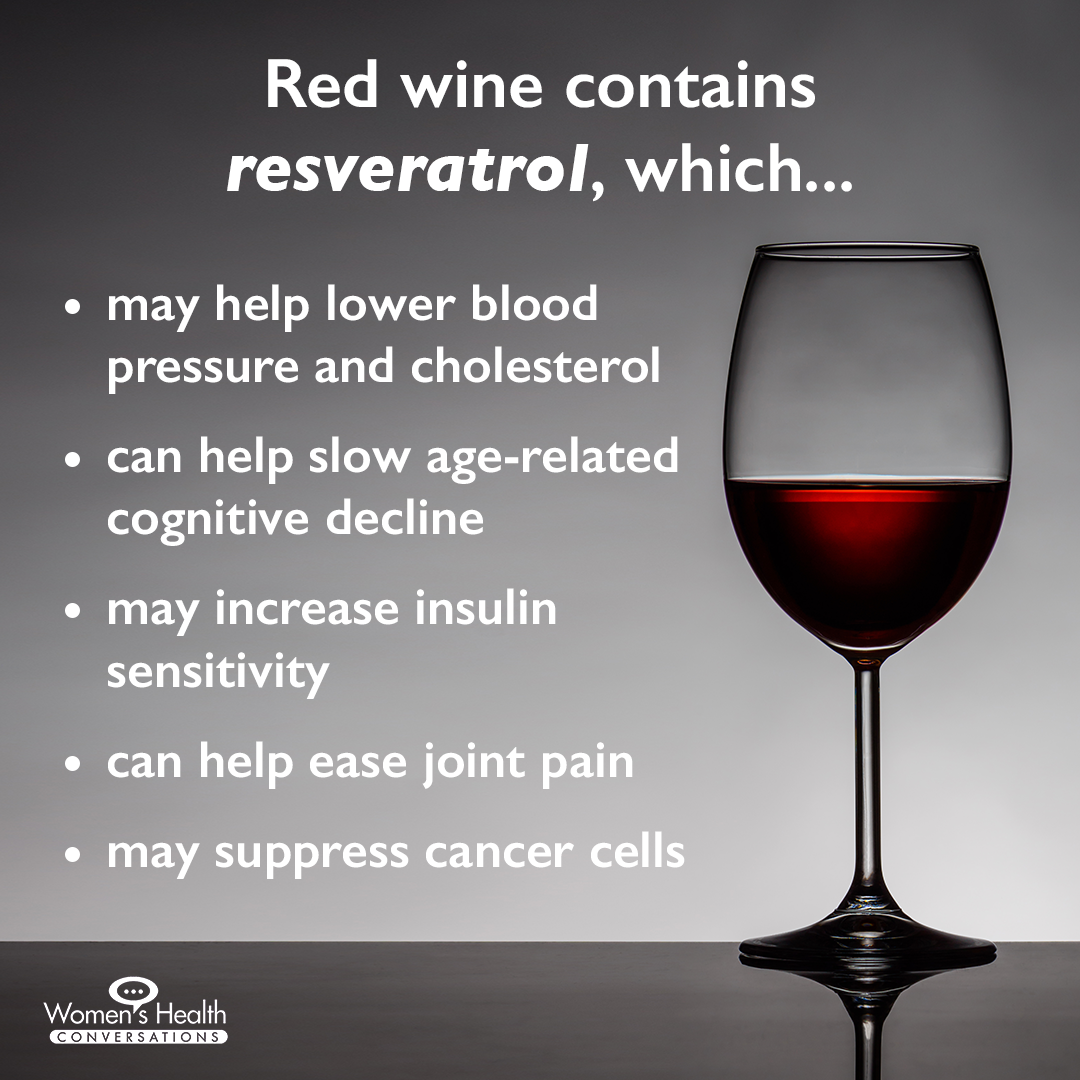
Observational studies once suggested a U-shaped curve for all-cause mortality: low-to-moderate drinkers appeared to have lower heart-disease risk than abstainers. This led to headlines about red wine being “good for the heart.” But newer analyses that better account for biases (for example, separating lifelong abstainers from people who stopped drinking for health reasons) and that model long-term harms alongside benefits suggest that any small cardiovascular advantages are outweighed by increased cancer and other risks at the population level. In short: the protective signal is smaller and less certain than once thought, and it does not cancel alcohol’s harms. citeturn0search5turn0search10
glass of red wine resveratrol
Liver, brain and short-term harms
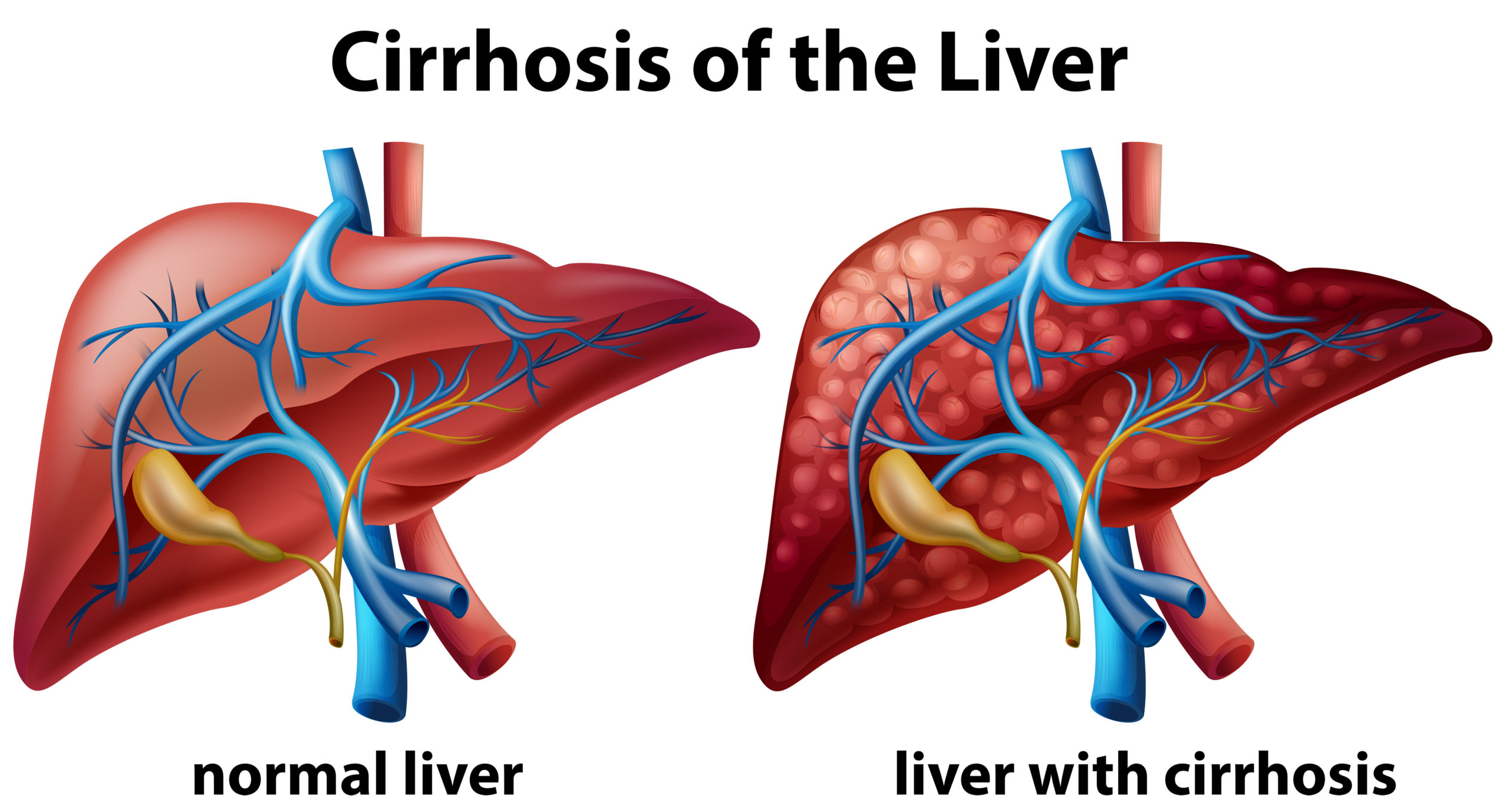
Chronic daily drinking accelerates liver fat accumulation, raises the risk of alcoholic hepatitis and, at higher levels, leads to cirrhosis. Even moderate, regular drinking influences sleep architecture, cognitive performance and mood — small but cumulative effects that can magnify over years. And of course, alcohol acutely increases the risk of injury, overdose and accidents on any drinking day. These are part of the overall harm calculus that public-health researchers are using when they recommend lower consumption. citeturn0search10
human liver cirrhosis diagram
Why public-health agencies have changed their language
From “moderation” to “less is better”
Major advisory bodies have shifted wording. Where older U.S. dietary guidance offered an upper limit — up to two drinks per day for men and one for women — several international statements now stress that the lower the consumption, the lower the risk. The World Health Organization’s 2023 messaging was especially plain: available evidence does not identify a threshold below which alcohol use can be called safe. That clarification followed comprehensive burden-of-disease assessments that found alcohol is a leading contributor to deaths and disability globally. citeturn0search0turn0search12
Policy and politics
Changing government guidelines is politically fraught: the alcohol industry has influence, and public appetite for paternalistic messages is limited. In the United States, the Dietary Guidelines historically recommended moderation (≤2 drinks/day men; ≤1 drink/day women). In the 2025–2030 cycle, advisory documents and federal messaging moved toward emphasizing that consuming less alcohol is better for health, though final guidance language and implementation have been subject to debate and revision. Those policy shifts — along with a 2025 Surgeon General advisory urging stronger cancer warnings on alcoholic beverages — underscore that the risk conversation has moved from “acceptable” to “mitigate.” citeturn2search0turn0search11
Putting risk into plain numbers
Relative versus absolute risk
Saying that two drinks a day “increase your risk” is true — but the phrase hides two crucial distinctions. First, relative risk tells you how much more likely something is compared with baseline; second, absolute risk tells you how many more cases you should expect in a real population. For many cancers, a single daily drink might raise relative risk by a measurable percentage but leave an individual’s absolute lifetime risk still modest. For example, if a 50-year-old woman has a baseline lifetime breast-cancer risk of roughly 12%, a modest relative increase from alcohol could translate into a small absolute change in her lifetime probability. Context matters: the same relative increase applied to a rare cancer yields fewer absolute cases than when applied to a common cancer.
Population impact
At a population level, however, millions of people drinking two drinks daily produce measurable increases in disease burden. That is the logic behind population-focused advisories: even small individual effects aggregate to large public-health consequences. Global burden studies that combine risks across heart disease, cancer, liver disease and injury have shown that, for population health, minimizing alcohol consumption reduces total harm. citeturn0search12turn0search8
Who is especially vulnerable
Women and breast cancer
Women are particularly sensitive to alcohol’s effect on breast-cancer risk: even modest, regular consumption has been linked to increased breast-cancer rates. For women with family histories of breast cancer, or those with other risk-enhancing factors (like hormone replacement therapy), the incremental risk from two daily drinks becomes especially relevant.
Younger adults and cumulative exposure
Starting regular drinking earlier in life increases cumulative exposure by midlife and beyond. A young adult who drinks two drinks per day for three decades accumulates substantially more lifetime ethanol exposure than someone who drinks the same amount episodically later in life; cumulative exposure tracks with chronic-disease risk.
People with medical conditions and medication interactions
Certain conditions (liver disease, pancreatitis, some mental-health disorders) and many medications interact dangerously with alcohol. For these people — and for pregnant people — the safest choice is abstinence. Even seemingly modest drinking can complicate disease management and drug metabolism.
What practical steps can people take?
If you currently drink two drinks a day
Small, realistic changes can lower risk without demanding abrupt abstinence. Consider strategies such as:
- Tracking intake for a week so you know where you stand (many people undercount their drinks).
- Substituting alcohol-free evenings — commit to alcohol-free weekdays, or pick a few nights each week to be sober.
- Reducing portion size (smaller glasses, single pours, avoiding double pours in cocktails).
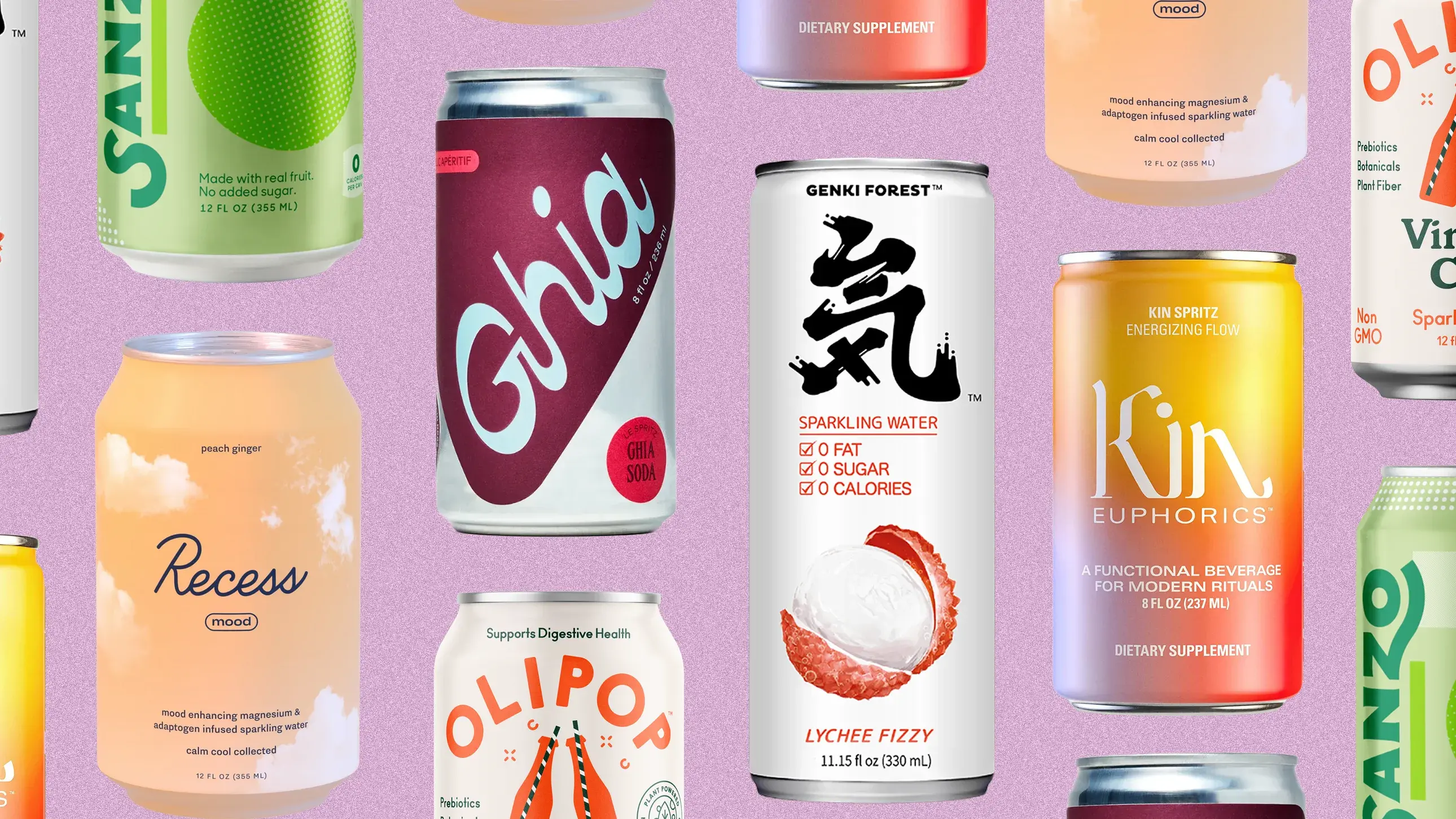
- Choosing lower-ABV beers and wines, or alternating alcoholic drinks with water to slow consumption.
alcohol free beverage alternatives
If you’re thinking about starting to drink for health reasons
Don’t. No major public-health agency recommends starting alcohol consumption to gain a health benefit. Evidence for cardioprotection is inconsistent and can be obtained more safely by diet, exercise, and treating risk factors such as high blood pressure and cholesterol. citeturn0search5
When to talk to a clinician
If you have risk factors for cancer, heart disease, liver problems, or a family history that concerns you, discuss alcohol in the context of your overall risk. Clinicians can help frame the absolute risk change for your age and health profile, and—if needed—offer behavioral support or medication for cutting back.

healthcare professional patient consultation alcohol
Communication, stigma and equitable policy
As guidance evolves, so does the conversation about how to communicate risk without shaming. Many people drink for social, cultural and emotional reasons. Public-health messaging that simply tells people to stop drinking without acknowledging these drivers is unlikely to be effective. Policies that reduce availability, increase pricing, limit advertising to young people, and require clearer labeling have historically reduced harms for other substances and are part of the broader toolkit experts recommend. citeturn0search10
Common questions answered
Is one drink a day safe?
No public-health agency endorses a claim that any level of alcohol is entirely risk-free. Many guidelines still set per-day upper limits for people who drink, but several global statements emphasize that lower consumption yields lower risk. The practical takeaway: occasional, low-level drinking carries less risk than daily drinking, but it is not without any risk.
What about red wine and antioxidants?
Red wine contains polyphenols such as resveratrol that have been studied in the lab. Yet the levels consumed in a glass of wine are small and do not offset alcohol’s risks. Lifestyle changes like exercise, healthy diet, and smoking cessation provide clearer, safer preventive benefits.
Conclusion: A clearer conversation about risk
Two drinks a day was once widely framed as a reasonable compromise between enjoyment and safety. Today’s evidence urges greater nuance: while a single night of drinking is unlikely to cause a health catastrophe, regular daily drinking stacks risk across cancer, liver disease and other harms. For population health, recommendations have shifted toward minimizing alcohol consumption; for individuals, the balance of risks and benefits depends on age, sex, family history and medications. The most honest message is simple and useful: if you drink, drink less; if you don’t drink, don’t start because of purported health benefits.
- Alcohol is a carcinogen; even modest regular drinking raises cancer risk.
- Evidence for cardiovascular benefit from light drinking is weaker than once thought, and population-level harms can outweigh small individual benefits. citeturn0search5turn0search12
- Two drinks per day increases cumulative exposure; women and younger regular drinkers are especially vulnerable.
- Practical harm-reduction — tracking, smaller pours, alcohol-free days — can meaningfully lower individual risk.
If you’re worried about your drinking, contact a healthcare professional. This article summarizes broad evidence and is not a substitute for individualized medical advice.