
Twitch Persona Age Verification: Privacy and Safety Explained
The announcement that Twitch will adopt a Persona-based age verification process has stirred an intense conversation that cuts across technology, law, and the everyday experience of millions who use livestreams. At first pass, age verification sounds straightforward and even necessary: protect minors, keep mature content behind an appropriate gate, and reduce the liability that platforms face. But underneath the promise of safer streams lie complex trade-offs about who holds your personal data, what counts as reliable proof of age, and how verification changes power dynamics between platforms, creators, and viewers.
Twitch age verification system
Age gates help protect minors—but the methods we use to enforce them determine whether privacy is preserved or surrendered.
What Persona Is and Why Twitch Chose It
A simple identity layer, or something more?
Persona is a third-party identity verification provider that offers digital checks to confirm attributes such as age. Rather than asking a user to upload documents directly to Twitch, the platform can delegate the verification task to Persona, which performs the check and returns a confirmation that the user meets the necessary criteria without necessarily sharing the underlying document. For Twitch, this can be faster to deploy than building an in-house system and can be defined to minimize the flow of raw documents back to the platform.
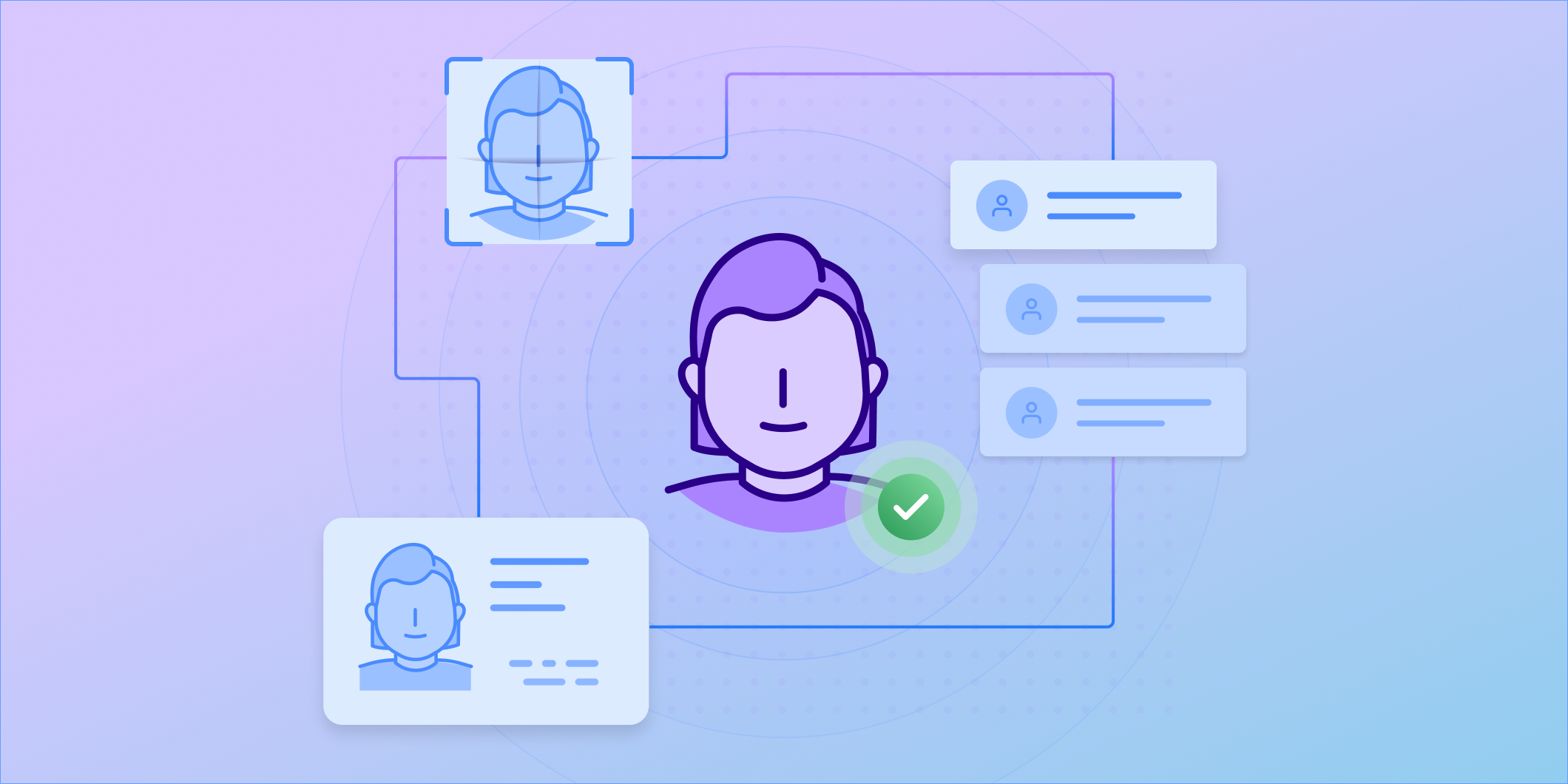
Persona identity verification process
Why platforms prefer delegated verification
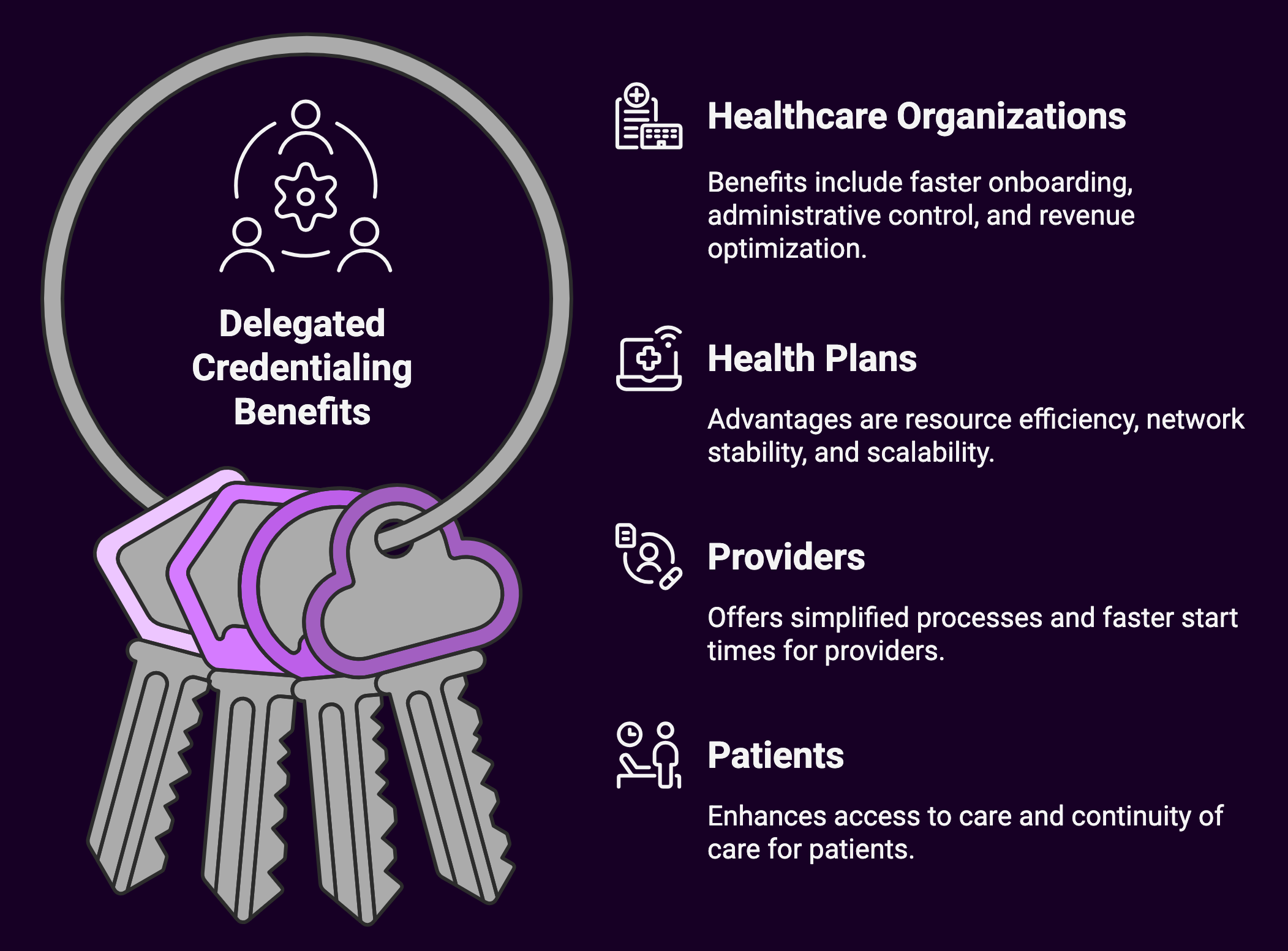
For large platforms, outsourcing verification reduces engineering overhead and concentrates compliance in a specialized vendor. Persona and similar services have implemented processes, audits, and security controls tuned for identity checks. For Twitch, which must balance scale and speed with safety, a delegated model can appear to be a pragmatic choice: it lets the company avoid storing extra biometric or document data while still elevating confidence that a user is of legal age.
How Persona-Based Verification Works in Practice
The user flow
Typically, a user trying to access age-restricted content would be redirected from Twitch to Persona’s verification flow. They may be asked to provide a government ID, a selfie, or other data points. Persona matches the selfie to the ID and confirms the date of birth, then returns an attestation: a binary or structured result telling Twitch whether the user is 18+, 21+, etc., depending on the policy. In theory, Twitch doesn’t need to store the ID image or the selfie; it just stores the attestation that the user passed the check.

Twitch age-verification implementation
Variations and technical choices
Implementations can differ. Some integrations return only anonymized tokens that prove a user’s status without revealing personal data. Others create audit trails for compliance. The degree of data minimization depends on configuration, contract terms, and both parties’ security posture.
An attestation can be privacy-preserving—or it can act as a new permanent credential if not carefully limited.
Privacy Trade-offs: What You Should Worry About
Data collection and retention
Even if Twitch does not retain ID documents, Persona or its subcontractors may. That introduces potential central points of risk: if a vendor stores images or identity data for troubleshooting, audits, or contractually required retention, a breach could expose highly sensitive information. Users rarely see vendor data retention policies; those documents determine whether an ID image disappears after a short window or is archived for months or years.
Persona biometric data risks
Biometric concerns
Any step that requires a selfie and facial-matching algorithm implicates biometric data. In many jurisdictions, biometric information is specially protected by law because of its permanence and uniqueness. Once a face match is recorded, it could be used for other purposes unless safeguards explicitly prevent that. That risk grows if vendors or platforms use the data for fraud detection, cross-service profiling, or resale.
Profiling and secondary uses
Age attestation can be safe when it's a single-purpose statement. The danger is secondary use: if attestation tokens are linked to ad targeting, moderation decisions, or behavioral profiles, users lose control over how their age verification is used. This is the classic privacy problem—data collected for one reason is later repurposed for another.
Twitch privacy trade-offs
Safety Benefits and Why They Matter
Reducing exposure to harmful content
For minors, the immediate benefit is clear: stricter gates help prevent accidental exposure to sexualized, violent, or otherwise mature material. Age verification, when implemented correctly, can be an effective technical layer to complement community moderation and content labeling.
livestream safety and privacy
Better trust and safety at scale
Platforms like Twitch struggle with the volume of streams and the variety of user interactions. Automated age checks allow more confident enforcement of rules around tipping, gifting, and adult-tagged channels. This can reduce the burden on moderators and limit situations where minors might be targeted by predatory behavior in live chat.
Legal and Regulatory Context
GDPR, CCPA, and other protections
In the United States and Europe, different laws govern personal data. In general, collecting age or identity data requires a legal basis and proper notice. European data protection law treats biometric data as sensitive and requires strict safeguards. In the U.S., state laws like the California Consumer Privacy Act and sectoral rules such as COPPA for children's privacy add layers of compliance. For Twitch and Persona, these regulatory frameworks shape contract terms, retention limits, and user rights to deletion or access.
What compliance doesn't guarantee
Legal compliance reduces risk, but it doesn't erase the ethical questions. A process can be lawful and still intrusive. Users and creators should pay attention not only to whether data collection is permitted, but also whether it is necessary and proportionate for the safety goal being pursued.
What Creators and Viewers Need to Know
For creators: operational impacts
Streamers will face changes to how they label streams and manage audiences. Channels that rely on mature content monetization may see friction as more viewers must complete age verification. Creators should communicate clearly to their communities about what verification means and provide troubleshooting help for viewers who are blocked by false negatives in facial-matching tools.
For viewers: practical privacy steps
Viewers should expect to verify once in many setups; in other setups, periodic checks may be required. Here are pragmatic steps viewers can take:
- Understand what you share. Read the prompts during verification. Does it ask for a full document scan, or only a selfie? Does the service say when data will be deleted?
- Prefer minimal attestations. If presented with options, choose flows that return a simple yes/no attestation instead of sharing full identity attributes.
- Use constrained devices. Perform checks on personal devices rather than public machines to reduce risk of leftover data.
- Check your rights. Under regional laws you may be able to request deletion or access to what was collected.
Alternatives and Design Choices That Protect Privacy
Privacy-preserving attestations
One design that reduces risk is cryptographic attestation: the verifier issues a signed token saying only that the user is above a certain age, without attaching the user's name or ID number. Pairing that with short retention windows and strict contract clauses prevents downstream reuse.
delegated identity verification benefits
Decentralized identity and minimal disclosure
Emerging models like decentralized identity and zero-knowledge proofs can, in principle, prove attributes without revealing underlying data. Those systems are not yet mainstream at Twitch scale, but they point to a future where platforms can meet safety goals while minimizing centralized accumulation of sensitive identifiers.
Pros and Cons—A Balanced View
- Stronger protection for minors. Fewer accidental exposures and a clearer enforcement mechanism for age-restricted features.
- Operational efficiency. Delegated verification reduces build time and leverages specialist security practices.
- Potential reduction in fraudulent accounts. Tighter verification raises the cost for bad actors.
- Privacy risks. Collection and potential retention of sensitive identifiers by third parties.
- False negatives. Facial-matching can misidentify or reject legitimate users, causing access issues.
- Centralization. Outsourcing creates another concentration point for sensitive data.
How to Evaluate Twitch's Implementation
Questions to ask
When a platform implements delegated verification, users and creators should look for clear answers to the following:
- What data is collected and for how long? Short retention windows limit exposure.
- Is biometric data stored? If yes, where and under what protections?
- Can attestations be revoked or limited? Tokens should be single-purpose and time-bounded.
- What rights do users have? Can they request deletion or access?
Conclusion: Trade-offs, Not Tricks
Persona-based age verification for Twitch is a concrete step toward safer streaming, but it is not a silver bullet. The system's value depends on design choices: whether attestations are minimal, whether biometric data is retained, and whether contracts prohibit secondary uses. For millions of users, the new flow will feel like a brief inconvenience; for a smaller number, it will touch deep privacy concerns that deserve scrutiny.
The most privacy-preserving verification is the one you never need—true when platforms combine good labeling, moderation, and minimal data collection.
Final recommendations
For viewers: opt for minimal attestations, perform checks on personal devices, and exercise your data rights where available. For creators: prepare your audience and document the change to avoid confusion and lost viewership. For platforms: prioritize short retention, single-purpose tokens, transparent policies, and contracts that forbid resale or profiling of verification data.
- Delegate verification can be efficient but introduces third-party data risk.
- Design choices—data minimization, retention limits, and single-purpose attestations—determine whether privacy or surveillance wins.
- Viewers and creators should proactively understand verification flows and exercise their rights.
This article explains general privacy and safety considerations around Persona-style age verification on livestream platforms. It is not legal advice.