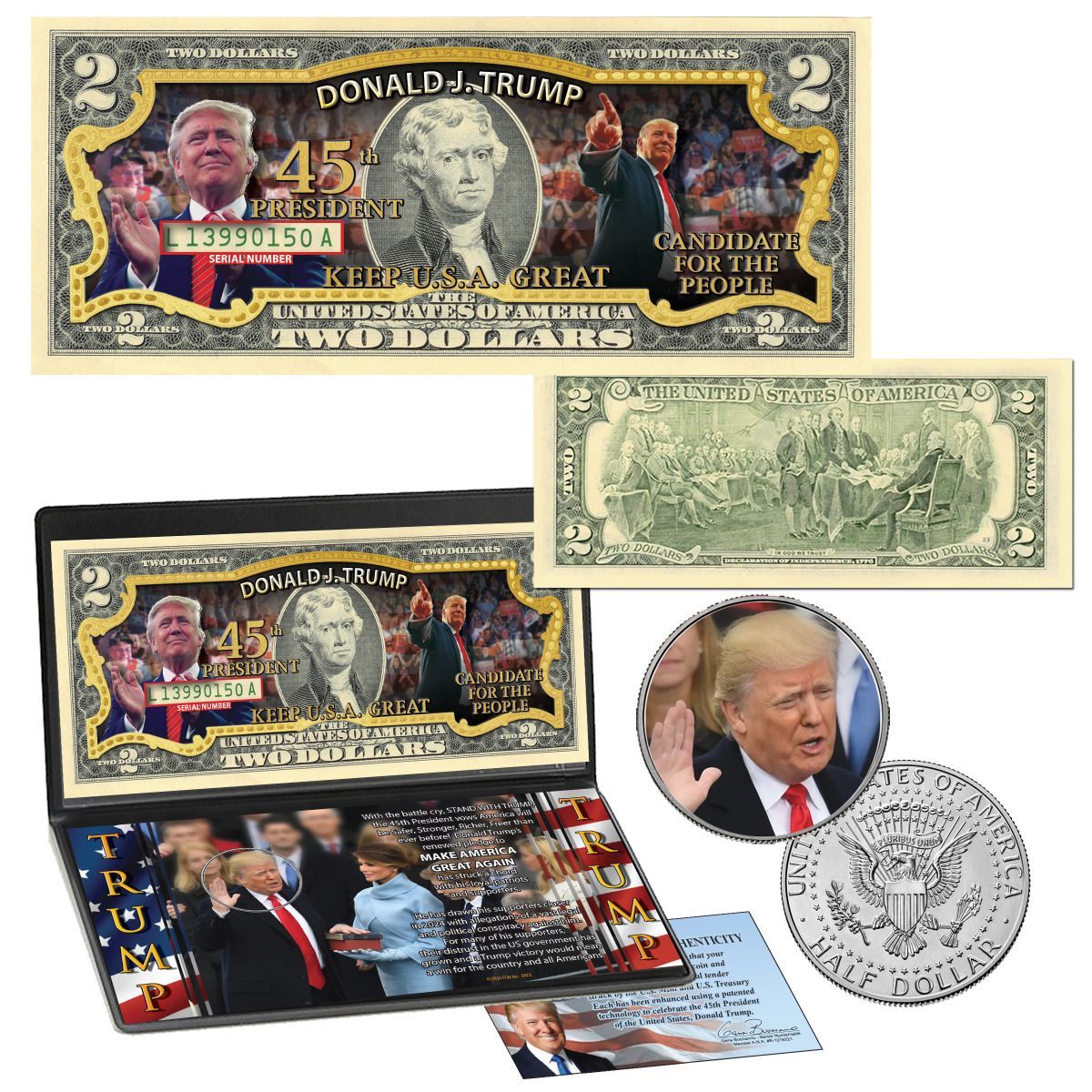
Trump's Signature to Appear on U.S. Currency, Ending 165‑Year Tradition
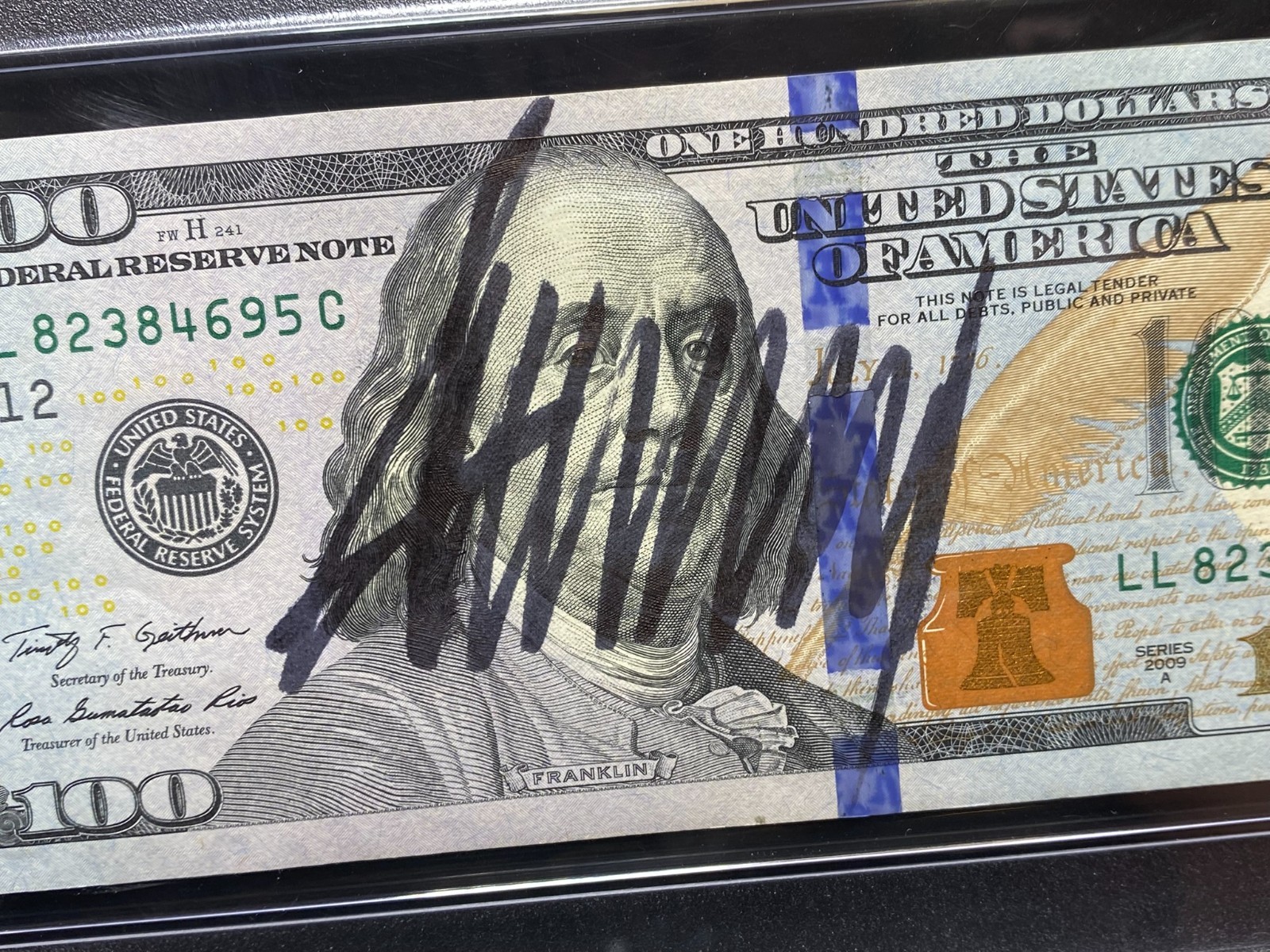
Donald Trump signature on banknote
The headline lands like a thunderclap: a president's signature — Donald Trump's, the report says — would be added to American banknotes, a move that would upend a roughly 165‑year practice of keeping signatures on U.S. currency the province of Treasury officials. Whether framed as an act of historical revision, a symbolic assertion of executive influence, or a marketing and collector's bonanza, the proposal touches a surprisingly large constellation of law, logistics, symbolism and finance.
Such a change would be more than cosmetic: it would rewire how citizens encounter authority on the money in their pockets.
A Short History: Whose Signature Belongs on Money?
The United States has long used signatures on banknotes to certify legal authority and authenticity. Traditionally, the signatures that appear are those of the Secretary of the Treasury and the Treasurer of the United States — officials charged with the issuance and custody of the nation's money. That arrangement emerged in the 19th century as the modern federal currency system took shape; signatures served a practical purpose in an age when printed notes needed human attestation.
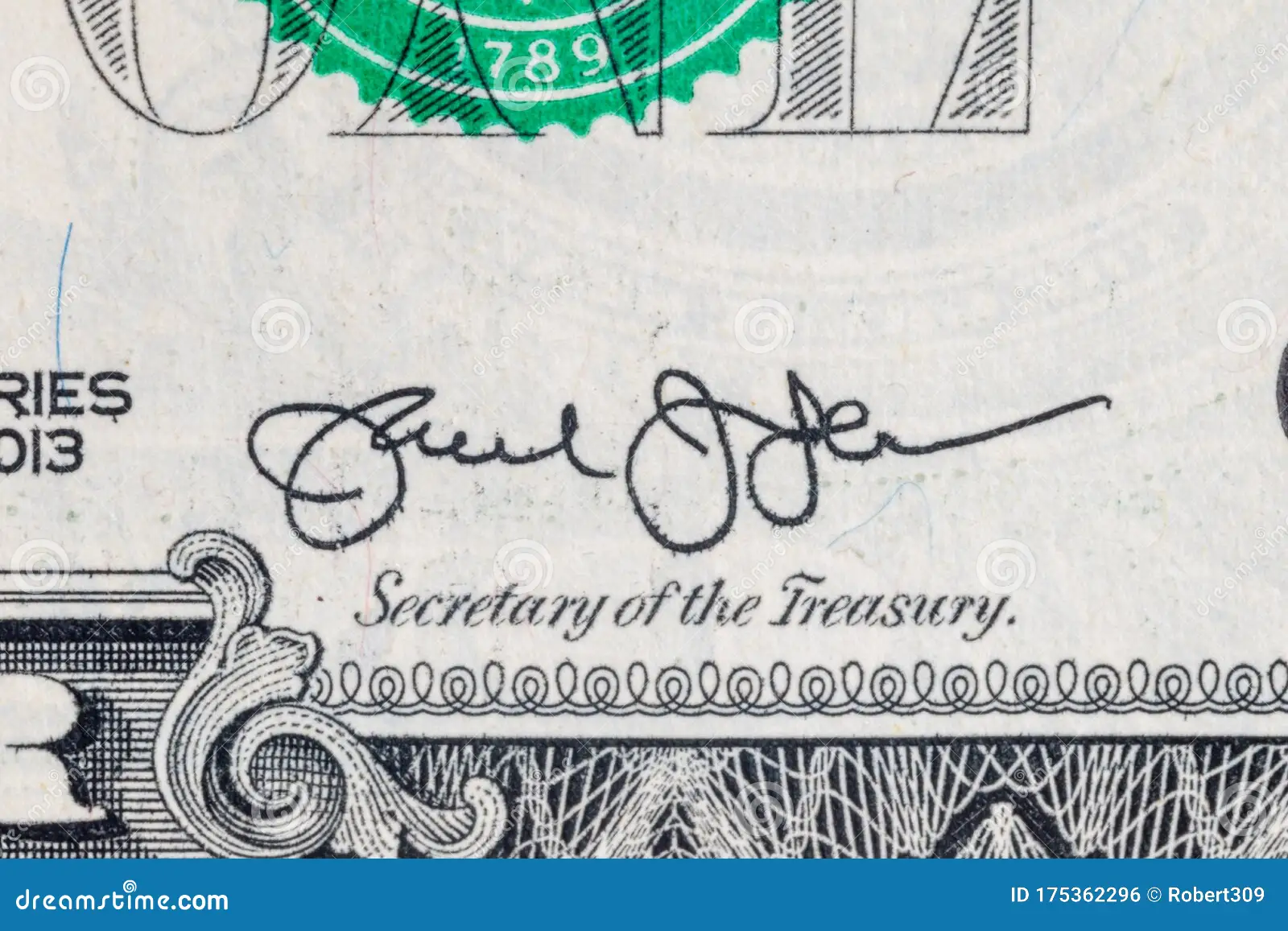
Treasury Secretary signature on money
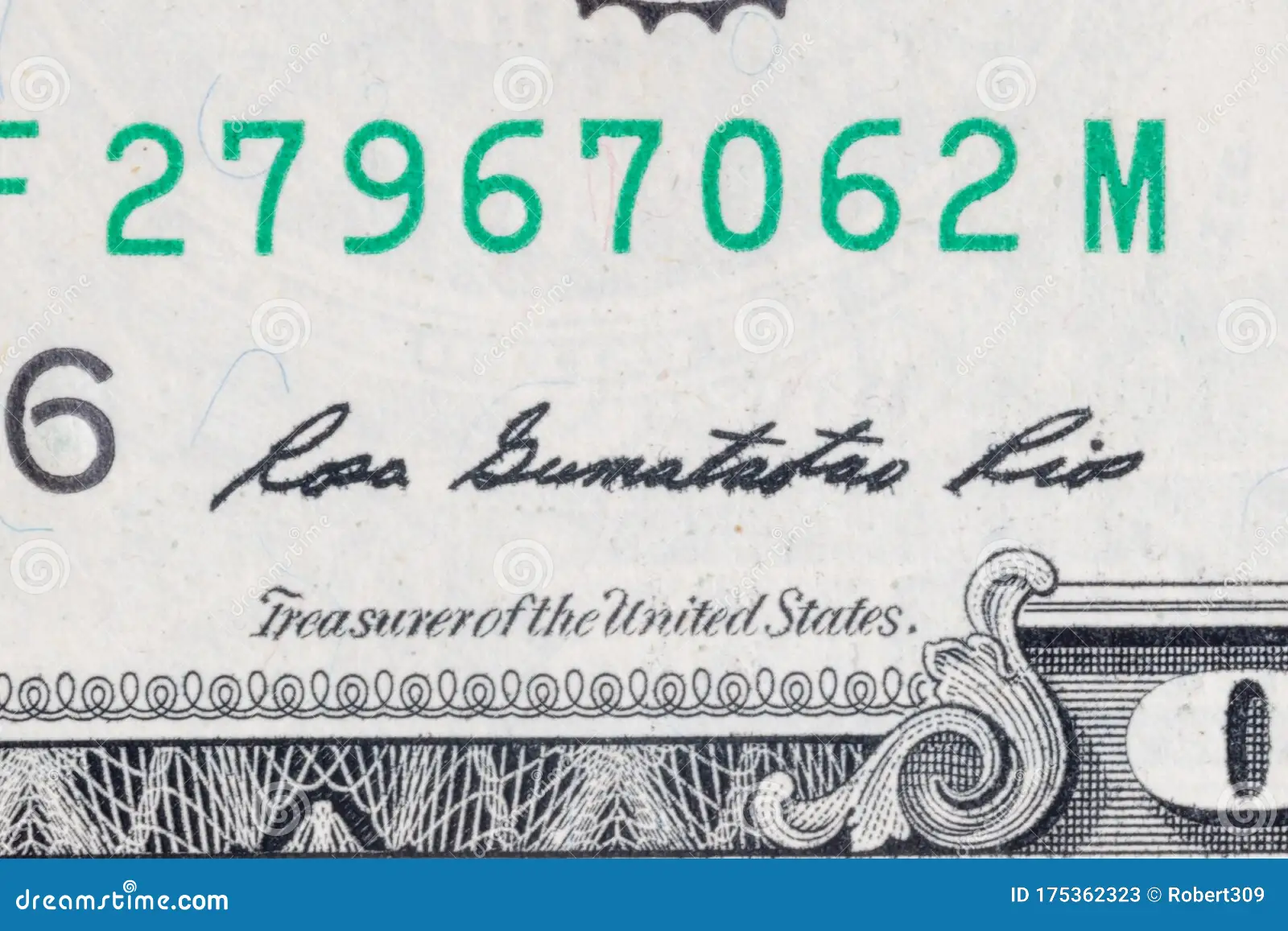
Treasurer of the United States signature
Why signatures matter
Signatures on currency are both functional and symbolic. Functionally, they historically represented the officials legally accountable for the bills' issuance and redemption. Symbolically, they are a public seal: a low‑cost, high‑visibility way for the state to signal legitimacy. Replacing or augmenting those signatures with a president's would change the message the bills carry — from a bureaucratic certification of finance to an explicitly political mark.
Possible Pathways: How Could This Happen?
There are several theoretical routes for a president's signature to appear on notes, and each carries different legal and political baggage.
Legislative change
Congress could amend statutes that govern currency production or the appearance of legal attestations on notes. That would be the most durable and transparent route, but also the most politically fraught: any law changing currency design would require debate, committee work, and enough votes to overcome partisan hurdles.
Treasury policy or administrative action
The Department of the Treasury, which oversees the Bureau of Engraving and Printing, manages many design choices for notes. In some scenarios an administrative decision — framed as design or security updates — could insert a new element onto banknotes. That route avoids Congress but would likely provoke legal challenges and intense public scrutiny.
Executive order or presidential influence
A president can direct agencies, but altering statutory design elements of currency by executive fiat would be unprecedented and vulnerable to judicial review. Political pressure, however, can accelerate internal policy changes and reshape how agencies prioritize redesigns.
Legal and Constitutional Questions
Introducing a presidential signature raises knotty legal questions even before the courts weigh in. Who legally endorses currency? Does a president's name on legal tender alter the nature of the government's promise to redeem or honor a note? Those sound like semantic puzzles, but they matter: currency is a public contract backed by law, and tinkering with its authoritative marks invites litigation about separation of powers, delegation, and statutory interpretation.
There is also a reputational dimension: courts and market actors implicitly assume a currency system insulated from daily politics. Embedding an individual political leader into that system risks blurring lines that many legal scholars and central bankers treat as crucial for monetary stability.
Design, Production and Security: Not Just a Signature
Adding a signature to a banknote is not merely a matter of carving a name into a template. Currency design balances artistry, anti‑counterfeiting technology, production tolerances, and distribution logistics. The Bureau of Engraving and Printing produces millions of notes each year. A design change requires new master plates, updated printing processes, and a coordinated rollout to the Federal Reserve banks that distribute notes.
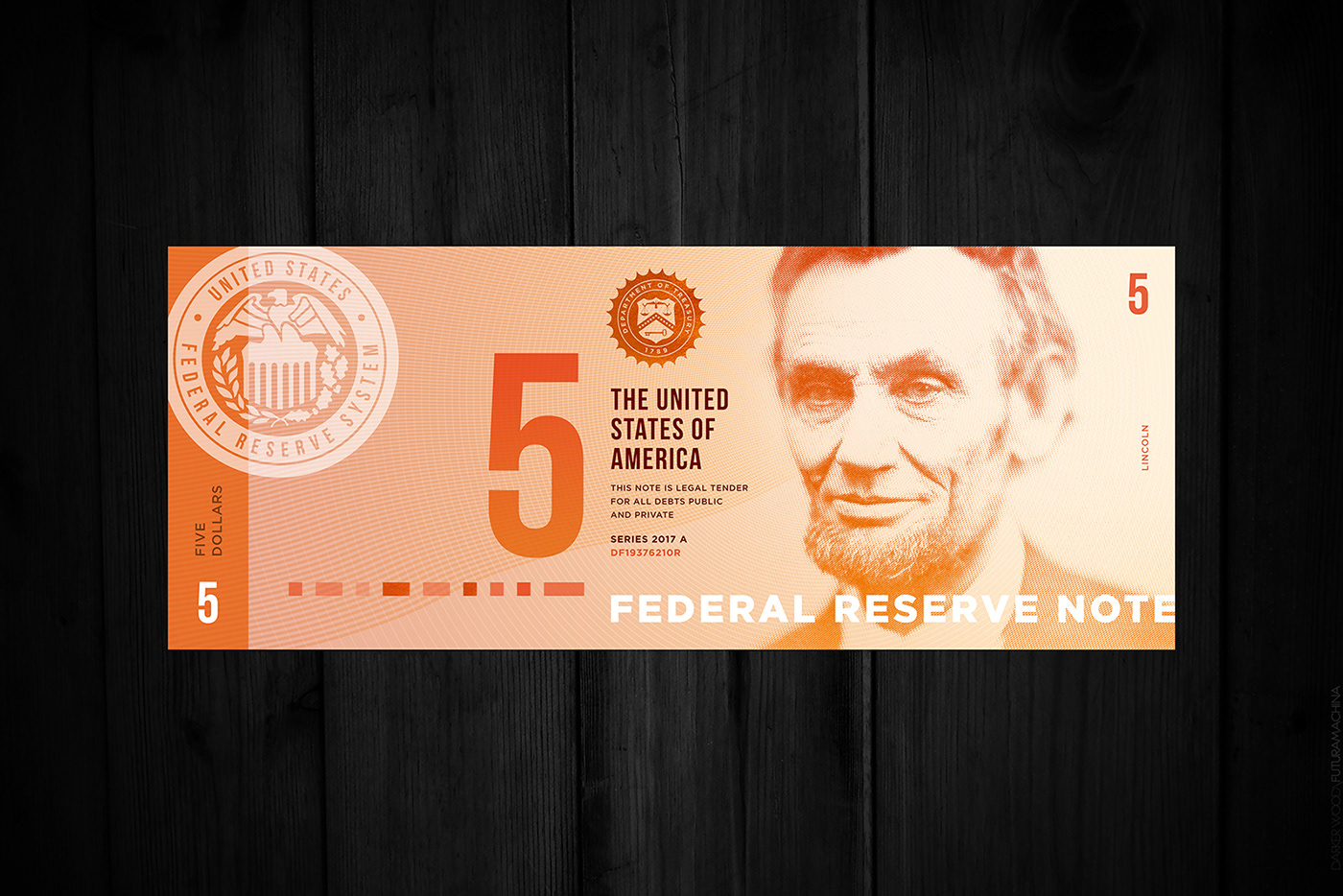
US currency redesign with president signature
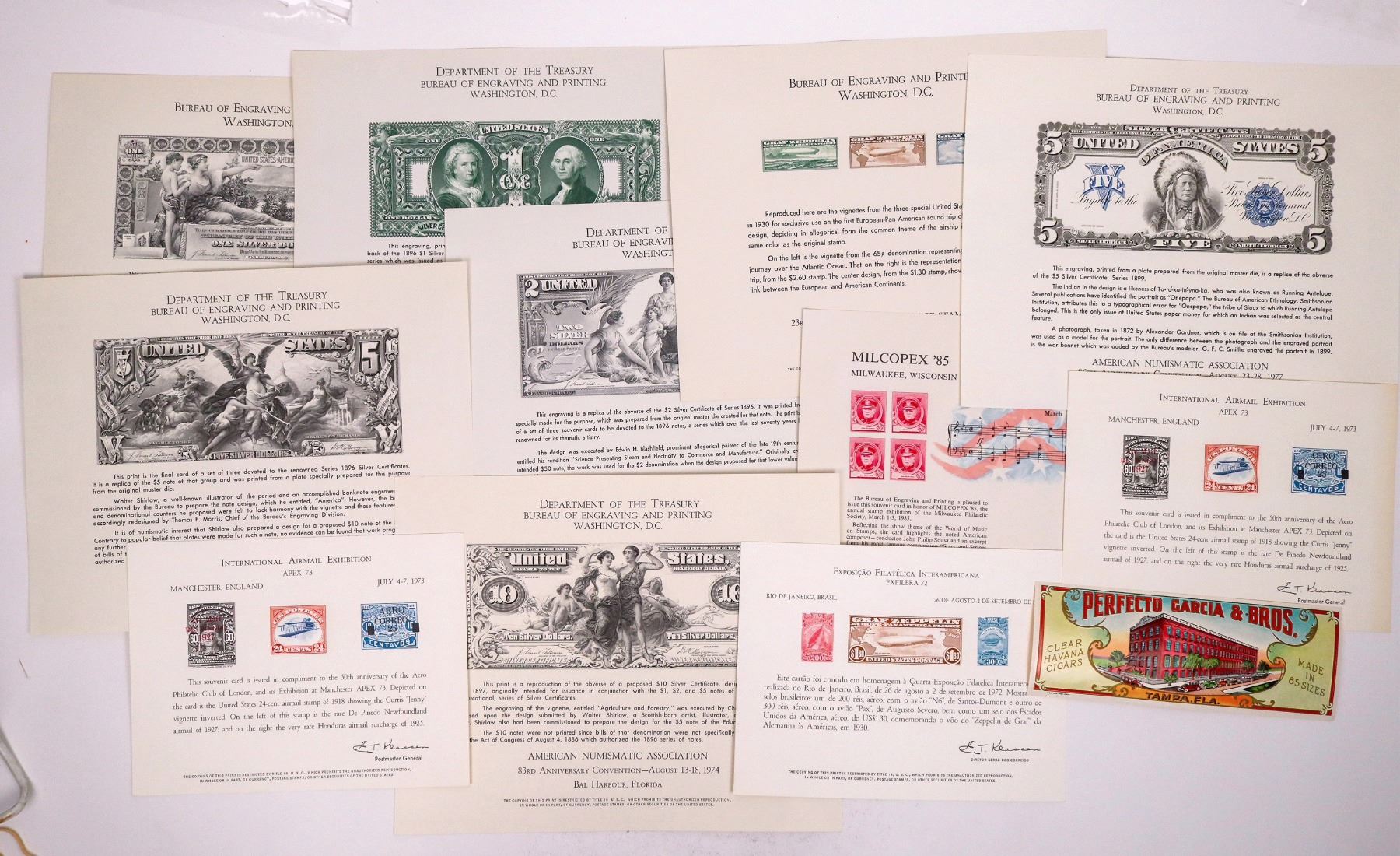
Bureau of Engraving and Printing currency design
Security features — watermarks, color‑shifting inks, microprinting — must be maintained or revalidated when a new element is introduced. Counterfeiters exploit changes and confusion, so any redesign is accompanied by a period of increased risk unless carefully managed.
Cost and timing
Redesigns are expensive and disruptive. Beyond the physical costs of new plates, inks and updated machinery, there are logistical costs in withdrawing older notes, reprogramming bank‑grade sorting equipment, and public education to avoid confusion in commerce. A rushed rollout would be politically perilous; a slow one would prolong uncertainty.
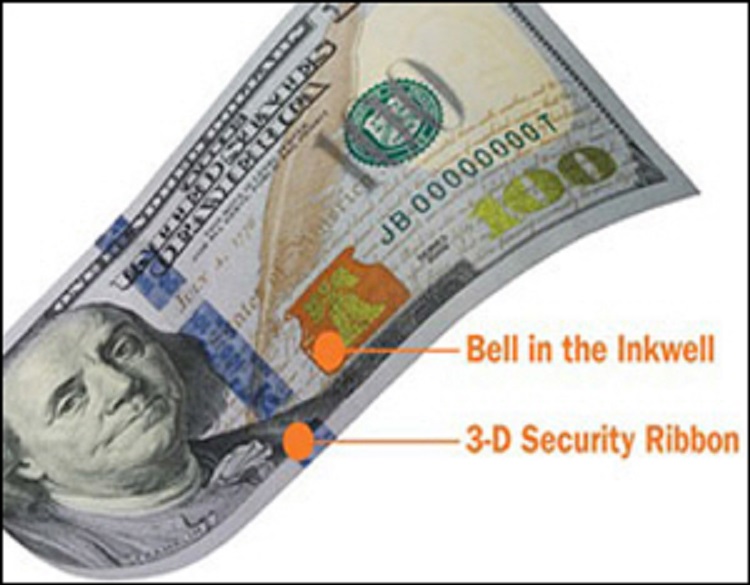
Federal Reserve notes redesign
Political Stakes: Why This Matters Beyond Pageantry
Money is an everyday touchpoint of sovereignty. Placing a president's signature on currency turns a medium of exchange into a medium of political messaging. Supporters might point to recognition and historical record; opponents will see personalization of the state and a potential erosion of neutral institutions.
For a deeply polarized electorate, the effect is amplified. Currency reaches across demographics; its markings are seen by millions who may never otherwise engage with high politics. The political payoff is therefore broad — and the backlash could be too.
A signature on the bill is not merely ink: it is a daily reminder of who wielded power when the note was issued.
Market and Economic Implications
Would the financial markets react materially to such a change? In practical terms, the underlying economy and monetary policy remain functions of the Federal Reserve and fiscal policy, not the artwork on notes. Short‑term volatility is possible if the change is part of a broader pattern of institutional erosion, but currency aesthetics alone are unlikely to drive major macroeconomic shifts.
There are niche market effects to consider: numismatic demand could spike, creating short‑term premiums for early or special‑issue notes. Conversely, international partners pay attention to symbols; if a change is viewed as politicizing the currency, it could affect perceptions of stability in more subtle ways.
Banks, businesses and everyday commerce
Cash management systems, vending machines, ATMs and sorting machines are calibrated to existing note dimensions and visible features. Adding a signature would not change dimensions, but banks and vendors would need to validate that their automated systems continue to recognize the new notes reliably.
Cultural and Historical Resonance
Americans often measure historical eras by the faces and marks on their coins and bills. Changing the signatures on banknotes is as much a cultural act as a bureaucratic one. It asks citizens to see a leader's imprimatur every time they withdraw money, tip a server, or check a wallet. That constant, mundane presence carries weight.
Comparisons and precedents
Other countries have placed living leaders on currency or issued notes commemorating specific leaders, sometimes drawing controversy. Comparing those models highlights tradeoffs: some nations' economies and institutions easily absorb personalization; others face domestic and foreign criticism. The United States' long emphasis on institutional continuity — with limited personalization outside portraits — makes the proposed shift particularly noteworthy.
| Current Practice | Proposed Change |
|---|---|
| Signatures of Secretary of the Treasury and Treasurer of the United States | President's signature added or substituted on banknotes |
| Design decisions routed largely through Treasury and Bureau of Engraving | Potential political directives or executive influence on design |
Numismatics and Collectors: A Surge of Interest
Collectors prize anomalies and first‑issue runs. Even a minor design tweak can create collectible variations — signatures printed in the initial runs, special commemorative releases, and uncut sheets for museums. Expect dealers and hobbyists to monitor supply closely and price early specimens at premiums.
Public Reaction and Perception
Reactions will span the usual political spectrum. For supporters, the signature might feel like rightful recognition; for critics, an act of vanity. Independents and those uninterested in politics may view the change pragmatically, concerned about cost or convenience. Public opinion polls in similar cultural debates show that symbolic changes can harden attitudes on both sides, even while having minimal immediate economic impact.
How This Might Play Out: A Possible Timeline
Every realistic scenario involves months or years of process, not overnight overhaul. Below is a hypothetical, condensed timeline of the steps a policy change would usually require:
- Announcement and justification: Administration or Treasury frames rationale.
- Review and legal assessment: Agencies assess statutory authority and risk of litigation.
- Design and security testing: BEP drafts prototypes and tests security features.
- Production planning: Printing plates, inks and machine calibration scheduled.
- Distribution: Federal Reserve coordinates with banks to phase in new notes.
- Public education: Campaigns inform businesses and consumers about new features.
Even in an accelerated scenario, these steps require coordination across federal agencies and private sector partners; corners cut here can cause supply disruptions or confusion in everyday commerce.
Potential Legal Challenges and Political Backlash
Expect litigation challenging authority, process, or claims that the change violates statutory limits. Congressional committees could respond with hearings, subpoenas, or bills reversing or restricting the move. Political backlash could be intense: currency touches every voter, and opponents would likely use the change as a rallying point in campaigns and public debate.
- Symbolic recognition: A historic marker for supporters.
- Collector interest: New revenue through numismatics and commemoratives.
- Politicization: Erodes perceived neutrality of monetary symbols.
- Cost and logistics: Significant expenses and rollout challenges.
Conclusion: Money, Meaning and a Moment of Choice
At first glance, a signature is a small element of design. Look closer and it becomes a decision about how a democracy represents authority in everyday life. Adding a president's signature would be a visible, persistent personalization of a public good, with consequences that ripple beyond the ink: legal scrutiny, production complexity, marketplace reactions and a reframing of civic symbolism.
Whether this report proves to be an imminent policy or a provocative thought experiment, it forces a necessary conversation: who should be visible on the instruments of state? The answer will reveal how Americans imagine the balance between individual leadership and institutional continuity at a time when both feel contested.
- Adding a president's signature to U.S. currency would break a long‑standing tradition and raise legal and symbolic questions.
- The change could occur via legislation, Treasury policy shifts, or administrative actions — each with tradeoffs.
- Practical challenges include redesign costs, security testing, production logistics and public education.
- Political and cultural effects may be large even if macroeconomic impact is limited; collectors and niche markets would respond quickly.
Coverage note: This article examines the implications of a reported proposal to add a presidential signature to U.S. banknotes, exploring legal, logistical and symbolic aspects rather than asserting completed implementation.