Trump Says Iran Deal to Be Signed Sunday — Tehran Casts Doubt
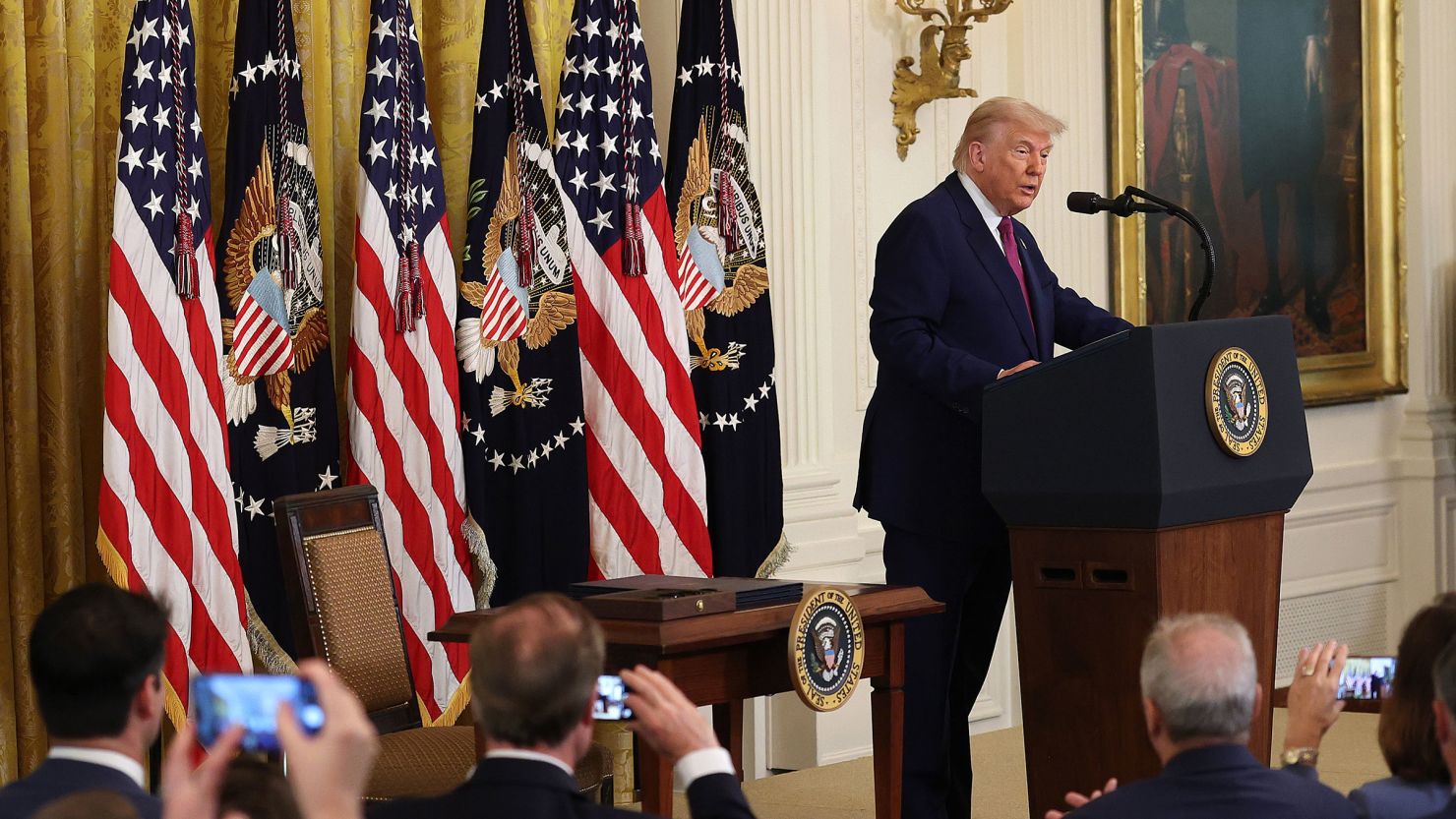
President Donald Trump told followers that a deal to halt the war involving Iran would be signed on Sunday and that the strategically vital Strait of Hormuz would be "open to all" immediately after the signing, a claim that collided with statements from Tehran suggesting the signing might take longer. citeturn0news12turn0news13
Donald Trump announcement
Why This Moment Mattered
The announcement landed amid intense diplomatic activity: mediators including Pakistan and Qatar were reported to be working with both sides to convert an operational ceasefire into a formal agreement, one that could potentially open commercial sea lanes, extend a ceasefire for a discrete period and create a framework for talks over Iran's nuclear program. That convergence of goals—an immediate halt to hostilities, relief for shipping and a path back to negotiations—explains why any claim of a near-term signing produced both hope and skepticism across capitals and markets. citeturn0news12turn0search1
What Trump Said and Where He Said It
The Announcement
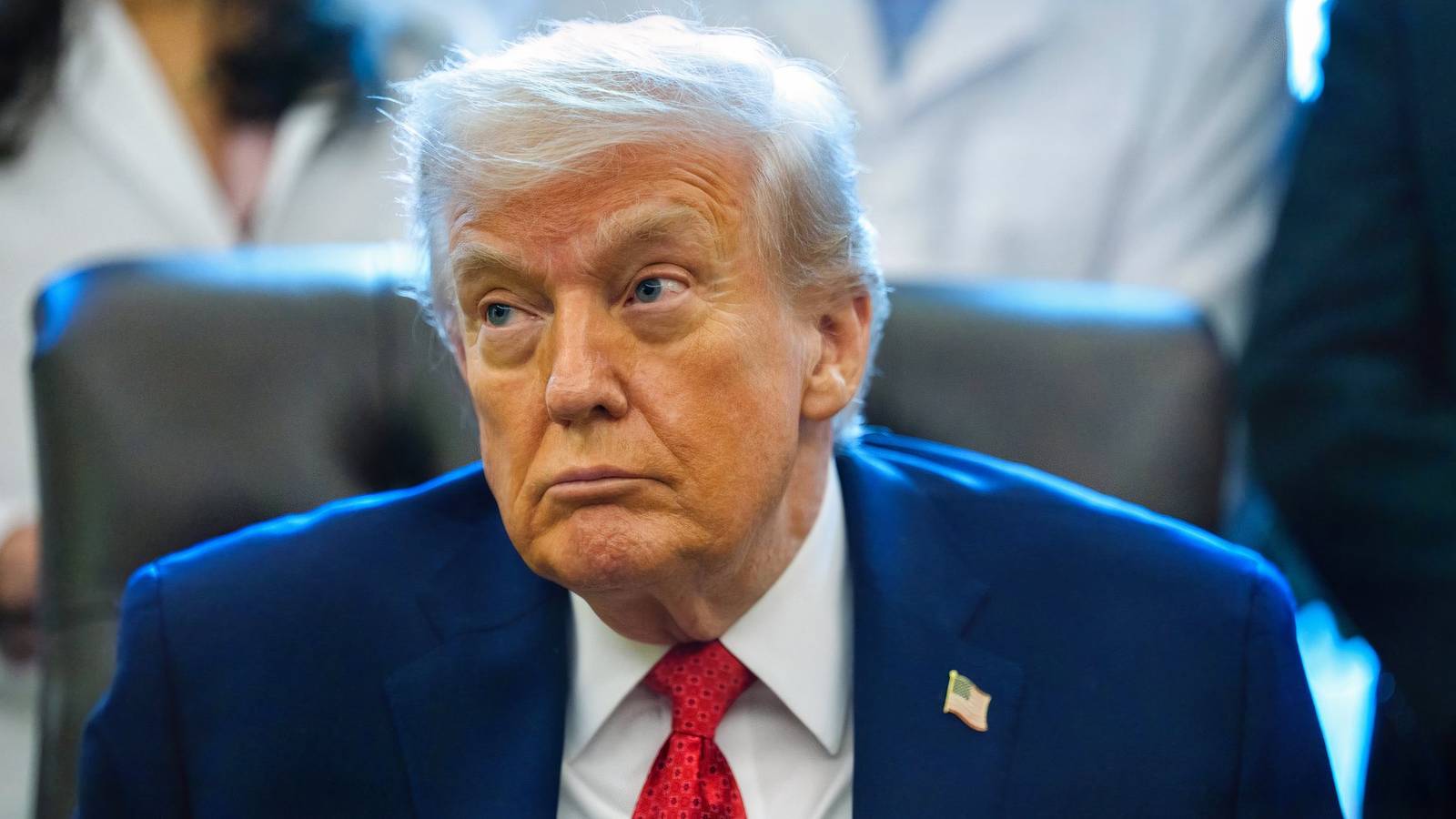
In a social media post and follow-up comments, Mr. Trump described the deal as "scheduled to get signed" the next day, framing the milestone as an impending diplomatic success and linking it to the reopening of the Strait of Hormuz — the narrow maritime choke point through which a significant share of the world's oil and liquefied natural gas flows. His message did not provide full text or a formal timetable from participating negotiators, but it was nonetheless amplified by allied governments and international markets searching for confirmation. citeturn0news12turn0search6
"The Strait of Hormuz will be open to all immediately after the signing," the president wrote, a line that underscored the commercial and strategic stakes tied to the announcement. citeturn0search6
Strait of Hormuz map
The Medium and the Meaning
That the message appeared initially on the president's social platform instead of as part of a joint communique contributed to the mixed reaction. Social-media-driven diplomacy can set expectations quickly, but it also risks outpacing negotiations that remain sensitive to sequencing and domestic political calendars on each side. In short: a public deadline can help close gaps — or expose them.
Tehran's Response: Caution and Calendar
Official Doubts
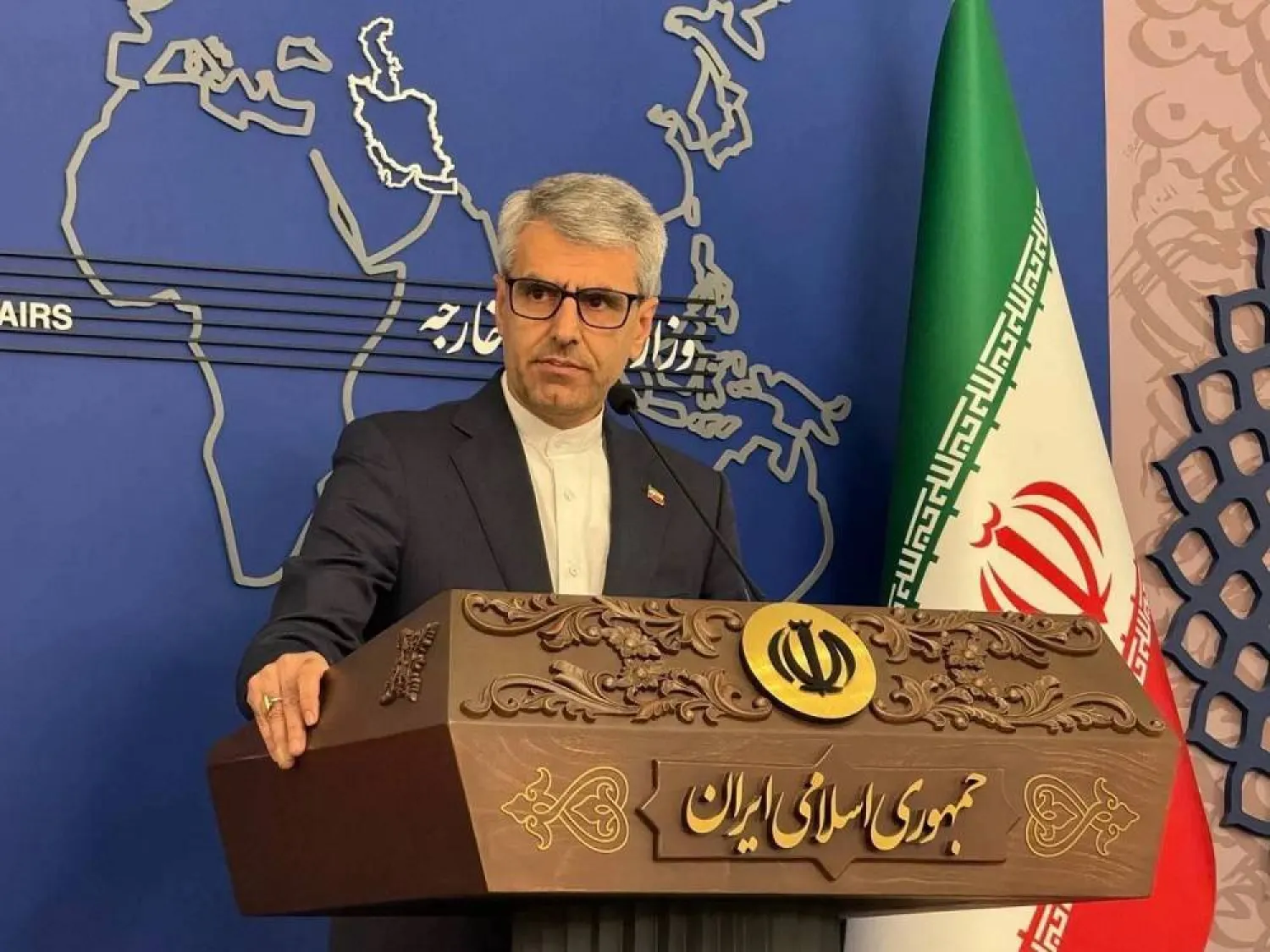
Iranian officials did not echo the rush. A foreign ministry spokesman and other Iranian voices said a signing would not take place on Sunday, though they left open the possibility that an agreement could be reached "in the coming days." That careful language reflects the government's need to manage domestic political optics while preserving negotiating leverage. citeturn0news13turn0search1
Iran foreign ministry
Why Tehran Might Resist a Sunday Deadline
There are several reasons Iran would be cautious about a public, fixed timeline. Domestically, leaders must balance hardliners and moderates, reassuring constituencies that core national interests—especially control over nuclear material and sovereign decision-making—are not being conceded. Regionally, Tehran must consider allies and proxies who have been affected by conflict dynamics. And internationally, Iran will seek guarantees that any interim steps, such as reopening shipping lanes, are matched by verifiable actions from counterparties.
The Mechanics: How a Deal Might Be Signed
Electronic and Virtual Signings
Reports indicated negotiators were preparing for an electronic or virtual signing, a mechanism that has become commonplace in complex, multi-party diplomacy where travel, security and scheduling make simultaneous in-person signatures difficult. An electronic memorandum of understanding, if used, would typically be followed by a more detailed, possibly physical, agreement once technical annexes and verification measures are finalized. citeturn0news12

Virtual signing ceremony
What an Interim Agreement Might Include
An interim deal being discussed publicly and implicitly in press briefings would likely include: a fixed extension of a ceasefire for a specific number of days; an operational plan to reduce maritime harassment and reopen certain shipping lanes; and the start of structured talks over Iran's nuclear program and other outstanding issues. The agreement's nature—interim rather than final—matters because it implies a staged approach: immediate de-escalation first, technical and political issues later.

Maritime security ships
Strategic Stakes: Hormuz, Energy Markets and Nuclear Material
Why the Strait of Hormuz Is Central
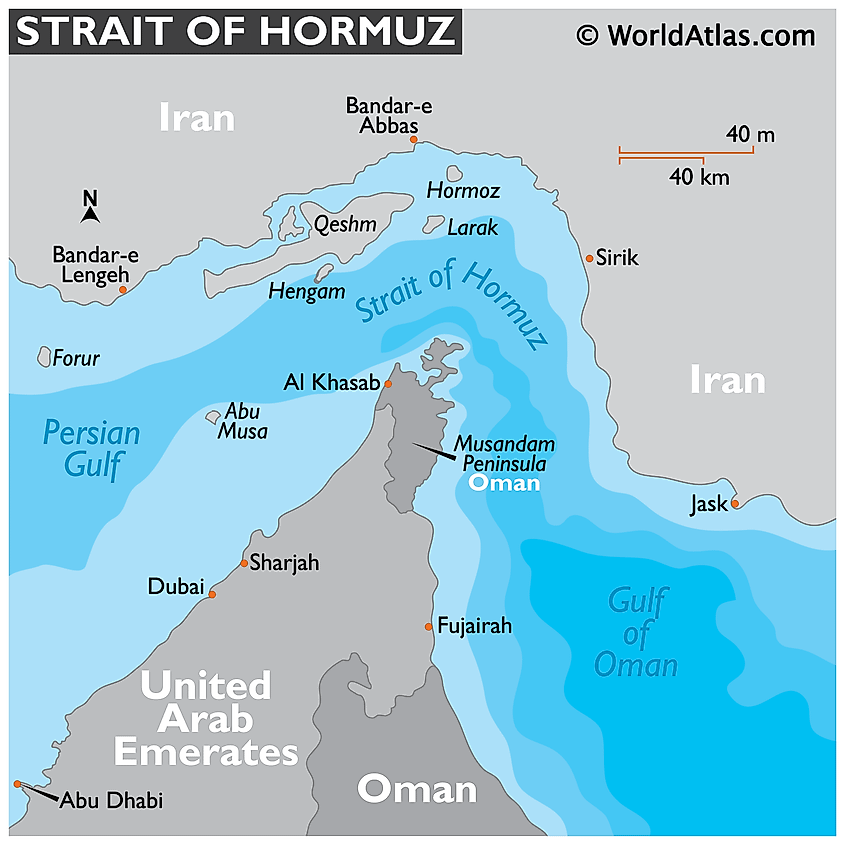
The Strait of Hormuz is both a symbol and a choke point. A large share of global seaborne oil passes through its narrow waters, and any disruption raises immediate concerns about supply, insurance costs, and price spikes. For nations dependent on maritime transit and for global markets, a credible, enforceable commitment to reopen the route carries palpable economic benefits. Conversely, premature declarations that overpromise on reopening could create market volatility and undermine trust if they are not kept. citeturn0search8
Nuclear Material and Security Guarantees
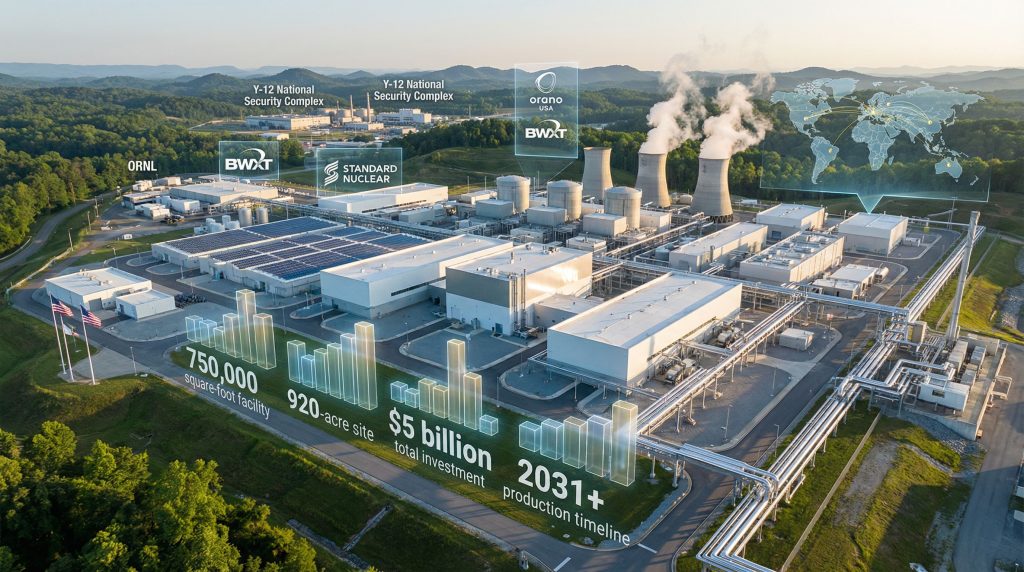
One of the more contentious threads tied to any U.S.-Iran deal is what happens to Iran's enriched uranium and domestic nuclear infrastructure. Some public statements have suggested that arrangements might be made to secure or relocate material "when all is calm," language that opens both practical and political questions about verification, custody and the international norms that govern such transfers. Any pledge in this vein would demand clear inspection and chain-of-custody procedures to reassure skeptical regional actors and nuclear watchdogs. citeturn0search5
Nuclear enrichment facility
Mediators and Their Role
Pakistan and Qatar as Intermediaries
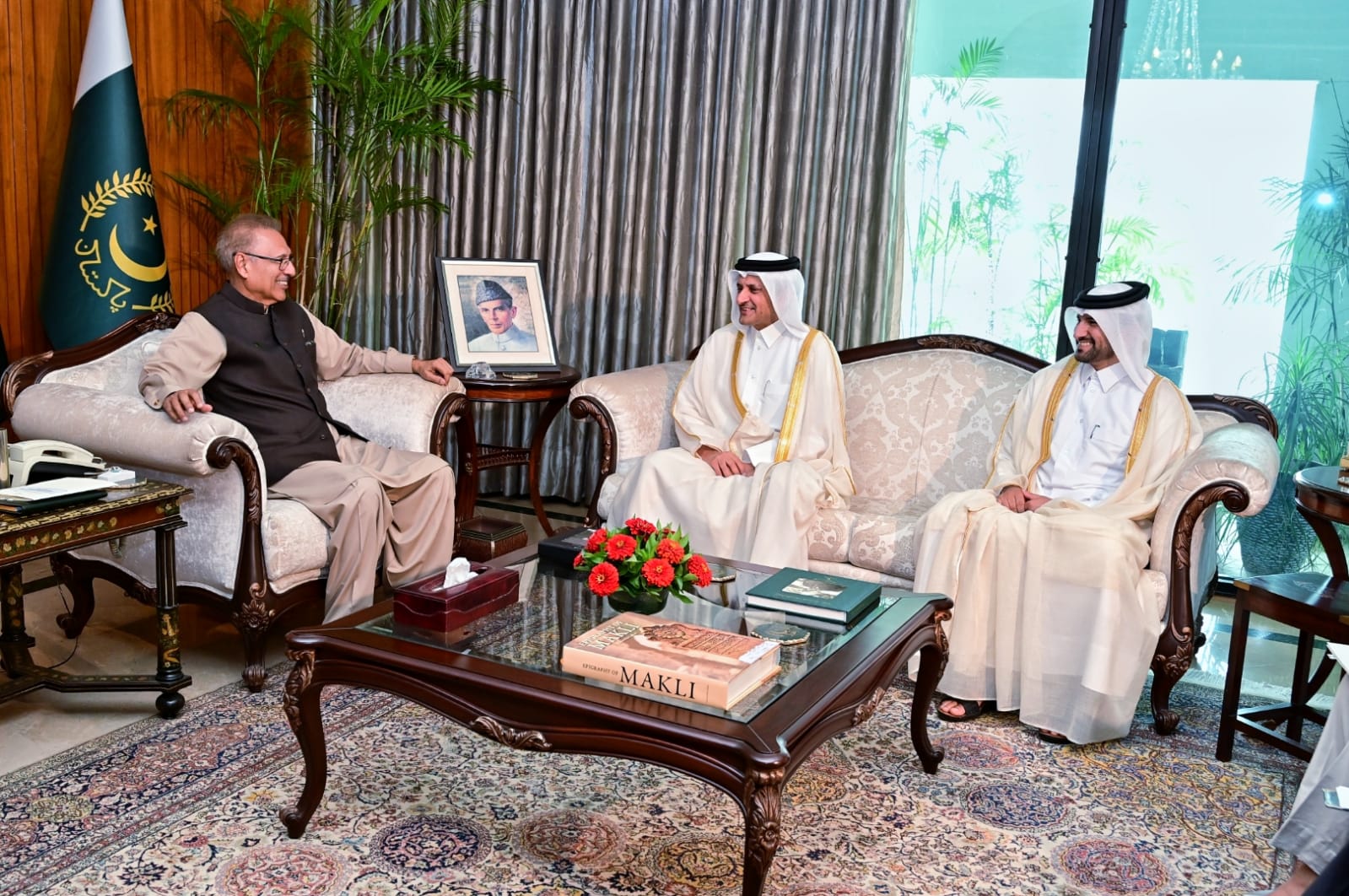
Diplomacy in this episode has featured less-heralded mediators. Pakistan, which shares geographic and strategic interests in the region, and Qatar, which has developed a track record as an interlocutor in Gulf disputes, were publicly identified as central to bridging gaps. Their roles are typically pragmatic: shuttle diplomacy, technical drafting, and offering neutral venues or communication platforms. But mediators also carry political weight, especially when they can convince domestic audiences on both sides that a deal is feasible and in national interest. citeturn0search1turn0news12
Pakistan Qatar mediation
Domestic Politics: Audience Matters
U.S. Political Calculus
For the U.S. president, an announced near-term breakthrough can serve multiple audiences: voters at home, international allies and adversaries. Presenting a concrete signing date can be read as political theater — a way to claim credit for ending hostilities — but it can also be a high-stakes bet. If the signature does not materialize on the proclaimed day, the credibility costs can be significant, especially with skeptical allies and hostile domestic media. The reaction so far underscores how tightly domestic politics is woven into the diplomat's timetable.
Iranian Political Dynamics
In Tehran, the calculus is different but equally delicate. Iranian leaders answer to conservative institutions, a revolutionary guard that prizes sovereignty, and a populace bearing sanctions and economic strain. A rushed signature that appears to concede too much could energize opponents of compromise; too cautious an approach risks missing a window to lock in ceasefire benefits and de-escalation. This is why public caution from Iranian spokespeople is predictable and politically rational.
Scenarios and Risks Ahead
Three Plausible Paths
1) The signing occurs virtually on the stated day as an interim memorandum: this would provide a political boost and a window of calmer seas, but it requires fast operational coordination and buy-in from enforcement bodies.
2) No signing occurs on the announced day, but talks continue and an agreement is formalized later: this is the most likely pathway given public statements from Tehran; it reduces immediate reputational wins but may lead to a more durable outcome if technical issues are resolved.
3) Talks collapse or stall after the public deadline, increasing risk of renewed hostilities: the least desirable outcome, and one that could spike energy prices, damage regional stability and complicate future negotiations.
What to Watch in the Next 72 Hours
Watch for a joint statement from mediators, published technical annexes, movements of naval assets, and statements from Iran's foreign ministry offering precise language on timing and verification. Markets will watch tanker routes and insurance premiums; capitals will watch language about nuclear material and verification. Any deviation between public claims and formal documents will be the clearest signal of whether diplomacy is on a fast track or a cautious timetable. citeturn0news13turn0news12
- Public deadlines can accelerate talks but risk credibility if not matched by joint documents.
- Interim agreements are useful to buy time and reduce immediate risk while technical work continues.
- Strait of Hormuz remains a critical leverage point with outsized economic impact.
- Mediators such as Pakistan and Qatar are playing a pivotal, if behind-the-scenes, role.
Conclusion: Diplomacy in the Age of Social Media
The dispute over whether a deal will be signed on Sunday is more than a calendar quarrel. It demonstrates how modern diplomacy must reconcile rapid public messaging with the deliberate, often granular work of negotiators. A genuine breakthrough would ease human suffering, stabilize markets and open diplomatic pathways; a failed deadline, by contrast, would underline the fragility of internationally mediated settlements in an era when announcements can travel faster than agreement. In the end, what matters most will be the text that parties actually sign and the mechanisms they put in place to verify compliance — not the social-media clock that counts down to an announced day.
Reporting and analysis compiled from official statements, mediator briefings and on-the-record comments from both Washington and Tehran.