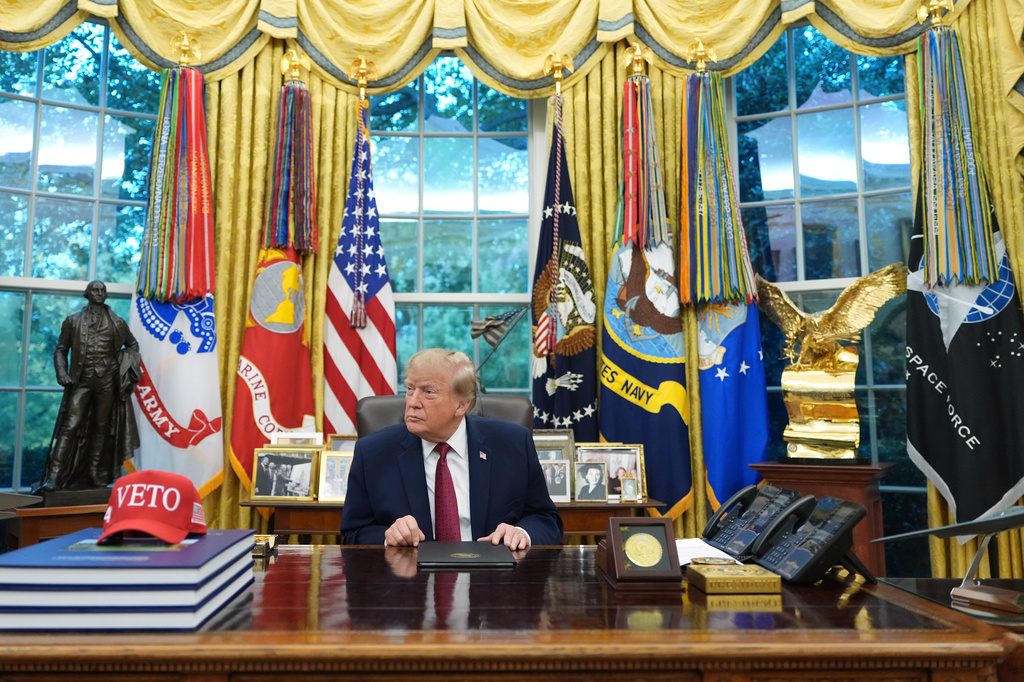
Trump Declares Oval Office a National Monument — What It Means
The headline is brisk and theatrical: the president signed a proclamation designating the Oval Office and the Cabinet Room as a national monument, declaring they should be preserved for future generations and, in his words, "not allowed to be touched by anybody". This account attempts to disentangle the legal language from the political theater, to explain what the proclamation actually does and does not do, and to sketch the practical avenues by which a successor, Congress, or the courts could respond.
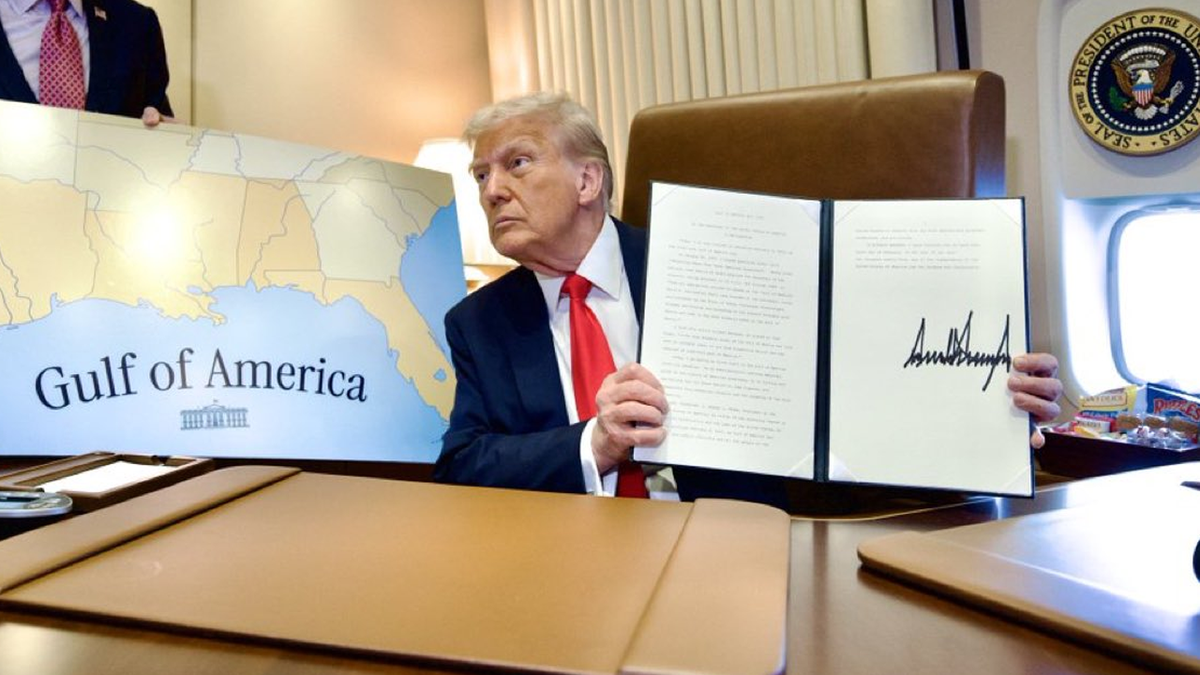
President Trump signing proclamation
The action itself is simple: President Trump used the authority in federal statute to proclaim those two iconic West Wing rooms as a monument and directed the relevant agencies to prepare a management plan emphasizing preservation. citeturn669617search0
WHY THIS MATTERS NOW
The timing is impossible to ignore. The proclamation followed a sharp midterm moment in which control of Congress shifted, and it arrives in an era when presidential actions are routinely used to lock in policy, aesthetics and legacy in ways that outlast the incumbent. Proclamations, like the one issued here, are part policy tool and part message: they announce priorities, attempt to shape institutional memory, and can create friction for a first days agenda of a successor. citeturn669617search4turn669617news13
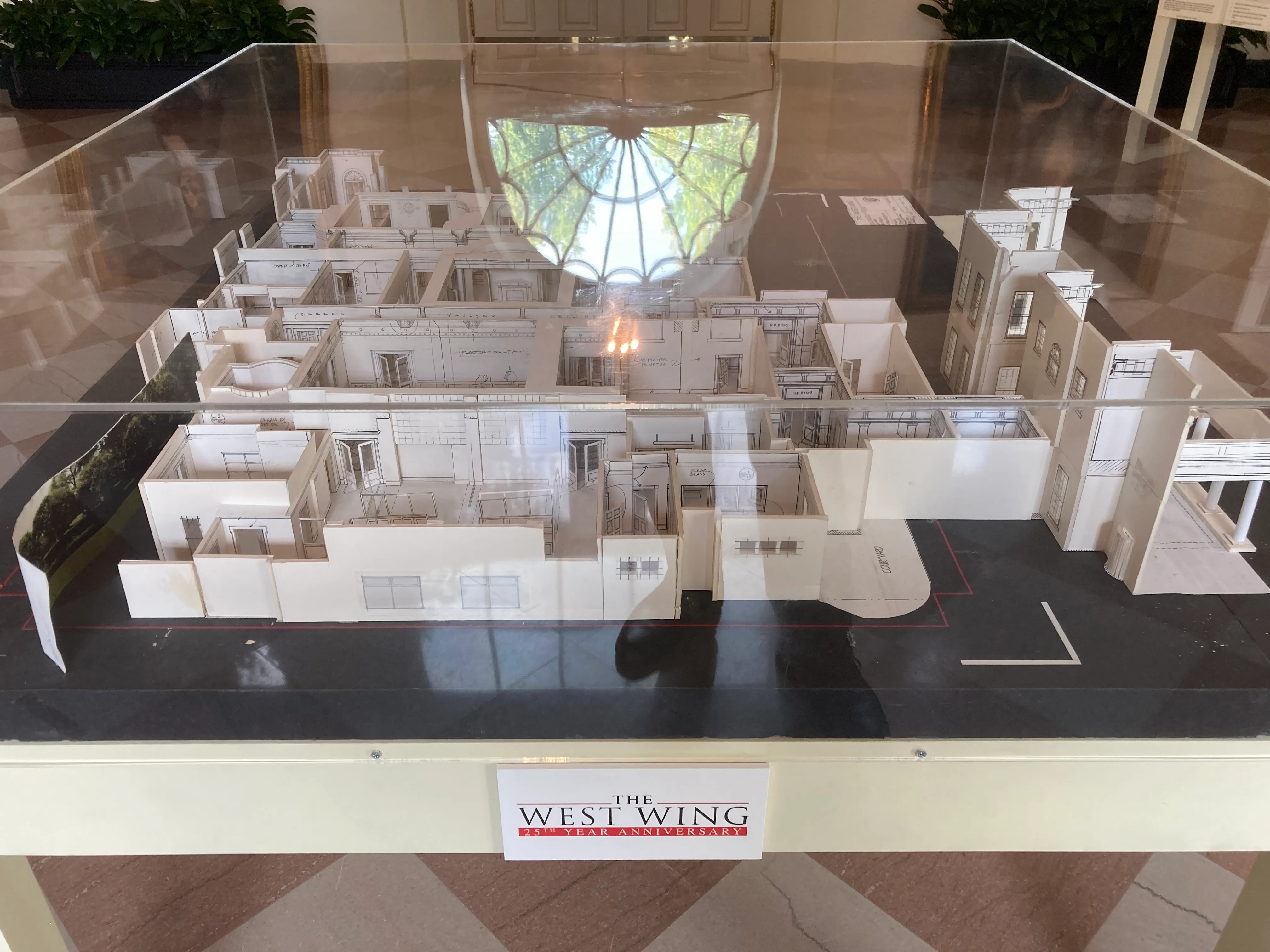
White House West Wing architecture
What the Proclamation Actually Says
The text establishes the Oval Office and Cabinet Room as the "Oval Office National Monument" and directs the Secretary of the Interior, in consultation with White House administrative offices and other agencies, to develop a management plan that prioritizes preservation of the rooms' structural and significant architectural features. That includes documentation, review, and consideration of alternatives before substantially altering or demolishing the spaces. citeturn669617search0turn669617search1
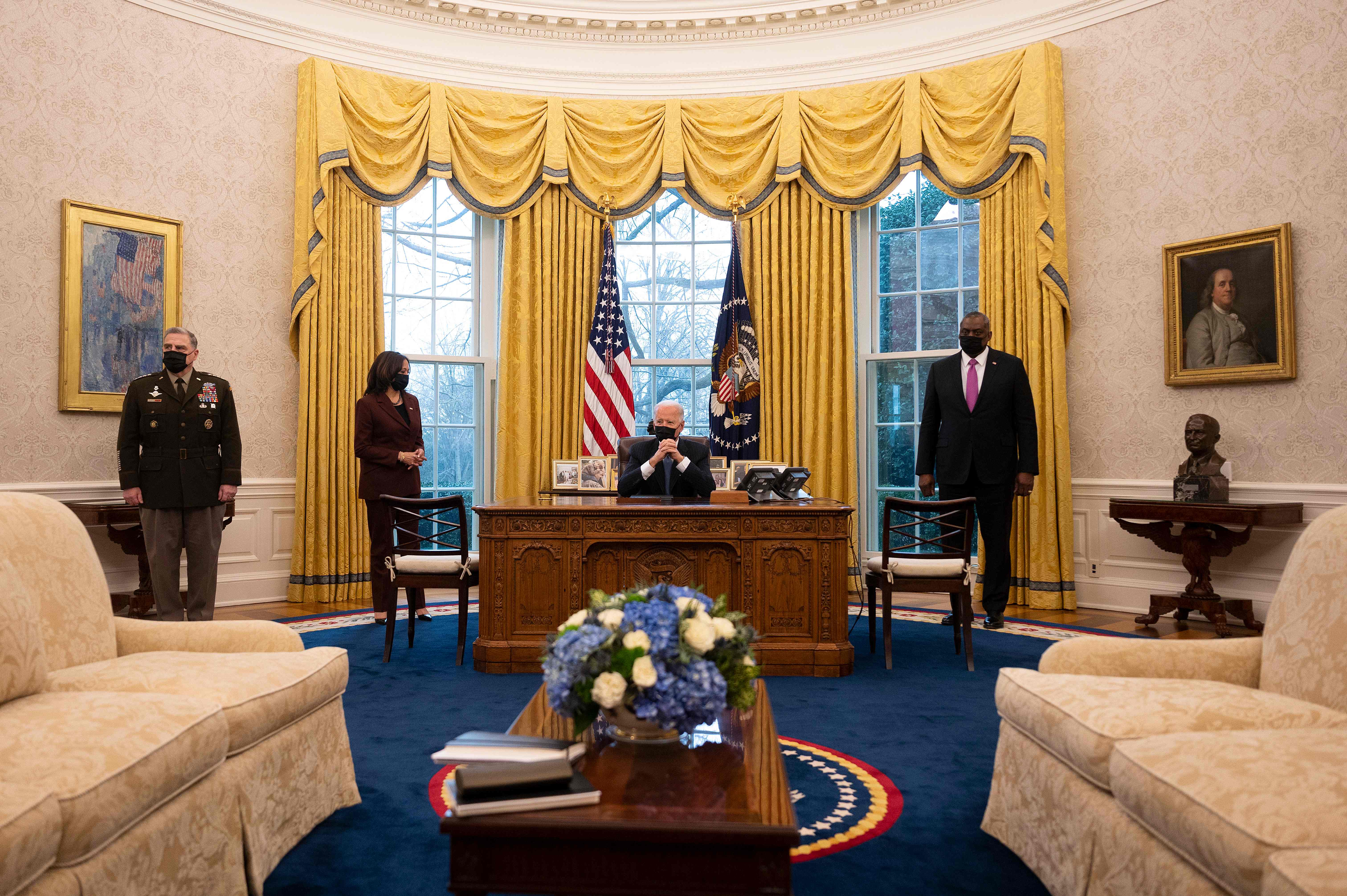
White House Oval Office interior
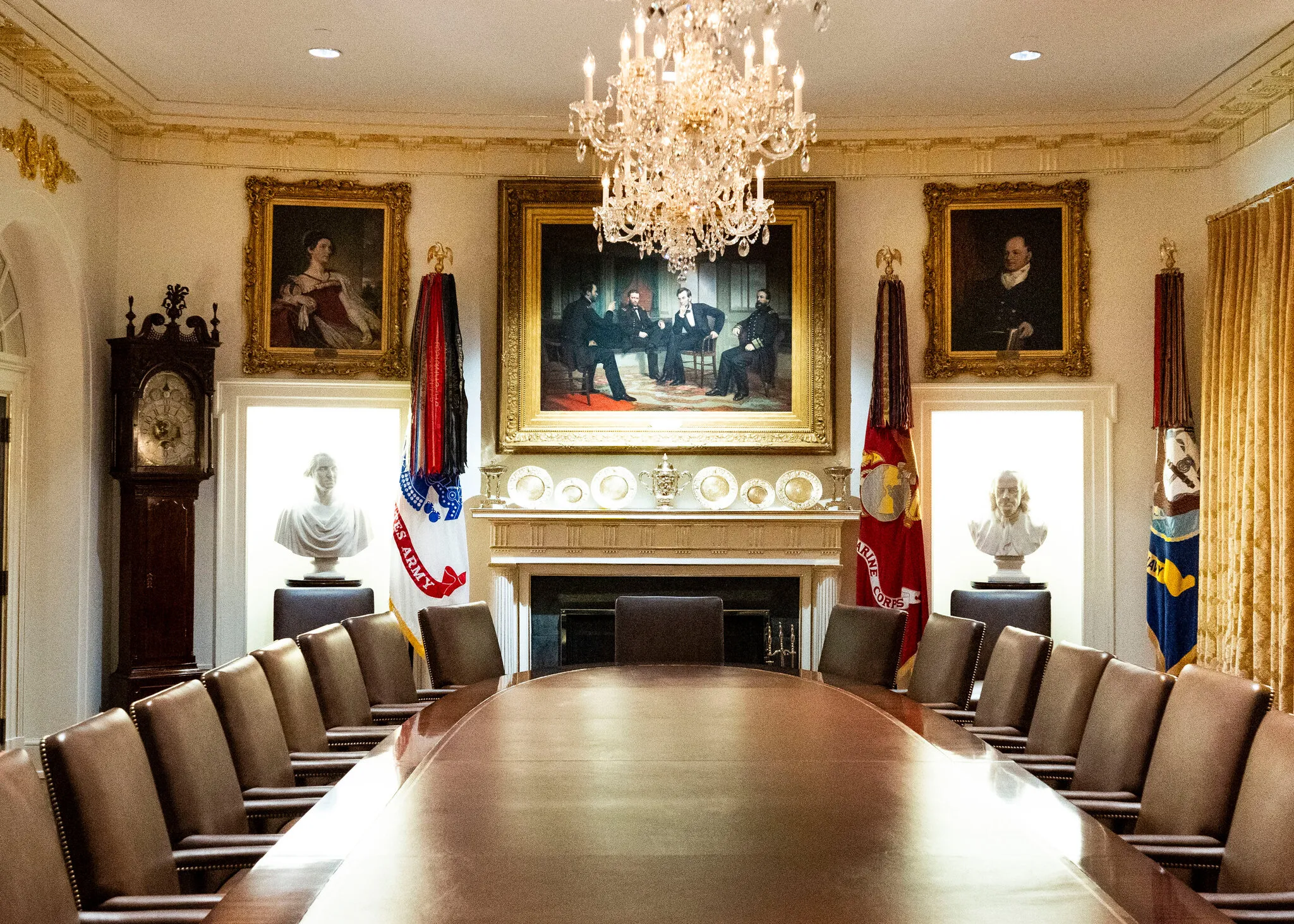
White House Cabinet Room interior
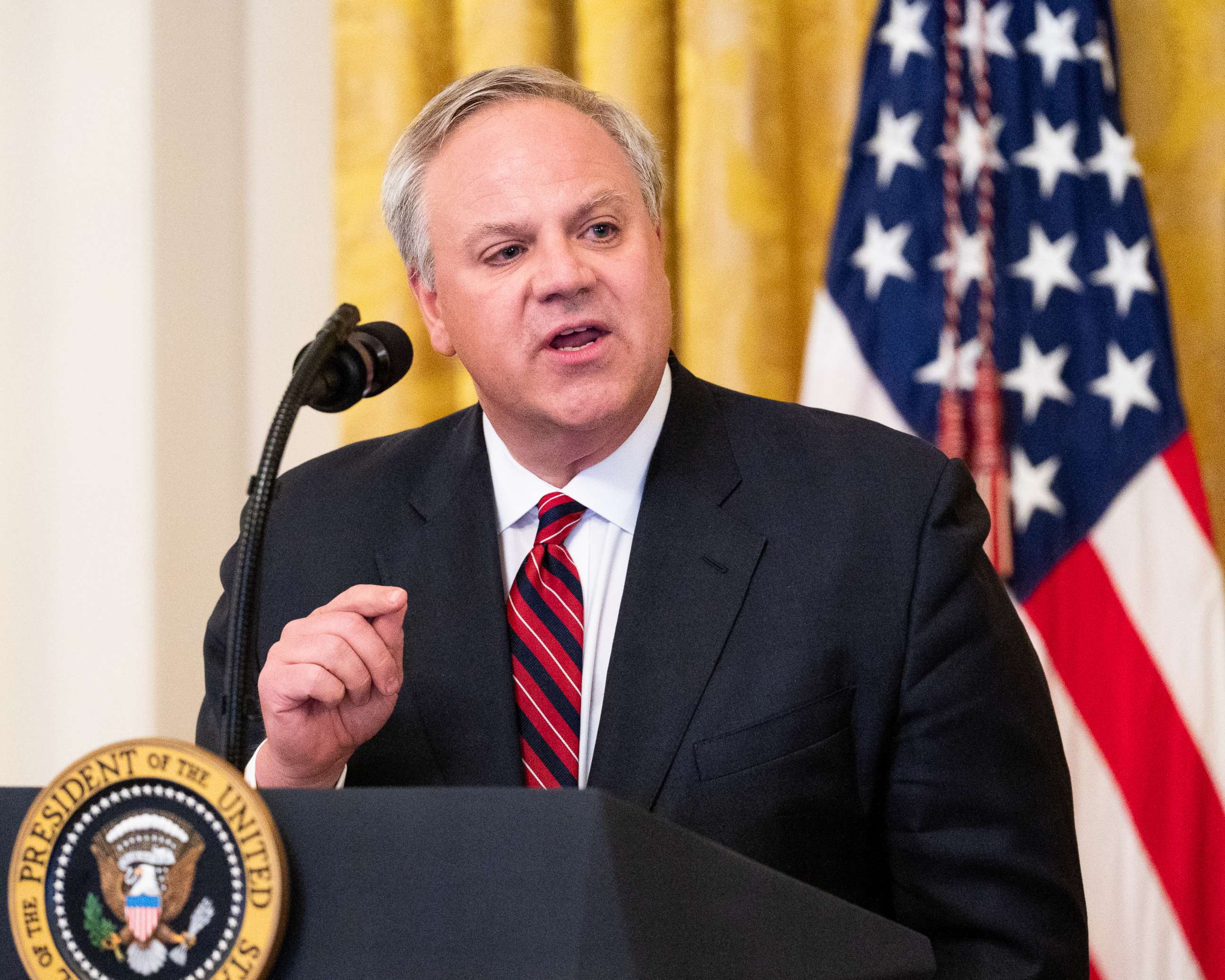
Secretary of the Interior USA
But the proclamation stops short of forbidding all changes. The White House fact sheet and subsequent reporting make clear the designation is focused on preserving architectural and significant historic features; it does not bar routine redecorating, furniture selection, or the ability of a subsequent president to order a different course of action — including rescinding the proclamation itself. citeturn669617search1turn669617search5
"The proclamation emphasizes preservation of architectural features, not a permanent freeze on every object or color in the room."
Legal Limits: What an Executive Proclamation Can and Cannot Do
Understanding the effect of the proclamation requires a quick primer on executive proclamations and the law that governs federal monuments. Under the statute cited by the proclamation, the president can designate certain federal properties as national monuments and direct the Interior Department to manage them with an eye toward preservation. But that power has limits: statutes can be changed, successors can issue new proclamations or revoke prior ones, and courts can review actions that exceed statutory authority or violate constitutional limits. citeturn669617search0turn669617search21
US Constitution legal document
Put plainly: a proclamation creates a management regime and a legal posture — it does not, in most instances, create an impregnable, irreversible command that future presidents cannot alter. History shows successive administrations can and do modify or reverse monument designations; they can also, where Congress chooses, pass legislation to lock a site's status with greater force. citeturn669617search5turn669617search11
Practical Mechanics: How a Successor Could Respond
A future president who wanted to return the Oval Office to a different aesthetic has clear, practical options. The easiest path is administrative: issue a new proclamation or executive action rescinding the prior designation, and instruct the Interior Department and White House administrative offices to proceed differently. A successor could also immediately undertake redecorating that does not implicate the "significant architectural features" the proclamation prioritized, or seek legislation from Congress removing the designation altogether. If litigation arises — for example, from preservation groups arguing the removal violates statutory processes — the courts would adjudicate disputes. citeturn669617search1turn669617search4
Political and Symbolic Stakes
This is as much about symbolism as it is about legal text. The Oval Office is a living stage for presidential authority: the furniture, the portraits, the rug, even the wallpaper are part of the choreography of power. For an incumbent who has made design a visible part of his brand, preserving a particular aesthetic is an attempt to anchor that brand in the institution itself. That impulse is inherently political, because a successor may want to signal a break with that brand and reclaim the visual language of the office. Reporting and commentary suggest the proclamation was explicitly framed by the president as a shield against future alteration — a combative rhetorical stance intended for audiences beyond the policy community. citeturn669617news12turn669617search11
- Preservation: Protects architectural and historically significant elements from rushed alteration.
- Continuity: Creates a record and management plan for the rooms' care.
- Flexibility lost: Makes it harder for successors to make meaningful symbolic breaks.
- Political weaponization: Uses preservation law for partisan legacy-building.
Historical Precedents and Comparisons
Designating federal property as a monument has long been a tool for conservation — think national parks and ancestral lands. But using that mechanism to preserve decoration in an executive workspace is unusual. There are precedents for presidents using proclamations to enshrine legacies or constrain successors — in recent years, several monument designations and reversals have been litigated and debated, demonstrating both the flexibility of the tool and its vulnerability to political change. citeturn669617search5turn669617search11
How This Could Play Out in Court
If litigation follows, courts will likely focus on whether the proclamation stayed within statutory authority and whether the management direction exceeds what the law allows. Plaintiffs could include preservation organizations that either support or oppose the move, as well as private actors with an interest in how the White House presents itself. The legal timetable for such disputes tends to be measured and can overlap with political processes; litigation may slow or complicate any immediate attempts to alter the rooms. citeturn669617search1turn669617search21
Practical Limits: What the Proclamation Will Not Fix
Importantly, the designation does not freeze every object, photograph or paint color. The proclamation's language, and the administration's own fact sheet, emphasize architectural preservation and a management plan rather than a permanent freeze on all creative choices. Future occupants can still redecorate within the constraints of the management plan, and a successor can rescind the proclamation outright. That nuance will be central to any legal or political contest over the rooms. citeturn669617search1turn669617search5
Beyond Law: Culture, Memory and the Presidency
Preservation is often framed as a nonpartisan good — protecting artifacts for study and posterity. But when the artifact is an active room where policy is made and messages are staged, preservation is inseparable from politics. The Oval Office's décor signals power, values and audience. Decisions about what to preserve are also decisions about whose story becomes institutional memory. This proclamation is therefore as much about shaping memory as it is about protecting woodwork. citeturn669617news13
What to Watch Next
Watch the very specific clauses of the management plan when it appears, watch how the Interior Department and White House Office of Administration interpret "substantial alteration," and watch for immediate administrative moves by a successor in the first days of a new term. Also watch Congress: if lawmakers want a durable fix, they can pass statute that binds federal agencies more tightly than a proclamation alone. Finally, watch the courts for any early suits challenging either the designation or attempts to reverse it. citeturn669617search0turn669617search4
CONCLUSION
The Oval Office proclamation is emblematic of the modern presidency: a blend of legal maneuver, theatrical messaging and legacy-building. It deploys conservation law to stake a claim over the visual grammar of power, but it is not a legal ironclad that precludes later presidents from altering or rescinding the designation. The likely result is a mix of administrative instructions, political rhetoric, and possible litigation — with the ultimate resolution resting in politics as much as in law. The move will test longstanding questions about who owns presidential space: the person who occupies it now, the institution that follows, or the public who claims it as national heritage. citeturn669617search0turn669617search11
- The proclamation designates the Oval Office and Cabinet Room as a national monument and orders a preservation-focused management plan. citeturn669617search0
- The action emphasizes architectural preservation but does not permanently bar redecorating or prevent a successor from rescinding the designation. citeturn669617search1turn669617search5
- A successor has clear administrative and legal options to modify or repeal the plan; Congress could make the designation more durable by statute. citeturn669617search4turn669617search21