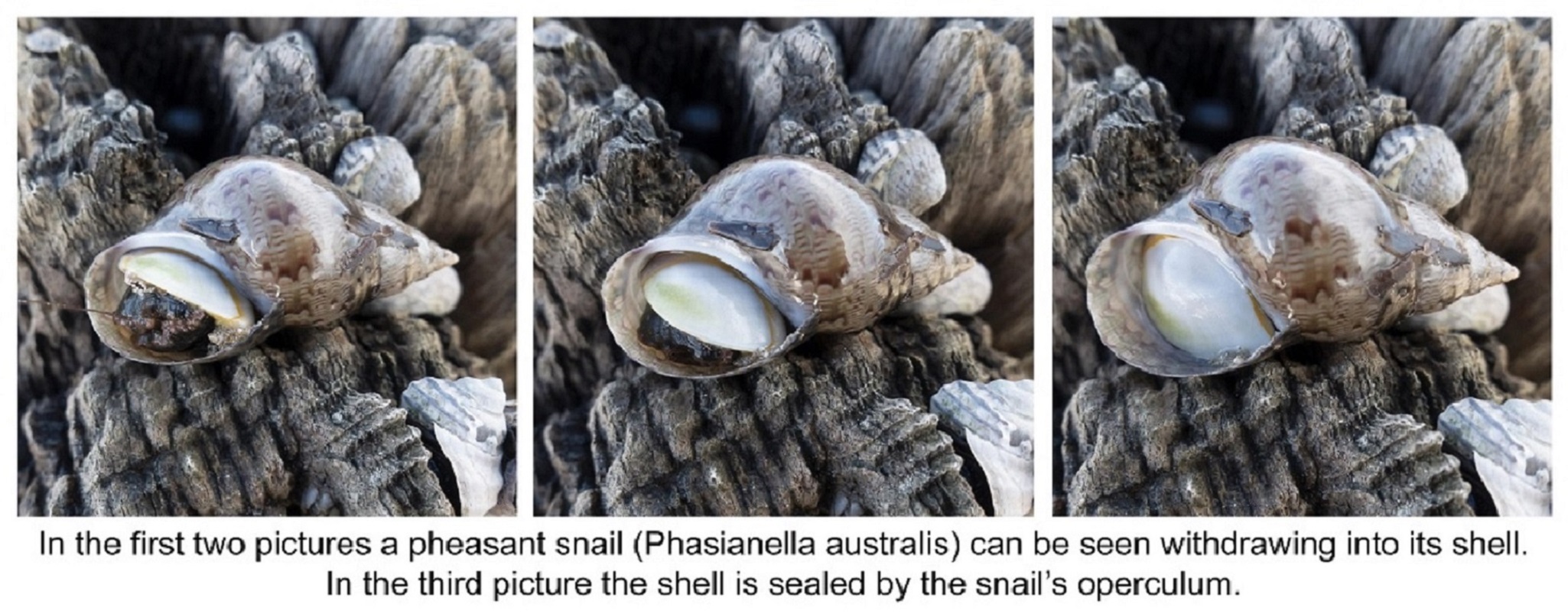
Tiny Door-Snails: Two New Species That Close Their Shells
The headline is small but the discovery is not: scientists have described two previously unknown snail species so small they could sit on a fingertip, and each carries a biological 'door' that closes their shell when the animal retreats. Those tiny plates — called opercula —do more than look like miniature trapdoors. They are evolutionary solutions to drying, predation, and the idiosyncrasies of life in microhabitats. The discovery offers a vivid reminder that even the most inconspicuous corners of the natural world still hold surprises that reshape how we think about biodiversity, ecology, and conservation.
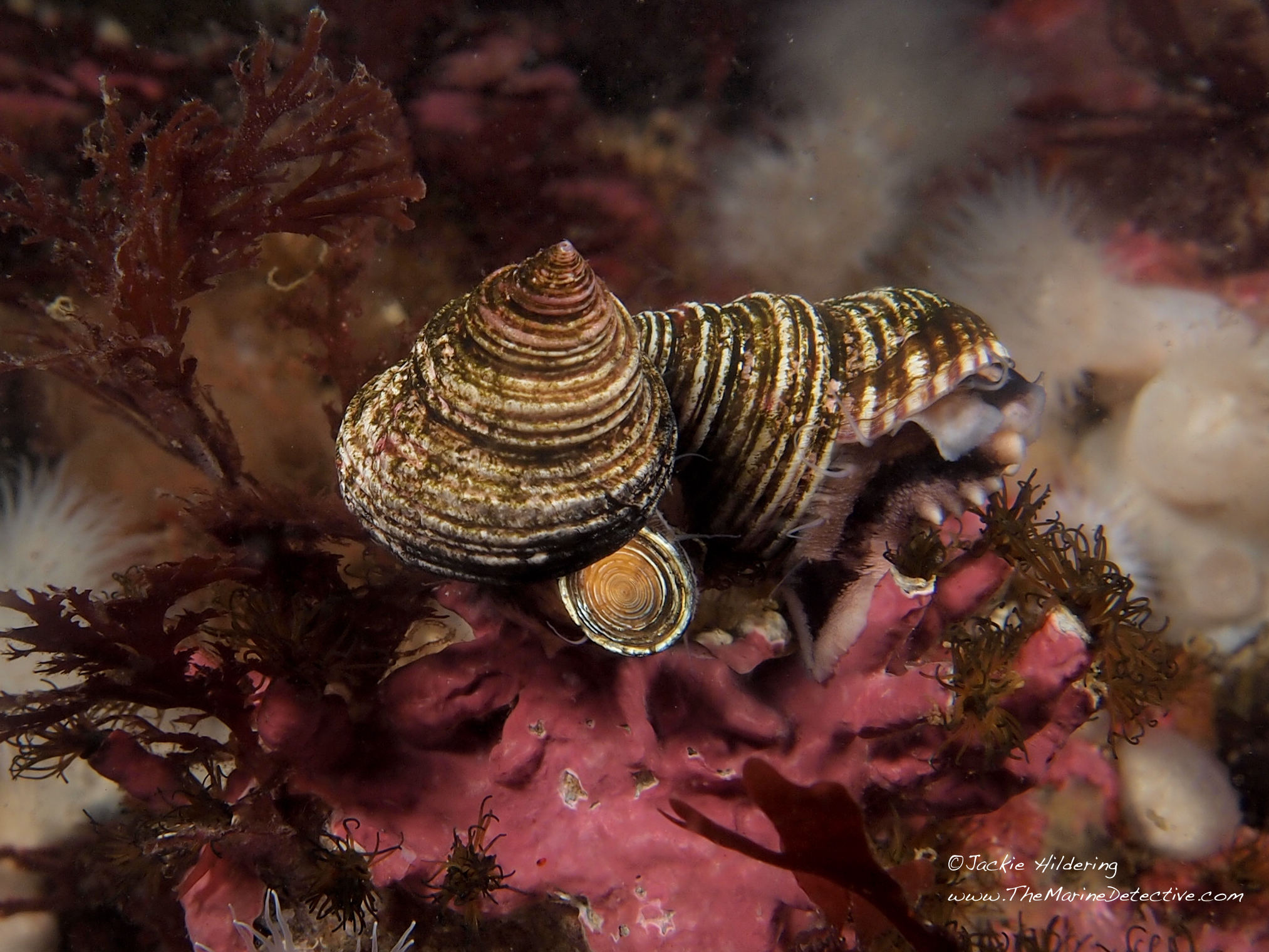
tiny snail with operculum
How the snails were found
These snails were located during a targeted faunal survey in a region known for high microendemism. The search combined careful leaf-litter sifting, soil sieving, and focused searches beneath rocks and rotting logs. Because the animals are diminutive enough to escape notice during routine surveys, researchers used microscopes in the field and preserved specimens for laboratory work. The approach reflects a shift in modern field biology: small-scale sampling, patient sorting, and sensitive molecular methods can reveal whole hidden communities that traditional techniques may miss.
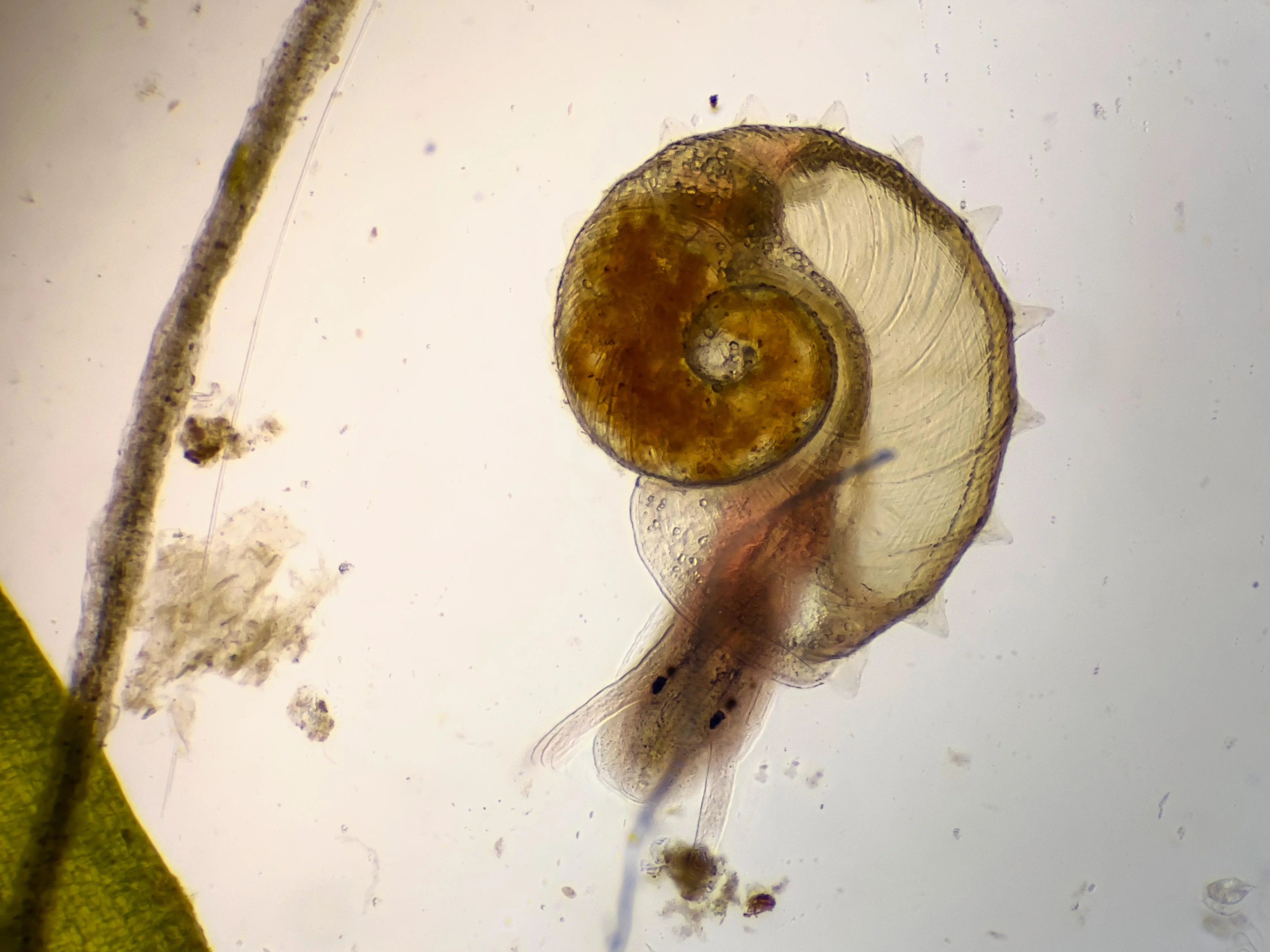
microscopic snail leaf litter
Fieldwork, patience, and luck
Finding micromollusks is a practice of careful repetition. Collectors lift handfuls of leaf litter into collecting trays, gently tease apart fragments with fine brushes, and examine the residue with magnification. Sometimes a single, dusty shimmer of shell at the base of a plant stem is all it takes. In this case, what appeared at first glance to be ordinary minute shells revealed an unusual rim and a hinged covering — signs that the animals were operculate and potentially distinct from known local species.
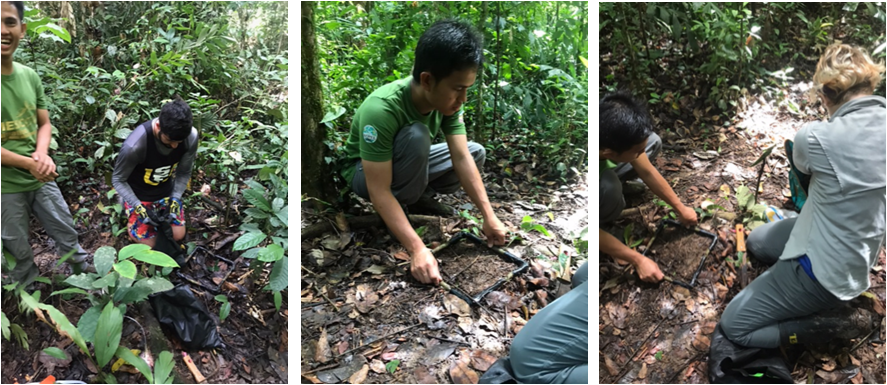
fieldwork leaf litter sampling
"A literal tiny door — and an enormous amount of information packed into a few millimeters of shell."
What is an operculum — and why it matters
The operculum is a structure many aquatic and some terrestrial snails use to seal the shell aperture, forming a protective barrier between the animal and the outside world. In aquatic species it helps trap moisture and ward off predators; in land snails, an operculum can reduce water loss and provide a physical block against ants, beetles, or parasitic mites. The presence of an operculum in exceptionally small terrestrial snails is noteworthy because it suggests strong selective pressure to defend a tiny, vulnerable soft body in a world of micropredators and desiccation risk.
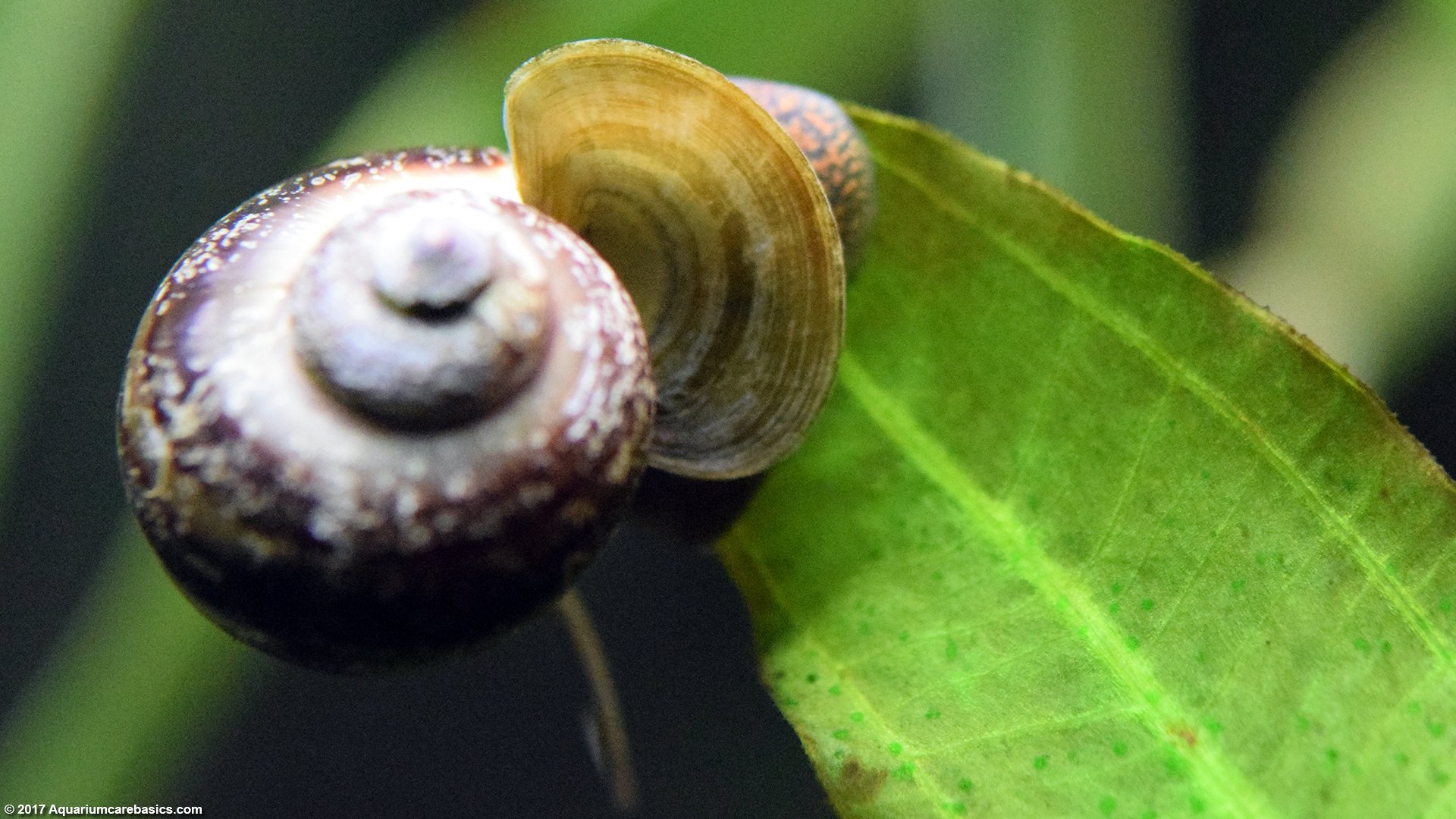
terrestrial snail operculum closeup
Two species, two tiny doors
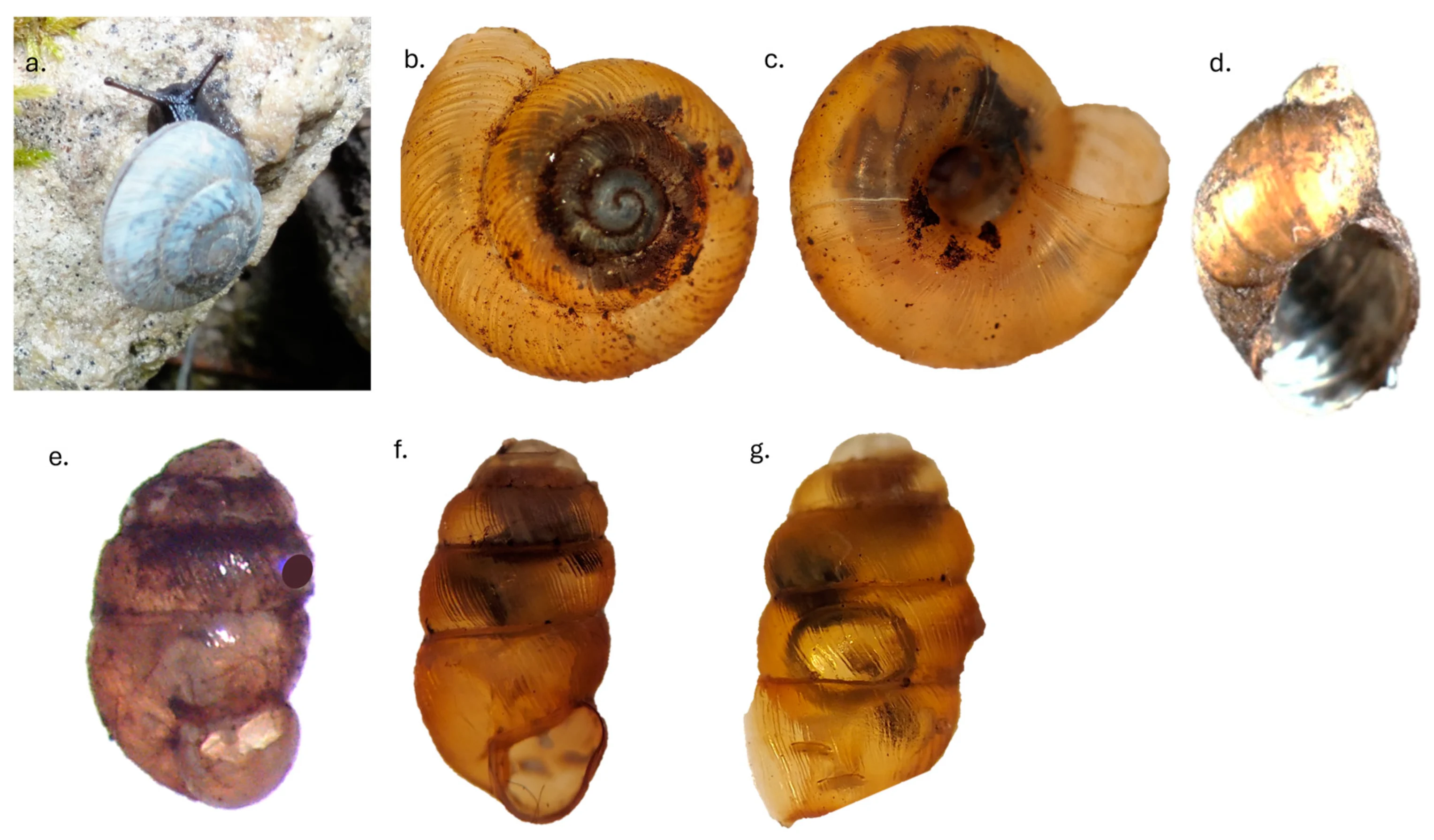
Although both species share the operculate trait, researchers documented consistent morphological differences in shell shape, sculpture, aperture margins, and the operculum itself. One species has a more conical shell with fine spiral striae and a translucent, calcareous operculum, while the other bears a flattened, slightly wider shell and a thicker, chitinous operculum with a faint concentric growth pattern. Differences in radula structure and reproductive anatomy, examined under dissection and scanning electron microscopy, reinforced the conclusion that these represent distinct species.
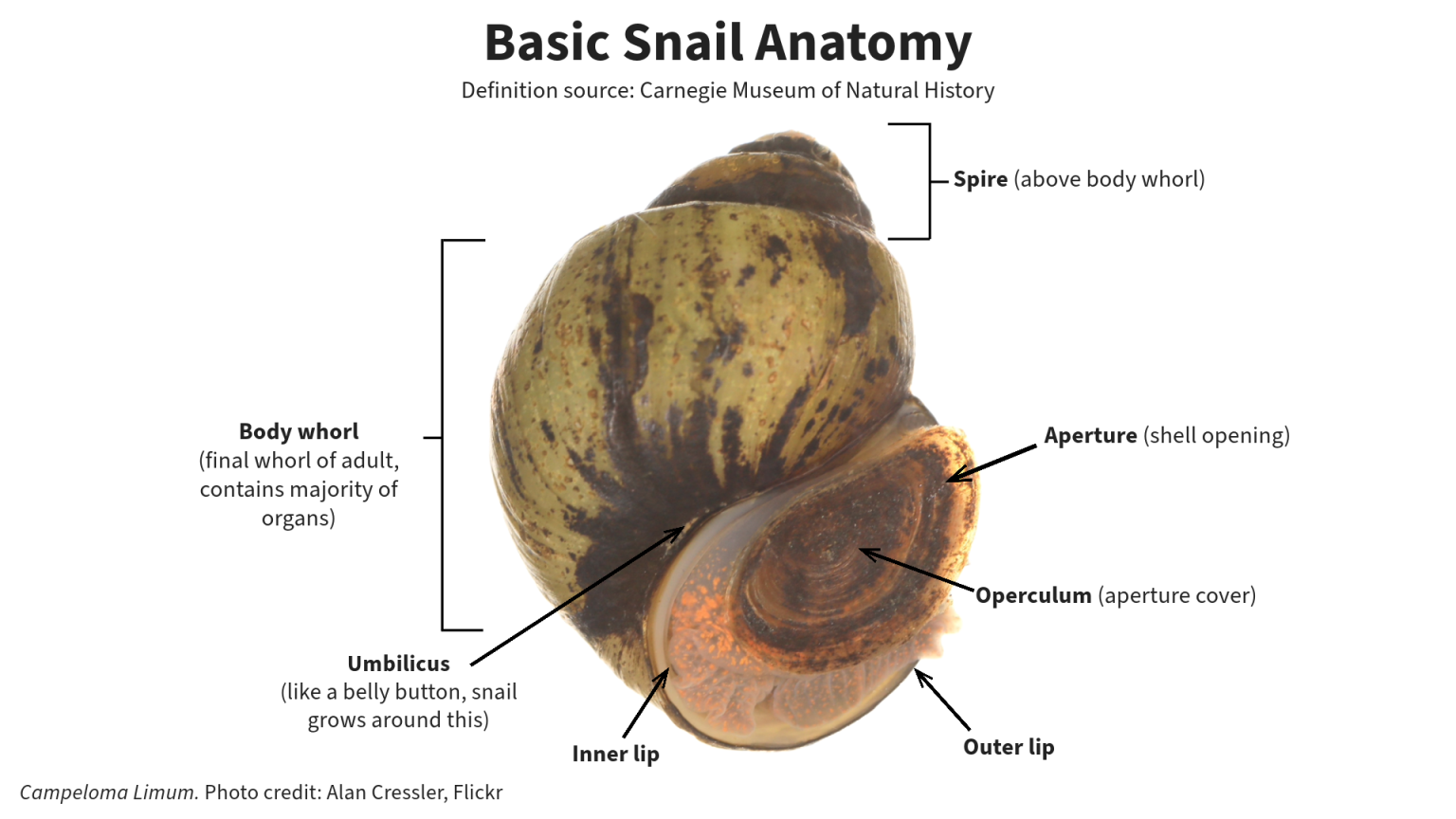
snail shell anatomy illustration
Comparing the two new snails
The following table summarizes key measured differences between the two new species to help readers visualize how scientists separate cryptic, minute organisms into taxonomic units.
| Characteristic | Species A (conical) | Species B (flattened) |
|---|---|---|
| Shell length | 2.5–3.2 mm | 2.0–2.7 mm |
| Operculum type | Thin, calcareous, translucent | Thicker, chitinous, concentric markings |
| Habitat micro-niche | Moist leaf litter near streams | Under limestone rocks and within crevices |
| Distinctive feature | Fine spiral sculpture | Broad flattened whorls |
Why these discoveries matter beyond novelty
The discovery of two new micromollusk species carries multiple implications. First, it expands our understanding of local species richness — a foundation for effective conservation planning. Second, it highlights how microhabitats can harbor specialized adaptations that large-scale surveys overlook. Third, the operculum itself is a living clue about evolutionary pressures in fragmentary environments. Each of these points has practical consequences: governments and conservation groups need accurate inventories to prioritize habitats, and scientists need to include microhabitat sampling if they hope to measure biodiversity comprehensively.
Ecological role and life history
Like other very small land snails, these species likely play modest but essential roles in their ecosystems. They participate in the breakdown of plant material, contributing to nutrient cycling on a micro-scale. They also serve as prey for insectivorous invertebrates and tiny vertebrates, forming part of a complex food web. Their reproductive cycles, while not yet fully described, are expected to involve low fecundity per clutch and limited dispersal capacity — traits that often make microendemic species vulnerable to habitat change.
Methods used to describe them
Taxonomists combined traditional morphology with modern molecular methods. Measurements under binocular microscopes, drawings of shell anatomy, and scanning electron micrographs of radulae provided morphological evidence. Molecular sequencing — usually of mitochondrial genes commonly used in mollusk systematics — helped clarify relationships to known genera and to detect genetic distinction between the two species. Museum vouchers were prepared and deposited so future researchers can reexamine the material.
A note on cryptic diversity
Cryptic diversity — where species are genetically distinct but outwardly similar — is common among small invertebrates. The combination of subtle shell differences and genetic divergence in these snails shows why relying solely on visible traits can underestimate true diversity. Many regions thought to be well-surveyed may still contain numerous cryptic lineages that only careful work will reveal.
Where they live and why that matters
Both species occupy restricted microhabitats within a broader landscape — narrow strips of consistently humid leaf litter, limestone crevices that retain moisture, and shaded stream margins. These are patchy environments sensitive to subtle changes in canopy cover, groundwater flow, and human disturbance. Because the snails' entire life cycle likely occurs within a few square meters, fragmenting or drying those microhabitats can have outsized impacts on population viability.
limestone crevice snail habitat
Threats and conservation concerns
Small species often fall through the cracks in conservation planning. They may be absent from red lists simply because their discovery is recent, or they are difficult to detect. Pressures include habitat conversion, altered hydrology, invasive plants that change microclimates, and even the local collection of leaf litter for firewood or agricultural mulch. For these snails, the greatest risk is habitat alteration at the scale of their micro-niche.
How scientists estimate vulnerability
Researchers use a mix of field observations, population density estimates, and habitat mapping to determine how vulnerable a tiny snail species is. Key factors include geographic range size, degree of habitat specificity, population trends (if known), and the severity of ongoing threats. Because small invertebrates are often poorly studied, precautionary conservation measures tend to be the most responsible interim policy until further data are available.
What these snails tell us about evolution
The operculum is a classic case of a functional trait shaped by selective pressures. In tiny snails, sealing the shell may have evolved independently multiple times as a response to the same ecological constraints: risk of desiccation, a high density of micropredators, and the need to persist in ephemeral moisture pockets. The existence of such a trait in multiple lineages underscores convergent evolution — unrelated groups solving the same problems with similar adaptations.
How the public can help
Because the snails occupy tiny, often overlooked habitats, local communities and citizen scientists can play a major role in detection and protection. Simple actions matter: leave leaf litter in place where possible, avoid clearing understory near streams, and report unusual finds to local naturalists or museums. Citizen-sourced photographs of microhabitats can direct researchers to promising survey sites and help build a spatial picture of where rare micromollusks persist.
Scientific next steps
Scientists will likely pursue several follow-up actions: extended surveys to map range limits, ecological studies of diet and life cycle, and controlled experiments to measure desiccation resistance. Additional genetic work might place the species within a broader phylogenetic framework, revealing whether similar operculate traits evolved once or multiple times in related groups. Importantly, researchers will work with conservation agencies to translate findings into on-the-ground protections for the habitats involved.
Broader lessons for biodiversity science
This discovery reinforces a few enduring lessons: biodiversity is hierarchical and layered; what you cannot see at a glance may still underpin ecosystem function; and small-scale natural history remains irreplaceable. As genome sequencing, imaging, and analytical methods advance, they amplify — rather than replace — the need for careful fieldwork. New species are still being found, and each one refines our understanding of life's diversity and the fragility of the systems that maintain it.
"Conservation is not only about big landscapes; sometimes saving a species means protecting a single patch of damp leaf litter."
Conclusion: Tiny doors, big implications
The two newly described door-snails are more than charming natural curiosities. They are signals that even well-studied regions can yield surprises at the millimeter scale, that opercula are powerful adaptations with ecological and evolutionary meaning, and that conservation must account for the smallest pores of habitat if it hopes to preserve the full scope of biodiversity. The discovery invites curiosity, careful stewardship, and the humility to accept that our inventories of life are still incomplete.
- Two new micromollusk species were discovered that close their shells with opercula, a notable trait for terrestrial snails this small.
- Careful field sampling, microscopy, and DNA analysis were combined to identify and describe them.
- The species are microhabitat specialists and may be vulnerable to subtle habitat changes.
- Protecting microhabitats — leaf litter, shaded banks, rock crevices — is essential for conserving tiny, endemic invertebrates.
- Citizen scientists can help locate and protect these kinds of species through careful observation and reporting.
Final thought
When you next walk through a shaded patch of forest, take a moment to look at the ground. Under a curled leaf or in a seam of moss, there may be a world of miniature life guarding its doorstep — and with it, reminders about how much we still have left to discover and protect.