Three-Finger Scene in Inglourious Basterds: The Tourist Gaffe
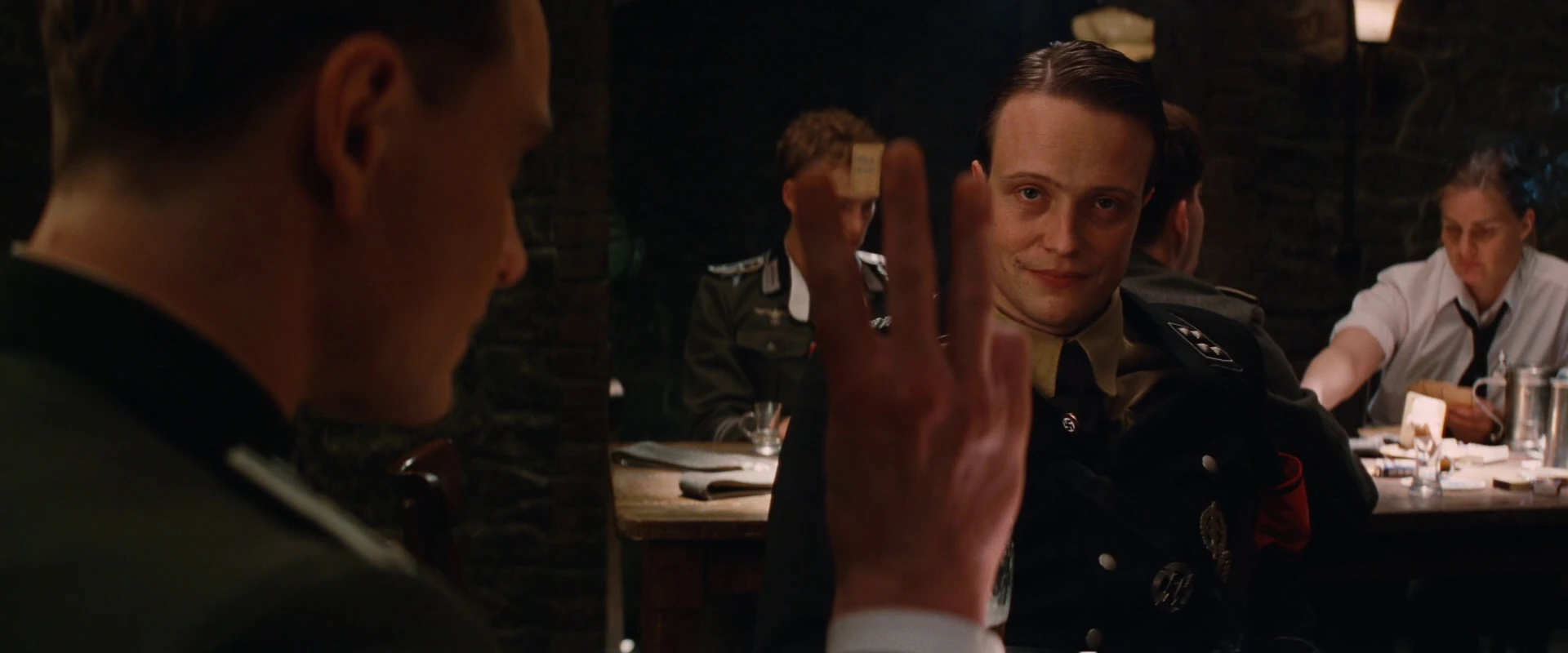
One of the most quietly electric moments in Quentin Tarantino's Inglourious Basterds is a tiny human gesture — a three-fingered hold on a glass — that does far more than punctuate a line of dialogue. It functions like a cultural litmus test: a small, almost invisible action that instantly singles out who belongs and who is out of place. For viewers and travelers alike, that scene is a masterclass in how minuscule social cues can reveal identity, familiarity, or the lack of it. This article unpacks the scene, decodes the cultural mechanics behind it, and turns cinematic observation into practical advice for anyone who wants to move through foreign spaces without being instantly marked as a visitor.
Inglourious Basterds three-finger glass scene
Why a Small Gesture Matters
At first glance, the three-finger moment is cinematic microdrama: a hand, a glass, a linger. But gestures operate like punctuation in social language. They are compressed signals laden with context, history, and expectation. In everyday life — especially in places with long-standing social etiquettes — a single movement can imply upbringing, education, class, or national origin. Filmmakers use that density to communicate character in an economy of detail; travel professionals and cultural anthropologists study it because those same signals govern real-world greetings, queuing, dining, and eye contact.
Quentin Tarantino subtle hand gesture
SECTION: The Scene — What Happens
The set-up
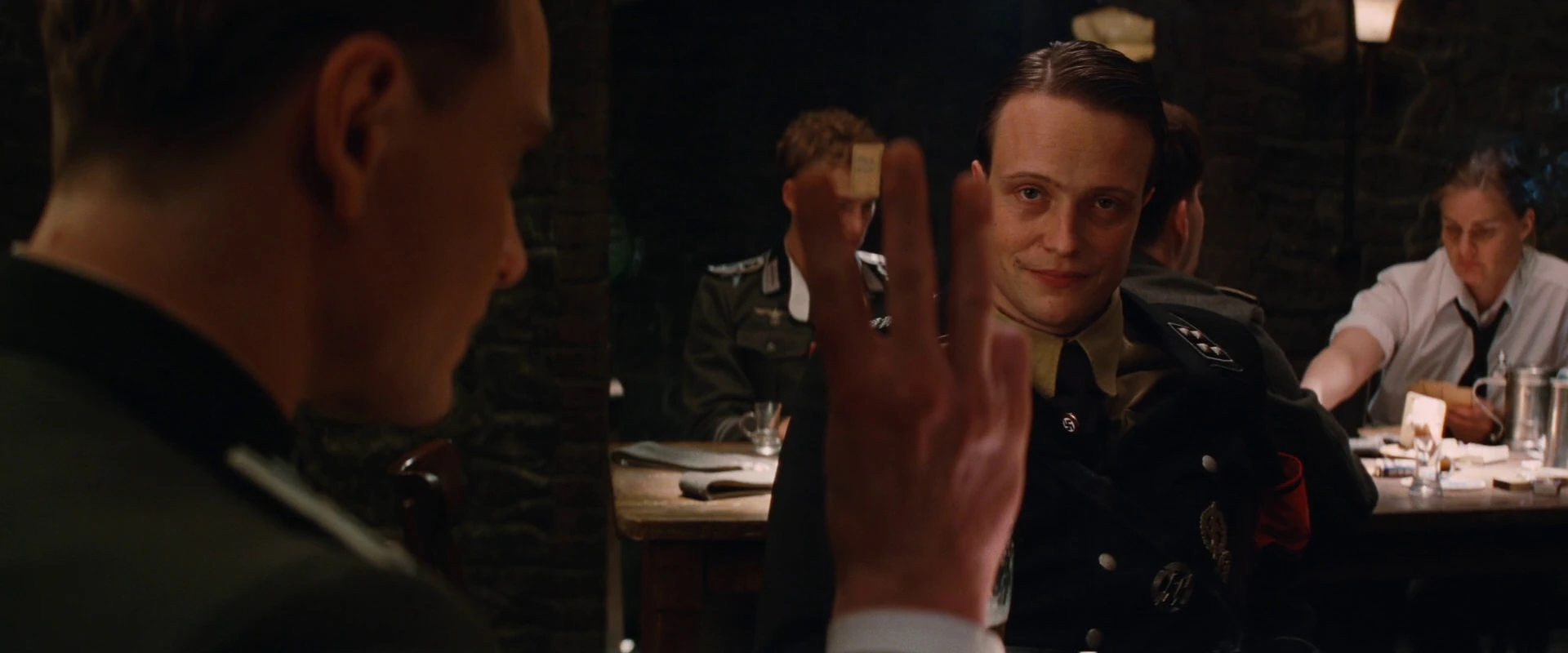
Without recapping the entire plot, the scene occurs in a high-stakes, tension-laced environment where characters are sizing one another up. The camera lingers on hands more than faces. A character lifts a glass with a distinctive three-finger posture: the thumb, forefinger, and middle finger support the stem or rim while the ring and pinky are tucked or relaxed. It’s a small choice, but in Tarantino’s tightly controlled mise-en-scène it reads like a declaration.
What the audience senses
The audience registers more than we consciously acknowledge. Our brains pull from learned associations: who drinks like this, in what regions is this manner common, what social strata are signaled by such control. Many viewers feel an instant recognition, or its opposite — a subtle dissonance that says, “this person is slightly off.” That dissonance is what marks a tourist in real life: an otherwise competent actor in a social scene who makes one small but telling error.
The tiniest physical habits can out someone as an outsider faster than language ever can.
SECTION: The Gesture — Cultural Meaning and Variations
Gesture as social shorthand
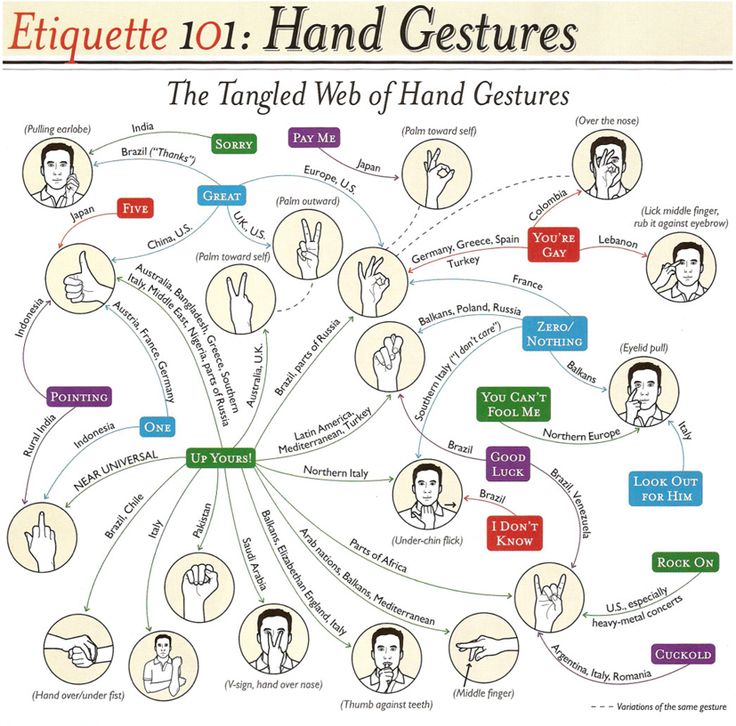
Across cultures, how you hold a cup, the angle of your chopsticks, or whether you keep your hands visible during conversation can be governed by unspoken rules. Some traditions prize economy and restraint in movement; others encourage expressive gestures. The three-finger grip conveys a certain practiced restraint — a posture learned where subtlety and control are social currency. It’s the kind of movement that communicates upbringing or prolonged exposure to certain sets of manners.
European etiquette hand gesture guide
Regional differences
There is no universal ‘‘correct’’ way to hold a glass, but patterns exist. In some parts of Europe, holding the stem of a wine glass between fingers is preferred to warming the bowl with hands. In other contexts, tucking the little finger outwards is considered ostentatious or pretentious. The precise arrangement of fingers can be linked to class-based etiquette training, bar culture, or even practical reasons like keeping lipstick off the rim. For people who grew up in regions with codified dining rules, the posture is as natural as a native accent.
SECTION: Why It Exposes Tourists
Mismatch between appearance and micro-behavior
Tourists often succeed at adopting surface-level markers — clothing, language phrases, or camera habits — but micro-behaviors are much harder to imitate because they’re unconsciously learned. While someone can study greetings or basic vocabulary, ingrained motor patterns like how one tilts a head, rests a hand, or grips a glass are formed over years. In social psychology this is described as tacit knowledge: skills and understandings we use without conscious thought. Tacit knowledge is the secret handshake of culture.

Micro-behaviors reveal tourist identity
Contextual signals amplify the error
Errors become visible when they clash with an otherwise plausible performance. A traveler may speak the language well and wear local clothing, but a single odd movement creates cognitive dissonance for locals. Humans are expert pattern detectors; our brains notice the anomaly and often attribute it to foreignness. In Tarantino’s film the three-finger hold becomes the quiet alarm that prompts scrutiny and suspicion. In a real café or train station, it can have the same effect, albeit less dramatic.
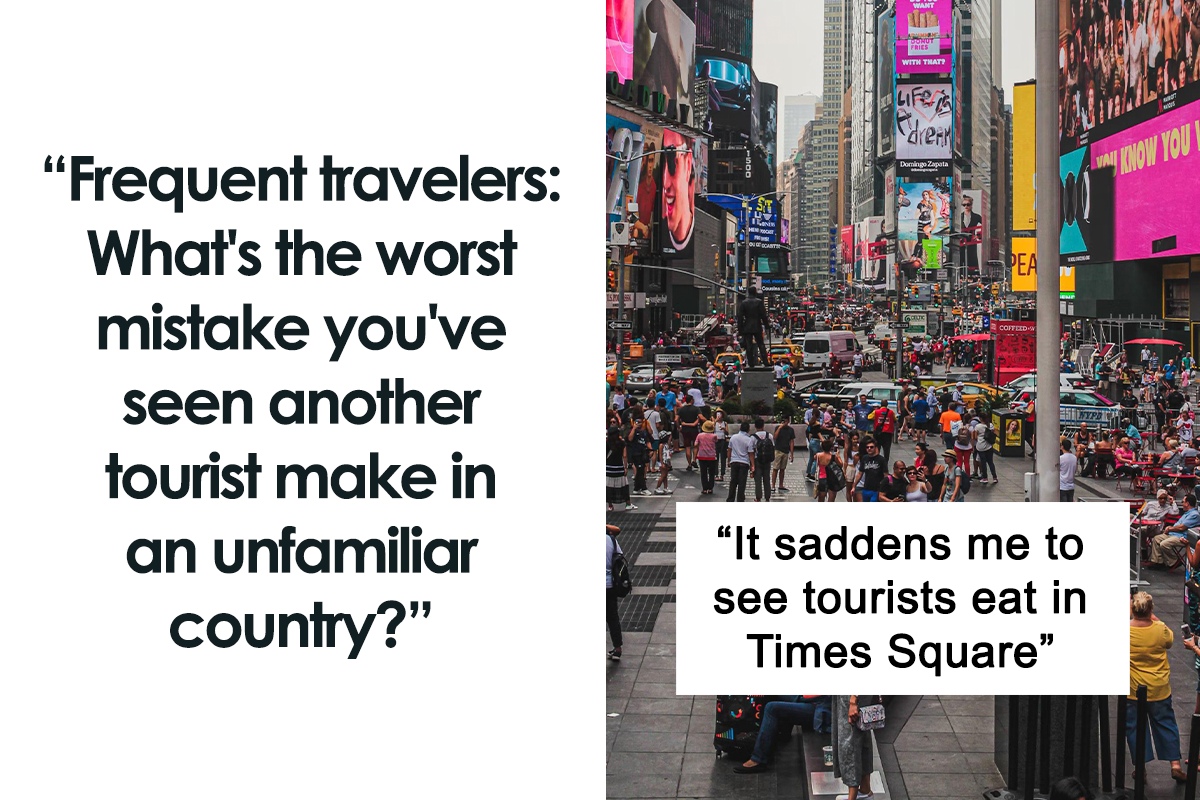
Tourist gaffe cultural mistake travel
SECTION: Historical and Social Roots
Etiquette as class and identity marker
Historically, etiquette systems served to distinguish classes and validate social hierarchies. From salons to dining schools, the way people learned manners was a form of social reproduction. Holding a glass in a certain manner might once have signaled education at a particular institution or membership in a social circle. Even though many of those institutions no longer carry the same power, their behavioral residues persist in everyday life.
Film’s role in preserving and exaggerating signals
Filmmakers exploit these residues to build believable worlds. Directors like Tarantino are meticulous about physical detail because audiences read authenticity through them. The camera magnifies what we might miss in real life and teaches new audiences to see behaviors as meaningful. That’s why a cinematic gesture can translate into a teaching moment for travelers: it reveals the existence and impact of subtle social codes.
SECTION: Real-World Consequences
Most of the time, mismatched gestures lead to benign amusement or gentle correction. But they can also cause social friction. In tighter-knit communities or highly tradition-conscious settings, being perceived as an outsider can alter how you’re received — brisk service, guarded conversation, or exclusion from informal social circles. For journalists, diplomats, and business travelers, these micro-exposures can have outsized consequences for negotiations, trust-building, and safety.
Examples beyond the movie
- Dining: A visitor who uses cutlery in an unexpected sequence may prompt stares and whispered judgment at a formal table.
- Public transport: Standing on the wrong side of an escalator or blocking foot traffic marks someone as unfamiliar with local flow.
- Conversation: Invading personal space or avoiding expected eye contact can change the tone of an exchange.
SECTION: How to Avoid Being Exposed
Observe before performing
Adopt a culture-first approach: observe the room silently for several minutes before joining. Notice how hands rest, where people place their bags, and the rhythm of greetings. Observation is not mimicry; it’s data collection. Over time you can incorporate small shifts that help you blend without erasing your identity.
Cultural fluency travel tips
Practice conscious micro-behaviors
Once you notice patterns, practice them in low-stakes settings. If you see most people hold glasses by the stem, try it at home with a mirror. If people queue in a particular way, rehearse that cadence mentally. These are tiny adjustments with disproportionate effect.
SECTION: For Locals and Hosts — Reading Tourists
How locals use micro-cues
Locals often rely on the same micro-cues to make rapid social judgments. Hospitality workers, shopkeepers, and regulars develop heuristics to distinguish visitors from insiders because it helps them anticipate needs and risks. Being aware of this is useful for hosts who want to be welcoming and for businesses designing services for diverse clientele.
Designing tourism that respects nuance
Tourism industry professionals can use these observations to brief travelers—simple guides about local nonverbal cues can reduce friction. Similarly, locals who recognize the anxiety of being watched can create small gestures of grace, a relaxed smile or a brief gesture of help, to lower the stakes for outsiders.
SECTION: Practical Checklist for Travelers
Use this short checklist as a practical takeaway when you arrive in a new place:
- Observe for 5–10 minutes before engaging in a café, shop, or train station.
- Mirror opening moves — posture, how people hold objects, and queuing behavior.
- Learn local greetings and timing; the pace matters as much as the words.
- Ask, don’t assume — if unsure, a polite question about local customs shows respect.
- Stay humble — locals notice when visitors try hard and fail; a humble smile goes a long way.
SECTION: The Broader Lesson — Cultural Fluency Beats Costume
What the three-finger scene ultimately teaches is not paranoia but curiosity. Cultural fluency is about attunement to patterns, not perfect imitation. It’s about learning to listen with your eyes as much as with your ears. In an era of global travel where external markers are easy to buy or stage, micro-behaviors are the more honest ledger of where someone spends their time.
A final thought
Film sharpens our perception by isolating moments that, in everyday life, we might barely note. The three-finger hold is both a cinematic flourish and a sociological aperture: it lets us see how small behaviors reveal identity and belonging. For travelers, the takeaway is empowering rather than admonishing. With simple attention and a spirit of respect, you can navigate new places with fewer missteps and a richer understanding of local life.
- Small physical habits often reveal cultural background more than language or clothing.
- Observe before you act: the first minutes in a space are your best research window.
- Practice respectful adaptation, not mimicry; aim for humility over perfection.
Conclusion
The three-finger scene in Inglourious Basterds is a compact lesson in how humans decode social signals. It reminds us that culture lives in motion — in the ways we hold glasses, stand in lines, or tilt our heads. For travelers, the smartest strategy is curiosity and quiet observation. Become fluent in the small things, and you'll find doors open that a phrasebook alone cannot unlock.