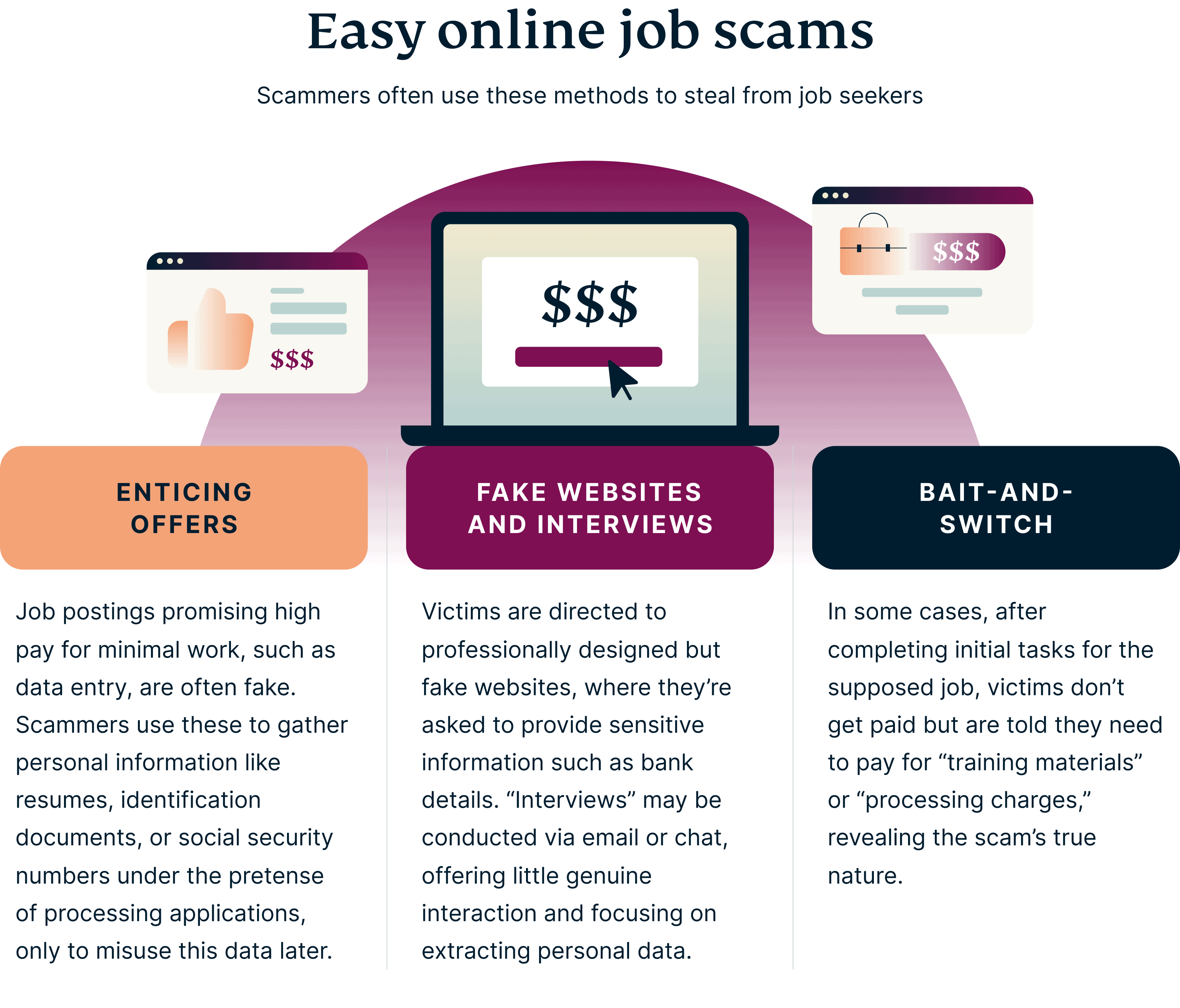
Thought It Was a Scam? 7 Surprising Things That Actually Work
There’s a peculiar pleasure in the moment skepticism yields: when the thing you dismissed as a scheme quietly, stubbornly, and usefully works. We’ve all scoffed at ideas—discount investing apps, subscription meal kits, side hustles pitched in the comments—and then, after a skeptical trial, found ourselves converting, simplifying, or saving. This article unpacks seven everyday things people commonly call scams but that, when tested thoughtfully, deliver real value. I’ll share how to evaluate them, how I tried them, and how to keep your guard up without missing out.
I surrendered my suspicion long enough to try seven suspicious-sounding things—and found a pattern: small bets, clear metrics, and an exit plan turned noise into usefulness.
Why We Call Things Scams
Skepticism is adaptive. It protects us from fraud, hype, and marketing dressed as magic. But skepticism becomes a default posture when it’s easier than researching something. Social media, loud testimonials, and outlandish promises amplify the dissonance: if something is advertised aggressively, many assume it must be empty. That’s a reasonable heuristic but a blunt one. A better approach is to distinguish three levels of doubt: credible red flags (no contact info, impossible guarantees), ambiguous claims (aggressive marketing but plausible service), and cultural mockery (trends that invite ridicule). Most things that “feel like a scam” fall in the second and third categories.
How to Test the Doubtful
Before we dive into the seven cases, here’s the test I used: 1) Small, time-limited trial; 2) A clear success metric (time saved, money saved, enjoyment); 3) A documented exit strategy (pause, unsubscribe, returns); 4) A check for safety/privacy/legal concerns. This framework turns suspicion into an experiment.
1. Subscription Meal Kits — Convenience or Gimmick?
What you think
Subscription meal kits look like flashy convenience for people with more money than time: pre-measured ingredients, curated recipes, a weekly box on your doorstep. Critics call them expensive, wasteful, or a marketing trap that encourages recurring spending without long-term benefit.
What happened when I tried it
I signed up for a three-week trial with a mid-tier meal kit service to test two hypotheses: would I save time, and would I avoid grocery waste? My metric was total time from box to plate and the proportion of ingredients used. The result: average preparation time dropped by 30 percent on weeknights compared with my grocery trips, and the single-recipe packaging eliminated impulse buys that often rotted in the fridge. Cost per serving was higher than my groceries, but the value came in reduced decision fatigue and fewer wasted ingredients.
When it’s a scam and when it’s not
Meal kits can be a scam if the company buries cancellation terms or if referrals lock you into multi-month commitments. They’re not a scam when used as a tool for habit-building (learning new recipes) or as a convenience trade-off—paying extra for time saved and reduced food waste.

subscription meal kits unboxing
2. Cashback and Reward Apps — Too Good to Be True?
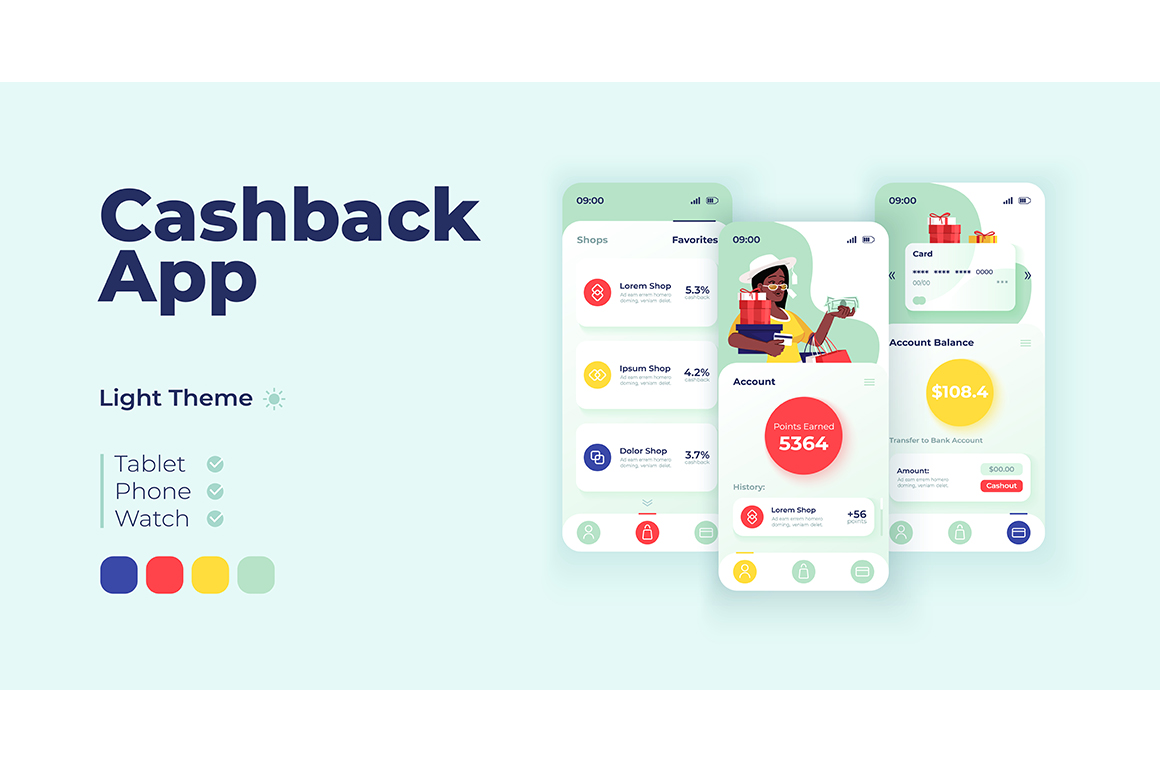
Cashback apps, loyalty programs, and browser extensions promise to return a slice of your purchase. Skeptics say these platforms harvest data, slow webpages, or have so many restrictions that the payout is negligible.
What the experiment showed
I installed two widely recommended apps, set a weekly goal of $10 in cash back, and tracked all qualifying purchases over three months. One app delivered consistent, small amounts—gift card credits and PayPal transfers—adding up to $126 across various purchases; the other had a confusing point system with high thresholds and several denied claims. The difference was transparency and ease of redemption.
cashback apps interface
How to use them safely
Read redemption rules before you install, use privacy-focused options, and treat them as a bonus, not a budget anchor. If an app asks for unnecessary permissions, walk away.
3. “Get Rich Quick” Side Hustles — Pyramid or Path?
There’s a fine line between a legitimate side hustle and a pyramid scheme. Multi-level marketing (MLM) and get-rich-quick promises trigger immediate suspicion—and rightly so. But not every side hustle pitched online is a con.
The approach I used
I evaluated three opportunities: a freelance marketplace, a coaching platform that charges for leads, and an influencer-style product resale group. I compared required upfront costs, realistic income potential (based on market rates), and whether earnings came primarily from product/service value or recruitment.
What worked
The freelance marketplace—low-cost, skill-based, transparent reviews—was the clearest winner. The coaching platform had value for highly specialized niches but required careful vetting of lead quality. The resale group veered toward an MLM structure and was excluded after analysis. The lesson: income tied to real value (service or product customers willingly buy) is legitimate; income tied mostly to recruiting is suspect.
4. Microinvesting and Fractional Shares — Too New to Trust?
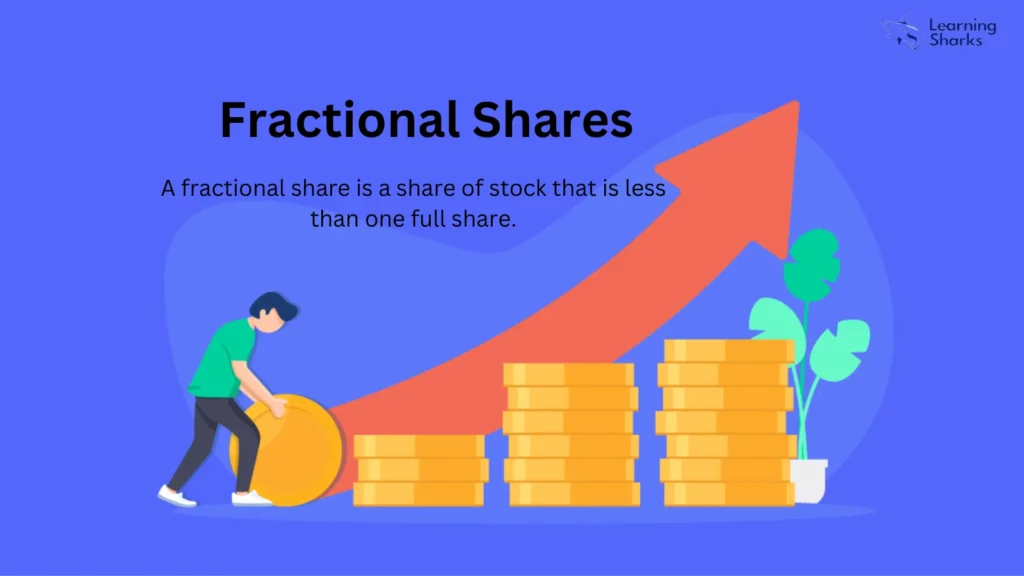
Many people thought fractional-share investing was gimmicky or unsafe—buying a slice of a big company seemed like a marketing trick to hook small investors. Modern microinvesting platforms democratized access, making stock market participation easier for people with limited capital.
Trial and outcome
I opened a small account, used fractional purchases for dollar-cost averaging into a low-cost ETF, and treated it like a long-term experiment rather than a get-rich scheme. Over 18 months, the account grew modestly, and more importantly, the habit of automatic investing stuck. Fees mattered: platforms with hidden or high trading fees undercut returns, so choosing low-fee providers was critical.
microinvesting fractional shares
Fractional shares aren’t a shortcut to riches—they’re an access tool that rewards patience, not hype.
Important If you’re testing any investment product, confirm regulatory registration and understand fee structure before depositing money.
5. Subscription Learning Platforms — Marketing Over Substance?
“Learn everything in 30 days” headlines make education subscriptions sound dubious. Critics say curated course libraries become shelfware: you sign up, watch a few videos, and then forget them until the next billing cycle.
How I evaluated
I set a learning goal—build a simple personal website in four weeks—and used a subscription platform plus a free tutorial for comparison. The subscription gave a structured path, community feedback, and incremental projects. The free resource had excellent content but demanded more curation and discipline.
When it’s worth it
If a subscription provides structure, a clear project path, and accountability (community, mentors, assignments), it can be worth the recurring fee for the period you're actively learning. If it’s a passive video library without engagement, it quickly becomes wasteful.
6. Digital Minimalism Tools — Expensive Detox?
Apps that promise deep focus—lockout tools, attention-coaching subscriptions, or devices that block notifications—sometimes seem like clever ways to sell discipline. Are they just a rebranded moral solution for people who lack willpower?
Experiment and findings
I tested a combination of a low-cost app that blocked social media during work hours and a separate weekly “phone-free” subscription box that encouraged analog habits. The phone app produced immediate productivity gains for timed work, while the subscription box—surprising to me—served as a tactile reminder and social ritual that reduced late-night scrolling. The combination of software to remove friction and an analog ritual to replace the habit worked better than either alone.

digital minimalism focus apps
- Removes friction for focused work.
- Creates rituals that sustain behavior change.
- Recurring costs can add up.
- Over-reliance on tools can mask underlying habit issues.
7. Community-Funded Options (P2P lending, neighborhood apps)
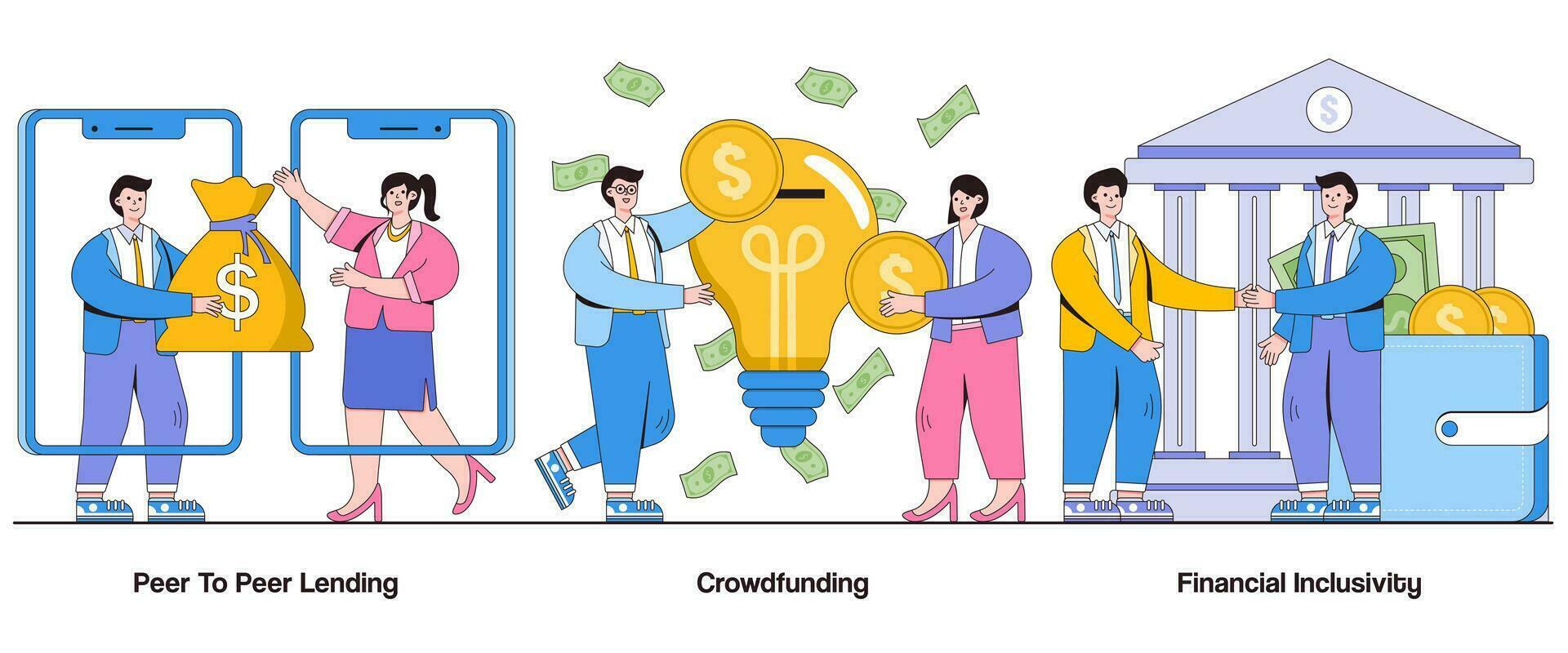
Peer-to-peer platforms and community tools often get a bad rap—either for being unregulated money traps or for being cliquey, ineffective neighborhood networks. The truth is nuanced.
What I tried
I participated in a small peer-lending pool and joined a neighborhood app for local trades and recommendations. Peer lending offered higher yields than a savings account but came with borrower risk and liquidity constraints. The neighborhood app, when lightly moderated, became a reliable place for vetted trades, babysitter recommendations, and garage sale listings. Its success depended on clear rules and active local participants.
peer to peer lending
A framework for deciding what to try
Use this checklist before you hand over card details, install an app, or sign a subscription:
- Define the experiment: What will success look like in measurable terms?
- Limit exposure: Use trial periods, small payments, or prepaid cards.
- Read terms: Cancellation policy and hidden fees matter.
- Check trust signals: Clear contact info, transparent refund policies, and verifiable reviews.
- Exit plan: Know how to stop and how long it takes to get your money back, if applicable.
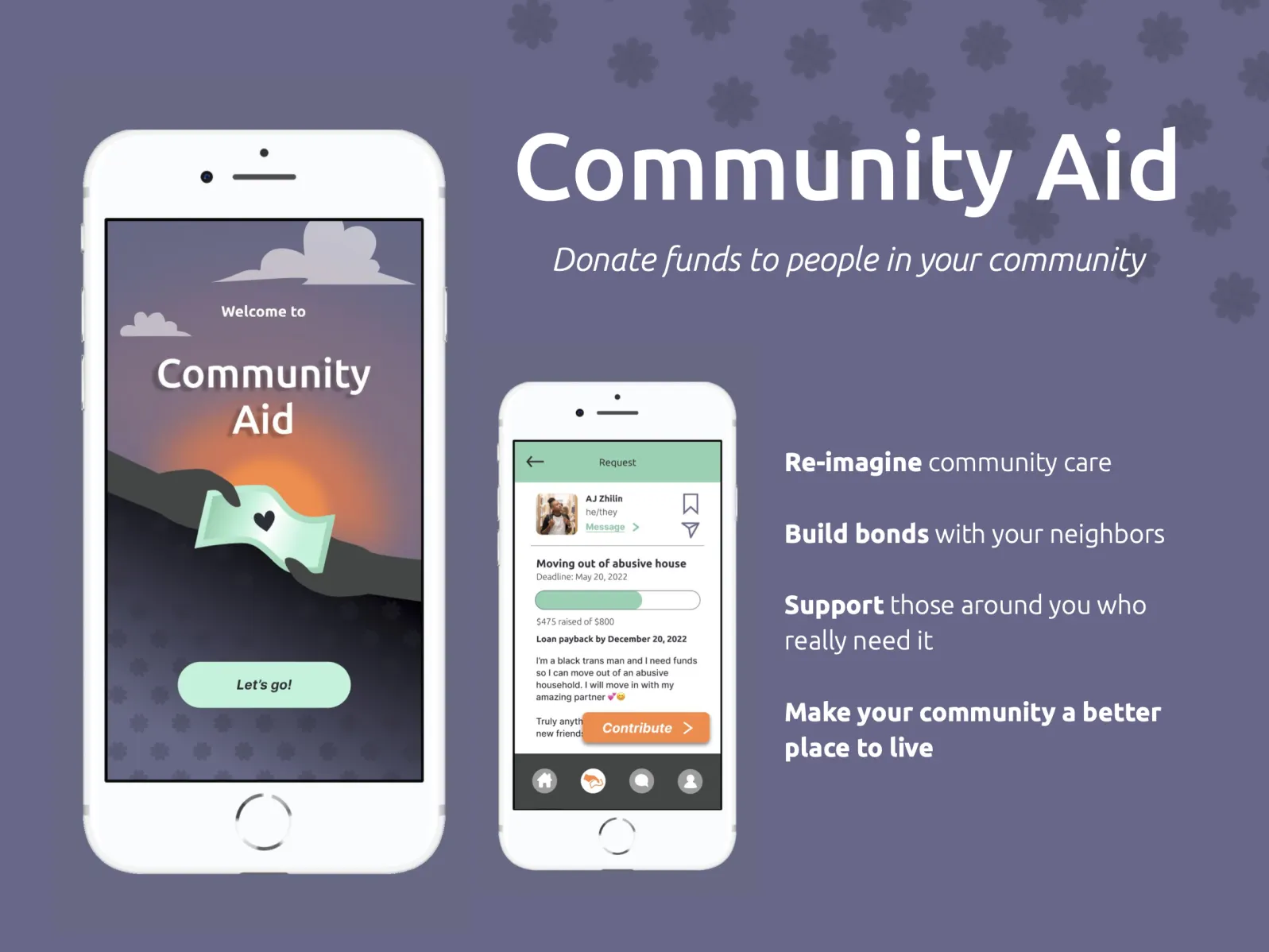
community funded neighborhood apps
When to trust your instincts
Skepticism is valuable. If an offer guarantees unrealistic returns, asks for secrecy, or makes you recruit others for compensation, trust your instinct and walk away. The aim here is not to replace skepticism with naïveté but to replace reflexive dismissal with low-cost, evidence-based testing.
A final personal story
I once assumed a popular minimalist decluttering program was a social-media fad. I joined a paid four-week challenge on a hunch and found the ritual of daily micro-tasks made a visible dent in clutter and decision fatigue. The program wasn’t magical—what mattered was the structure and community. The small daily assignments repeated long enough to become habit, and the financial barrier actually increased my follow-through because I wanted to get my money’s worth.
The rules were: small bet, measurable outcome, short timer, and exit strategy. These reduce risk and increase the chance of gleaning honest feedback.
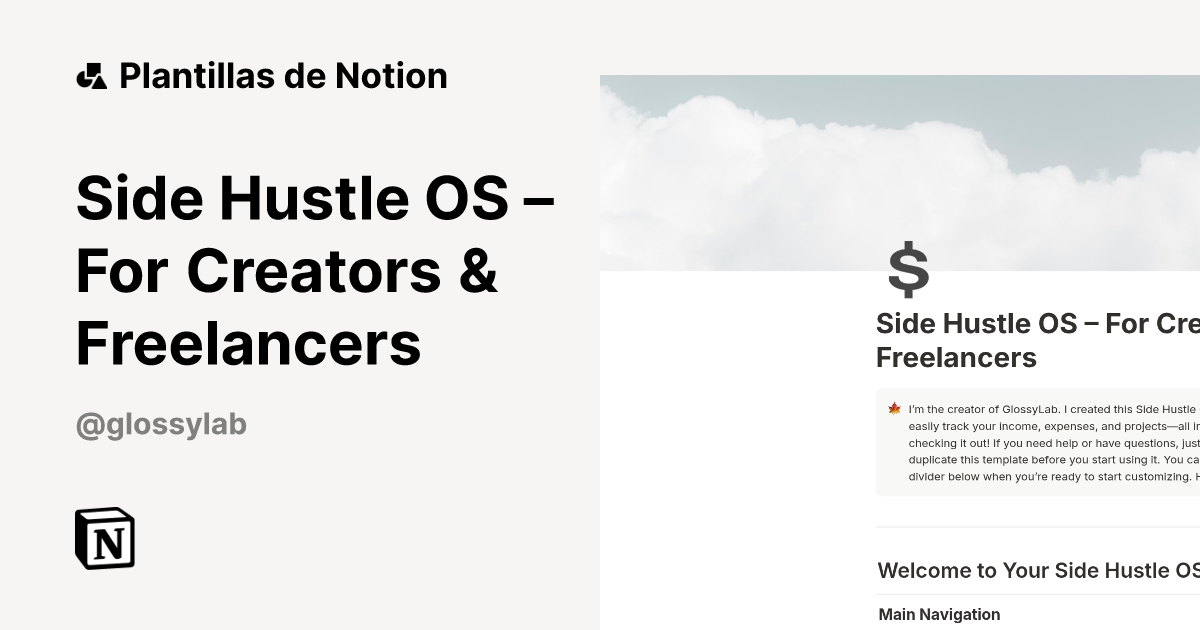
side hustle freelance marketplace
Conclusion: From Cynicism to Curiosity
Labeling something a “scam” is often shorthand for a lack of trust. But in a complex consumer environment, trust should be calibrated, not switched off. Try with a small stake, measure honestly, and keep an exit ramp. Some things that feel too good to be true are indeed traps; others are innovations, marketing, or simply different ways of trading money for convenience, knowledge, or time.
- Use low-cost experiments: trials, small payments, and clear metrics.
- Demand transparency: fees, cancellation, and refund policies matter.
- Separate hype from structure: the value often lies in systems, not promises.
- Protect yourself: prioritize safety, privacy, and regulatory safeguards for financial products.
Testing the doubtful changed my relationship to everyday offerings. It didn’t make me gullible; it made me methodical. If you’re tired of missing out or of being burned by hype, adopt the small-experiment model. You’ll keep your skepticism—and gain curiosity that’s more likely to discover useful tools than to be swayed by noise.
Want a checklist to try one suspect thing this month? Start with a one-week trial, a single success metric, and a pinned calendar reminder to cancel or continue.