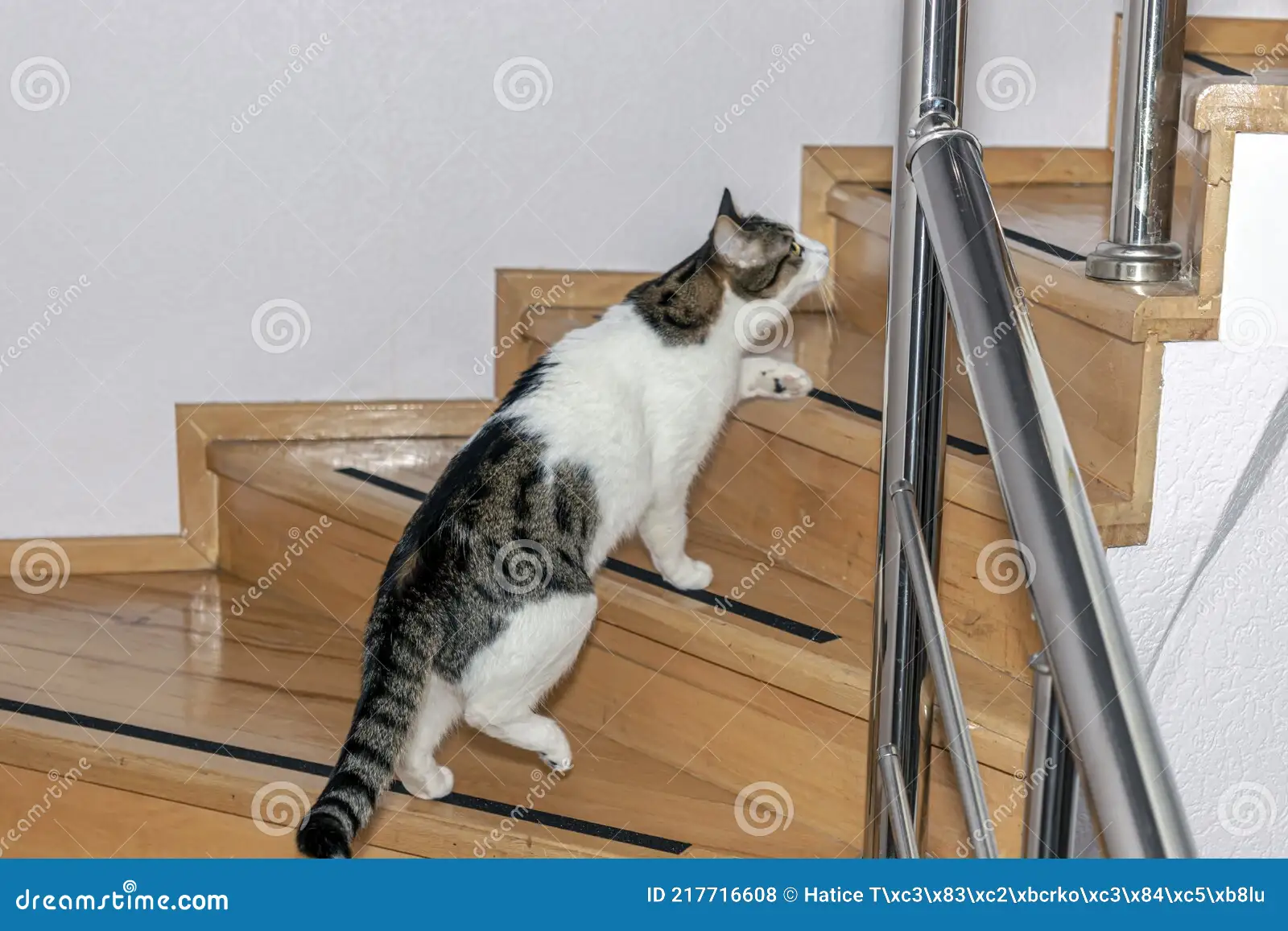
This Cat's Clever Way of Climbing Stairs
It starts with a pause: a small, alert head swivel, whiskers fanning, eyes narrowing at the first riser. Then the cat does something ordinary that suddenly looks like an elegant solution to an everyday problem. Instead of bounding forward in the usual hop-hop sequence, the animal rotates, places a single forepaw on the tread, pivots its body with a soft torque of hip and shoulder, and climbs the stair with an economy of movement that feels almost intentional—like someone who has spent years refining a staircase choreography. Watching for five minutes, it becomes clear this is not random. This cat has learned a better way to climb the stairs, and the lesson reaches beyond pet behavior into design, safety, and how we think about movement itself.
cat paw placement on stairs
Observation: The Moment That Started the Question
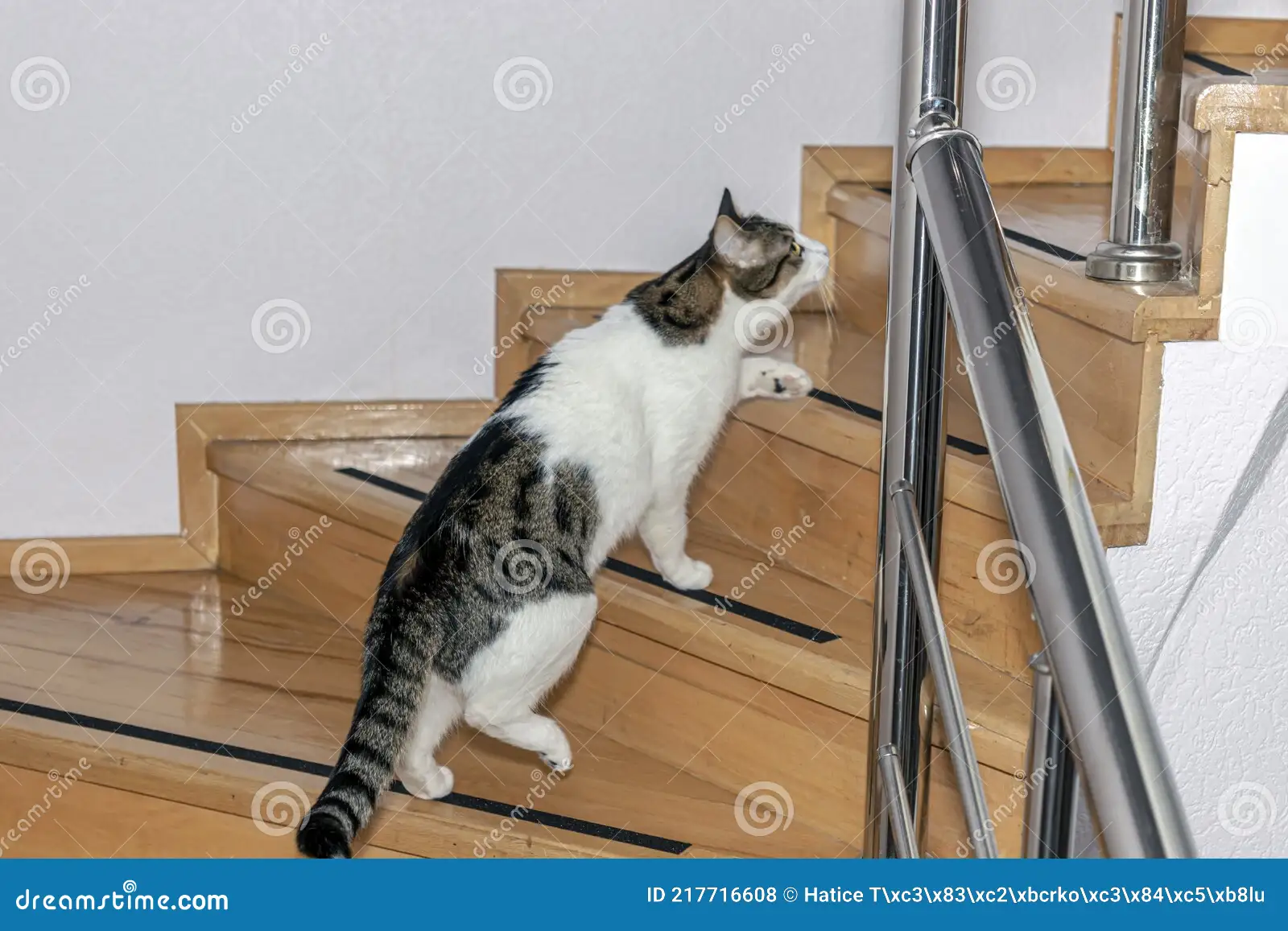
The scene is familiar: a narrow staircase between kitchen and living room, a household in a hurry, a pet that travels the route dozens of times a day. But the moment that matters is tiny and precise. Instead of ascending straight up the center of a riser with quick hops, the cat approaches the staircase at a slight angle, shifts weight to the hindquarters, uses the tail for balance, and places alternating paws on the edge of each tread while their body remains nearly parallel to the stairs. The movement takes slightly more time than a mad sprint, but it uses less vertical force and avoids jarring the spine with abrupt landings. It looks like a small efficiency hack—and in fact, it is.
cat tail balance stairs climbing
Anatomy of the Move: What the Cat Is Doing Differently
To the casual observer it’s a graceful variation. To someone paying attention to biomechanics, it’s a set of deliberate micro-adjustments that reduce impact and improve stability. Key elements include:
- Diagonal approach: Approaching the stairs at an angle increases available surface area for paw placement and reduces the effective rise per step.
- Forepaw-first placement: A careful forepaw landing on the tread edge acts like a probing sensor, testing grip and height before committing the hind legs.
- Low vertical impulse: Instead of high jumps that create vertical acceleration and impact on landing, the cat climbs with controlled weight transfer, minimizing shock to joints and spine.
- Tail-assisted balance: The tail functions as a counterweight, allowing subtle rotational corrections mid-ascent.
Small changes in approach can transform a risky task into an efficient one—sometimes a cat shows us the shortcut we overlooked.
Why It Matters: Safety, Comfort, and Longevity
It’s tempting to smile and dismiss the behavior as quirky, but the stakes are practical. Many house pets—particularly older animals or those with arthritis—face mobility challenges when navigating stairs. A technique that reduces vertical impact and stabilizes movement can lower the risk of slips, falls, and progressive joint strain. For multi-pet homes and families with children, minimizing unpredictable, high-energy stair runs also lowers collision risk. Far from an oddity, this cat’s technique highlights an instinctive optimization that benefits long-term comfort and safety.
non-slip stair treads for pets
Biomechanics in Brief: What the Science of Motion Tells Us
At the heart of the behavior are principles familiar to physical therapists and movement scientists: reduce peak force, increase base of support, and use multi-point contact for balance. By approaching diagonally and using the forepaw to probe, the cat increases the moment arm available to correct imbalances while lowering the center-of-mass rise per step. The result is a smoother center-of-mass trajectory and reduced peak ground reaction forces—technical terms that translate simply: gentler landings and fewer jolts to knees and hips.
Design Lessons: What Homeowners and Designers Can Learn
This is where pet observation becomes a small manifesto for better architecture. If a cat naturally uses strategies to compensate for steepness or narrow treads, designers should take note. Small changes in stair geometry and surface can make a large difference in usability for both animals and humans:
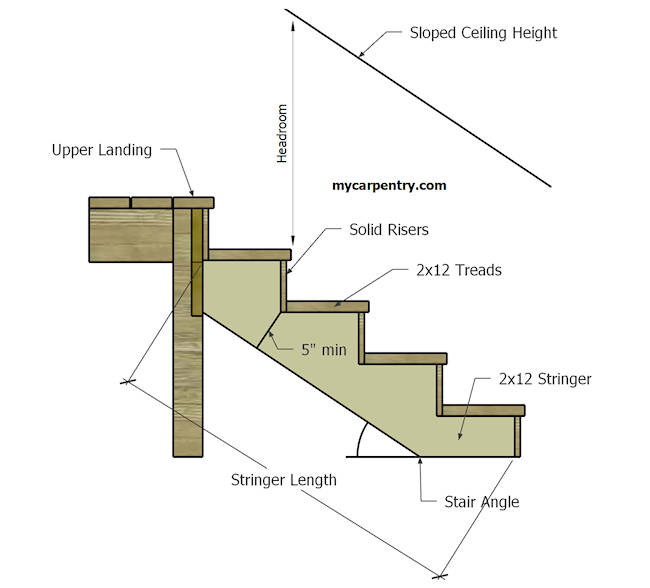
- Reduce riser height: Lower risers reduce vertical displacement per step and are easier for small or arthritic animals.
- Increase tread depth: Deeper treads give paws and feet more room to land securely.
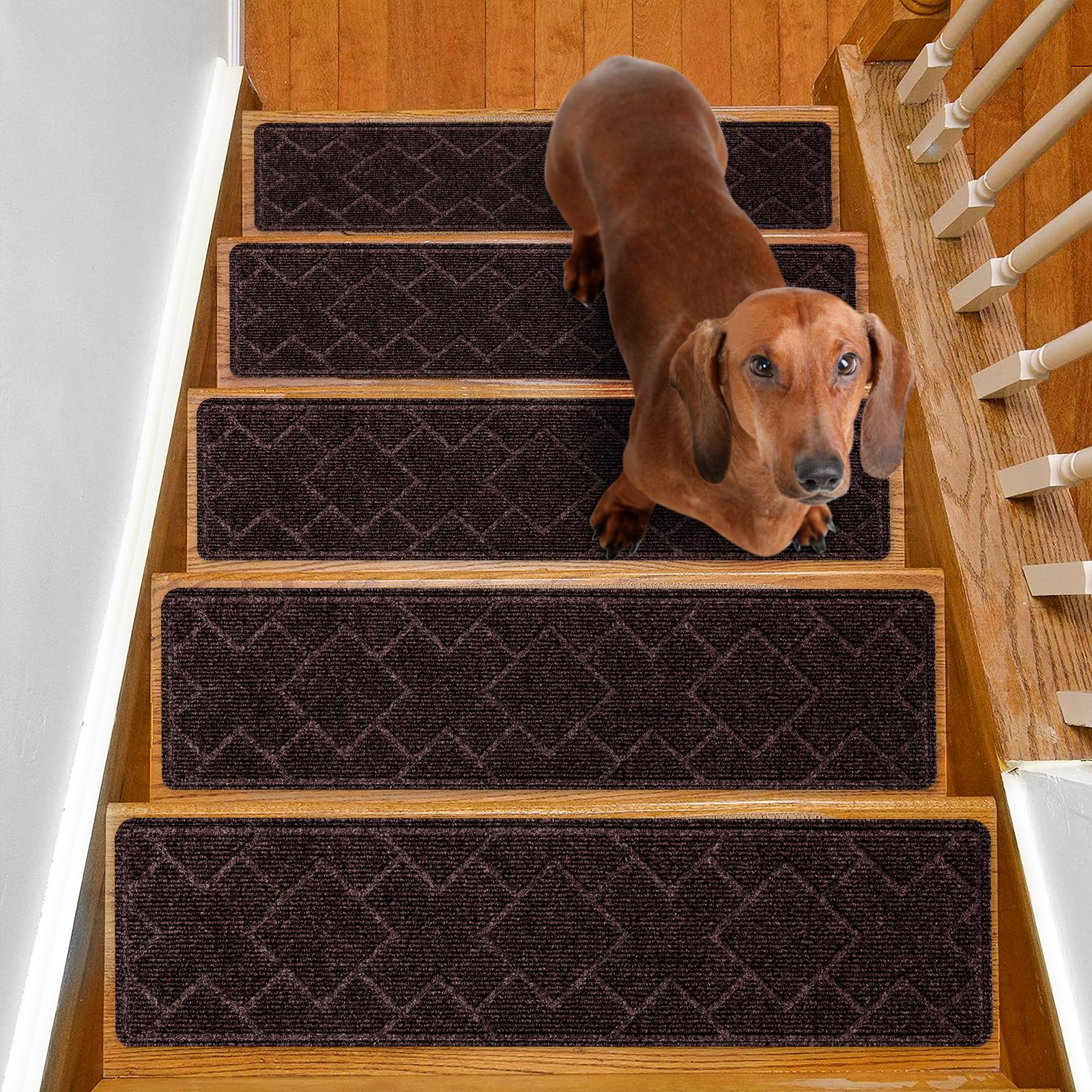
- Add textured, non-slip surfaces: Traction helps any climber—human or pet—by reducing slippage and encouraging confident, controlled movements.
- Consider a gentle turn: Landings and angled approaches can slow momentum and let climbers choose a safer trajectory.
stair riser height measurements
Practical Pet Owner Guide: Encourage Safer Stair Behavior
If you want to encourage this kind of efficient, low-impact stair use in your own cat—or discourage dangerous sprinting—there are gentle, practical steps to take:
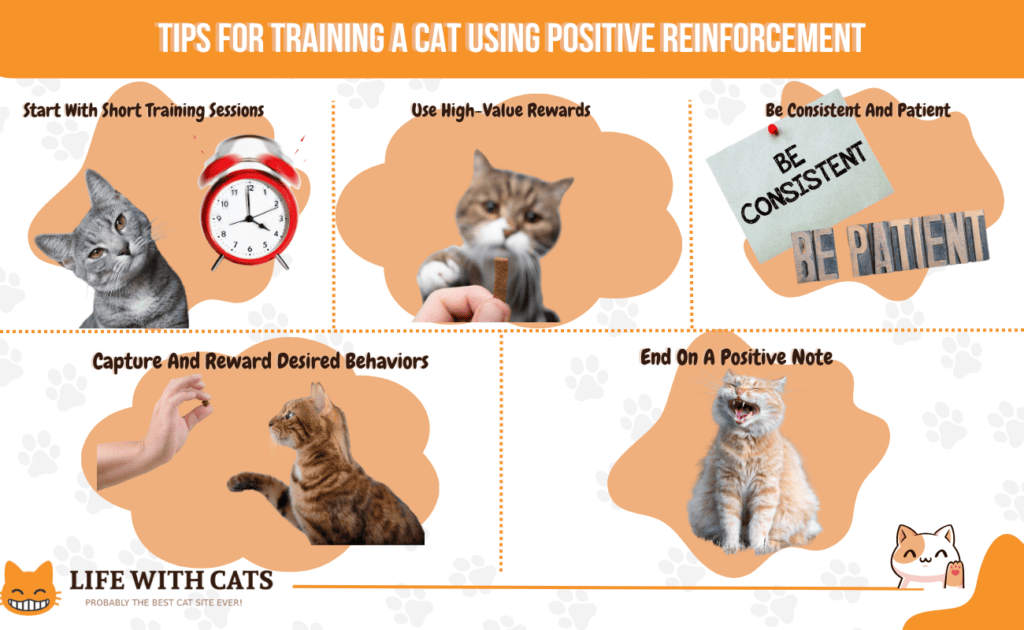
- Observe and reward: Notice the technique and offer a quiet treat or praise when your cat uses controlled, calm movements.
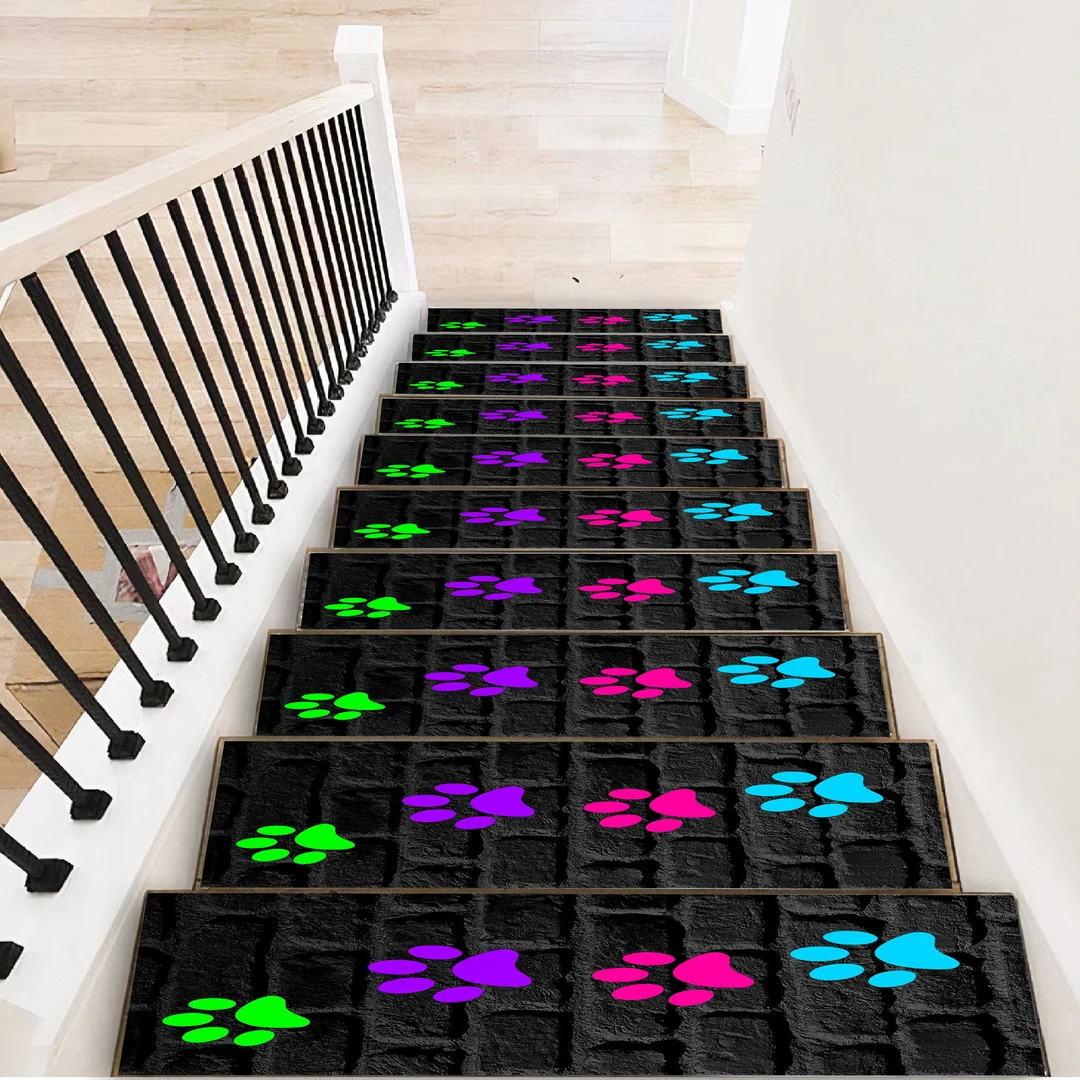
- Modify the surface: Add narrow non-slip runners or adhesive traction strips so each tread becomes a confident foothold.
- Create alternative routes: A pet ramp or a series of carpeted platforms can provide lower-impact options for senior or injured animals.
- Train in short sessions: Use positive reinforcement to encourage approach angles and calm climbing; avoid punishment, which increases haste and risk.
cat training positive reinforcement stairs
Step-by-Step: Coaching a Calm Climb
Use patience and small rewards. A simple progression might look like this:
- Step 1: Make the staircase comfortable—add grip, remove tripping hazards, reduce clutter.
- Step 2: Use a treat or toy to lure the cat to the first tread, rewarding a deliberate paw placement.
- Step 3: Practice short, intentional climbs—three to five repeats daily—rewarding calm, diagonal approaches.
- Step 4: Gradually fade treats and rely on environmental cues (a textured runner or a small landing mat) that promote the desired behavior.
When to Seek Professional Help
Not every unusual movement is training material. If your cat hesitates, limps, or shows signs of pain while climbing, consult a veterinarian or an animal physical therapist. Behavioral changes can be the first sign of arthritis, hip dysplasia, or other conditions that benefit from early attention. Observation is useful, but a professional assessment ensures the right medical or rehabilitative steps.
Beyond Cats: Broader Implications for Human-Centered Design
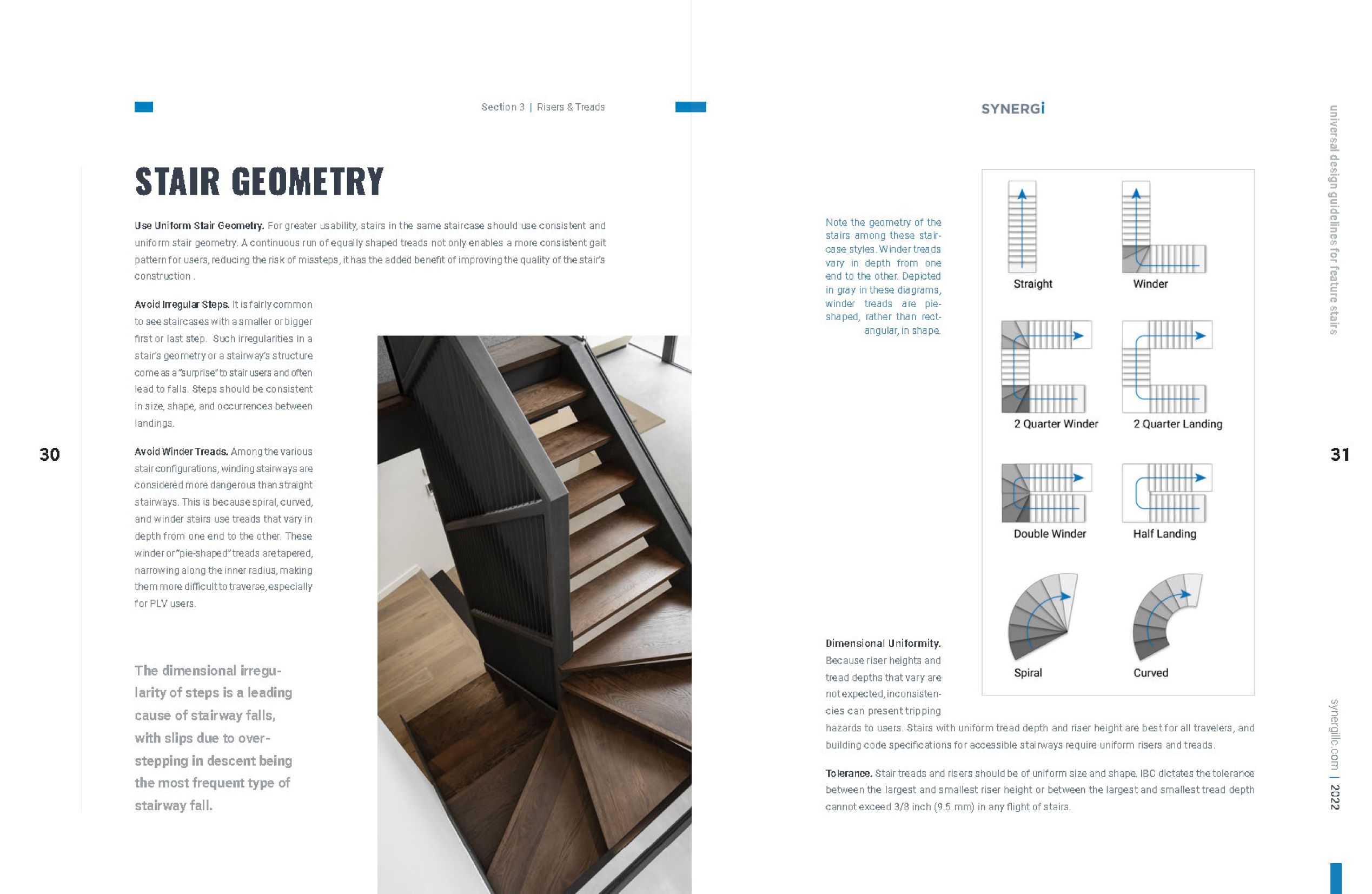
There’s an elegant loop from animal observation to human benefit. Designers practicing universal design aim for environments that work for the broadest range of abilities. Observing how a small body negotiates vertical movement highlights human-centric ideas: the importance of lower riser heights in public spaces, the benefit of textured surfaces in entryways, and the value of gradual transitions over abrupt steps. The cat's diagonal approach mirrors a human strategy often taught in occupational therapy—use an angled or sideways step to stabilize and lower impact.
universal design staircase concepts
Common Questions Answered
Will teaching a cat this technique make it safer? Generally yes—gentle, low-impact movements reduce joint stress and are a safer option for older animals. Can humans adopt lessons from a cat? Absolutely—angling approach, increasing contact area, and reducing vertical impulse are relevant concepts in human movement and rehab. Could stair design be changed wholesale to suit animals? Not necessarily, but small, affordable adjustments—treads, runners, and landings—create measurable differences in everyday comfort.
A Small Observation with Big Ripples
What began as a charming household vignette becomes a compact lesson in observation, adaptation, and design thinking. The cat's way is not a miracle cure but a reminder: animals constantly optimize their bodies for the built environment, and if we watch closely, their improvisations tell us where homes are inhospitable and how small changes can help. A single behavior—an angled approach, a probing forepaw, a controlled transfer of weight—offers a checklist for safer stairs, happier pets, and better-informed design choices.
- Small behavioral adjustments lower impact and improve stability for pets on stairs.
- Design changes—lower risers, deeper treads, textured surfaces—benefit both animals and humans.
- Positive reinforcement and environmental modifications can teach or encourage safer stair use.
Final Thought
We often think of pets as recipients of our design choices. Observing the thoughtful, efficient way a cat climbs a flight of stairs flips the script: pets can be teachers. Their bodies adapt and reveal ways our homes could be kinder, safer, and more considerate of movement. In watching a cat, we learn a new vocabulary for stairs—one that values slowness, angle, and contact over haste and force. That vocabulary is simple, actionable, and, for anyone who shares a staircase with a pet or a parent, quietly transformative.