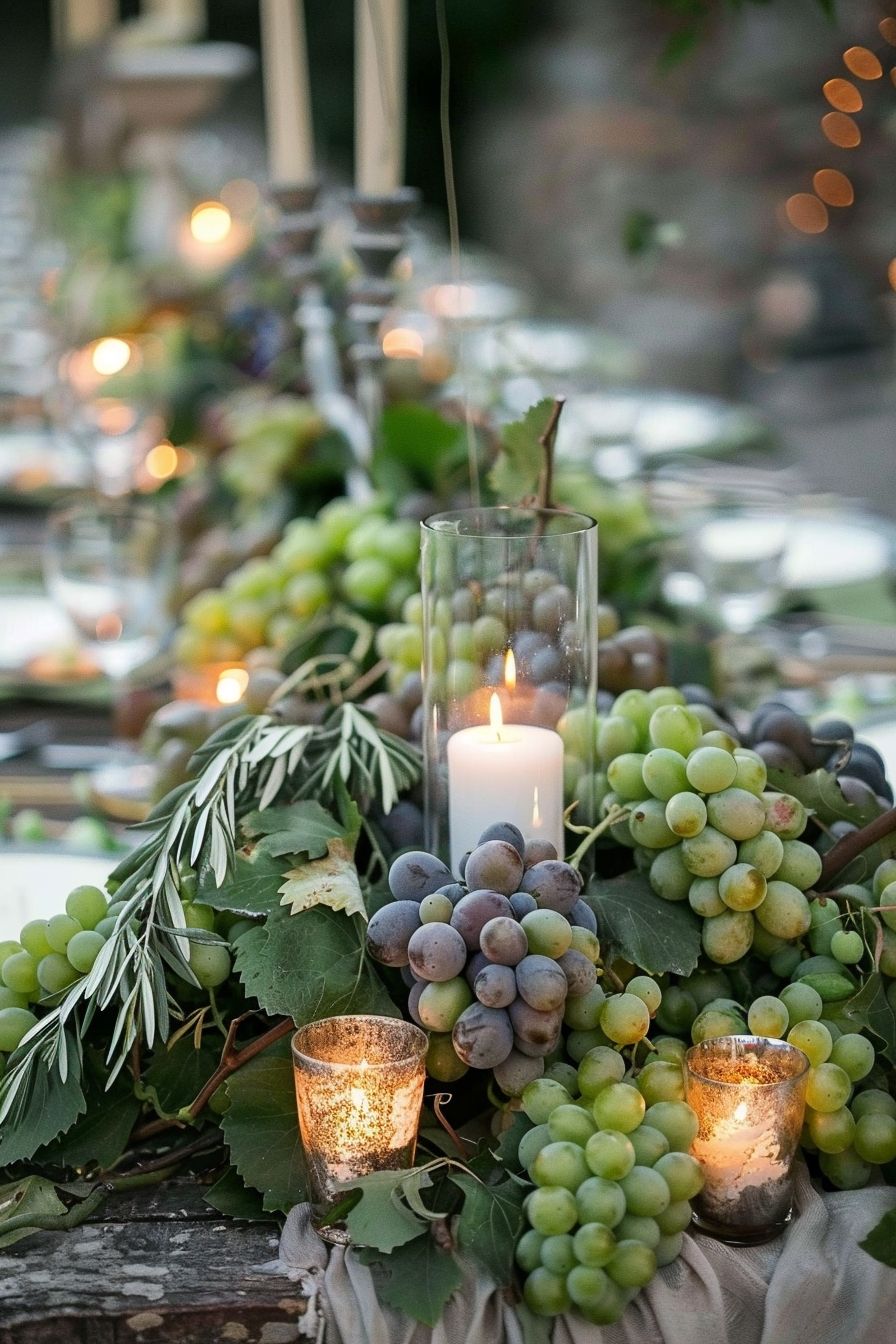
These Giant Grapes Will Change How You Shop for Fruit
I almost put them back. They looked like marbles, like grapes that had been given the same growth plan as cantaloupe. But the cluster label said "table grapes," not something exotic. One bite later, the small rebellion in my grocery cart felt justified: honeyed, dense, incredulously juicy. The size alone changed the way I thought about a simple grocery-list line item. This is the story and the practical guide to why unusually large grapes deserve space on your list, how to spot them, and what to do with a bunch that might feed four or twenty.
Why Size Matters: Flavor, Value, and Experience
Grape size is not just a novelty; it affects texture, perceived sweetness, and yield per purchase. Larger grapes often develop under very specific growing and handling conditions that can concentrate sugars and deliver a more satisfying mouthfeel. For shoppers, a single cluster of oversized grapes can replace a couple of smaller ones in snacks, desserts, or recipes—changing cost-per-serving math and reducing prep time.
Beyond calories and price, large grapes alter meal planning. A handful becomes a more complete snack; halving grapes for salads or cheese boards becomes visually dramatic and less fiddly than slicing a bunch of tiny ones. For families, that means fewer pieces to pick up after dinner and more obvious portion control for kids.
The pleasure of fruit is as much psychological as nutritional—a grape that surprises you can turn a mundane snack into a small celebration.
What Produces the Giants: Varieties and Growing Choices
Several modern table grape varieties and a few specialty cultivars are known for their size. Breeders and growers select for larger berries, thicker skins, and seedlessness because consumers associate size with premium quality. Some varieties you'll encounter at upscale supermarkets, farmers markets, or specialty stands include big-seeded heritage grapes and modern crosses specifically bred for sugar concentration and berry diameter.
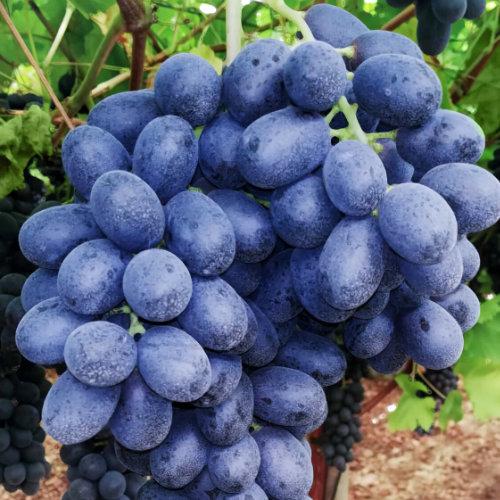
Autumn Royal grape variety
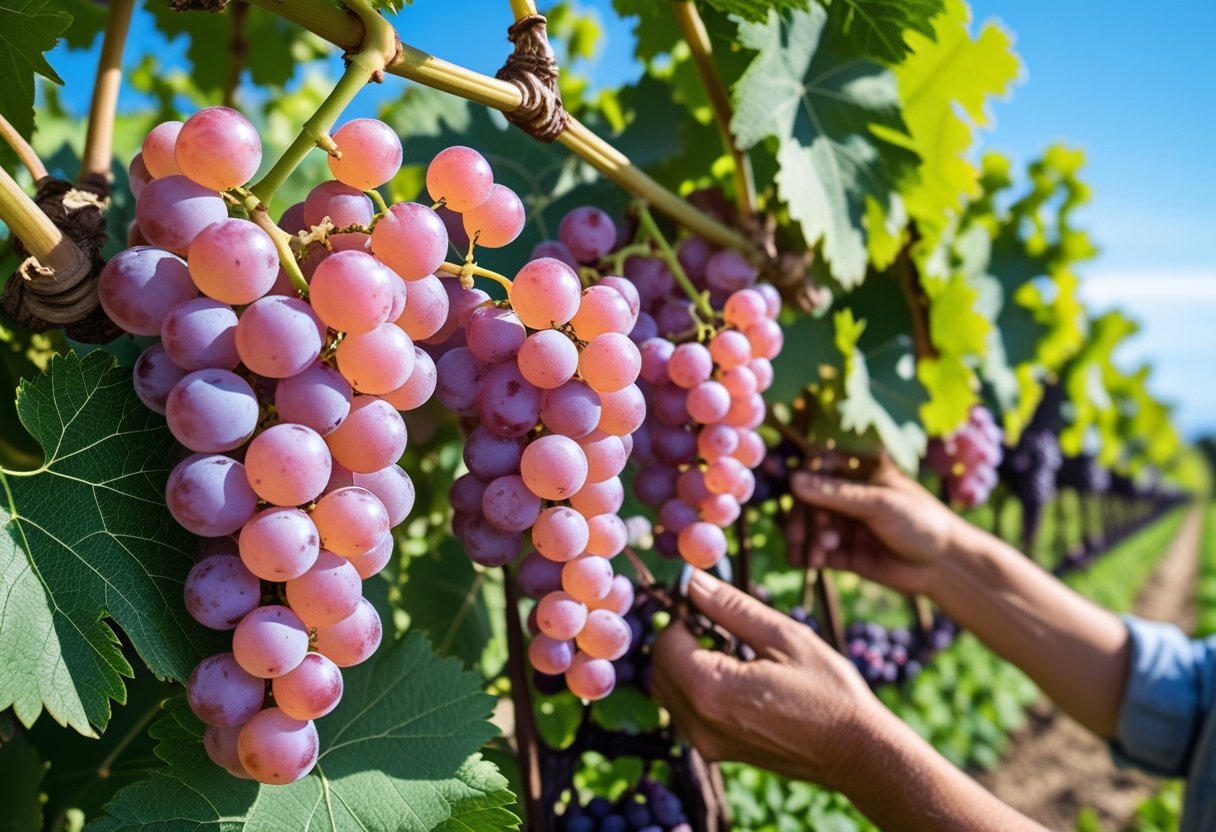
Cotton Candy grape clusters
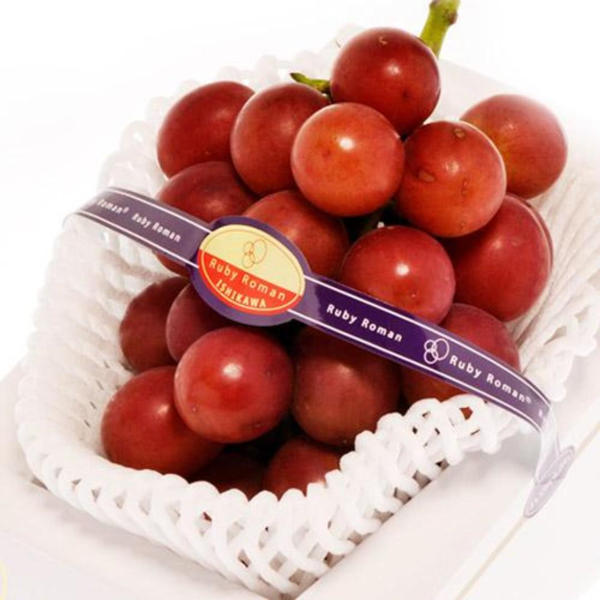
Ruby Roman table grapes
Growing larger grapes requires careful canopy management, precise thinning of clusters, and sometimes reduced cluster counts per vine to force the plant's energy into fewer, bigger berries. This labor-intensive approach can increase costs for producers, which is why very large grapes often appear under premium labels or as limited seasonal runs.
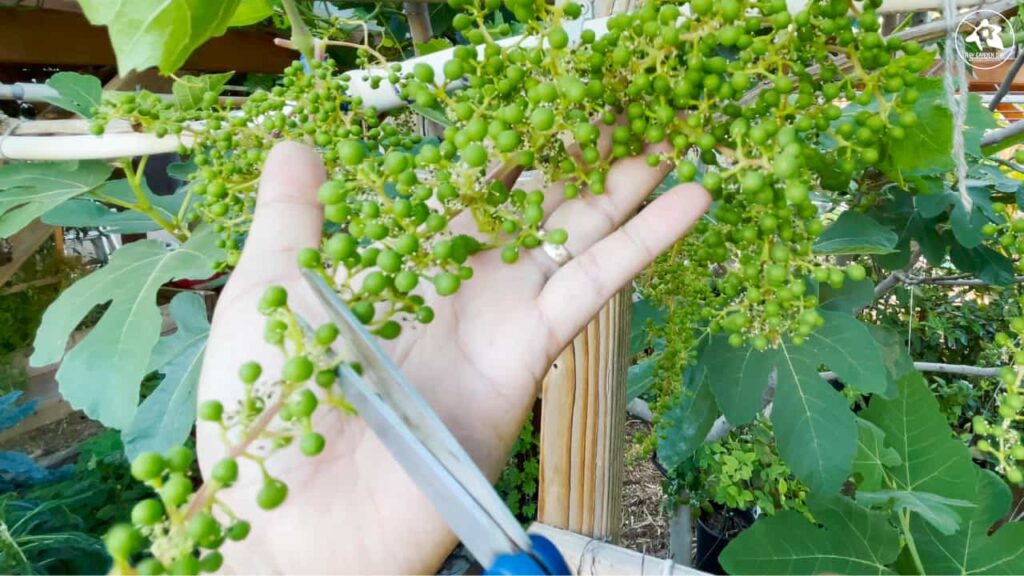
grape cluster thinning practice
A Practical Comparison: Size, Taste, and Use
Not all large grapes taste the same. Size can correlate with a denser, more concentrated sweetness, but skin thickness, acidity, and aromatic compounds determine the eating quality.
Quick Comparison Table
| Characteristic | Smaller Varieties | Large Table Varieties |
|---|---|---|
| Average Berry Size | 0.8–1.2 cm | 1.5–3.0 cm |
| Texture | Delicate, bursty | Dense, chewy to crisp |
| Typical Use | Salads, blending, winemaking | Snacking, presentation, desserts |
| Price | Lower per-pound | Higher per-pound |
That table is an oversimplification—within every category you'll find exceptions. But as a rule of thumb: when you see grapes that look like they were given extra elbow room on the vine, expect a different eating experience than the supermarket staple clusters.
How to Choose Giant Grapes at the Store
Buying large grapes is part scouting, part common sense. Here are concrete tips when you spot a headline-grabbing cluster:
- Check the stems: Fresh green stems mean the cluster was recently harvested; brown, shriveled stems indicate age.
- Look for uniformity: Even size across a cluster suggests good thinning and consistent ripening.
- Inspect the skin: A light bloom (a powdery white film) means the grape hasn't been overhandled; avoid bruises or splits.
- Smell if possible: Ripe grapes give off a subtle fruity aroma; an off or fermented scent signals overripe fruit.
- Consider weight: Bigger grapes should feel heavy for their size—succulence is a tactile quality.
Price is the final arbiter. Larger grapes often cost more per pound. To decide whether it's worth it, divide the package weight by the countable servings you expect, or simply buy a small bunch to test before committing to a family-sized bag.
Storing and Preserving the Big Bunch
Storage rules for large grapes mirror those for smaller ones, but their size gives you an advantage: larger berries often tolerate brief temperature swings better and can be frozen into single-serve treats more easily.
Storage steps:
- Keep them dry: Moisture speeds decay. Only wash grapes immediately before eating.
- Refrigerate promptly: Store in the crisper at 32–40°F; cooler air preserves firmness and slows sugar conversion.
- Use breathable packaging: If your grapes come sealed in plastic, open it slightly to reduce condensation.
- Freeze for snacks: Halve or leave whole on a tray, flash-freeze, then bag. Frozen large grapes make excellent chilled bites or cocktail garnishes.
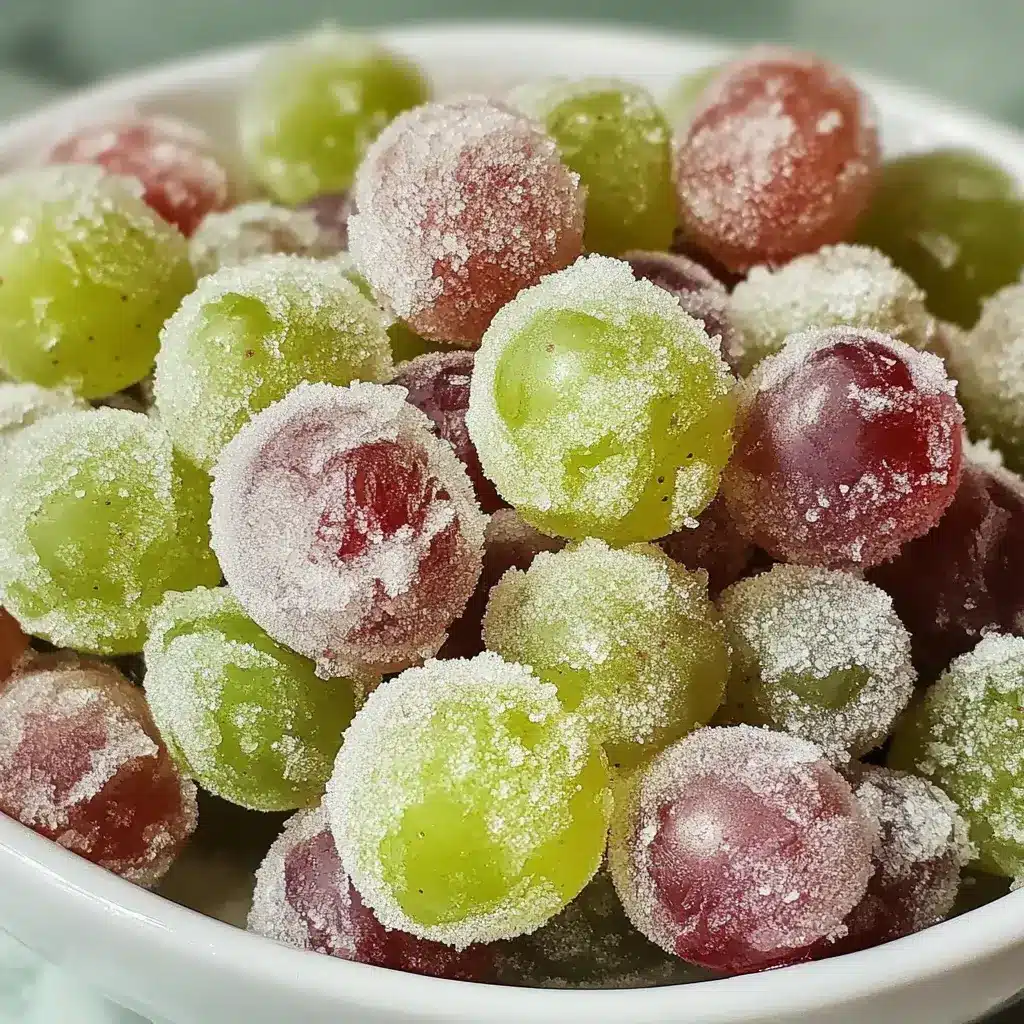
frozen grapes snack
Because large grapes can be denser, they often hold up well in simple cooking: roasting, quick pan-transfers into sauces, or inclusion in baked tarts. The thicker flesh reduces mushiness and meaningfully changes texture in recipes.
Culinary Ideas: Beyond the Cheese Plate
When a grape is that big, it stops being an accessory and becomes a star. Try these easy ideas that leverage size for flavor and visual impact:
- Halved grape and goat cheese bites: Spread cheese on toasted baguette, top with a halved grape, drizzle honey and scatter microgreens.
- Roasted grapes: Toss with olive oil and thyme, roast until blistered, then serve over ricotta or with roasted chicken.
- Grape compote: Simmer with a splash of citrus and sugar to make a chunky compote for yogurt or pancakes.
- Frozen skewers: Alternate large frozen grapes with cubes of melon for a chilled summer treat.
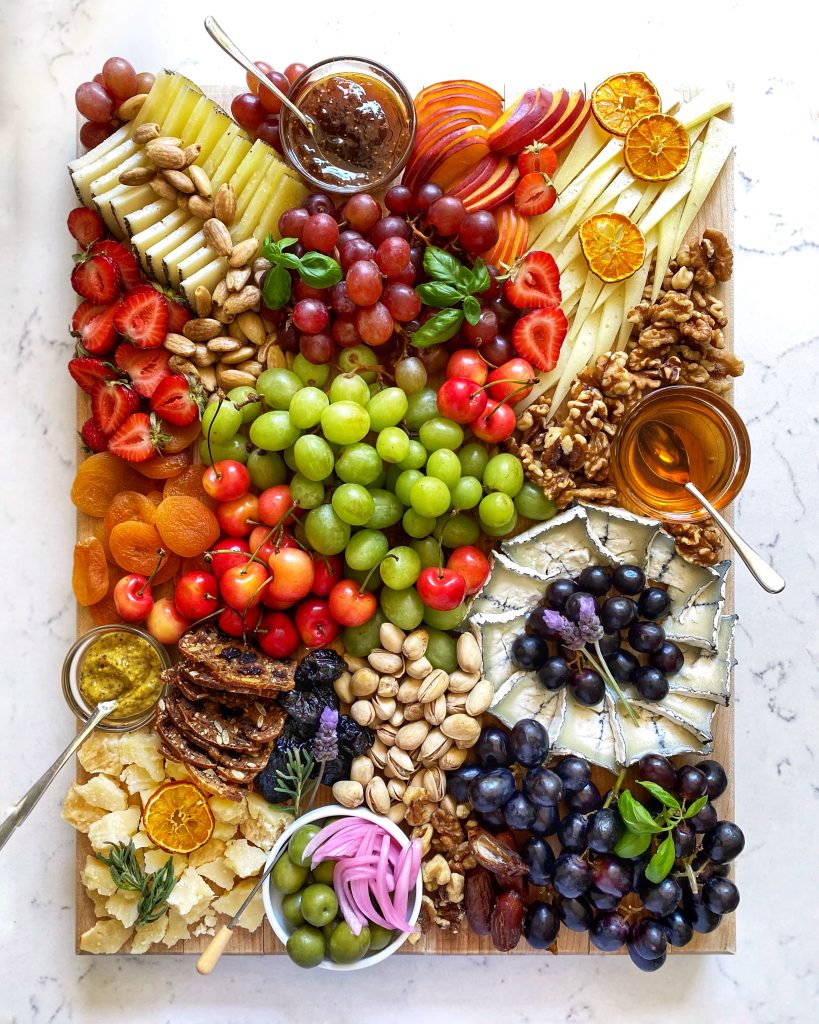
giant grapes cheese board
These uses are intentionally simple so the grape's natural flavor remains the focus. Larger grapes also lend themselves to inventive presentations: halved and fanned on desserts, threaded as cocktail garnishes, or sliced into salads for a bold texture contrast.
Cost and Waste Considerations
At first glance, paying more per pound for larger grapes might look like a wasteful indulgence. But if a single large grape replaces several small ones in recipes or snacks, the effective cost per usable bite can be comparable or better. Less waste follows when you need fewer grapes to achieve the same volume in a dish.
Additionally, because larger grapes are often sold as premium, they may receive better handling during harvest and shipment, which can translate into longer fridge life at home and less spoilage. Buying a smaller test pack before committing to a large purchase is a practical compromise if you're price-sensitive.
Sustainability and Supply Chain Notes
Large, specialty grapes frequently come from intensive cultivation systems and sometimes travel long distances to reach specialty markets. That means a larger carbon footprint compared with locally grown produce picked at peak season. When sustainability matters to you, look for local growers or ask market staff about origin and farming practices.
Seasonality also matters. Some large varieties are only available for limited windows when growers prioritize size through thinning and resource allocation. Buying in season supports local farms and can reduce environmental costs tied to refrigeration and long-haul transport.
When Size Is Just Marketing
Not every oversized fruit is inherently better. Packaging and display tactics sometimes prime shoppers to equate size with value—so stay alert. Size is one attribute among many: consider flavor, origin, price, and how you plan to use the grapes. If a cluster is enormous but tastes bland or is overly mealy, it won't make your grocery list again.
At-Home Taste Test: How to Evaluate a Purchase
Turn grape shopping into a tiny experiment: buy a small cluster of the largest grapes you find and evaluate them across four criteria—sweetness, texture, aroma, and versatility. Score each from 1–10 and keep a running note in your phone. Over time you'll map which varieties and vendors consistently deliver. This simple method helps you stop guessing and start shopping like an informed consumer.
Buying produce with intention—testing, scoring, and noting origins—tunes your palate and wallet at once.
Common Questions Answered
Are large grapes healthier than small ones?
Not inherently. Nutritional content is similar ounce for ounce. Larger grapes may contain more sugar per berry because of volume, but on a per-gram basis, differences are minimal. The real health advantage comes from eating more fresh fruit overall, regardless of berry size.
Do large grapes have seeds?
Many modern large table grapes are bred to be seedless; however, some heirloom or specialty varieties may contain seeds. Check the label or ask your vendor if seeds are a concern.
Will larger grapes ferment faster?
Size alone doesn't determine fermentation speed—damage, temperature, and sugar level do. If large grapes are bruised or exposed to warm temperatures, they can spoil or ferment quickly, which is why handling and storage are important.
Final Thoughts and Buyer's Checklist
Giant grapes are more than a grocery aisle curiosity. They can provide convenience, striking presentation, and a different flavor profile that transforms simple meals. Whether you embrace them as an occasional treat or a new staple depends on taste, budget, and how you plan to use them.
- Size influences texture and perceived sweetness; larger grapes often offer a denser, more satisfying bite.
- Inspect stems, skin, and uniformity when buying; consider buying a small test pack first.
- Store unwashed in the fridge and freeze extras to reduce waste.
- Large grapes are versatile: snack, roast, compote, or present on a cheese board.
- Balance novelty with sustainability—ask about origin and season.
A Small Challenge
Next time you're at the store, buy the largest grapes you can find—but only a small bunch. Try them raw, roasted, and frozen, and make your own mini scorecard. If nothing else, you'll gain clarity about whether size matters to your palate and your grocery list.
Photo not included: imagine the perfect, oversized grape—deep color, slight bloom, and impossibly juicy.
Happy tasting—and may your next trip down the produce aisle include a small, surprising victory: a fruit that's big enough to make you rethink what you reach for.