
The World's Largest Collection of Chinese Artifacts — in Taiwan
The National Palace Museum in Taipei is at once a repository of exquisite objects and a living story: a story of emperors and craftsmen, of upheaval and careful rescue, of taste and power, and of the modern responsibilities of stewardship. If you expect a museum to be merely a place to see beautiful things, the National Palace Museum quietly insists that you also think about how those beauties arrived, who preserved them, and what they mean to different people today.
Across nearly half a million objects — from glassy jades to paper-thin porcelain — the museum offers a continuous thread through Chinese history, material culture, and the politics of memory.
WHY THE MUSEUM MATTERS
The claim is startling until you stand in the galleries and feel it: the National Palace Museum houses one of the most comprehensive collections of Chinese art in the world. Its strength is not only in quantity but in range and depth. You will find delicate Song dynasty ceramics alongside imperial bronzes, handscrolls by celebrated calligraphers, lacquer boxes that survived centuries, and tiny jade carvings that seem to hold a different light in each room.
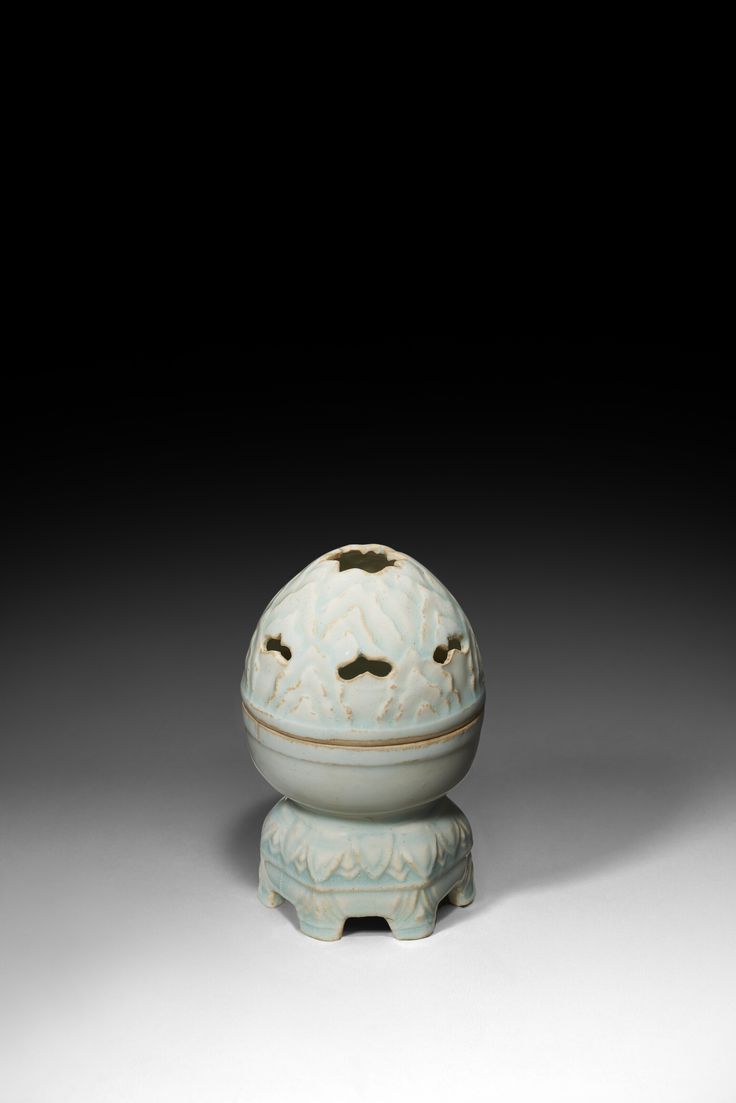
Song dynasty ceramics National Palace Museum
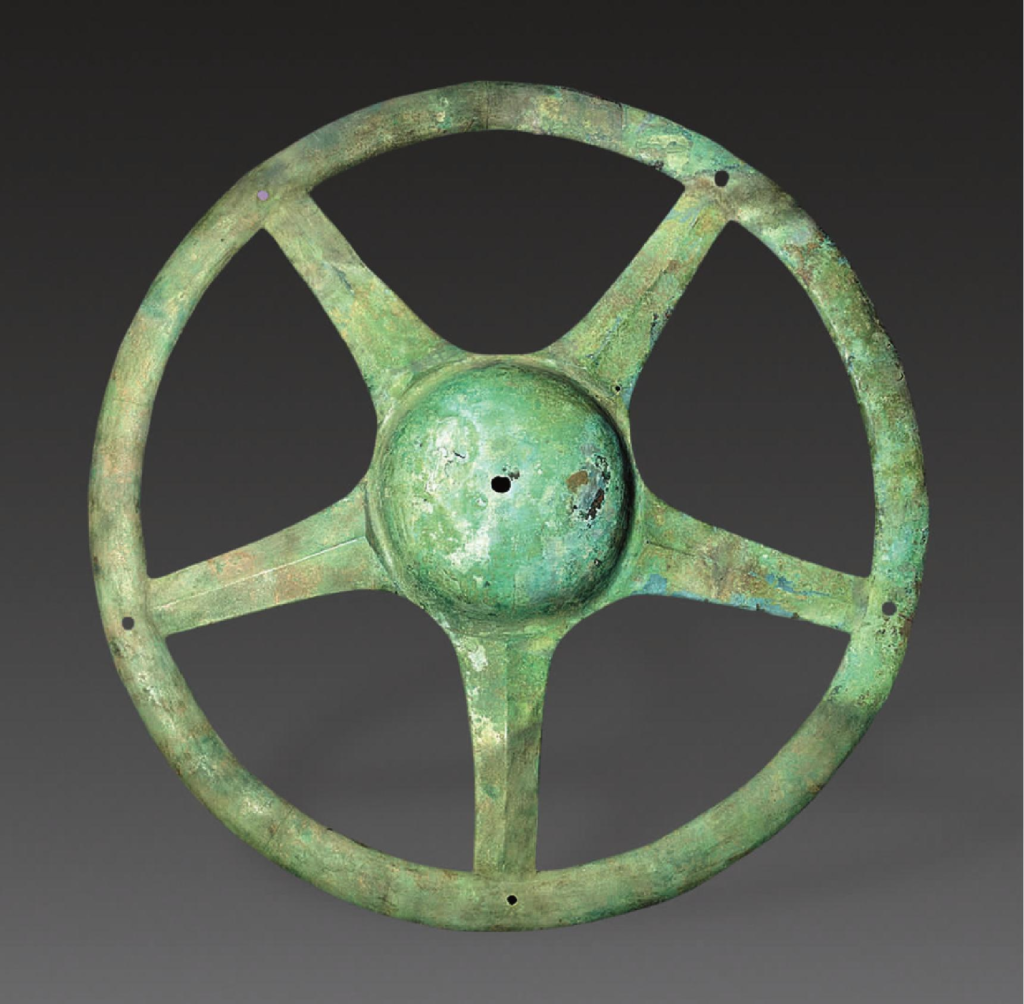
Chinese imperial bronzes National Palace Museum
Imperial accumulation and careful stewardship
Many items in the museum trace their origins to the imperial collections of China’s dynasties—objects assembled over centuries by emperors and court officials who prized artistry as a sign of civilization and authority. What makes the Taipei holdings unique is that curators there inherited a curated selection of works already vetted by generations of connoisseurs and court inventories. The dialogue between maker, collector, and conservator continues in the museum galleries.
A living collection, not a static archive
Curatorial decisions here are active choices: what to show, what to rotate, and how to present objects so visitors can see craftsmanship, context, and continuity. The museum mounts thematic exhibitions that allow visitors to understand techniques (for example, glazes and kiln technology) beside cultural practices (burial rites, literati culture, ritual). Conservation labs hum behind the scenes; scientific analysis and traditional connoisseurship work together to reveal composition, date, and original function.
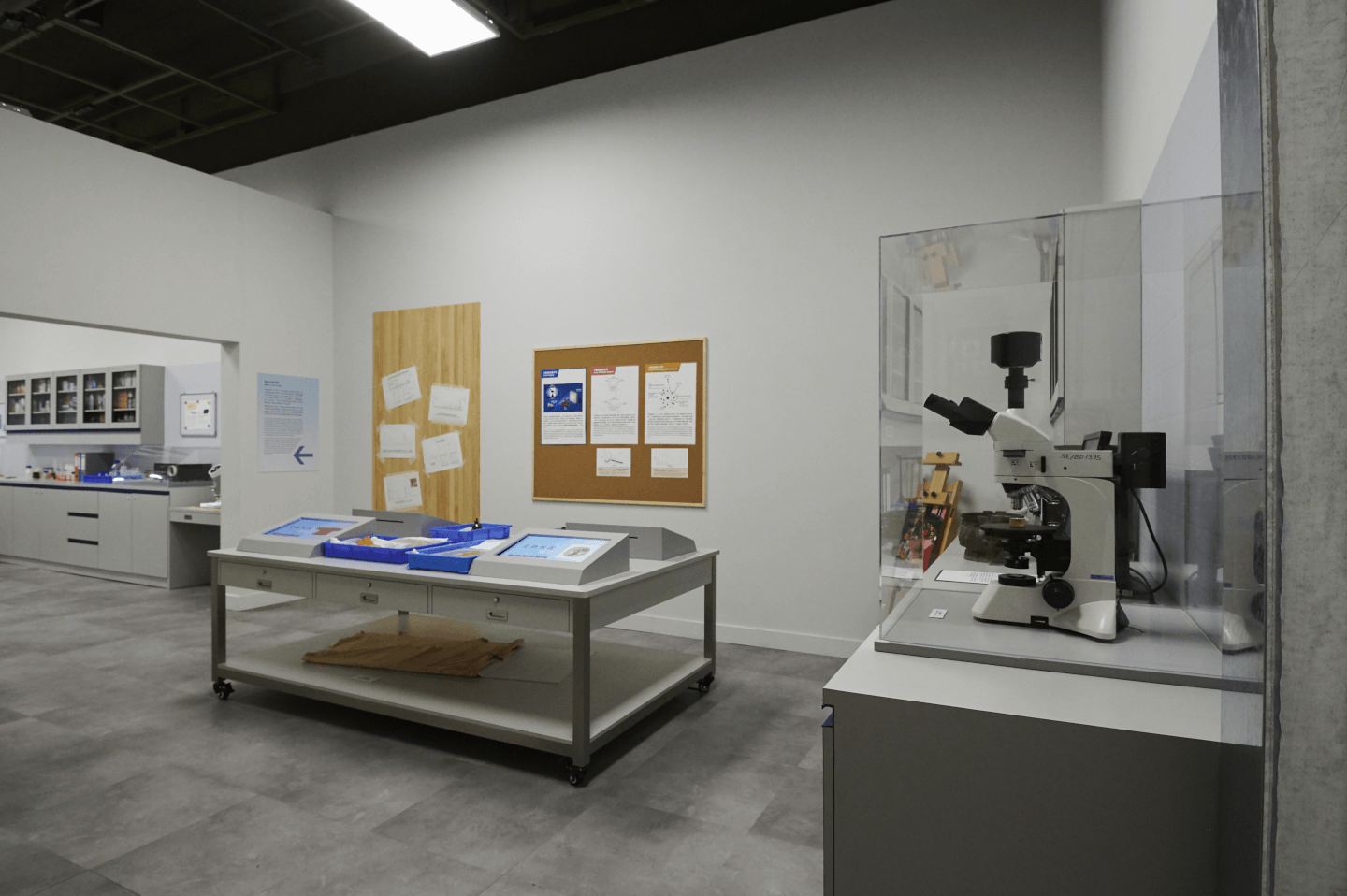
Conservation lab National Palace Museum
KEY TREASURES AND WHY THEY'RE ICONIC
When people talk about the museum’s best-loved items, images come quickly to mind: a cabbage carved in jade whose veins and folds feel startlingly real; a piece of meat rendered so faithfully from jasper that it prompts laughter and admiration. These objects are not just novelties; they are masterclasses in material transformation — the capacity of human hands and refined techniques to turn stone and clay into convincing imitations of life.
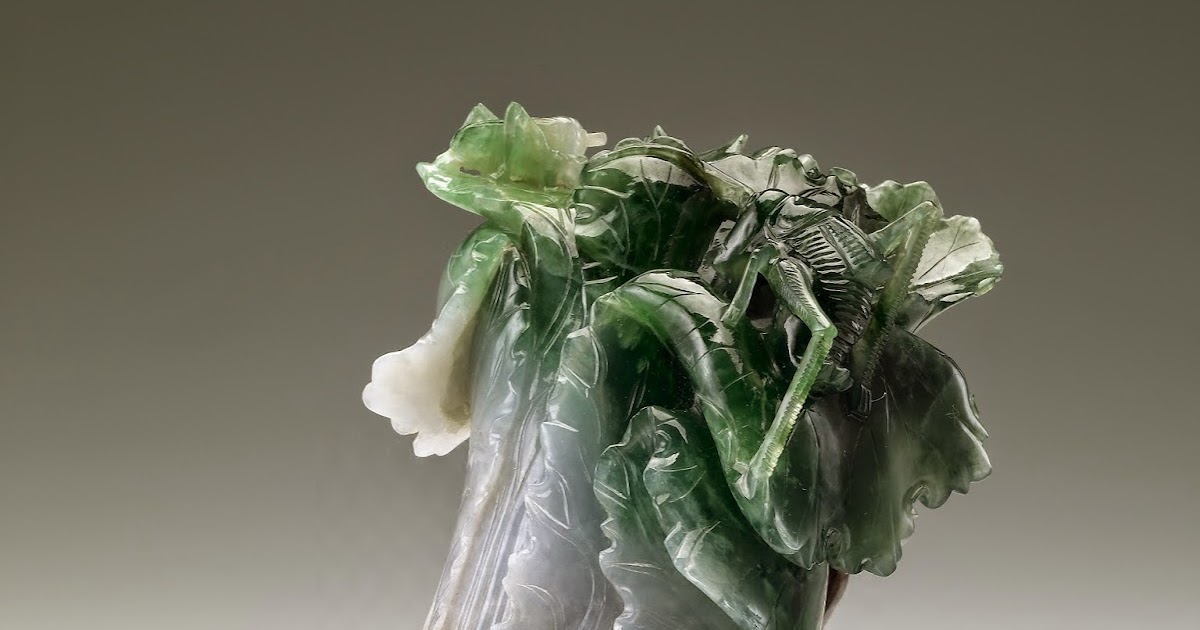
Jadeite Cabbage National Palace Museum
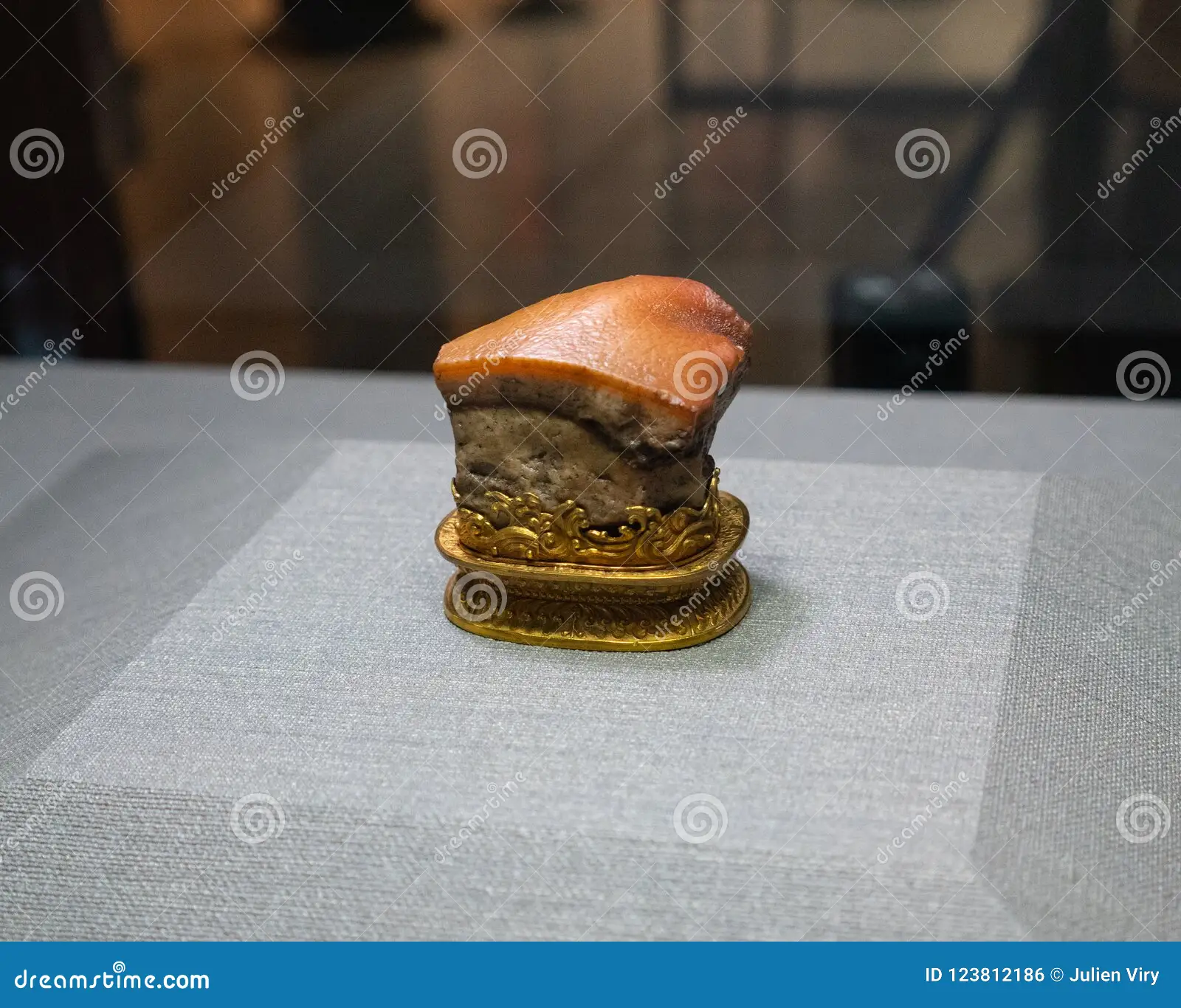
Meat-shaped Stone National Palace Museum
Jade, the stone of choice
Jade in Chinese art has long carried metaphysical and social weight. Small ornaments or large ritual plaques, jade objects embody durability, moral symbolism, and technical difficulty. The museum’s jade collection includes a spectrum from thin, almost translucent pendants to muscular ritual pieces whose surfaces still bear the marks of artisanship and centuries of handling.
Ceramics and the story of kilns
Chinese ceramics chart technical innovation across time: the cooling of glazes, kiln atmospheres, and clay selection created distinct ceramic vocabularies — from the February-white porcelains of the Song to the flamboyant overglazes of later dynasties. The museum’s ceramics galleries let you see those shifts as a continuous experiment in chemistry and taste.
A single handscroll can compress centuries: you read a painting from right to left and follow a narrative of movement, attention, and season.
HISTORY: HOW THESE OBJECTS CAME TO TAIWAN
The movement of such a vast collection cannot be told without acknowledging 20th-century history. In turbulent years, people and objects moved for many reasons: to protect cultural patrimony, to preserve family heirlooms, and as part of shifting political authority. The items now in Taipei were transferred and cared for under circumstances that mix urgency, planning, and controversy. The museum’s custodians framed themselves as protectors of artifacts threatened by conflict and neglect; later generations have debated whether relocation is the same as loss and what restitution might look like.
Protection in times of upheaval
Transporting fragile objects required planning on an extraordinary scale. Crates, conservators, and catalogers worked to move items safely across long distances, often under threat of war or political instability. Many objects benefited from that care; without it, fragile scrolls and painted silks might not have survived the century at all.
The politics of presence
Where art lives matters. The location of artifacts affects public access, research opportunities, and national stories about the past. For Taipei, stewardship of this collection has become part of a cultural identity that emphasizes continuity with Chinese artistic traditions even as it fosters a local cultural scene and international outreach.
EXPERIENCING THE MUSEUM: A VISITOR'S GUIDE
The museum rewards both casual visitors and dedicated scholars. A quick visit gives you striking visual highlights; a longer stay reveals chains of technique, patronage, and taste. Here are practical ways to approach the museum so your visit feels richer and less rushed.
Start with a theme
Pick one material or period as your central thread — say, Song ceramics or Qing imperial robes — and follow it across galleries. This approach turns what can feel like a scatter of beautiful objects into a coherent story and helps you notice technique and variation.
Look closely; then step back
Chinese art often works on multiple scales. Up close, the carved lines or brushstrokes reveal technique; from a distance, composition and negative space speak. Alternate viewpoints and take notes mentally on what surprised you. Questions to consider: How does the object engage with light? What traces of repair or use are visible?

National Palace Museum Taipei architecture
CURATION, CONSERVATION, AND THE SCIENCE OF PRESERVATION
Long-term preservation combines art history, chemistry, and painstaking manual work. Conservators reconstruct fragile papers, stabilize glazes, and recreate environmental conditions to keep pigments vivid and organic materials from deteriorating. In recent decades, museums have added non-invasive scientific tools — X-rays, spectroscopy, and micro-sampling — so conservators can understand materials without destructive testing.
Why rotation matters
Many objects are light-sensitive. Continuous display can accelerate fading and decay. Rotation protocols allow the public to view more objects over time while preserving their physical integrity. This also creates opportunities for fresh curatorial narratives.
THE MUSEUM IN GLOBAL CONTEXT
On the world stage, the museum functions as both a cultural hub and a diplomatic actor. Loan exhibitions travel globally; scholars come and publish new findings; parties debate repatriation and ownership. The institution’s decisions therefore ripple into conversations about cultural heritage and international relations.
Loans and collaborations
International exhibition loans are not simply exchanges of objects; they are exercises in trust and technical capacity. Packing, transport, insurance, and display standards must meet strict protocols. When a museum sends a painting across an ocean, it also sends a message about partnership and mutual respect.
Repatriation debates and ethical questions
Objects with complex histories provoke difficult questions. Arguments about returning artifacts invoke law, ethics, and identity. The museum’s custodians have to navigate legal ownership, claims of historical wrongs, and the practical needs of conservation and public access. There are no easy answers, but open curatorial practices and transparent provenance research are essential steps forward.
Museums are not neutral warehouses; they are active participants in shaping cultural memory.
BEHIND THE SCENES: SCHOLARSHIP AND RESEARCH
Researchers depend on the museum’s cataloging and access systems. Conservators, art historians, and scientists collaborate on projects that reassess dating, attribution, and technique. New catalogues raisonnés, translations of historical records, and technical studies continue to refine what we know about objects that have been studied for centuries.
Public programs and education
Workshops, lectures, and hands-on learning programs help connect diverse audiences with material culture. For many visitors, these programs are the place where ancient technique meets contemporary creativity: master craftsmen re-create kiln glazes, calligraphers demonstrate brushwork, and conservators show how they stabilize fragile paper.
VISITOR TIPS — WHAT TO PRIORITIZE
- Allocate time: Block at least 2–4 hours for a meaningful visit; scholars often spend several days.
- Choose themes: Focus on a material or period to turn many objects into a narrative.
- Use programs: Attend talks or demonstrations for deeper context.
- Respect conservation: Follow rules about flash photography and touching — these protect fragile surfaces.
CONTROVERSIES AND THE FUTURE OF THE COLLECTION
Conversations about cultural stewardship are evolving. Digital technologies expand access: high-resolution photography and virtual exhibitions let people worldwide study works without physical travel. At the same time, digitization raises new questions about data ownership, representation, and the sensory experience of art.
Digitization and access
Online catalogues democratize access to objects that would otherwise be seen by a few. But no digital surrogate fully replaces the living materiality of lacquer, glaze, or calligraphy stroke. The balance between digital access and physical preservation will shape the museum's priorities for decades.
Education, identity, and responsibility
Museums must serve both local communities and global scholarship. The National Palace Museum’s role is therefore doubled: preserve and interpret historic Chinese culture while fostering contemporary cultural life in Taiwan. That dual mission creates opportunities for inclusive programming, cross-cultural dialogue, and a richer public understanding of what cultural heritage can mean.
- The National Palace Museum in Taipei holds an unparalleled collection of Chinese art and artifacts, notable for both breadth and quality.
- Objects in the museum are the result of long histories of collection, protection, and curatorial decision-making.
- Conservation, rotation, and scientific research are essential to the museum's stewardship.
- Contemporary debates about provenance and repatriation highlight the ethical complexity of cultural heritage.
- Visiting the museum rewards close looking, thematic exploration, and participation in public programs.
CONCLUSION
To visit the National Palace Museum is to read a history in objects: an anthology of material decisions that span dynasties and continents. The museum asks visitors to admire skill and to reflect on history — on how objects embody power, taste, and memory. Whether you come for the famous jade carvings, to study Song dynasty glazes, or simply to witness centuries of craft, you will leave with a renewed sense that art objects are both beautiful and consequential. They require care, context, and conversation — and in Taipei, they find a home that continues to teach and to provoke.
Plan your visit thoughtfully: bring curiosity, allow time, and look for the stories in the material.