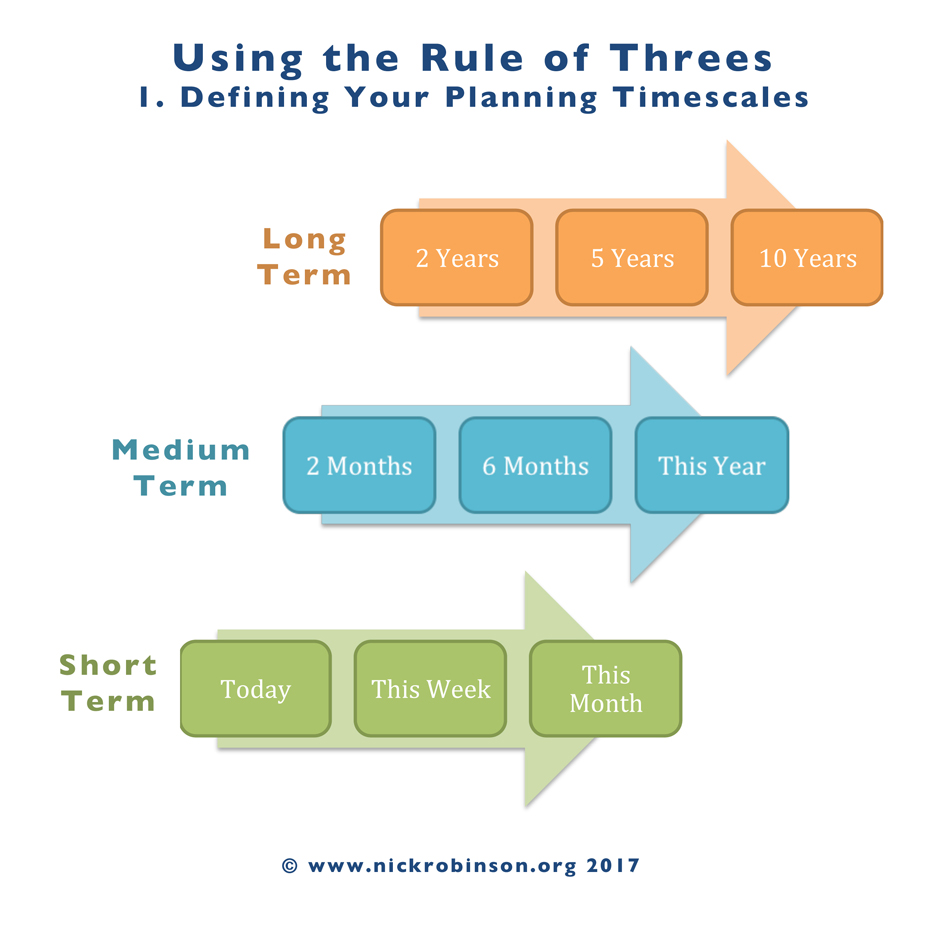
The Rule of Three: How 3 Principles Transform Decisions & Productivity
One digit — 3 — carries disproportionate power. From jokes that land in threes, to the three-act structure that drives every memorable story, to managers asking for "the top three priorities" in a meeting, triads work. The Rule of Three is more than a rhetorical trick; it’s a practical cognitive tool that reduces noise, improves recall, and speeds decision-making. This article unpacks where the Rule of Three comes from, why it works psychologically, and how to use it deliberately to sharpen focus, design better systems, and get more meaningful work done without burning out.
Why '3' Feels Right
Human brains are pattern-seeking machines. We recognize, remember, and prefer patterns that are balanced but not boring. Two items feel binary and incomplete; four or more start to feel like a list. Three sits in the sweet spot: it’s small enough to remember and large enough to create variety. Psychologists and communicators call this a mnemonic advantage: triads are easier to hold in working memory and to retrieve later. Marketers and writers have long used the Rule of Three for persuasive effect — think "stop, look, listen" or "life, liberty, pursuit of happiness" — but the idea extends far beyond language.
Origins and cultural roots
Across cultures and centuries the number three appears in myths, religions, and rhetorical devices. In literature, the three-act structure (setup, confrontation, resolution) remains the backbone of effective storytelling. In design, trios of elements often create more harmonious arrangements than pairs or quartets. The Rule of Three is therefore not a new fad: it is a recurring heuristic that reflects cognitive limits and aesthetic preferences alike. Understanding that history helps you use triads thoughtfully rather than automatically.
How the Rule of Three Works — the Psychology
At its core the Rule of Three leverages several cognitive principles:
- Chunking: Grouping individual items into a single meaningful unit reduces cognitive load. A list of three items becomes one chunk you can hold and recall.
- Serial position effect: We remember the first and last items in a short list best. With three, the middle item still stands out in context, creating a natural rhythm.
- Satisficing vs. maximizing: Faced with many options, people experience choice overload. Three well-chosen options encourage satisficing — selecting a good-enough option quickly rather than endlessly searching for the perfect one.
- Pattern recognition: Triads create a narrative or logical arc that our brains prefer — beginning, middle, end; problem, cause, solution; past, present, future.
These mechanics make triads ideal for design, communication, and decision frameworks because they align with how people actually think and remember.
Practical Applications: Where to Use the Rule of Three
The Rule of Three shines when clarity and speed matter. Below are concrete areas where triads consistently deliver value.
Prioritization and decision-making
When your task list balloons, picking everything is equivalent to picking nothing. Use a three-priority system each day or week: identify one high-impact priority, one important supporting task, and one maintenance or learning item. This structure encourages focus while leaving room for adaptability.
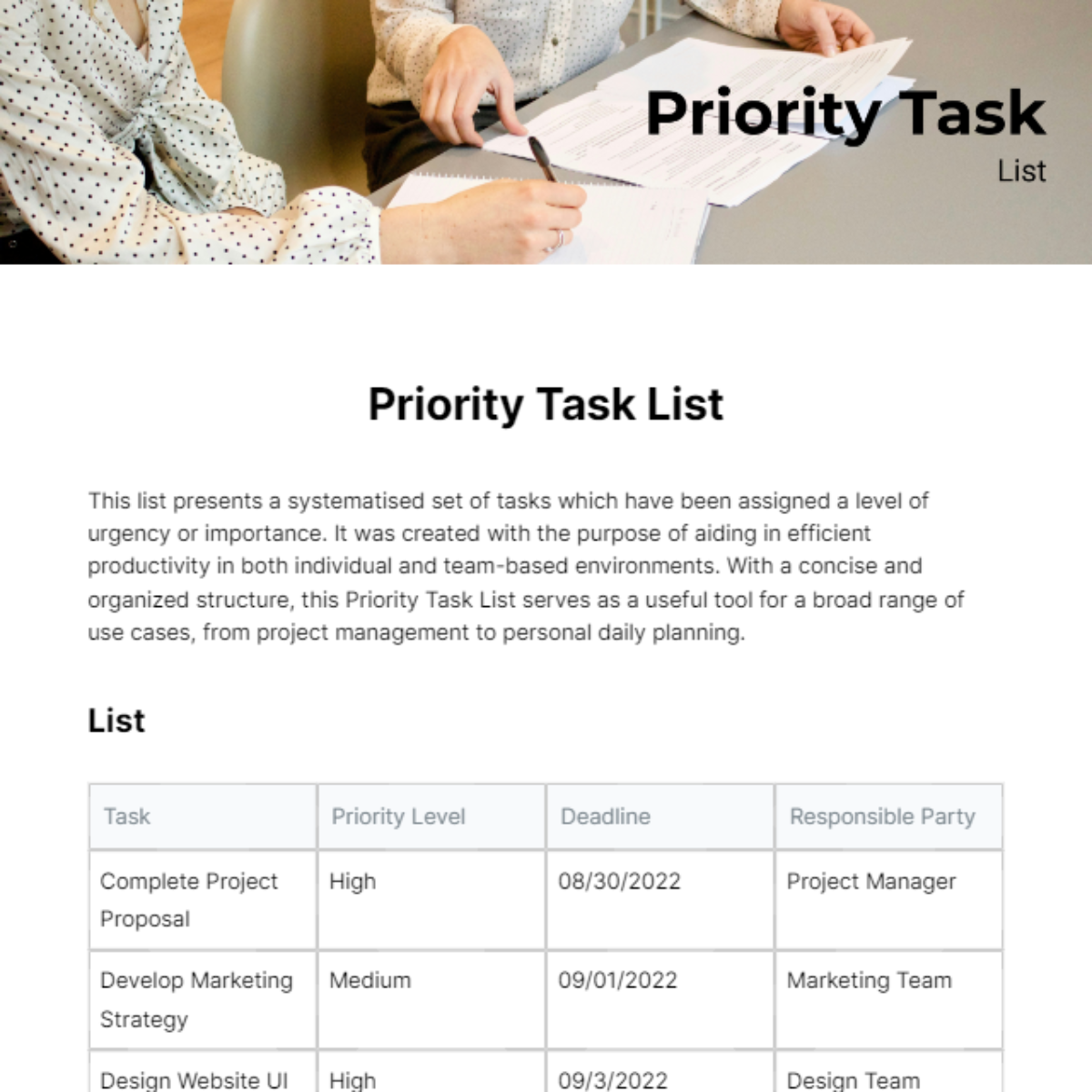
priority task list three
Meetings and leadership
Leaders who ask for three bullet points get clarity. At the end of team meetings, require each participant to state three takeaways or three commitments. This compresses outputs into memorable action items and reduces follow-up friction.
A leader who can state three priorities creates alignment faster than one who lists a dozen objectives.
Writing and storytelling
Writers use triads to structure arguments and keep readers engaged. Whether drafting a blog post, a presentation, or a product story, organize your content into three main pillars: problem, solution, and proof. That arc gives readers a clear journey from pain to resolution.
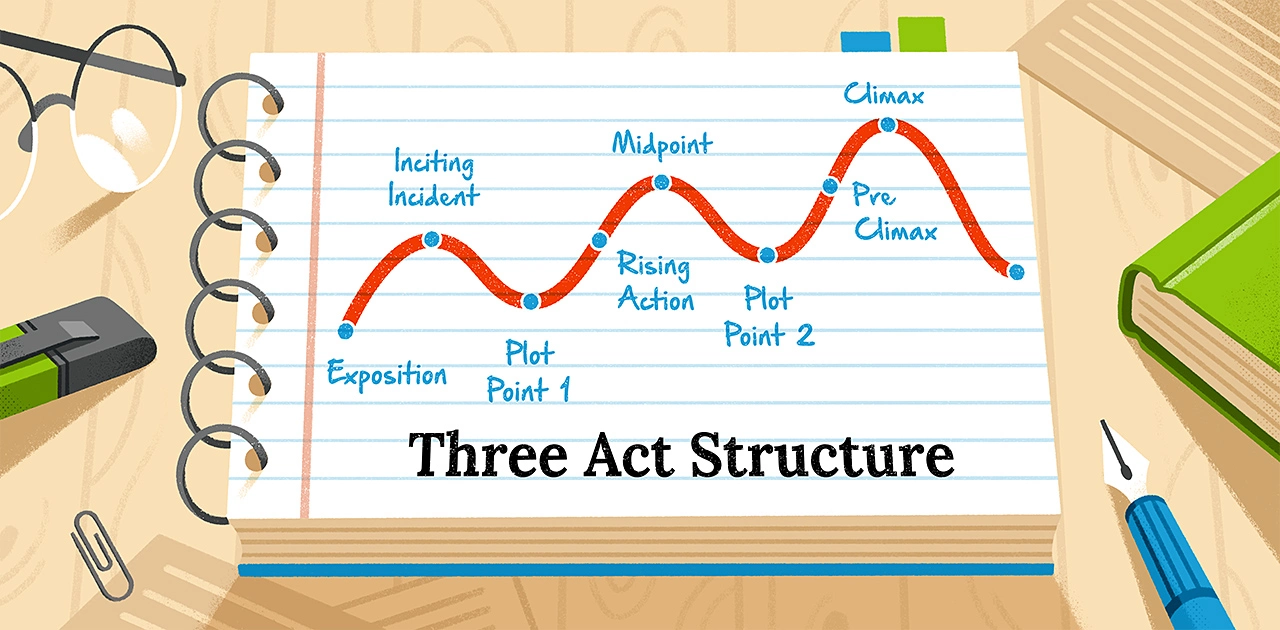
three act storytelling structure
Step-by-Step: Apply the Rule of Three to Your Week
This is a simple weekly ritual you can adopt immediately.
- Friday review: List every ongoing project and decide which three truly matter for next week.
- Strategic priority (1): Pick the one outcome that would move the needle most.
- Operational priority (2): Identify a supporting project or task that enables the strategic priority.
- Growth priority (3): Choose a learning or maintenance task—reading, networking, or personal care—that sustains long-term performance.
Framing your week this way reduces context-switching and helps you say no with confidence. When new demands come in, ask: which of my three does this support? If none, it can wait or be delegated.
Design, UX, and Product Decisions
Designers use triads to reduce complexity: three layout options, three personas, three feature tiers. For product managers, offering three pricing tiers (basic, pro, enterprise) simplifies buyer decisions and increases conversion by anchoring choices. In user experience, present three paths rather than overwhelming users with too many options, and you’ll increase completion rates.
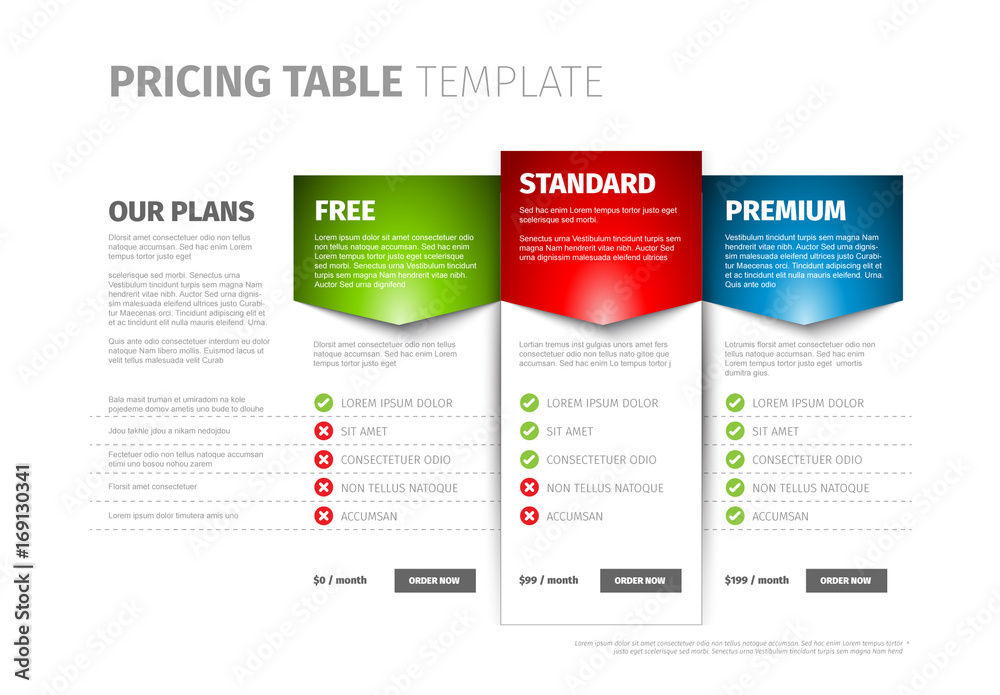
three pricing tiers design
Communication and presentations
Public speakers often structure talks in three parts to ensure audiences remember the core message. For slide decks, limit major sections to three: context, insight, and action. Each slide should ideally support one of those pillars.
Creativity and Problem Solving
When brainstorming, force yourself to produce three ideas for each problem before evaluating them. Generating three options reduces fixation on the first idea and encourages divergent thinking while keeping scope manageable.

brainstorming three ideas
Three as a Filter: The Quick Triage
Use a three-point filter when deciding whether to say yes to a request:
- Impact: Will this significantly advance a priority?
- Effort: Is the cost worth the result?
- Alignment: Does it fit with values or strategy?
If the answer is yes to two or more, consider accepting; if not, defer. This simple heuristic speeds decisions and preserves cognitive energy.
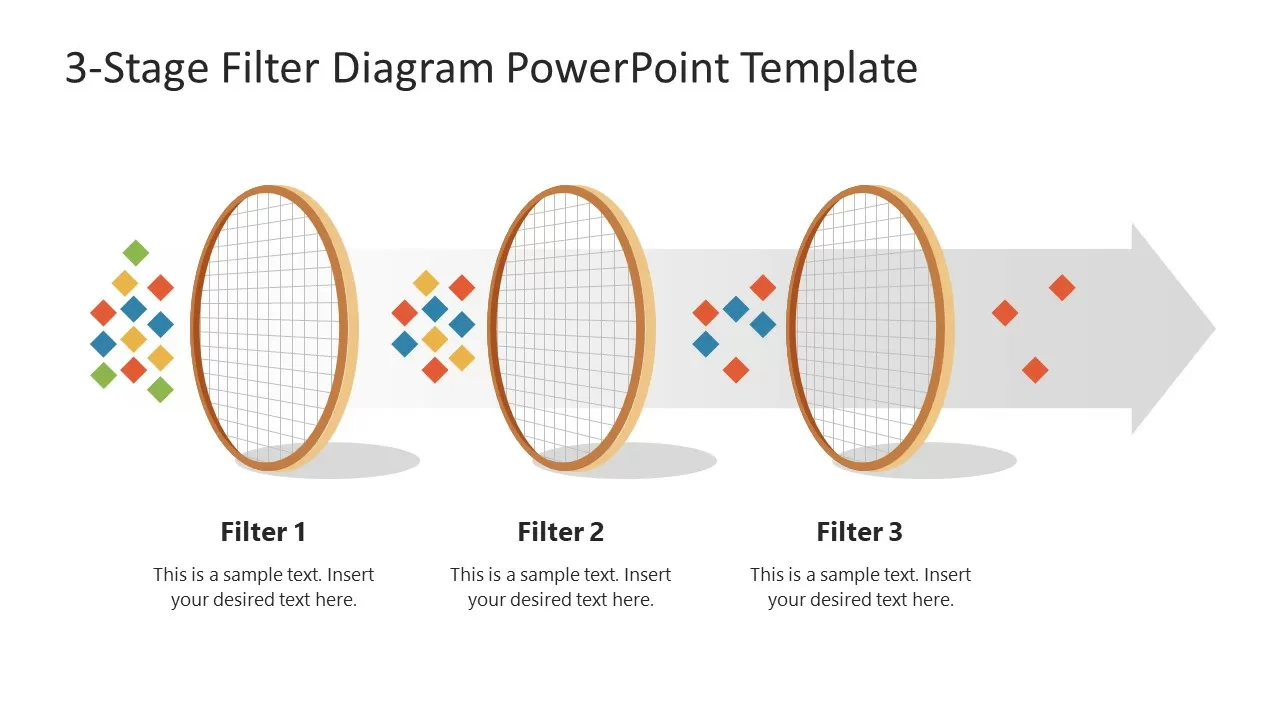
three point decision filter
Pitfalls and When Not to Use It
The Rule of Three is powerful but not universal. Over-applying it can hide nuance or encourage oversimplification. For complex problems with many interdependencies, a trio of items may be insufficient. Also watch for false precision: choosing three priorities is only helpful if they are the right three.
Avoiding tokenism
Don't pick three arbitrary things to check a box. The effectiveness comes from choosing meaningful, distinct, and complementary items. If your three priorities overlap too much, you haven’t really prioritized.
Real-world Examples
Example 1: A product team facing feature creep distilled its roadmap into three releases: stabilization, core feature A, and user experience overhaul. With this clear structure, stakeholders stopped requesting new work mid-cycle and the team shipped on time.
Example 2: A freelancer organized client work into three daily blocks: client delivery, business development, and learning. That structure increased billable output and prevented skill stagnation.
Tactics: Making the Rule of Three Sticky
Adopt these tactical moves to ensure the triad approach becomes habitual.
- Write it down: Put your Top 3 where you’ll see them—calendar, whiteboard, or phone lock screen.
- Align with calendar blocks: Timebox two to three focused sessions per day that map to your priorities.
- Use simple language: Name priorities with verbs or outcomes ("Publish Q2 report", not "Work on reports").
- Weekly check-ins: Reassess your triad every Friday for the next week.
- Declare and defend: Communicate your three priorities to colleagues so they know what to expect.
Tools That Support Triads
Many productivity systems can be adapted to the Rule of Three. Bullet journals, simple kanban boards with three columns, or digital task managers that let you mark three favorites all work. The tool matters far less than the discipline of selecting and protecting your triad.
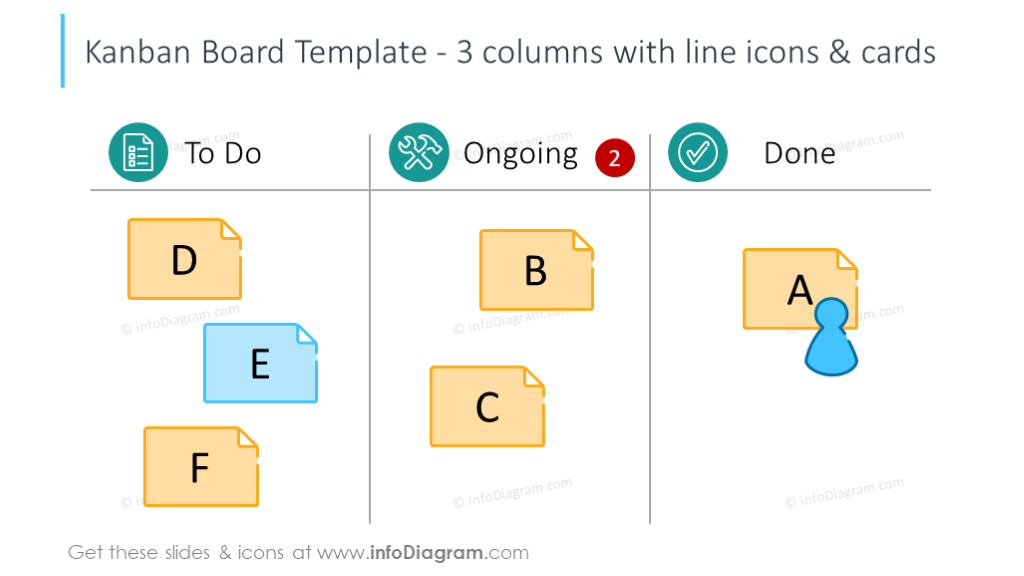
three column kanban board
A short template
Try this daily three-line template: 1) Today's one high-impact outcome, 2) Supporting task, 3) Personal/maintenance task. Keep it visible and review at midday.
Measuring Success
Success with the Rule of Three is not binary. Use simple metrics:
- Completion rate: How many of your Top 3 did you complete each week?
- Impact: Did the strategic priority move a key metric (revenue, engagement, learning) forward?
- Satisfaction: Did you feel less scattered and more in control?
Track these for a month and you’ll see whether triads sharpen your outcomes or whether you need a different cadence.
A Short FAQ
Is it rigid? Can I pick more than three?
It’s a guideline, not a law. Choose three when you want clarity; choose more when complexity demands it. The point is to intentionally limit the field before you act.
Does it work for teams as well as individuals?
Yes. Teams that publish three team priorities every quarter achieve better alignment because communication becomes centered and repeatable.
Will it reduce creativity?
No — when used in brainstorming the rule actually enhances creativity by forcing multiple distinct options early, then allowing space for iteration.
Conclusion: Small Number, Big Leverage
The Rule of Three is deceptively simple. As a cognitive shortcut, a communication device, and a planning heuristic, it helps you cut through noise and make more deliberate choices. Whether you are leading a team, designing a product, telling a story, or trying to get through your inbox, choosing a meaningful triad focuses attention where it matters. The trick is to use it intentionally: pick complementary priorities, protect them, and measure whether they delivered the outcome you expected.
- Triads align with cognitive limits: three items are easy to remember and act on.
- Use one strategic, one operational, and one growth priority for balanced progress.
- Apply triads to meetings, writing, design, and daily planning to increase clarity.
- Avoid token three-item lists — choose items that are distinct and high-impact.
Next Steps: A 7-Day Rule of Three Experiment
Try this experiment for a week: each morning, write your Top 3 and timebox work around them. At the end of seven days, review completion rate, impact, and subjective focus. Iterate on the triad method until it fits your rhythm. Small constraints often produce the biggest breakthroughs — and choosing three can be one of the simplest constraints that changes everything.