
The One Workout Older Adults Need to Lose Fat and Preserve Muscle
Older adults who are worried about losing muscle while trying to lose fat often hear competing advice: do lots of cardio, cut calories drastically, or accept inevitable muscle loss. But one approach stands out as both simpleand powerful:a structured, full‑body progressive resistance workout performed consistently. This article explains why that single approach has delivered the best balance of fat lossand muscle retention for older adults, how to program it safely,and how to pair it with nutrition, recovery,and lifestyle choices to get measurable results.
Why this matters now
As we age, we lose muscle massand strength —a process called sarcopenia — while body fat can increase even if weight stays the same. That combination raises risk for falls, chronic disease,and loss of independence. The right exercise strategy can slow or reverse those trends. For many older adults, a single, well‑designed workout — repeated two to three times per weekand progressed over time — produces the best tradeoff: fat loss without sacrificing strength or muscle.
What the evidence and experience converge on
Across decades of clinical trials and practical coaching, one pattern repeats: programs that emphasize resistance(strength) training — especially full‑body, compound exercises that work large muscle groups — preserve or increase lean mass while improving metabolic rate. Cardio alone tends to help cardiovascular fitnessand calorie burn but is less effective at protecting muscle when calories are reduced. The practical conclusion for older adults who want to lose fatand keep muscle is straightforward: prioritize progressive resistance training first; use cardio strategically;and support both with adequate proteinand recovery.
Strength training is not optionalfor aging bodies —it's the primary prescription for preserving functionand body composition.
Defining the "one workout"
The workout I describe is a full‑body, multi‑joint resistance session designed for older adults: efficient, scalable,and focused on progressive overload. It doesn't require long gym visits, fancy machines, or extreme intensity. It requires a logical order of movements, attention to technique,and a plan to increase load or difficulty over weeks.
Core features
- Full‑body: hits major muscle groups — legs, hips, back, chest, shoulders, core —in one session to stimulate systemic metabolicand anabolic responses.
- Compound movements: squats, hip hinges, rows, presses — exercises that recruit many musclesand allow meaningful loading.
- Progressive overload: systematic increases in weight, repetitions, or difficulty across weeks.
- Moderate volume: 6–12 hard sets total per sessionkeeps sessions efficientand recoverable.
- Frequency: 2–3 sessions per week, with at least one rest or low‑intensity day between sessions.
Sample structure of a session
Warm‑up (5–10 minutes)
Gentle aerobic movement, joint circles,and dynamic mobility drillshat reflect the day's movements(e.g., bodyweight squats, band pull‑aparts, hip hinges.or.The goal is movement quality, not fatigue.
Main workout (30–45 minutes)
- 1. Squat or sit‑to‑stand(1–3 sets x 8–12 reps) — kettlebell squat,goblet squat, or chair sit‑to‑stand.
- 2. Hip hinge(1–3 sets x 6–10 reps) — Romanian deadliftwith dumbbells, hip thrust, or kettle‑swing variation with careful form.
- 3. Horizontal or vertical push(1–2 sets x 8–12 reps) — chest press,push‑up from an incline, or seated machine press.
- 4. Horizontal pull(1–2 sets x 8–12 reps) — bent‑over row, seated row, or band row.
- 5. Core/anti‑extension(1–2 sets x 10–20 reps or timed) — plank variations,Pallof press, or dead‑bug progressions.
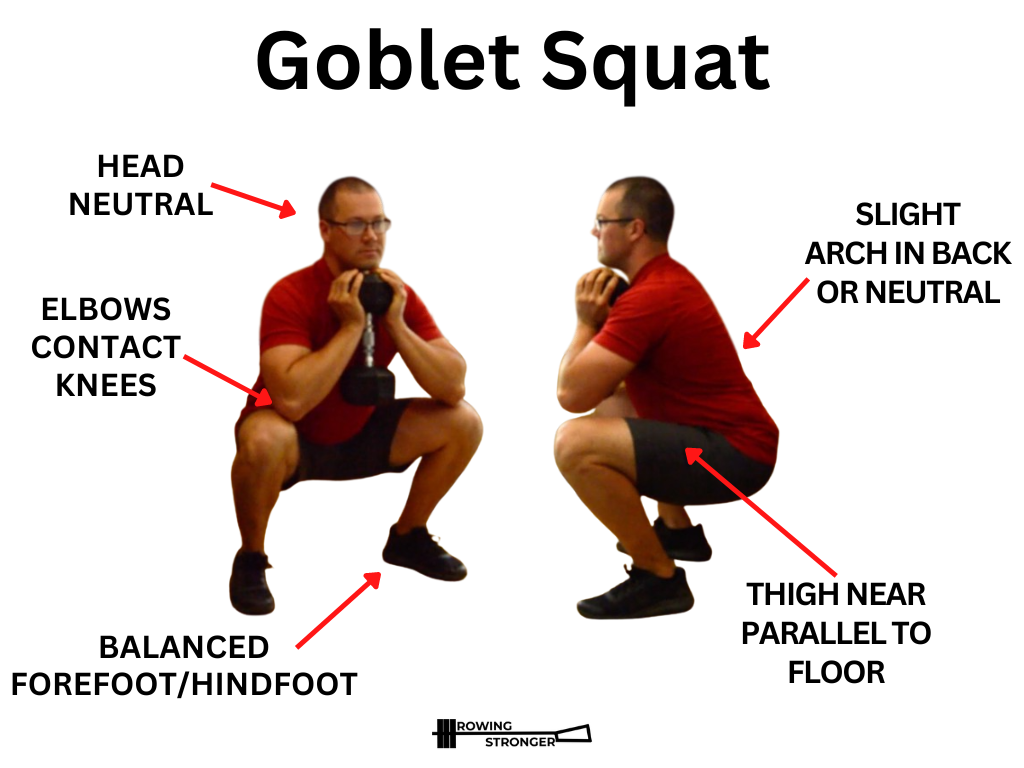
goblet squat for seniors
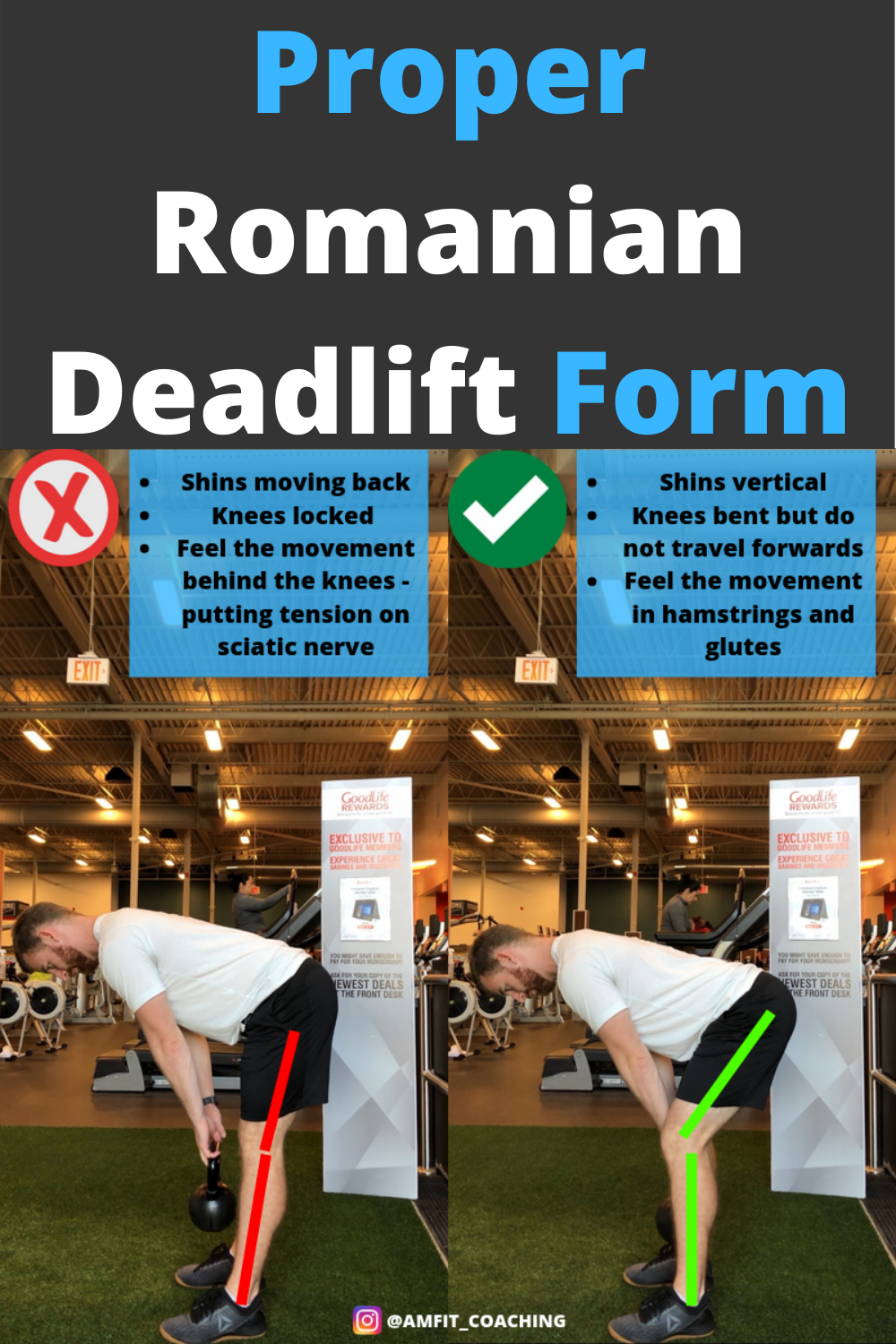
Romanian deadlift proper form
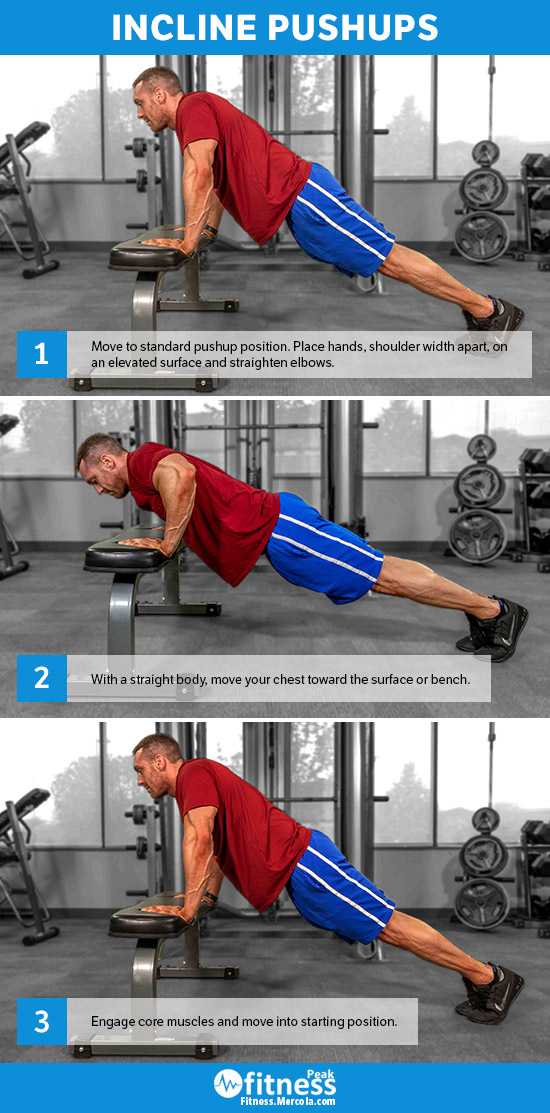
incline push-up technique
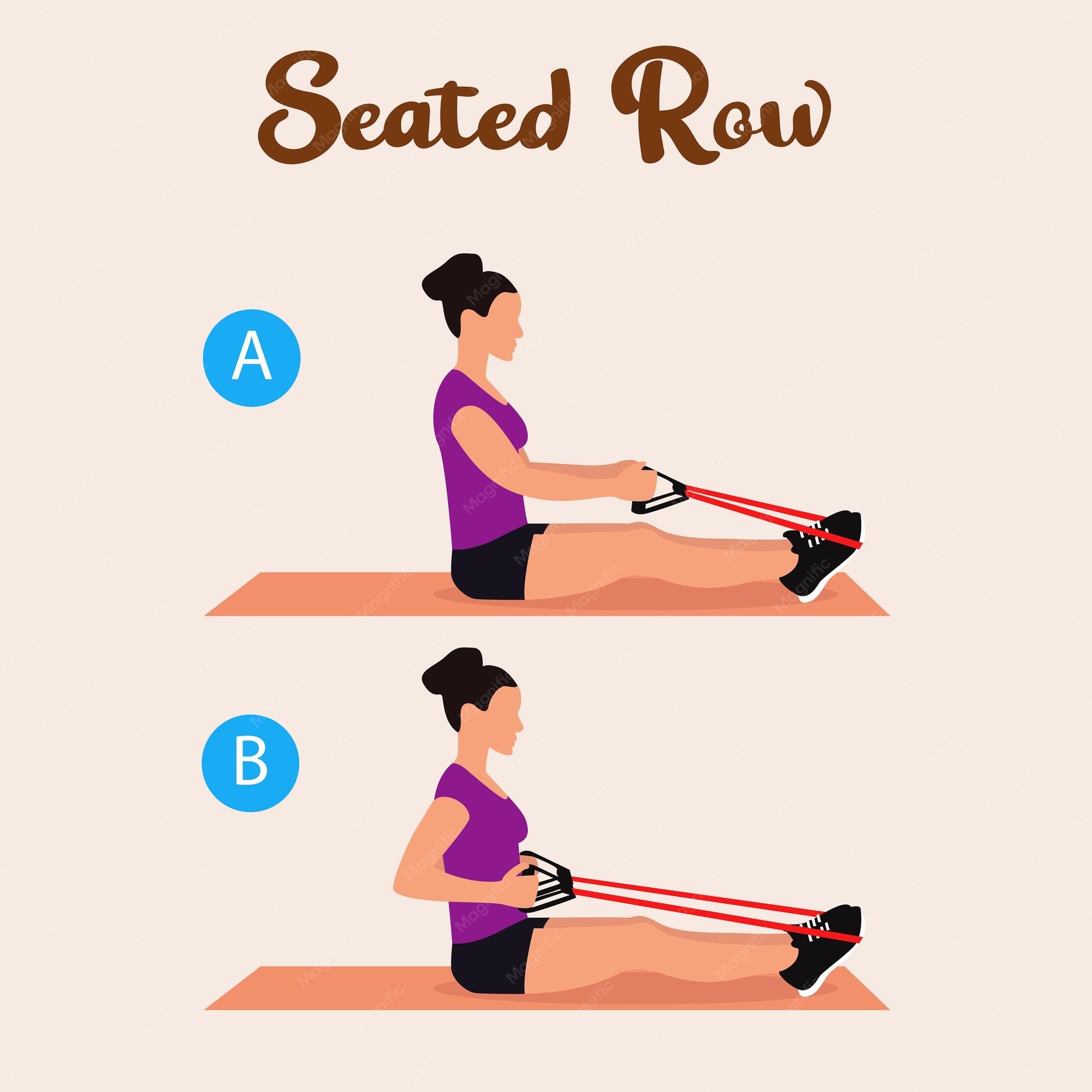
seated row resistance band
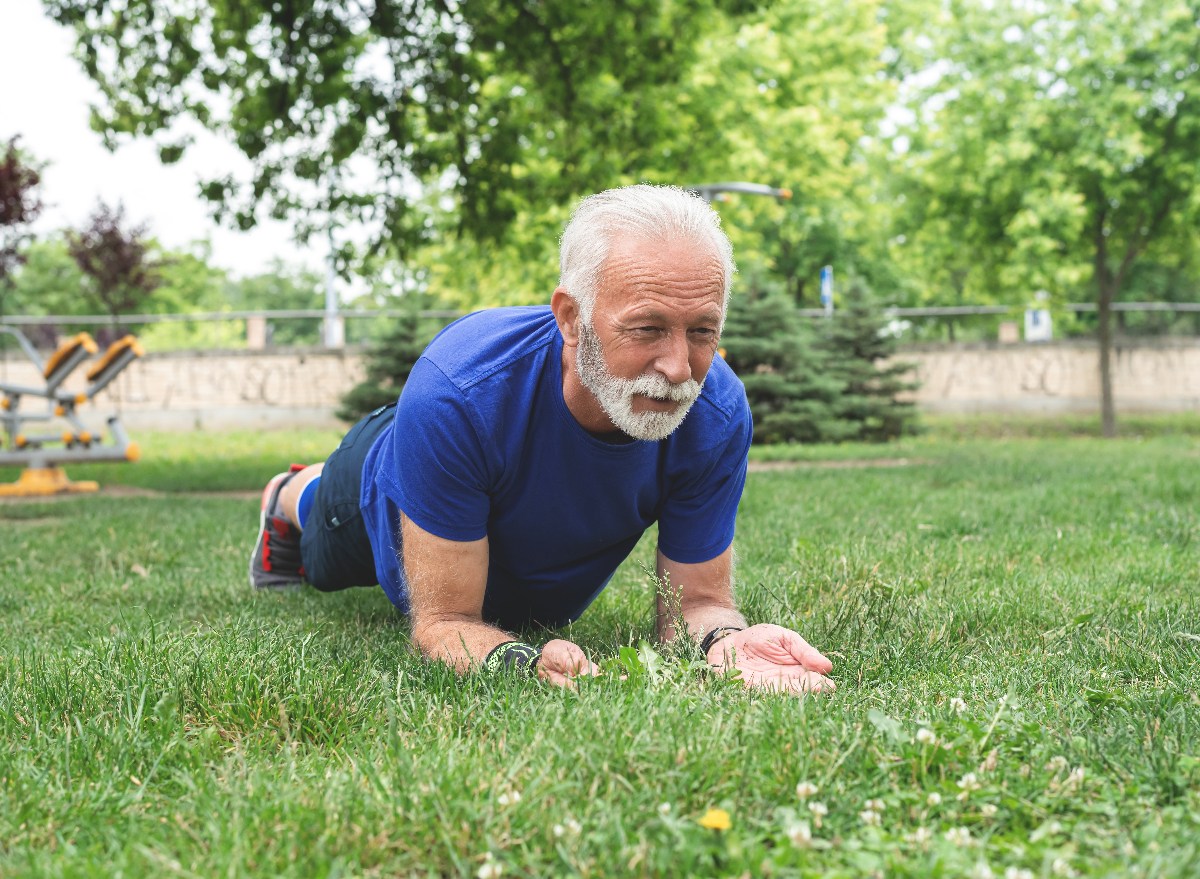
plank exercise elderly
Cool‑down
Brief mobility workand light stretching. Focus on breathingand returning heart rate toward baseline.
Why resistance training preserves muscle while helping with fat loss
When older adults lose weight without resistance training,he body often sheds both fatand muscle. Resistance training sends a clear signal to the body: maintain muscle. Muscle tissueis metabolically activeand contributes to daily energy expenditure. Preserving or increasing muscle while losing fat improves body composition —the ratio of lean mass to fat —and produces the best long‑term health outcomes.
Mechanisms in plain language
Muscle contraction during resistance work triggers cellular pathwayshat buildand maintain proteins. When combined with a modest calorie deficit, those signals tellthe body to preferentially use fat for fuel while keeping muscle mass. In older adults, anabolic resistance —a blunted muscle‑building response to proteinand exercise — can slow progress. The antidote: slightly higher protein intake, carefully dosed resistance work,and progressive increases in challenge.
Programming details: sets, reps, intensity,and progression
Programming for older adults balances stimulusand recoverability. Aim for moderate intensity(RPE 6–8 on a 1–10 scale)and moderate volume. Below is a practical framework.
- Sets per exercise: 1–3, depending on fitness leveland total weekly volume.
- Repetitions: 6–12 for strengthand hypertrophy; 12–20 occasionally for enduranceand technique work.
- Load progression: increase weight when you can completethe top of the rep range with good form for two consecutive sessions.
- Tempoand focus: controlled eccentric(lowering) phase, deliberate pause at the most challenging point,and smooth concentric(lifting) phase.
Frequencyand weekly volume
Two full‑body sessions per weekis the minimum to retain muscle while losing fat; three sessions offers faster gains but requires attention to recovery. Weekly total of 12–18 hard sets for major muscle groupsis a good target to induce adaptation without overtaxing recovery systems.
Nutritionand recovery:the partners that make the workout work
Exercise creates the stimulus; nutrition suppliesthe building blocks; recovery allows adaptations to happen. For older adults aiming to lose fatand preserve muscle, small adjustments to dietand sleep can amplify training results.
Protein
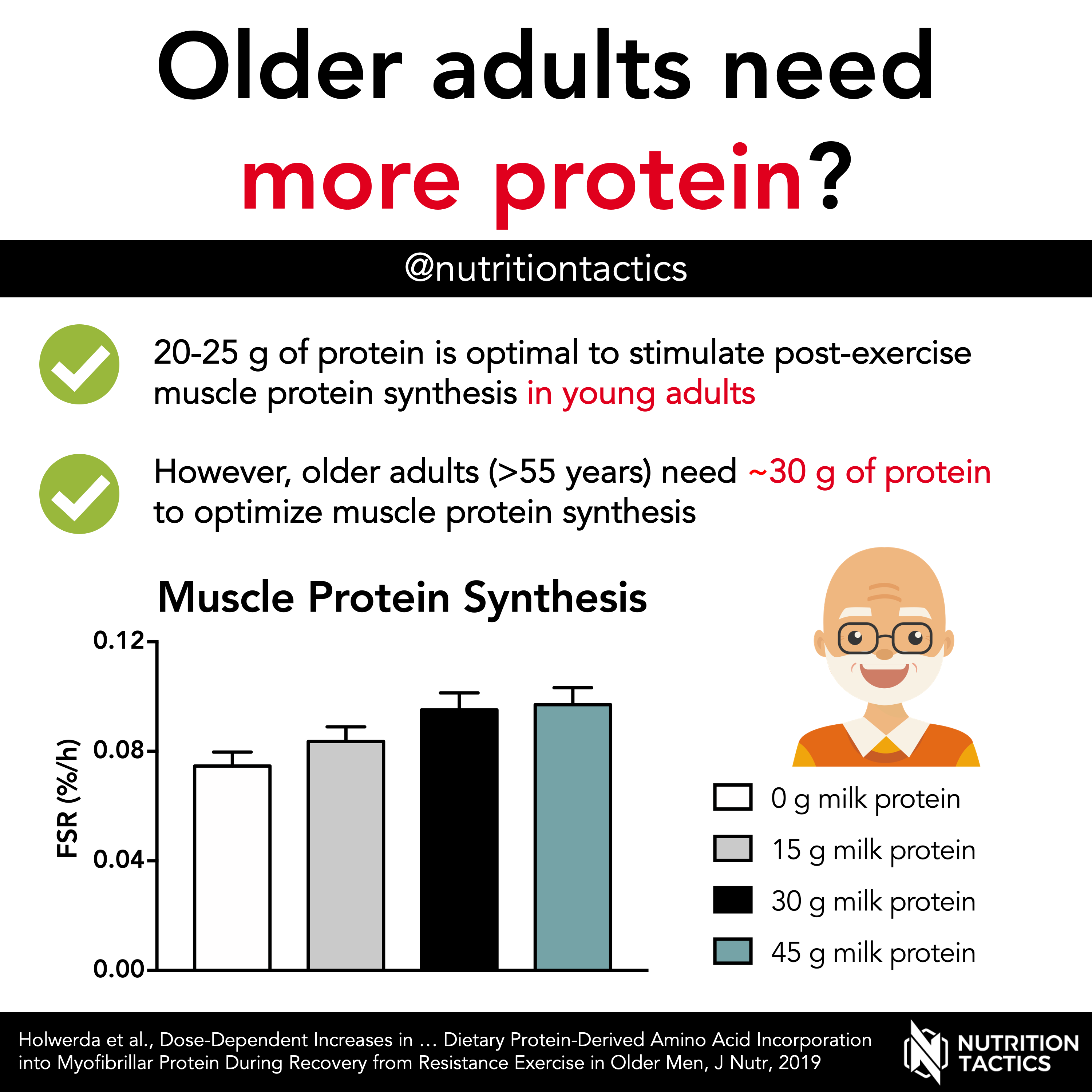
Aim for a higher per‑meal protein dose distributed across the day. Older adults benefit from protein intakeshat support muscle protein synthesis — typically more than the minimal amounts used for general health. Prioritize high‑quality proteinwith resistance sessionsand across meals.
protein nutrition older adults
Energy balanceand weight loss pace
Rapid, severe calorie restriction increases muscle loss risk. A modest deficit — 250–500 calories per day — allows fat loss while preserving lean mass when paired with resistance trainingand higher protein intake.
Sleepand stress
Adequate sleep(7–9 hours for most adults)and stress management support recovery, hormonal balance,and appetite control. These factors are often overlooked but can determine whether a training plan works.
A simple 12‑week progression plan
Below is a practical, progressive 12‑week plan built around the single full‑body workout performed 2–3 times per week. Adapt loadsand exercises for individual limitations. Always consult with a healthcare provider before beginning a new program if you have chronic conditions.
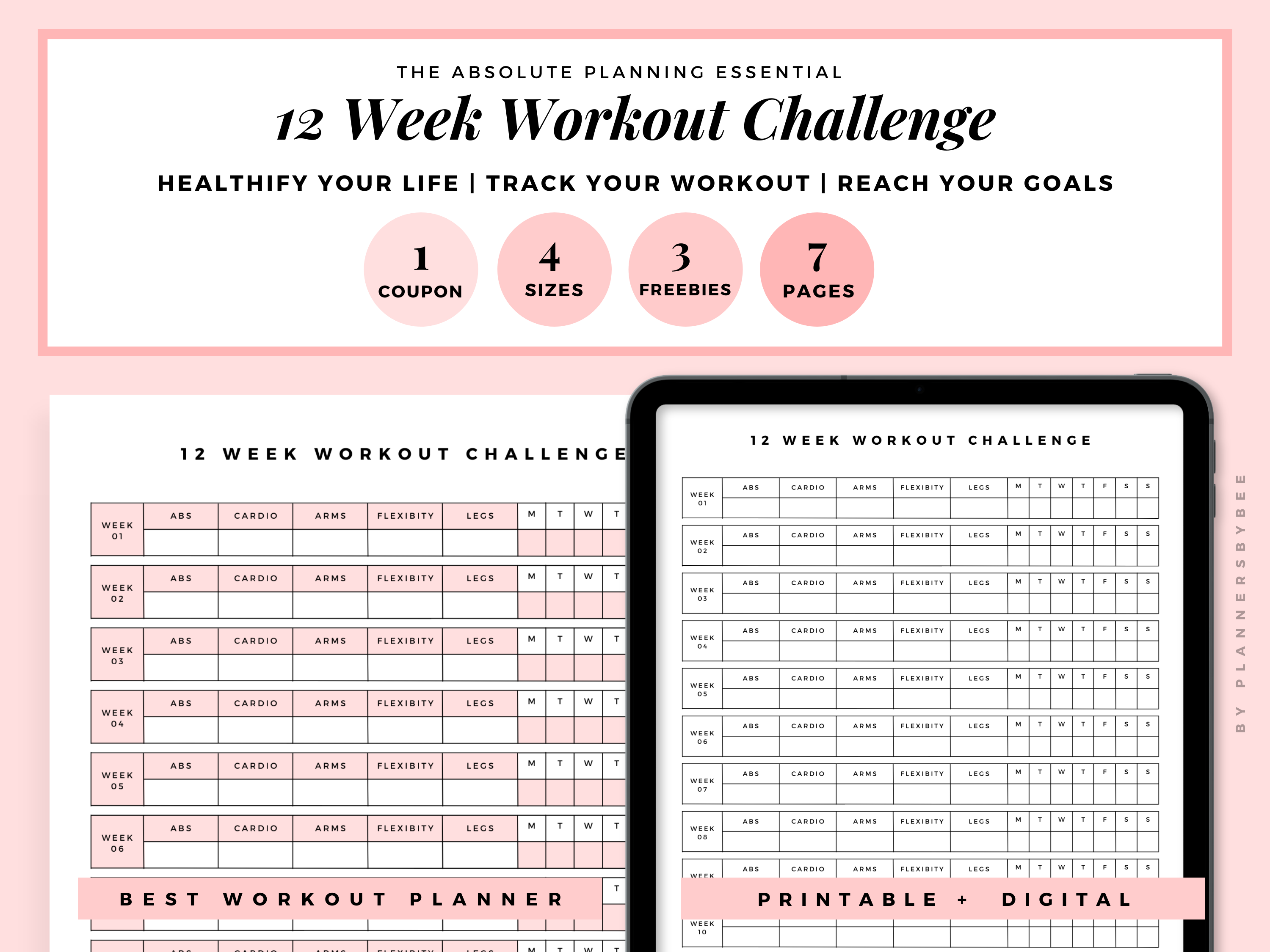
12 week workout progression
Phase 1 — Weeks 1–4: Build habitand movement quality
- Sessions per week: 2
- Sets per exercise: 1–2
- Reps: 10–15 at a light–moderate load focusing on form
- Goal: learn movement patterns, build confidence,and reduce stiffness.
Phase 2 — Weeks 5–8: Add loadand focus on strength
- Sessions per week: 2–3
- Sets per exercise: 2–3
- Reps: 8–12 at moderate load(RPE 6–7)
- Goal: progressive overload; increase weight or difficulty when ready.
Phase 3 — Weeks 9–12: Consolidate gainsand refine composition
- Sessions per week: 3 (or 2 with slightly increased intensity)
- Sets per exercise: 2–3
- Reps: 6–12; occasionally include higher rep sets for metabolic stimulus
- Goal: solidify strength gains, adjust caloric intakeas weight changes,and focus on mobilityand balance.
Sample week (3 sessions)
Session A
• Goblet squat 3x8–12
• Dumbbell Romanian deadlift 3x8–10
• Incline push‑up or chest press 2x8–12
• Seated row or band row 2x8–12
• Plank 2x20–40 seconds
Session B
• Split squat or step‑up 3x8–10 each leg
• Glute bridgeor hip thrust 3x8–12
• Overhead press seated or standing 2x8–12
• Lat pulldownor band pulldown 2x8–12
• Pallof press 2x10–15 each side
Addressing common concerns
Will lifting make me bulky or hurt my joints?
Bulking requires specific hormonaland nutritional contextsthat are uncommonin older adults; most will gain modest muscleand strength, not large bulk. When performed with correct techniqueand sensible progression, resistance training improves joint health by strengtheningthe muscles around jointsand increasing bone density stimulus.
What about cardio?
Cardiovascular exercise remains important for heartand lung health. Use brisk walking, cycling,or brief intervalson alternate daysfor aerobic fitness. But when the priorityis losing fat while retaining muscle, resistance training should be the foundation.
How quickly will I see changes?
Early improvements in strengthand energy are common within2–4 weeks. Changes in body composition — visible fat lossand preserved or increased muscle — take 8–12 weeks when trainingand nutrition are consistent.
Practical tips for sticking with the plan
- Make sessions shortand consistent: 30–45 minutes is achievableand sustainable.
- Track progress: log weights, reps,and how you feel to guide progression.
- Prioritize movement quality: better techniquewith lighter loads beats poor form with heavy weight.
- Buddy up or hire a coach: accountabilityand expert feedback speed progressand reduce injury risk.
Conclusion
For older adults who want to lose fatand preserve muscle,the single most effective workoutis a consistent, full‑body progressive resistance session performed two to three times per week. Paired with modest caloric reduction, increased protein intake,and sensible recovery, this approach shifts body compositionin a sustainable way while improving strength, balance,and quality of life. The strategy is not glamorous, but it's evidence‑aligned, time‑efficient,and adaptable for nearly anyone willing to learn the movementsand stick with the plan.
Prioritize strength: it's the most reliable prescription for aging well.
- Full‑body progressive resistance training is the most effective single workout strategy to lose fat while preserving muscle in older adults.
- Train 2–3 times per weekwith compound lifts, moderate volume,and gradual progression.
- Support training with adequate protein, a modest calorie deficit, quality sleep,and recovery.
This article provides general guidance. Consult a clinician before beginning any new exercise or nutrition program if you have medical conditions.