
The One Workout That Helps Older Adults Lose Fat Without Losing Muscle
For many older adults, the usual promises of weight loss feel incomplete: the scale drops while strength and energy follow. What if there were a single, repeatable workout template that reliably trims body fat but protects—and in many cases builds—muscle? Emerging practice from trainers and clinicians converges on a simple truth: when you combine heavy, compound resistance with short, high-effort intervals in the same session, you get the metabolic push for fat loss and the mechanical stimulus for muscle preservation. This article walks through why that workout works, how to perform it safely, and how to turn a single session into long-term success.
WHY THIS WORKOUT IS DIFFERENT
Most people separate strength days and cardio days. That separation can work, but it often leads older exercisers to do long, low-intensity cardio that creates an energy deficit but provides little stimulus to preserve muscle. The one-workout approach combines two priorities: a) meaningful mechanical tension on large muscle groups to signal maintenance and growth, and b) elevated metabolic demand through short, hard intervals to accelerate fat oxidation and improve insulin sensitivity. The result is an efficient session that addresses both sides of body composition: muscle retention and fat loss.
The physiology in plain terms
A few core physiological mechanisms explain why combining resistance and interval work is effective for older adults. Mechanical tension (heavy lifting) raises muscle protein synthesis and helps slow or reverse sarcopenia—the age-related loss of muscle. High-intensity intervals spike post-exercise oxygen consumption and metabolic hormones that favor fat mobilization. Together, these stimuli maintain or increase resting metabolic rate while improving body composition. Importantly, this approach also supports functional strength, balance, and bone health—outcomes that matter more with age than small changes on the scale.
Preserve strength first; fat loss follows more sustainably when muscle is kept.
WHAT THE WORKOUT LOOKS LIKE
At its core the session follows a simple template: a focused warm-up, heavy compound strength sets (2–4 exercises), followed by short, high-effort intervals that keep the heart rate elevated without turning into long slow cardio. The whole workout takes 30–45 minutes and can be repeated 2–4 times per week depending on recovery and goals.
Session blueprint (example)
- Warm-up (7–10 minutes): joint mobility, dynamic leg swings, 5 minutes of easy rowing or walking, 2 light sets of the first strength exercise.

older adults stretching and mobility
- Strength block (20–25 minutes): 3 compound exercises, 3 sets each,102021-12-29 6–10 reps per set at a challenging weight (RPE 7–9). Rest 60–90 seconds between sets.
- Interval block (6–10 minutes): 6 rounds of 20 seconds hard / 40 seconds easy using a rowing machine, bike, or bodyweight movement (e.g., kettlebell swings or fast bodyweight squats).
- Cool-down (3–5 minutes): light walking and stretching, focus on breathing and recovery.
Choosing exercises
Prioritize compound movements that recruit large muscle groups and mimic daily tasks: squats or goblet squats, deadlift variations, bent-over rows, push-ups or chest press, and loaded carries. For interval work, choose a modality with low joint impact if needed: rowing, cycling, or kettlebell swings are often preferable to repeated sprinting for older joints.

older adults doing goblet squats

seniors using rowing machines
WHY THIS BEATS LONG-STEADY CARDIO FOR OLDER ADULTS
Long-duration steady-state cardio burns calories but does little to preserve muscle mass. Older adults who rely heavily on long cardio sessions often find they lose both fat and muscle. This harms strength, metabolic health, and independence. The combined session preserves the anabolic stimulus of resistance training while still producing the cardiovascular and metabolic benefits of harder aerobic work—all with less total time spent exercising.
Time efficiency and adherence
Shorter, meaningful sessions are easier to maintain. Many older adults cite time and fatigue as barriers; a 35-minute, high-value workout reduces those barriers and creates a sustainable habit. Consistency matters more than perfection: a well-executed session three times per week outperforms sporadic long cardio sessions followed by inconsistent strength training.
NUTRITION AND RECOVERY: THE PART THAT PRESERVES MUSCLE
Exercise is only half the equation. To protect muscle during fat loss, pay attention to protein intake, caloric strategy, and recovery. Older adults have a higher per-meal protein need to stimulate muscle protein synthesis, so spreading protein evenly across meals is helpful.
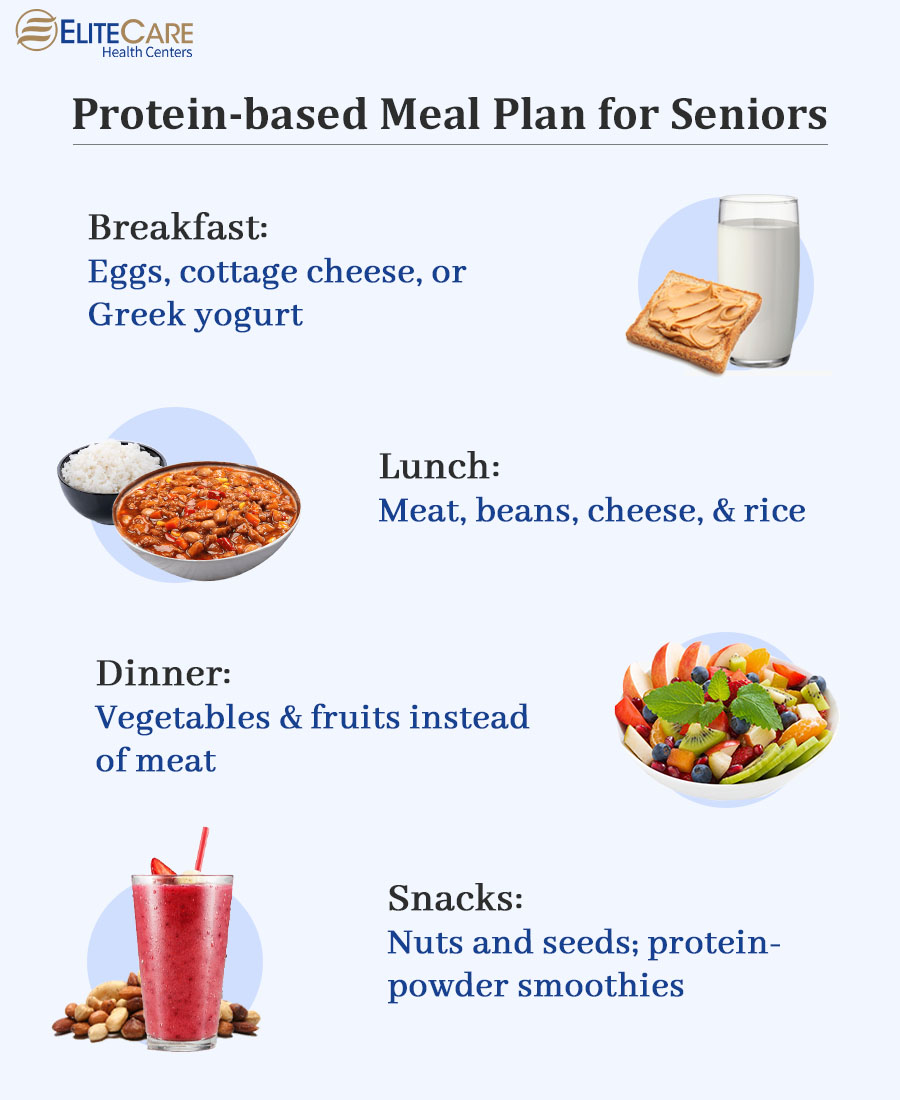
protein-rich meals for seniors
Practical nutrition rules
- Protein target: Aim for roughly 1.0–1.6 grams of protein per kilogram of body weight per day, unless otherwise contraindicated by medical conditions. Distribute 25–40 grams of high-quality protein across meals.
- Moderate caloric deficit: Create a modest deficit (e.g., 200–350 kcal/day) to encourage fat loss without aggressive restriction that risks muscle loss.
- Timing: Consume a protein-rich meal or shake within 1–2 hours after a workout to support recovery and muscle protein synthesis.
PROGRAMMING DETAILS: PROGRESSION, FREQUENCY, AND VOLUME
Program design is where many people stumble. For older adults, the guiding principle is progressive overload—gradually increasing the stimulus so muscle adapts—balanced with enough rest to recover. Frequency and volume should reflect individual recovery: many older adults do well with 2–4 focused sessions per week using the one-workout template.
A 12-week progression plan
- Weeks 1–4: Build movement quality and baseline strength. Start with 2–3 sessions per week, 2 strength exercises per session, and 4–5 intervals.
- Weeks 5–8: Increase intensity: add a third strength exercise, push reps into the 6–8 range at higher loads, and complete 6 interval rounds.
- Weeks 9–12: Introduce variation: alternate heavier weeks (lower reps, higher weight) with lighter weeks (higher reps, shorter rest). Consider adding a fourth session if recovery permits.
Monitoring progress
Track a mix of metrics: strength (weight lifted), body circumferences or how clothes fit, energy levels, and simple functional tests (e.g., sit-to-stand, timed walk). Avoid fixating on scale weight alone because muscle gain can mask fat loss. Photos and measurements often reveal progress more clearly than a number on the scale.
SAMPLE WORKOUT (BEGINNER-FRIENDLY)
Here is a practical session you can try on non-consecutive days. Adjust load and interval intensity to your current fitness and medical guidance.
Warm-up (8 minutes)
- 5 minutes brisk walk or easy rowing
- Dynamic mobility: 8 leg swings each side, 8 arm circles, hip hinges x 8
- 2 light sets of goblet squat x 8
Strength block (3 exercises)
- Goblet squat — 3 sets of 8 reps (rest 60–90s)
- Bent-over dumbbell row or seated row — 3 sets of 8 reps (rest 60–90s)
- Incline push-up or chest press — 3 sets of 8–10 reps (rest 60–90s)
Interval block (6 minutes)
- 6 rounds: 20 seconds hard effort (row or bike or kettlebell swings) followed by 40 seconds easy recovery
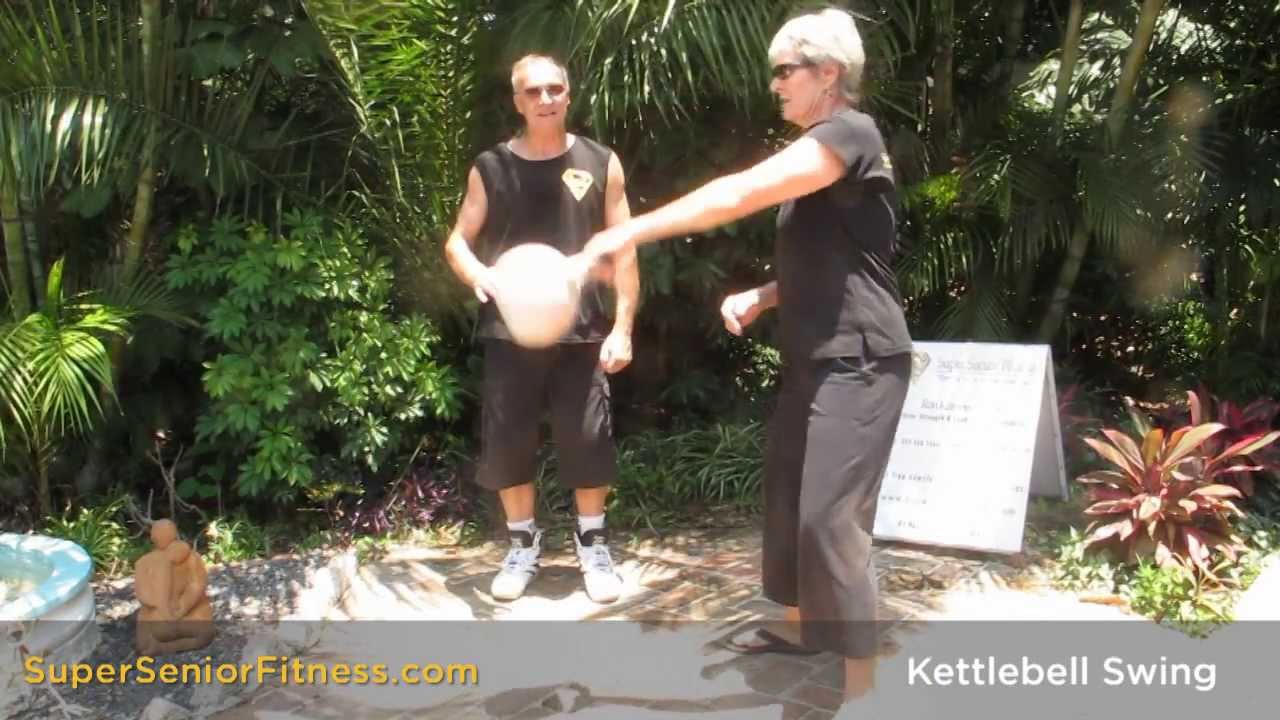
kettlebell swings for seniors
Cool-down (3–5 minutes)
- Slow walk 2–3 minutes and gentle hamstring/quadriceps stretch
SPECIAL CONSIDERATIONS FOR OLDER ADULTS
Age brings specific needs: joint-friendly exercise selection, attention to balance and fall risk, and sometimes slower recovery. Modify intensity and volume accordingly and prioritize mobility and sleep as complementary tools for recovery.
Balance and fall prevention
Include single-leg work and loaded carries in later phases of training. Simple balance drills—standing on one foot, heel-to-toe walking—performed after warm-up or as part of a cool-down can reduce fall risk and improve confidence.

balance drills for older adults
Medication and medical conditions
Certain medications influence heart rate response, recovery, or appetite. If you take beta-blockers or blood thinners, coordinate exercise intensity and any sudden training increases with your clinician so monitoring is appropriate.
- Efficient time use
- Preserves or builds muscle while reducing fat
- Improves functional fitness
- Requires careful progression to avoid overreach
- Some intervals may be challenging for joint issues without modification
- Initial soreness can be greater than low-intensity cardio
FAQ: COMMON QUESTIONS ANSWERED
Will I lose muscle if I eat fewer calories?
Not if you preserve strength training stimulus and eat adequate protein. A moderate deficit plus resistance work and protein distribution across meals protects muscle more effectively than heavy caloric restriction without strength training.
How often should I do this workout?
Start with 2–3 times per week, and increase to 3–4 if you recover well. Recovery is individual—use energy levels, sleep quality, and strength trends to guide frequency.
Is fasted cardio better for fat loss in older adults?
Fasted cardio is not necessary and often less beneficial than combined, higher-quality sessions. The priority should be preservation of muscle and overall metabolic health rather than chasing small theoretical advantages.
PUTTING IT INTO PRACTICE: A WEEKLY EXAMPLE
Here is one way to structure a week for steady progress while allowing recovery.
- Monday: Combined workout (strength + intervals)
- Tuesday: Mobility, short walk, light stretching
- Wednesday: Combined workout (alternate strength exercises)
- Thursday: Active recovery, balance drills
- Friday: Combined workout or lighter strength session depending on fatigue
- Saturday: Enjoyable low-impact activity (hike, bike) or rest
- Sunday: Rest and focus on sleep and nutrition
CONCLUSION: WHY THIS MATTERS FOR LIVING BETTER LONGER
Beyond aesthetics, preserving muscle and reducing excess fat in older age has real consequences for independence, metabolic health, and quality of life. The one-workout approach—combining targeted resistance with brief, high-effort intervals—gives older adults a time-efficient, practical way to change body composition while improving strength, balance, and cardiovascular health. It is not a magic bullet, but when paired with sensible nutrition, sleep, and gradual progression, it becomes a powerful tool for aging well.
- Combine heavy compound strength work with short, high-effort intervals in a single session to promote fat loss while protecting muscle.
- Prioritize protein (spread across meals), moderate caloric deficit, and progressive overload.
- Start conservatively, progress over 12 weeks, and monitor recovery—consult a clinician if you have significant health concerns.
Try the 30–40 minute combined session twice weekly for four weeks and notice changes in strength, energy, and how clothes fit before expecting major scale movement.