
The One Habit That Reveals a Privileged Upbringing

expect accommodation habit
We all carry traces of our childhood in the things we do without thinking: the way we arrange our bookshelf, how we ask for help, the tone we use when something goes wrong. But among those small signals, one habit stands out for how reliably it maps to a lifetime of unearned advantage: the default expectation that institutions, services, or other people will bend to your needs. Not merely confidence or calm competence, this is an attitude—manifested in behavior—that presumes accommodation as the normal baseline.
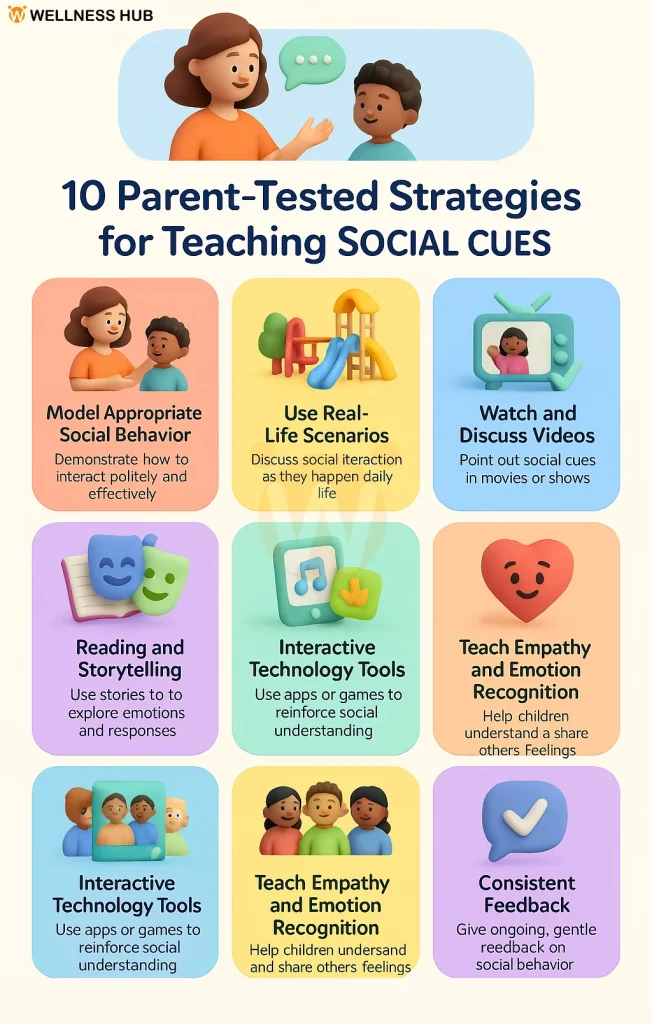
childhood privilege cues
Why a Single Habit Tells a Story
Habits are compressed biographies. A gesture, a question, a tone of voice can carry decades of context. Expecting accommodation shows that the person has repeatedly experienced systems and people responding to them as the center of attention. That repeated reinforcement rewrites what feels normal. Over time, a child who grows up always being prioritized—by parents, institutions, tutors, or wealthy service networks—acquires an operating assumption: the world will pivot for them.
What the Habit Looks Like in Practice
On its face, it can be subtle. It can pass as decisiveness, self-advocacy, or high expectations. Examples include:
- Asking for special treatment as a first step—like requesting a waiter change a chef's routine rather than checking whether it's possible.
- Assuming deadlines or rules are flexible and presenting that assumption as rightful rather than requesting an exception.
- Expecting institutions to provide solutions quickly—assuming the burden of research, bargaining, or compromise will fall on staff rather than on them.
- Interpreting small inconveniences as failures on the part of service workers, rather than as neutral frictions of complex systems.
Seen often enough, these behaviors reveal not just personality but pattern: the person has been raised in contexts where resources and responsiveness were readily available.
service industry behavior
How This Differs from Confidence or Professionalism
It's important to separate privilege signals from traits we admire. Confidence, clear communication, assertiveness—these can look similar. The difference lies in baseline assumptions and relational impact. A confident person will state their need and be open to mutual negotiation. A person exhibiting the privilege habit will assume acquiescence and can be less adaptable when told no.
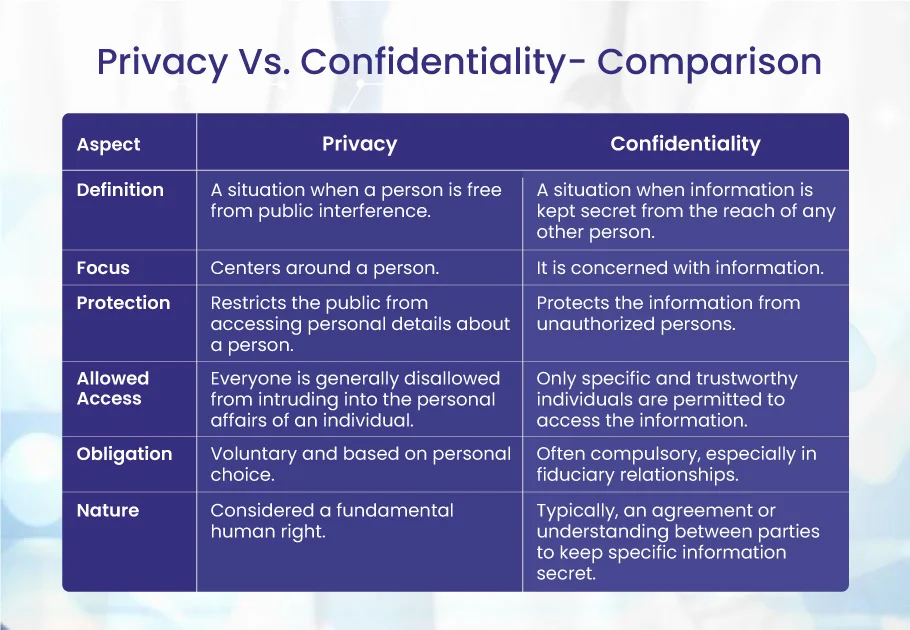
confidence vs privilege
Assuming accommodation is not the same as asking for help—it's assuming the world will rearrange itself to suit you.
Why Privilege Produces This Habit
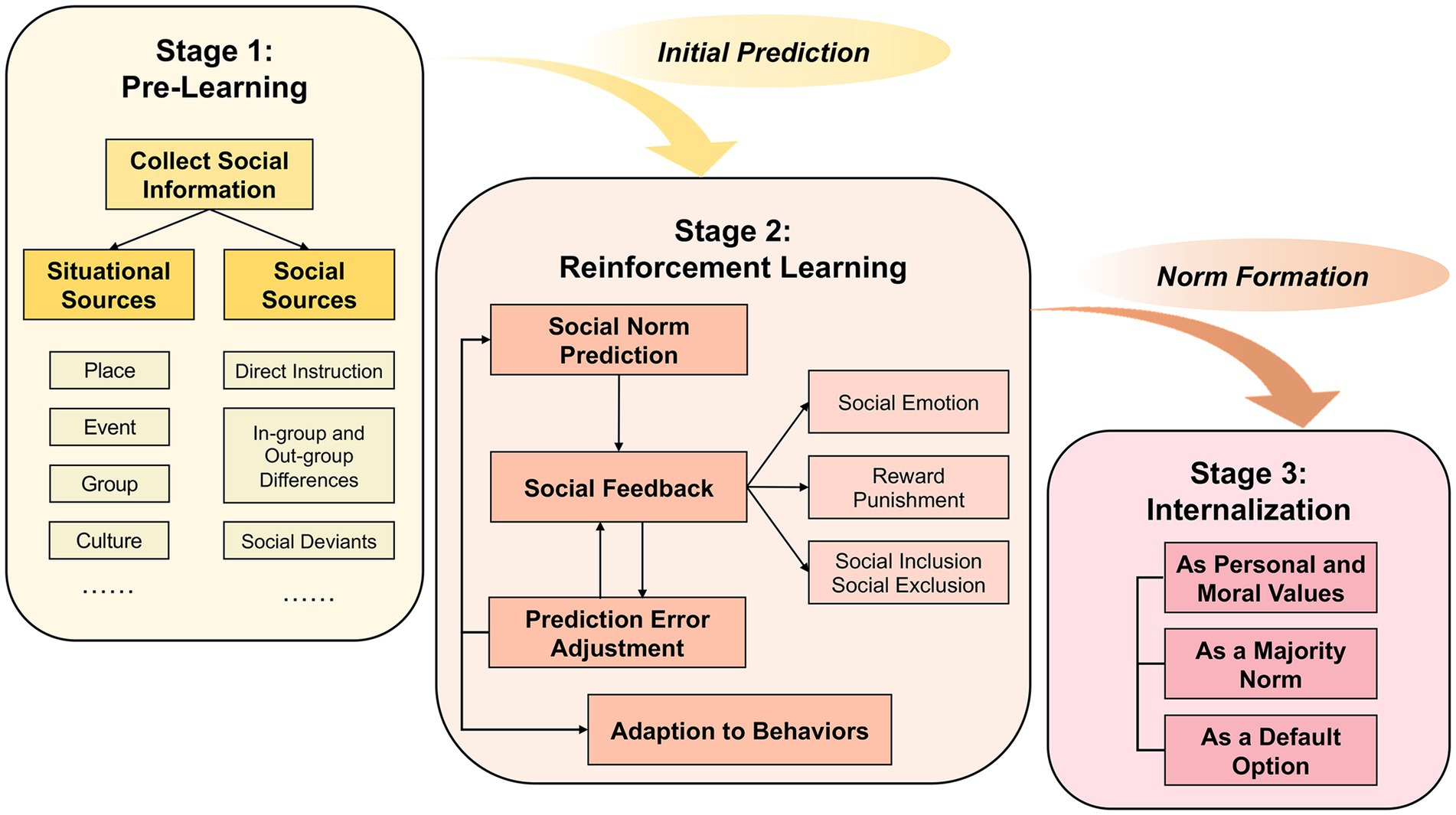
Privilege is a pattern of consistent positive feedback. When parents, institutions, or paid help consistently remove obstacles, a child learns that barriers are temporary and human systems are malleable. Three mechanisms explain how this becomes habitual:
- Resource buffering: When caregivers or institutions solve issues for a child—handling bureaucratic forms, smoothing social conflicts, or paying for extras—the child internalizes that problems are not theirs to manage.
- Norm reinforcement: Social circles with similar access normalize requests for exceptions. What looks like entitlement to outsiders is treated as unremarkable within that network.
- Predictable accommodation: Regular encounters with responsive adults (nannies, tutors, concierge services) teach children that asking will reliably produce results.
Over time, these lead to a habit: the initial posture toward the world is not inquiry or curiosity, but an expectation of accommodation.
resource buffering childhood
norm reinforcement social
How to Tell Privilege From Training or Culture
Not every person who expects smooth treatment grew up wealthy. Sometimes rigorous training—military, elite sports, or customer-facing professions—can instill fast, decisive behavior. Cultural norms can also produce high expectation without material wealth. Context matters. Ask these diagnostic questions:
- Is the expectation flexible? Does the person pivot when told no?
- Who historically solved their problems? If family, schools, or paid help routinely solved logistical hurdles, privilege is likely at play.
- Are exceptions normalized? If their social circle also expects special treatment, that reinforces the habit.
These probes reveal whether you're seeing hard-earned skill or a map of unearned advantage.
empathy exercises privilege
When the Habit Is Helpful—and When It's Harmful
This default expectation can be an advantage. People who assume accommodation often move faster: they secure resources, mobilize teams, and push systems to perform. In leadership or high-stakes negotiation, that edge can be decisive. But the same habit has costs:
- Relational strain: People resent being treated as secondary or as problem-solvers on demand.
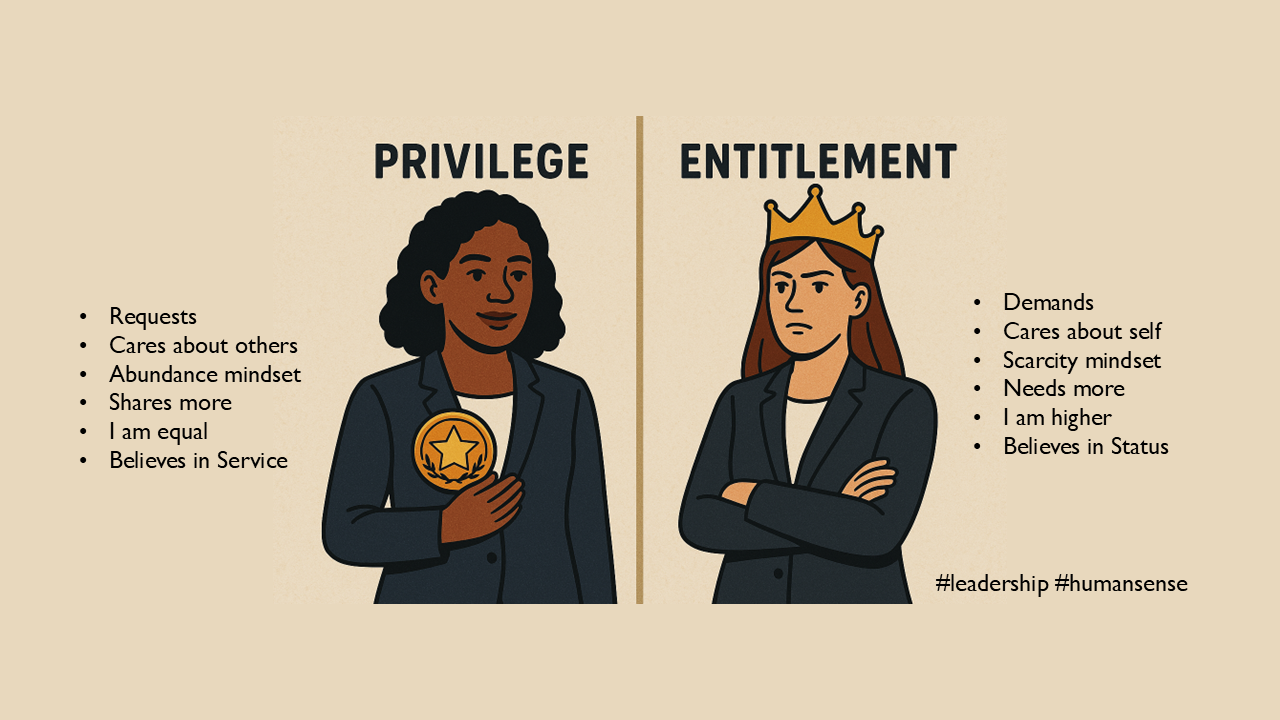
- Workplace friction: Managers may see rigid expectations as entitlement rather than leadership.
- Blind spots: Assuming systems exist to prop you up can erode empathy for those without support.
A leader who moves systems without gratitude or understanding can alienate colleagues and miss systemic constraints colleagues navigate daily.

workplace dynamics privilege
entitlement vs leadership
leadership privilege habit
Real-Life Scenes: Micro-Behaviors That Signal Privilege
Consider everyday interactions where the pattern shows up:
- Travel: Demanding upgrades or immediate solutions rather than working within existing constraints.
- Healthcare: Expecting the fastest appointment or the doctor to call back quickly as a matter of course.
- Education: Assuming administrators will move deadlines or regrade work when asked.
- Customer service: Framing a minor problem as inexcusable and calling for managers instinctively.
Each of these instances is not a moral indictment; rather, they are signposts pointing to how patterns of accommodation shaped expectation.

travel habits privilege
upbringing signals microhabits
Exceptions and Complexities
Human lives are messy. Many people who display this habit also come from immigrant or mixed backgrounds where resources were limited but social capital or institutional savvy was cultivated. Adopted children, scholarship students, or those who moved between class strata can show hybrid patterns. That's why a single habit should be an invitation to curiosity, not a verdict.

summer camps upbringing

private schools upbringing

childhood adult intervention
How to Read the Habit with Nuance
When you notice this pattern in someone, try a posture of inquiry rather than assumption. Useful mental moves include:
- Ask gentle questions: "How was that handled when you were younger?" lets someone explain context instead of defending behavior.
- Observe adaptability: See whether their expectation softens when faced with systemic limits.
- Consider structural realities: Are you observing individual behavior or a pattern reinforced by class, school, or community?
That approach converts a snap judgment into a learning opportunity and preserves relationships.
class signaling habits
What to Do If You Recognize the Habit in Yourself
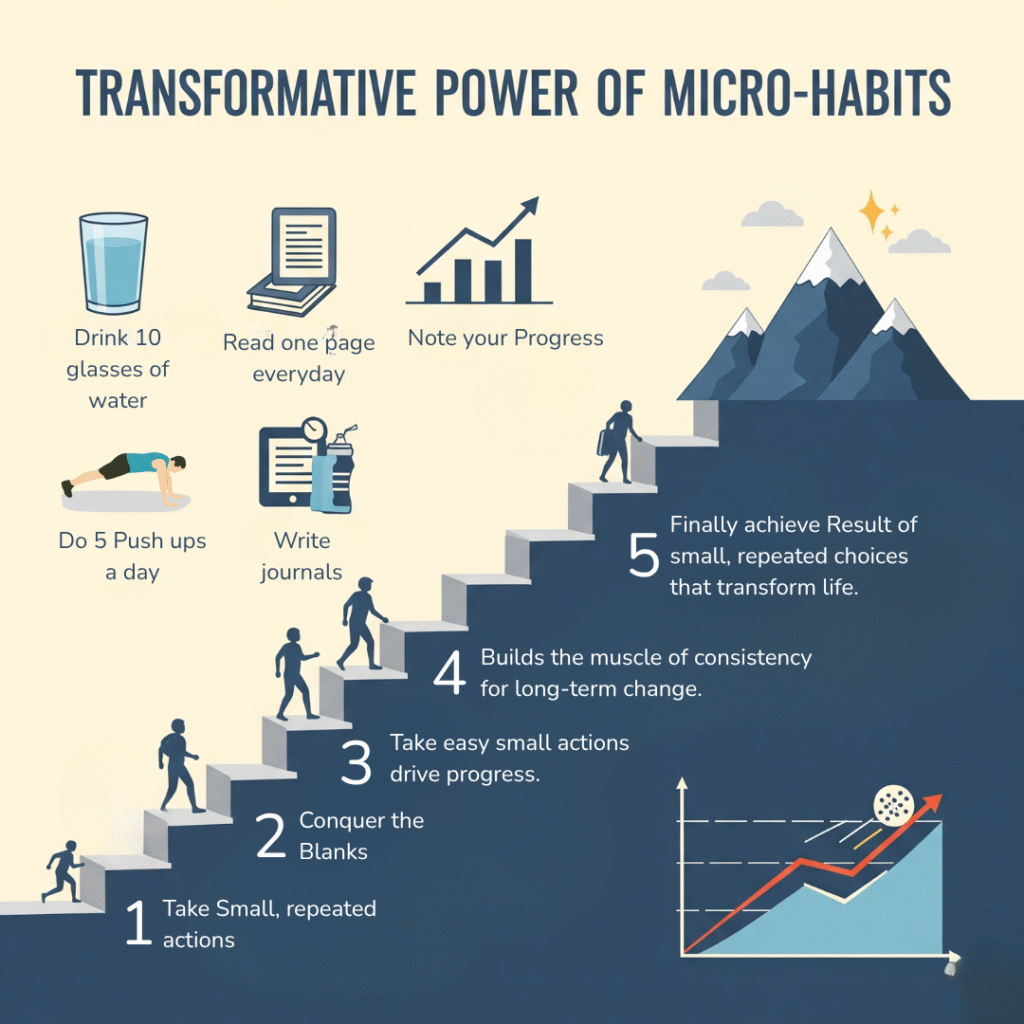
Self-awareness is the first step. If you notice that you assume accommodation, reflect on the origins of that expectation: did caregivers erase friction for you? Did institutions always meet your needs? Then practice concrete shifts.
- Experiment with constraint: Deliberately choose lower-friction options and manage the small frictions yourself.
- Practice gratitude: When systems do respond, name it aloud and thank the people involved rather than assuming they were obliged.
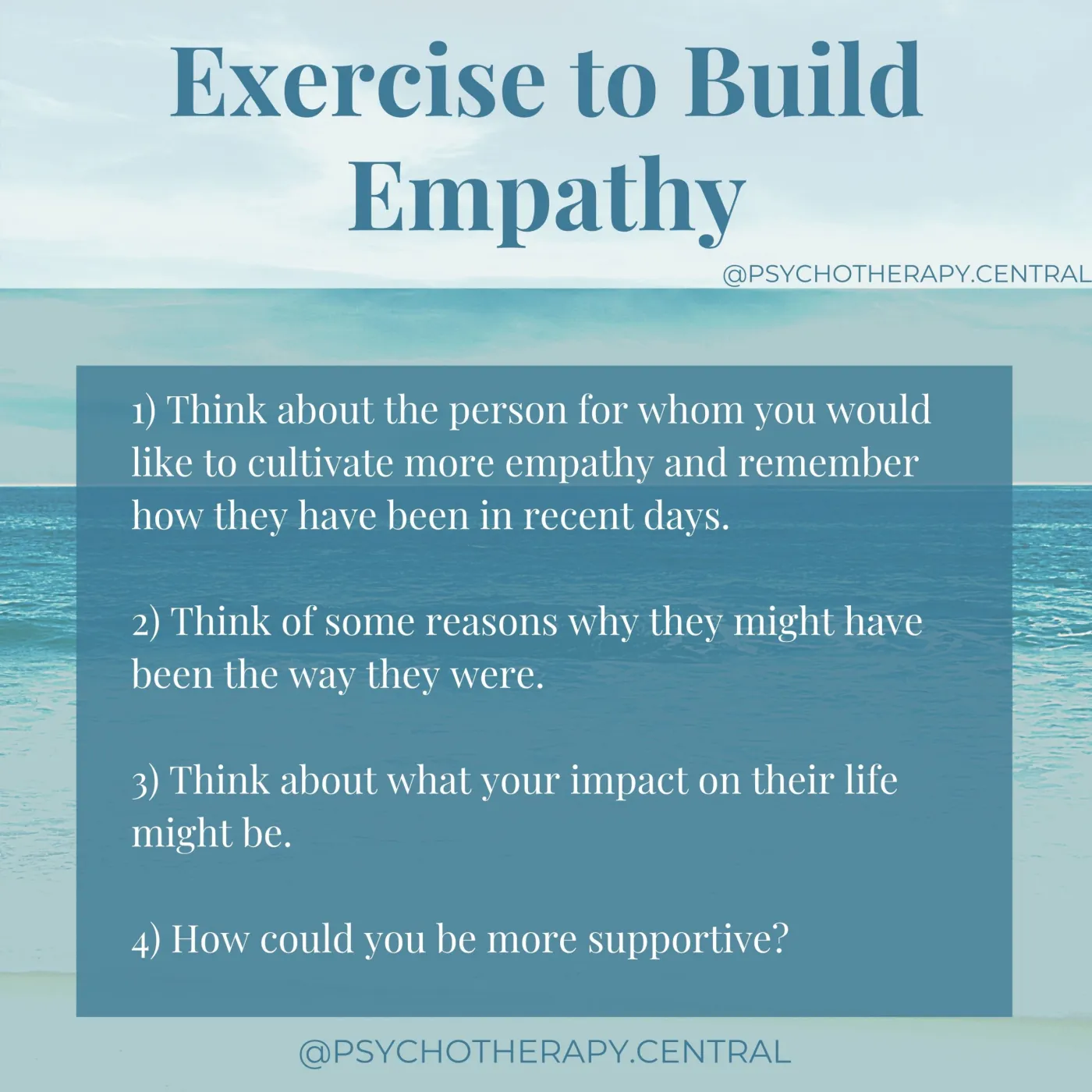
- Build empathy exercises: Volunteer intentionally in contexts where systems have limited capacity to understand those contingencies.
These are small recalibrations but they rewire assumptions over time.

gratitude practice privilege
constraint experiment privilege
Rewriting an expectation is a slow, deliberate practice—like retraining a habit of posture or speech.
Implications for Hiring, Relationships, and Leadership
For hiring managers and colleagues, the presence of this habit should be a data point, not a dismissal. In some roles it signals resourcefulness and the ability to move people; in others it can predict poor fit where collaboration and shared burden are essential.
Practical steps for teams:
- Set clear norms: Define how exceptions are handled so personal expectation doesn't substitute for process.
- Test adaptability: In interviews, probe how candidates have navigated constrained environments.
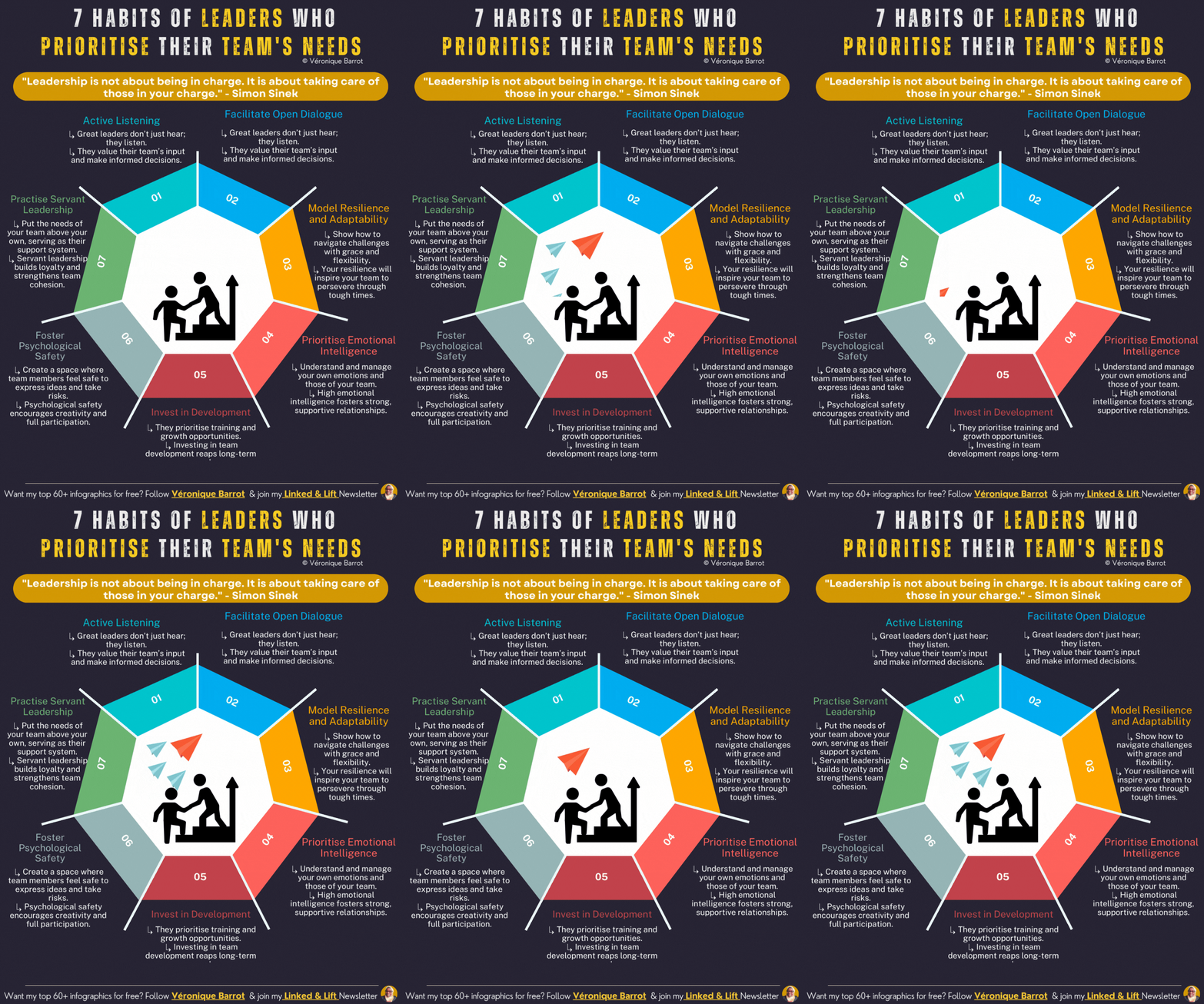
- Model humility: Leaders should normalize asking for help so entitlement doesn't masquerade as leadership.
With these measures, teams can harness the productive edge of assertive expectation without suffering the social costs.
interview privilege signals
A Final Note About Judgment
It's easy to weaponize observations about privilege into shaming. That misses the point. Habits are adaptation—not moral failings—shaped by systems. Noticing the habit of expecting accommodation should invite both compassion and structural thinking: compassion because people rarely choose their childhood circumstances; structural thinking because recognizing patterns points to where systems grant advantage.
Conclusion: What This Habit Reveals and What We Can Do
The habit of assuming the world will rearrange for you is one of the most consistent behavioral markers of a privileged upbringing. It is not universally present in every person with material advantage, nor is it absent in those without. But because it emerges from repeated experiences of accommodation, it compresses a history of support into a single, readable stance.
Understanding that stance gives us choices. We can respond with judgment or with curiosity. We can design teams and institutions that reduce individual friction and make expectations explicit. And if we see that habit in ourselves, we can practice constraint, gratitude, and empathy to broaden our perspective.
- The default expectation of accommodation often marks a privileged upbringing.
- Distinguish entitlement from confidence by testing adaptability and sources of past support.
- Respond with curiosity and structural awareness rather than moral condemnation.
- Individuals can recalibrate through gratitude practice and deliberate exposure to constraint.