
The iPad Effect: How Tablets Rewired Our Brains and Habits
The iPad did not arrive as a protest or manifesto. It arrived as a slab of glass and aluminum that invited people to touch, tap, pinch and carry new kinds of experiences into every corner of daily life. In that simple portability and intuitive interface lay a quiet social experiment: what happens when an always-ready, capacious screen becomes ambient and intimate, both classroom and living room, tool and toy? Over a little more than a decade, tablets reshaped how we attend, remember, learn and relate to one another. This is the story of that transformation—what changed, how neuroscientists and designers explain it, and what we can do now that the change is baked into culture.
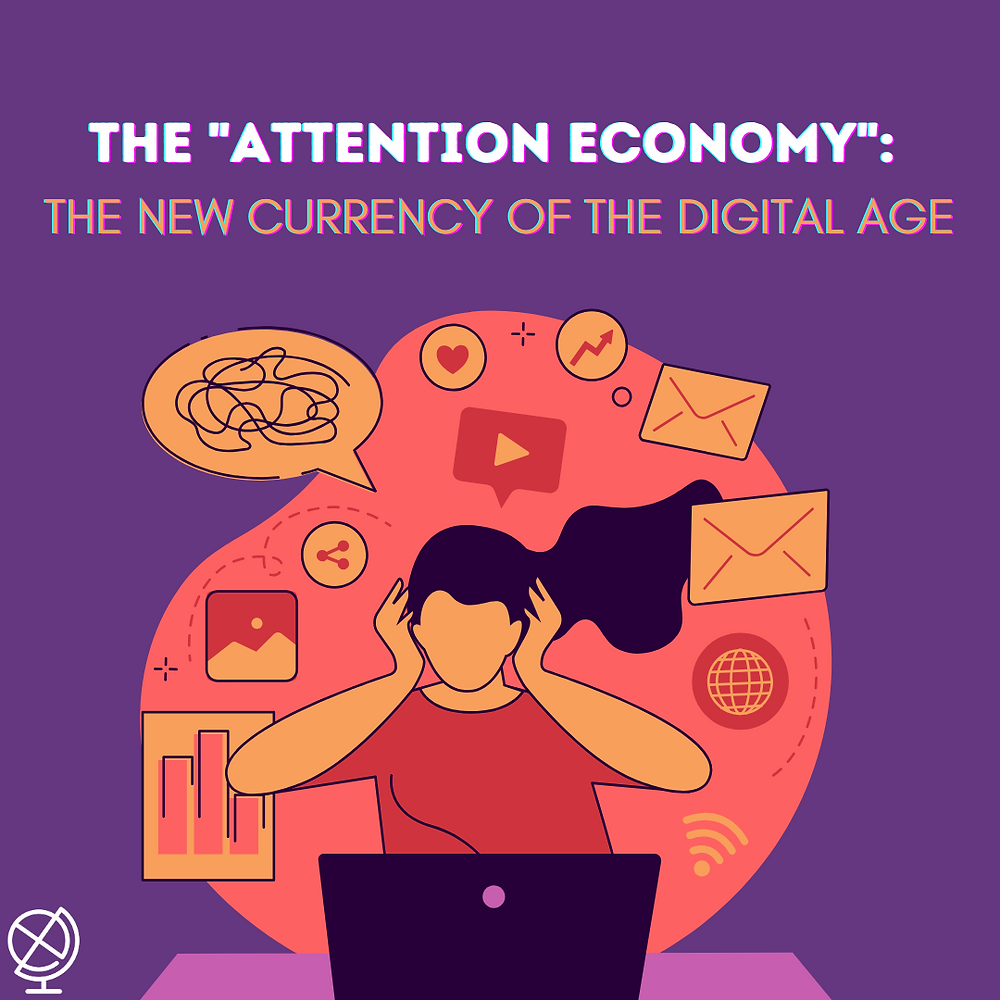
tablet attention economy
A Small Revolution in Your Hands
The original promise of the tablet was generational convenience: surf the web, read a magazine, watch a video, draw with a stylus. It did those things elegantly. What designers did not fully foresee was how this one device would become a gateway to new habits—micro-sessions of entertainment interleaved with work, learning punctuated by social checks, and a steady stream of notifications that reframed urgency. The iPad made certain behaviors easier and cheaper to repeat; repetition is the raw material of habit and, by extension, of neural rewiring.
The iPad turned intermittent attention into a default setting.
Attention and the Attention Economy
The anatomy of distracted attention
Attention is not a single thing; it is a set of capacities—sustained focus, selective attention, and the ability to switch without losing context. Tablets encourage frequent switching. A child who was reading a digital story may tap to open a game. A journalist writing a draft may glance up at social feeds. These small switches are not neutral. Every switch costs cognitive overhead: it requires reorienting, reloading memory, and often yields a pleasurable signal from novelty or social reward. Repeating that pattern trains the brain to expect short loops of stimulation.
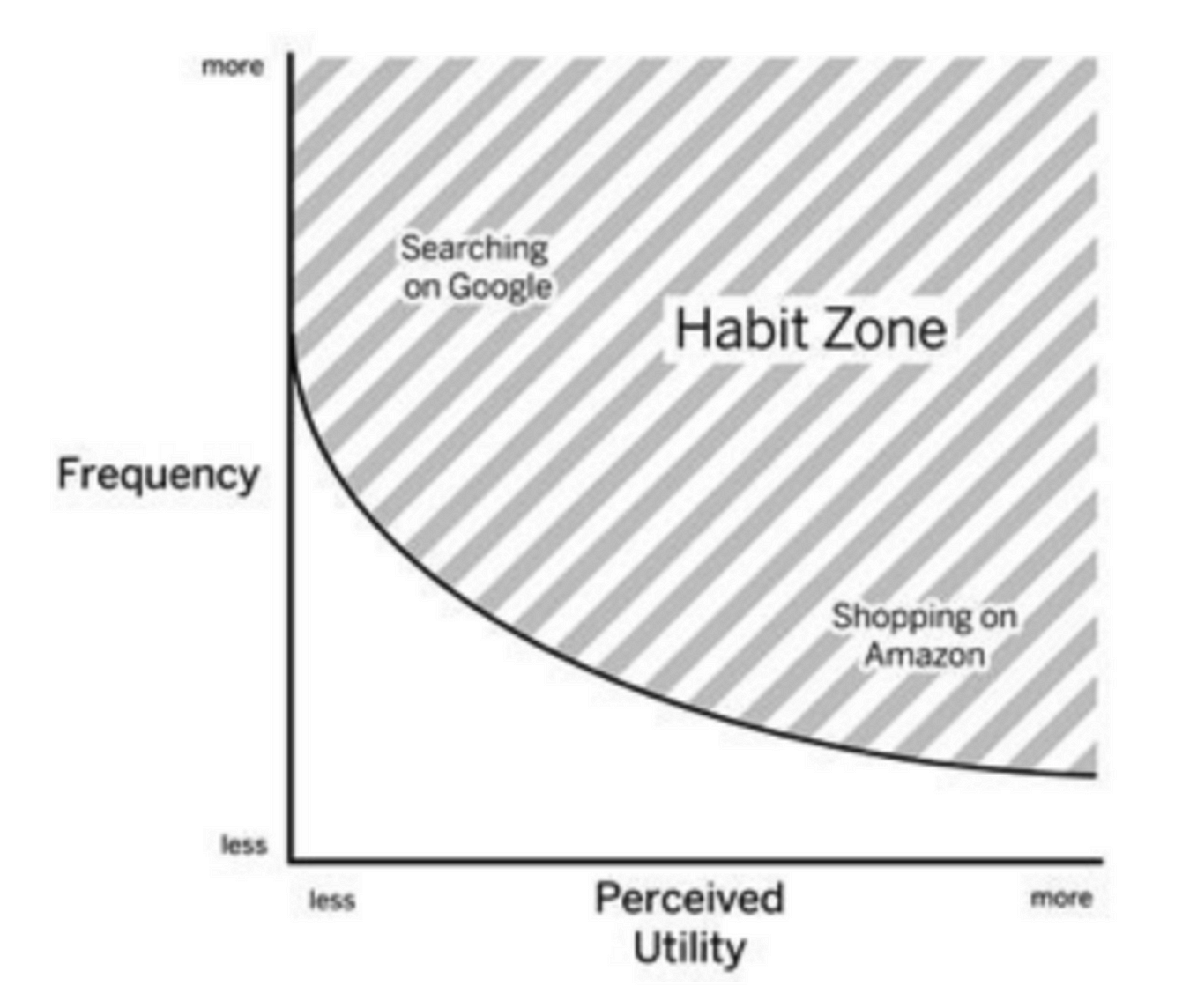
notifications habit formation
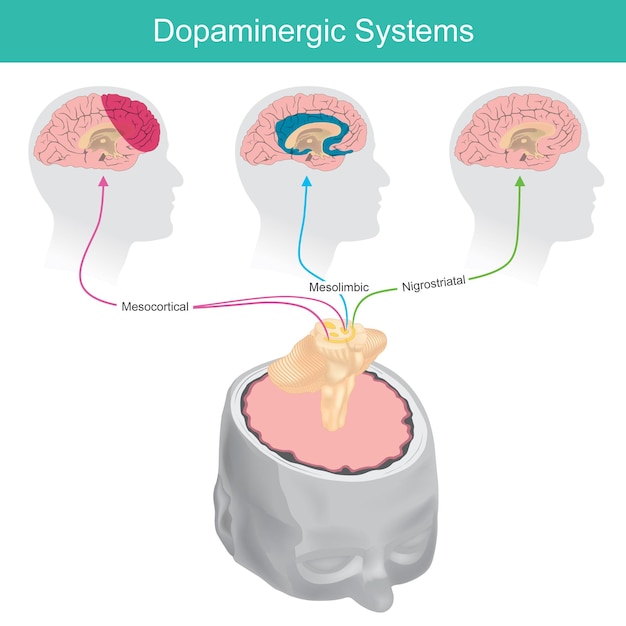
Dopamine, swipes and the loop
Designers optimize interfaces to increase engagement—clear feedback, simple rewards, and intermittent novelty. Swipe, tap, and a new image or message: a small reward that amplifies exploratory behavior. Over weeks and months, the brain’s reward pathways learn to assign higher salience to these interactions, making them not only habitual but also prioritized in moments of choice. That is the attention economy in microscopic form: devices competing for a slice of your finite focus.
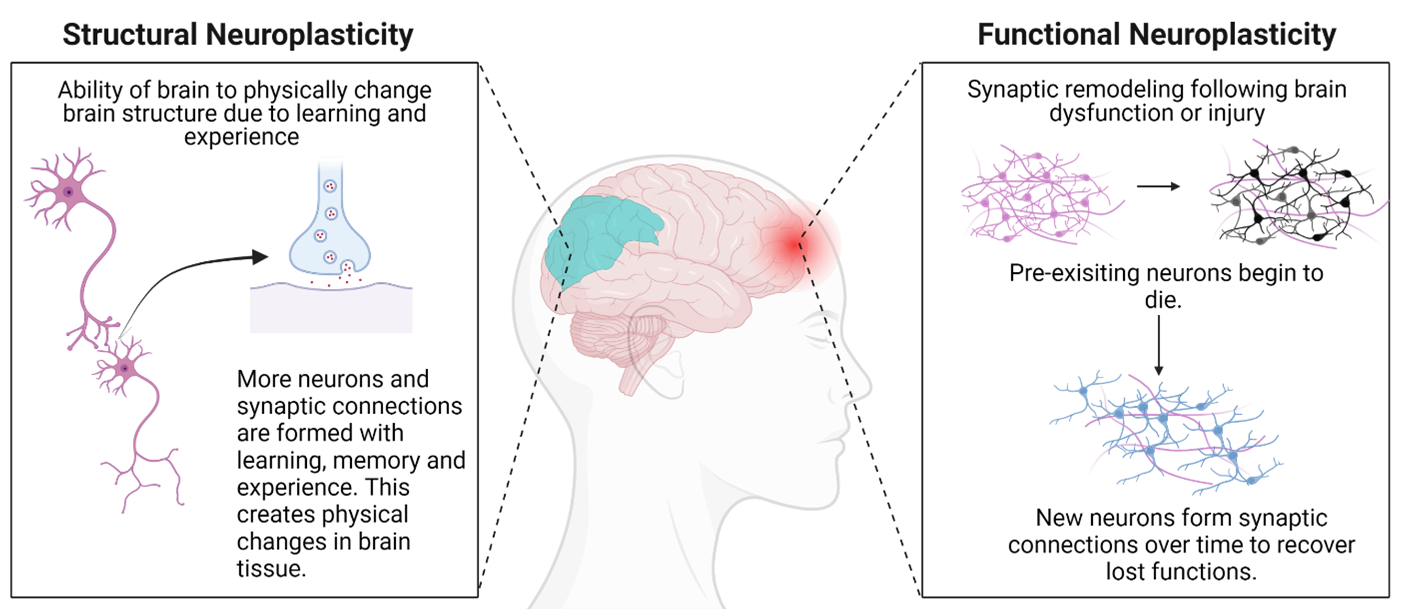
neuroplasticity brain reward
Memory, Knowing and the Outsourcing of Recall
From internal memory to external memory
Tablets also changed what we keep in our heads. When information is always available at a tap—directions, facts, contacts—the brain can offload the need to memorize details and instead sharpen skills at locating and evaluating information. Psychologists call this the ‘extended mind’ idea: tools become an extension of cognition. That can be liberating; it also reorders priorities. People often remember the path to find information rather than the information itself. That trade-off can be adaptive in a world rich with data, but it also leaves us vulnerable when context is lost or when rapid, internal recall is advantageous.
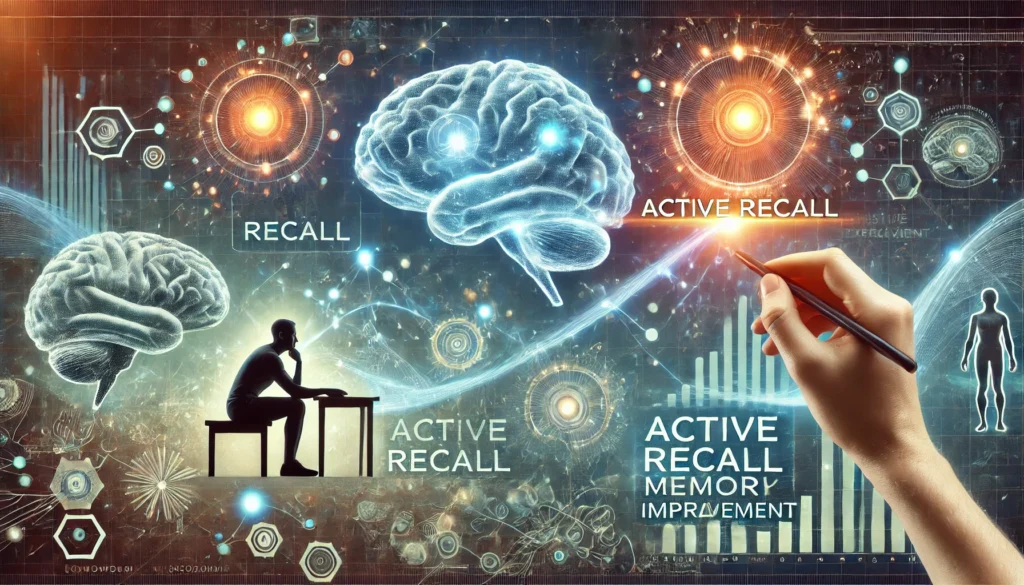
learning memory recall
Effects on deep learning
Depth of learning depends on reflection and retrieval practice—effortful acts that strengthen long-term memory. Tablets can support those acts through apps that scaffold spaced repetition and active recall, but much of the common use case—skimming, video-snacking and passive consumption—does not. The design push for immediate gratification can undercut the cognitive routines that lead to durable understanding.
Children, Screens and Development
A child's first screen
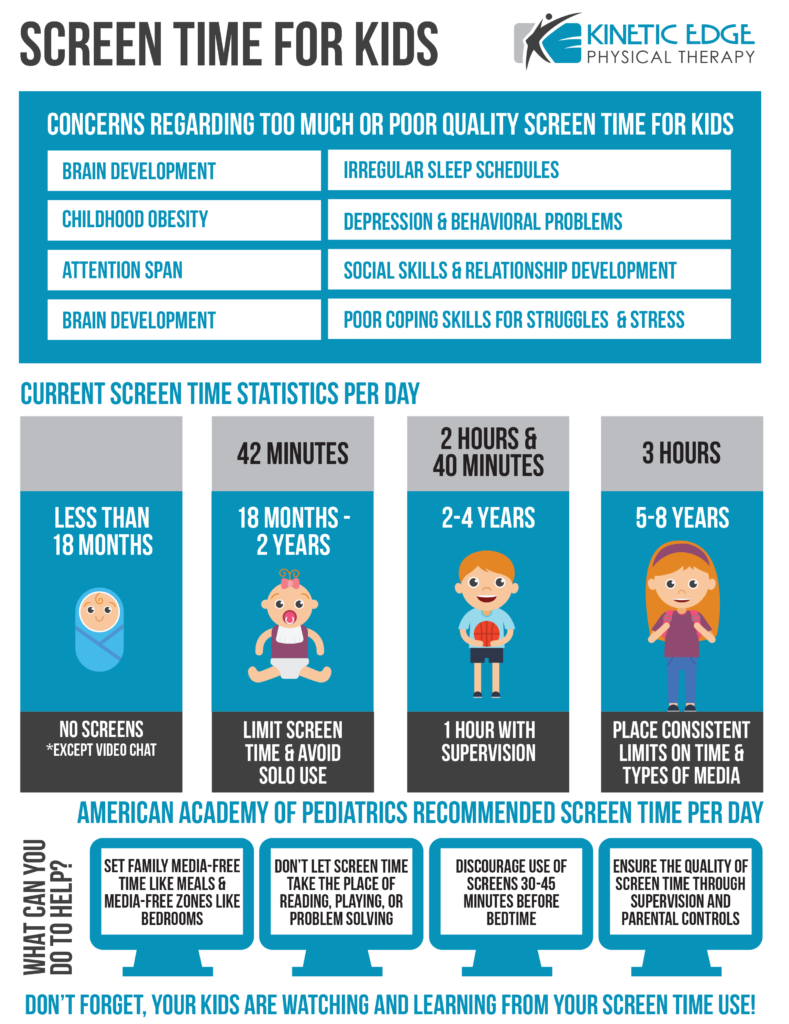
For many children, tablets are their first digital touchpoint. Their tactile design and cartoon-rich ecosystems make them irresistible. That early exposure matters. Young brains are especially plastic; they learn fastest, for better and worse. Interactive, high-quality educational apps can accelerate vocabulary and phonics. But when passive video, autoplay feeds and rapid game loops dominate, the outcome can be different: reduced sustained attention, shorter play sessions, and a preference for high-pace stimulation over slower, imaginative play that builds executive function.
child screen development
The social scaffolding of learning
Screen-based learning is not unilaterally harmful or helpful—context matters. Guided use, co-play with caregivers, and apps designed to prompt reflection create richer outcomes. The device amplifies whatever structure is already present: in structured educational settings, tablets can be a powerful tool; in unstructured environments, they can be a high-speed substitute for human interaction.
Social Behavior, Empathy and the Screened Life
The new proxemics
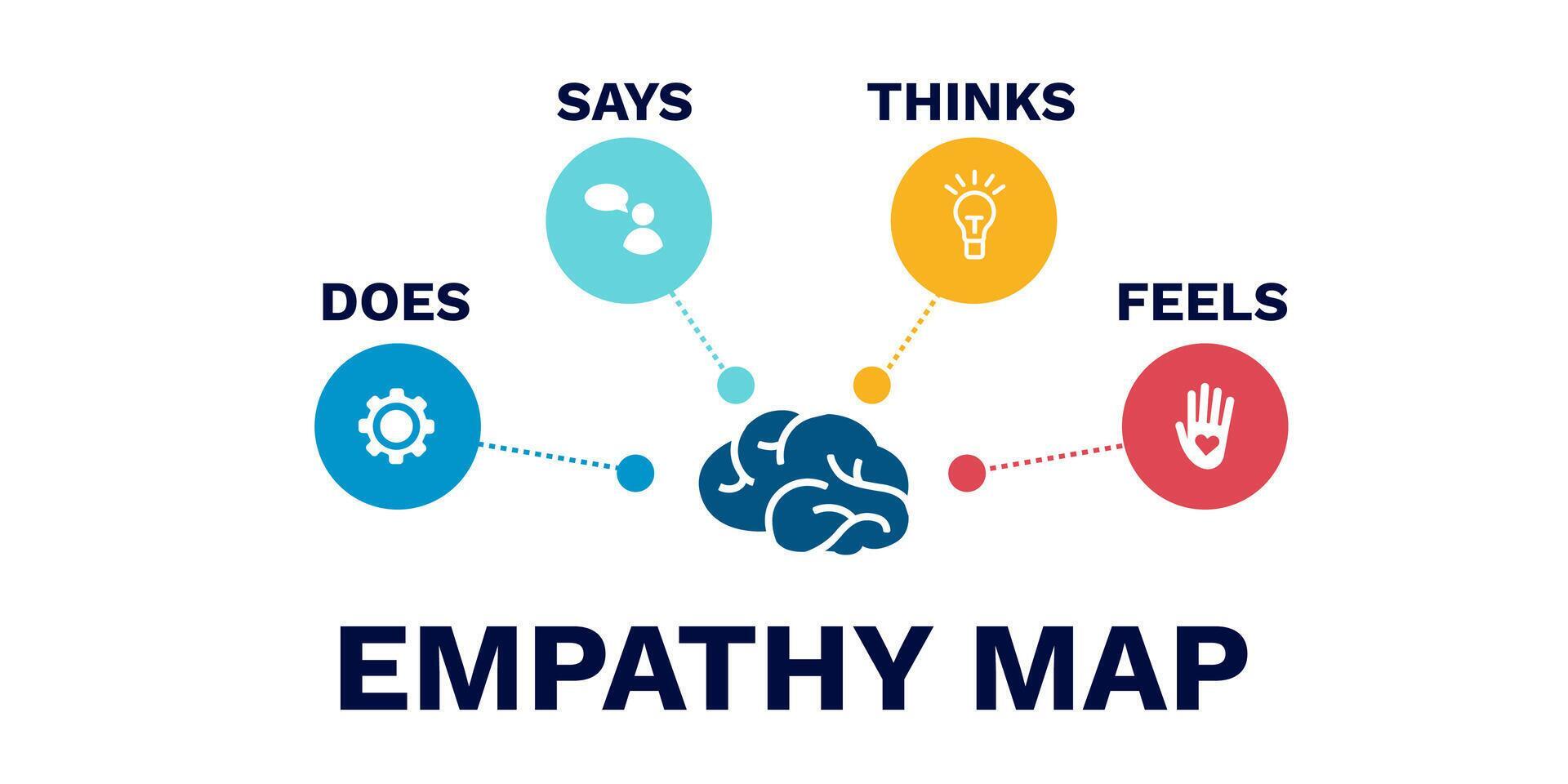
Tablets reshaped the social grammar of public and private space. It became normal to share a device for co-viewing, but also to retreat behind screens in shared rooms. This duality means tablets can both enable togetherness and encourage isolation. The ease of mediated communication—text, photos, short videos—changes how empathic skills are practiced. Some nuances of face-to-face exchange—subtle timing, microexpressions—are attenuated in favor of curated, often edited interactions.
social behavior empathy
Performance and authenticity
Digital platforms incentivize a certain kind of performance: clear images, curated sequences, concise storytelling. For younger users especially, that can create pressure to present a polished self. The effect is cultural as well as cognitive: people rehearse responses differently and may prioritize what reads well on a screen over what feels true in conversation.
Work, Productivity and Creative Practice
A tool that reshaped workplaces
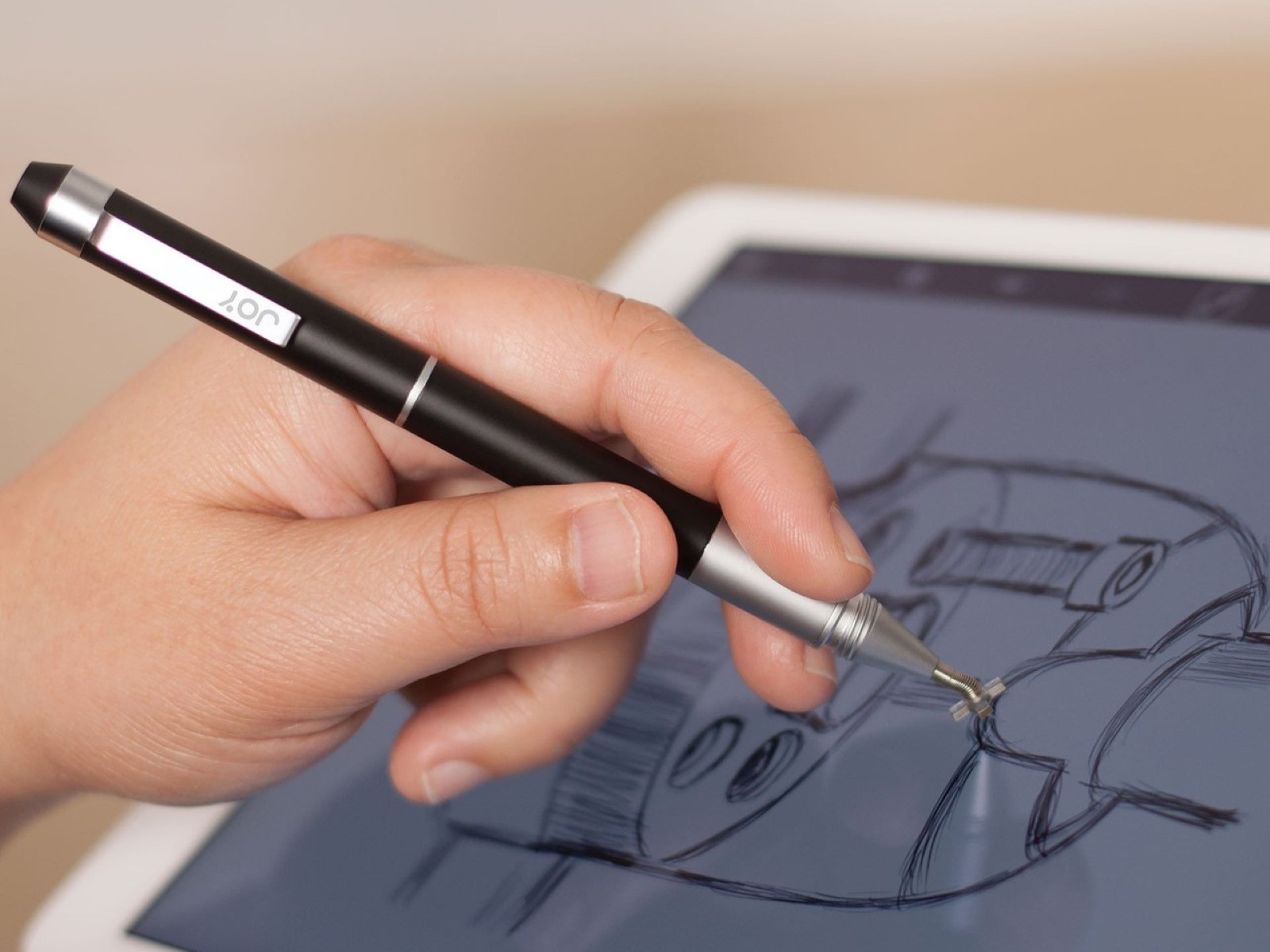
In the hands of professionals, tablets became a lightweight alternative to laptops—easier to share in meetings, quicker to unlock, and ideal for sketching or markup. They changed workflows. Designers sketched on them, doctors reviewed imaging, teachers annotated lessons. But by also enabling constant connectivity, they blurred work boundaries. The same device that accelerated a workflow also invited the 'always-on' habit that can fragment deep creative work.

deep work productivity
Strategies for deep work
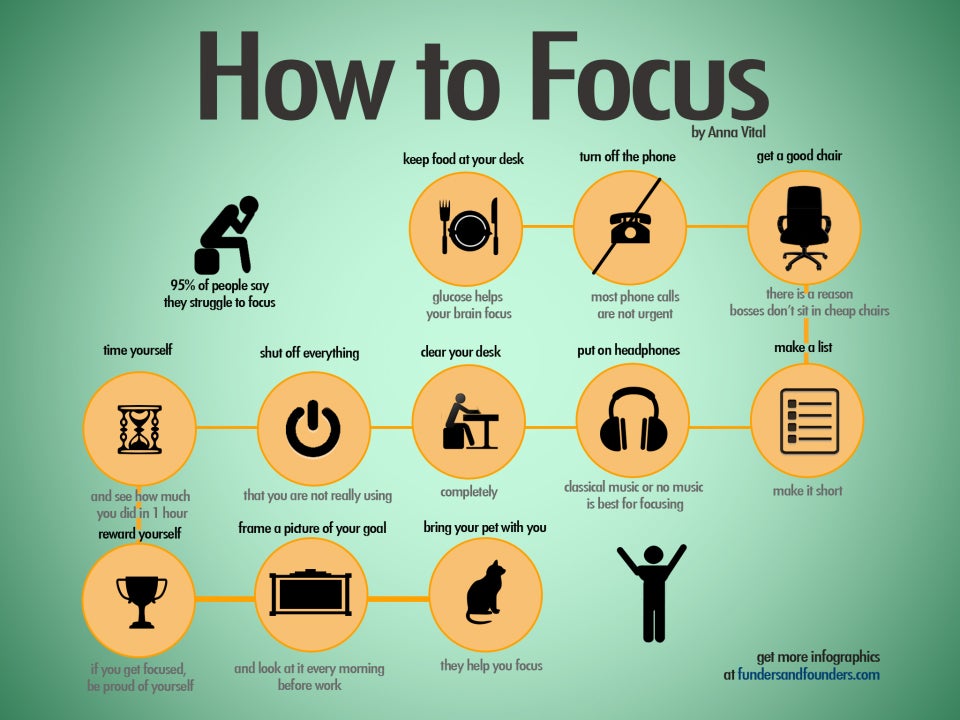
Changing the device's role often takes deliberate constraints: scheduled phone-free blocks, app timers, or physical separation during focused periods. The same properties that fragment attention can be marshaled for productivity: touch interfaces that speed certain tasks, stylus input that makes ideation rapid, and apps tuned for distraction-free composition.

device design ergonomics
creative practice stylus
focus distraction creativity
Design, Ethics and Behavioral Engineering
When design becomes behavioral architecture
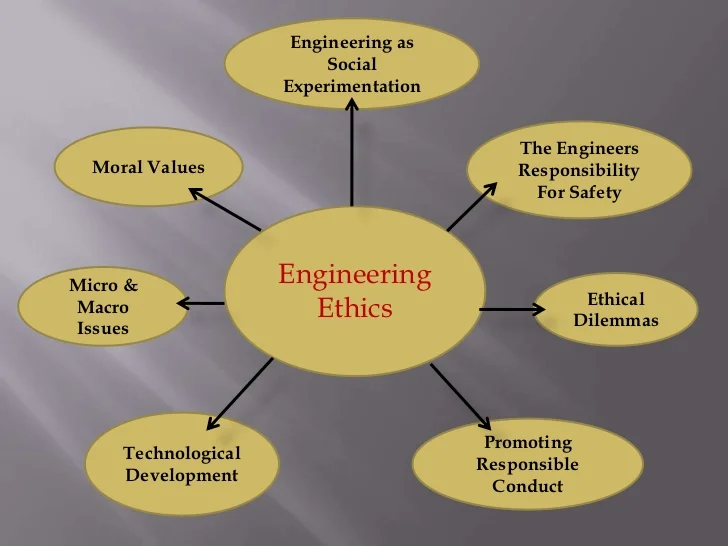
Many modern interfaces are the product of behavioral science. Notifications, streaks, like-buttons and variable rewards are not cosmetic; they are levers. That reality raises ethical questions: when producers optimize for engagement, whose well-being gets prioritized? Designers and platforms increasingly face scrutiny as regulators, educators and users demand transparency and humane defaults.
behavioral design dopamine
design ethics engineering
Design alternatives
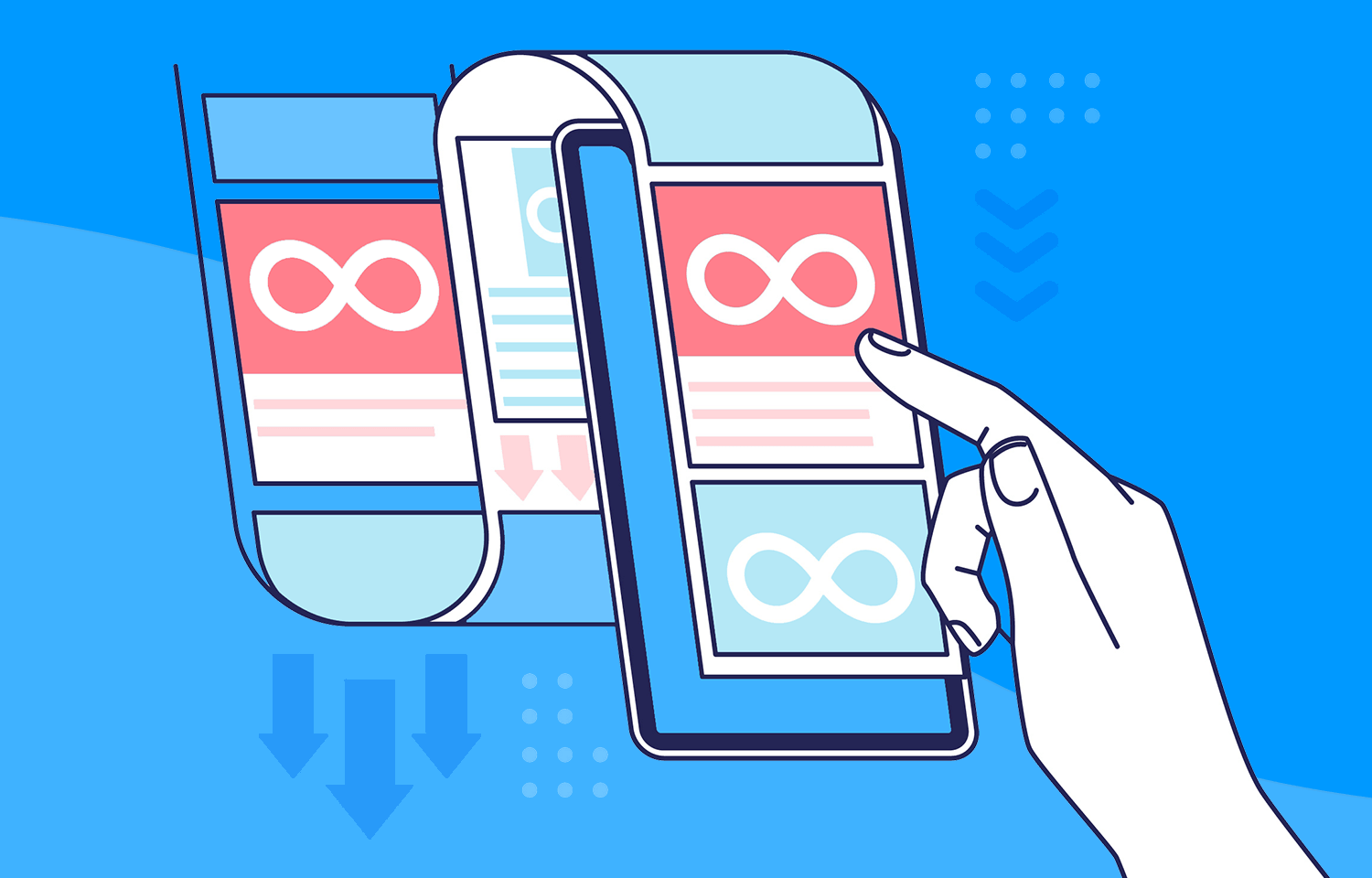
There are alternatives: quiet modes, chronological feeds, friction-increasing steps to prevent mindless scrolling, and design that encourages reflection. Small changes in defaults—notification batching, less autoplay, design that highlights time spent—can change large populations' behavior without taking away functionality.
UX design infinite scroll
Practical Steps: How Individuals and Families Respond
Create intentional boundaries
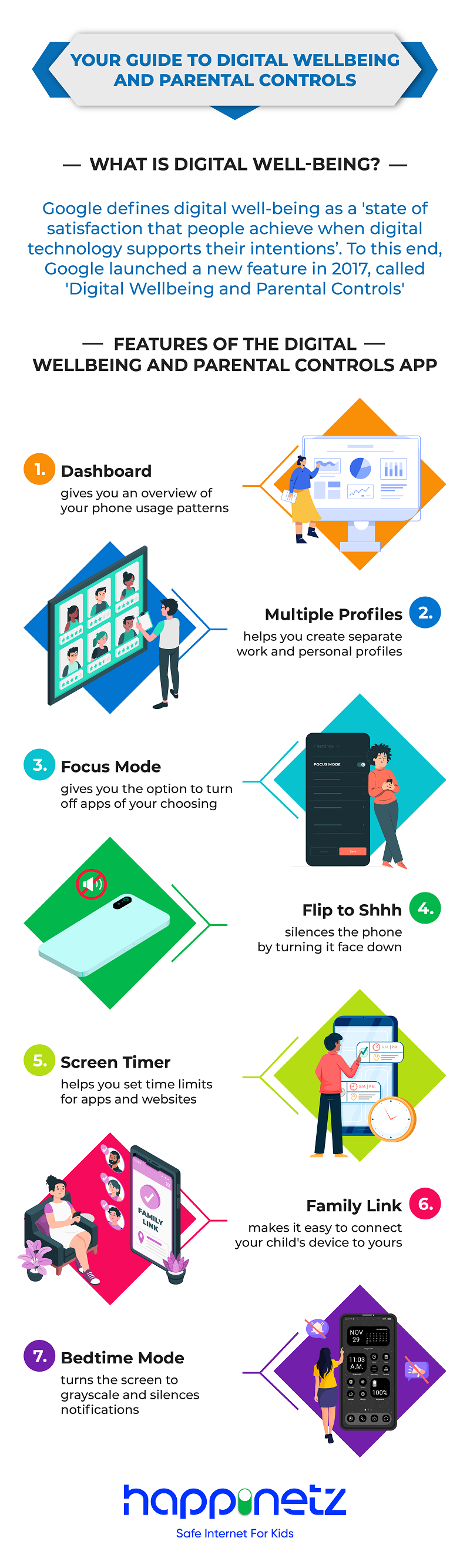
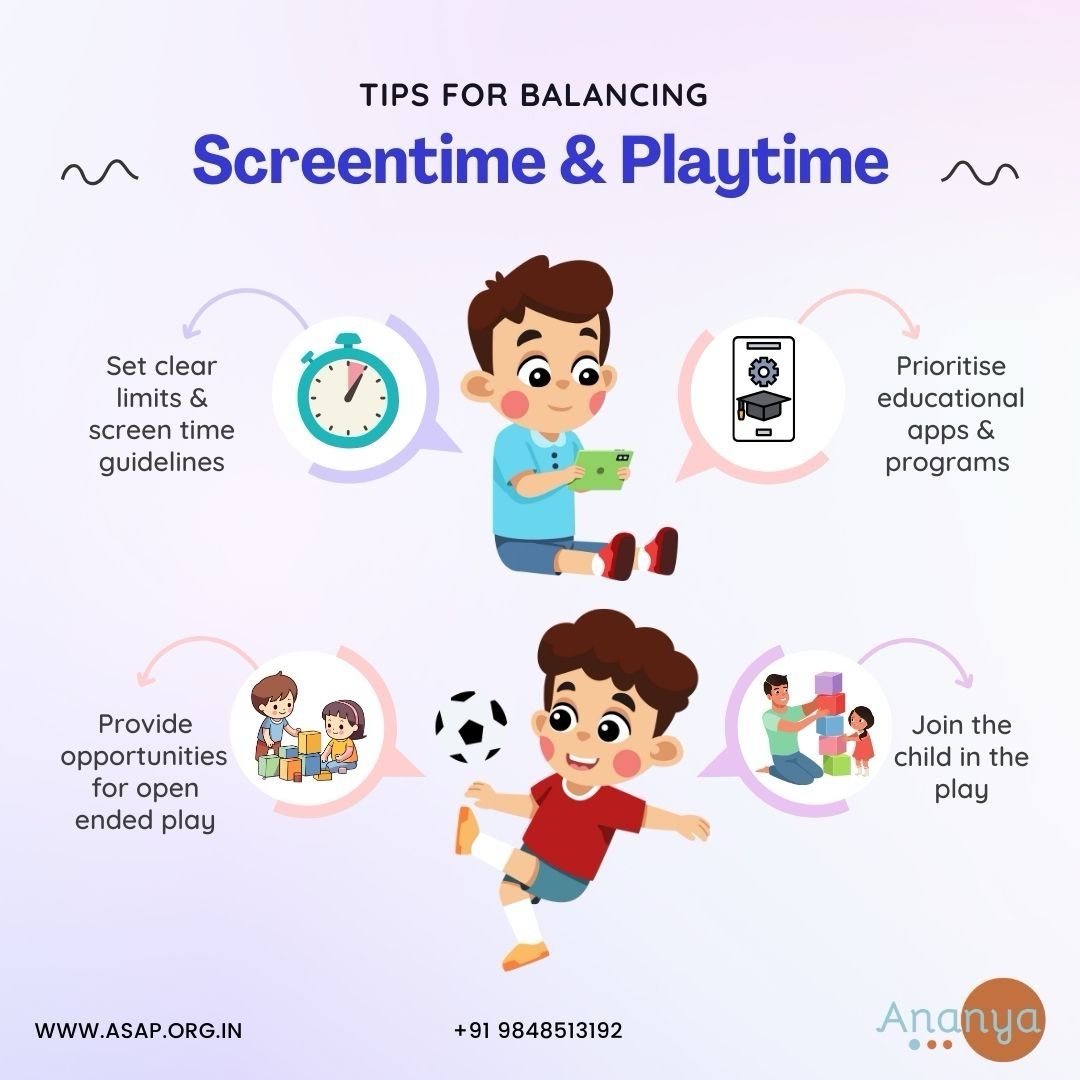
Technology is not the enemy; unmanaged use is. Useful, evidence-informed practices include scheduling device-free family time, establishing tech-free zones—bedrooms and dining tables—setting clear rules about device use during homework, and using built-in timers. Parents who model mindful device behaviors create a stronger scaffold for children's habits than rules alone.

device-free family time
Choose better defaults
Adjust settings: silence nonessential notifications, use grayscale to reduce visual allure, batch checks to specific times. For creative professionals, set environments that reduce friction for deep work while making quick habit-forming loops less immediate.

digital literacy mindfulness
digital wellbeing parental controls
screen time interventions
touchscreen notifications sleep
- Accessibility: Information and tools are portable and easy to use.
- Educational potential: Adaptive apps can personalize learning.
- Creative expression: Drawing, music and design flourish on touch devices.
- Attention fragmentation: Frequent context switching.
- Shallow engagement: Skimming over deep learning.
- Social impacts: Changes in face-to-face empathy practice.
What Researchers and Educators Recommend
Across disciplines, recommendations converge around moderation, intentionality and context. Quality matters more than quantity: deliberate educational use with engaged adults tends to produce positive outcomes; passive consumption and unsupervised social feeds are where harms emerge. Interventions that pair human guidance with digital tools are especially effective for children and learners who need scaffolding.
Conclusion: Living with the iPad Effect
Tablets rewired habits but not inevitabilities. They made certain behaviors easier; we adapted. That adaptation is neither purely good nor purely bad. The device extended cognition, democratized creative tools and altered social space. It also accelerated attention fragmentation and created new design-driven temptations. The sensible path forward is not abstinence but design and discipline: to shape our environments, curate our defaults, and teach new generations how to use portable power responsibly.
Final Takeaways
- Devices like the iPad changed attention patterns by encouraging frequent switching and instant rewards.
- Tablets can support deep learning when used deliberately, but common casual use often favors shallow engagement.
- For children, guided and interactive use is far more beneficial than passive consumption.
- Design choices—both by companies and by users—shape outcomes; small defaults can have large effects.
- Practical strategies—device-free zones, notification control, and scheduled focus—help reclaim attention without giving up the benefits of tablets.
The choice isn't whether we use these devices, but how we let them shape our attention and our social habits.
This article synthesizes cognitive science, design thinking and practical advice to explain a cultural shift that began with a single device.