
The Hype That Failed: Tech Everyone Expected But Forgot
There's a special kind of disappointment reserved for devices that arrive amid breathless headlines, celebrity endorsements and venture capital gold, then quietly disappear from daily life. We remember the launch videos, the confident keynote moments and the breathless think pieces — and then we realize that millions of people never adopted the thing, retailers returned unsold units, and the product that promised to change life became a punchline. This feature traces one of the most emblematic examples of that trajectory: a device that promised to reimagine movement, then mostly reimagined awkward photos and confused urban planners instead. More importantly, it looks at why that device failed, the recurring patterns that turn promising tech into relics, and practical signals you can watch for to avoid being dazzled by the next big promise.
THE SEGWAY: A REVOLUTION THAT NEVER ROLLED
At its unveiling, the device felt cinematic. There was a sense of inevitability in the way futurists and journalists wrote about it: a self-balancing personal transporter that would eliminate short car trips, reshape cities, and create entirely new classes of commuters. The rhetoric around it was enormous — not just a gadget but a civic reordering, a mobility revolution that would solve congestion, pollution, and suburban malaise all at once.

Segway personal transporter
Hype vs. Reality
The vision was intoxicating: something between a scooter and an intimate piece of robotics that could make walking optional for short distances. But realism has its own, slower rhythms. The promise of mass adoption depends on more than a clever mechanism; it depends on price, infrastructure, regulation, social acceptance and the plain friction of daily life. The device's price placed it well above inexpensive alternatives. Its design required users to learn a new balance and spatial approach. City rules — from sidewalks to traffic laws — hadn't adapted. And the product arrived into a social world in which new forms of mobility are judged not only on capability, but also on cultural meaning.
Design and Usability Limitations
Technically fascinating things can be commercially unfit. The device's balance algorithms and gyroscopic controls were clever, but they didn't erase the discomfort many users felt when learning to ride. For a commuter, a five-minute learning curve can be a dealbreaker; so can an experience that feels conspicuous or awkward. The machine demanded a body posture, a starting ritual, and a constant small attention to surface conditions that ordinary pedestrians and car drivers don't need to manage. In practice, many people reverted to familiar modes — walking, bikes, or scooters — because they were simpler to learn and integrate into existing routines.
Price and Infrastructure Mismatch
Cost matters. When the upfront price of new mobility exceeds plausible replacement cycles for mass users, adoption stalls. And even for those willing to pay, public infrastructure and policy create hidden friction. Cities designed with sidewalks, crosswalks, bike lanes and parking costs in mind can find it costly or politically challenging to accommodate a new vehicle class. Without clear regulations and infrastructure, adoption becomes a patchwork: a gadget that's legal on some streets but not on others, welcome in tourist zones but banned in business districts. That ambiguity undermines the network effects necessary for a mobility revolution.
The most hyped devices often fail not because the technology is bad, but because it asks society to change faster than it is willing to.
NOT JUST ONE: A PATTERN OF PROMISES AND DISAPPOINTMENTS
It's tempting to treat any one failure as an isolated mistake. But a clear pattern emerges when you look across multiple high-profile flops: the product solves a narrow technical problem while creating a broader practical one. Here are a few other examples — each different in detail, but similar in the arc from promise to obscurity.
3D Televisions
Following a wave of blockbuster films that exploited stereoscopic effects, television manufacturers bet that consumers would want the same depth experience at home. The result: expensive hardware, mandatory glasses, and a catalog of content that was inconsistent at best. Many viewers found 3D uncomfortable for long viewing sessions, and there was no easy path to mainstream adoption once the novelty wore off and content pipelines proved limited.
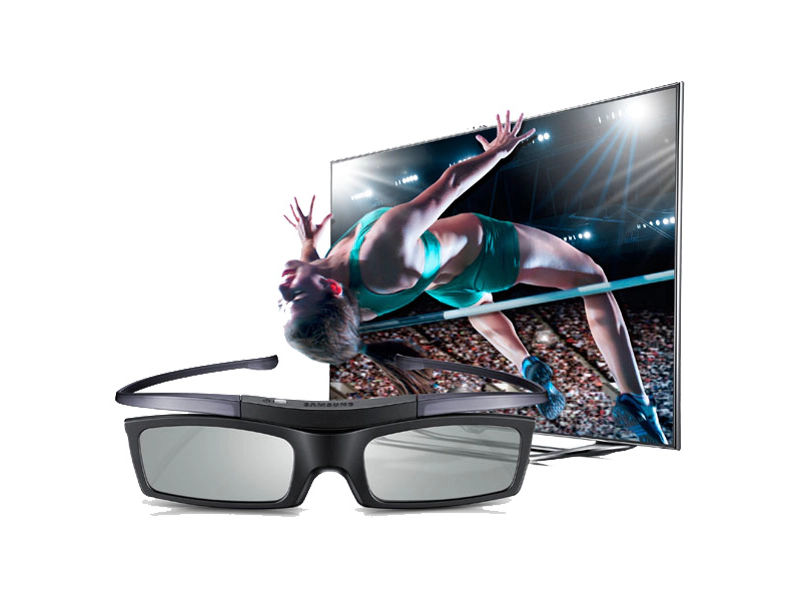
3D television with glasses
Wearable Smart Glasses
The idea of hands-free computing projected onto lenses was irresistible to forward-looking thinkers. Yet wearable glasses often collided with privacy anxieties, social awkwardness and limited battery life. The devices asked users to accept being constantly recorded or to wear a conspicuous device in public — a social and ethical tradeoff that many consumers rejected.
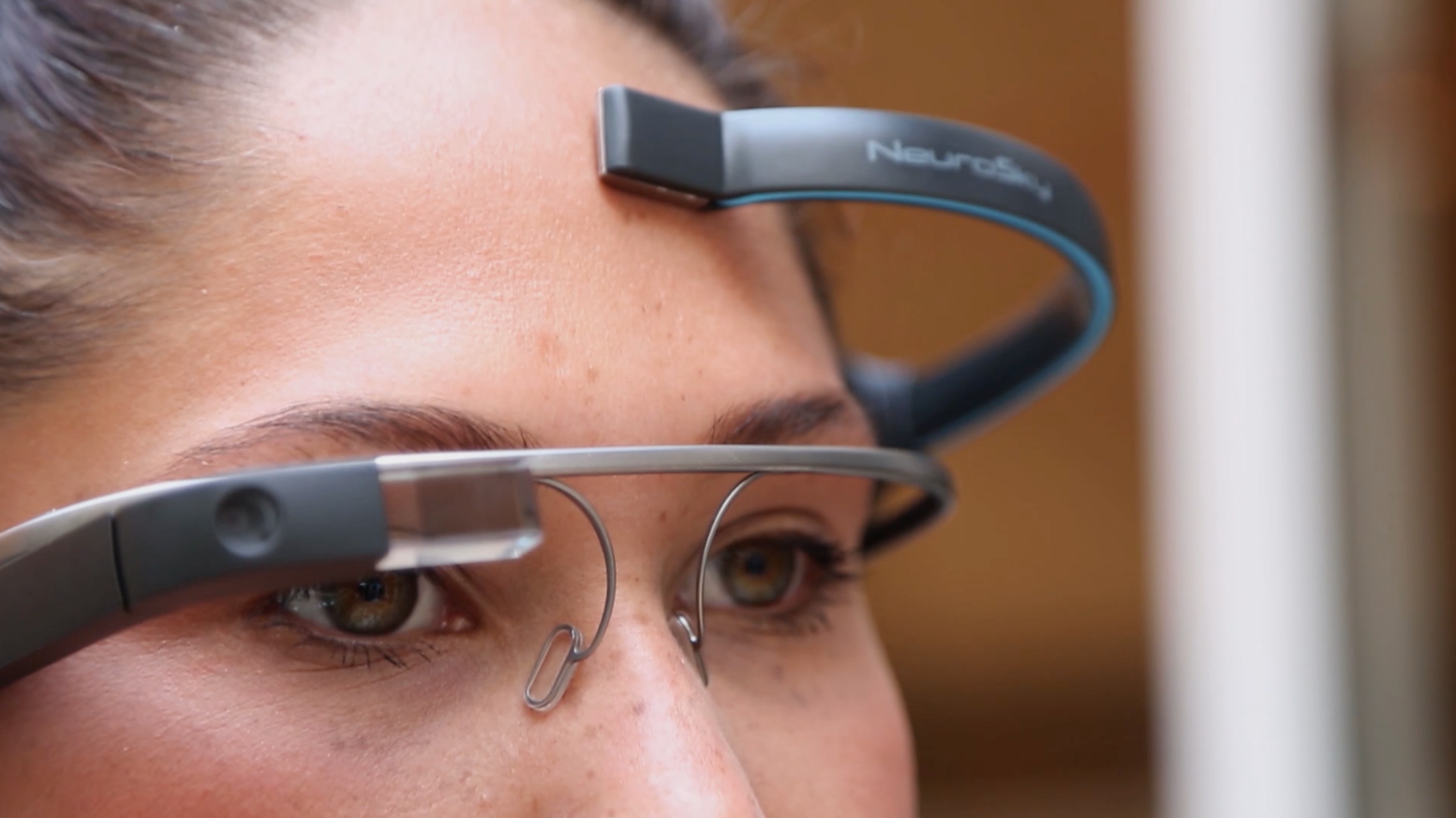
Google Glass wearable
Luxury Kitchen Machines
Not every failure is about policy or public space. Some are about value proposition. Devices that lock users into proprietary consumables or charge exorbitant prices for marginal convenience tend to breed skepticism. When a machine relies on expensive cartridges or subscriptions, the eventual calculus becomes obvious: is the convenience worth the recurring cost? When the answer is no, even enthusiastic early adopters drift away.

Juicero kitchen machine
WHY HYPE HAPPENS — AND WHY IT MISLEADS
Hype feeds on a predictable set of forces. Investors want outsized returns, media crave simple narratives, and founders search for a framing that transforms incremental progress into revolution. Together these forces create a chorus of certainty that can drown out inconvenient details.
Marketing Versus Adoption
Marketing paints a picture of seamless integration; adoption requires mundane compatibility. A product can be brilliant in a demo and still fail in the messy world of commuters, caregivers and cash-strapped households. Marketers sell the idealized future; users live in the present.
Investor Pressure and Speed
When investors demand fast scale, companies push for quick rollouts and elevated expectations. That pressure can shorten product validation cycles, elevating launches over iteration. The consequence is an expensive debut instead of a slow, customer-led growth that smooths rough edges and builds habits.
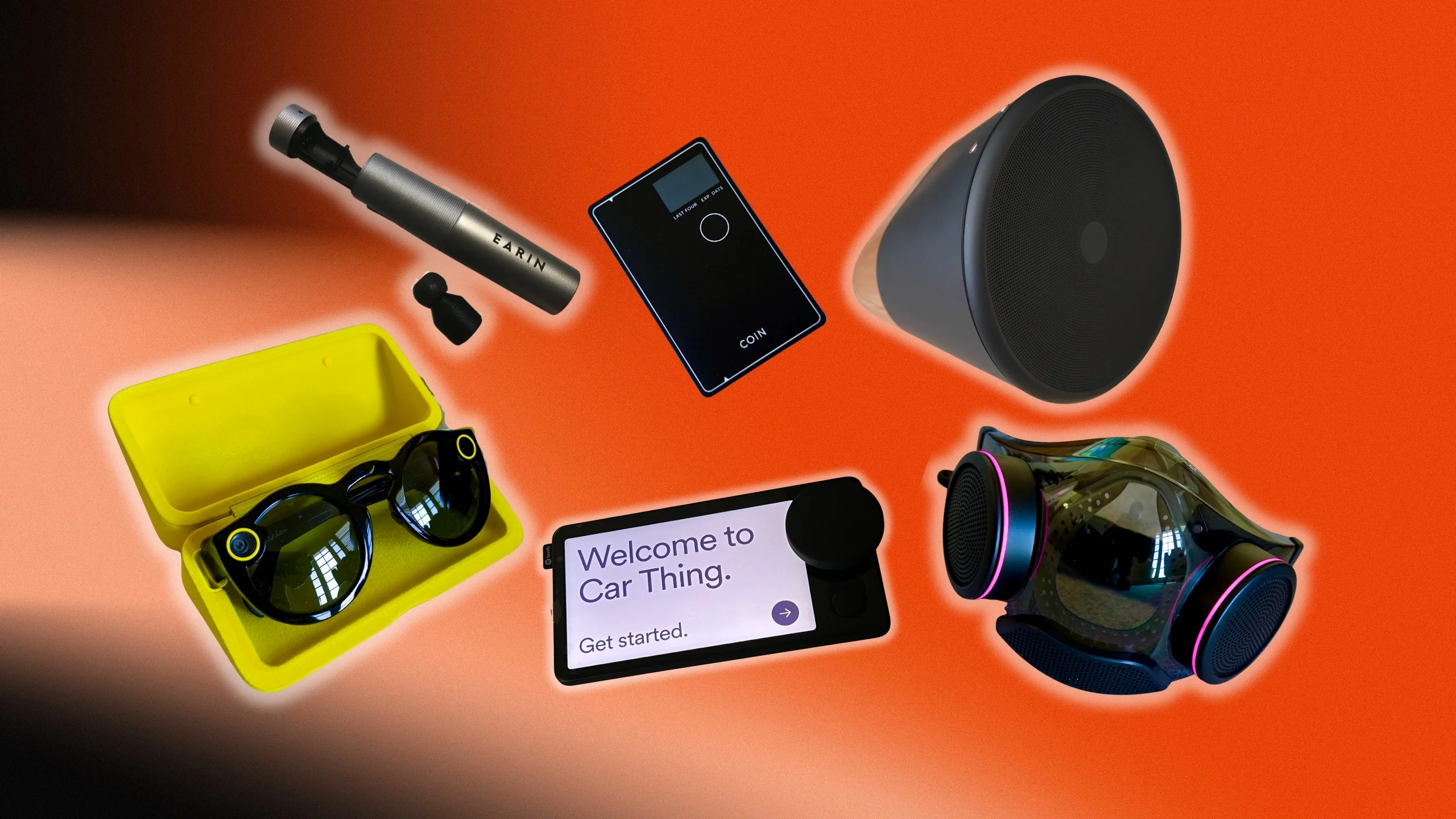
failed gadget collection
HOW TO SPOT A FUTURE FLOP: PRACTICAL SIGNALS
If you want to avoid being dazzled, watch for a handful of recurring warning signs. These aren't guarantees — some innovations overcome them — but they're reliable red flags.
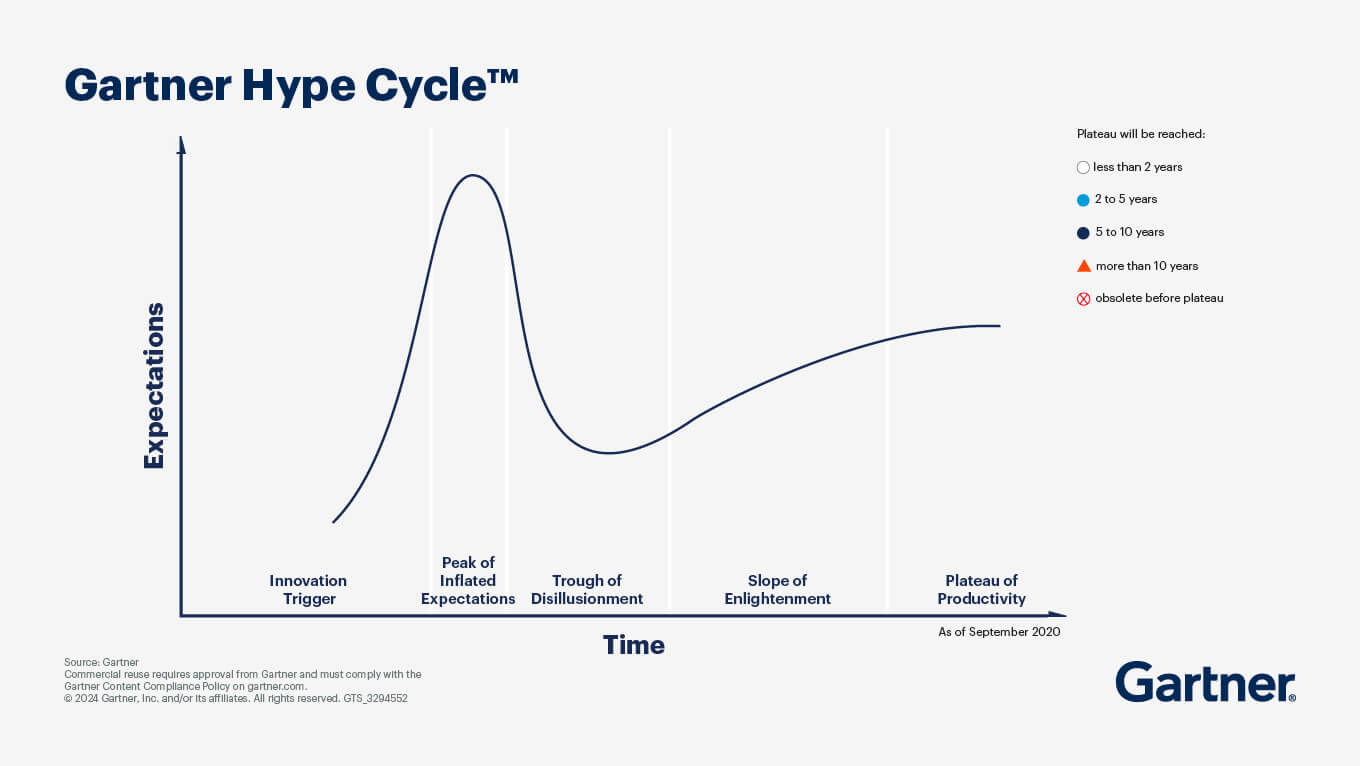
technology hype cycle
- High price with marginal improvement: Expensive upgrades that offer only slightly better outcomes than cheaper alternatives.
- Infrastructure dependency: The product requires new laws, new lanes, or a reconfigured city to make sense.
- Proprietary consumables: Devices that lock you into cartridges, subscriptions or exclusive apps.
- Awkward social signal: Things that make users feel conspicuous, invasive, or anxious in public.
- Content or ecosystem gap: The device needs compatible content or a partner network that doesn't yet exist.
A useful test: imagine the product without its marketing. If its daily utility disappears, the product might be more spectacle than solution.
WHAT BUILDERS CAN LEARN
Not every flop is preventable, but many are avoidable. Entrepreneurs and product teams can reduce risk by returning to fundamentals: solve a clear problem, price for the right market, and design for real behavior rather than idealized scenarios.
Start Small, Iterate Fast
Instead of grand launches, adopt staged rollouts that prioritize feedback from representative users. Small sample sizes can reveal friction points early and cheaply; the market rarely demands perfection out of the gate, but it does punish arrogance.
Design for Defaults
Make the product work with existing routines and social norms. If a new device requires a lengthy tutorial or a behavior change every time someone crosses a curb, it has a steep hill to climb. Easier defaults win.
WHAT CONSUMERS CAN DO
Buyers aren't helpless in the face of marketing; informed skepticism is a defense. Use simple heuristics when evaluating shiny new products.
- Delay big purchases: Wait 90 days for initial reviews and user reports before buying headline-priced devices.
- Compare replacement costs: Consider not just the upfront price but maintenance, consumables, and infrastructure needs.
- Check for lock-in: Avoid devices that trap you in proprietary ecosystems unless the benefit clearly outweighs the risk.
- Prioritize multi-functional tools: Single-purpose products have higher odds of becoming obsolete unless that purpose is truly essential.
CULTURE, NOT JUST ENGINEERING
Technology succeeds when it answers practical needs while fitting comfortably into social life. Too often, inventors assume that a better mechanism automatically translates to broader use. But people make choices shaped as much by identity, embarrassment, convenience and habit as by raw capability. Successful tech respects those factors; failed tech ignores them.
CONCLUSION: HOW TO TELL THE NEXT HYPE FROM THE NEXT HELPFUL TOOL
Hype will never vanish — it's baked into how we discover and narrate innovation. But we can get better at distinguishing spectacle from substance. Look for genuine marginal utility, reasonable price-to-benefit ratios, minimal infrastructure demands, and attention to social acceptability. When a new gadget claims to change the world, ask: whose world, and at what cost?
Great technology rearranges lives quietly, not loudly. If a product wants to shout its importance from launch pads and talk shows, ask whether it has earned that volume.
- Many hyped technologies fail because they require social, regulatory or infrastructure changes that don't happen fast enough.
- High price, proprietary consumables, and awkward social signaling are consistent warning signs.
- Entrepreneurs should prioritize user-centered iteration and alignment with existing routines; consumers should wait for real-world reviews before buying.
Final Note
Some failed devices return later in refined forms — sometimes years or decades later — when cost, regulation and social attitudes have shifted. The lesson isn't to avoid all innovation, but to assess claims critically, celebrate thoughtful iteration, and value the quiet, practical technologies that make life easier every day.