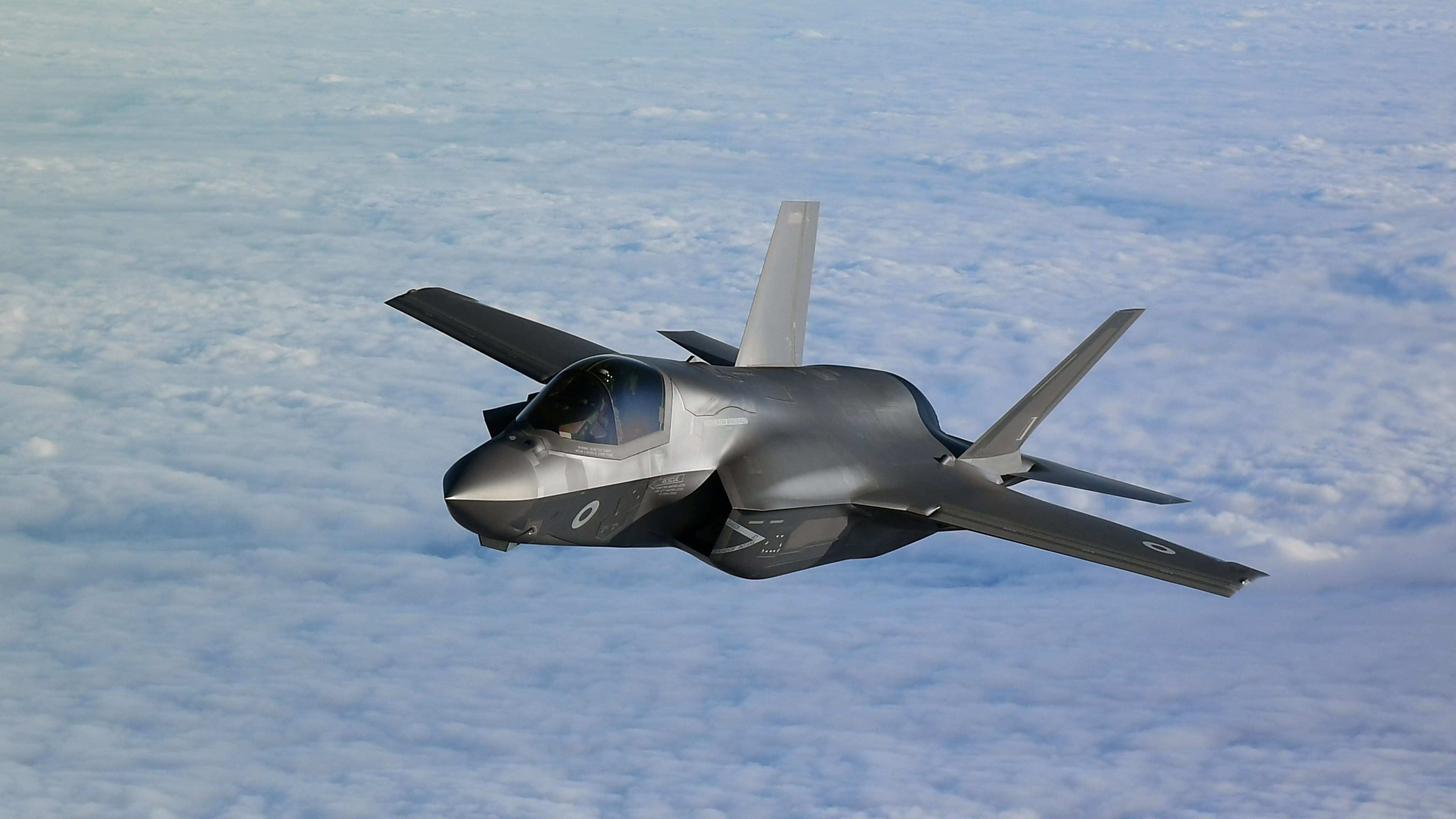
The F-35 Crisis Explained: What You Need to Know
The F-35 program has become shorthand for both technological ambition and programmatic headaches. On the one hand, the aircraft represents a leap in stealth, sensors, and data fusion—designed to give pilots unrivaled situational awareness and connect squadrons into a networked force. On the other hand, it has faced repeated controversies: soaring lifetime costs, sustainment shortfalls, recurring software and logistics problems, and political fights between partner nations. This article unpacks the mess and the promise, telling you what the F-35 is actually good at, where it struggles, and why the stakes extend far beyond a single jet.
OVERVIEW: WHY THE F-35 IS SO IMPORTANT — AND SO POLARIZING
The F-35 program was conceived as a single architecture to serve multiple roles and services: a conventional takeoff/landing variant for air forces, a short takeoff/vertical landing variant for marine or expeditionary forces, and a carrier-capable variant for navies. That single-design ambition promised commonality, scale, and interoperability—but it also guaranteed complexity. The result is an aircraft family that pushes the state of the art in stealth, sensor fusion, and networked operations, while generating program management and sustainment problems that have become political lightning rods.
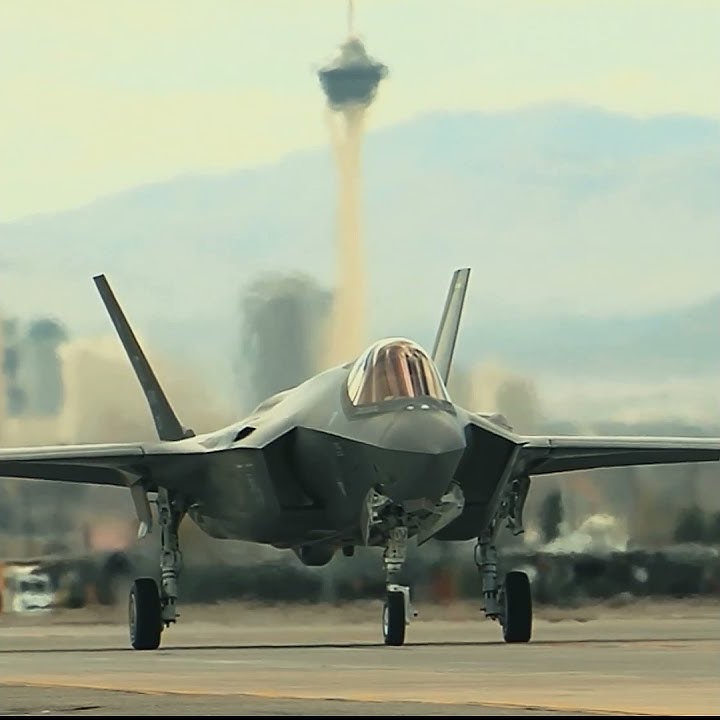
F-35A conventional takeoff variant
HISTORY IN BRIEF: HOW WE GOT HERE
A single program, many partners
The Joint Strike Fighter concept brought together dozens of partner nations and a sprawling industrial base. That international footprint delivered political buy-in and workshare, but it also meant divergent requirements, export sensitivities, and industrial obligations that had to be balanced alongside engineering priorities. Managing that balance—across airframes, engines, electronics, and software—was always going to be arduous.
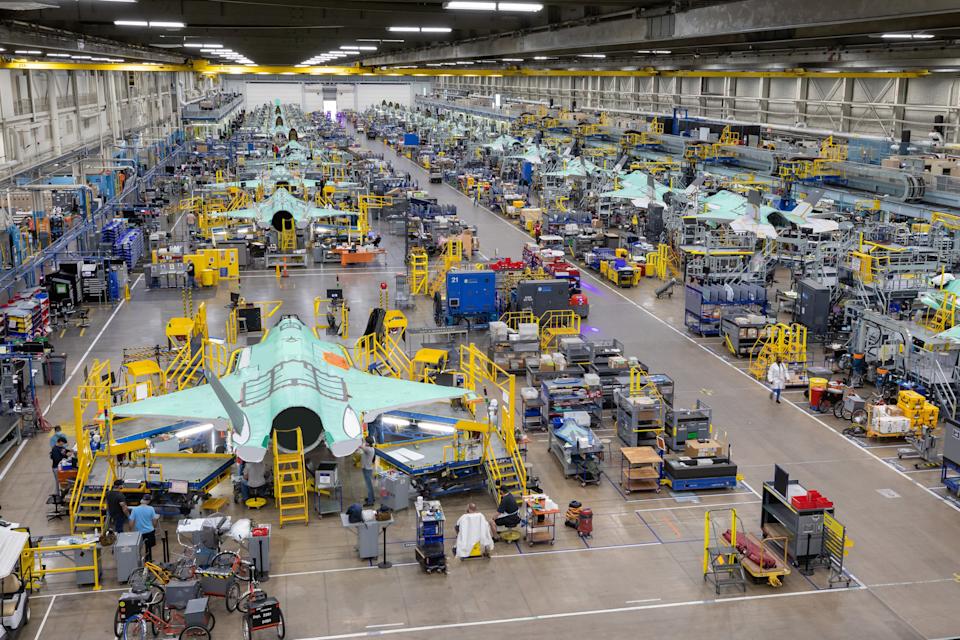
Lockheed Martin F-35 production line
The ambition-cost tradeoff
Ambitious designs tend to be expensive and fragile at first. The F-35’s advanced sensors, low-observable coatings, and integrated software suite raised technical risks that manifested as development delays and incremental fixes. Those early tradeoffs seeded many of the program’s later criticisms: high acquisition costs, evolving software standards, and a logistical tail that demands constant attention.
The F-35 is both a groundbreaking sensor platform and a logistic problem the size of an air force.
WHAT THE F-35 DOES WELL
Sensor fusion and situational awareness
At its best, the F-35 is a flying information node. It gathers data from its own radar, electronic warfare sensors, electro-optical cameras, and allied datalinks, then presents a fused picture to the pilot. That reduces pilot workload and allows the aircraft to act as a forward sensor for other platforms, manned and unmanned.
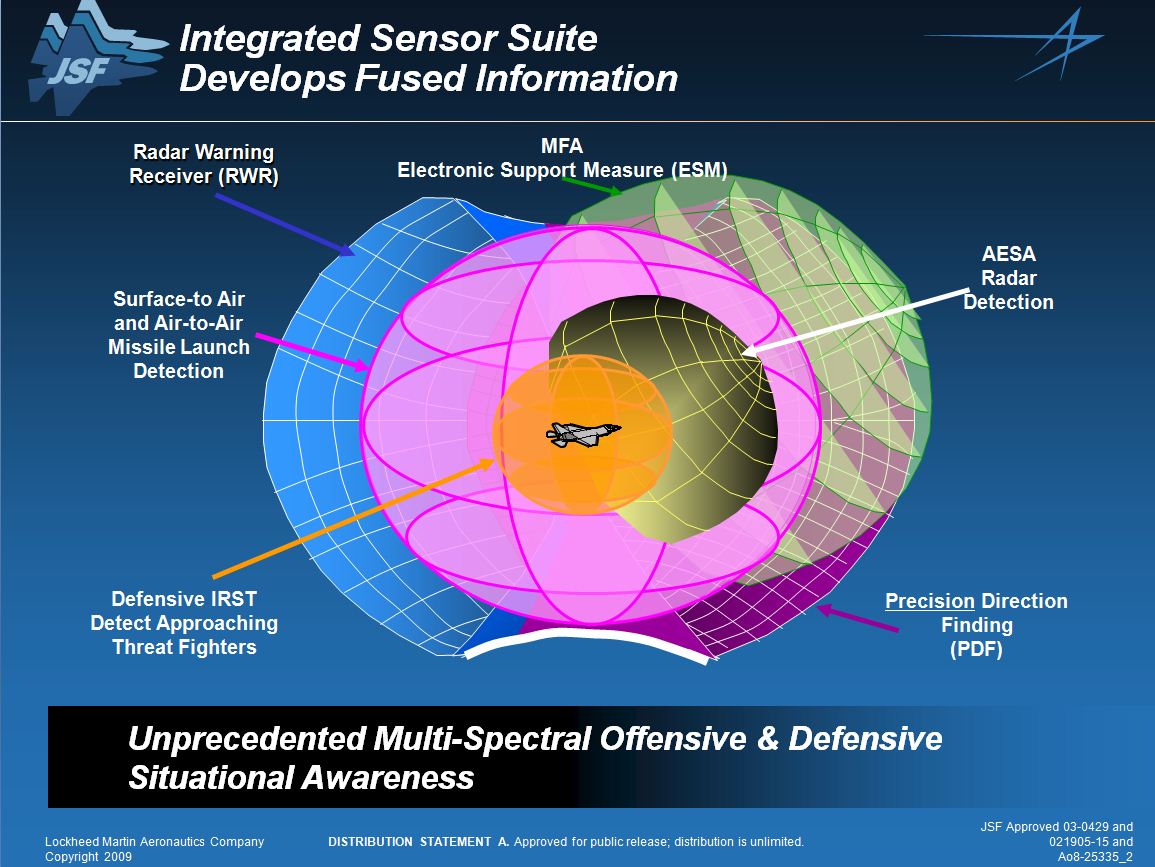
F-35 sensor fusion diagram
Low observability and survivability enhancements
Stealth remains a core advantage: reduced radar cross-section, careful shaping, and signature control make the F-35 harder to detect in certain threat environments. Combined with advanced electronic warfare and countermeasures, that stealth enables operations in contested airspace that older platforms would find far riskier.
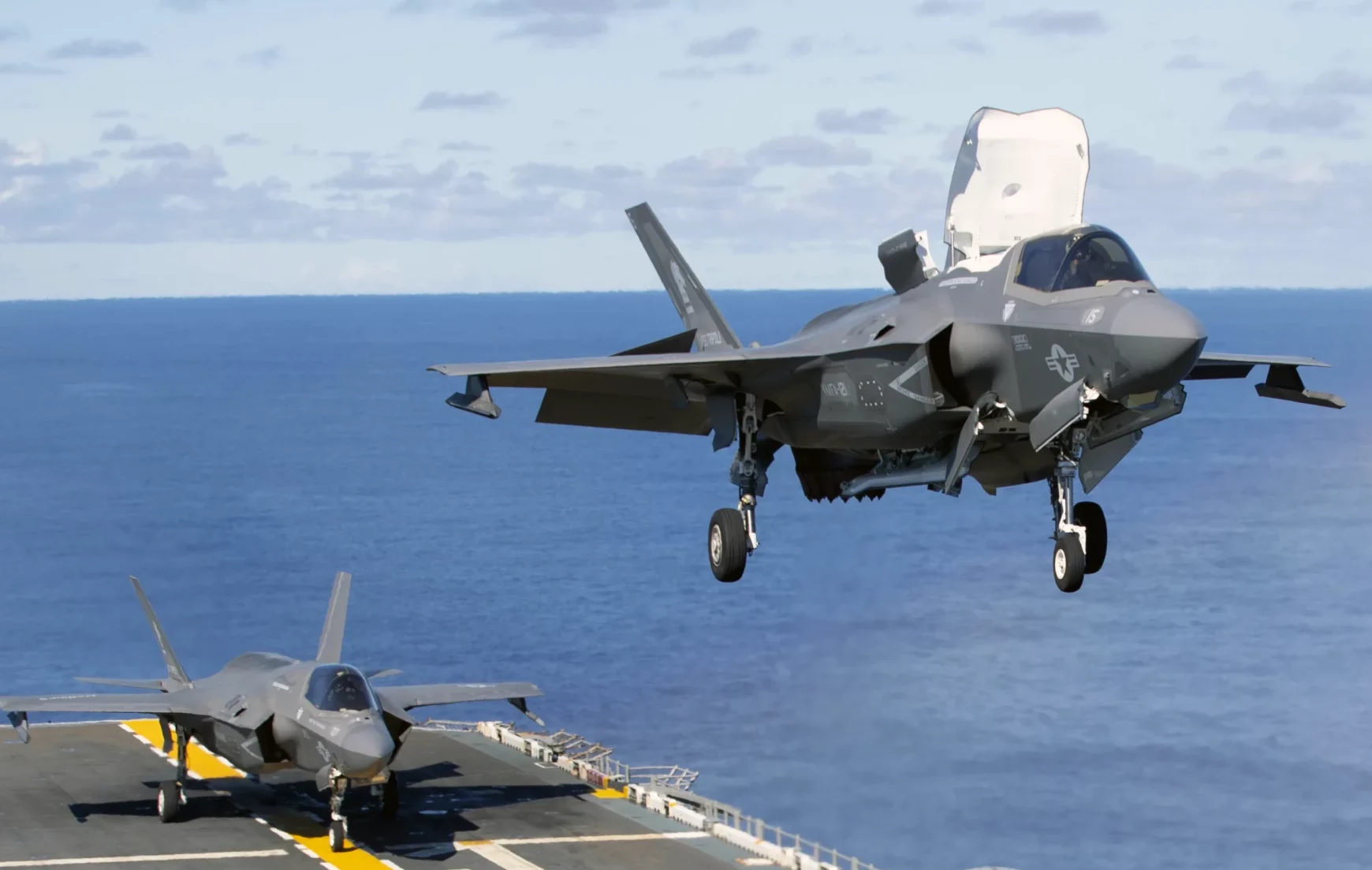
F-35B STOVL operations
WHERE THE PROGRAM STRUGGLES
Sustainment and logistics
One of the most persistent criticisms is not the aircraft’s performance in combat but its readiness in peacetime—how many jets can be mission-ready at any given time. High maintenance demands, parts shortages, and complex software/logistics systems have depressed readiness for some operators. Fixing sustainment typically requires process reform, spare-parts consolidation, and a reliable information system that predicts failures and speeds repairs.
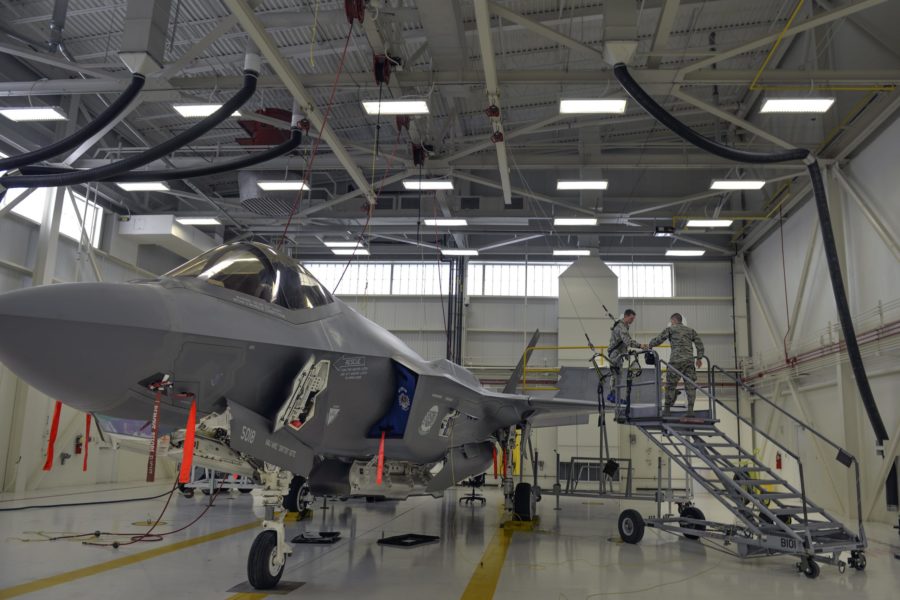
F-35 maintenance and logistics
Software complexity and patch cycles
Modern combat aircraft are far more software-defined than mechanical. The F-35’s capabilities have been rolled out in software blocks, each adding features, sensors, and weapons compatibility. That incremental approach is pragmatic, but it also means long patch cycles, interoperability headaches between blocks, and the perpetual need to validate updates across a global fleet.
Costs and political optics
The F-35 program’s headline costs—acquisition plus sustainment over decades—create political pressure. Lawmakers and defense planners debate whether the investment matches the capability, especially as potential adversaries field their own advanced systems. The program’s international nature intensifies scrutiny: partner nations watch prices and timelines closely because the decisions carry industrial and sovereign-security consequences.
A LOOK AT KEY TECHNICAL ISSUES
Maintenance hours and sortie generation
Sortie generation rates—how many missions a squadron can launch per day—depend on maintainability. The F-35’s low-observable coatings and embedded sensors demand specialized repairs and diagnostic steps. Those requirements increase maintenance man-hours per flight hour compared with simpler legacy jets, which impacts fleet availability and operational tempo.
Human factors: pilot interface and life support
Advanced cockpit displays and a helmet-mounted system give pilots unprecedented situational awareness, but they also introduce new human-factors challenges: ergonomics, information overload risk, and integration of life-support systems. Ensuring pilot safety and performance under these new conditions requires careful training, medical monitoring, and iterative design tweaks.
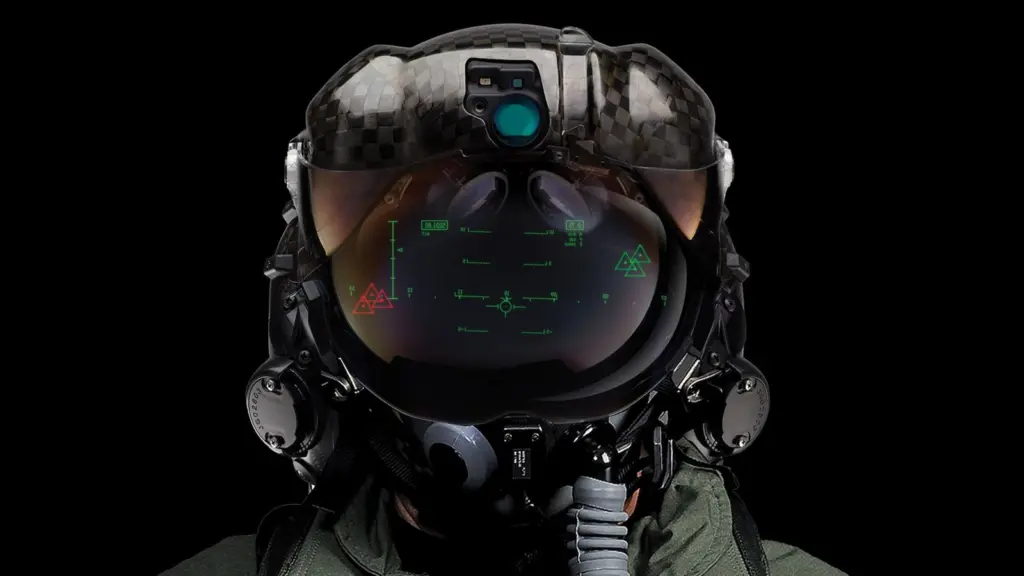
F-35 cockpit helmet display
THE GEOPOLITICS: WHY OTHER COUNTRIES CARE
Partners and purchasers
The F-35 program is as much a geopolitical instrument as an aircraft. Countries that buy it gain access to advanced capabilities, commonality with allies, and workshare in an international supply chain. Political disputes—about affordability, industrial workshare, or strategic alignment—have led to publicly visible rows, including partner suspensions and renegotiations of participation.
Export politics and sovereign capability
For smaller countries, the F-35 is often pitched as a way to maintain effective deterrence without building a domestic fifth-generation program. But acquisition decisions are political: allies weigh industrial offsets, security guarantees, and strategic dependence when choosing whether to invest in the fleet.
TABLE: QUICK COMPARISON OF F-35 VARIANTS
| Variant | Primary Role | Unique Capability |
|---|---|---|
| F-35A | Conventional Air Force | Standard runway operations, commonest export variant |
| F-35B | Short/Vertical Takeoff | STOVL for expeditionary and shipborne operations |
| F-35C | Carrier Operations | Carrier landing gear, larger wings for low-speed handling |
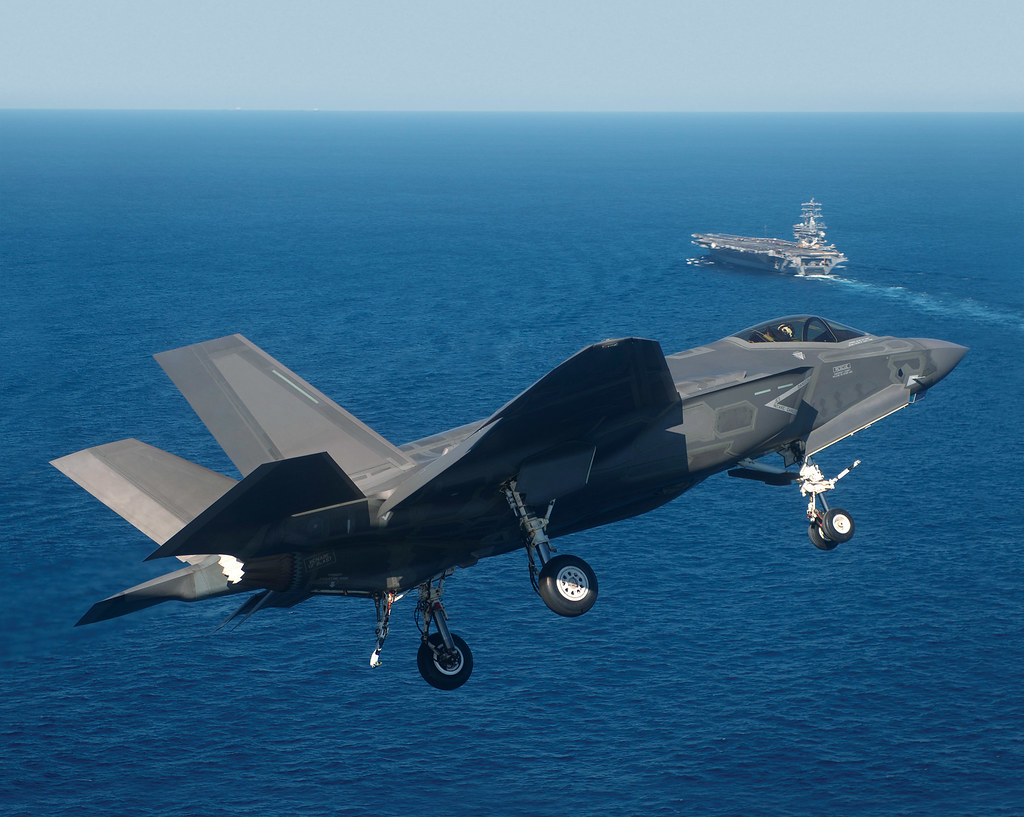
F-35C carrier landing
COSTS: ACQUISITION VS LIFECYCLE
Acquisition cost is only the start. Over a program that spans decades, sustainment—spare parts, software maintenance, depot repairs, and training—can equal or exceed procurement costs. That mismatch between upfront unit price and long-term sustainment has been a recurring theme in oversight and budget hearings. Addressing it requires transparency in lifecycle budgeting and incentives that align contractors and operators on long-term readiness.
- Advanced sensors: Excellent situational awareness and networking.
- Stealth features: Enables operations in contested airspace.
- Sustainment intensity: High maintenance and supply-chain needs.
- Program complexity: Long software and validation cycles.
OPERATIONS: WHAT WE’VE SEEN IN PRACTICE
Combat use and deployments
The F-35 has been employed by several partner nations in various operational contexts. Where it has been used, operators highlight its sensor and targeting precision as game-changers for joint operations. But fielding a new platform inevitably exposes gaps between modeled performance and real-world sustainment—especially when fleets expand rapidly.
Training, pilots, and readiness
Training pipelines for pilots and maintainers take time to scale. Specialized technicians who understand stealth repairs, software diagnostics, and complex avionics are not produced overnight. That human-capital challenge affects the time it takes for a new squadron to reach certified, deployable status and contributes to temporary dips in readiness during fleet expansion.
WHAT COMES NEXT: FIXES, UPGRADES, AND ALTERNATIVES
Sustainment reform and data-driven maintenance
Many of the practical fixes are managerial and technical: better spare-parts forecasting, depot capacity increases, and predictive maintenance that uses embedded sensors to anticipate failures. The goal is to reduce unscheduled downtime and speed turnaround, which raises fleet availability without buying more jets.
Software modernization and integration
Continued software modernization aims to expand weapons compatibility, improve sensor fusion, and harden cybersecurity. The iterative model of capability delivery—while messy—lets the platform evolve. The challenge is coordinating upgrades across multiple operators so that allied forces can operate together smoothly.
IMPLICATIONS FOR POLICYMAKERS AND INDUSTRY
For policymakers, the F-35 debate is a case study in balancing technological edge against program risk. Investing in sustainment and human capital, building resilient supply chains, and structuring contracts that reward long-term readiness are all policy levers that can change outcomes. For industry, delivering on sustainment promises and simplifying maintenance without eroding capability is both an obligation and a market opportunity.
CONCLUSION: A COMPLEX WEAPON THAT DEMANDS COMPLEX SOLUTIONS
The F-35 is not a simple story of failure or success. It is a transformative platform with demonstrable combat advantages—sensor fusion, stealth, and networked operations—that has been accompanied by serious programmatic challenges. The controversies are real, but many of the solutions are known: invest in sustainment, streamline the logistics chain, prioritize software integration, and align incentives across partners and contractors. Whether those solutions are implemented consistently will determine if the aircraft’s promise outlasts its headline problems.
- The F-35 delivers advanced sensing and stealth that change how air operations are fought.
- Most criticism focuses on sustainment, software, and lifecycle cost rather than combat capability.
- Fixes are managerial and technical—predictive maintenance, software coordination, and supply-chain reform matter.
- Decisions about procurement and sustainment will shape allied air power for decades.
The future of fifth-generation aviation depends as much on logistics and software as it does on aerodynamics and engines.
This article synthesizes program history, technical characteristics, and policy debates to explain why the F-35 remains central to modern air power discussions.