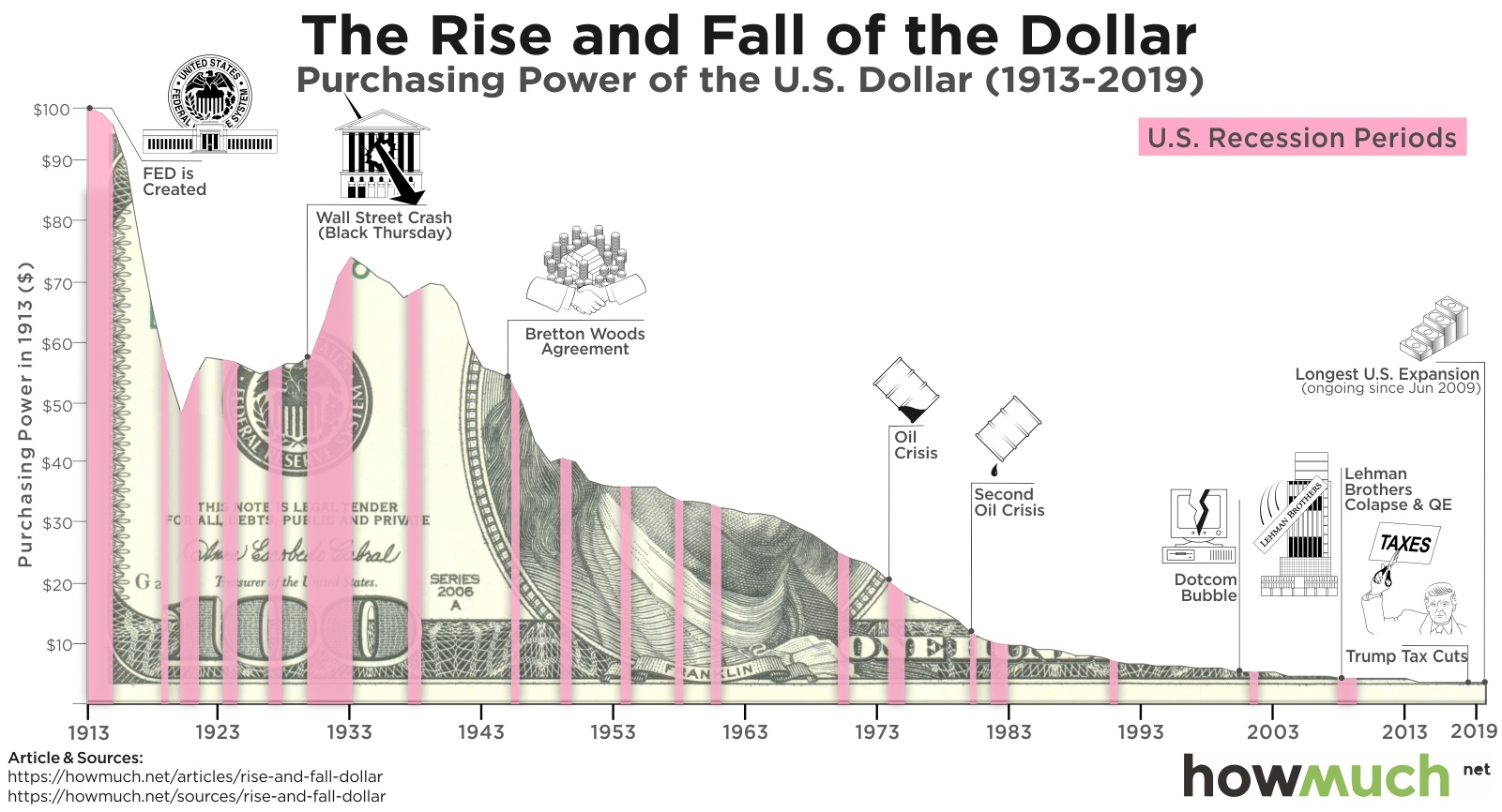
The Deflation Glitch: $2 Bills as a Hedge Against the Fed
Across kitchen drawers, tip jars, and the occasional novelty bank, the two-dollar bill has long been an oddity of American cash culture: legal tender, rarely seen, and often treated as a curiosity. But beneath that quirk lies an argument that sounds counterintuitive in an era obsessed with inflation: in a rare but meaningful deflationary shock, holding small-denomination physical currency like $2 bills can act as a micro-hedge against central bank missteps and the breakdowns that follow. This piece unpacks the idea, explains the mechanics, weighs the trade-offs, and offers practical advice for anyone curious whether a pocket of $2 bills should have a place in their emergency and investment thinking.

Federal Reserve deflationary shock
UNDERSTANDING THE PROBLEM
What is deflation — and why would we worry?
Deflation describes a sustained decline in the general price level of goods and services. Unlike modest disinflation, which central banks often accept, deflation is dangerous: falling prices can prompt consumers to delay purchases, businesses to cut investment and wages, and debt burdens to become more onerous in real terms. Central banks typically respond with lower interest rates or quantitative easing to restore inflation. But those tools can become ineffective when rates hit zero or go negative and when financial plumbing—payment systems, bank liquidity, and credit flows—stutters.
Why the Fed could struggle to respond
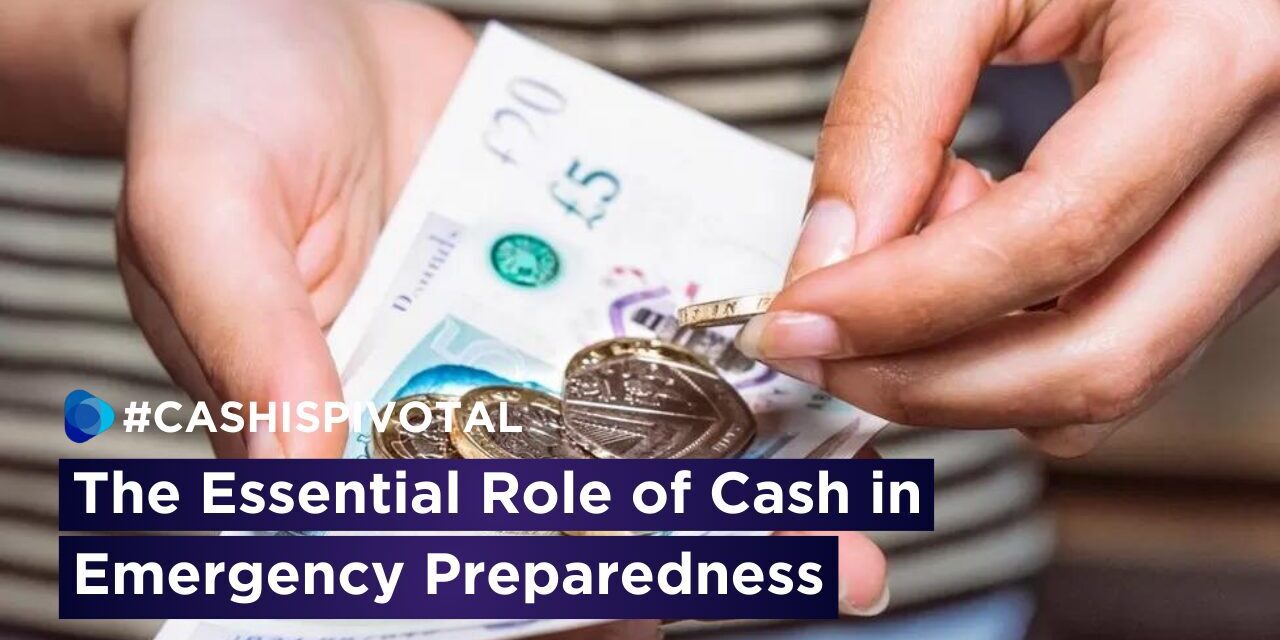
The Federal Reserve has an arsenal of policy tools, but they assume that credit and payment systems remain functional. In severe economic contractions or financial crises the usual transmission mechanisms—bank lending, interbank markets, even simple public confidence—can all break down. When they do, physical cash regains importance because it is direct: no intermediary, no clearinghouse, no overnight swap needed. In extreme cases people may prefer tangible, widely accepted currency rather than deposits that feel counterparty-exposed.
When institutions fail to transmit policy, the simplest form of money—notes in your hand—can become the quiet anchor of purchasing power.
physical cash emergency preparedness
THE CASE FOR $2 BILLS
Why not $1 or $20? Why $2 bills specifically?
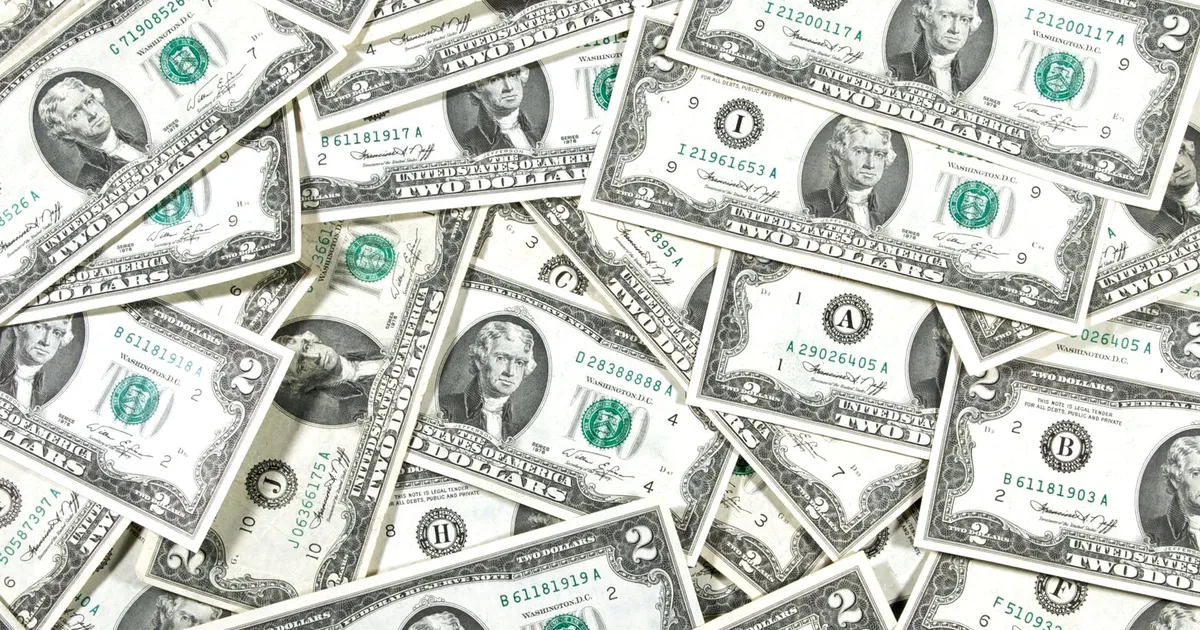
Other denominations serve different purposes. A $1 bill is ubiquitous; $5 and $20 bills are common in commerce. The $2 bill occupies an odd middle ground: infrequent enough to be scarce and memorable, yet small enough to be practical for transactions. A few behavioral and logistical points explain why proponents single out $2 bills:
- Scarcity premium: People treat $2 bills as special when encountered, which can slow their circulation and increase the odds that holders retain them physically instead of depositing them.
- Denomination efficiency: Two-dollar notes make small cash transactions convenient while still keeping stash size manageable—compare carrying ten $2 bills versus twenty $1 bills for the same face value.
- Psyche and signaling: The $2 bill acts both as an emergency cash unit and as a psychological reminder to plan for nonstandard economic events, nudging holders to diversify how they keep money.
How a small stash could outperform during a deflationary glitch
Imagine a severe shock that freezes credit lines and disrupts electronic payments for days. Banks, while solvent, may temporarily limit withdrawals or impose holds; merchants may fear accepting card payments. In such a snap, someone with accessible physical cash can buy essentials, pay for services when credit fails, and avoid the friction of bank queues. The two-dollar bill's rarity increases the chance that it remains in private hands rather than being deposited back quickly, preserving its role as a tool for immediate spending and barter in local markets.
two-dollar bill scarcity
THE MONETARY MECHANICS
How cash behaves differently from bank deposits and digital money
Cash is simply a claim on a central bank’s liability: a publicly recognized promise that the paper will be accepted for taxes and transactions. Deposits, by contrast, are claims on private banks; they depend on the bank’s ability to meet withdrawals and on the health of the payments network. In ordinary times the system is seamless—cards and transfers are faster and more convenient than physical bills. But when networked systems fail or when confidence in counterparties erodes, the directness of cash becomes valuable.
The limits of conventional policy in a liquidity trap
Central banks aim to lower interest rates to stimulate borrowing and spending. At or near zero interest rates, they may deploy unconventional tools like large-scale asset purchases. Yet if credit channels are clogged and prices keep falling, the practical effects of such policy can be muted. In that environment, the nominal value of currency in hand retains utility that policies on balance sheets cannot instantaneously replicate at street level.
Pro Tip A small, well-organized physical-cash plan is about optionality: the ability to transact when other systems are impaired. It’s not a bet on deflation every year; it’s insurance for tail risks.
two-dollar bill emergency stash
PRACTICAL CONSIDERATIONS
How much to hold and how to store it
Financial planners typically advise an emergency fund in liquid assets—bank deposits or cash enough to cover 3–6 months of expenses. If you want to include a contingency allocation in physical small-denomination bills, consider a modest percentage of that fund dedicated to tangible currency. For example, allocating 5–15 percent of liquid emergency reserves to physical bills (including some $2 bills) preserves liquidity while avoiding the security and insurance pitfalls of keeping large amounts of cash at home.
Storage matters: keep bills in a waterproof, fire-resistant safe or a secure off-site location. Rotate the cash periodically to avoid deterioration and to ensure notes remain acceptable by merchants and banks. Record serial numbers if you’re particularly concerned; that can help in the event of theft, though banks are generally more concerned with replacing coin and currency through established reporting channels.
Acceptance and liquidity in normal times
One practical objection is merchant acceptance: will businesses take a $2 bill? Yes—$2 bills are legal tender and, in ordinary commerce, acceptable for payment. The only friction is that many cashiers are unfamiliar with the note and might hesitate. Practically, if you use $2 bills occasionally for real purchases you’ll reinforce their circulation and avoid awkwardness when you need them in a pinch.
- Compact emergency liquidity
- Less likely to be immediately redeposited than common denominations
- Psychological preparedness and visible diversification
- Counterparty risk if kept in insecure locations
- Opportunity cost relative to short-term interest-bearing instruments
- Potential merchant confusion
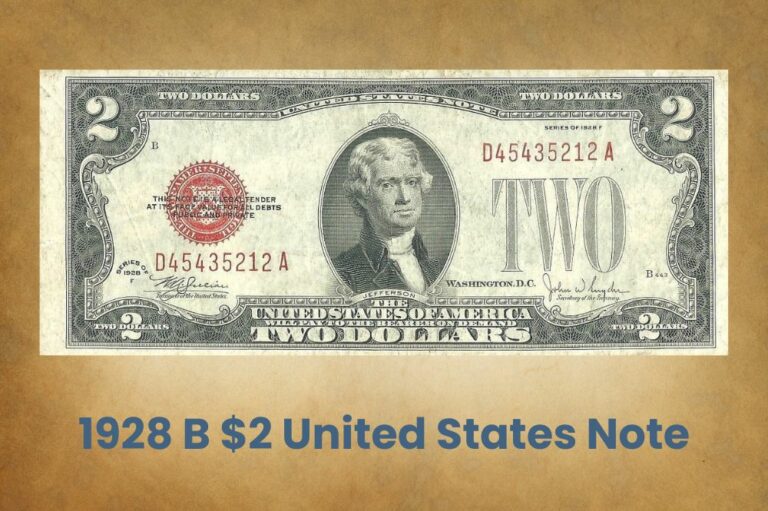
two-dollar bill as store of value
NUMISMATIC VALUE VS FACE-VALUE STORAGE
Are $2 bills worth more than $2?
Some two-dollar bills—older series, unique serials, or notes in pristine condition—carry numismatic premiums well above face value. If your goal is practical emergency liquidity, concentrate on ordinary circulated notes; rare or collectible notes can be harder to spend quickly and may attract unwanted attention. Conversely, if you enjoy collecting and believe certain notes will appreciate, keep that portion separate from your emergency stash.
Liquidity planning: spendable versus collectible buckets
Segment your holdings. One bucket contains everyday emergency cash: mixed denominations, including $2 bills, folded and rotated for usability. The other contains collectibles stored more carefully (archival sleeves, inventory of serial numbers). Mixing the two undermines the hedge: a collector’s note may be refused by a cashier or stolen for its scarcity value.
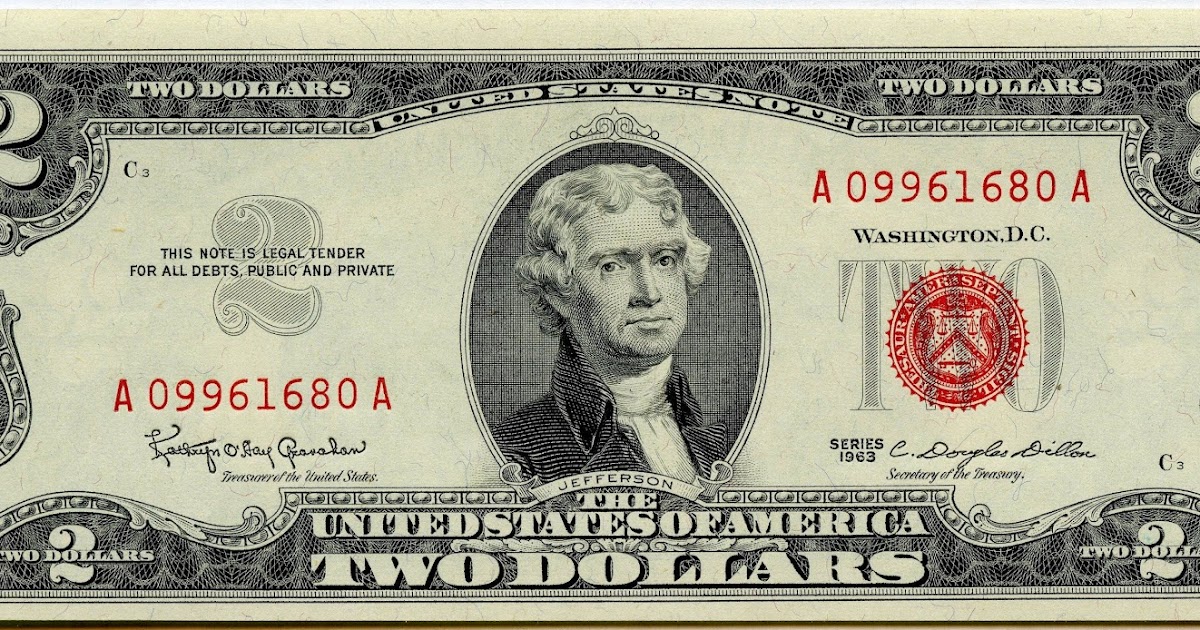
two-dollar bill acceptance in commerce
RISKS, CRITICISMS, AND DOWNSIDES
Opportunity cost and inflationary environments
Keeping too much cash is risky in inflationary periods because you forgo returns that could offset rising prices. The $2-bill hedge is specifically designed for rare deflationary glitches and plumbing failures—not as a primary inflation hedge. Stocks, bonds, TIPS, commodities, or cash equivalents typically remain more appropriate for broader portfolio goals.
Security and theft concerns
Physical cash is susceptible to theft and loss. Unlike bank deposits, home cash is uninsured. Mitigate this by using secure storage, diversifying storage locations, and avoiding openly advertising cash holdings. If your emergency-cash allocation is small relative to your total liquid assets, the security risk is manageable.
Caution Don’t over-allocate to cash because of fear. The $2-bill idea scales as an insurance policy, not a primary investment strategy.