
The $500K Chat: Kristen Stewart, a Prince, and the Fallout
The headline is almost cinematic: in 2012 an Arab prince reportedly paid $500,000 for a 15-minute conversation with Kristen Stewart. It sounds like a parable about modern fame—how a private exchange can be auctioned, photographed, litigated in public imagination and used to ask much bigger questions about money, power and consent. What happened that afternoon, what followed in the press and in Stewart's life, and what does the episode tell us about the wider economy of celebrity? This feature follows that thread, separating confirmed fact from rumor, tracing consequences and exploring the uneven forces that make a star into a commodity.
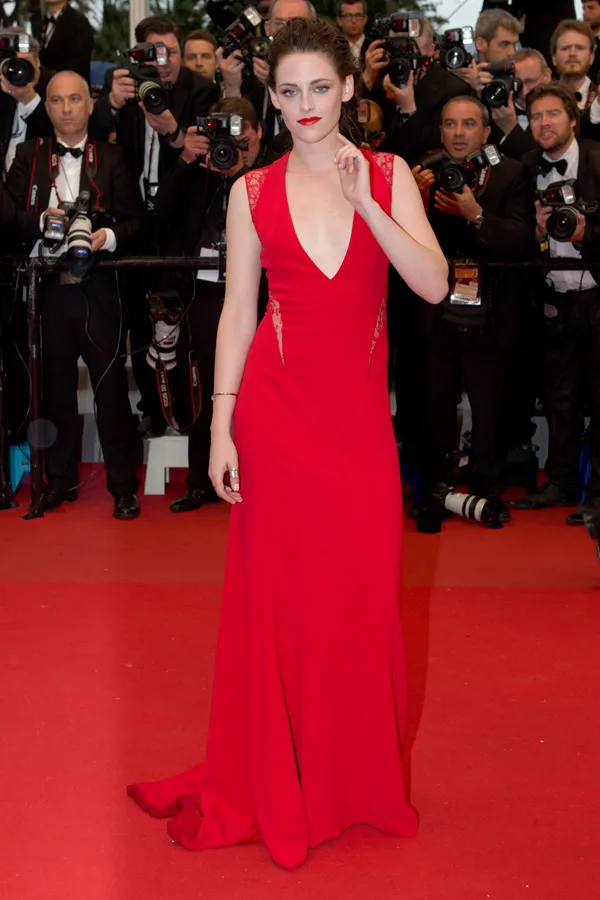
Kristen Stewart 2012
SETTING THE SCENE: HOLLYWOOD IN 2012
2012 was an inflection year for Kristen Stewart. Riding the commercial and cultural wave of the Twilight films, she was also navigating an increasingly invasive media ecosystem where every gesture, photograph and offhand remark could be magnified. The industry’s machinery of publicity was in full tilt. Studios, agents and managers optimized access and appearances. High-net-worth individuals and foreign dignitaries, eager to connect to Hollywood’s cultural currency, increasingly bought curated moments with stars: a photograph here, a short conversation there, often mediated by fixers and security teams.

Twilight Kristen Stewart
The intersection of royalty and celebrity
Royalty meeting celebrities is not a new phenomenon. For decades, royals and billionaires have sought proximity to the global spotlight that only Hollywood can provide. What changed in the 21st century is the speed and commodification of that proximity: private encounters could be arranged, priced and promoted as if they were luxury goods. When reports surfaced that a royal had paid a large sum for time with a star, the story tapped into anxieties about what fame is worth and who has the right to buy it.

VIP celebrity encounters
THE ENCOUNTER: WHAT WE KNOW
According to contemporary reports, the meeting was brief—fifteen minutes—and accompanied by substantial payment for access. The circumstances described by observers fit a familiar pattern: an intermediary arranges a discreet encounter, security coordinates the logistics, and a short conversation takes place in a private setting. No official press release accompanied the meeting; the most persistent public records are press accounts and industry whispers that followed.

Arab prince celebrity meeting
A short, pricey conversation can catalyze a media storm.
Why a star would agree
There are several reasons a high-profile actor might consent to a paid, private meeting: financial incentive, charity fundraising, philanthropic commitments, a desire to shape a relationship that could open doors overseas, or simply a misjudgment about how private the moment would remain. For many celebrities, the calculus is rarely purely financial. Agents, lawyers and publicists often weigh potential upside—access to new markets, reputational benefits, or the chance to influence philanthropic giving—against the risk of appearing to 'sell' intimacy with fans.
THE MEDIA RIPPLE: RESPONSE AND REPUTATION
Once the story leaked, the reaction moved quickly through blogs, tabloids and the more serious corners of entertainment journalism. The narrative split along familiar lines: some framed the event as an amusing curiosity, an example of how much wealth can buy; others treated it as a more troubling symptom of celebrity objectification. The incident also arrived close to another crucial moment in Stewart's life—her highly publicized personal scandal with director Rupert Sanders, which emerged publicly in July 2012—so every public interaction was read for subtext.
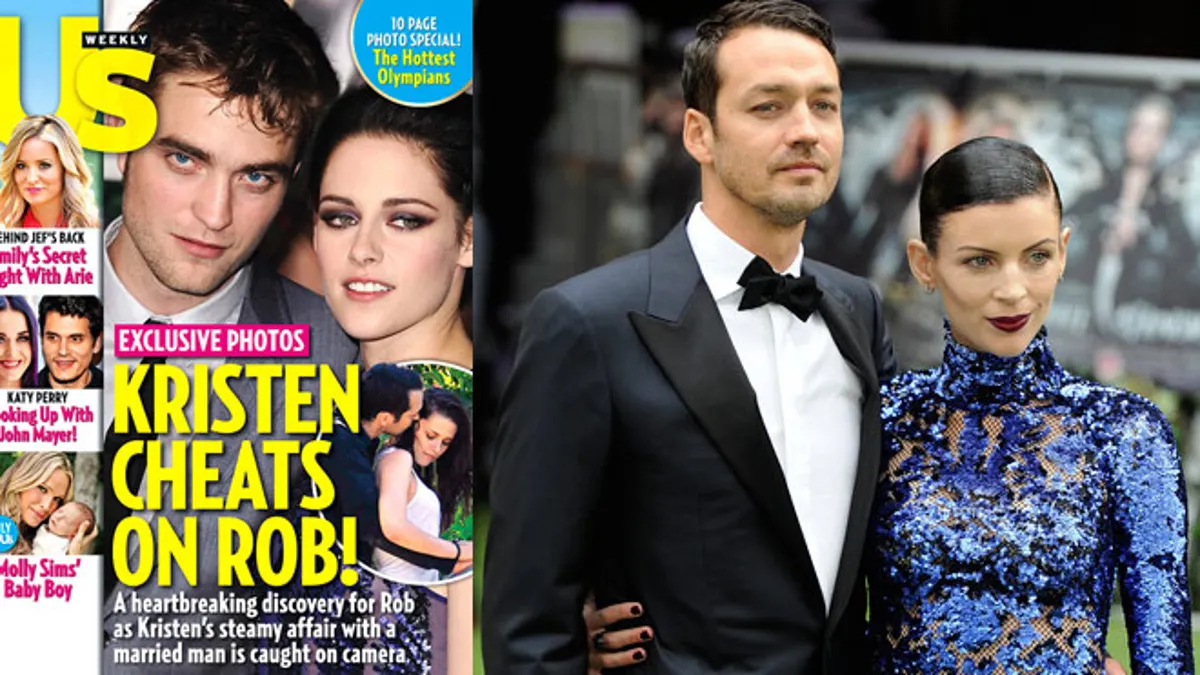
Rupert Sanders scandal
Celebrity encounters are rarely private; they are instantly socialized.
Damage control and narrative framing
When a private meeting becomes fodder for public debate, the machinery of reputation management kicks in: statements are drafted, spokespeople clarify intent, and the star’s team tries to steer coverage toward context rather than sensation. In many such episodes, the long-term reputational consequence depends on how an artist and their team respond: apologize, explain, deflect, or stay silent. Stewart’s broader trajectory—her continued work, choices of roles and the public’s evolving appetite for authenticity over pristine images—shaped how the episode settled into her biography.
WHAT HAPPENED NEXT: CAREER, PRIVACY, AND PERCEPTION
In the months and years following 2012, Kristen Stewart continued to diversify her career. She took on independent films, collaborated with auteur directors and gradually recast her public persona from the face of a global franchise to a serious working actor with a taste for risk. The brief, expensive chat became part of a larger tapestry that included both controversy and reinvention. For the royal who paid for the meeting, the moment likely passed with little consequence; for Stewart, it became another data point in the ongoing negotiation between fame and autonomy.

Hollywood celebrity privacy
Long-term impact on public image
Celebrity narratives rarely hinge on single incidents. Instead, reputations are resilient and compound over time. Stewart’s handling of pressure, her willingness to pivot to art-house projects and her measured public responses helped blunt lasting damage. The episode also contributed to a larger conversation about consent and the commercialization of intimacy in celebrity culture: when a meeting is paid for, what expectations—if any—are created on either side?
THE ETHICS OF ACCESS: WHO CAN BUY A CELEBRITY?
At the heart of the story is an ethical question: when access to a person is priced, what does that say about equality, consent and dignity? Fans, agents and cultural critics have debated whether paid access dilutes genuine fandom or exploits artists’ labor. Defenders argue that celebrities are selling a service—time, attention and association—and that arranging paid meetings can be legitimate professional activity. Critics counter that pricing intimacy turns human relationships into transactions and creates unequal power dynamics when one party holds massive wealth.
Power imbalances and cultural context
Royalty and high-net-worth individuals operate in a different social grammar. In many cultures, gift-giving and patronage are longstanding rituals; what looks like commodification in one setting can be interpreted as a form of respect or cultural diplomacy in another. Still, money changes the tone of encounters. The presence of payment complicates assumptions about mutual consent—particularly when participants differ dramatically in social power, legal protections and cultural leverage.
PRACTICAL LESSONS FOR CELEBRITIES AND FIXERS
Industry insiders learn quickly from such stories. Below are practical strategies commonly used to manage paid encounters and limit reputational risk.
- Clear contracts: Written agreements that specify the scope of a meeting, allowed photos and confidentiality provisions.
- Trusted intermediaries: Using vetted fixers and agencies to vet clients and ensure safety.
- Charitable framing: Tying appearances to verified philanthropy to align optics with values.
- Public statements: Proactive messaging to clarify intent if a private moment becomes public.
A WIDER PERSPECTIVE: WHAT THIS REVEALS ABOUT FAME
Stories like this do more than fuel gossip; they illuminate how fame functions as a global currency. Celebrities provide cultural legitimacy. Brands and foreign elites seek that legitimacy for prestige, investment attraction or soft power. The transaction is a microcosm of a broader market where attention is the commodity and stars are brokers of cultural value.
The transaction model of celebrity
In a transactional model, fans and power-brokers purchase curated access for signaling. The buyer buys not just time but the associative value of being photographed with, or endorsed by, a well-known figure. For the celebrity, selling access can be a revenue stream, a diplomatic move, or a way to support philanthropy. The moral texture of these exchanges changes depending on transparency, intent and outcome.

Luxury paid meet and greet
GENDER, POWER AND PUBLIC SCRUTINY
Gender plays a distinct role in how such stories are received. Women in the public eye have historically faced double standards: judged for their private choices, sexualized by speculation and held to different standards of comportment than their male counterparts. Kristen Stewart’s post-2012 career suggests that resilience and strategic role choices can shift public narratives, but the initial fallout underscores the uneven scrutiny women endure.
CONCLUSION: WHAT THE $500K CHAT TEACHES US
The brief, expensive chat between a star and a prince is more than gossip fodder. It is a lens through which to view the modern economy of attention, the ethics of access, and the gendered dynamics of celebrity. Whether it is remembered as an amusing anecdote or a troubling commodification of intimacy hinges less on the fifteen minutes themselves and more on how society chooses to value privacy, consent and dignity.
Final reflections
For celebrities, the episode is a reminder that every private engagement carries public risk. For the wealthy, it shows how proximity to cultural capital can serve status. For the public, it invites a moment of reflection: what price should be placed on human connection, and who gets to decide that price? The answers are not simple, but the conversation matters.
- Paid celebrity encounters blur the line between professional engagements and personal intimacy.
- Reputation management and clear contracts are essential when arranging private meetings.
- Gender and cultural context shape how these stories are perceived and critiqued.
- The episode illustrates the larger market dynamics where attention and association become tradable commodities.
This feature draws on well-documented industry patterns and public timelines to contextualize a widely reported 2012 incident and its cultural implications.