Tesla Stock Plunge in Europe: What's Driving Early‑2026 Selloff
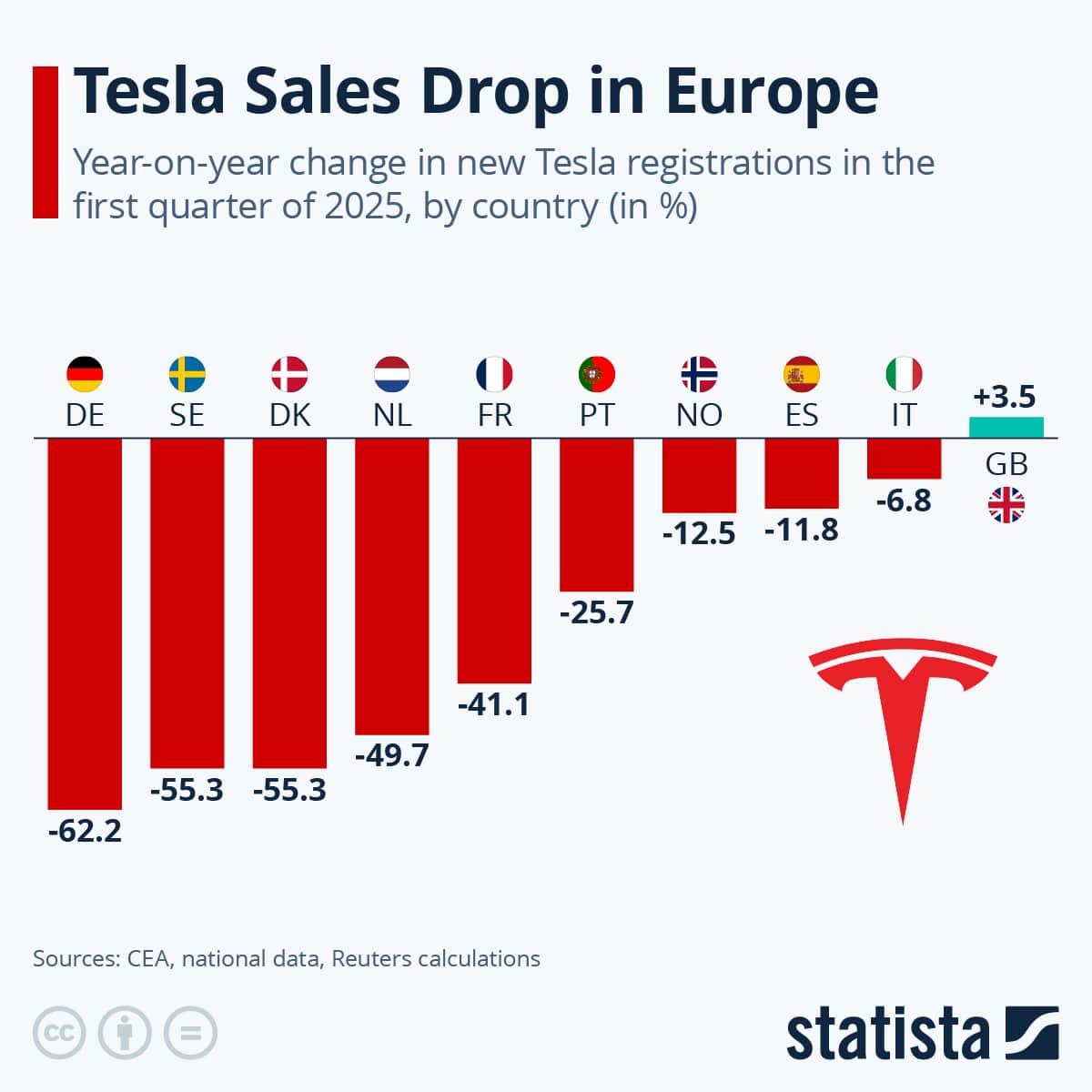
The opening weeks of 2026 have presented a bruising start for Tesla shareholders in European trading sessions. Stocks tumbled, headlines amplified every drop, and investor conversations that began with model cycles and chip shortages now thread through central-bank moves, subsidy politics in Brussels, and an intensifying competitive landscape for electric vehicles. Behind the noise lies a layered, interlocking set of drivers — some temporary, others structural — that explain why Tesla (TSLA) is feeling disproportionate pain in Europe even as markets elsewhere oscillate.
Tesla European trading floors
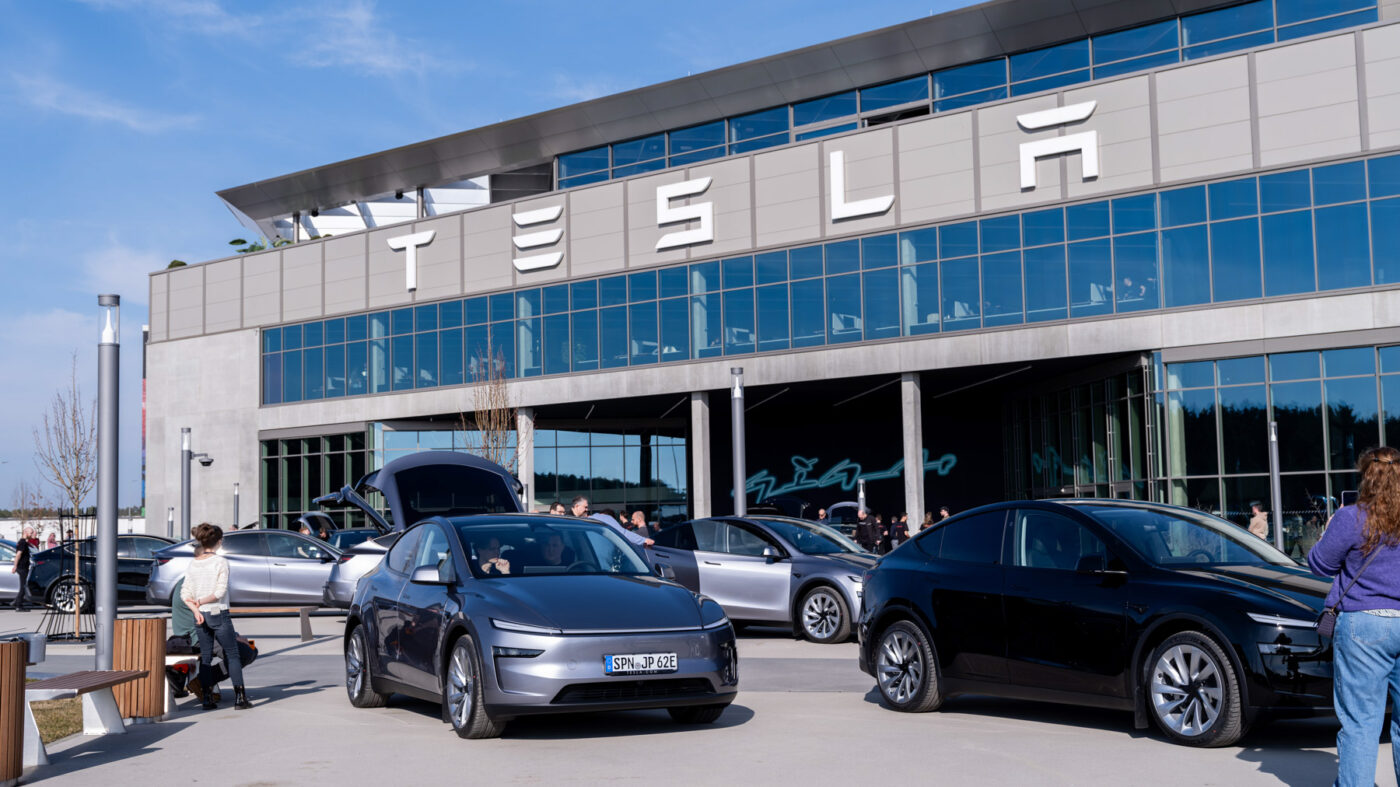
What's happening on European trading floors?
Trading in Europe has a flavor distinct from the U.S. session: different liquidity pools, a heavier tilt toward value and industrial names, and heightened sensitivity to regional policy shifts. Tesla’s shares, listed primarily in the U.S., still react strongly in European hours because institutional allocators and cross‑listed ETFs rebalance in response to newsflow that affects the European EV landscape specifically. The selloff is not a single headline event but an accumulation: profit‑taking after a multi‑year run, margin concerns tied to price competition, and a fresh wave of regulatory and political signals that matter more to European consumers and fleets.

Options market derivatives selloff
Europe’s mix of politics, policy and intense EV rivalry has amplified a broader market correction into a concentrated selloff for Tesla.
Macro backdrop: rates, currencies and investor psychology
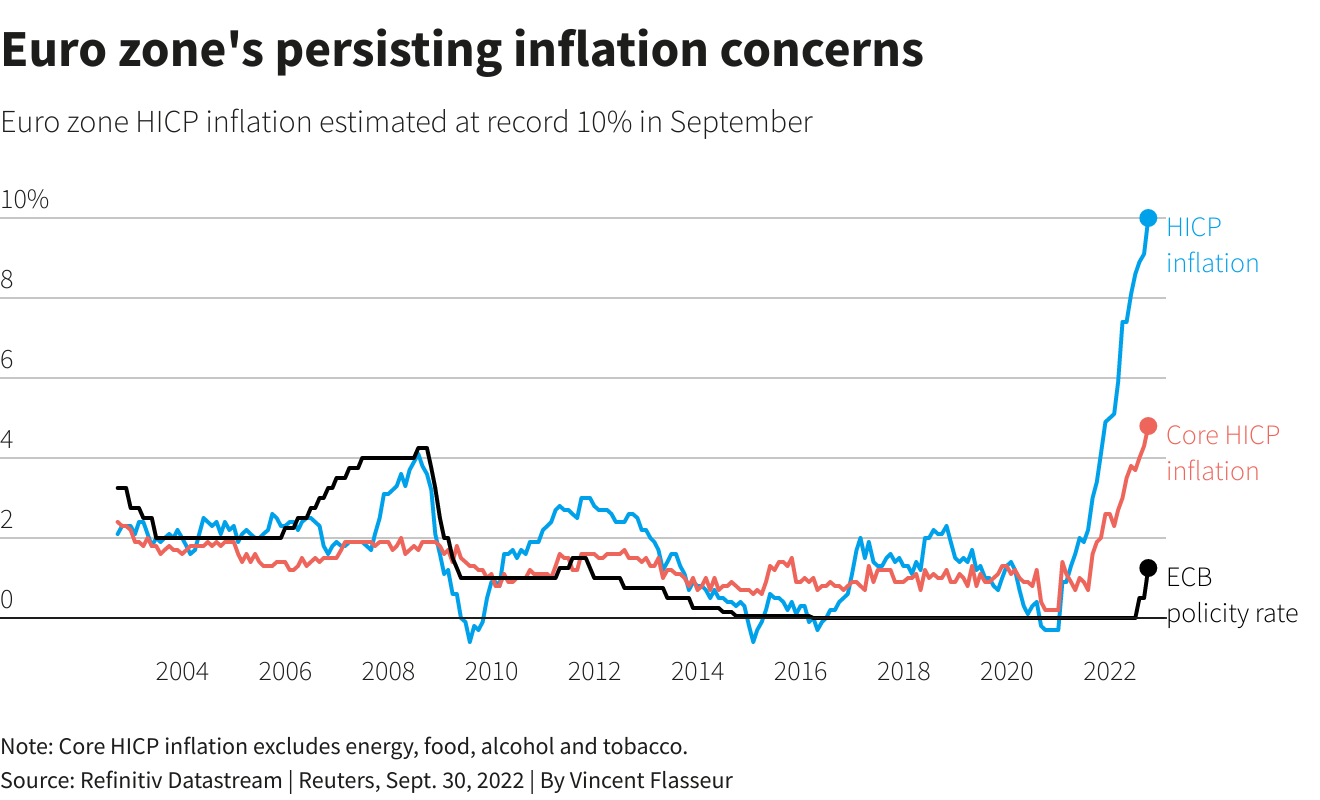
Global equity moves in 2026 remain sensitive to the trajectory of interest rates and real yields. Higher-for-longer rate expectations compress valuations for high-growth stocks that had been priced for perfection. Tesla, despite its manufacturing footprint and recurring revenue ambitions, has long traded with a growth premium; when discount rates rise even modestly, the present value of future earnings falls. European investors face an extra layer: the euro’s moves relative to the dollar change the effective returns for euro‑denominated funds holding U.S. equities. A stronger dollar makes U.S. revenues appear smaller in euro terms and can accelerate selling pressure from European institutions managing currency exposure.

Euro dollar currency FX risk
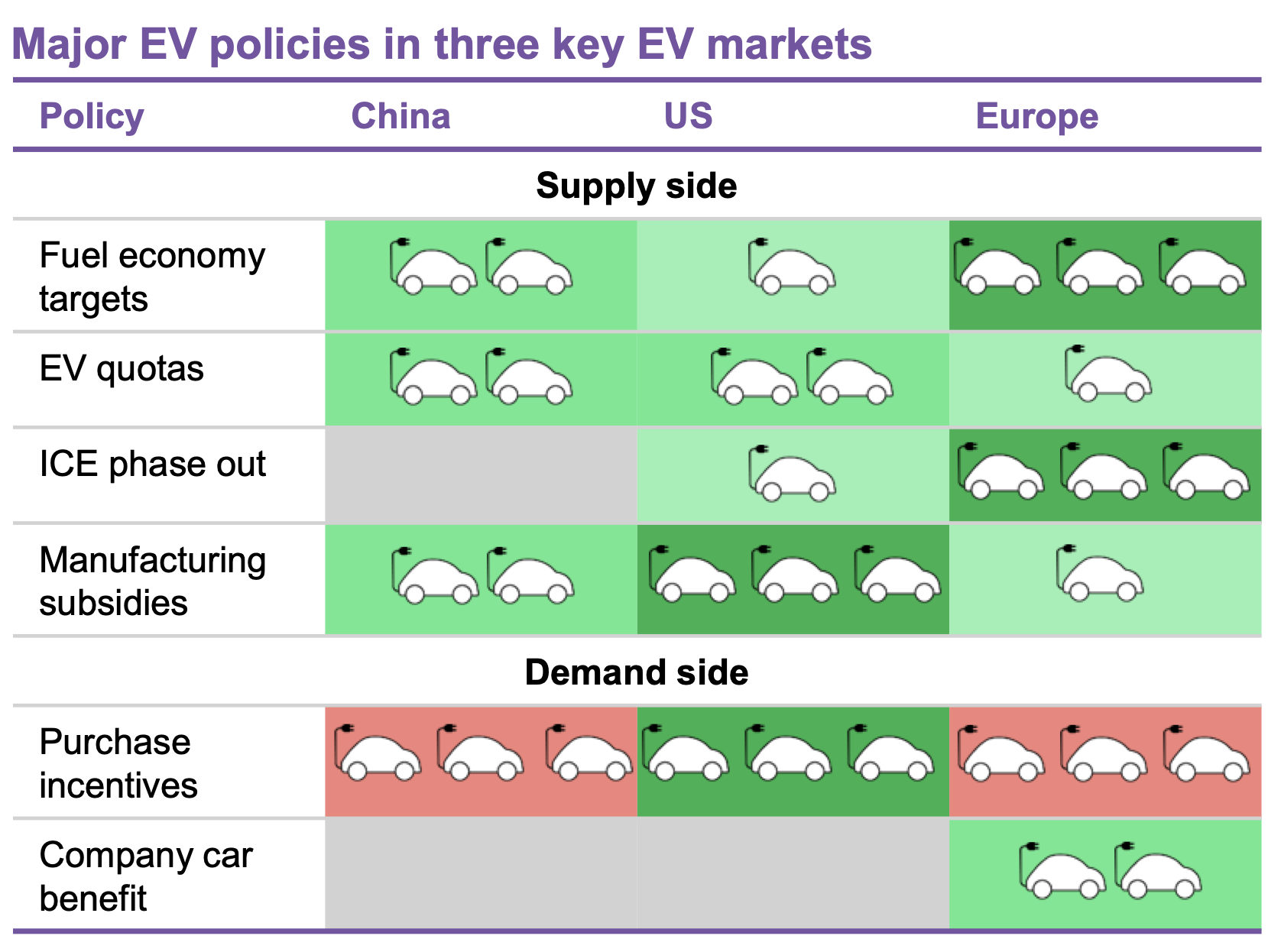
Policy and regulation: why Europe is a different battlefield
European regulators are actively shaping the EV market with rules on emissions, software safety, data privacy, and public charging standards. When EU policy signals tighter rules on autonomous features or stricter liability regimes for software, Tesla’s Autopilot label and its approach to driver assistance become focal points for both regulators and the press. Meanwhile, shifts in subsidy design — whether redirecting funds towards hydrogen, tightening eligibility for tax breaks, or lowering consumer incentives — can change demand math overnight in certain markets. For a company that sells to consumers and fleets across Europe, these policy pivots matter more than a U.S. headline about informal guidance or a price change.

EU subsidy changes EV policy

Tesla Autopilot regulatory risk
Competitive pressure: Europe’s EV incumbents and challengers
The competitive field in Europe is intense. Local incumbents and aggressive newcomers offer models tailored to European tastes: smaller footprints, diesel/EU fleet heritage, and pricing that undercuts Tesla on total cost of ownership. Chinese manufacturers have stepped up with affordable, high‑spec offerings and are pursuing European market share through partnerships, localized production and attractive financing. That dynamic squeezes margins industry‑wide and forces Tesla into tactical decisions — price cuts in select markets, localized spec adjustments, and new lease or subscription offers — which investors interpret as margin erosion rather than market share defense.

BYD Volkswagen European competition
Company‑specific factors: production, pricing and product cycles
Tesla’s production cadence, factory ramp profiles, and strategic pricing choices always factor into how the stock trades. Early 2026 conversations center on a few recurring themes: whether production ramps at newer Gigafactories are hitting anticipated efficiency curves; whether price cuts in mature markets are sustainable; and how a next generation of models or battery technology will be timed into global rollout plans. When the market believes deliveries or margins might disappoint, stock moves amplify quickly because Tesla’s valuation baked in substantial future growth and margin expansion.

Tesla Gigafactory production ramp
Market mechanics: liquidity, flows and derivatives
Several technical factors magnify price moves. European ETFs with significant exposure to U.S. tech and EV names must adjust holdings when share prices swing; rebalancing can force sales. Options markets also matter: heavy put buying or net negative gamma positions among market makers can make a downward move self‑reinforcing as hedges are sold into falling markets. Short sellers and activist narratives add fuel: when sentiment turns, narratives amplify across social media and financial news channels, prompting retail traders to exit positions and institutional managers to de‑risk portfolios.
Investor psychology: the narrative matters
Stocks are vehicles for narratives. For Tesla, that narrative has historically been a blend of mobility revolution, software monetization, and superior cost curves. European investors increasingly overlay local narratives: will Tesla adapt to small-car preferences, will it license charging standards, and can it manage relationships with utilities and cities? When the narrative frays — whether through an unexpected price move, a regulatory scolding, or competitive marketing — the stock’s volatility spikes because the story’s future becomes less certain.
How this differs from a U.S.‑centric correction
U.S. markets may absorb the same macro signals without the same regional policy concerns. Europe reacts more strongly to EU-level negotiations, emissions targets and infrastructure rollouts. A price cut announced for U.S. buyers might be welcomed as market share play stateside, but in Europe it is parsed against subsidies, local tax regimes, and dealership/lease structures — changing the perceived effectiveness of the move. That divergence explains why Europe can lead or intensify a selloff even while U.S. sessions remain relatively calmer.
Scenario analysis: three plausible paths for 2026
To make sense of the near term, consider three scenarios investors should track:
- Soft landing: Macro pressures stabilize, European policy clarifies in favor of technology-neutral incentives, and Tesla’s price adjustments are offset by cost declines in batteries and manufacturing. Sentiment recovers, shares retrace a portion of the fall, and the company resumes margin improvement.
- Prolonged consolidation: Interest rates remain firm, subsidy reductions and local competition keep Europe growth subdued, and Tesla opts for pragmatic price cuts to defend share. Revenue growth slows, margins compress moderately, and the stock trades at a lower multiple for an extended period.
- Disruptive realignment: Regulatory constraints on driver-assistance features or a rapid competitive price war significantly dent Tesla’s European unit economics. Investors reassess long-term growth assumptions and valuation multiples compress substantially, prompting strategic shifts at the company level.
What should investors and fleet buyers watch?
Practical signals to follow over the coming months include:
- Volume and pricing patterns: Are price cuts one-off promotions or sustained across multiple markets? Promotional activity that persists suggests margin pressure.
- Delivery cadence: Regional delivery numbers and factory throughput matter for near‑term revenue recognition.
- Policy announcements: EU subsidy changes, safety rules for driver assistance, and infrastructure budgets will affect demand curves.
- FX moves: Euro/dollar swings affect European fund returns and the local affordability of U.S.-priced cars.
- Competitive launches: New models from incumbents or Chinese entrants priced for European preferences can change the competitive map quickly.
A compact timeline (early 2026): market events and possible investor reactions
The following simplified table illustrates typical events and how they can drive reactions. This is illustrative, not exhaustive.
| Date Range | Event | Investor Reaction |
|---|---|---|
| Early January 2026 | Price adjustments, regional promotions | Short‑term volume boost; margin scrutiny |
| Mid January 2026 | EU policy updates or statements | Sector volatility; reweighting by funds |
| Late January 2026 | Quarterly delivery and production updates | Re‑assessment of guidance; options volatility |
Decision framework for different investor types
Not all investors should react the same way. A simple framework by investor horizon:
- Long‑term buy‑and‑hold: Focus on structural advantages in software, manufacturing scale, and vertical integration. Temporary market gyrations can provide buying opportunities if fundamentals remain intact.
- Income/ETF investors: Consider diversification and exposure caps to avoid concentrated risk from single‑name volatility in portfolios sensitive to regional flows.
- Short‑term traders: Watch liquidity and options flow; volatility can be an opportunity but requires disciplined risk management and understanding of rebalancing windows.
Risks and unknowns
Several key unknowns will determine whether the selloff is a hiccup or a regime change: the timing and substance of EU regulatory decisions; the pace of technology cost declines in batteries; the resilience of consumer demand in a higher‑rate landscape; and whether Tesla executes on product roadmaps without material delays. Each carries both upside and downside outcomes and interacts with macro factors in complex ways.
What management moves would calm markets?
Clear, data‑driven communication helps. Investors want evidence that volume growth is sustainable, that price moves are strategic rather than reactive, and that margins will rebound because of cost declines or higher‑margin services. Concrete updates on factory efficiency, localized supply contracts, and roadmaps for software monetization would all help re‑anchor expectations.
Conclusion: volatility is the price of technological disruption — but so is opportunity
Tesla’s early‑2026 pullback in Europe is not a single‑cause crash but the outcome of many factors colliding: macro pressure on growth valuations, region‑specific regulatory and subsidy shifts, intensifying competition, and company choices around pricing and production. For investors the situation demands nuance — distinguishing temporary noise from structural change. For the industry, the episode underscores a broader truth: the European EV market is maturing and will reward companies that localize, adapt product mixes, and defend margins through real cost improvements rather than headline price wars.
EU regulatory policy EV market
Eurozone inflation ECB rates

European ETF rebalancing flows
- Europe’s policy and competitive environment can amplify global moves in Tesla’s share price.
- Watch pricing patterns, delivery numbers, and EU regulatory signals for the clearest near‑term guidance.
- Different investors should act according to horizon: volatility favors the nimble and rewards the patient.
Final thought
Market corrections sharpen decision making. For those who believe in Tesla’s long‑term thesis, early 2026 may present opportunities to reassess position sizing and conviction. For others, the selloff is a timely reminder that technological leadership must be paired with durable economics and regional adaptability to withstand the next chapter of competition and regulation.