Strength Training Sweet Spot for a Longer Life
Scientists and exercise specialists have spent decades unpacking how physical activity affects longevity. Aerobic exercise has long dominated public-health messaging, but a growing body of evidence shows that building and maintaining muscle through strength training is one of the strongest, most consistent predictors of a longer, healthier life. The headline from recent studies and meta-analyses is not simply "lift weights"—it's that there appears to be a practical, evidence-aligned sweet spot of frequency, intensity, and volume that delivers most of the longevity benefits without demanding an elite athlete's schedule. This article synthesizes the physiology, the dose-response data, and clear, usable programs so you can apply the sweet spot to your life.
Why Strength Matters for Longevity
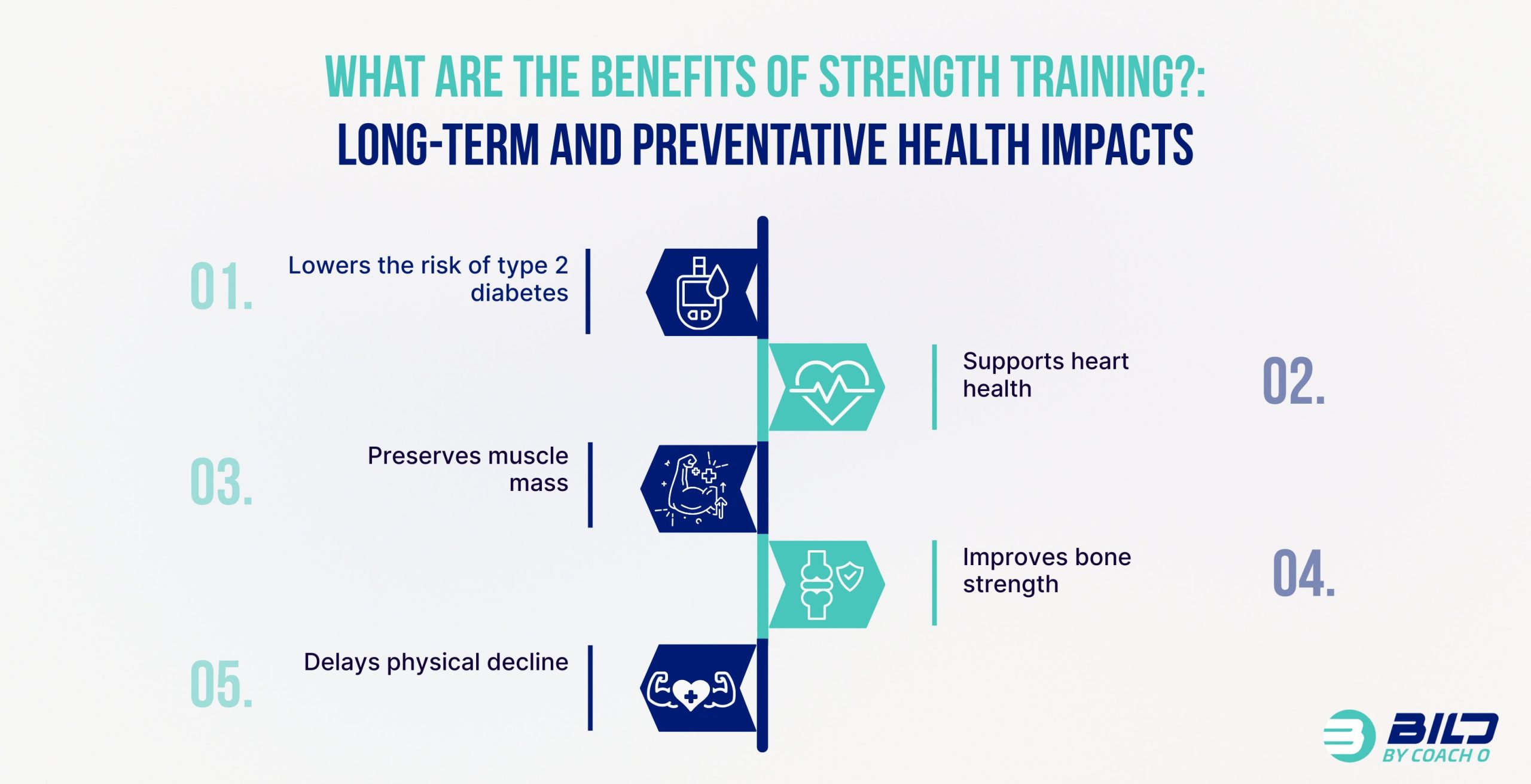
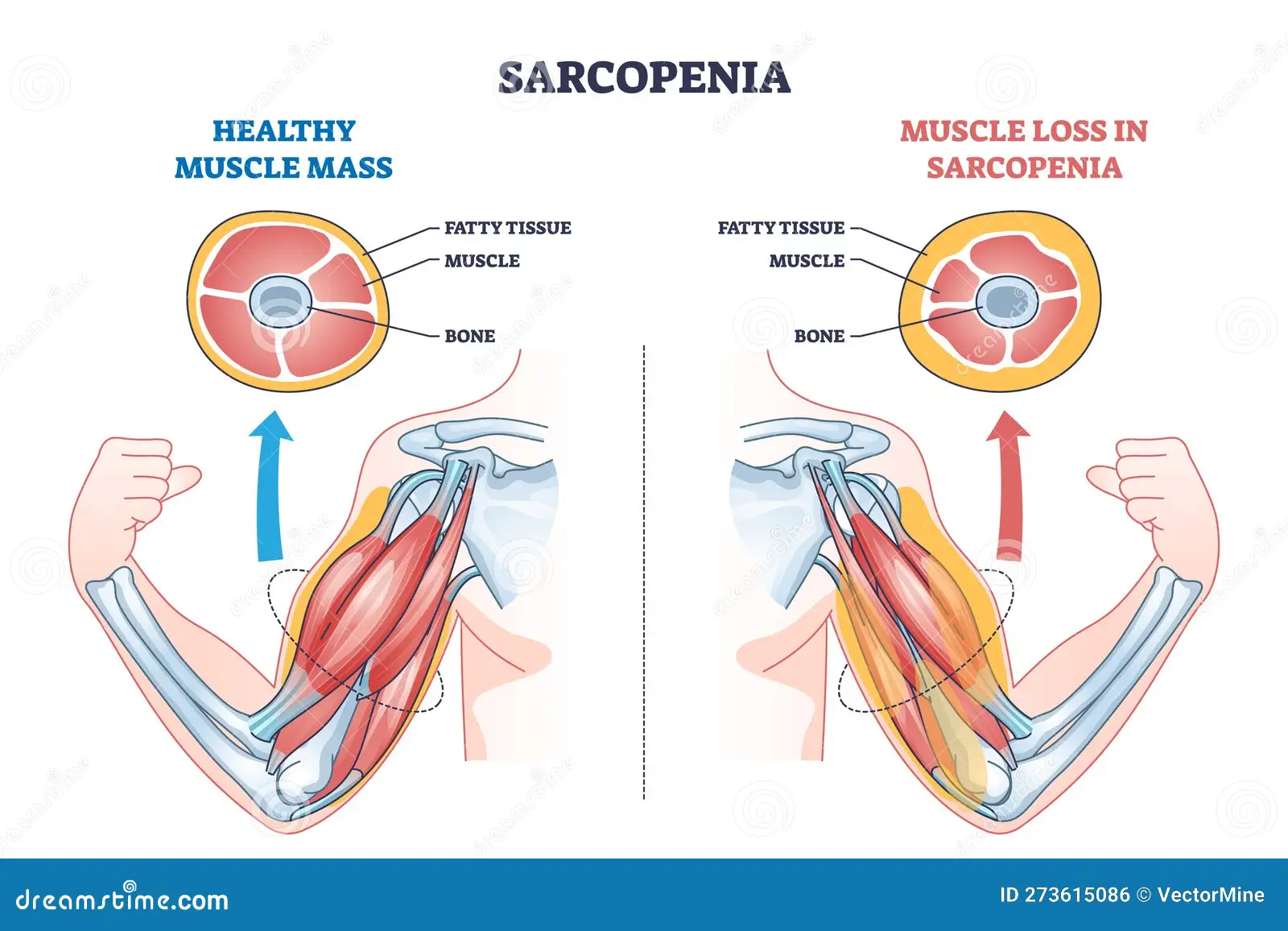
Muscle is more than a mover of bones. It is a metabolic organ that helps regulate glucose, modulates inflammation, maintains independence as we age, and protects against the frailty and falls that often precipitate rapid health decline. Low muscle mass and poor muscular strength are strongly associated with higher risk of disability, hospitalization, and death. Conversely, gains in muscle strength — even modest ones — translate into meaningful reductions in risk for chronic disease and all-cause mortality.
sarcopenia muscle loss aging
Mechanisms behind the benefit
There are several biologic pathways that link strength training to longer life:
- Metabolic regulation. Muscle is the primary storage site for glucose; more muscle and more muscle activity improve insulin sensitivity and reduce diabetes risk.
- Inflammation control. Contracting muscle releases myokines that modulate systemic inflammation, a key driver of age-related diseases.
- Bone health and fall prevention. Resistance training stimulates bone formation, improves balance and coordination, and reduces fracture risk.
- Functional reserve. Strength provides the reserve that lets older adults recover from illness or injury without entering a downward spiral.
These mechanisms are why strength training is not cosmetic; it is foundational medicine.
The Sweet Spot: How Much Is Enough?
Researchers studying dose-response relationships generally find diminishing returns beyond a certain point: the biggest relative gains in health and longevity come from going from none to some strength training. But there is also an identifiable zone where benefit is maximized given time and safety constraints. Synthesizing trials and observational research, the practical sweet spot looks like this for most adults:
- Frequency: 2–3 sessions per week
- Duration per session: 20–60 minutes
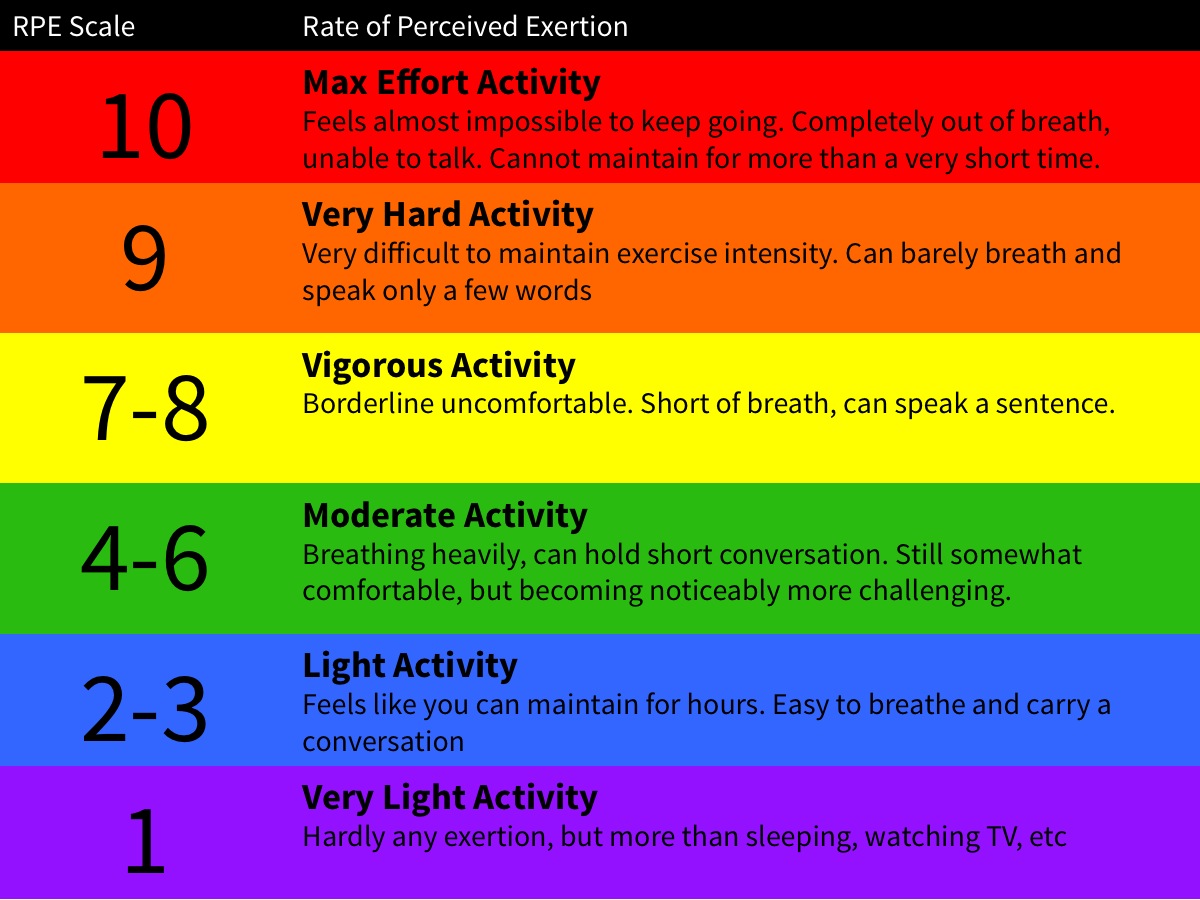
- Intensity: Moderate-to-high effort — roughly 60–85% of one-rep max, or an RPE of 6–8 out of 10, or working within 2–4 reps in reserve for most sets
- Volume: 6–12 sets per muscle group per week for major muscle groups when hypertrophy is a goal; lower volumes still offer strength and health benefits
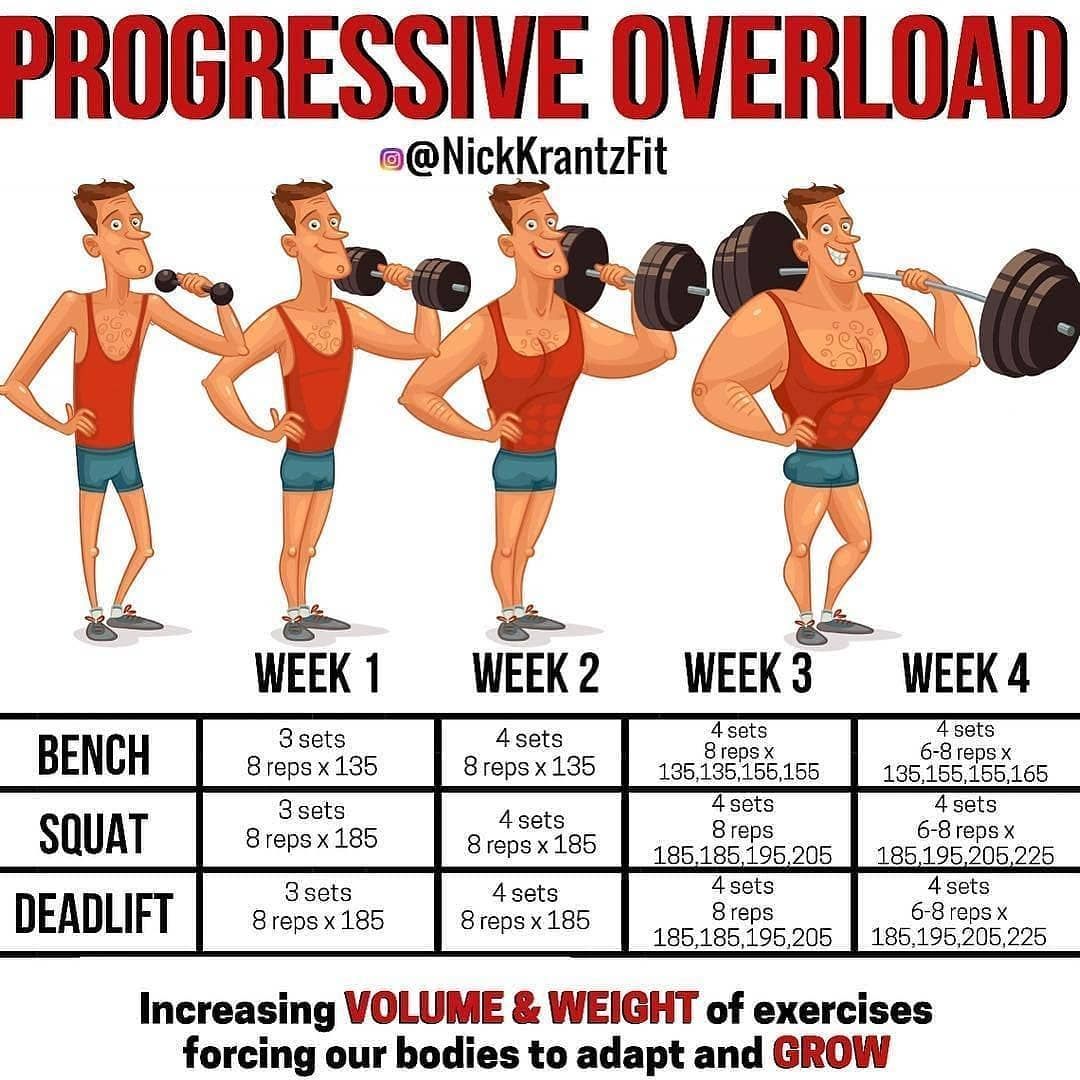
This prescription is flexible: two well-structured full-body sessions can match three split sessions. The key is progressive overload (gradually increasing load, reps, or density) and consistent stimulus over weeks and months.
progressive overload strength training
Why not daily heavy lifting?
Daily maximal lifting increases risk of injury and overload and provides little additional longevity benefit for most people. The body needs recovery to adapt: muscle protein synthesis is elevated for 24–48 hours after moderate-to-intense sessions, and nervous system recovery matters for heavy strength work. The 2–3 times-per-week model balances stimulus and recovery for effective, sustainable progress.
Designing a Practical Program
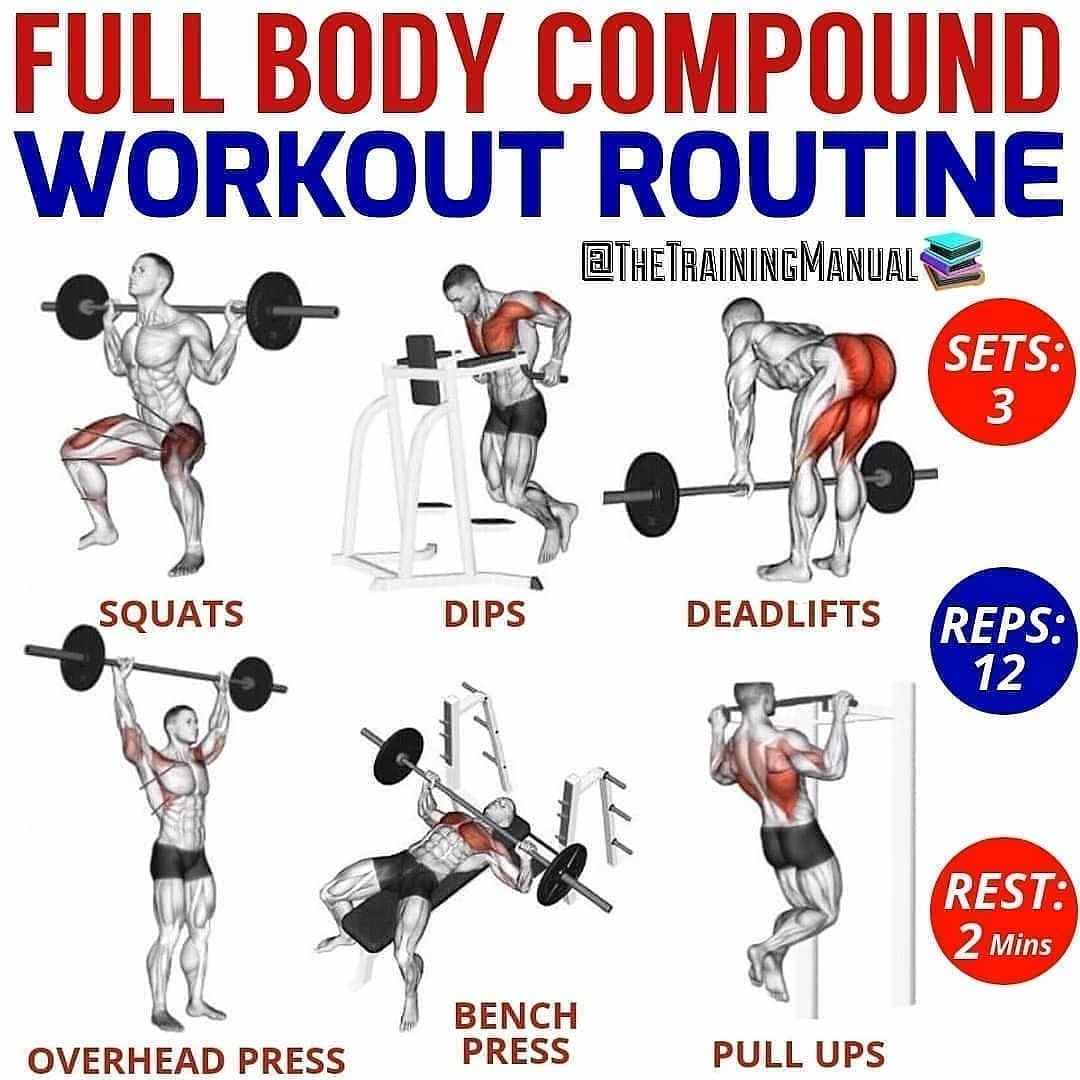
Below are sample frameworks tailored to different schedules and goals. Each emphasizes compound movements (multi-joint exercises) because they deliver the most muscle recruitment and functional carryover.
full-body compound exercises gym
Two-day full-body (time-efficient)
Perfect for busy people or those returning from long breaks. Each session: 4–6 exercises, 2–4 sets each, 6–12 reps.
- Session A: Squat or lower-body hinge, bench press or push, bent-over row or pull, core/bracing
- Session B: Romanian deadlift or hip-dominant, overhead press or push, pull-up/lat pull, single-leg work (lunges), core
Alternate A/B across two non-consecutive days (e.g., Tuesday/Friday). Progress by adding small weight increments, extra reps, or an extra set every 2–3 weeks.
Three-day full-body or upper/lower split
For those who want faster strength or hypertrophy gains. Typical week: Mon/Wed/Fri or Tue/Thu/Sat. Sessions last 30–60 minutes.
- Full-body model: Slightly more volume per session but still balanced across major muscle groups.
- Upper/lower split: Alternate upper-body and lower-body days, allowing more focused volume per area.
Older adults and clinical populations
For people age 65+ or those with chronic conditions, the same principles apply but with adjusted intensity and attention to balance, mobility, and medical clearance when needed. Start with 1–2 sessions per week of controlled, supervised resistance work and include functional exercises (sit-to-stand, stair step-ups, loaded carries).

older adults resistance band training
Measuring Intensity Without a Gym
You don't need a 1-rep max test to train effectively. Use practical metrics:
- RPE (Rate of Perceived Exertion): Aim for 6–8/10 on most working sets.
- Reps in Reserve (RIR): Stop sets with ~2–4 reps left in the tank for strength-focused work.
- Progress tracking: Log weight, reps, and how the set felt. Small weekly improvements matter.
RPE scale exercise intensity
What Counts as "Strength Training"?
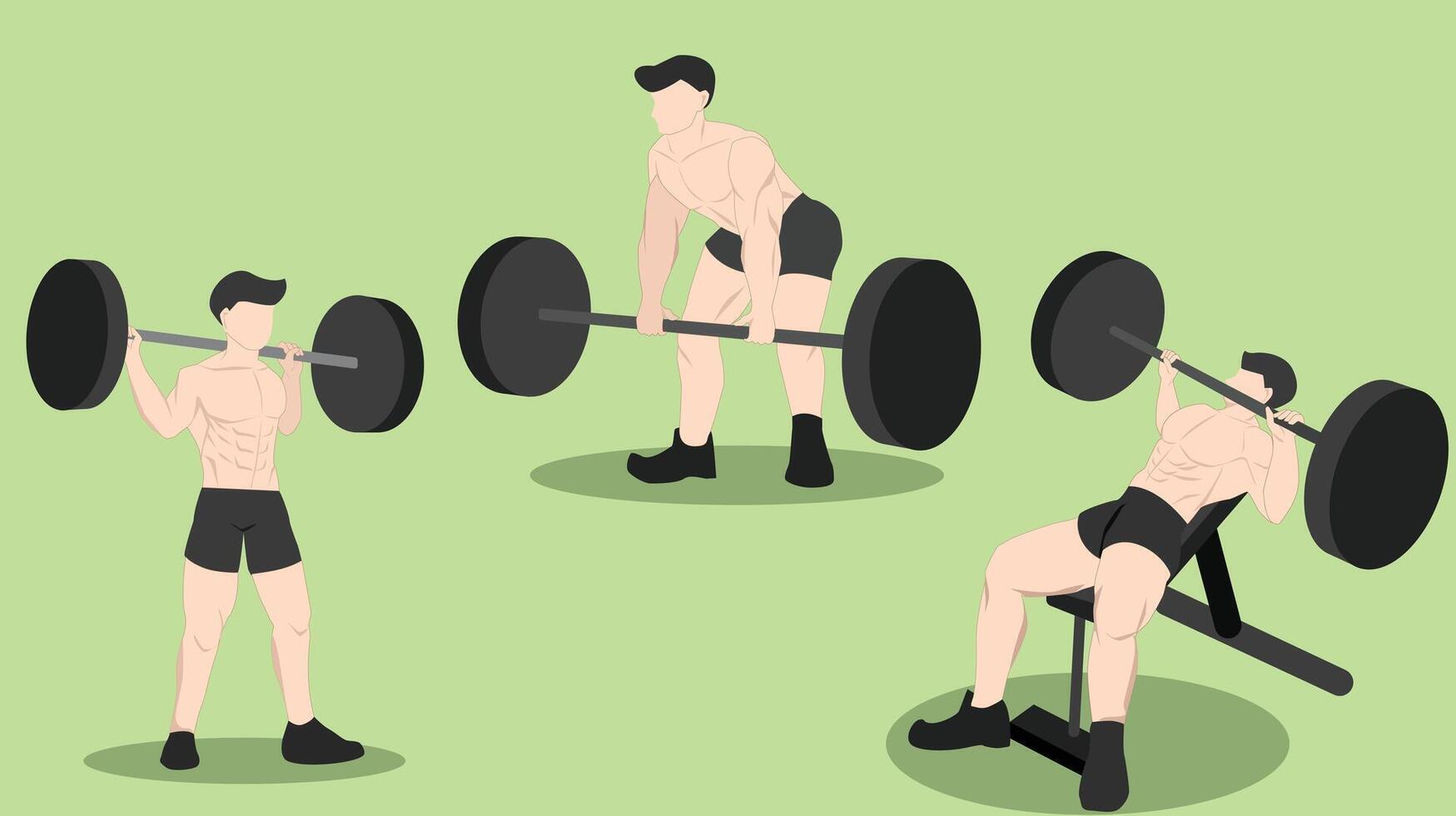
Strength training includes traditional barbell work, dumbbell exercises, machine resistance, kettlebells, bodyweight exercises, and resistance bands. The common denominator is purposeful load against the muscle, performed progressively and with adequate intensity.
squat deadlift bench press
Even modest, consistent resistance training shifts the trajectory of aging more than almost any other single lifestyle choice.
Beyond Muscle: Ancillary Benefits that Extend Life
Strength training improves many systems that contribute to longevity:
- Heart health. While aerobic work directly conditions the heart, resistance training lowers blood pressure and improves arterial health when combined with cardio.
- Metabolic resilience. Greater lean mass improves basal metabolic rate and fat distribution, reducing risks associated with metabolic syndrome.
- Mental health. Regular resistance work reduces symptoms of depression and anxiety and supports cognitive function through improved blood flow and neurotrophic signaling.
- Medication-sparing effects. Improved strength and metabolic control can reduce the need for medications or lower dosages for chronic conditions.
Programming Safely: Common Mistakes and Fixes
Strength training is safe for most people, but mistakes can slow progress or cause injury. Here are common pitfalls and practical fixes:
- Doing too much, too soon. Start with 2 sessions per week and build volume gradually.
- Neglecting form for load. Prioritize technical proficiency; move slowly to learn patterns before adding heavy weight.
- No recovery plan. Include sleep, protein, and at least one full rest day between heavy sessions.
- All isolation, no compound movements. Use compound lifts as the backbone and add isolation where needed.
Nutrition, Recovery, and the Role of Protein
Strength training and nutrition are partners. Protein intake supports muscle repair and adaptation. Aim for daily protein targets tailored to your goals and age—common guidance ranges from 1.0 to 1.6 grams per kilogram of body weight for most adults engaged in resistance training, with higher targets for older adults or those in intensive hypertrophy phases. Spread protein intake across meals and include a protein-rich item after strength sessions when possible.
Sleep and stress management matter because growth and repair largely happen during rest. For longevity and training adaptations, aim for consistent sleep and manage chronic stressors.
Tracking Progress and When to Adjust
Long-term gains are not linear. Use these indicators to know when to adjust your program:
- Strength plateau: Increase intensity, change exercise variations, or add an extra set.
- Excessive soreness or fatigue: Reduce volume or add additional recovery days.
- Steady progress: Maintain and slowly increment load or reps every 2–4 weeks.
The goal isn't to lift forever at maximum loads; it's to preserve muscle, function, and autonomy across decades.
Special Populations: Women, Older Adults, and People with Chronic Disease
Women gain the same relative benefits from strength training as men, including reduced risk of osteoporosis and improved metabolic health. Older adults derive huge functional benefits from resistance work and can safely train with proper progression and supervision. For people with chronic diseases like diabetes, arthritis, or COPD, resistance training tailored to individual capability and medical guidance improves disease management and quality of life.
A Realistic Three-Month Starter Plan
Month 1: Two full-body sessions per week, focus on technique, 2–3 sets of 8–12 reps, RPE 5–7.
Month 2: Increase to 2–3 sets, introduce progressive overload by adding weight every 1–2 weeks when reps become easy.
Month 3: Move to 3 sessions per week if schedule allows, or increase total weekly volume if staying at 2 sessions. Emphasize compound lifts and add mobility work.
What Success Looks Like
Success isn't an arbitrary number on a barbell. It's the ability to climb stairs, carry groceries, recover from illness, and remain independent. Clinically, success often shows as improved gait speed, higher handgrip strength, better balance, and favorable changes in body composition and metabolic markers.
- Strength training 2–3 times per week is a practical sweet spot for longevity benefits.
- Prioritize compound movements, progressive overload, and appropriate recovery.
- Even modest, consistent resistance training significantly reduces risk of disability and premature death.
- Nutrition, sleep, and gradual progression amplify results and safety.
Final Thought
If you are looking to invest time and energy for the longest, healthiest life, strength training is one of the highest-return choices you can make. You don't need to become a powerlifter; you need a consistent, well-structured approach that fits your life. Start small, follow the sweet-spot principles of 2–3 weekly sessions, prioritize progressive challenge, and pair your workouts with good nutrition and sleep. Decades of data suggest that this is the simple, sustainable path to stronger years and a longer life.