Stopping Ozempic May Raise Heart Attack and Stroke Risk
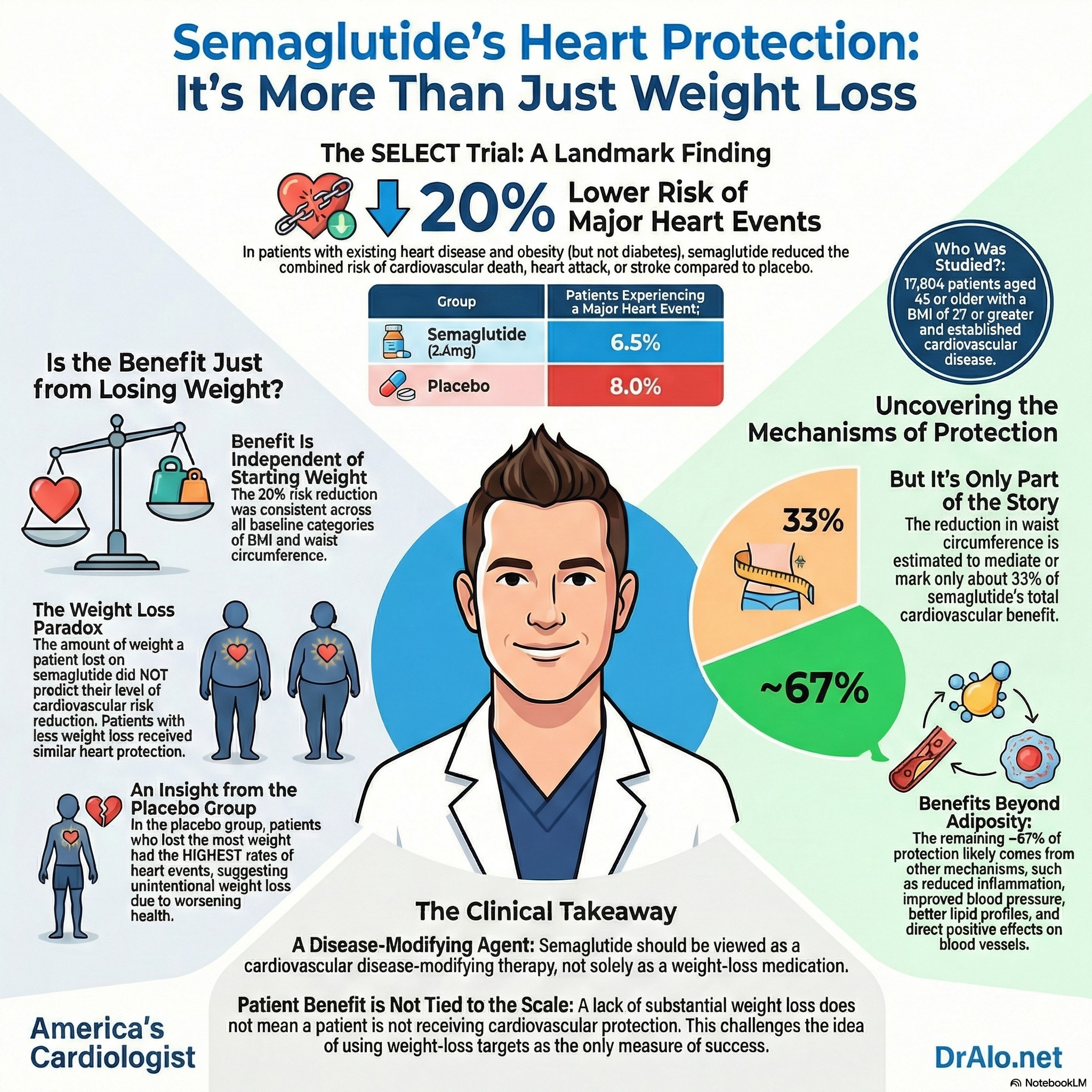
For millions of people who have taken semaglutide — known by brand names such as Ozempic for diabetes and Wegovy for weight management — the drug has offered more than a smaller waistline or improved glucose control. It has also, in multiple trials and regulatory decisions, shown cardiovascular benefit. But a growing body of research now warns that stopping these medicines is not a neutral event: discontinuation can lead to rapid metabolic rebound, loss of cardiovascular protection, and in some analyses, an increased risk of major cardiovascular events such as heart attack and stroke. This article unpacks the evidence, the likely mechanisms, what patients and clinicians should watch for, and how to plan safer treatment transitions.

Ozempic semaglutide injection pen
Why this matters now
GLP‑1 receptor agonists exploded into mainstream care in the early 2020s as highly effective treatments for type 2 diabetes and obesity. As use expanded beyond specialist clinics into primary care and weight-management programs, so did questions about what happens when people stop: for cost reasons, side effects, life changes like pregnancy planning, or because they simply want to try living without medication.
Recent large observational emulations and systematic reviews have moved the question from theoretical to practical: the cardiovascular benefits these drugs confer appear to accumulate with continued use and can erode — and in some analyses reverse — after discontinuation. Clinicians and patients need clear plans for how to stop, when to taper, and how to manage the metabolic fallout if it occurs. citeturn0search11
How semaglutide protects the heart while you take it
Semaglutide and other GLP‑1 receptor agonists act through multiple pathways that influence cardiovascular risk: sustained weight loss, improvements in glycemic control (lower HbA1c), modest reductions in systolic blood pressure, favorable shifts in some lipid fractions, and — emerging evidence suggests — direct vascular and anti‑inflammatory effects. Landmark cardiovascular outcome trials have demonstrated that semaglutide-based therapies reduce the composite risk of cardiovascular death, nonfatal myocardial infarction, and nonfatal stroke in people with type 2 diabetes or obesity at elevated cardiovascular risk, leading regulators to explicitly recognize cardiovascular benefit in certain indications. citeturn0search1turn0search9
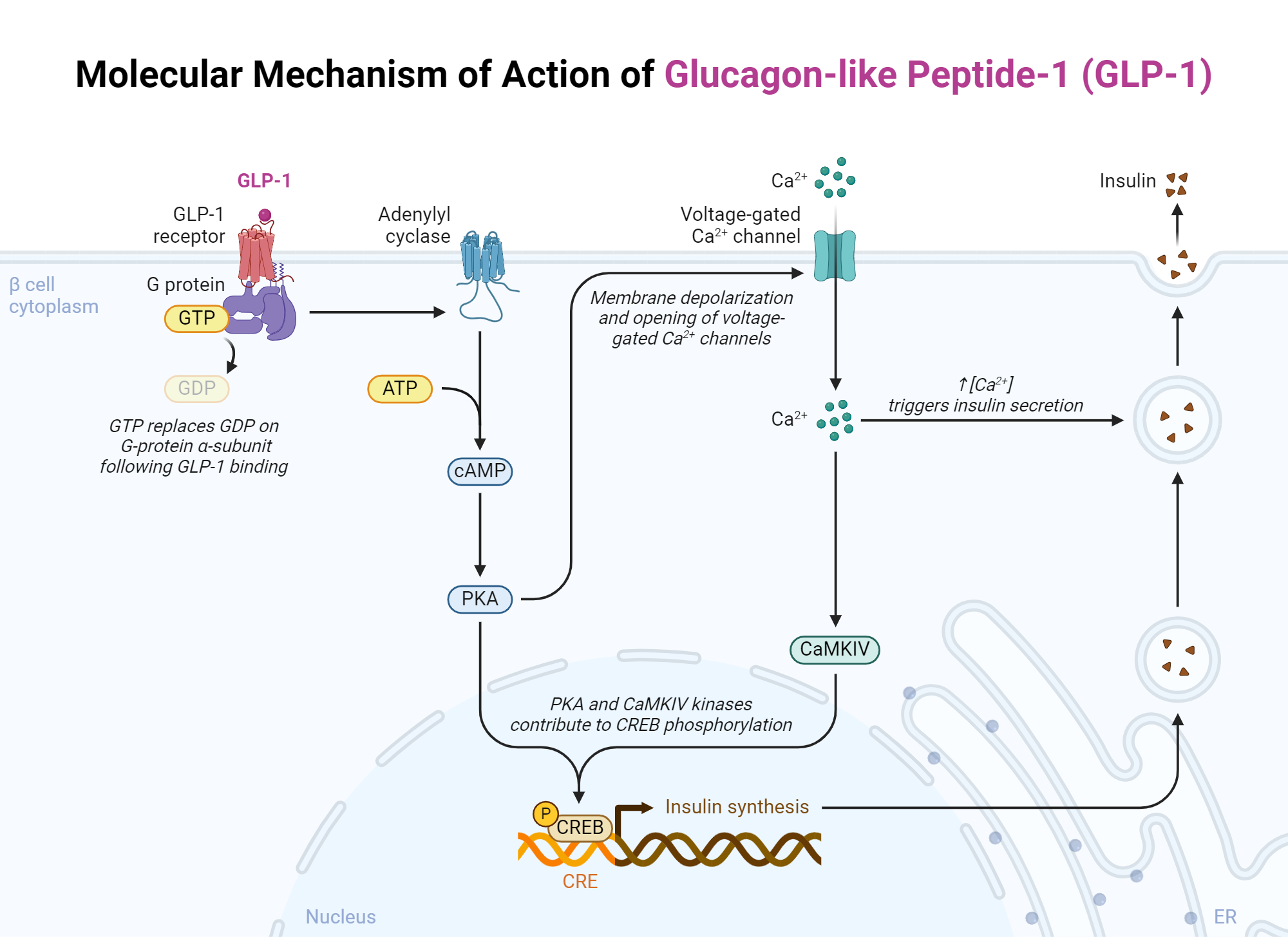
GLP-1 receptor agonist mechanism
What the data say about stopping: loss of benefit and rebound
Studies examining what happens after GLP‑1RA discontinuation show two consistent patterns. First, physiologic gains — weight loss, lower blood pressure, and improved glycemia — often begin to reverse once therapy stops, sometimes quickly. Second, observational analyses that emulate randomized trials suggest that stopping or interrupting GLP‑1RA therapy can be associated with higher rates of major adverse cardiovascular events compared with continued use. Those analyses interpret the rise in risk as the logical consequence of losing the drug’s cumulative protective effects and of the metabolic deterioration that follows cessation. citeturn0search8turn0search11
Stopping a drug that protects the heart is not simply losing a sugar pill; it can be a high‑risk clinical transition.
How fast do things change after stopping?
Weight and metabolic changes can begin within weeks to months. Systematic reviews and meta‑analyses of GLP‑1 and dual‑agonist trials document substantial weight regain after stopping therapy — often a large fraction of the weight lost while on treatment — and deterioration in glycemia and blood pressure follow. The speed and degree of rebound depend on the drug, its half‑life, how long the patient was treated, and individual physiology; dual agonists like tirzepatide sometimes show different rebound dynamics than semaglutide. While weight regain and metabolic shifts are common and expected, their downstream impact on cardiovascular events appears to be time‑dependent: the longer and more complete the discontinuation, the greater the erosion of cardiovascular protection observed in emulation studies. citeturn0search8turn0search10
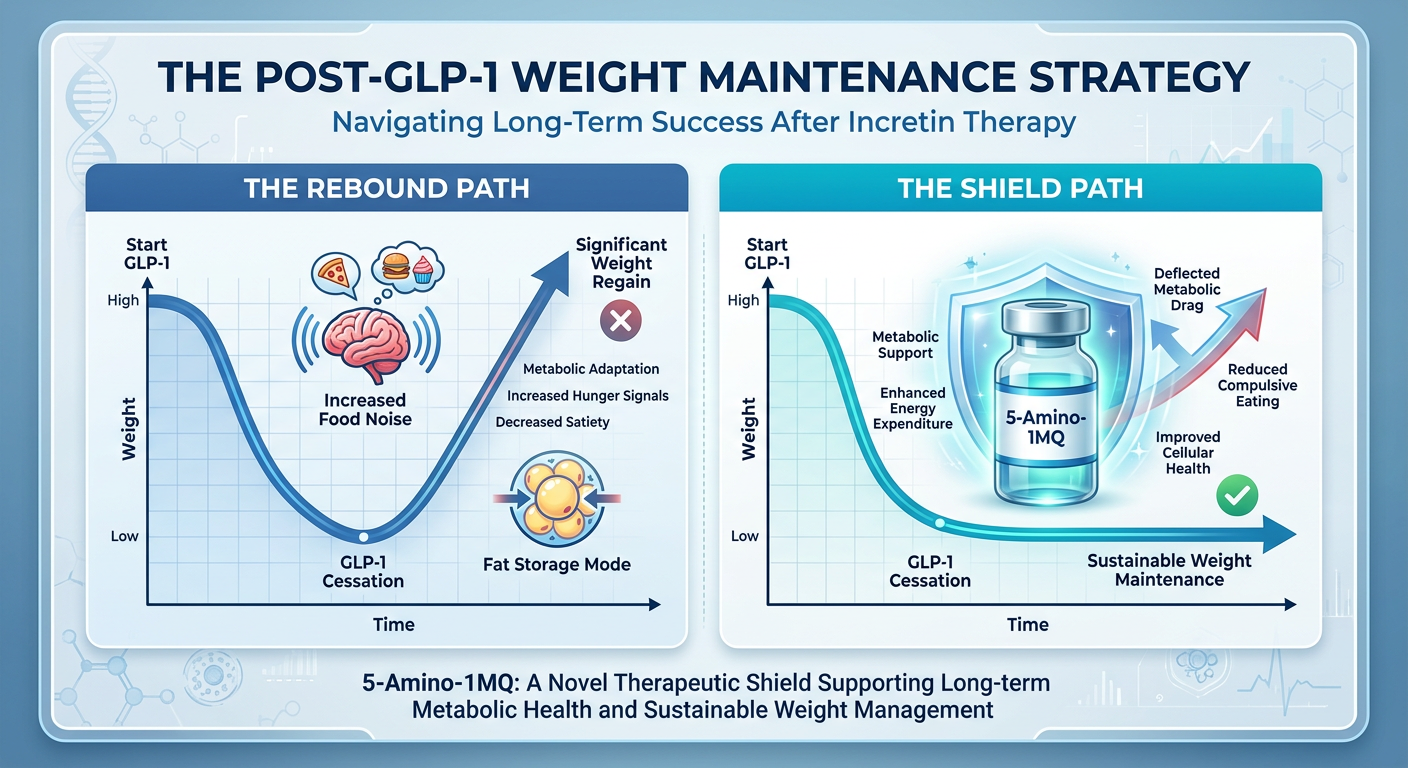
Weight regain metabolic rebound
Who is most at risk if therapy is stopped?
Not everyone who discontinues semaglutide will have a heart attack or stroke. Risk concentrates in people who already have high baseline cardiovascular risk — for example, established atherosclerotic cardiovascular disease, longstanding type 2 diabetes, kidney disease, uncontrolled hypertension, or other major risk factors. Observational analyses have also shown that people with higher comorbidity scores are more likely to stop treatment, creating a clinical window where those who discontinue are simultaneously at higher baseline risk and losing a protective therapy. That confluence helps explain why discontinuation may be associated with measurable increases in events at a population level. citeturn0search2turn0search11

Heart attack myocardial infarction
Mechanisms that could link stopping to heart attack and stroke
Several plausible mechanisms connect stopping semaglutide to increased cardiovascular events:
- Rapid weight regain: Weight regained after stopping raises blood pressure, worsens insulin resistance, increases inflammation, and raises lipid levels — all incremental drivers of atherosclerotic plaque progression and thrombosis.
- Loss of glucose control: For people with diabetes, HbA1c can rise after cessation, increasing short‑ and medium‑term vascular risk.
- Hemodynamic changes: Small rises in systolic blood pressure and heart rate observed after stopping can unmask vulnerability in patients with coronary or cerebrovascular disease.
- Inflammation and endothelial function: If GLP‑1RAs have direct vascular anti‑inflammatory effects, stopping them could remove a stabilizing influence on atherosclerotic plaques.
These mechanisms act in combination rather than isolation, and they help clinicians understand why stopping should be treated as an active management problem rather than a passive decision.
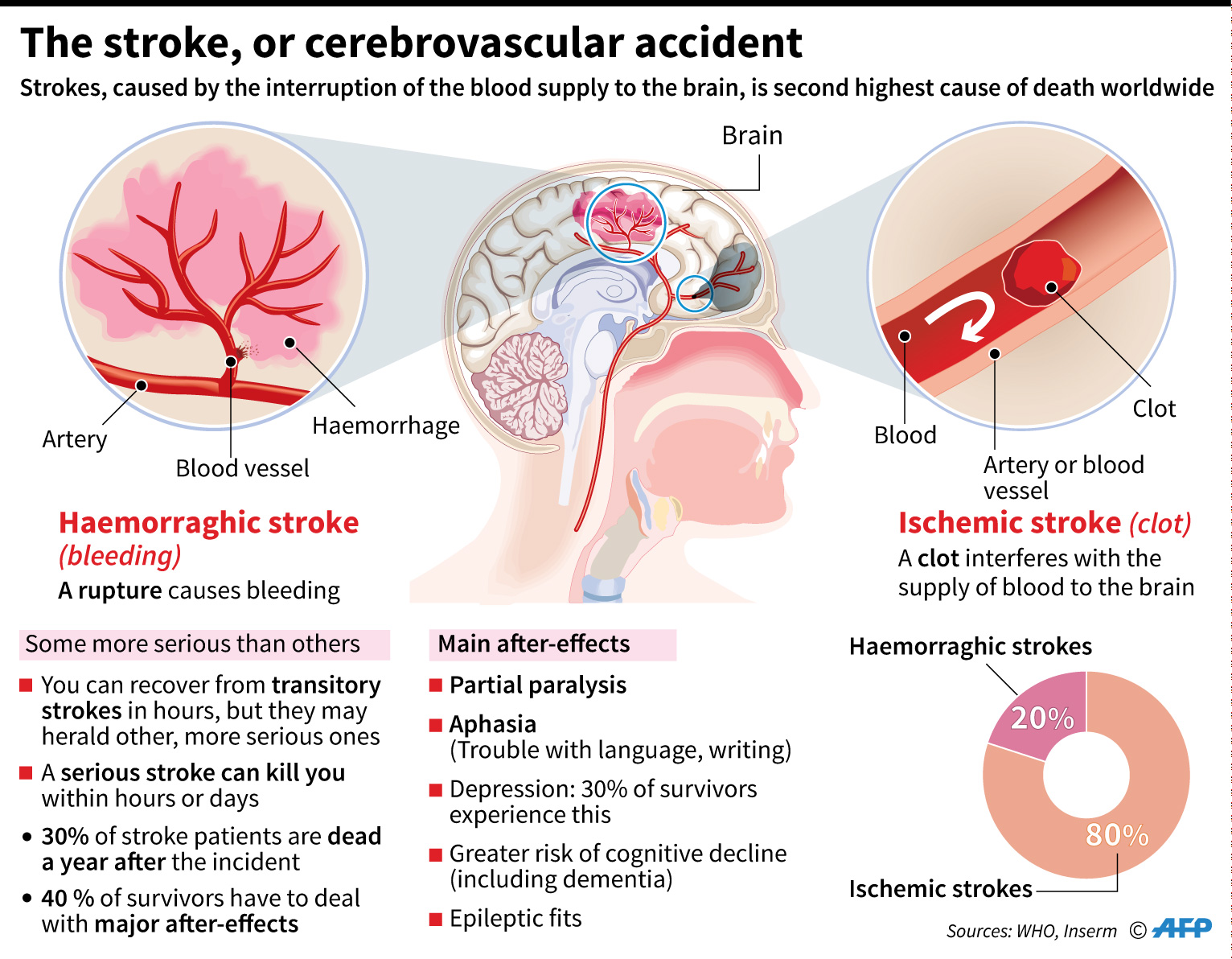
Stroke cerebrovascular accident
What the major analyses found (practical takeaways)
Five practical conclusions emerge from the recent literature. First, semaglutide and related GLP‑1 agents provide measurable cardiovascular protection while used continuously. Second, discontinuation commonly triggers weight regain and metabolic worsening. Third, observational target‑trial emulation studies find that interruptions and discontinuations are associated with higher rates of major adverse cardiovascular events compared with continued use, especially when discontinuation is prolonged. Fourth, discontinuation is common across age and clinical subgroups, highlighting an important public‑health and care‑coordination challenge. And fifth, clinical guidance is shifting toward treating discontinuation as a high‑risk transition that requires planning. citeturn0search9turn0search8turn0search11turn0search2turn0search5
Emerging guidance: consider discontinuation a clinical transition, not an endpoint.
Practical steps for patients and clinicians
Whether stopping is planned or forced by side effects, cost, pregnancy planning, or personal preference, a deliberate strategy reduces risk:
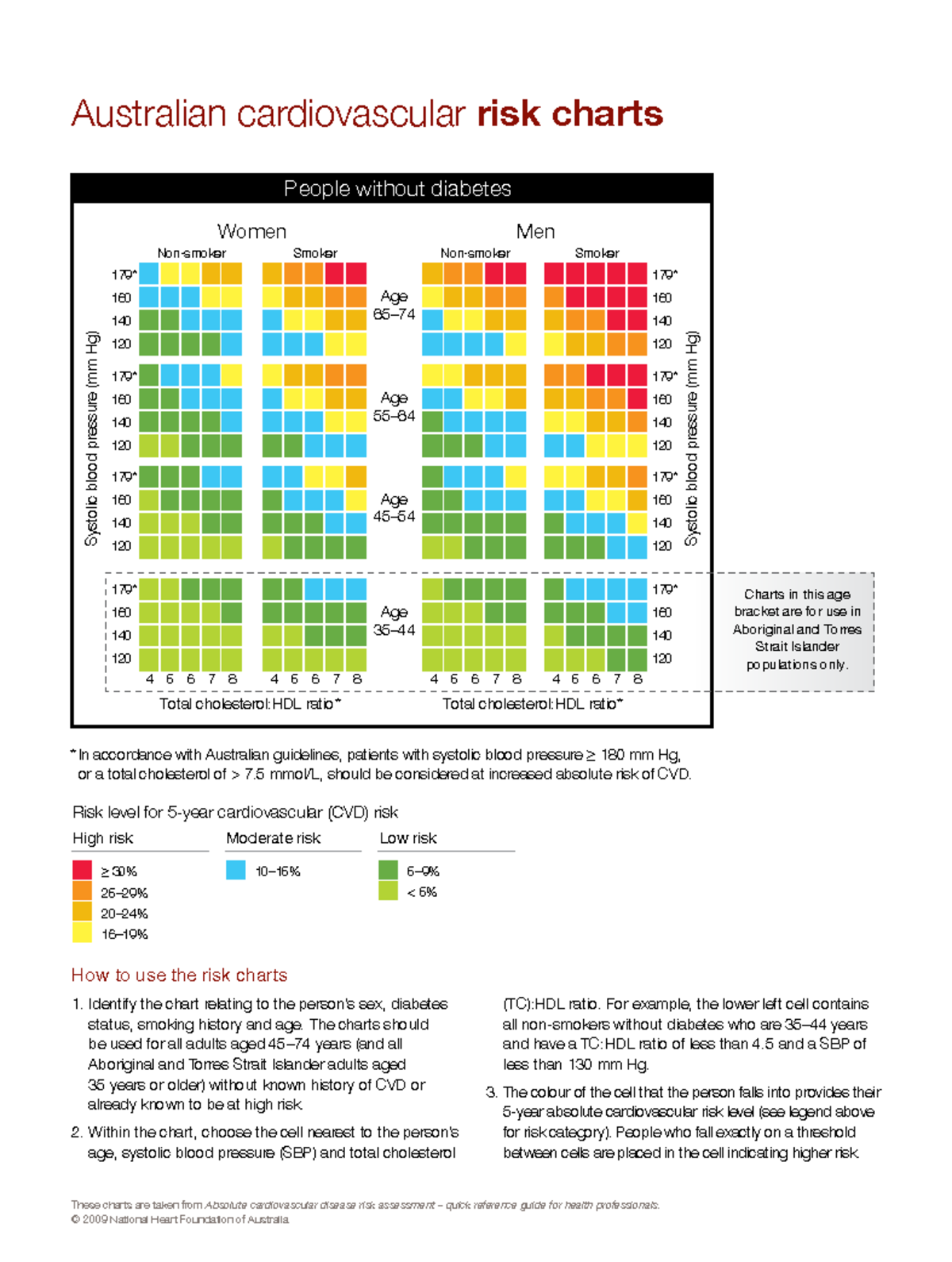
- Assess baseline cardiovascular risk: Before stopping, evaluate whether the patient has prior heart attack, stroke, peripheral artery disease, heart failure, or multiple risk factors.
- Plan the timing: Whenever possible, choose a time of clinical stability and ensure close follow‑up for weeks to months after cessation.
- Consider tapering or bridging: There is limited direct evidence about ideal tapering schedules for semaglutide. However, abrupt cessation should be avoided when feasible; consider dose reduction strategies in consultation with the prescribing clinician and pharmacist.
- Optimize other cardioprotective agents: Make sure statins, antihypertensives, antiplatelets (when indicated), and SGLT2 inhibitors (when appropriate) are optimized to preserve cardiovascular protection if GLP‑1 therapy ceases.
- Close metabolic monitoring: Check weight, blood pressure, lipids, and HbA1c at short intervals (for example, 4–12 weeks) after stopping to catch and address deterioration early.
- Behavioral support: Intensify lifestyle support focused on diet, exercise, sleep, and stress management to blunt the metabolic rebound.
Diabetes cardiovascular risk monitoring
When stopping is necessary — specific scenarios
Certain life events or medical reasons may require stopping: pregnancy planning, intolerable side effects, severe gastrointestinal reactions, or lack of access or coverage. In those cases:
- Pregnancy planning: Most clinicians recommend stopping semaglutide before conception because of potential fetal risks; plan alternative metabolic support and close prenatal care.
- Side effects: If nausea, vomiting, or pancreatitis is suspected, stop and evaluate immediately; re‑initiation decisions should be individualized.
- Access and cost: If coverage lapses, work with care teams for short-term bridging strategies, patient assistance, or temporary intensification of other cardiometabolic therapies.
What we still don’t know
Important gaps remain. Randomized trials specifically designed to study the cardiovascular consequences of stopping GLP‑1RA therapy are lacking. Most evidence about increased event rates after cessation comes from observational emulations and meta‑analyses of physiologic rebound. Those designs are powerful, but they are not randomized cessation trials, so there is potential for confounding. We also lack robust data on the safest tapering regimens and on how quickly cardiovascular risk normalizes (or excess risk diminishes) after re‑starting therapy or optimizing alternative treatments. Researchers are actively studying these questions, and clinical guidance is evolving as higher‑quality evidence accumulates. citeturn0search5turn0search3
A clinician’s practical checklist before stopping semaglutide
Use this brief checklist to reduce harm:
- Document baseline risk: ischemic heart disease, prior stroke, heart failure, kidney disease.
- Medication review: ensure statin and BP meds are optimized.
- Monitoring plan: schedule visits/labs at 4–12 weeks and again at 3 months.
- Behavioral resources: refer to dietitian, exercise specialist, or intensive behavioral program.
- Fallback options: discuss alternative pharmacologic options or re‑initiation thresholds.
Real-world vignette
Consider Maria, a 62‑year‑old woman with type 2 diabetes, prior myocardial infarction, and obesity who started semaglutide and lost 20 pounds, decreased her HbA1c from 8.2% to 6.6%, and lowered systolic blood pressure by 6 mm Hg over a year. When she lost insurance coverage, she stopped the medicine abruptly. Within three months her weight rose, HbA1c climbed, and she developed new angina symptoms that led to an emergency visit and diagnosis of unstable coronary disease. While individual stories cannot prove causation, they illustrate the clinical logic and observed patterns in larger datasets: withdrawal of a drug that was stabilizing multiple risk factors can expose underlying atherosclerotic disease to renewed metabolic stress.
Balancing benefits and harms: shared decision making
The decision to stop should be a shared one. Clinicians should explain the benefits of continued therapy, the possible metabolic and cardiovascular consequences of stopping, and the practical steps to mitigate risk. Patients’ goals — whether pregnancy, side‑effect avoidance, cost, or simply a desire to live medication‑free — are legitimate and should guide a co‑created transition plan that minimizes harm.

Clinical doctor patient consultation
Treat the decision like any other major clinical transition: assess risk, plan follow‑up, and optimize alternatives.
Conclusion: a new lens on stopping
Stopping Ozempic or similar GLP‑1 therapies is not a trivial act. Evidence increasingly supports the idea that the cardiovascular benefits of these drugs accrue with sustained use and that stopping them can produce rapid metabolic deterioration and, for higher‑risk patients, a measurable increase in heart attack and stroke risk. Until randomized discontinuation trials are available, the best defense is careful clinical planning: recognize discontinuation as a high‑risk transition, optimize other cardioprotective measures, monitor closely, and provide behavioral and pharmacologic supports to blunt rebound.
- Semaglutide and related GLP‑1 receptor agonists reduce major cardiovascular events while they are continued.
- Stopping these drugs commonly triggers weight regain and metabolic worsening that can erode cardiovascular protection. citeturn0search8
- Observational trial‑emulation studies associate discontinuation with higher rates of heart attack, stroke, and other major cardiovascular events compared with continued use. citeturn0search11
- Do not stop without a plan: assess baseline risk, optimize other medicines, monitor closely, and consider tapering or bridging strategies.
Final note
If you or someone you care for is considering stopping semaglutide, talk to your prescriber. A well‑structured plan can lower the likelihood of metabolic rebound and reduce the chance of an avoidable cardiovascular event during what should be a managed and monitored change in care.