Stop Thyroid Hair Loss: A Practical Guide for 21-Year-Olds
When you’re 21, losing hair feels disproportionate: a small strip of less density looks and feels enormous. If a thyroid problem is in the mix, the situation can seem even more confusing because the pattern of loss, the timeline for recovery, and the treatments differ from typical male- or female-pattern baldness. This guide walks you through the science, the tests your doctor will order, the medical and lifestyle steps that actually help, and what to expect in the months after treatment begins.
Thyroid hair loss examination
How Thyroid Health Affects Hair
The role of thyroid hormones in hair growth
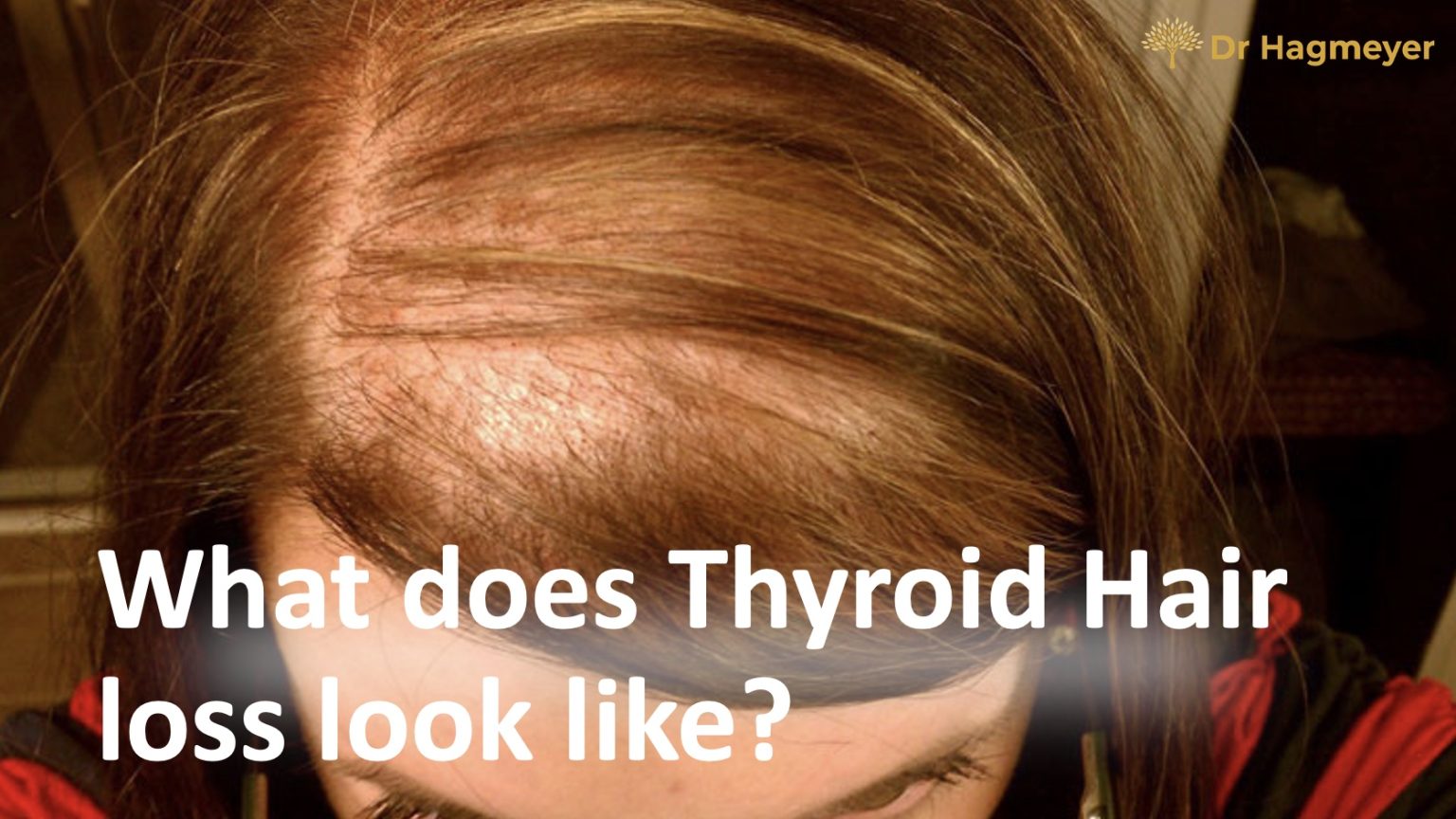
Thyroid hormones are metabolic signals that influence almost every cell in your body, including the cells in hair follicles that regulate growth cycles. When those hormones are out of balance—either too low (hypothyroidism) or too high (hyperthyroidism)—hair can become thin, brittle, and prone to shedding. The change can be diffuse (spread over the whole scalp) and may affect body hair and eyebrows as well, not just the top of your head. Both underactive and overactive thyroid states can interrupt the normal growth (anagen) and resting (telogen) phases of hair, pushing more hairs into shedding phases until the cycle rebalances. citeturn0search1
Autoimmune thyroid hair loss
When autoimmunity complicates hair loss
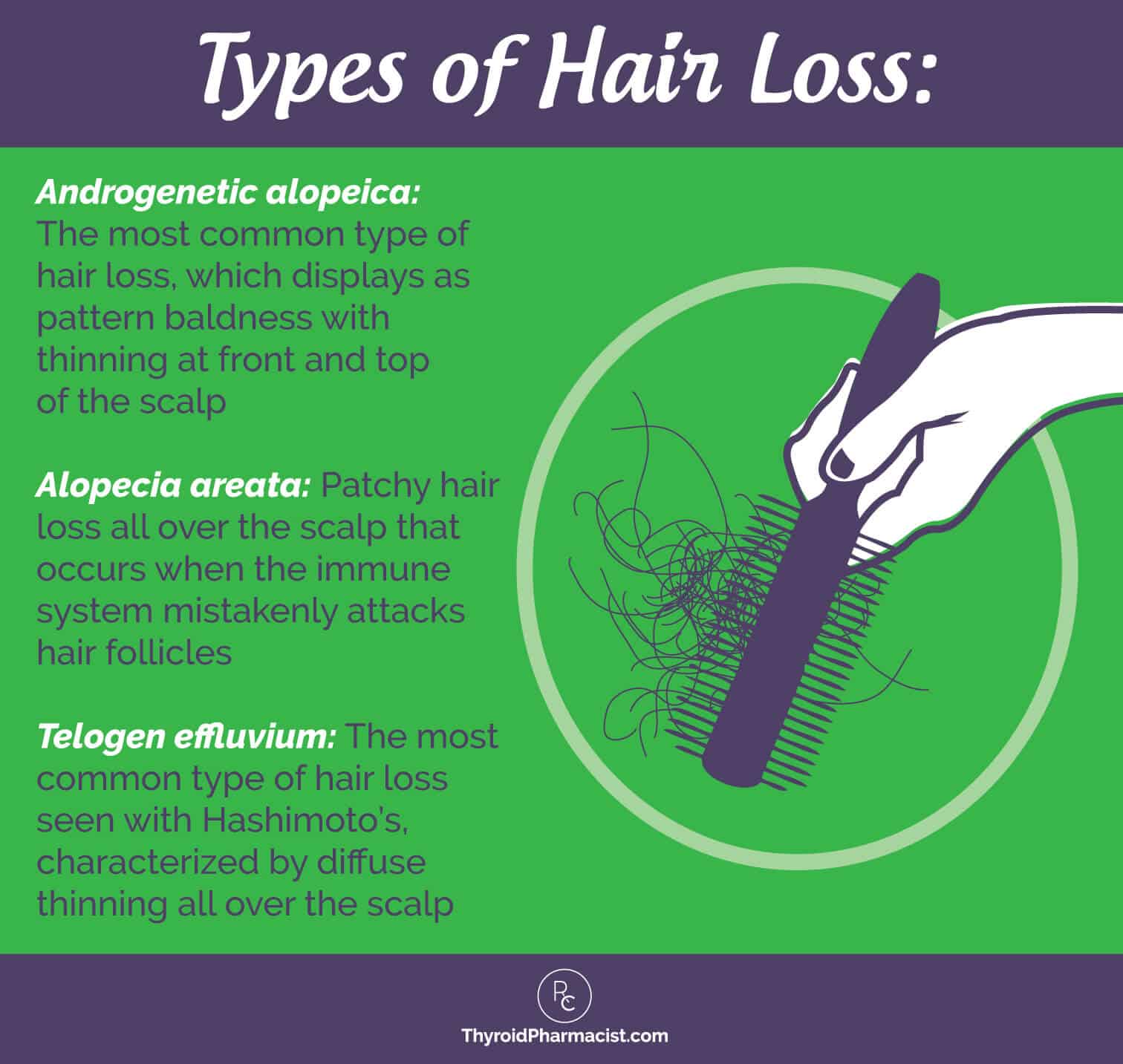
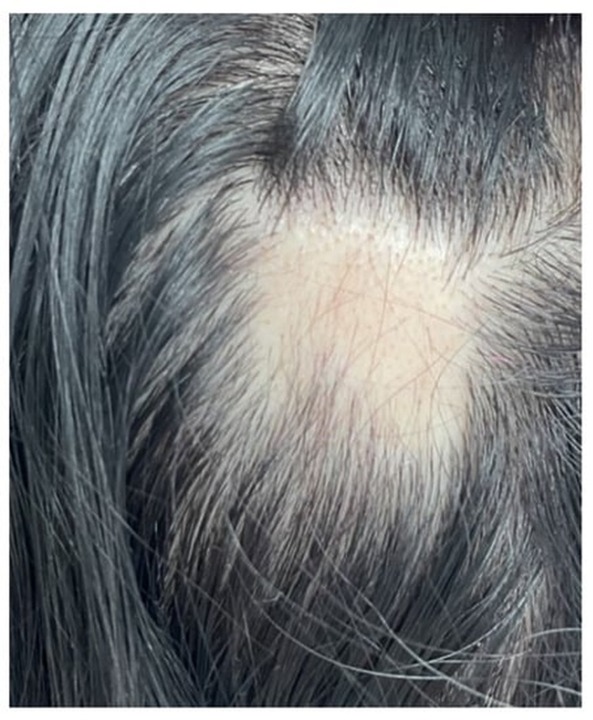
Autoimmune thyroid diseases—most commonly Hashimoto’s thyroiditis and Graves’ disease—can co-occur with other autoimmune hair conditions such as alopecia areata. In these cases the immune system targets hair follicles directly, producing patchy or more generalized hair loss on top of the hormonal effects. Studies show a measurable association between autoimmune thyroid conditions and alopecia, which matters for diagnosis and treatment choices. citeturn0search7
Hashimoto thyroiditis alopecia
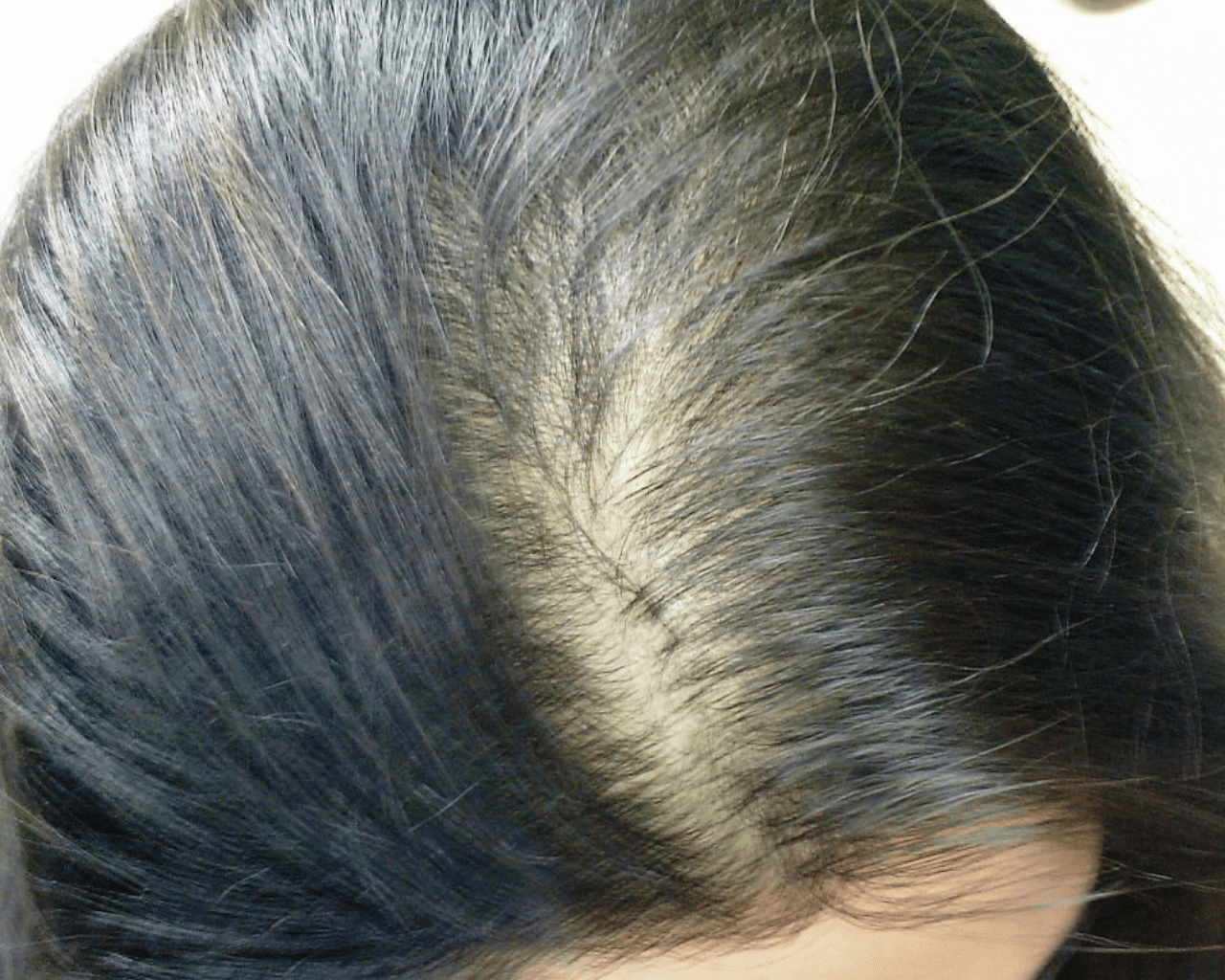
Telogen effluvium thyroid
If your thyroid is the cause, treating the gland usually stops the shedding; regrowth follows—but it takes patience and time.
Diagnosing Thyroid-Related Hair Loss
What your doctor will check
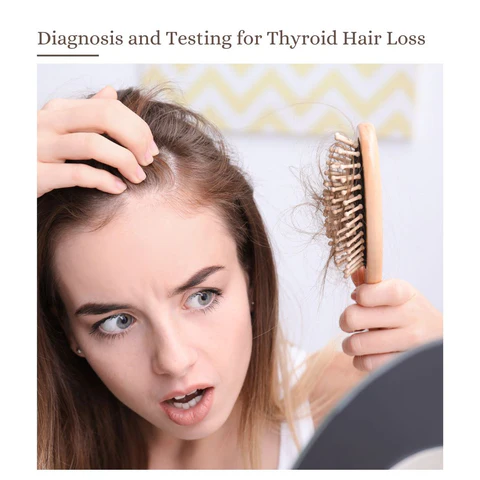
A careful evaluation combines history, physical exam, and targeted blood tests. Because thyroid-related shedding is usually diffuse, your clinician will ask about the speed of shedding, whether you’ve lost eyebrows or other body hair, medication history, and family history of pattern baldness. Typical lab work includes TSH plus measurements of circulating thyroid hormones (Free T4 and sometimes Free T3) and tests for thyroid autoantibodies such as anti-thyroid peroxidase (anti-TPO) and anti-thyroglobulin. A scalp exam or biopsy may be used when another diagnosis—like alopecia areata or telogen effluvium—is suspected. These tests help determine whether the hair loss is driven by hormone imbalance, autoimmunity, a nutritional deficiency, or a medication. citeturn1search1turn0search5
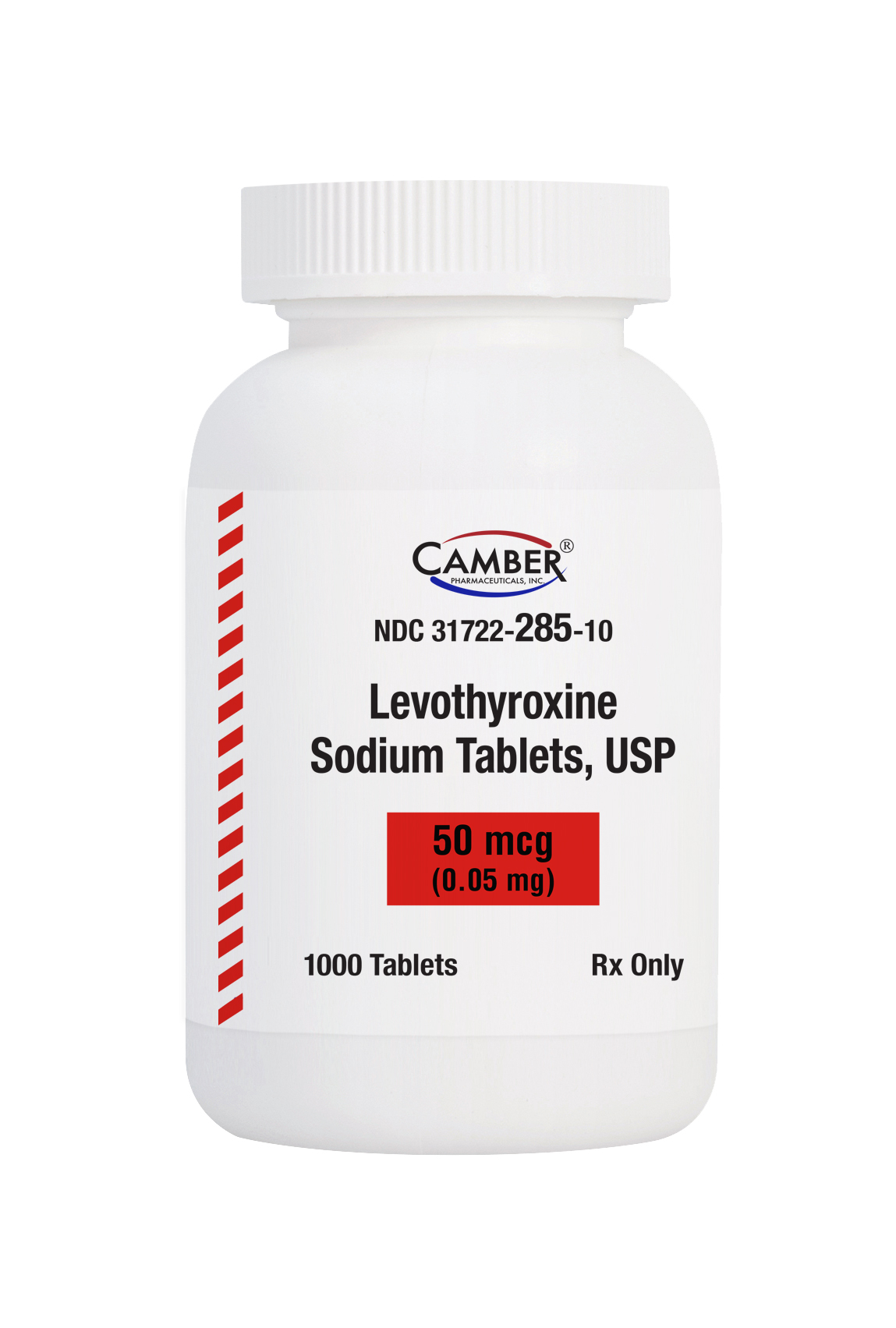
Levothyroxine medication hair
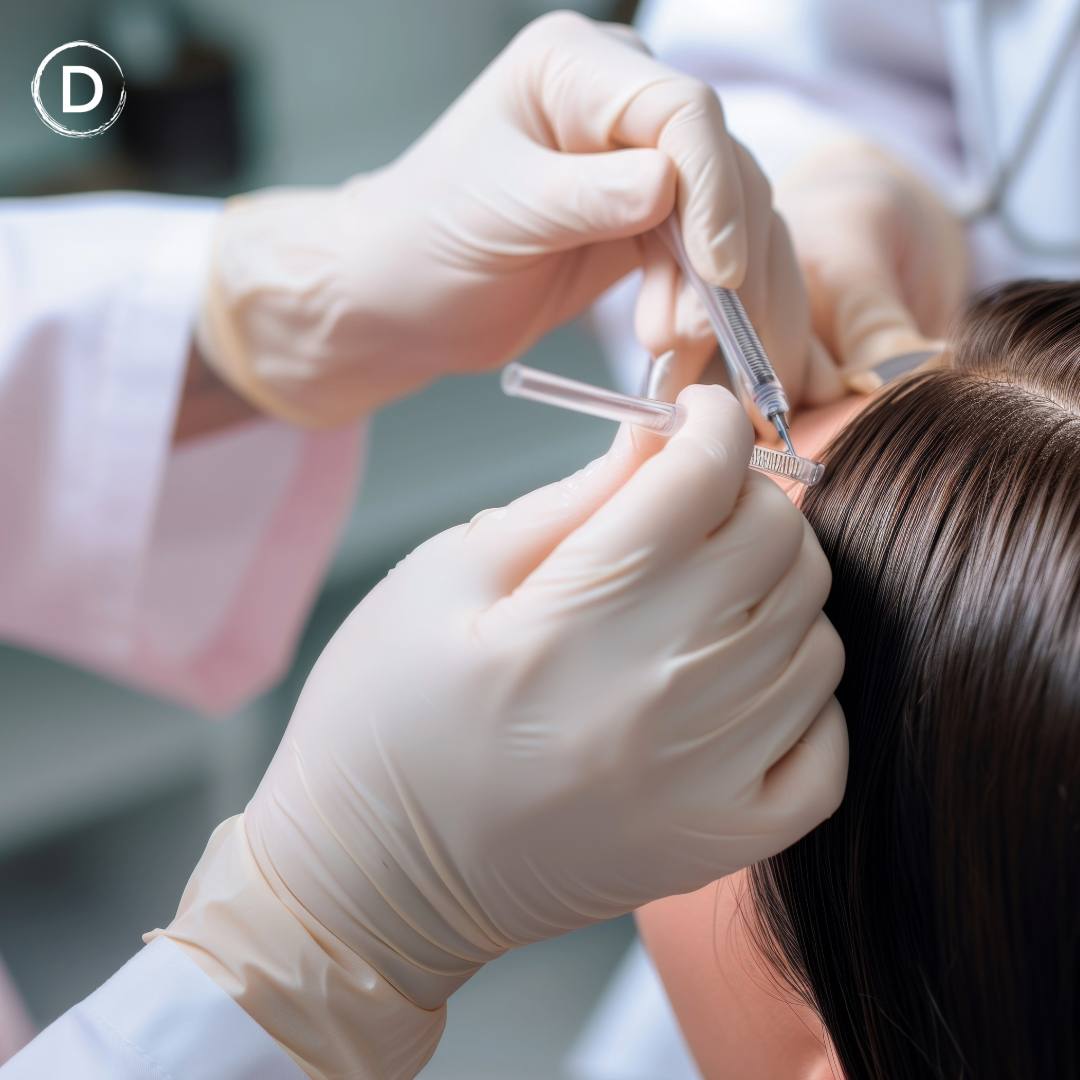
Scalp biopsy dermatology
Medical Treatment: Fix the Hormone, Fix the Hair
Hypothyroidism: replacement therapy
If tests show underactive thyroid, the standard treatment is thyroid hormone replacement—most commonly levothyroxine (synthetic T4). Restoring normal thyroid levels removes the metabolic stress on hair follicles so they can return to a normal growth cycle. It’s important to work with an endocrinologist or primary care physician to find the right dose and to monitor labs periodically. Starting or adjusting levothyroxine sometimes causes temporary extra shedding as the hair cycle re-synchronizes; this usually resolves as hormone levels stabilize. citeturn1search5turn1search1
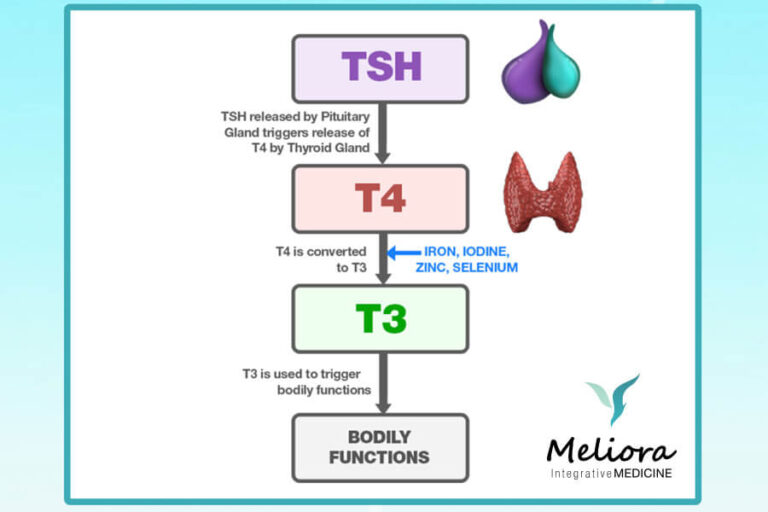
Thyroid hormone replacement
Hyperthyroidism: slowing an overactive gland
Treating hyperthyroidism (for example from Graves’ disease) may involve antithyroid medications, radioactive iodine, or surgery. As thyroid hormone levels come down into the normal range, hair loss typically decreases and regrowth begins. If an autoimmune mechanism is present, your doctor may discuss additional therapies or referral to a dermatologist. citeturn0search1
How long until I see regrowth?
Hair grows slowly—roughly half an inch per month—so visible improvement takes months. Most people see decreased shedding within a few months of starting appropriate thyroid therapy; noticeable regrowth often appears in 3–6 months, while full recovery may take a year or longer depending on how long the imbalance persisted before treatment. Expect new hair to be thinner at first or slightly different in texture. Patience and consistent follow-up matter. citeturn0search5turn1search3
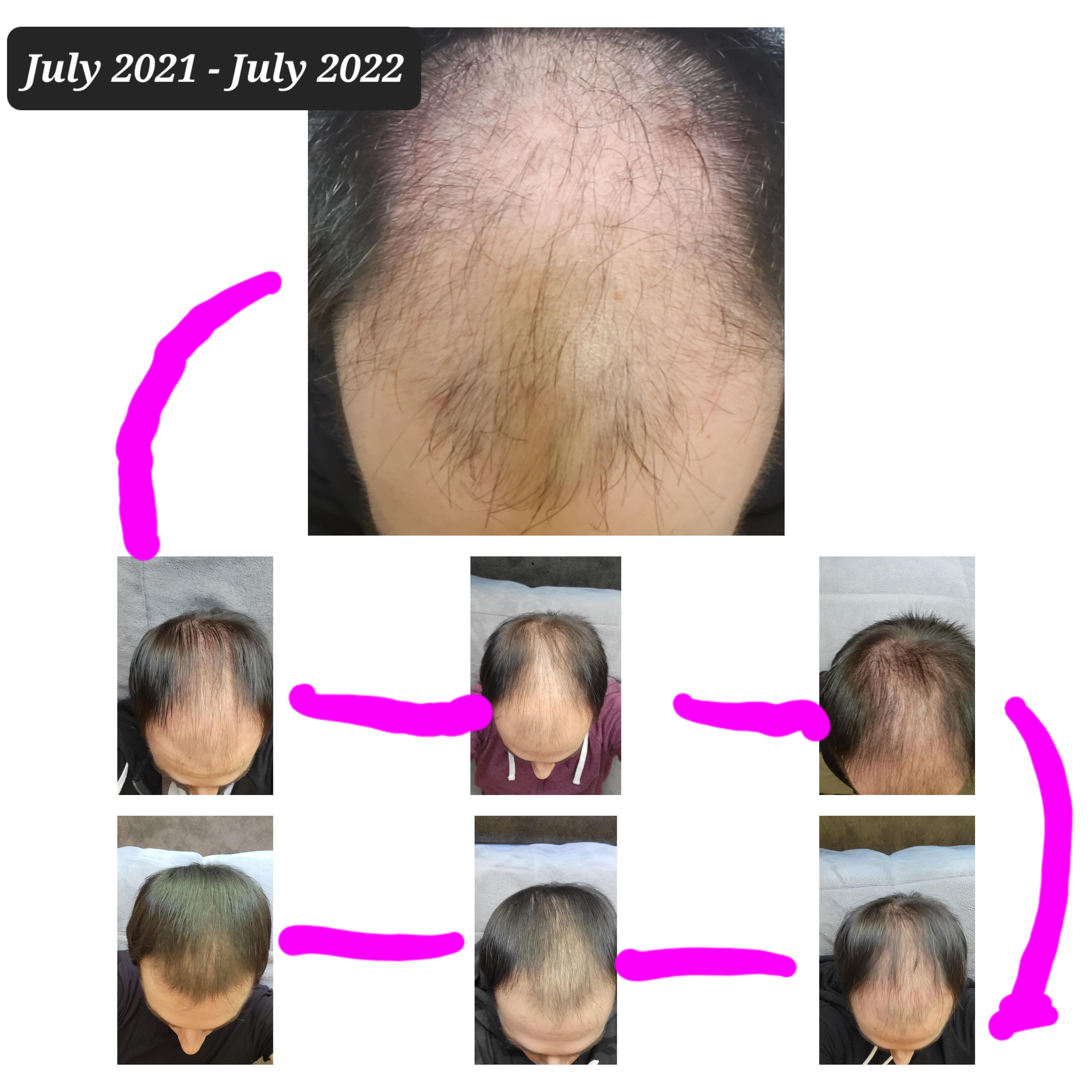
Hair regrowth timeline
Nutrition, Supplements, and Lifestyle — Practical Steps That Help
Essential nutrients to prioritize
Healthy hair needs building blocks: protein, iron, zinc, vitamin D, and B vitamins (including B12 and biotin). Deficiencies in iron and vitamin D are commonly associated with hair thinning and can coexist with thyroid disease. Before starting supplements, ask your clinician for bloodwork—unnecessary supplementation can be wasteful or even harmful (for example, excess iodine can worsen autoimmune thyroid disease). Eat a balanced diet with lean proteins, legumes, whole grains, nuts, seeds, and plenty of colorful vegetables to supply the micronutrients hair needs.
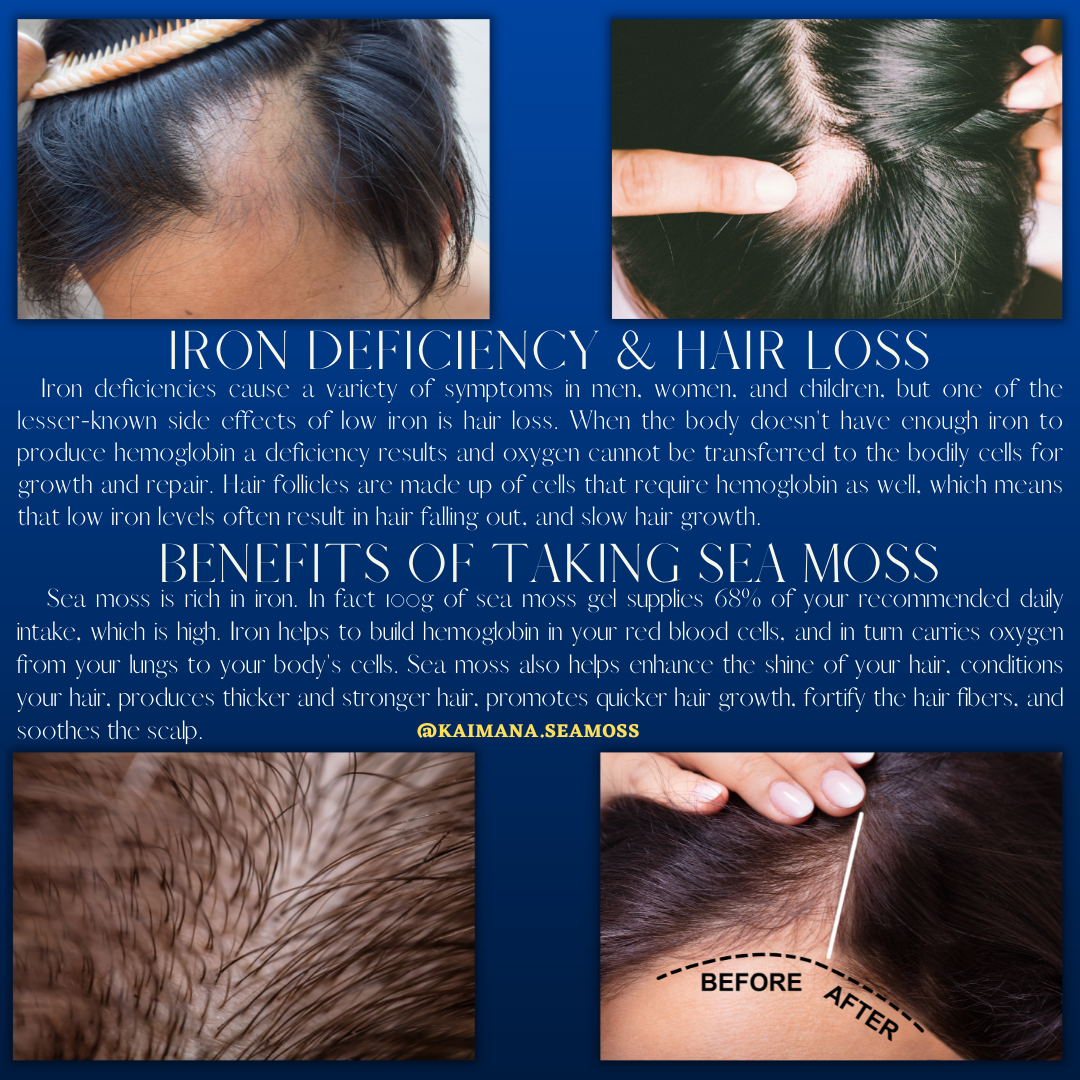
Iron deficiency hair loss
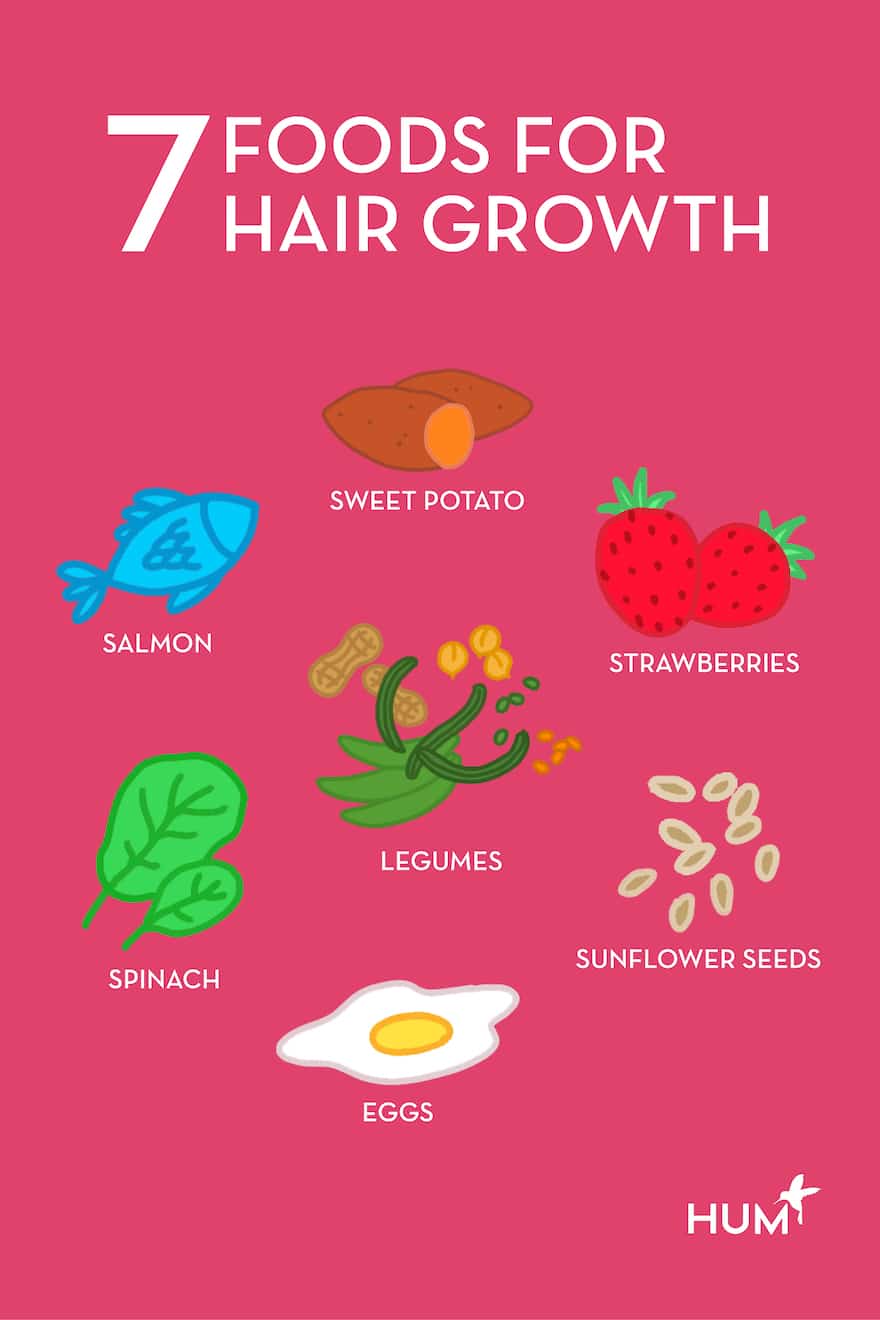
Nutrition for hair growth
Supplements to use cautiously
Some people reach for biotin or hair-targeted multivitamins. Biotin can interfere with laboratory assays (including thyroid tests), producing misleading results, and very high doses are usually unnecessary unless you have a documented deficiency. Iodine, selenium, and iron should only be supplemented when tests show low levels. Discuss any supplements with your doctor before starting them.
Small lifestyle choices that add up
Reduce heat styling, avoid tight hairstyles that pull at the root, and choose gentle sulfate-free shampoos. Manage stress—both acute events and chronic stress can trigger telogen effluvium, which compounds thyroid-related shedding. Regular moderate exercise, adequate sleep, and stress reduction techniques like mindfulness or counseling can improve overall hormonal balance and resilience.

Gentle sulfate-free shampoo
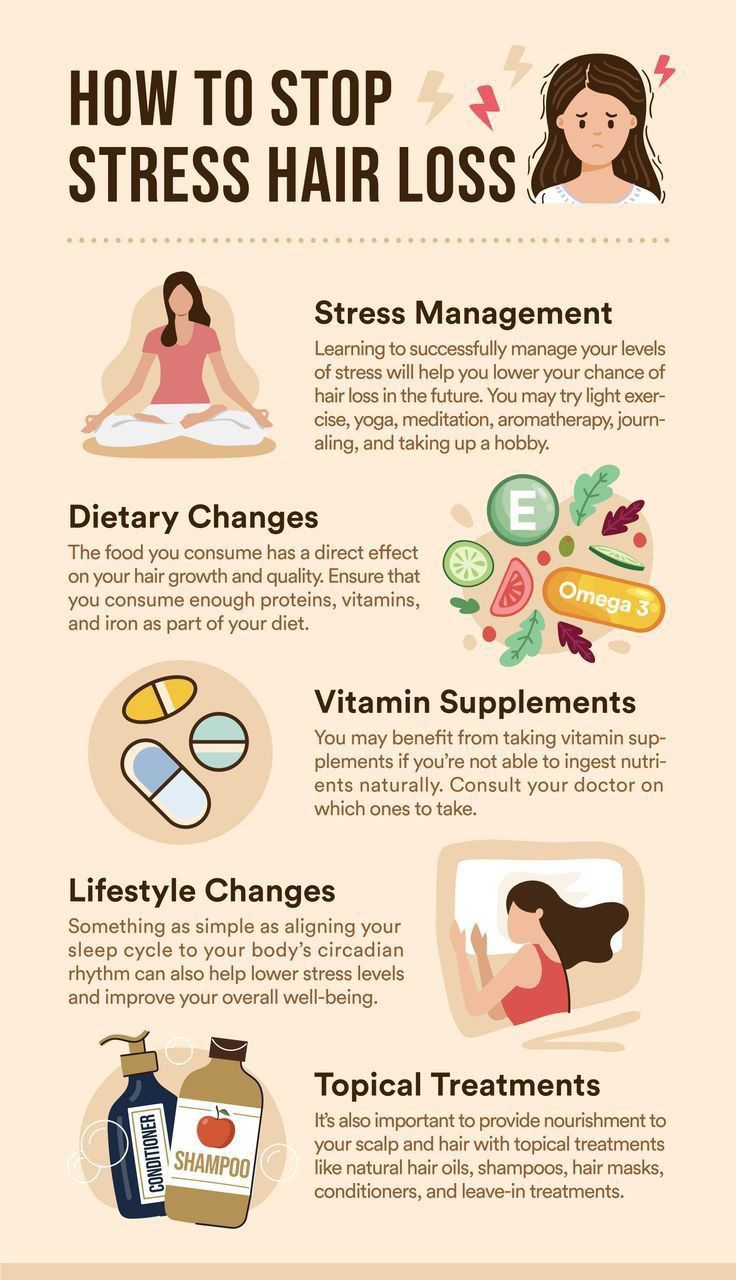
Stress management hair loss
Topical and Cosmetic Options While Waiting for Regrowth
Medications and over-the-counter aids
Topical minoxidil is an FDA-approved option for helping hair regrow in several types of thinning. If your thyroid is being treated but you’re still anxious for faster cosmetic improvement, minoxidil may be appropriate for many young adults; discuss risks, commitment (it must be used consistently), and side effects with a dermatologist. Do not assume a topical will replace the need to treat your thyroid—topicals help the hair cycle but won’t correct the underlying endocrine cause. citeturn1search1
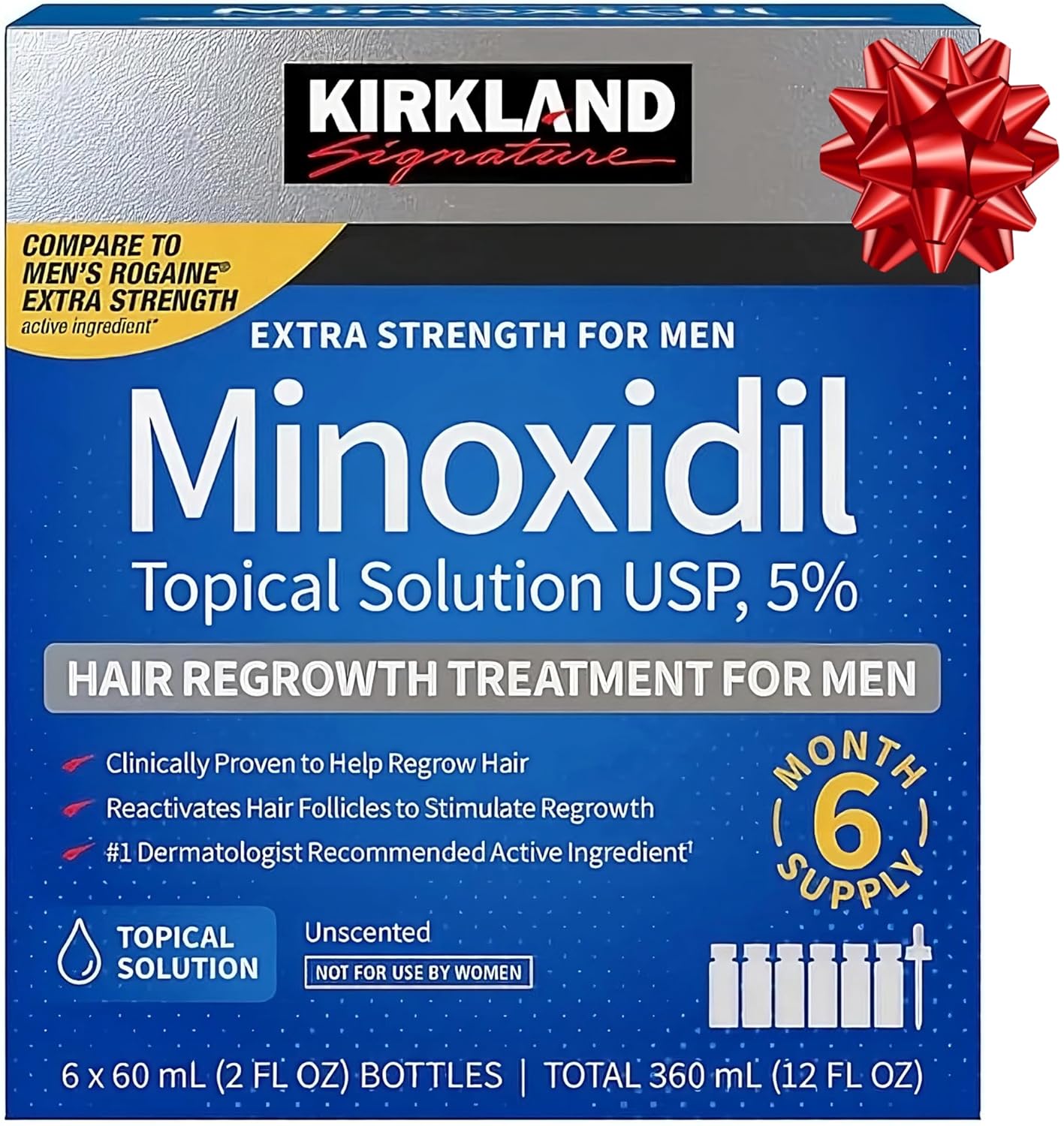
Minoxidil topical treatment
Haircuts, styling, and concealers
Strategic layering, shorter cuts, and color treatments can help hair look fuller. Concealing fibers and tinted root sprays are temporary but useful for special events. Work with hairstylists who have experience with fine or medically fragile hair to minimize breakage.
When to See a Specialist and What to Expect
Endocrinologist vs. dermatologist: who to call first
If your labs show a thyroid problem, start with the clinician who manages thyroid disease—usually an endocrinologist or your primary care doctor—to normalize hormones. If the pattern of hair loss is patchy, rapid, or not improving despite euthyroidism (normal thyroid levels), add a dermatologist consultation. Sometimes both specialists collaborate, particularly when autoimmune conditions are suspected. citeturn0search5turn1search1
What a dermatologist might do
Dermatologists can perform scalp biopsies, trichoscopy (magnified scalp imaging), prescribe topical or systemic medications for alopecia areata, and recommend in-office procedures such as platelet-rich plasma (PRP) or low-level laser therapy in select cases. Having a coordinated plan between your endocrinologist and dermatologist gives the best chance for timely recovery.
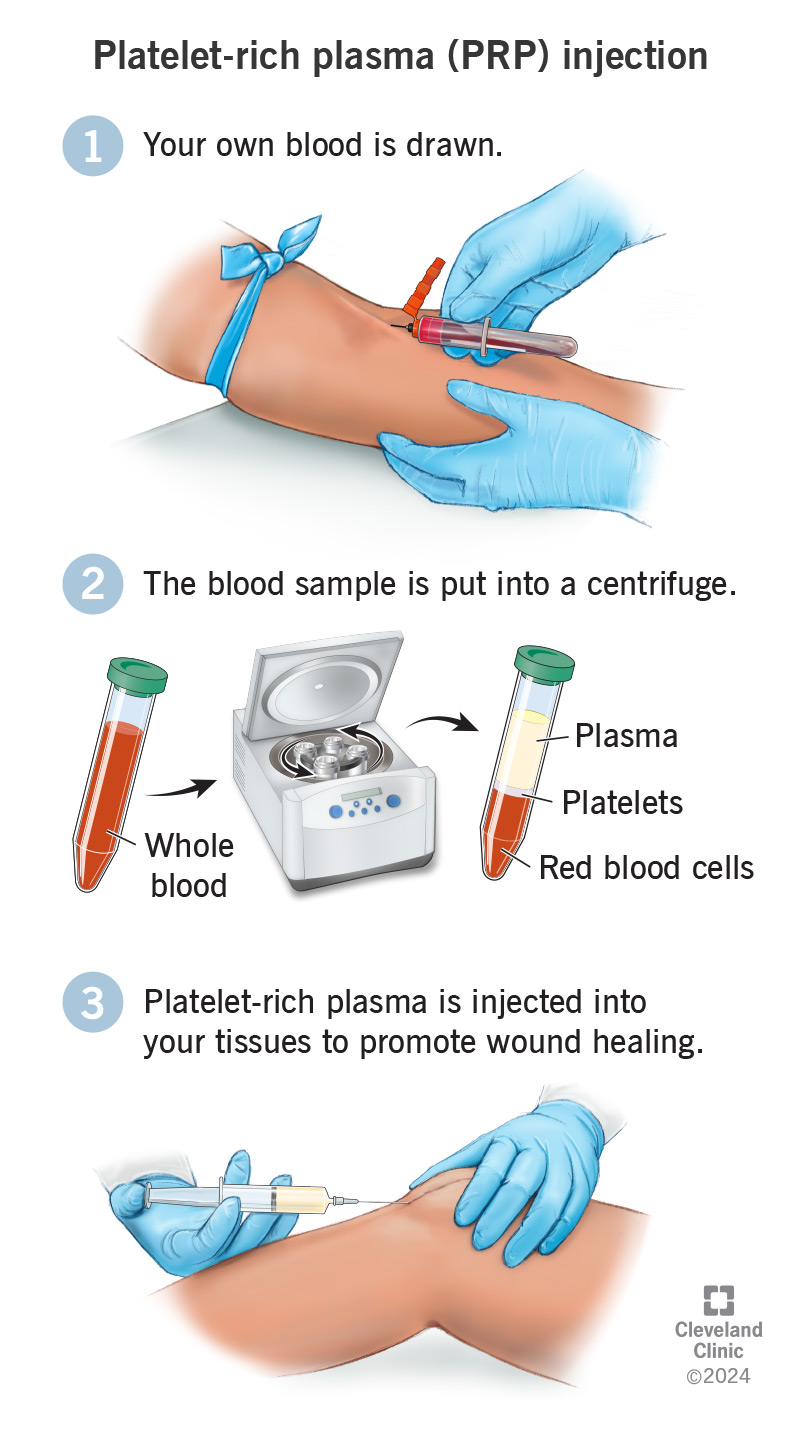
Platelet-rich plasma PRP
Treat the gland first, support the scalp, and protect your mental health while you wait for visible results.
Practical Daily Routine: A 21-Year-Old’s Starter Plan
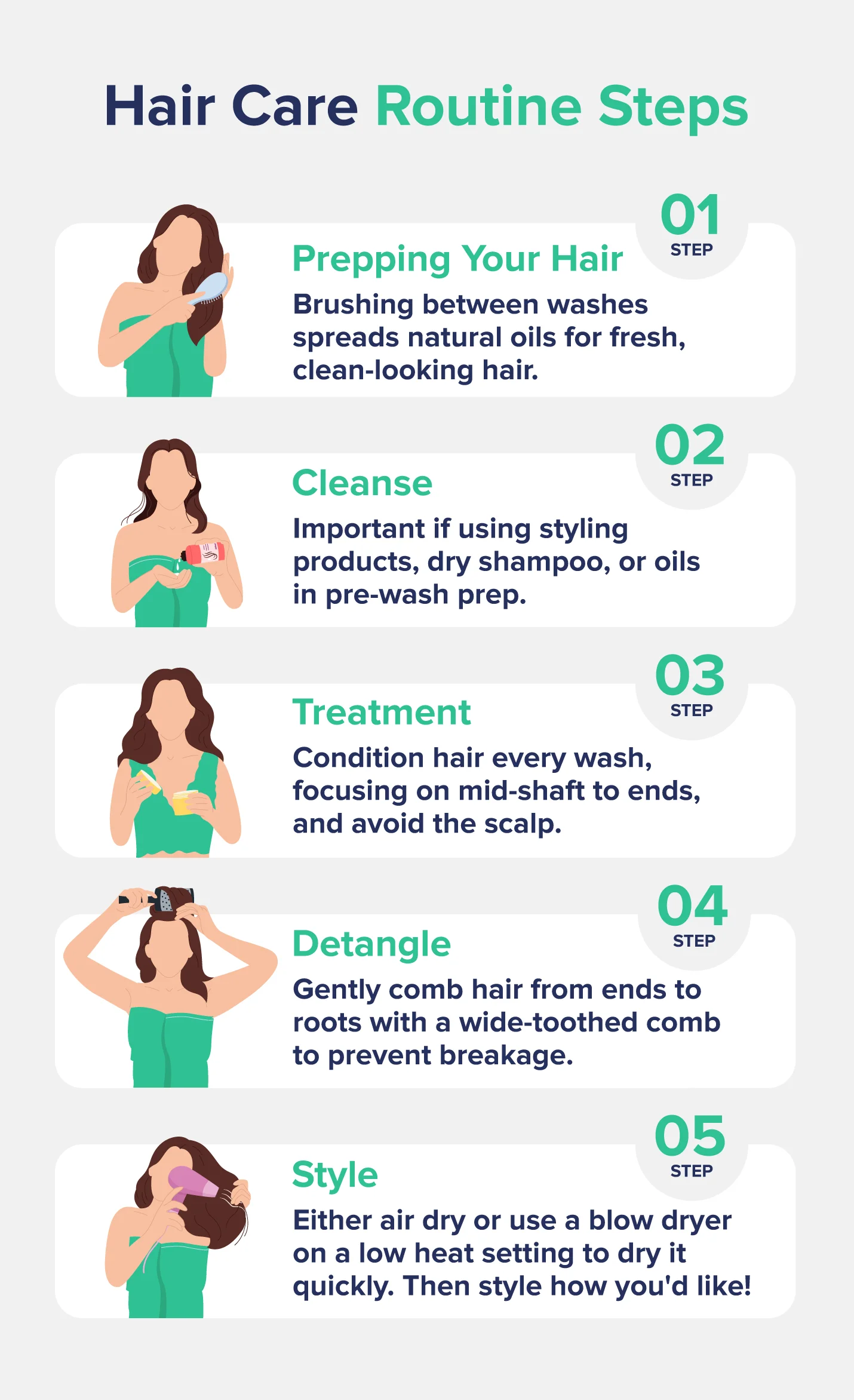
Hair care routine young adult
- Morning: Take thyroid meds as directed on an empty stomach (commonly 30–60 minutes before breakfast); avoid calcium- or iron-rich foods for several hours after the dose.
- Diet: Prioritize protein and iron at meals, sprinkle seeds or nuts for zinc, and rotate in oily fish or fortified foods for vitamin D and omega-3s.
- Hair care: Use a gentle shampoo 2–4 times per week, limit heat tools to once a week, and sleep on satin to reduce friction.
- Mental health: Build a simple stress routine—5–10 minutes of mindfulness, a daily walk, or talking to a friend.
Common Questions Young Adults Ask
Will my hair ever look the same?
Most people who get the thyroid under control see meaningful regrowth, but hair can return with a slightly different texture, thickness, or color initially. If the thyroid imbalance lasted years before treatment, regrowth may be slower and less complete. Early diagnosis improves the odds of returning to a hair profile you recognize. citeturn0search5
Can my birth control, acne meds, or other drugs be causing this?
Medications are a common contributor to hair loss. Your clinician will review everything you take—prescription and over-the-counter—to look for triggers. Sometimes a combination of factors (medications plus a thyroid imbalance) increases loss.
Conclusion: A Realistic, Hopeful Roadmap
Treating hair loss from thyroid disorders is a two-part process: correct the hormonal environment and support the hair while it recovers. For a 21-year-old, diagnosis and intervention now can spare years of worry and increase the chance of normal regrowth. Expect a measured timeline—less shedding within months and visible regrowth in the following 3–12 months—while you do the practical day-to-day things that protect fragile hair and improve overall health. Keep follow-up appointments, protect your mental health, and push for coordinated care if autoimmunity or persistent shedding complicates recovery. The combination of medicine, nutrition, gentle grooming, and time usually delivers a comeback.
- Treat the underlying thyroid imbalance—this is the single most effective step to stop thyroid-related shedding.
- Expect patience: reduced shedding in months, visible regrowth in 3–6 months, full recovery may take up to a year or longer.
- Get proper lab testing (TSH, Free T4/Free T3, anti-TPO) before adding supplements; some supplements can interfere with thyroid tests.
- Combine medical care with gentle hair practices, nutrition, and stress management for the best results.