Stellantis' €22B Shock: Inside the Feb 6 Stock Collapse
On February 6, 2026, investors woke to one of the most dramatic shocks of the year: Stellantis NV, the parent of Jeep, Ram, Fiat and Citroën, announced a sweeping reset that included a €22.2 billion (roughly $26.5 billion) charge tied to a retreat from previous electric-vehicle ambitions — a disclosure that sent the stock into freefall, triggered trading halts and prompted questions about strategy, governance and the costs of rapid electrification.
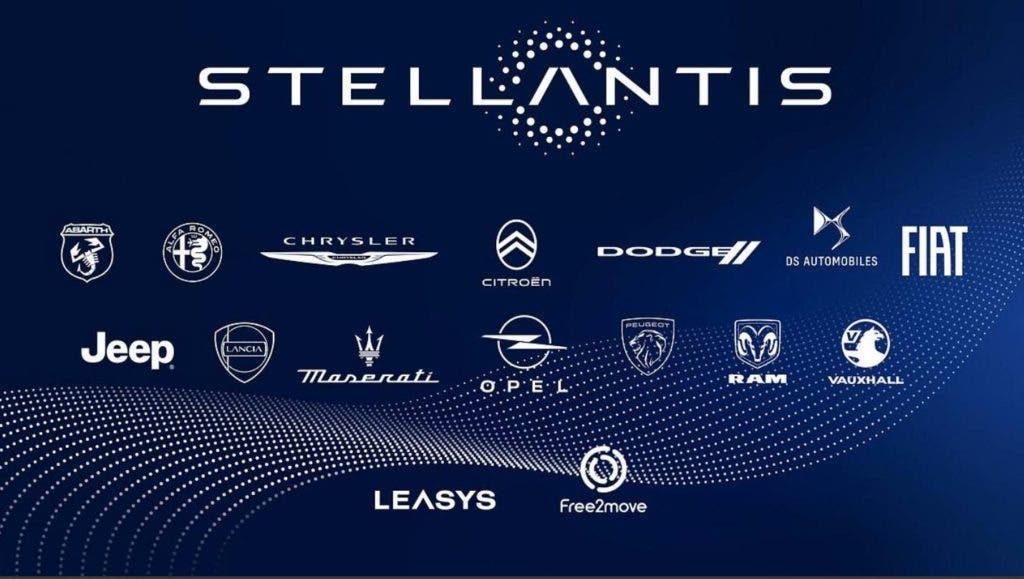
Stellantis stock crash Feb 6
What the company announced — and why the market reacted
In a short but seismic statement, company leadership disclosed large non-cash impairments and a set of cash costs linked to unwinding or scaling back EV projects, warning of a preliminary net loss for the second half of 2025 and the suspension of the annual dividend. The scale of the charge far exceeded market expectations and forced immediate re-pricing of the stock, with trades halted in Milan after the initial plunge.
Milan trading halt Stellantis
The math: €22.2 billion and what it means
Put bluntly, a €22.2 billion write-down is the kind of headline that rewrites balance sheets. Part of the amount is classified as non-cash impairment — an accounting recognition of investments that no longer justify expected future returns — while other elements are cash costs to settle supplier contracts, cancel programs and shore up liquidity. Management signalled that some of the cash impact will be paid over several years, but the headline number alone was enough to change risk assumptions for equity holders and bond investors.
€22 billion write-down Stellantis
How the market priced in the headline
Reaction was immediate: Milan-listed shares were halted after an early double-digit drop, and when trade resumed the stock fell as much as roughly a quarter of its value in a single session, marking one of the worst one-day routs in the automaker’s history. The suddenness reflected not only the loss magnitude but also the knock-on effects: the dividend suspension, a projected multi-billion euro hit to 2025 profits, and increased questions about future cash generation.
When capital-intensive strategic bets miss the demand curve, the bill can arrive not as steady losses but as a one-time explosion that resets investor expectations.
Why Stellantis says it happened: leadership, strategy and EV assumptions
CEO Antonio Filosa framed the action as a necessary correction: senior management said the company had overestimated the pace at which consumers would adopt battery-electric vehicles in core markets, and that past execution had left Stellantis exposed. The pivot is described as a return to “freedom of choice” for customers — a mix of EVs, hybrids and advanced internal combustion engines — and involves cancelling or mothballing several high-cost projects. Filosa attributed the charge to earlier strategic choices and operational missteps.

Antonio Filosa CEO Stellantis
A closer look at the EV playbook that was unwound
Automakers over the past decade built ambitious EV roadmaps: dedicated platforms, battery partnerships, giga-scale investments and product programs designed to accelerate sales and meet regulatory targets. Stellantis was no exception. The impairment reflects failed or delayed projects, unsold components, contracts with suppliers and expected losses on planned models that the company concluded would not deliver acceptable returns at current price points and consumer adoption rates.
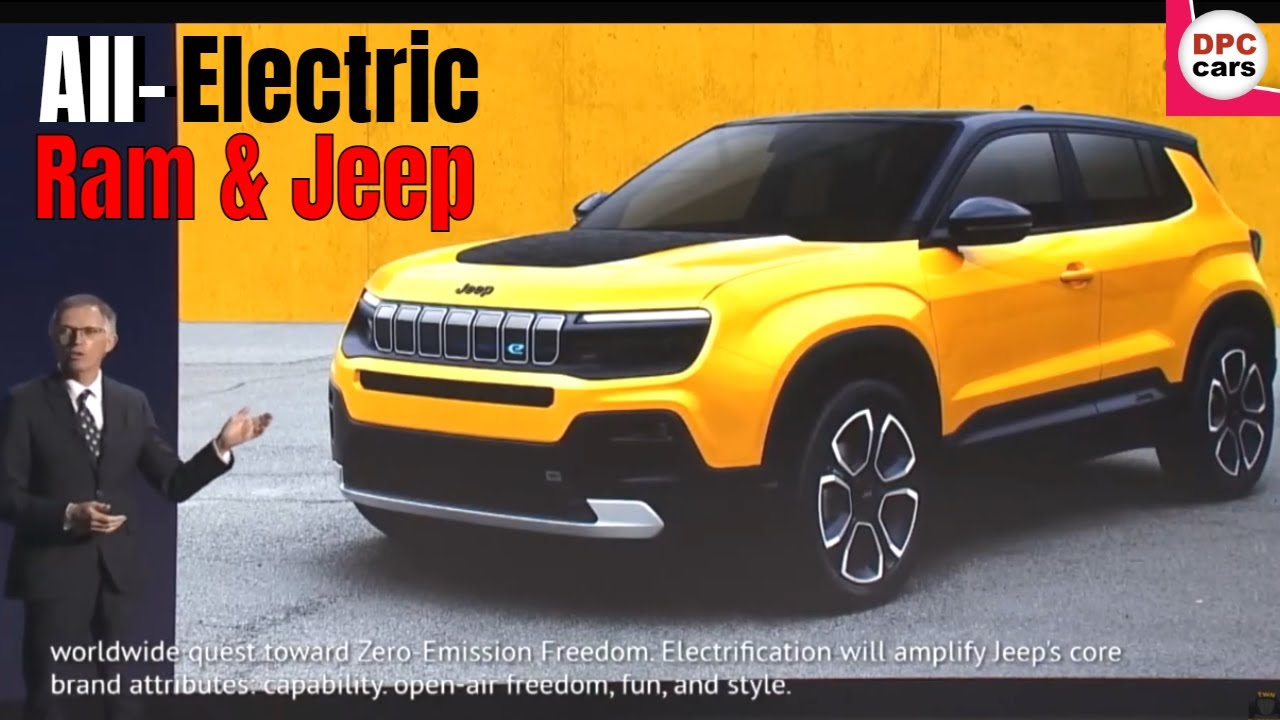
Jeep Ram EV strategy pivot

Stellantis EV hybrid pivot
Board and management agreed to a strategic reset after interim reviews showed lower-than-expected EV demand and higher-than-expected program costs.
Immediate corporate actions and balance-sheet moves
Beyond the writedown, Stellantis announced pragmatic steps to protect liquidity: suspending the annual dividend, exploring bond issuances to shore up cash, and moving to divest certain non-core stakes such as a minority interest in a Canadian battery venture. Those steps were intended to provide breathing room, but each also chipped away at investor confidence, magnifying the share-price impact.
dividend suspension Stellantis 2026
How this compares to other auto industry shocks
Big one-off charges are not unprecedented in automotive: legacy restructurings, warranty crises and bailouts have left scars on balance sheets before. But the scale here puts the move among the largest EV-related impairments in industry history — a high-water mark for the market’s correction of over-exuberant capacity builds and simultaneous misreading of consumer appetite. The episode will probably shape how competitors, suppliers and regulators judge electrification investment plans going forward.

auto industry EV write-down shock
Supply chain and supplier fallout
Large program cancellations ripple through supplier networks: battery makers, parts suppliers and engineering partners can suddenly find orders trimmed or contracts renegotiated. Stellantis signalled it would absorb some cash costs to settle supplier arrangements, but the uncertainty will pressure smaller vendors and potentially accelerate consolidation among suppliers or trigger renegotiations with battery partners. Market commentary already flagged plans to exit or sell stakes in some battery partnerships as part of the reset.

NextStar Energy battery joint venture
Investor implications: short term and medium term
In the short term, the equity is likely to remain volatile. A halted dividend removes a cushion for income investors, and the hit to earnings complicates near-term valuation models. Credit investors will watch liquidity moves and any bond issuance closely: increased leverage or a drawn-out recovery could raise borrowing costs and limit strategic flexibility.
Over the medium term, the question becomes whether Stellantis can convert the reset into a more focused, profitable product mix. If management can redeploy capital into higher-return programs, stabilize margins and restore a predictable dividend path, the stock could recover some or all of its losses. But that is conditional on execution and on broader macro and regulatory trends that influence EV uptake and fuel preferences.
What this means for competitors and the EV market
Stellantis’s reversal is a cautionary tale that will reverberate across the industry. Competitors will reassess capital intensity, the timing of platform launches and their exposure to battery supply chains. Investors will demand clearer unit economics for EV programs and better-honed forecasts of consumer adoption. In short, the shock reduces the margin for error in an already capital-hungry transition.
How analysts and the street are thinking
After the announcement, many analysts scrambled to update models. The common themes in early notes: the write-down was much larger than expected; dividend suspension is an acknowledgement of near-term cash pressure; and strategic clarity will be demanded in forthcoming updates and earnings disclosures. Some brokers flagged potential further restructuring, including plant rationalization or brand portfolio pruning, should the recovery path prove slow.
A practical playbook for investors
Investors reassessing exposure to Stellantis or the broader auto complex should consider several concrete steps:
- Re-check horizon: Are you a short-term trader who needs to manage stop-losses, or a long-term holder who values recovery optionality?
- Model conservatively: Assume lower EV penetration, delayed margin gains and the absence of a dividend for at least a year when valuing shares.
- Watch liquidity: Monitor bond issuance, covenant language and any asset sales for signs of balance-sheet pressure.
- Diversify execution risk: Consider exposure to competitors with stronger balance sheets or clearer EV unit economics.
Regulatory and geopolitical angles
The timing of Stellantis’s move also intersects with shifting policy landscapes: subsidies, emissions targets and regional preferences shape EV economics. Changes in U.S. and EU incentives, or slower regulatory tightening, can materially alter the attractiveness of EV investments. For Stellantis, recalibrating product mixes across Europe and North America requires navigating different regulatory timelines and consumer price sensitivities.
Longer-term scenarios: recovery, restructuring or strategic decline
Three broad outcomes are plausible. First, Stellantis executes a tight, disciplined reset: it sells non-core assets, refocuses R&D, and returns to modest dividends over a multi-year horizon. Second, the company undergoes deeper restructuring, including plant consolidation and brand exits, to preserve cash and rebuild margins. Third, if execution fails and markets persistently de-rate the peer group, further shareholder value dilution — through equity raises or aggressive asset sales — could follow. The path taken will depend on management credibility and external conditions.
Key takeaways
- Stellantis disclosed a €22.2 billion impairment and related cash costs tied to scaling back EV plans, triggering a severe share-price reaction.
- The company suspended its dividend and signalled preliminary losses for H2 2025, increasing near-term uncertainty for income investors.
- Supplier contracts, battery partnerships and smaller vendors will feel immediate pressure; strategic re-pricing of EV investments is likely across the industry.
- Recovery depends on disciplined redeployment of capital, margin restoration and clearer visibility into EV demand trends.
Conclusion: a market correction with lessons for the auto transition
February 6, 2026 will be remembered as a moment when the financial consequences of mis-timed, capital-intensive strategic bets came sharply into focus. For Stellantis, the path back to investor trust will be long and conditionally dependent on decisive, credible execution. For the industry, the event is a reset: a reminder that electrification is not simply a technological race but an economic one — and that timing, cost discipline and customer alignment matter as much as engineering ambition. Investors should brace for volatility, demand clarity from management teams, and adjust assumptions about the pace and cost of the EV transition accordingly.
This article synthesizes company disclosures and market reporting from February 6, 2026 to provide a contextual analysis for investors and industry observers.