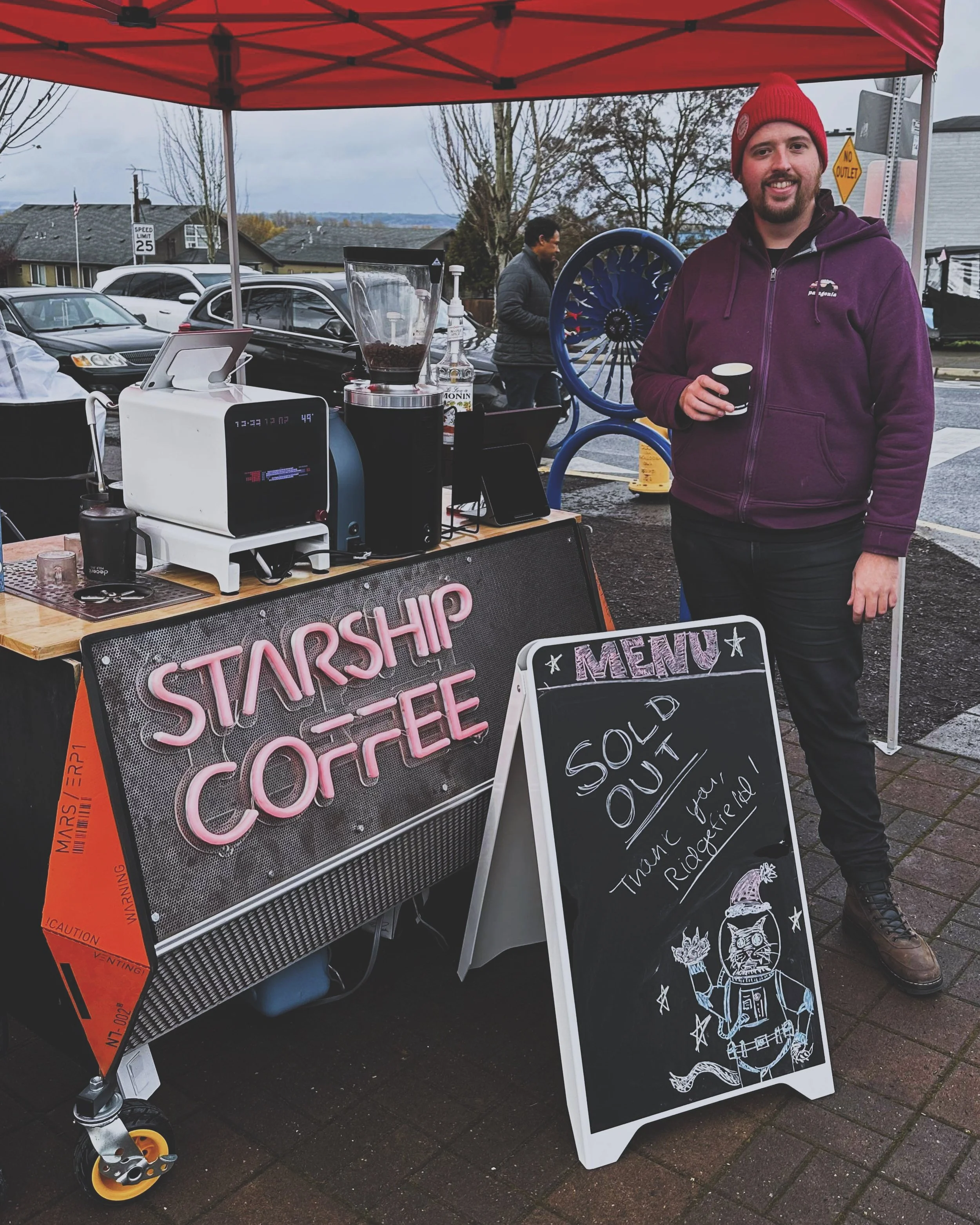
Starship CEO Defends $9 Coffee: You Get a Premium Experience
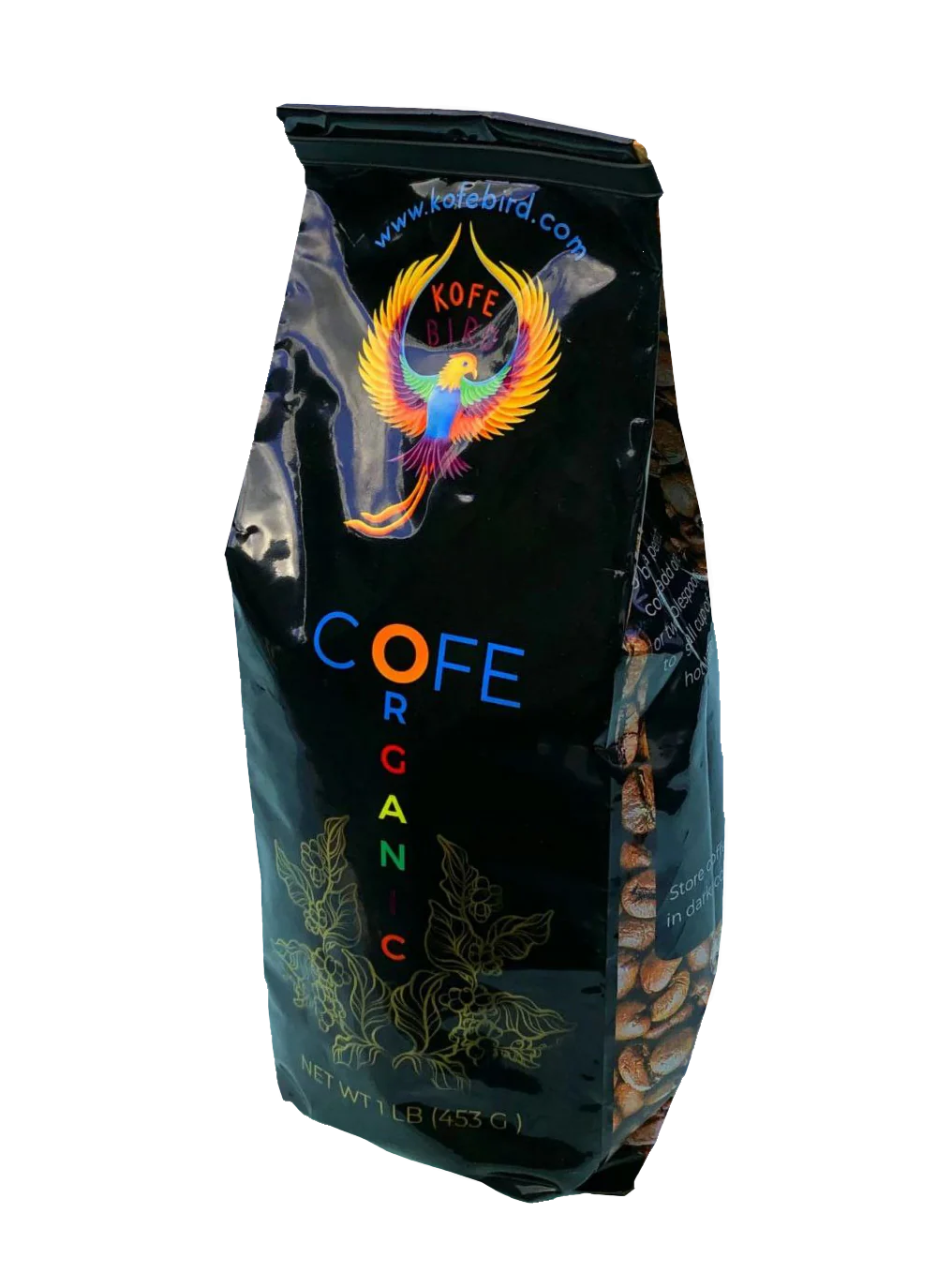
premium specialty coffee
The moment a tech CEO told reporters that a cup of coffee priced at $9 "is not a $10 coffee and you get a premium experience," a familiar debate restarted: what exactly are we buying when we pay more than we used to for a beverage that once cost a few cents? The comment landed at the intersection of tech, hospitality, and culture — an uncomfortable place where automation, branding and human expectations collide. For some, $9 is an outrage; for others, it signals a carefully constructed promise of taste, convenience and status. This long read unpacks the logic behind the price, the economics that make it possible, and the brand and behavioral levers companies use to ask — and get — premium prices.
The Announcement and Immediate Reaction
The CEO's defense in context
The CEO's brief defense was concise and unapologetic: the price is a reflection of the overall product and experience, not merely the liquid inside the cup. That framing — product plus experience — is the backbone of modern premium pricing. It is also a phrase that ignites strong reactions on social platforms, where price tags collide with personal values around fairness, access and taste.
Why the comment spread so quickly
There are three reasons the statement went viral. First, coffee is universal; nearly everyone has an opinion. Second, the round number is psychologically salient — $9 is close to the pain threshold that turns amusement into indignation for many consumers. Third, tech CEOs are cultural symbols; when they talk about consumer goods, their words are amplified as commentary on capitalism, taste and priorities.
"It's not a $10 coffee and you get a premium experience."
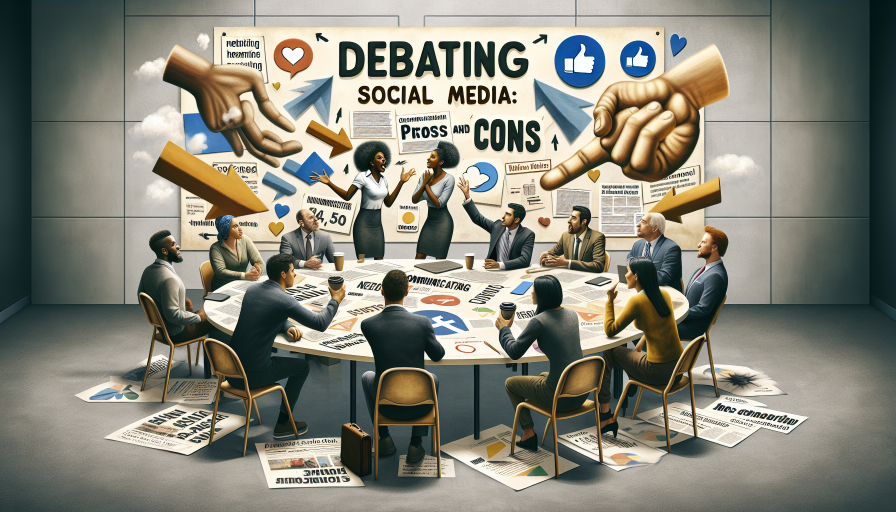
social media pricing debate
Breaking Down the Cost: What Really Goes Into a $9 Cup
Direct and indirect cost components
At first glance a cup of coffee may seem simple: water, beans, heat. Behind the scenes, however, costs accumulate across a chain of choices and investments that justify a higher price — if a brand can convince customers those investments matter.
The main components usually include:
- Raw materials: specialty-grade beans, single-origin lots, fair-trade premiums, and often higher wastage due to small-batch roasts.
- Labor and training: barista expertise, shift supervision, quality control and the overhead of a trained staff that can deliver consistent taste.
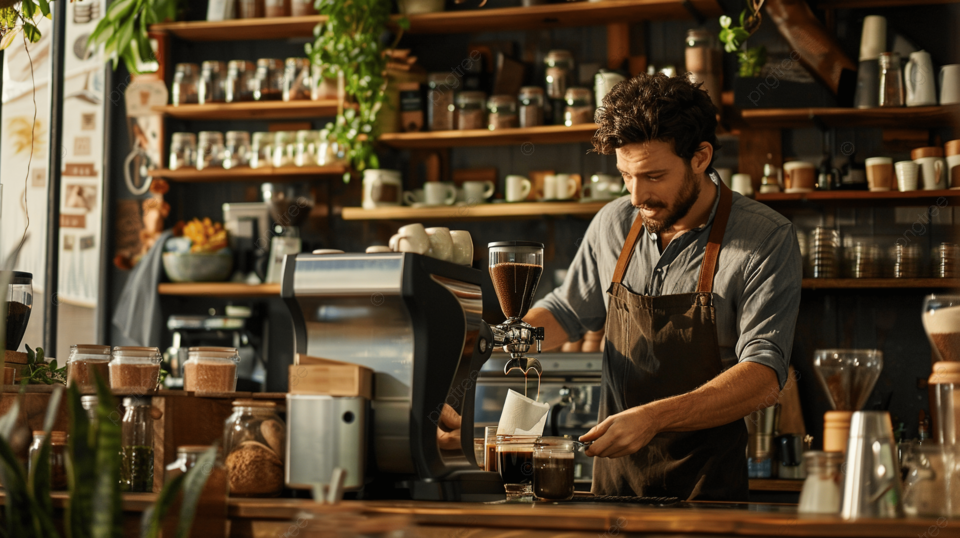
coffee barista preparation
- Rent and location: premium real estate or high-visibility locations, even when paired with automated pickup or delivery solutions.
- Equipment and maintenance: specialty grinders, espresso machines calibrated for precision, and ongoing servicing.
- Packaging and presentation: premium cups, lids, reusable options, and branded wrapping or trays that contribute to perceived value.
- Technology and logistics: ordering apps, integrated payments, delivery systems — in some models, robotic delivery or fleet maintenance adds a meaningful line item.
- Marketing and brand development: photography, social media curation, product development and collaborations that position the drink as desirable.
Margins, scale and the illusion of 'cheap coffee'
Even at $9, the margin picture can vary wildly. Small-batch cafés often aim for lower throughput and higher per-item margins to offset expensive inputs. Tech-led concepts that layer automation still face significant upfront capital expenditures: hardware, software, and the R&D to run it all at scale. If a company is investing in robotics or proprietary delivery — the kind of innovation a company named Starship might emphasize — those costs are often spread across a portfolio of products and services rather than captured by a single cup price.
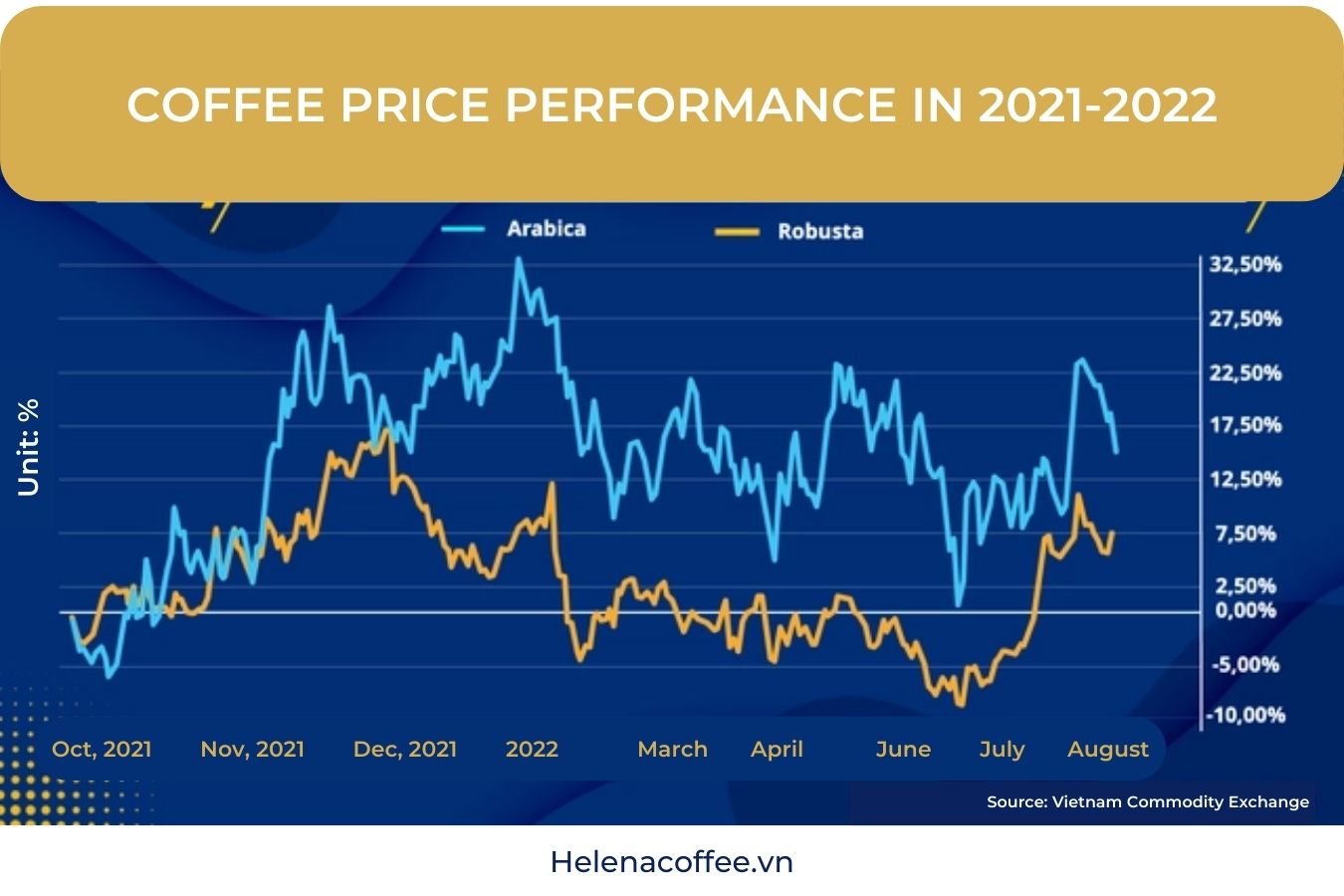
coffee price economics
Did You Know? The price a customer sees often includes sunk investments in design, logistics and customer acquisition that never appear on a simple invoice.
The Psychology of Price: Why $9 Feels Different Than $5 or $10
Anchors, endings and the prestige signal
Pricing is a language. It speaks to status, scarcity and expectation. A $9 price point sits in the territory of prestige pricing without the rounded finality of $10. That subtle difference matters to buyers: $9 can feel deliberate and selective, while $10 reads as bluntly expensive. Pricing psychologists call this strategy "price signaling" — set the number to convey quality while avoiding the trigger that causes sticker shock.
Experience economy and the premium promise
In the experience economy, consumers pay for curated moments more than commodities. The cup itself is a conduit for sensory cues: curated playlists, tactile packaging, neatly designed pickup interfaces, or sleek delivery robots. When a brand promises an elevated moment — a slower ritual, a designer space, a tech novelty — consumers willing to pay a premium are buying that narrative as much as the espresso.
Pro Tip If you are a brand testing premium prices, offer a limited-time introductory price and collect qualitative feedback. Perceived value often rises when customers can compare a new experience to a baseline.
Technology, Novelty and the 'Starship' Factor

Starship technology company
Automation as a value proposition
When a company we associate with robotics or futuristic delivery sells coffee, technology becomes part of the product story. Robots that deliver hot drinks on sidewalks, autonomous kiosks that extract espresso at scale, or apps that personalize brew strength — each adds a layer of novelty. Novelty can command higher prices, but novelty alone is fragile: if the experience breaks, the premium disappears quickly.
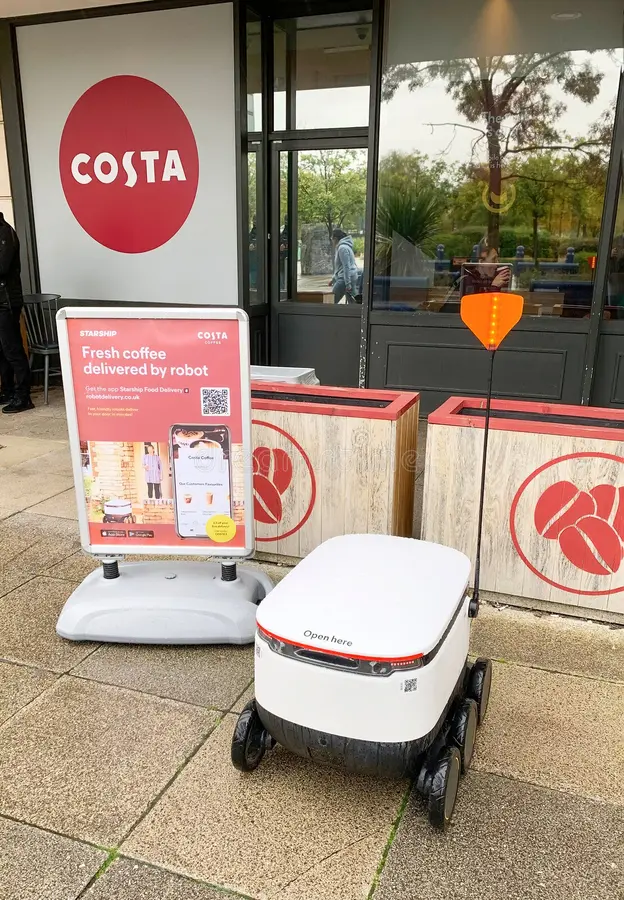
robotic coffee delivery
Sustainability and traceability claims
Premium campaigns frequently lean on sustainability: transparent sourcing, carbon offsets, reusable program incentives and ethical labor claims. Those practices cost money and can justify a higher retail price, provided the brand demonstrates authenticity. Consumers are increasingly skeptical of greenwashing; showing the costs and benefits concretely matters more than slogans.
Is $9 Reasonable? A Nuanced Verdict
Comparative frames
Reasonableness depends on context. In a downtown boutique café known for single-origin pours, $9 may be unremarkable. In a gas station or mass-market chain, it would be startling. Price acceptance depends on three frames: quality of ingredients, uniqueness of experience, and relative alternatives. If the coffee is demonstrably better, or the delivery mechanism saves time and creates joy, consumers may accept the price. If those elements are absent, $9 will feel like an overreach.
Equity and access considerations
There is also a social dimension: when everyday staples begin to bifurcate into "mass" and "premium" markets, affordability and access become cultural questions. A world where the only reliably safe, high-quality coffee is affordable to a few raises real concerns about inclusivity, particularly in cities where access to third-wave cafés is already unequal.
How Consumers and Critics Respond
Social media and the art of outrage
Public reaction typically clusters into camps: defenders who celebrate innovation and curation, and critics who decry ostentation and question motives. Social media amplifies the loudest responses, not the majority view. In many cases, the narrative hardens before a reasoned debate can occur; companies are then left to manage perception as much as product quality.
Caution Outrage is easy to generate; rebuilding trust after perceived ostentation requires sustained transparency and action.
What loyal customers say
Customers who embrace premium coffee often cite ritual, consistency and trust in the brand. For them, paying more is a transaction for reduced decision fatigue: a known experience delivered well. Conversely, occasional customers value price and convenience most and will migrate quickly if the value proposition fades.
What the Company Could Do Next
Practical steps to soften backlash and strengthen value
For any brand facing price pushback, options are tactical and strategic:
- Be transparent: Publish a clear breakdown of what the price includes — sourcing, labor, tech, delivery — without insisting the customer must agree.
- Offer tiers: Create an accessible line alongside a premium option so customers can choose based on need and budget.
- Limited editions: Use premium pricing for exclusive releases rather than as the baseline for everyday items.
- Loyalty and trials: Give first-time or frequent customers trials, discounts, or bundled offers to lower the barrier to experiencing the product.
- Measure and adapt: Track repeat purchase rates, cancellation data, and satisfaction scores tied to price changes.
Important A price can be defended technically but lost emotionally; brands must win both minds and hearts.
Broader Implications for Retail, Tech and Hospitality
A test case for experience-driven pricing
This moment is less about $9 and more about what modern consumers are willing to trade for convenience, novelty and status. Tech companies that move into hospitality are testing their ability to translate operational excellence into emotional value. When a cup becomes a symbol — of innovation, of exclusivity, of tone-deafness — companies learn quickly whether their story resonates.
The cultural conversation
Finally, conversations around premium pricing reveal cultural values: how we assess labor, how we reward innovation, and how we decide which experiences deserve premium treatment. Those are debates worth having beyond any single press quote.
Conclusion
The CEO's one-liner — "it's not a $10 coffee and you get a premium experience" — functions as both defense and provocation. It forces a useful question: what do we expect from a brand asking for more? If the offer is genuinely better in measurable and felt ways, some customers will pay, some will abstain, and the market will sort those preferences. If the claim is merely rhetorical, the backlash will be the price of overreach. For companies, the lesson is clear: higher prices demand higher proof. For consumers, it is a reminder to ask which parts of a purchase matter most — the bean, the barista, the robot, or the story around the cup.
- Price is a communication tool; $9 signals prestige without the bluntness of $10.
- Costs behind premium coffee include ingredients, labor, tech and brand investment.
- Technology and novelty can justify a premium but must be reliable and transparent.
- Brands should offer tiers, trials and clear value explanations to maintain trust.