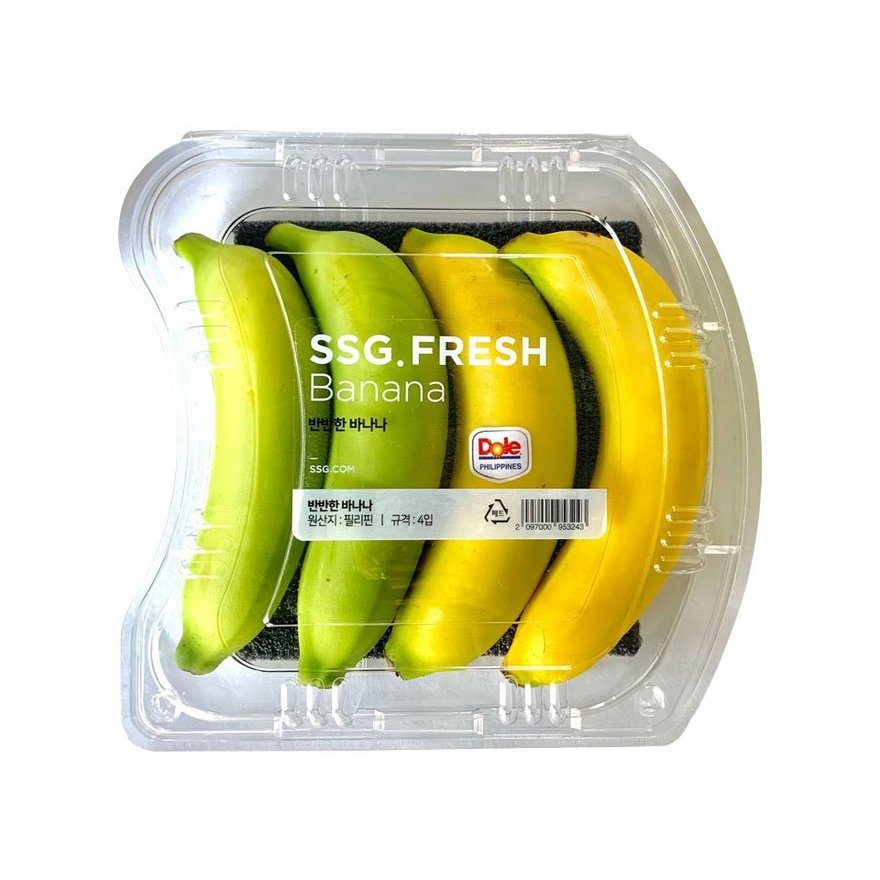
South Korea Sells Bananas by Ripeness to Cut Food Waste
The next time you stand in front of a produce shelf in Seoul you might find bananas arranged like a color spectrum — firm, barely yellow, fully ripe, and heavily spotted — each price-tagged to match the fruit's remaining shelf life. What looks like a simple merchandising tweak is part of a growing, pragmatic movement among South Korean supermarkets to reduce food waste by selling bananas at multiple ripeness levels. It's equal parts consumer psychology, inventory savvy and environmental urgency, and it offers a clear, replicable lesson for grocers worldwide.
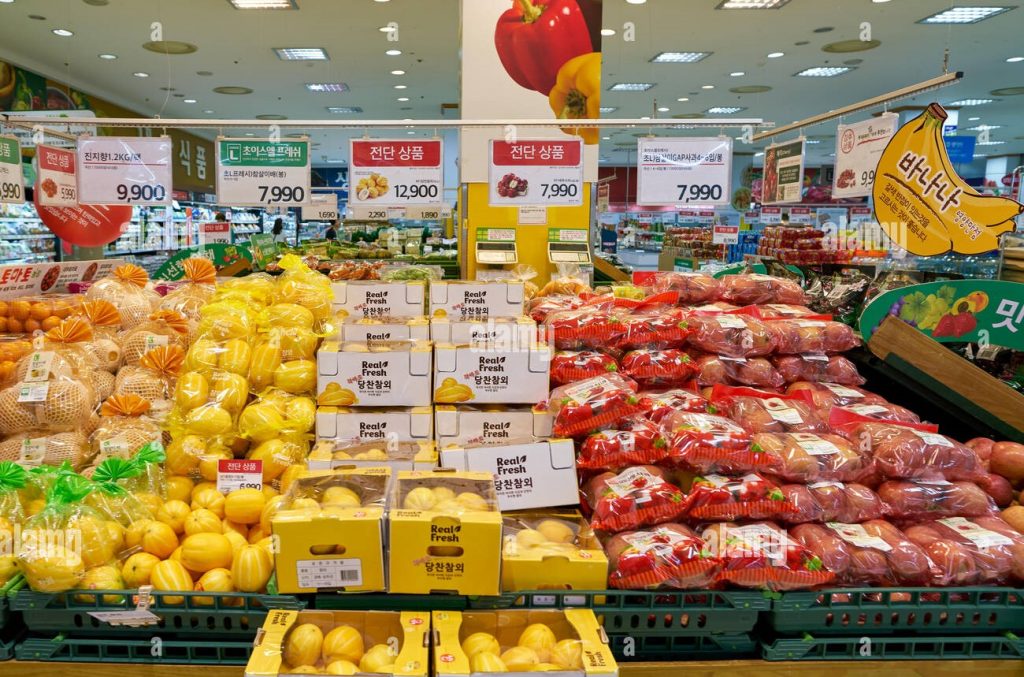
South Korean supermarket produce aisle
WHY THIS MATTERS
Bananas are one of the world's most popular fruits and also one of the most perishable. Their rapid ripening cycle — from firm green to overripe in days — makes them vulnerable to wasted inventory, especially when supply forecasting and customer preferences miss the mark. By explicitly selling by ripeness, retailers match product to shopper intent: someone buying for a snack today chooses a yellow banana; a family planning breakfasts for the week picks firmer fruit; a baker hunting for banana bread seeks the heavily spotted bunches.
"Selling a fruit by its readiness is retailing at its most honest — customers know what they're buying and stores stop guessing how fast it will sell."
THE PRACTICAL MODEL: HOW IT WORKS
Ripeness Tiers and Shelf Labels
At the heart of the approach is a simple classification system: bananas are placed into a few clearly labeled tiers such as Green (firm), Almost Ready (slightly yellow), Ready to Eat (yellow), and Best for Baking (heavily spotted). Each tier has a small price differential and a short description of ideal uses and storage tips. Labels sometimes include a suggested use-by window (for example, "eat within 1–2 days" or "best for baking") so customers can make an informed choice.
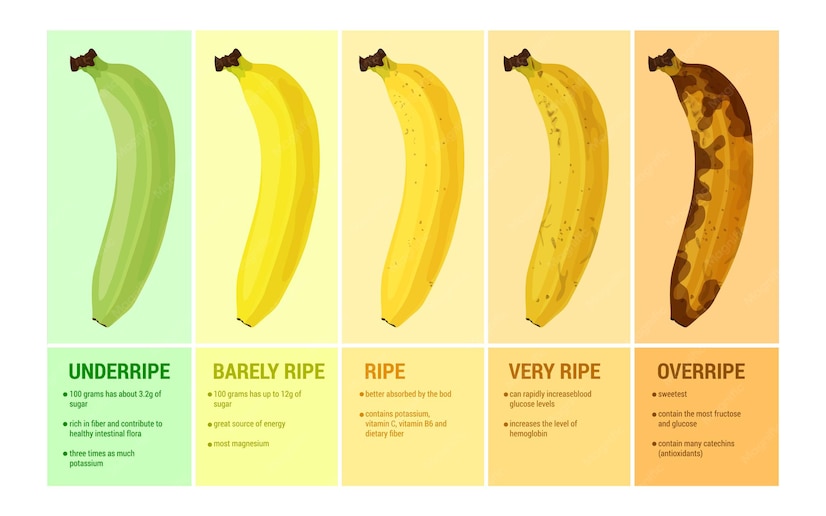
Banana ripeness levels display
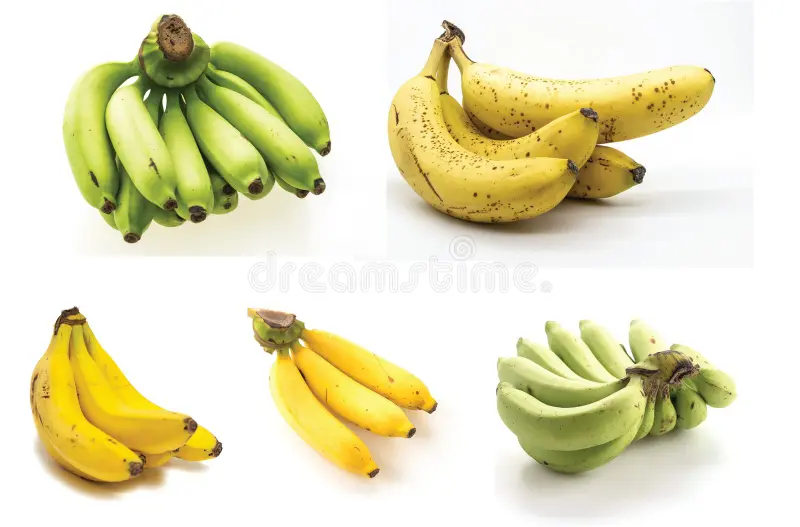
Green yellow spotted bananas
Targeted Pricing
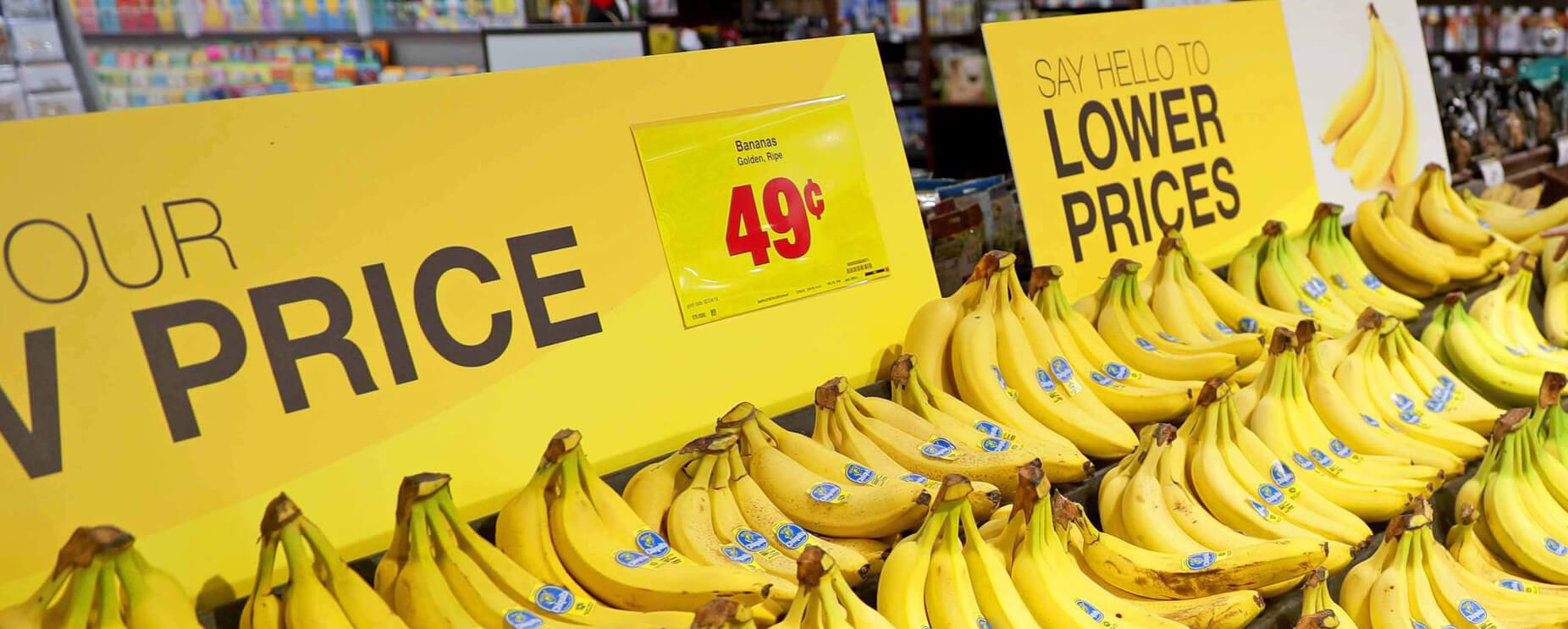
Price tiers are aligned to ripeness: the riper the banana, the lower the price. This dynamic is not just promotional; it's deliberate inventory management. Lower prices on rapidly approaching spoilage accelerate turnover, converting potential waste into a sale and an affordable product for price-sensitive shoppers.
Banana pricing tiers supermarket
Back-End Adjustments
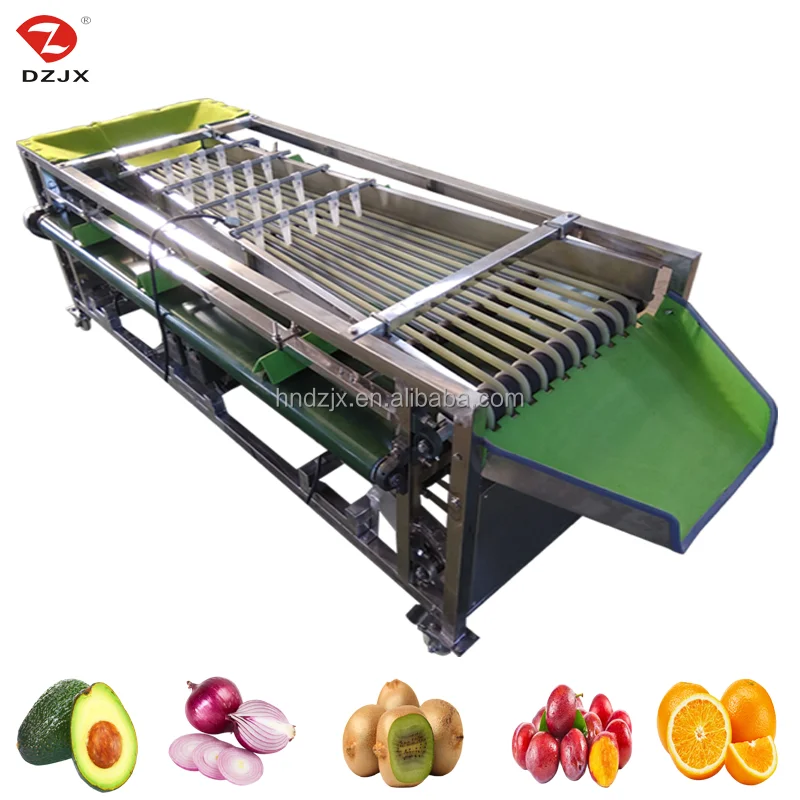
To support front-of-store choices, supermarkets adjust the back-end. That means separate ripening rooms or controlled racks, staff trained to sort fruit accurately, and more frequent inventory checks. Some stores separate deliveries by ripeness stage so front displays receive a balanced mix rather than a batch of uniformly ripe fruit that might all expire at once.
Korean retail produce sorting
WHY SUPERMARKETS ADOPTED THIS STRATEGY
Reducing Shrink
Shrink — the retail term for unsellable inventory — hits fresh produce hardest. Bananas that are too ripe at the time of checkout either get discounted heavily or discarded. By proactively segmenting products by ripeness, stores decrease the volume pushed to the discount bin that still might not sell, and reduce last-mile waste.
Improving Customer Trust
Transparency works. Customers appreciate knowing exactly what they are buying instead of guessing from a handful of yellow bunches. Clear ripeness categories answer an implicit question: "How long will this last?" That clarity increases satisfaction and reduces returns or complaints.
CONSUMER BEHAVIOR AND CULTURAL PATTERNS
Making Use of Different Ripenesses
Different ripenesses suit different needs. A commuter grabbing a snack wants a yellow banana; a family planning meals across a week needs a firmer option; a baker wants soft, sweet bananas for bread or pancakes. Selling by ripeness encourages consumers to plan purchases more deliberately, and it opens opportunities for cross-merchandising — for example, placing spotted bananas near bakery sections with recipe cards.
Price Elasticity and Social Perception
Discounted, heavily spotted fruit used to carry a stigma: discounted meant damaged. But when ripeness-based pricing becomes the norm, the social meaning changes. Lower prices signal different utility — not lower quality — and customers begin to accept lower-cost ripe fruit as intentional, useful and even desirable for specific recipes.
OPERATIONAL BENEFITS: NUMBERS THAT MATTER
Retailers often measure success in two ways: reduction in unsold inventory and improved gross margin on fresh produce. Selling by ripeness can reduce spoilage rates by shortening the time products sit unsold and by moving items to customers who want them immediately. Even modest reductions in spoilage — single-digit percentage improvements — translate to meaningful cost savings when multiplied across daily banana volumes and multiple store locations.
Inventory Turnover and Forecasting
Ripeness-focused merchandising smooths turnover curves. Instead of forecasting a single demand curve for bananas, stores forecast separately for each ripeness tier. That granularity improves ordering and reduces the chance of overstocking fully ripe fruit during slow sales periods.
Marketing and Cross-Sales
Retailers can use ripeness tiers for in-store promotions: recipe cards for spotted bananas, breakfast pairings for yellow bananas, lunchbox ideas for firmer fruit. These small nudges increase basket size and help the store capture value from fruit that might otherwise be discounted or discarded.
CHALLENGES AND LIMITS
Consistency and Consumer Education
Sorting by ripeness requires trained staff and clear standards. What one employee calls "almost ready" another might label as "ready." Without consistent standards, the system can frustrate customers. Education campaigns, signage, and staff training are necessary to ensure shoppers get reliable products.
Logistical Friction
Not every store has the backroom space for separate ripening racks or rooms. Smaller convenience-format stores may find the system harder to implement at scale. Likewise, supply chains that source fruit in bulk lots make it harder to segregate ripeness prior to arrival.
Risk of Cannibalizing Premium Sales
There is a balancing act between offering discounted ripe fruit and preserving sales of full-price items. If deep discounts on spotted bananas become the norm, some customers may habitually wait for discounts rather than buying fresh at regular price. Retailers manage this risk by limiting discount depth and communicating the specific uses of discounted tiers.
BROADER ENVIRONMENTAL AND SOCIAL IMPACT
Emissions and Resource Use
Reducing food waste reduces the embedded environmental cost of producing, transporting and refrigerating food that is never eaten. Bananas that stay on shelves until eaten mean fewer kilograms of avoidable greenhouse gases and less strain on disposal systems. Over time, many small reductions add up — fewer pallets sent to landfill, fewer resources wasted on unsold fruit.
Food waste reduction groceries
Food Access and Affordability
Discounted ripe fruit increases access to fresh produce for budget-conscious households. When heavily spotted bananas are clearly labeled as ideal for baking, they become a low-cost ingredient rather than a cast-off. That reframing turns what was waste into a resource for families and community kitchens.
- Reduces shrink and landfill waste.
- Improves customer clarity and satisfaction.
- Creates price points for different needs.
- Supports marketing and cross-merchandising.
- Requires staff training and storage space.
- Can confuse customers if not standardized.
- Risk of incentivizing wait-for-discount behavior.
HOW OTHER RETAILERS CAN ADAPT THE IDEA
Start Small and Measure
Stores curious about the model should begin with a pilot: pick one store or one produce category, set clear ripeness definitions, train staff, and monitor spoilage and sales two to four weeks before scaling. Measuring waste tonnage and discounting rates will show whether the approach yields a positive return.
Leverage Technology Where Helpful
While the idea is fundamentally low-tech, technology can sharpen results: simple inventory tags, shelf-scales tied to point-of-sale, or even barcode labels recording ripeness at time of stocking help with data collection and forecasting. Mobile apps or QR codes can provide recipes and storage tips to shoppers who want deeper guidance.
A STORE-LEVEL SCENARIO
Imagine a mid-sized Seoul supermarket that receives three banana deliveries per week. Under a traditional system, most bananas go on a single shelf and the store frequently experiences waves of overripening and discounting. With ripeness-tier merchandising, the store dedicates one shelf to each tier and prices them accordingly. Staff rotate stock daily and promotional signage explains use-cases. At the end of the month the store reports lower volume in the discount bin and a modest increase in banana sales because customers find what they need when they need it.
CONSUMER STORIES AND COMMUNITY EFFECTS
Customers told the story of being happy to buy heavily spotted bunches for baking — one shopper described buying spotted bananas weekly and sharing banana-bread loaves with neighbors — while others appreciated being able to buy firmer fruit for lunchboxes. Community groups and food banks can partner with stores to pick up deeply discounted ripe fruit for prepared meals or processing, creating a local rescue loop.
THE FUTURE: SCALING AND INNOVATION
Integration with Apps and Delivery
Ripeness information could be surfaced at the point of online ordering: shoppers could filter by ripeness or select "for baking" rather than trusting a single produce photo. Delivery services could also use ripeness preferences to match shipments to speed of delivery — firmer fruit for slower routes, ripe fruit for same-day drop-offs.
Policy and Partnership
Local governments and retailers can partner on education campaigns to normalize buying products by ripeness. Policymakers concerned with food waste could incentivize ripeness labeling pilots through small grants, or encourage donation partnerships that redirect discounted ripe fruit to community organizations.
CONCLUSION
South Korean supermarkets selling bananas at different ripeness levels represent a practical, scalable intervention in the battle against food waste. The idea is elegantly simple: match product to customer intent, move inventory before it spoils, and communicate clearly. It requires operational discipline, some upfront training and marketing, but the rewards are tangible — less waste, clearer choices for shoppers, and a modest boost to a store's bottom line.
- Ripeness-tier merchandising reduces spoilage by matching fruit to shopper needs.
- Clear labeling and modest price differentials shift perception of discounted fruit from "damaged" to "purposeful."
- Operational changes — sorting, storage, and staff training — are essential to success.
- Scale can include technology, delivery integration and community partnerships to maximize impact.
The banana aisle is a small theater of choice, and when retailers rehearse the script carefully, the audience — shoppers, communities and the planet — benefits. Selling by ripeness is less about novelty and more about aligning supply with demand, one yellow, spotted, ripening bunch at a time.