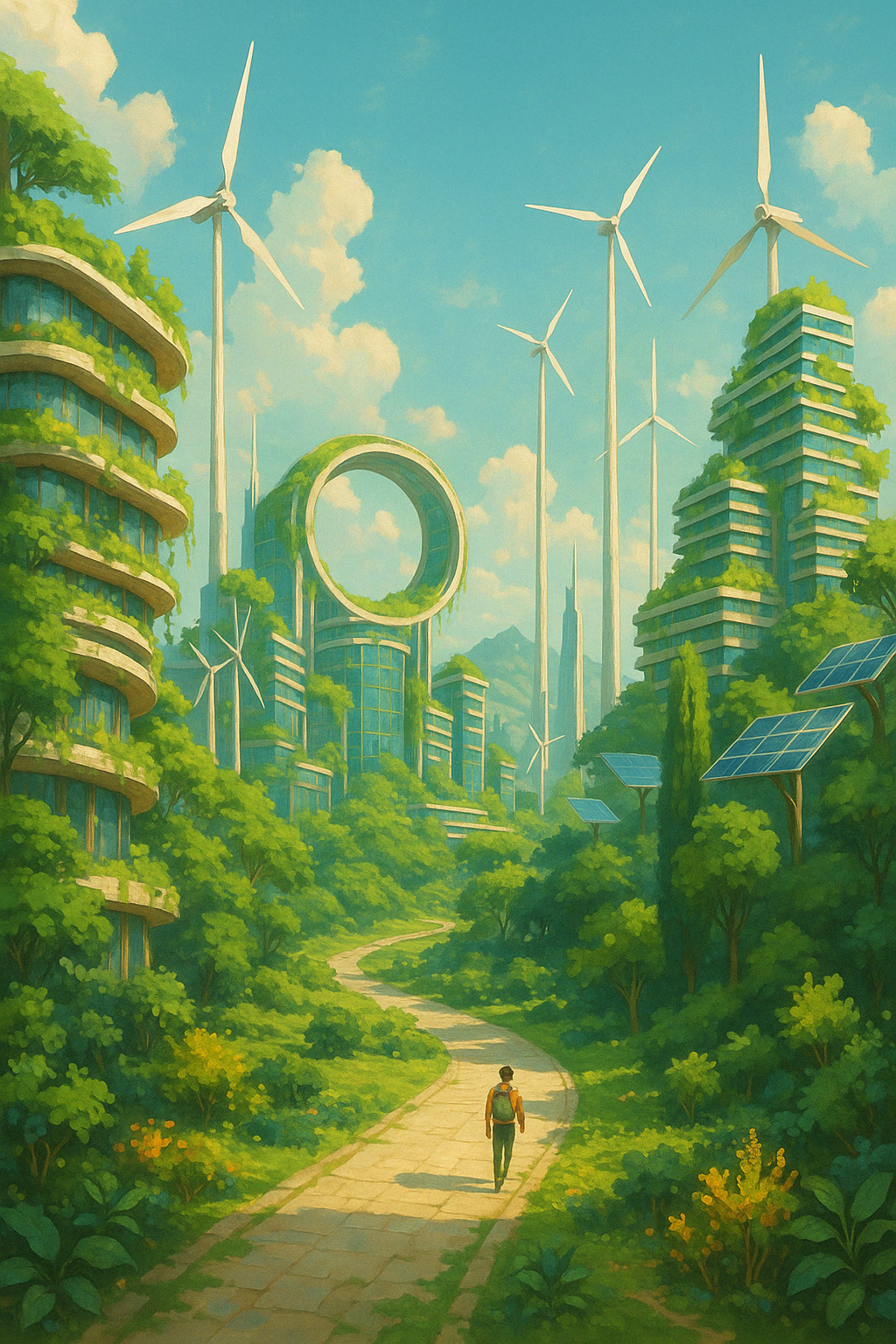
Solarpunk Cities: Designing Sustainable Urban Futures
The image is familiar now: streets threaded with green, rooftops blooming with vegetables, glass canopies harvesting sunlight while neighbors tend community orchards. But solarpunk is more than an aesthetic. It is a practical design language and an ethical stance that asks how cities can become productive, resilient, and just — not by retreating from technology, but by bending it toward ecosystems and people. This article maps how planners, architects, technologists, and communities can translate solarpunk ideals into real urban projects: from microgrids and passive buildings to public space design and new governance structures. The horizon is not utopia; it is a set of tactical pathways that make living cities both low carbon and high quality.
What is Solarpunk?
Origins and aesthetic
Solarpunk began as an art and literary movement imagining hopeful, sustainable futures where solar technology, crafts, and cooperative networks shape everyday life. The visual vocabulary — verdant terraces, hand-crafted wood and metal details, integrated solar canopies — signals a rejection of both grim dystopias and sterile, tech-only futurisms. But beneath style lies substance: solarpunk privileges tangible systems that increase self-reliance, lower emissions, and weave nature back into urban fabrics.
Philosophy and values
At its heart, solarpunk is an ethic: decentralized energy, distributed production, participatory governance, and an insistence that the benefits of low-carbon infrastructure be shared equitably. It treats cities not as machines to be optimized for throughput, but as ecosystems to be tended. That requires design that balances technological precision with ecological humility.
Design Principles for Solarpunk Cities
Energy: local, resilient, and shared
Solarpunk cities reconfigure energy systems around locality. Rooftop photovoltaic arrays, community solar gardens, and microgrids create multiple, interoperable sources of electricity. Paired with smart inverters and modular battery storage, these networks prioritize resilience: when a regional grid fails, neighborhoods can island to sustain critical services. Energy planning under the solarpunk rubric also centers energy justice — tariffs and ownership structures that let renters and low-income residents share the economic value of solar installations.
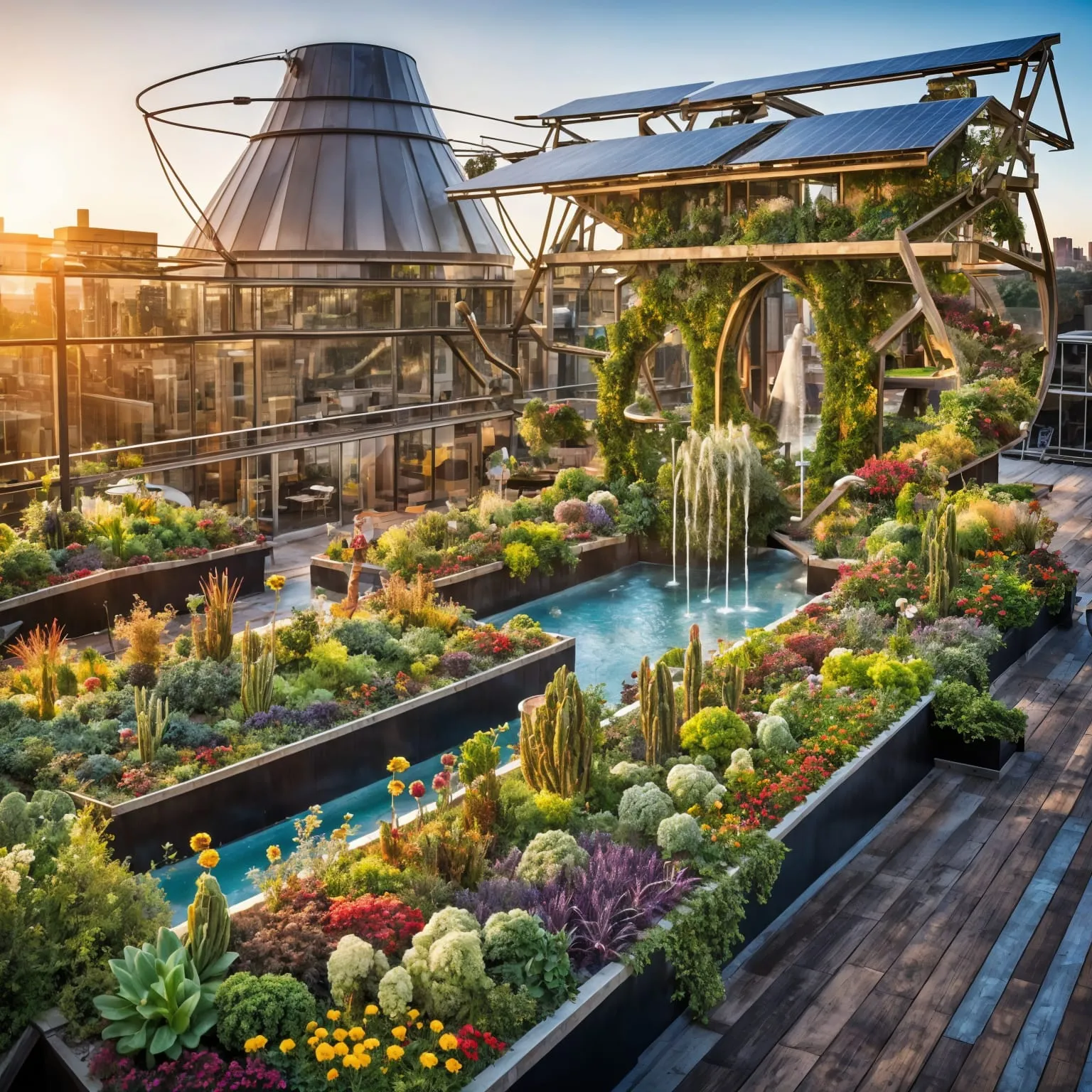
Solarpunk rooftop gardens solar panels
Green infrastructure as primary infrastructure
Instead of treating parks and trees as decorative afterthoughts, solarpunk design elevates green infrastructure to the same tier as roads and sewers. Bioswales, urban wetlands, permeable pavements, and urban forests manage stormwater, reduce flood risk, and cool neighborhoods. Street trees and canopy corridors are engineered elements — selected for storm resilience, pollinator value, and shade — that reduce heat island effects and improve public health.
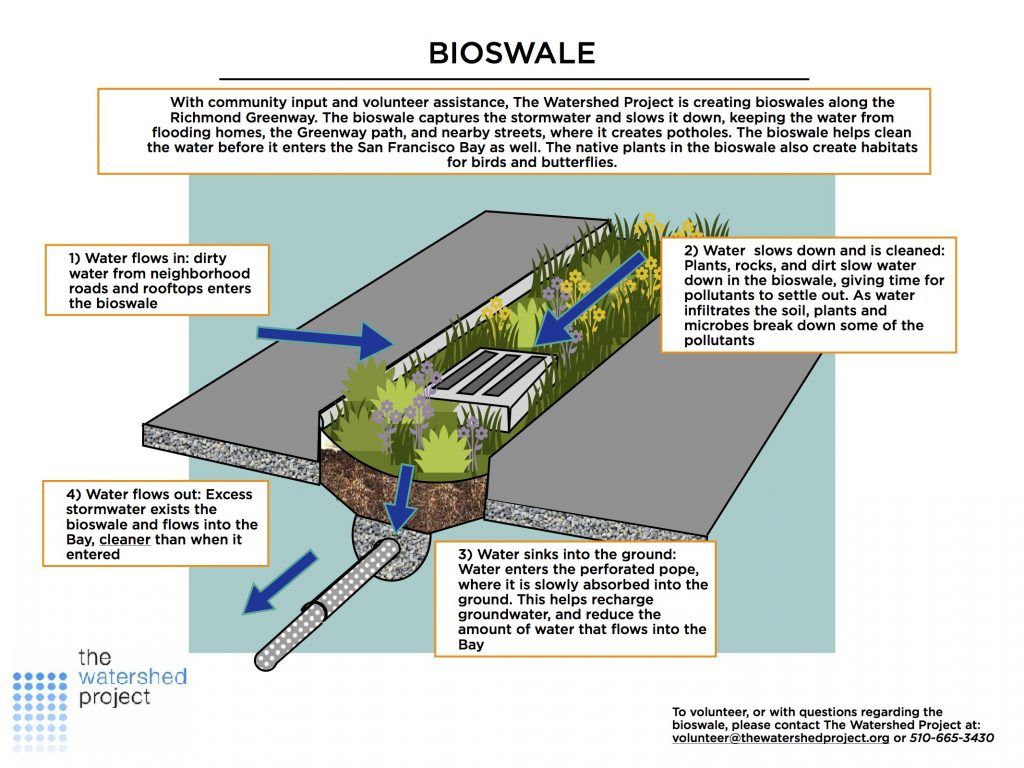
Green infrastructure bioswales stormwater management
Mobility: human-scale and multimodal
Solarpunk mobility prioritizes the person over the automobile. Complete streets, protected bike lanes, dense rail and tram corridors, and decentralized mobility hubs make short trips fast, safe, and pleasurable. Crucially, this model integrates freight and services: cargo trams, consolidated micro-delivery hubs, and last-mile electric cargo bikes reduce van miles and preserve street space for people.
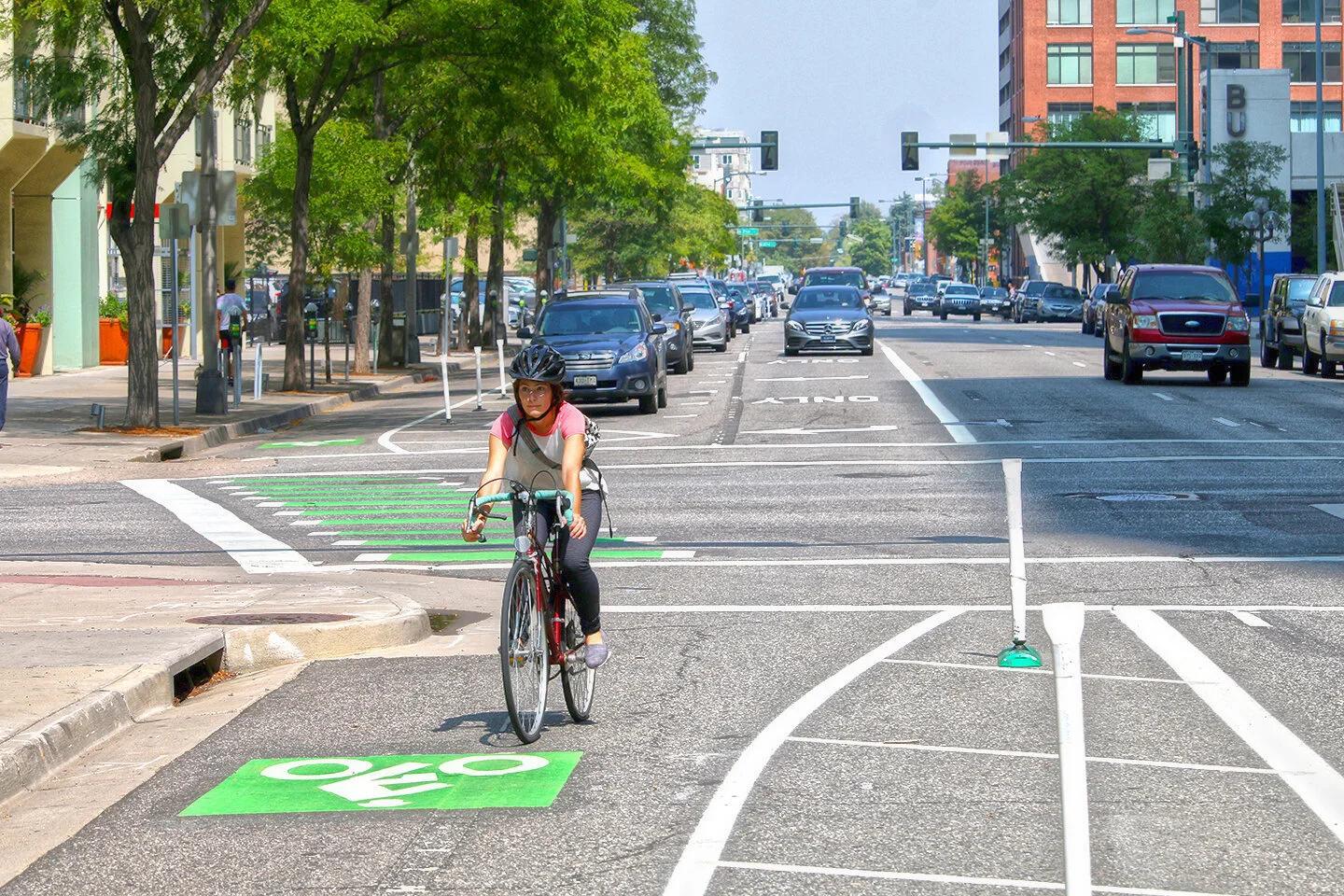
Complete streets protected bike lanes
Circular materials and low-carbon construction
Construction consumes vast energy and materials. Solarpunk principles move cities toward circular economies: designing buildings for disassembly, privileging timber and low-embodied-carbon materials, and integrating local manufacturing and reclaimed components. Adaptive reuse — turning warehouses into housing, parking decks into markets — conserves embodied carbon and keeps cultural continuity.
Community governance and participation
Technical fixes alone won’t create equitable solarpunk cities. Participatory governance — neighborhood energy co-ops, community land trusts, participatory budgeting — ensures that decisions about land, energy, and public space reflect broad stakeholder interests. When residents co-invest in infrastructure, stewardship improves and the social returns compound.
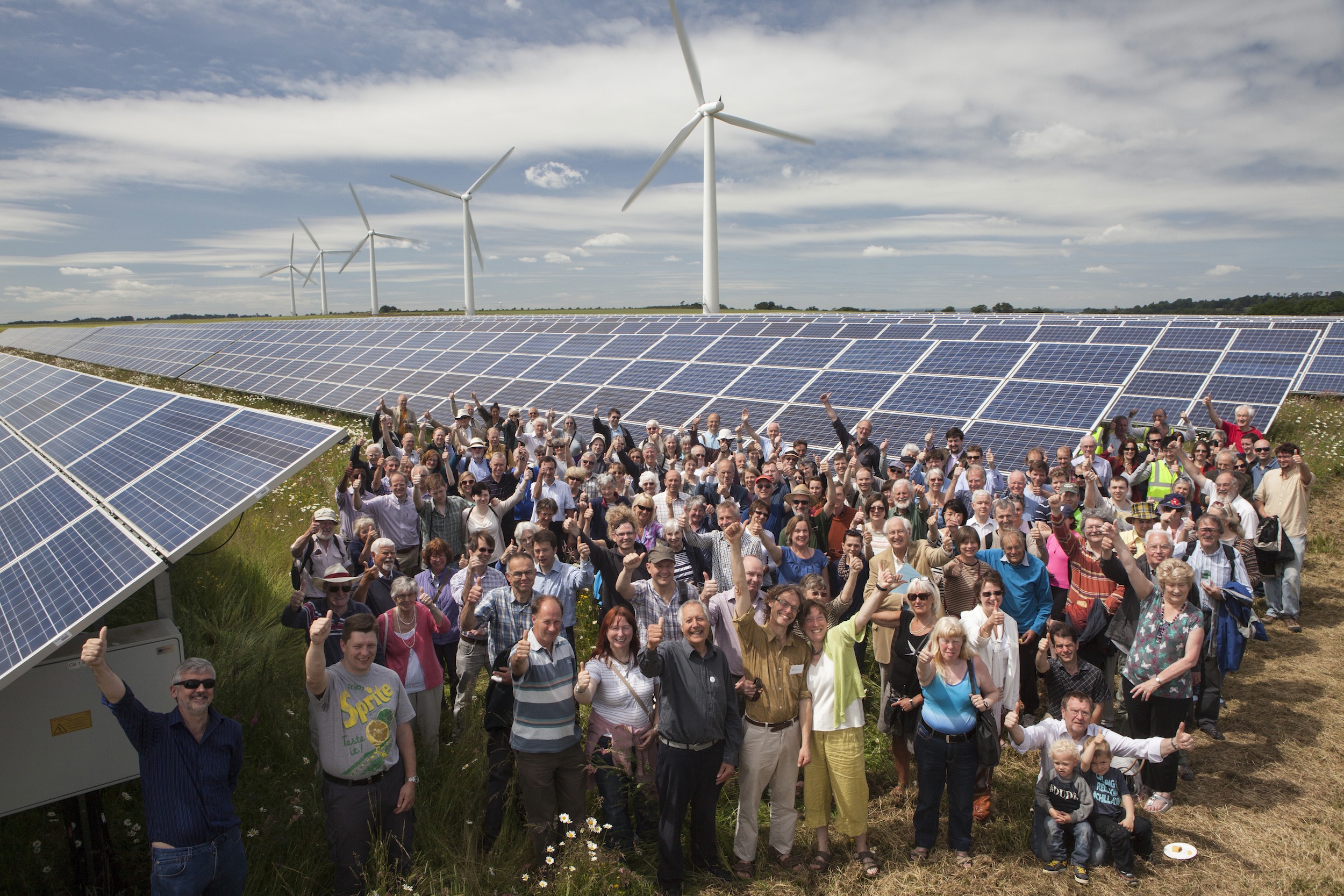
Community energy cooperative meeting
Practical Strategies and Design Tactics
Retrofit-first approach
Most cities are built; new construction alone cannot meet climate goals. A solarpunk strategy emphasizes retrofitting existing buildings with insulation, efficient glazing, and solar canopies. Lightweight exterior insulation systems, window films, and heat-recovery ventilation can deliver deep energy reductions at lower cost than demolition and rebuild.
Neighborhood-scale microgrids
Microgrids can be deployed at block or neighborhood scale, paired with community-owned storage. Design choices favor modular systems that scale incrementally: start with critical facilities, then extend to schools, markets, and multi-family buildings. Microgrids can also provide resilience services — powering cooling centers or medical clinics during outages.
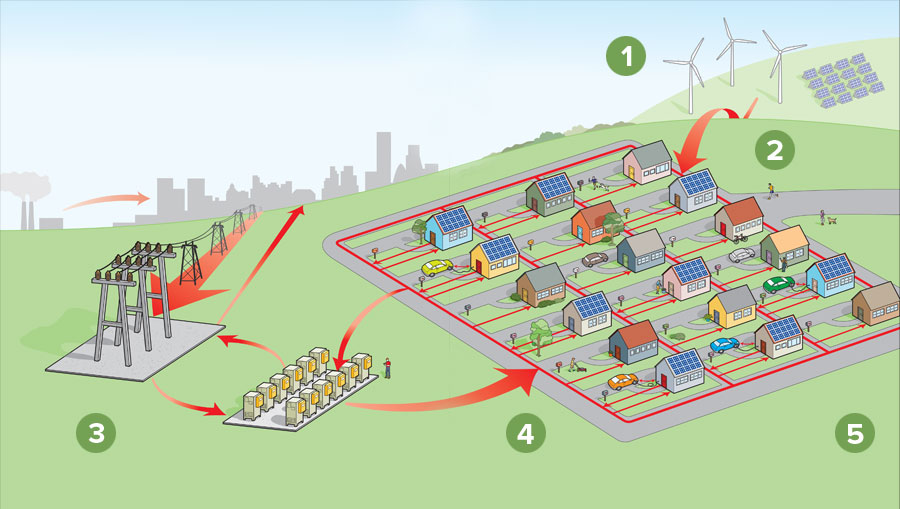
Neighborhood microgrid energy storage
Productive rooftops and vertical agriculture
Rooftops are primary real estate for a solarpunk city: solar panels coexist with rainwater harvesters, beehives, and vegetable plots. Vertical farming integrated into façades or within underused structures supplements local food systems, reduces food miles, and provides year-round harvests when coupled with energy-efficient LED systems and heat recovery.
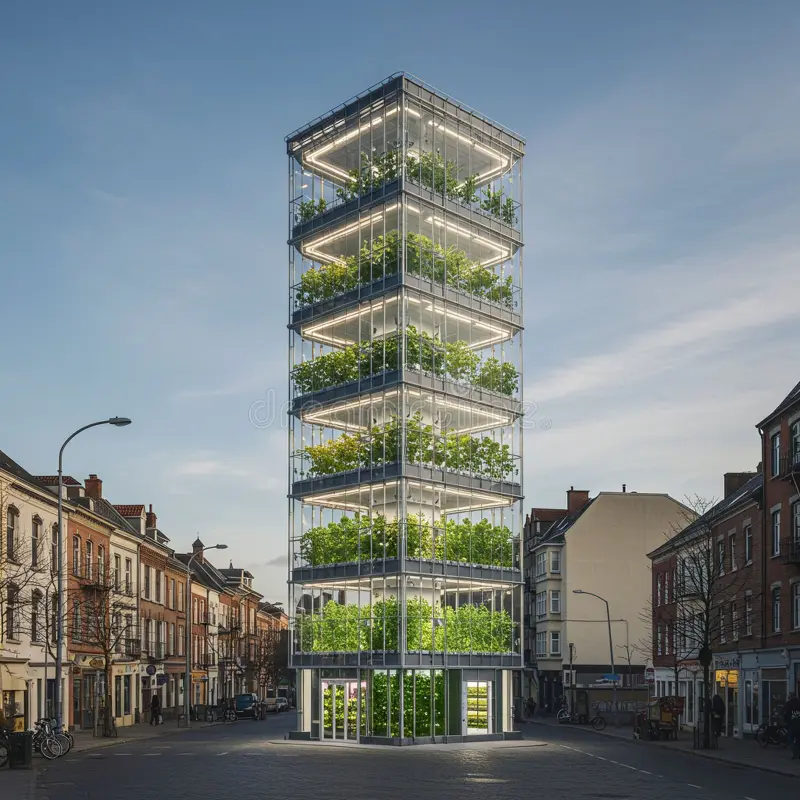
Urban vertical farming buildings
Design that stitches energy, food, water, and social systems together is the hallmark of a truly resilient city.
Water-sensitive urban design
Solarpunk approaches treat water as a resource to be cycled: rainwater capture, graywater reuse, decentralized treatment wetlands, and permeable streets reduce demand on centralized systems and improve resilience during droughts or storm surges. In coastal areas, managed retreat combined with living shorelines can protect biodiversity and urban form.
Public realm as commons
Public space in solarpunk cities is flexible, safe, and verdant. Streets that can shift between transit priority during peak hours and markets or play space during weekends increase social density and local economies. Investing in shade, seating, lighting, and wayfinding makes public space usable for all ages and abilities.
Policy, Finance, and Implementation Pathways
Policy levers that unlock solarpunk outcomes
Municipal zoning and building codes can accelerate the solarpunk transition: allowing solar canopies, reducing parking minimums, enabling accessory dwelling units, and fast-tracking green roof permits. Incentives such as property tax abatements for net-zero retrofits, feed-in tariffs or community compensation for shared solar, and low-interest green loans for small landlords mobilize capital.
Financing models
Moving from pilots to scale requires blended finance: public seed capital, community investment, and private capital aligned by clear performance metrics. Community land trusts and energy co-ops keep value inside neighborhoods. Green bonds and resilience funds can finance large infrastructure while social impact metrics ensure equitable outcomes.
Metrics and monitoring
To ensure solutions deliver, cities must measure energy, carbon, water, and social outcomes. Open dashboards, neighborhood-level energy mapping, and participatory monitoring programs make progress visible and maintain political support. Measurement also enables performance-based contracts for energy service companies and maintenance cooperatives.
Case Sketches: How a Solarpunk Block Might Evolve
Initial conditions
Imagine a mid-century, mixed-use block with a small park, surface parking, a handful of low-rise apartments, a supermarket, and light industrial buildings. The block has aging sidewalks, high heat in summer, and monthly outages during storms.
Phase 1: Quick wins (0–2 years)
Short-term interventions include planting shade trees, converting a lane to a protected bike path, installing community solar on the supermarket roof with shared billing, and launching a stormwater curb garden program. These moves improve comfort, reduce energy bills, and build coalition support.
Phase 2: Medium-term infrastructure (2–6 years)
Deploy a neighborhood microgrid with modular batteries sited in a repurposed depot; retrofit apartment envelopes with exterior insulation and air-sealing; convert surface parking into a rain garden plaza; and establish a community land trust to steward commercial spaces for local businesses.
Phase 3: Long-term transformation (6+ years)
Scale vertical farming adjacent to the market, district heat recovery from light industrial processes, and flexible streets that host markets and transit priority. Governance formalizes through a neighborhood energy co-op and participatory budgeting for further upgrades.
Comparisons and Trade-offs
- Resilience through decentralized systems.
- Lower emissions via local renewables and retrofits.
- Social returns from shared ownership and public space.
- Upfront cost can be high without targeted finance.
- Regulatory barriers such as restrictive codes and utility rules.
- Maintenance needs — green infrastructure requires ongoing care.
A simple metrics table
| Metric | Conventional block | Solarpunk block (target) |
|---|---|---|
| Operational emissions | High | Net-zero |
| Stormwater run-off | High | Reduced by 70%+ |
| Local food production | Minimal | Significant (seasonal + controlled environment) |
| Energy resilience | Dependent on grid | Local microgrid with islanding |
Implementation Challenges and How to Address Them
Technical complexity and workforce
Solarpunk projects combine building retrofit, electrical engineering, landscape architecture, and community organizing. Cities need workforce development programs to train technicians for solar installation, green roof maintenance, water system management, and modular construction methods. Partnerships with community colleges and apprenticeship programs can create local jobs while supplying essential capacity.
Equity and displacement risks
Well-intentioned upgrades can increase property values and push out long-term residents. Anti-displacement strategies — community land trusts, inclusionary zoning, tenant protections, and local hiring requirements — should be baked into project financing and governance from the outset.
Regulatory friction
Utility regulations, building codes, and parking mandates can block solarpunk interventions. Municipalities need to wield zoning and permitting as proactive tools: reduce parking requirements, allow mixed uses, permit solar canopies and microgrid interconnection, and create time-limited pilot authorizations to experiment without long approval cycles.
Design Criteria Checklist
Below is a concise checklist municipal teams can use when evaluating a solarpunk intervention.
- Energy: Is there distributed renewable generation and storage strategy?
- Water: Does the project reduce potable water demand and manage stormwater on-site?
- Materials: Are low-embodied-carbon or reclaimed materials specified?
- Mobility: Does it shift trips to transit, walking, or cycling?
- Equity: Are benefits accessible to low-income and renter populations?
- Governance: Is there a clear stewardship model and community participation plan?
Conclusion
Solarpunk is not a single recipe but a design framework that insists technology and ecology must be woven together to create livable, low-carbon cities. Its power lies in pragmatism: retrofit first, prioritize shared ownership, and treat green infrastructure as core civic infrastructure. The transition will be political as much as technical; success depends on policies that enable experimentation, finance that protects and includes vulnerable residents, and a craftsman-like attention to how systems fit together on a block-by-block basis.
- Solarpunk combines distributed renewable energy, green infrastructure, and participatory governance to build resilient, low-carbon cities.
- Retrofitting existing buildings, neighborhood microgrids, and productive rooftops offer high-impact, near-term wins.
- Policy reform and blended finance are necessary to scale projects while protecting communities from displacement.
Illustrative block strategies, permaculture-inspired street design, and community energy cooperatives are actionable starting points for municipal and neighborhood leaders.