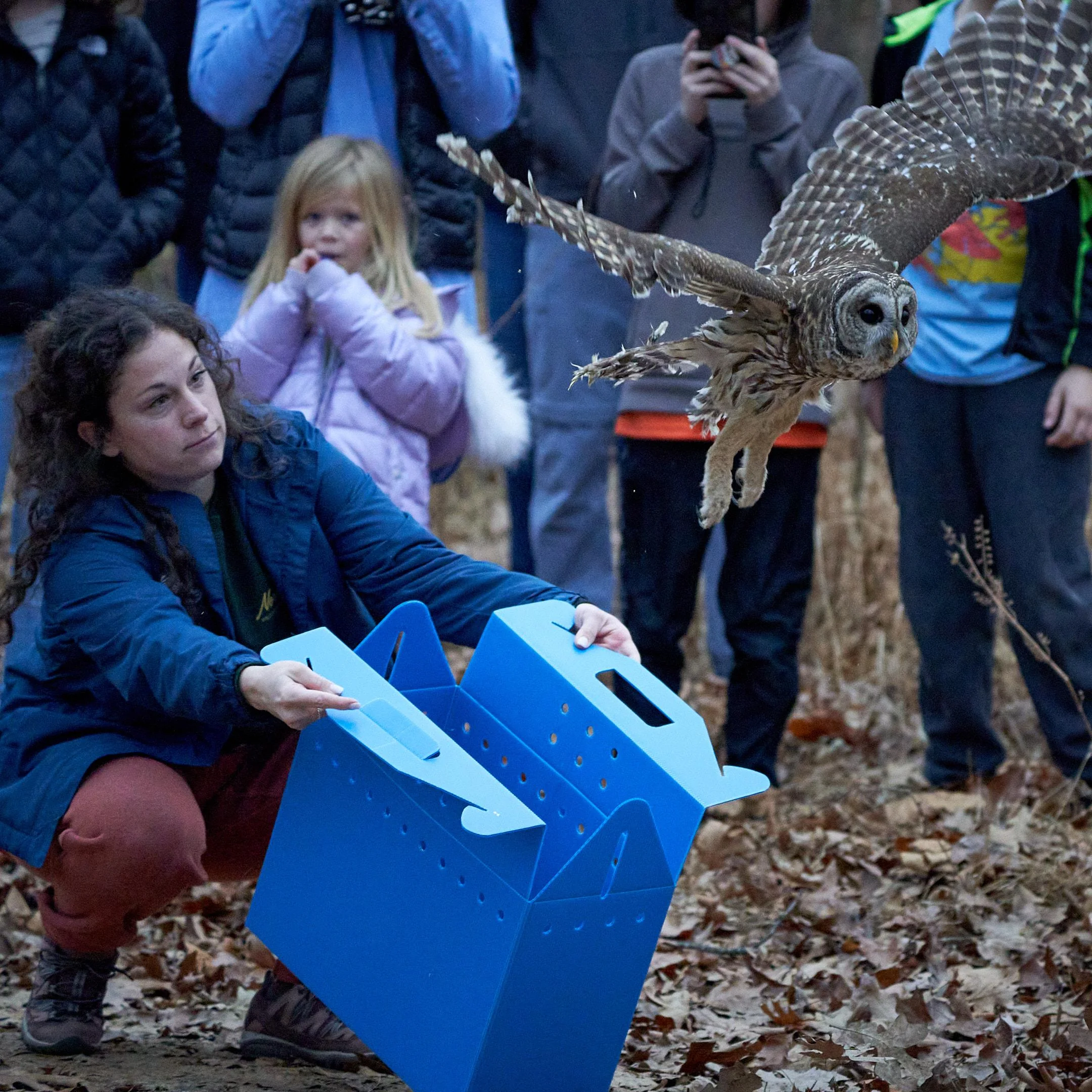
Sofia the Rehabilitated Owl: Rescue, Rehab, Recovery
The first time the rehab team laid eyes on Sofia she was a bundle of feathers and fright, small and fragile against the rough gravel of a country shoulder. Her right wing drooped; her breath came fast and shallow. She blinked at the faces around her with enormous, dark eyes that seemed to ask a single, urgent question: what next? What followed for Sofia was not a single act of kindness but a sequence of skilled, tender interventions — medical, behavioral, and ethical — that transformed a stranded, injured raptor into a bird that would not only fly again but come to trust humans enough to allow gentle contact. This is her story: about the science of rehabilitation, the human patience behind it, and the difficult choices rehabilitators must make when wild animals cross the line between recovery and life in human care.
roadside owl collision rescue
The Rescue
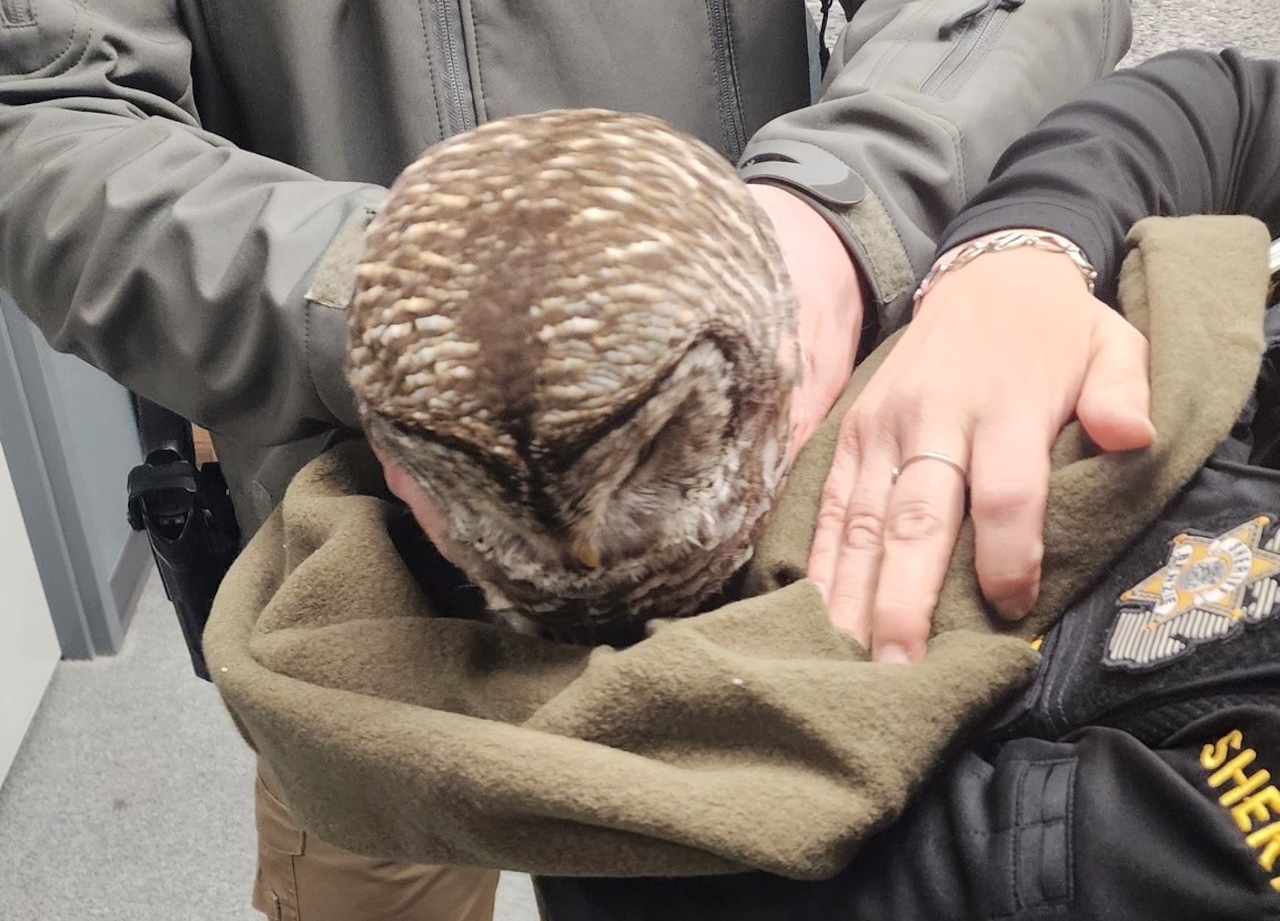
One late autumn evening, a motorist noticed a small owl at the roadside. The bird was disoriented after colliding with a vehicle, a common hazard for nocturnal raptors hunting along road corridors. The caller moved the owl into a cardboard carrier and drove to the nearest wildlife rehabilitation center. That initial act — the decision to act rather than pass by — set everything that followed into motion.
injured barn owl rescue
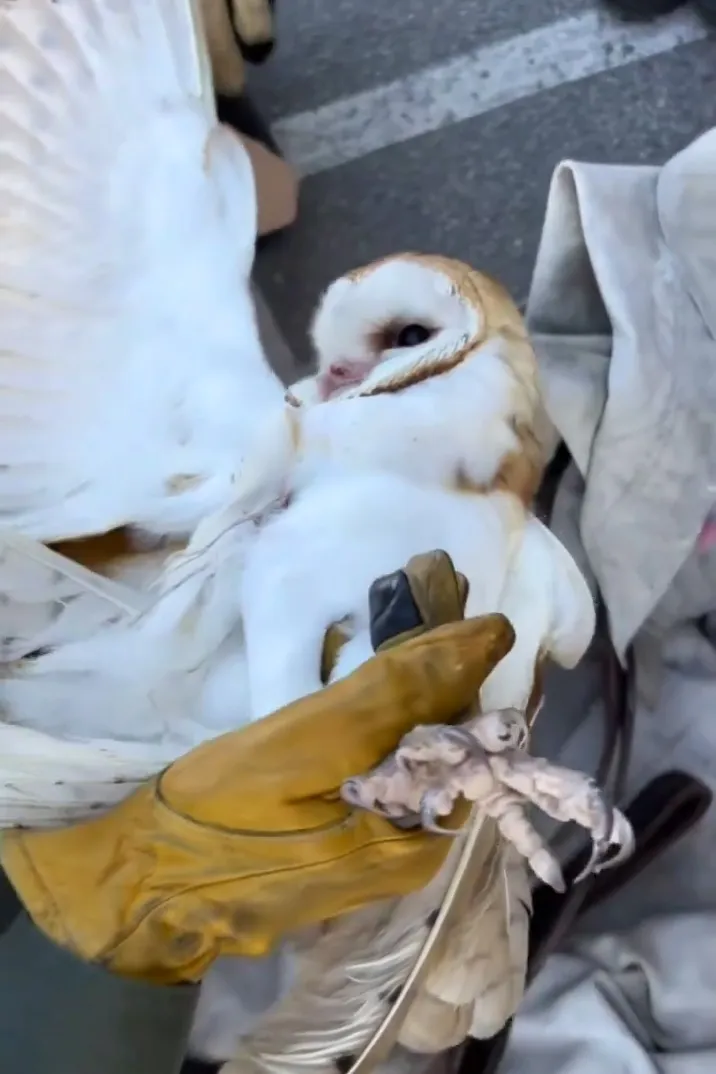
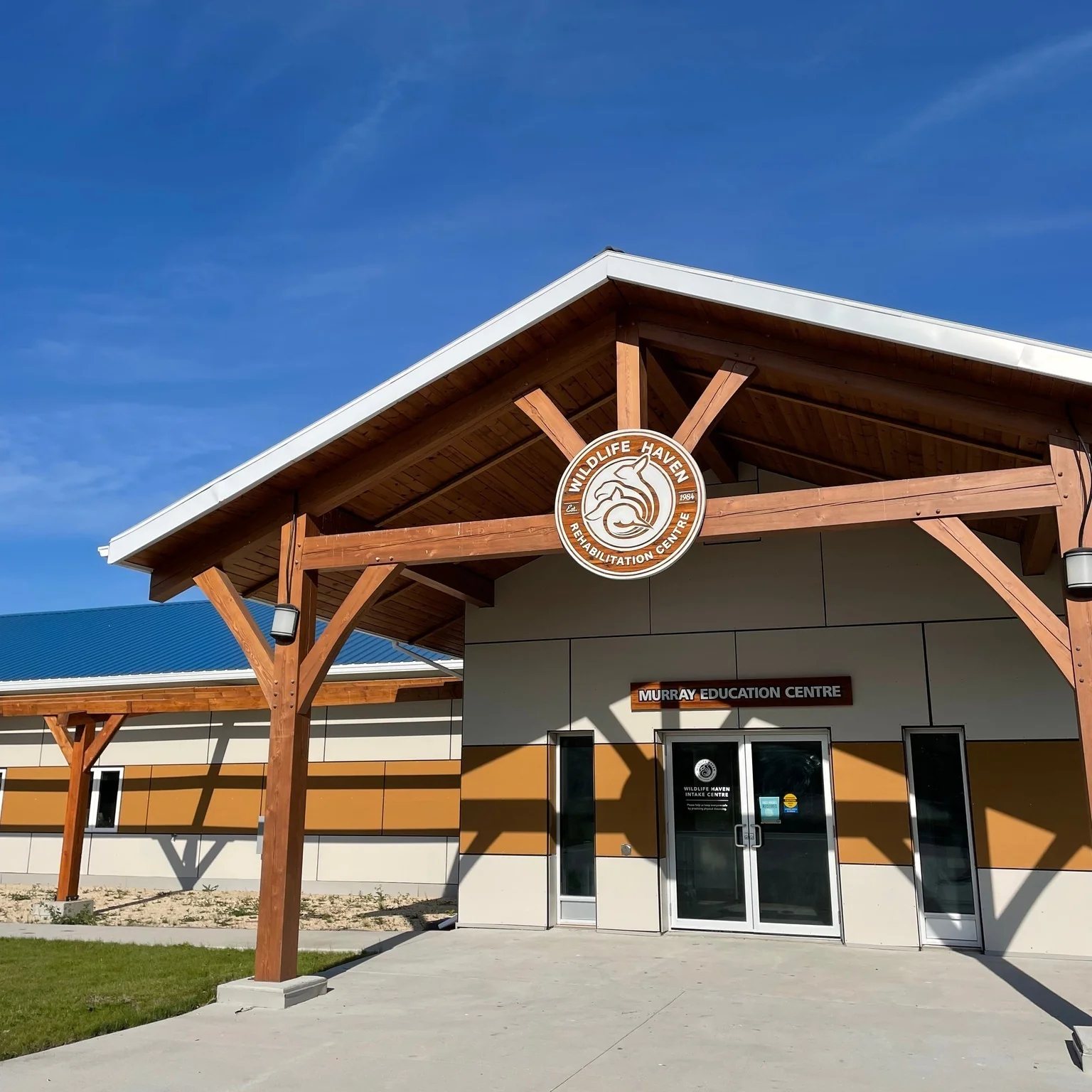
First responders at the center performed a gentle, hands-on intake. They checked for fractures, bleeding, and shock, and warmed Sofia slowly to prevent rewarming shock, a potentially lethal condition when cold animals are warmed too quickly. The team used basic triage principles: stabilize, assess, then plan. For many wild patients, that sequence determines whether a life continues.
wildlife rehabilitation center intake
Diagnosis and Early Treatment
At intake, radiographs revealed a nondisplaced fracture near Sofia’s right wing joint and a mild concussion. She also had a thin body condition; small raptors often arrive with depleted energy reserves because flight injuries prevent them from hunting. Veterinarians started pain management, gave fluids, and administered a short course of antibiotics to prevent secondary infections.
Treatment in wildlife medicine is a balancing act: provide enough intervention to allow healing while minimizing stress. For Sofia that meant a soft splint to immobilize the wing for several weeks, regular monitoring to ensure circulation and feather growth, and hands-off observation periods to let natural behaviors re-emerge. Rehabilitation teams prefer to limit direct handling, particularly with species that must retain wild instincts, but some handling is unavoidable for medical care.
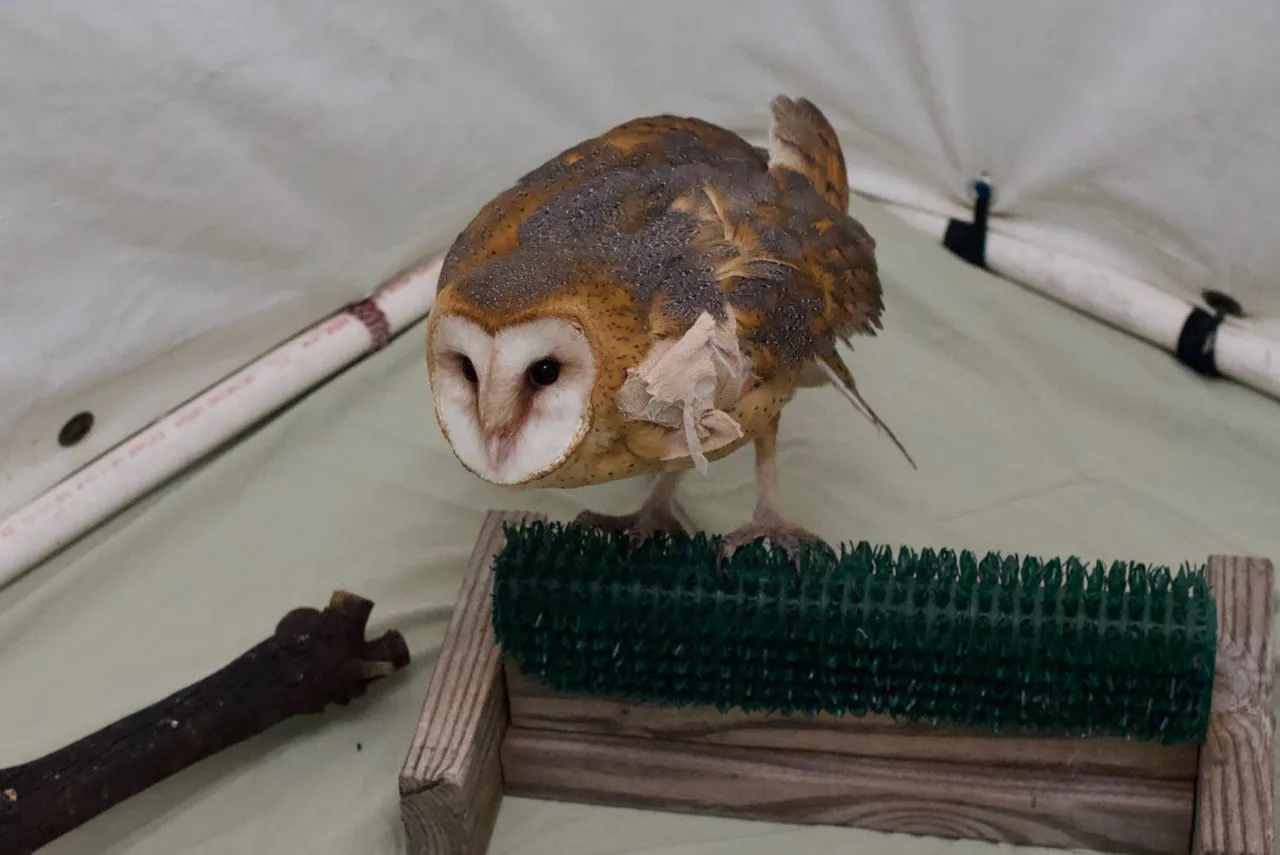
owl wing fracture splint
“Rehabilitation is medical care married to behavioral science; you treat the wing but you also rebuild the bird’s confidence to be wild.”
The Long Road to Flight
Healing a broken wing is a chapter, not a conclusion. Once Sofia’s fracture began knitting, the center shifted to physical therapy and conditioning. Muscles atrophy quickly when birds can't fly; without deliberate rehabilitation a healed bone can still yield a flightless bird. Staff created controlled exercise regimes to rebuild wing strength — short, safe flights in a large flight room, graduated increases in perches, and prey-capture simulations to hone talon coordination.
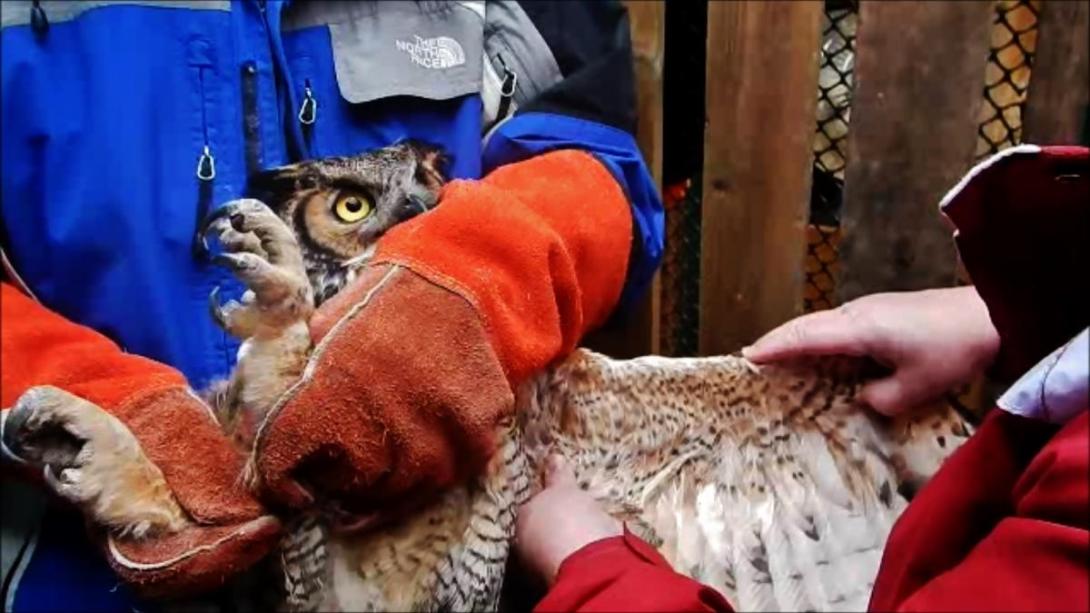
raptor physical therapy flight
Food played two roles: medical nourishment and motivation. Live prey or lures encourage natural hunting responses. Sofia’s caretakers used tethered mice and timed releases so she could regain the neuromuscular timing essential for hunting. Importantly, trainers monitored stress signals — excessive panting, refusal to eat, or repeated attempts to hide — and adjusted the pace accordingly.
From Fear to Trust: Building a Bond
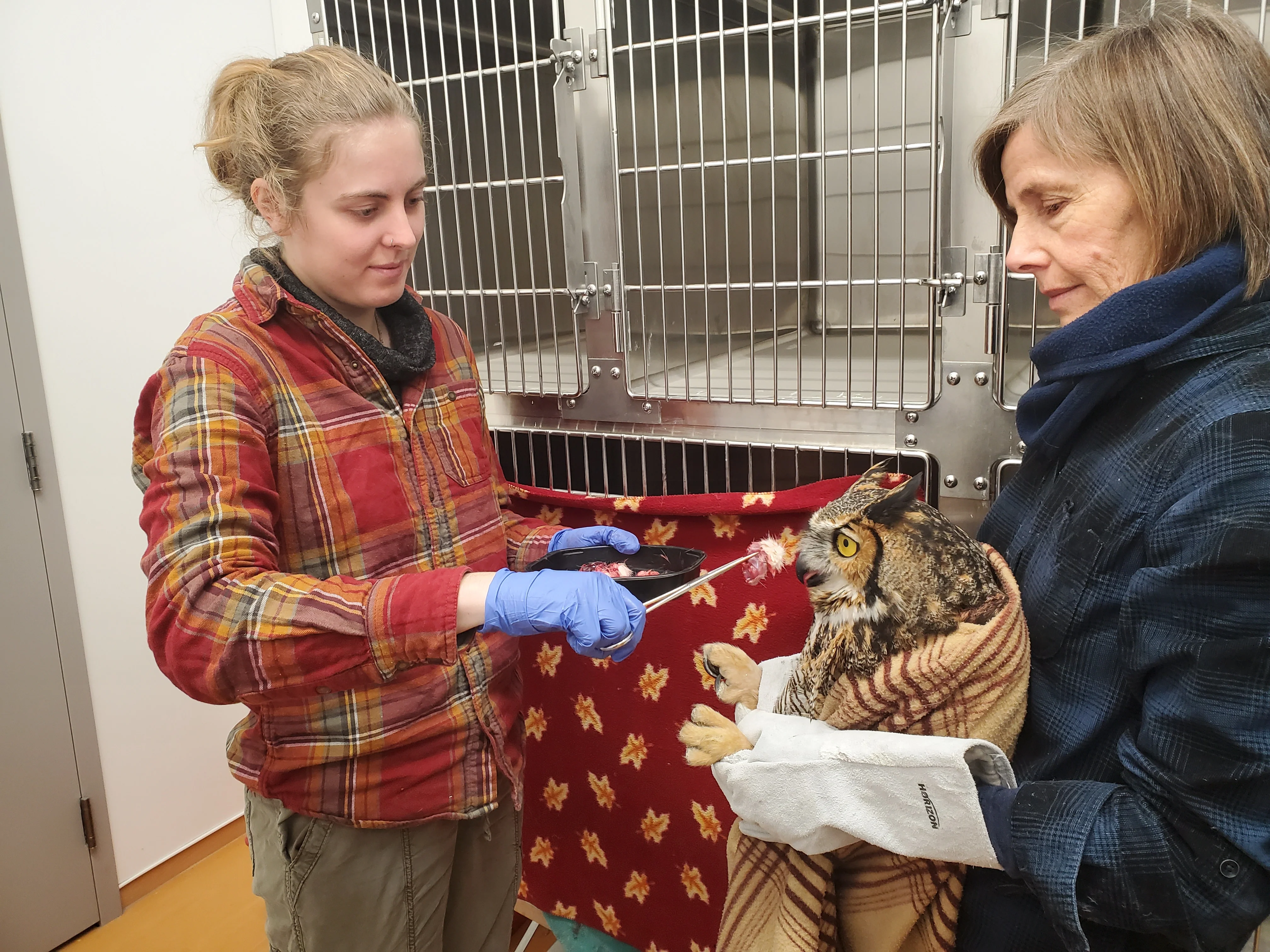
Owls are wild creatures with strong instincts to avoid humans. What made Sofia’s story unusual was not that she tolerated rehabilitation contact, but the degree to which trust grew. Over weeks, Sofia shifted from defensive hunkers to curious perching near caregivers during feeding. She began to allow a gloved hand to offer food and, eventually, to hop onto a trainer’s sleeve to move between perches during therapy sessions.
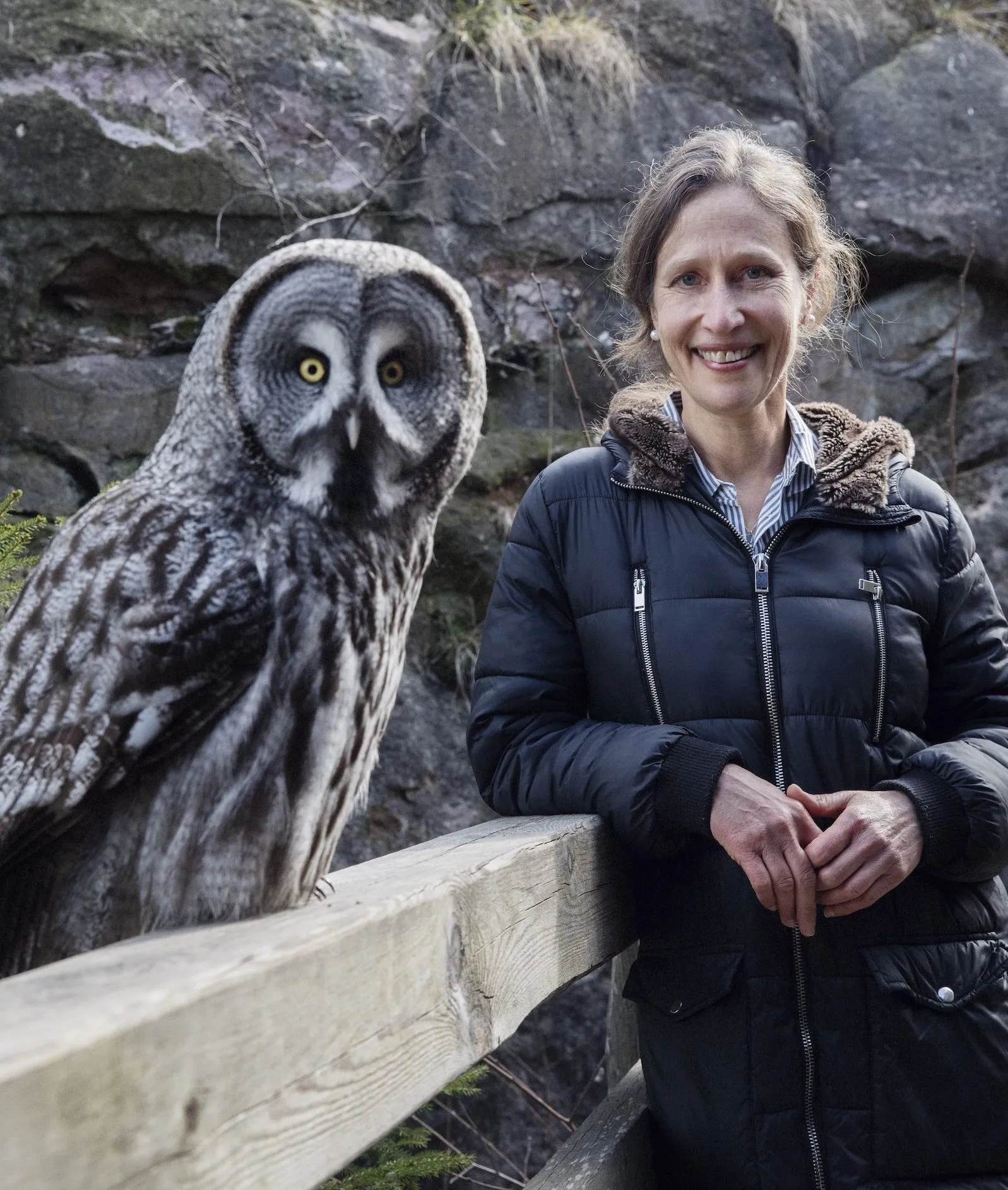
Sofia owl trust human contact
It’s important to clarify what 'cuddle' means in this context. Sofia never became a lap pet in the domestic sense. Instead, through calm, consistent handling by experienced keepers, she allowed close contact — leaning into a gloved forearm, accepting gentle chest rubs through the glove, and showing signs of relaxation such as preening and soft blinking. Those moments are profound to those who witness them but also fraught with responsibility: when a wild bird seeks comfort from humans, caregivers must evaluate whether continued contact will harm the bird’s chance of returning to the wild.
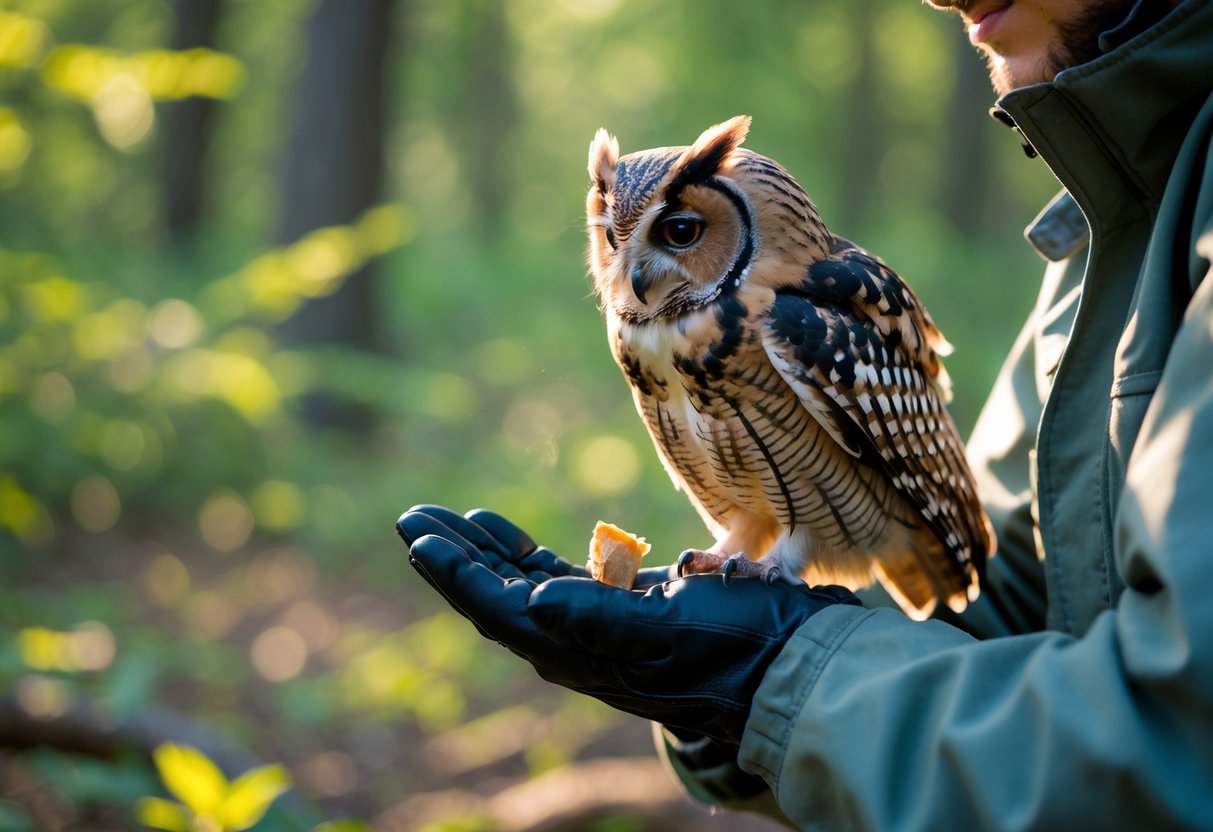
owl with gloved hand feeding
Ethical Decisions: Release or Life in Care?
Every rehabilitation brings an ethical fork in the road: can this animal be returned to the wild in a condition that gives it a reasonable chance at survival, or would release condemn it to a slow death? For Sofia, the medical prognosis for flight was positive. But she also formed a strong affiliation with human caretakers, which raised questions about imprinting and long-term survival skills.
wildlife rehab ethical release decision
Wildlife rehabilitators and veterinarians approach such decisions by weighing objective measures: flight endurance tests, successful live-prey captures, predator avoidance behaviors, and stress responses in semi-natural enclosures. Where birds pass those tests, a soft release is often preferred. Soft release means the bird is given a graduated freedom with ongoing support — supplemental feeding stations nearby and post-release monitoring when feasible. These measures help transition recovered animals back into self-sufficient life.
When release is not in the animal's best interests, humane permanent placement is the alternative. This may mean a licensed educational facility, an accredited sanctuary, or specialized long-term care. Any permanent care placement aims to preserve as much of the animal’s natural behaviors as possible while providing a high welfare standard.
The Moment of Release
The day Sofia first cleared a sustained, test-standard flight, the center organized a soft release. In the pre-dawn chill she was moved to an outdoor aviary adjacent to a patch of mixed grassland where small mammals were abundant. Caregivers observed from concealment as she launched, circled once, and landed on a low fence. Over the next week she practiced hunting in earnest and, crucially, began to use cover and call patterns consistent with wild owls. When a post-release check showed she was making kills and keeping distance from humans, the team considered the mission accomplished.
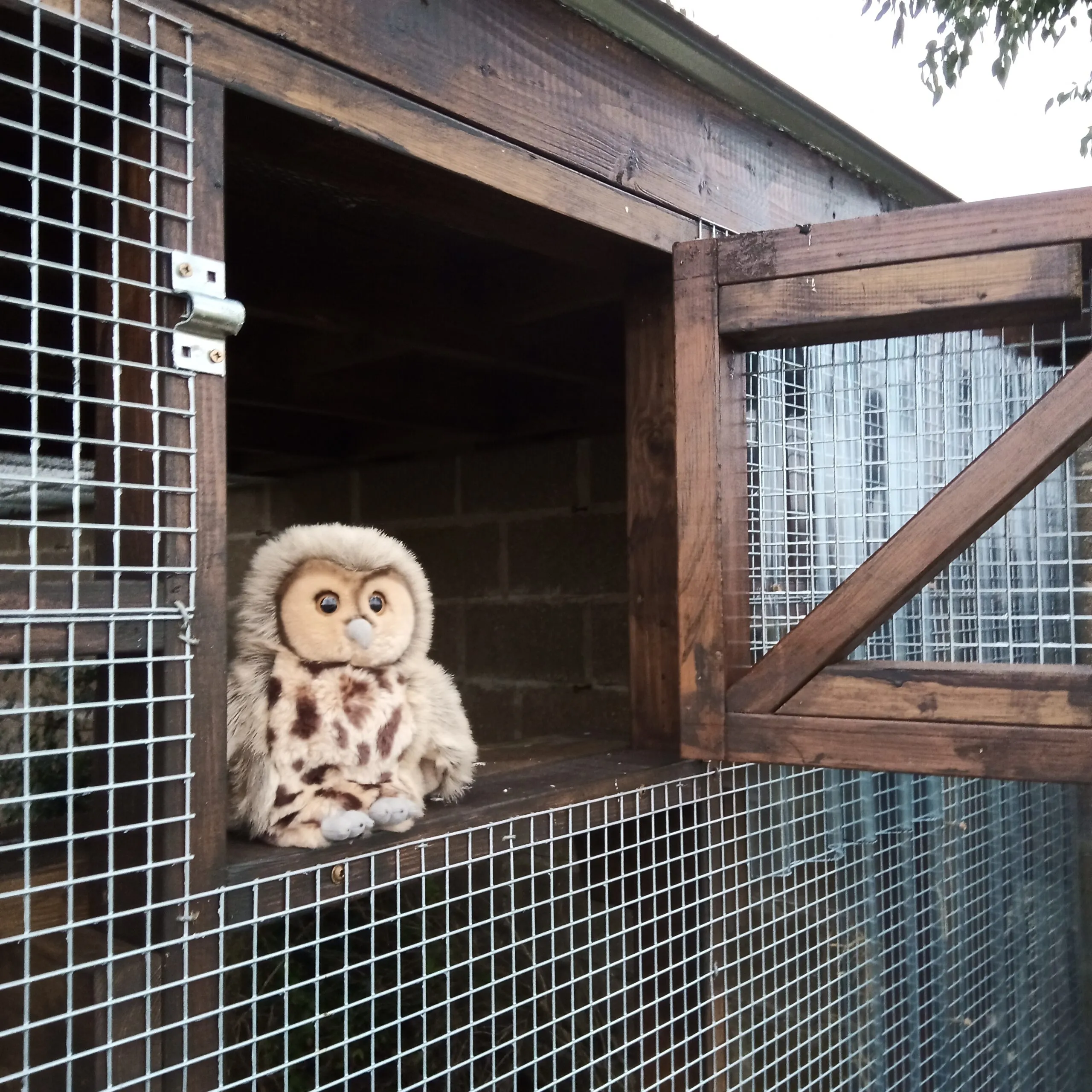
soft release aviary owl
Public Response and Community Support
Sofia’s story resonated locally. Neighbors who had once feared owls now dropped off donations of towels and mealworms, and volunteers signed up for shifts to maintain aviaries. Public interest drives support for small rehab centers more than any grant can, but it also brings a responsibility: storytellers must balance heartening narratives with education about respecting wildness. The center used Sofia’s recovery as a teaching moment — explaining why traffic mitigation measures, habitat protection, and responsible pet practices reduce raptor injuries.
wildlife rehab volunteer support
What Sofia Teaches Us About Human-Animal Connection
Sofia’s arc — from roadside survivor to a bird that allowed a gentle touch — is not only a medical success story. It is a lesson in patience, humility, and the layered responsibilities humans carry when intervening in wildlife lives. The trust Sofia showed was a gift and a call to action: to protect the habitats and safe corridors that let such encounters be rare rather than necessary.
Her story also forces reflection on how we narrate rehabilitation. The word 'cuddle' is emotionally powerful and helps readers connect, but it risks trivializing the complex welfare calculus behind each touch. Skilled caregivers build trust only to limit it when necessary, always with the animal’s ultimate autonomy in mind.
“Saving a life doesn’t mean keeping it comfortable forever; often the kindest outcome is to set it free.”
How Wildlife Rehabilitation Works — A Brief Primer
For readers unfamiliar with rehab operations, here is a concise overview of common stages: intake and triage; diagnostics and treatment; convalescence and physical therapy; behavioral conditioning and hunting rehabilitation; soft release planning; and post-release monitoring. Each step requires trained staff, facility resources, and appropriate permits. Rehabilitation aims to restore species-typical behaviors so released animals can survive and reproduce.
How You Can Help
There are practical, legal ways to support birds like Sofia: volunteer at licensed centers, donate funds or supplies, participate in road-safety and habitat-protection advocacy, and learn how to avoid harming wildlife with pesticides, free-roaming pets, or habitat destruction. Education prevents the injuries that send animals to rehab in the first place.
- Rescue increases individual survival chances.
- Rehab centers educate the public about conservation.
- Soft releases can bolster local populations.
- High resource needs and limited capacity.
- Stress and imprinting risks for wild animals.
- Not all injuries are survivable or releasable.
Conclusion: Beyond a Single Story
Sofia’s tale is emblematic of the thousands of interactions between humans and wildlife that unfold quietly at local rehab centers. It reminds us that rescue is never only about the animal in our hands; it is about the larger ecological context and the social choices that determine whether collisions, poisoning, and habitat loss continue to threaten vulnerable species.
For Sofia, the arc ended — in the best-case sense — with her return to the wild and the knowledge that a group of people had rallied to give her that chance. For us, her story offers a blueprint: act compassionately when you can, support the organizations that do this work, and push for policies that reduce the need for rescue in the first place.
- Wildlife rehabilitation combines medical care with behavioral conditioning to prepare animals for release.
- Trust between a wild bird and humans is possible, but caretakers must always prioritize the animal’s ability to survive independently.
- Support licensed rehab centers through volunteerism, donations, and advocacy to reduce wildlife injuries.
Sofia at release: a quiet test of wings, the culmination of many small acts of care.