How to Recognize Behaviors Often Linked to Very Low Cognitive Ability — Without Jumping to Labels
When someone asks "What is a sign of very low intelligence?" they are often looking for a quick, observable shortcut — a behavior or habit that reliably signals limited mental ability. The idea is appealing: if there were simple, unmistakable signs, navigating relationships, hiring, or teaching would feel easier. In reality, intelligence is complex, culturally influenced, and multifaceted. Still, there are recurring patterns of behavior and thinking that, taken together and carefully contextualized, can indicate substantially reduced cognitive functioning. This article lays out those patterns, explains why single behaviors are rarely definitive, and offers practical guidance for responding humanely and effectively.
Recognizing patterns of behavior requires careful observation over time
UNDERSTANDING INTELLIGENCE: A Nuanced Foundation
What we mean by "intelligence"
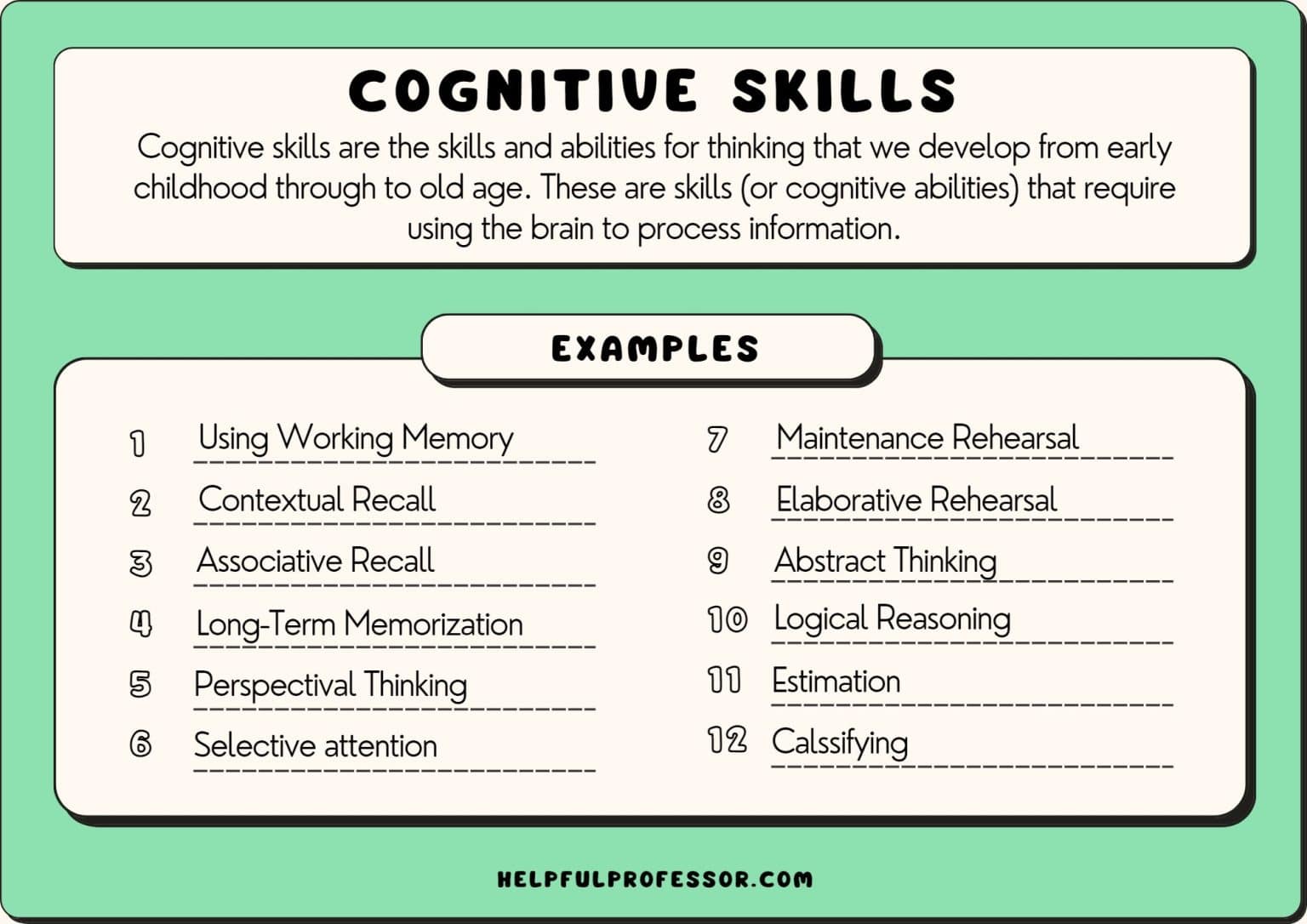
Intelligence is not one simple trait. Psychologists distinguish fluid reasoning (problem solving in novel situations), crystallized knowledge (accumulated facts and vocabulary), working memory, processing speed, and executive functions such as planning and impulse control. Social and emotional intelligence — the ability to read cues, regulate emotion, and adapt in social settings — are separate but often intertwined with cognitive measures. Any attempt to identify "signs" must begin with that complexity.
Why one sign is never enough
Single behaviors — such as making a factual error or using bad grammar — are poor predictors. Contexts like stress, sleep deprivation, education, language barriers, cultural differences, trauma, and temporary illness all shape performance. Reliable indications of very low cognitive ability come from persistent, cross-situation patterns rather than one-off mistakes.
COMMON BEHAVIORAL PATTERNS TO WATCH
1. Persistent inability to learn from feedback
One of the clearest practical signals is when a person repeatedly makes the same basic errors despite clear, simple feedback and opportunity to correct them. This isn't about momentary stubbornness; it's a pattern across time and contexts. Examples include failing to follow straightforward safety instructions, repeatedly mismanaging basic tasks at work after training, or not adapting behavior after social correction.
Consistent poor decision-making despite feedback is a significant pattern
2. Severe difficulties with everyday problem solving
Very low cognitive ability often shows up as trouble with routine planning and sequencing: managing money at a basic level, following multi-step directions, or organizing simple tasks. If someone cannot complete common daily activities even with support, that may reflect diminished executive function or adaptive skills.
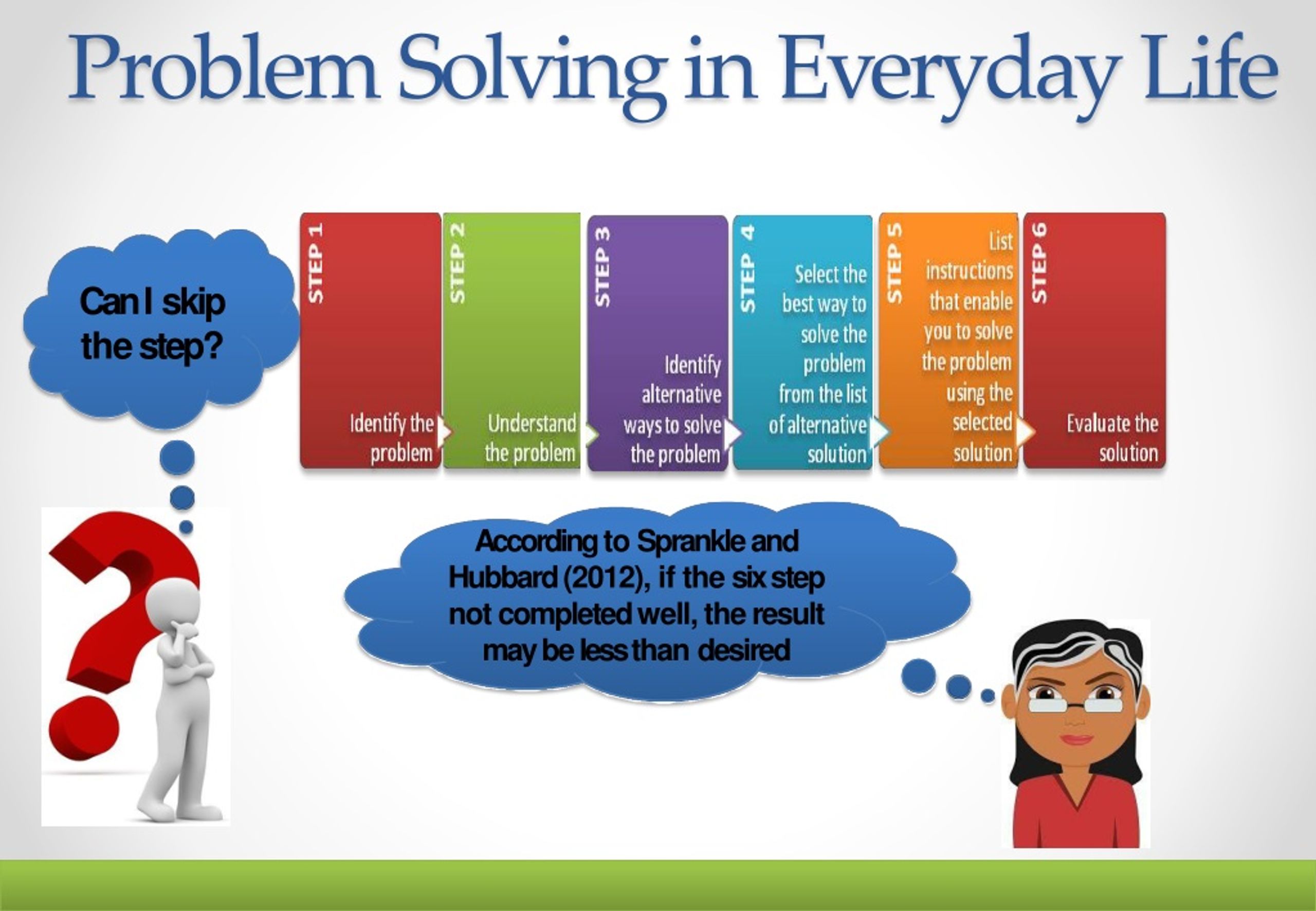
Everyday problem-solving requires multiple cognitive skills working together
3. Extremely literal thinking and lack of abstract reasoning
Difficulty understanding metaphors, hypotheticals, or abstract concepts can indicate limited abstract reasoning. While literalness is common in neurodivergent profiles like autism and is not equivalent to low intelligence, when it co-occurs with problems in other cognitive domains it can be a meaningful sign.
4. Marked deficits in working memory and attention
Working memory holds pieces of information briefly to manipulate them. Severe, persistent lapses — being unable to follow short conversations, forgetting immediate instructions, or losing track of steps mid-task — are practical red flags. But attention problems also result from ADHD, anxiety, or sleep problems, so context matters.
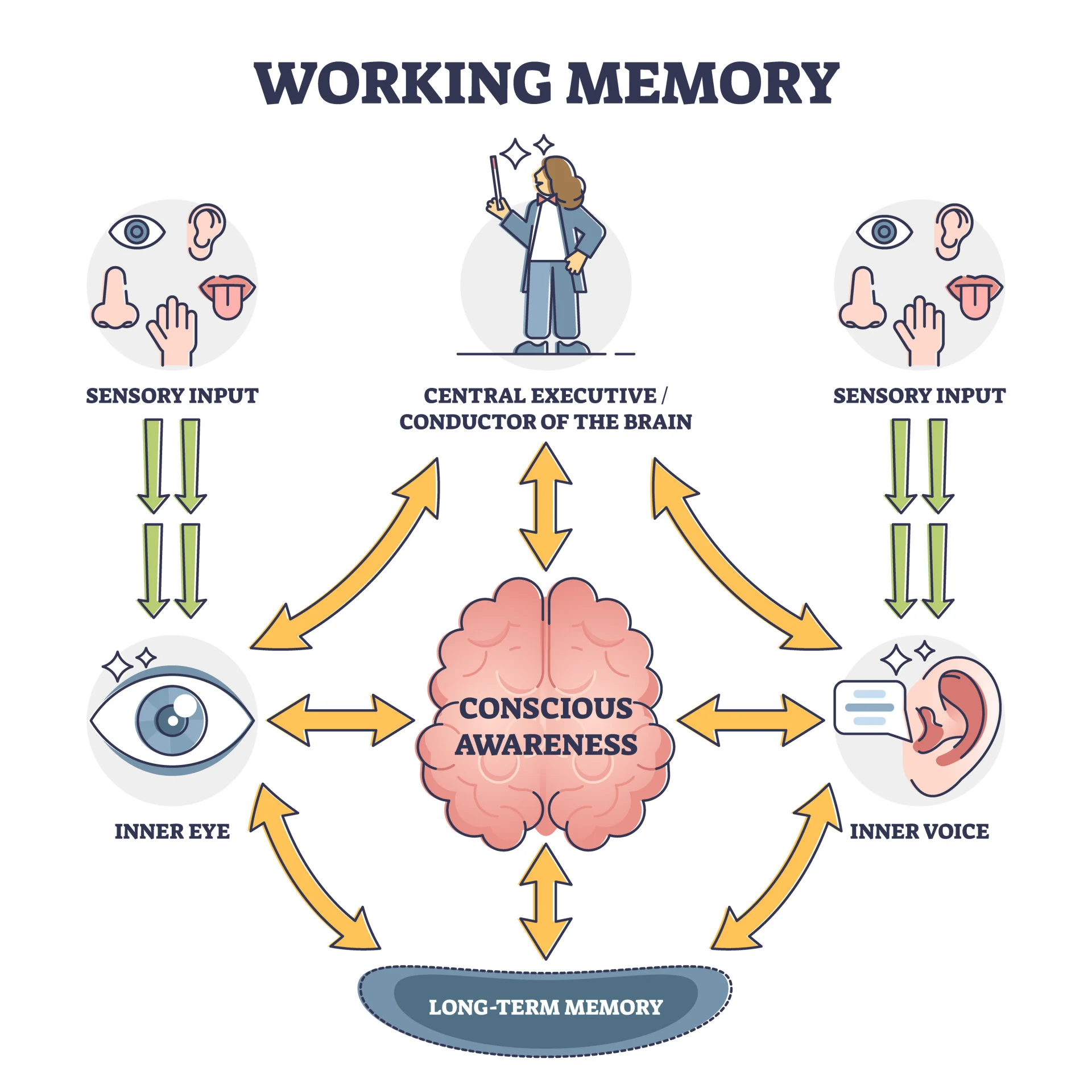
Working memory limitations can manifest in daily conversation and task completion
5. Poor language and communication skills beyond expected norms
Language difficulties are a common indicator of lower cognitive functioning, particularly when they go beyond second-language effects or educational gaps. This includes extremely limited vocabulary for age, inability to form coherent sentences, or consistent trouble extracting meaning from simple texts.
6. Extreme susceptibility to misinformation and conspiratorial thinking
Everyone can fall for false information, but persistent, unshakeable belief in demonstrably false claims — especially after careful correction — can be a sign of poor reasoning skills or deficits in critical thinking and source evaluation. That said, social identity and trust networks also play large roles.
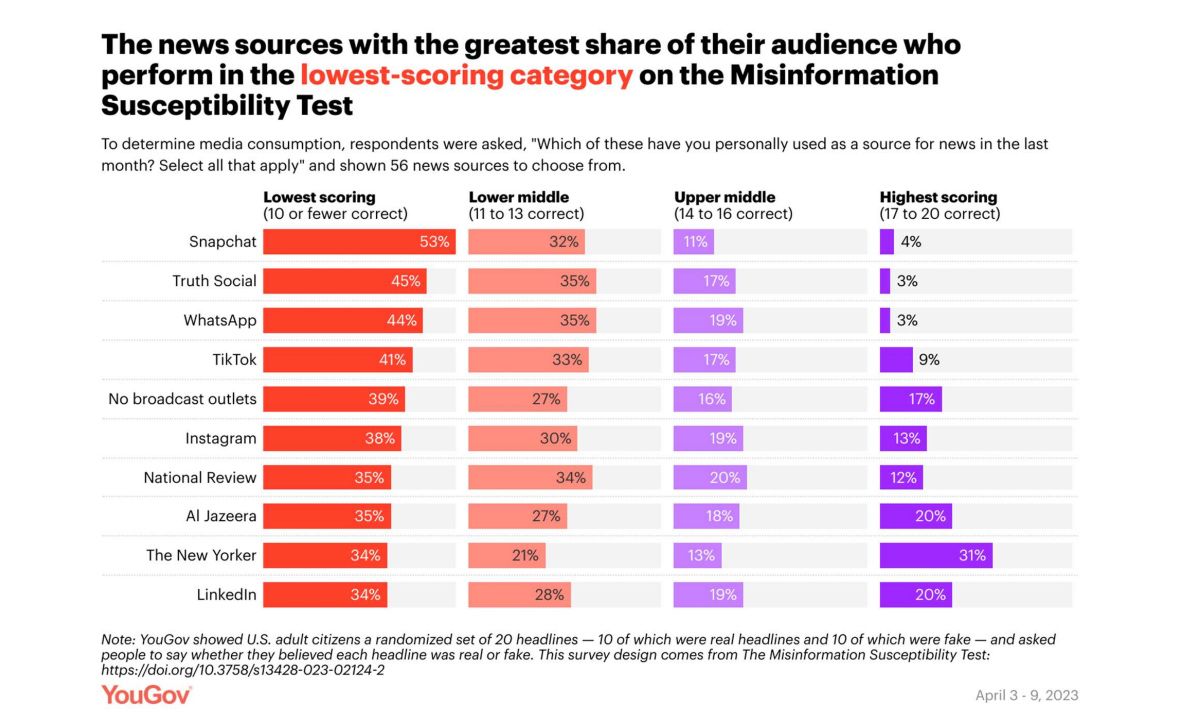
Critical thinking deficits can make individuals more vulnerable to misinformation
7. Impulsivity with poor risk assessment
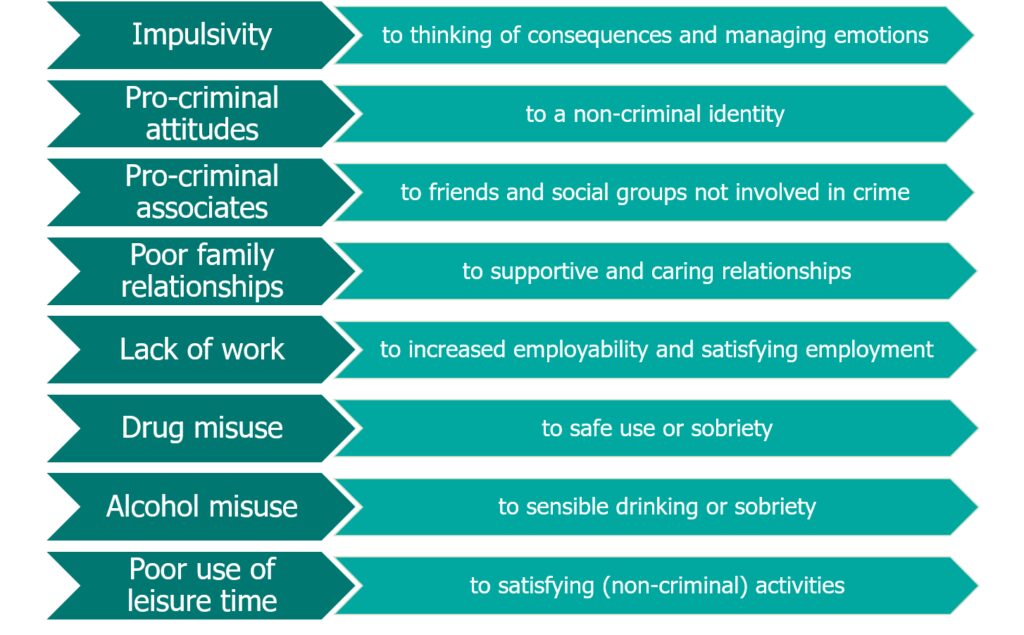
Making frequent, high-risk decisions without apparent understanding of consequences — repeatedly jeopardizing employment, finances, or personal safety — suggests impairments in judgment and executive control. This pattern may emerge in substance use disorders or untreated mental health conditions as well.
WHAT THESE SIGNS DO NOT MEAN
Avoiding mislabeling: culture, education, and disability
Low performance on a task is not synonymous with low intelligence. Educational opportunities, language background, poverty, systemic discrimination, and cultural differences profoundly affect what looks like cognitive ability. Intellectual disability is a clinical diagnosis requiring standardized testing and evidence of reduced adaptive functioning across settings; casual observations cannot substitute for assessment.
Neurodiversity matters
Autistic people, those with learning disabilities, or individuals with brain injuries may display some behaviors listed above while having strengths in other cognitive domains. Framing those behaviors as 'low intelligence' erases nuance and can cause harm.
THE SCIENCE: WHAT RESEARCH SAYS
Correlations and limits
Research links certain cognitive measures with real-world outcomes like job performance or health literacy. At the same time, predictive power is limited: environment and motivation explain a lot. Cognitive decline in aging and conditions like dementia shows clear patterns — memory loss, disorientation, and declining daily functioning — but that is distinct from lifelong low intelligence.
The Dunning–Kruger nuance
Interestingly, some people with lower competence overestimate their abilities (the Dunning–Kruger effect), while some highly competent people underestimate themselves. Overconfidence alone isn't proof of low intelligence; it interacts with metacognition — the ability to assess one's own thinking.
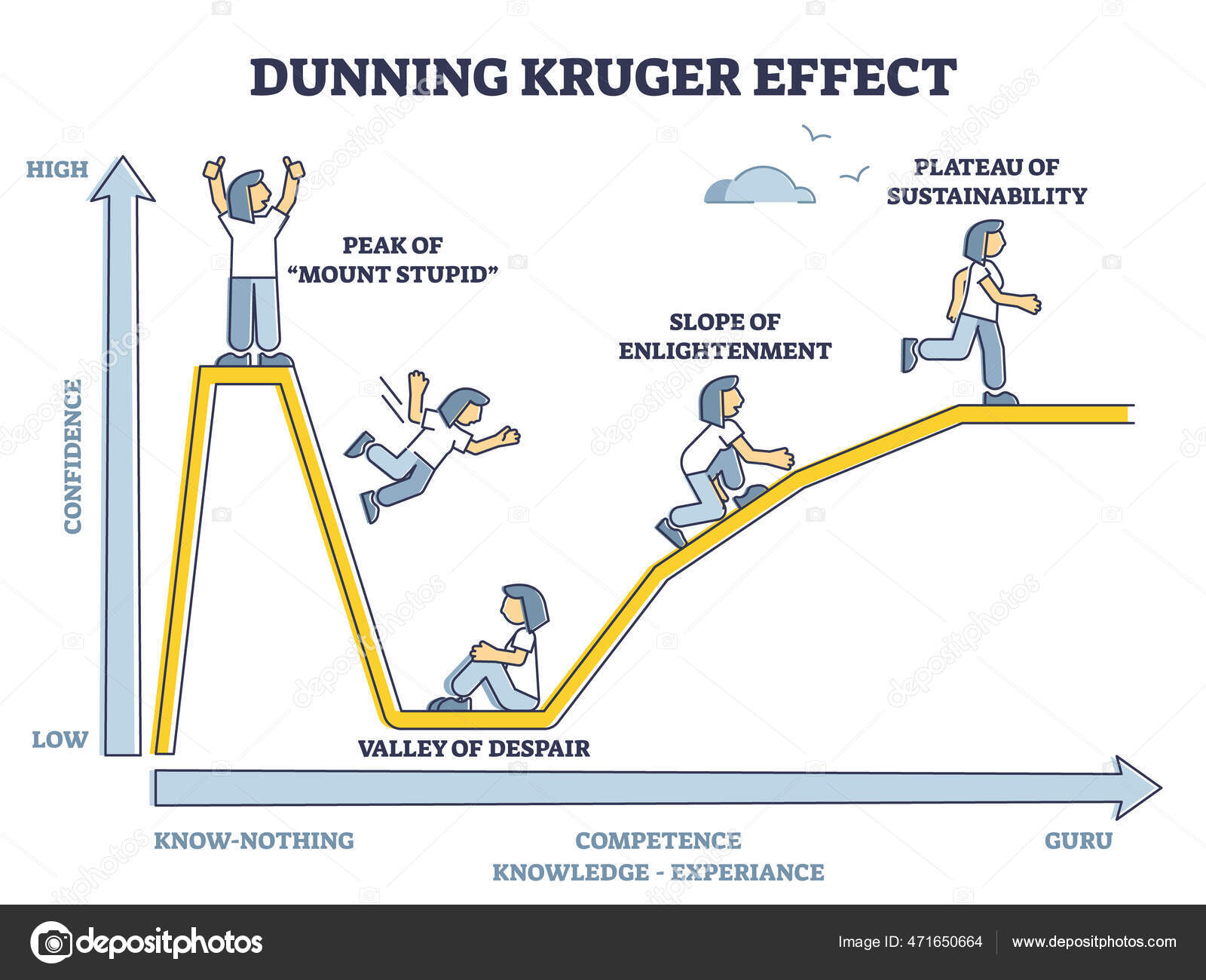
The Dunning-Kruger effect illustrates how self-assessment can vary across competency levels
Accurate judgment arises from combining observation with compassion, context, and, when needed, professional assessment.
PRACTICAL GUIDANCE: HOW TO INTERPRET AND RESPOND
When you observe concerning signs
First, pause. Ask whether the pattern is persistent and cross-situational. Consider language barriers, fatigue, acute stress, or cognitive load. If you are a manager or educator, create structured supports: simpler instructions, checklists, repeated practice, and an environment that reduces distractions. If safety or legal competence is at stake, seek formal assessment from qualified professionals.
Communication strategies that help
Use clear, concrete language. Break tasks into small steps. Confirm understanding by asking someone to restate instructions. Provide written summaries or visual cues. Frame corrections respectfully: people learn faster when their dignity is preserved.
IMPROVEMENT AND SUPPORT: WHAT WORKS
Training and environmental scaffolding
For many people, targeted training improves specific skills: working memory training, functional skills classes, financial literacy workshops, and supported employment programs can all make meaningful differences. Environmental supports — consistent routines, reminders, and simplified task flows — often outperform attempts to change personality.
Therapy and medical evaluation
Some cognitive problems stem from treatable causes: untreated mental health conditions, sleep disorders, medication side effects, nutritional deficiencies, or substance use. A medical or psychological evaluation can uncover reversible contributors.
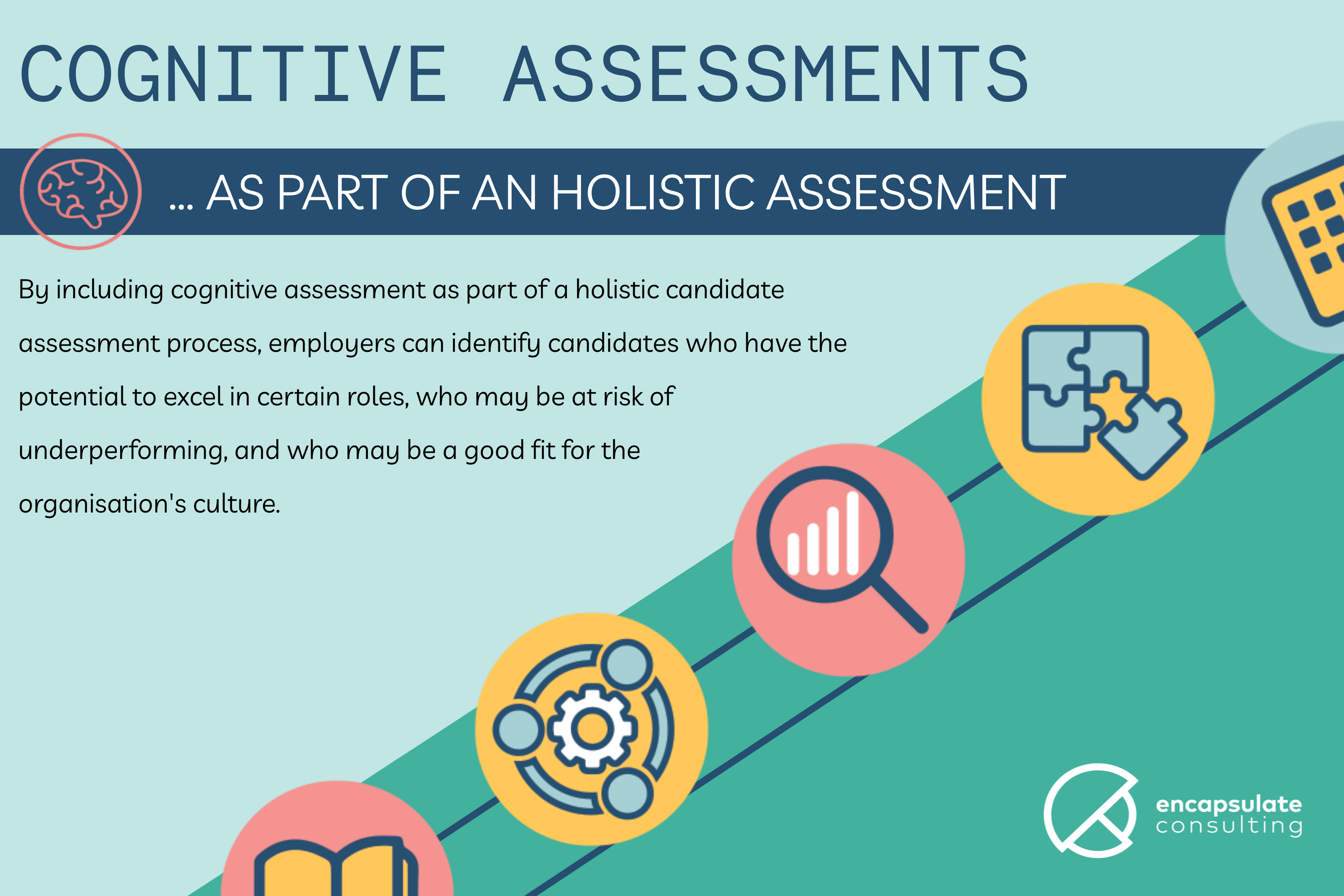
Professional cognitive assessment provides comprehensive evaluation when concerns arise
ETHICS, EMPATHY, AND SOCIETY
The cost of crude labels
Labeling people as "stupid" or "very low intelligence" carries social and psychological costs. It justifies exclusion, reduces opportunities for support, and increases stigma. A humane approach treats observed difficulties as signals for assistance rather than grounds for contempt.
Policy and education implications
Workplaces and schools can reduce harm by designing tasks and assessments that accommodate a range of cognitive styles, by investing in adult education, and by building clear pathways to support rather than punishment for repeated mistakes.
CONCLUSION
There is no single definitive outward sign that proves someone has "very low intelligence." Instead, reliable assessment relies on patterns across time, contexts, and domains: persistent difficulty learning from feedback, severe problems with everyday problem-solving, marked memory and attention deficits, and poor judgment that affects daily functioning. Even then, cultural, medical, and educational factors matter. The ethical and effective response is pragmatic and compassionate: describe behaviors concretely, provide supports and structure, seek professional assessment when necessary, and avoid crude labels that close off help.
- Look for patterns: Single mistakes are not proof of low cognitive ability.
- Context matters: Education, health, and culture shape performance.
- Respond constructively: Use clear communication, scaffolding, and professional assessment when needed.
- Prioritize dignity: Avoid stigmatizing labels and focus on supports that improve functioning.
This article is informational and not a substitute for clinical assessment. If you have concerns about someone's cognitive functioning, consult a qualified professional.