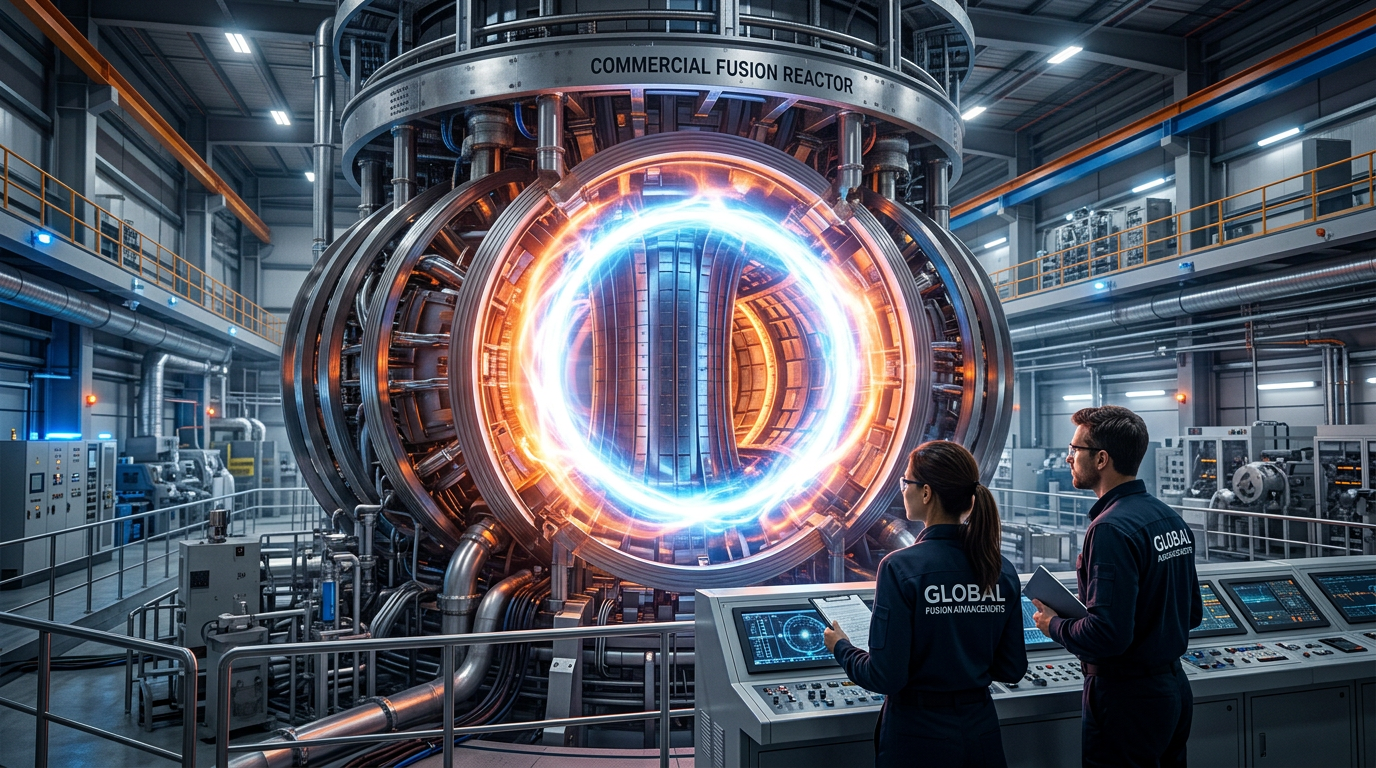
Shortcut to Fusion Energy: What a New Breakthrough Could Mean
The headlines are irresistible: scientists may have found a "shortcut" to fusion energy. For decades fusion has promised a practically limitless source of clean power — the same process that lights the stars — but the path from laboratory physics to reliable, economical electricity has always been long, costly and uncertain. A claimed shortcut changes the narrative. It suggests a route that could reduce complexity, shorten timeframes, and dramatically reshape industry and climate planning. But what exactly is being claimed, how plausible is it, and what would it really take for a laboratory curiosity to become power on the grid?

plasma physics experiment
A Clear, Practical Summary
Put simply: fusion requires very hot plasma and confinement long enough to produce more usable energy than is put in. The traditional approaches—large magnetic confinement devices like tokamaks and precision laser-driven inertial confinement facilities—attack that problem with brute force and steady progress. The idea of a shortcut is not magic; it usually means exploiting a physical regime or engineering trick that reduces the required size, cost, or complexity of a reactor while still delivering net positive energy.
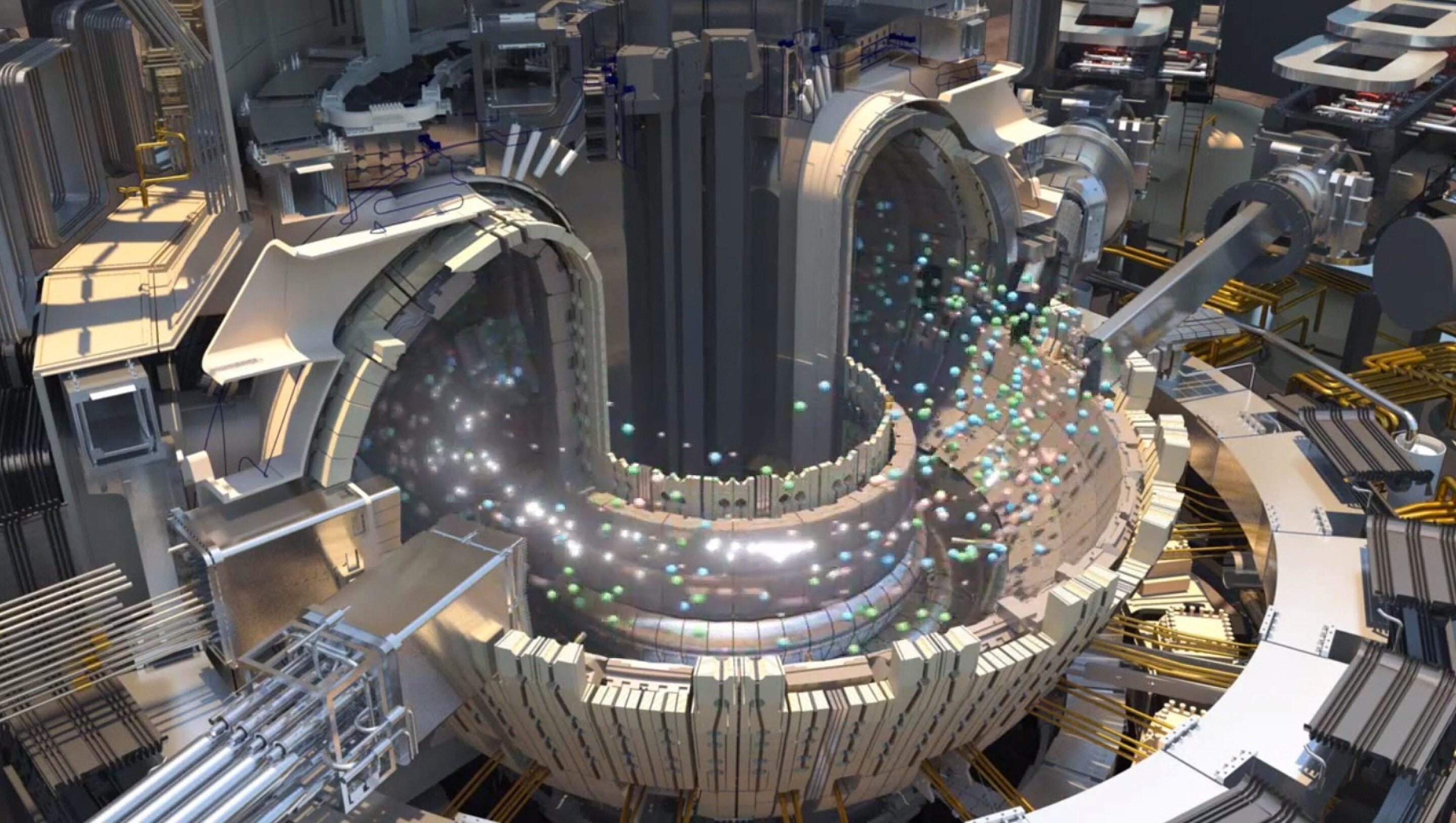
tokamak fusion reactor
If a reliable, scalable shortcut exists, the race for fusion becomes a contest of engineering and deployment, not just physics.
How Fusion Works — The Essentials
Fuel and reaction
Most fusion concepts aim to fuse isotopes of hydrogen — deuterium (D) and tritium (T) — because their cross-section and required temperature make them the easiest practical path to net energy. When D and T nuclei fuse, they produce an alpha particle (helium nucleus) and a high-energy neutron. That released energy is what engineers hope to capture and convert into electricity.
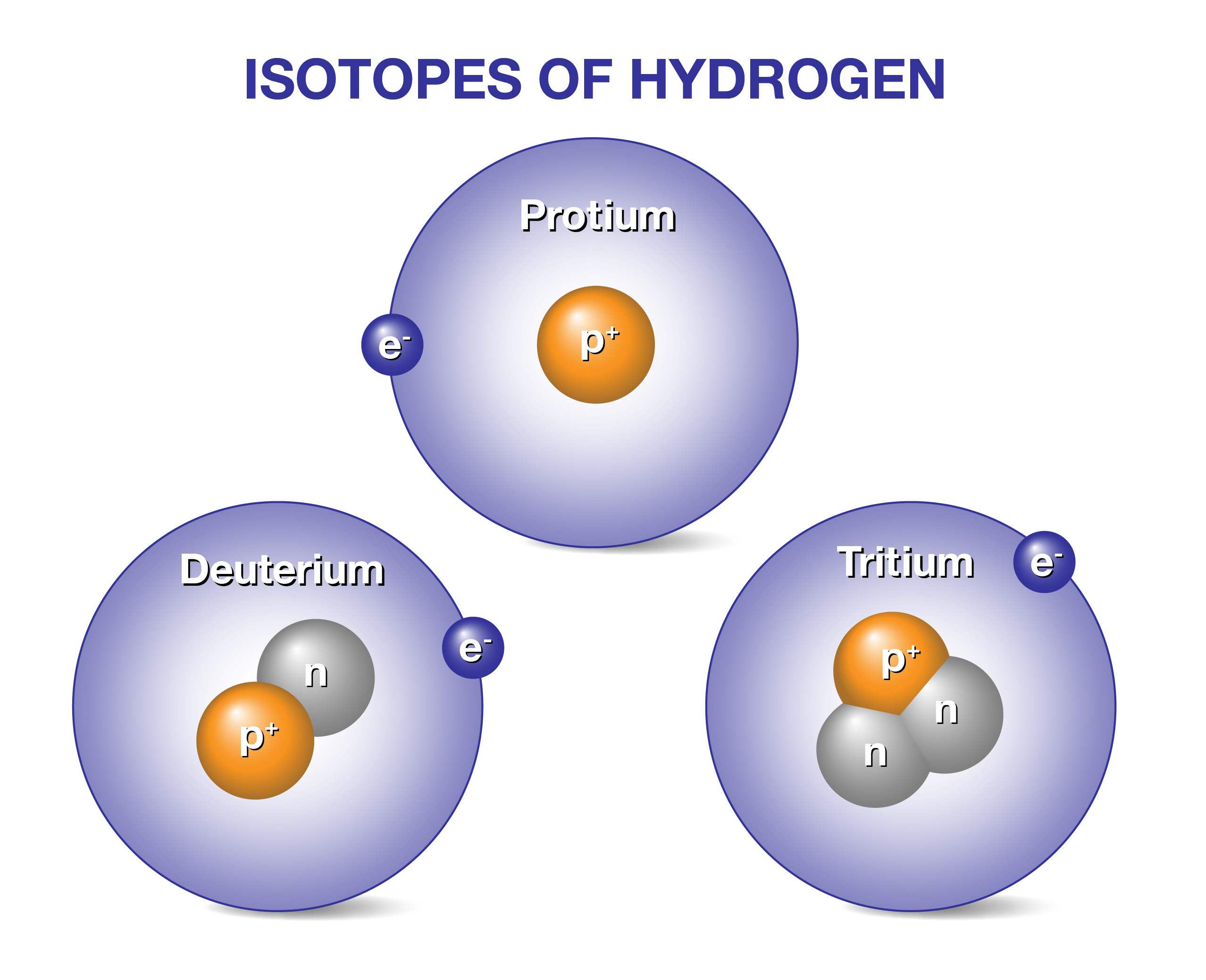
tritium deuterium fuel
Confinement and Q
Two broad strategies dominate: magnetic confinement (hold a hot plasma in place for relatively long times using strong magnetic fields) and inertial confinement (compress fuel quickly so fusion happens before the plasma blows apart). The industry measures performance with the Q factor: the ratio of fusion power produced to the power supplied to the plasma. A Q above 1 means the plasma outputs more fusion power than the plasma input; commercial viability requires Q well above 1 when accounting for whole-plant efficiencies and systems losses.
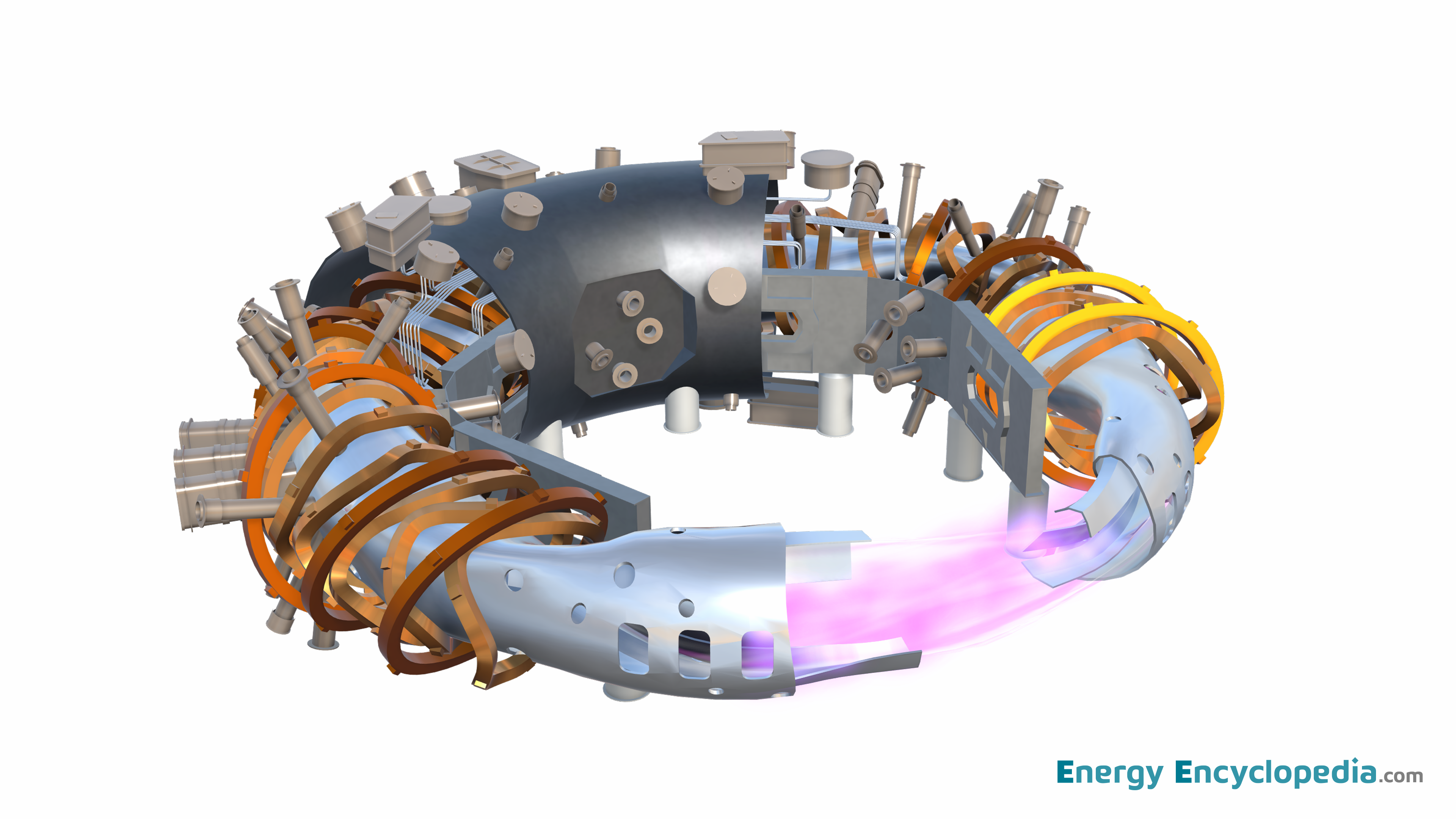
stellarator plasma confinement
What Could a "Shortcut" Actually Be?
Not one magic trick
When scientists talk about a shortcut, they typically mean one or a combination of several technical advances that lower the thresholds for ignition or reduce the scale of equipment needed. Several plausible classes of shortcut appear repeatedly in research and company road maps:
- Novel confinement regimes: Configurations such as field-reversed configurations (FRCs) or levitated dipoles may allow denser, hotter plasmas with simpler hardware than a large tokamak.
- Magneto-inertial approaches: Hybrid techniques that use magnetic fields and implosion pulses together can compress fuel quickly while keeping it better confined than with inertial methods alone.
- High-temperature superconductors (HTS): New superconducting materials allow much stronger magnetic fields in smaller devices, raising achievable plasma pressure and potentially shrinking reactor size.
- Advanced pulsed-power systems: Improved capacitor banks and pulse-shaping can deliver intense, short-lived energy bursts more efficiently than before.
- Plasma physics tricks: Exploiting magnetic reconnection, self-organizing plasma states, or favorable turbulence suppression can increase energy confinement without proportionally increasing hardware complexity.
- Better materials and direct conversion: Materials that tolerate high neutron flux and systems that convert charged-particle energy directly to electricity can reduce the thermal cycle losses and plant footprint.
Each approach carries trade-offs; a "shortcut" in one dimension may introduce new complexity elsewhere. The critical question is whether the combined gains produce a path to a compact, affordable reactor that is industrially scalable.
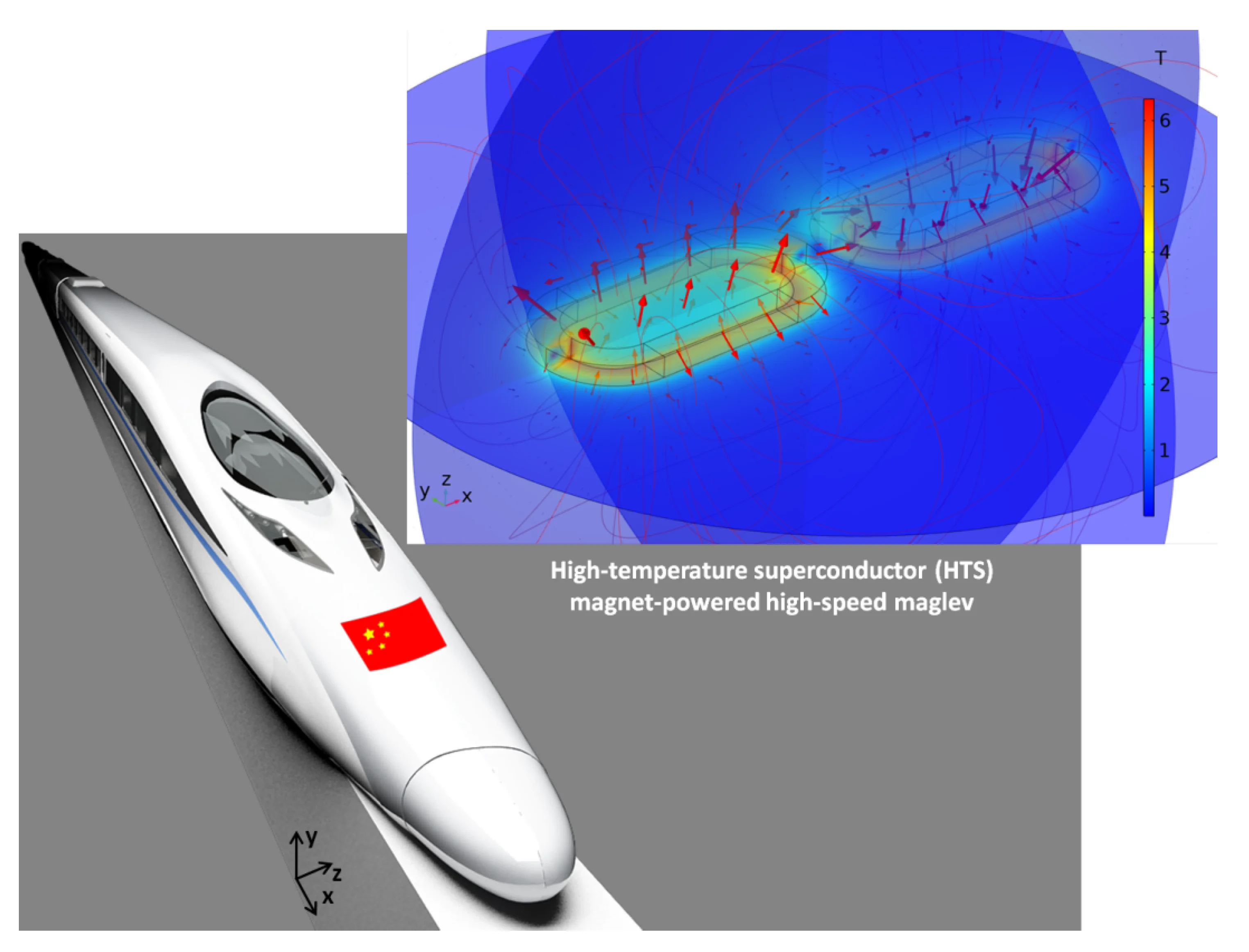
high-temperature superconductor magnets
Why This Matters — Beyond the Physics
Climate and energy security
Fusion promises carbon-free base-load power without the intermittency of wind or solar, and without long-lived radioactive waste from fission. If a credible shortcut reduces cost and time-to-deployment, fusion becomes more than a scientific milestone — it becomes a practical tool in climate mitigation and energy security strategies. Planners could count on dispatchable, concentrated generation that complements renewables.
Economic and industrial effects
Reaching utility-scale fusion would create entire industries: reactor manufacturing, superconducting magnet production, tritium handling and breeding technologies, high-performance materials, and grid integration services. A faster path intensifies competition and investment, favoring agile start-ups and modular designs. It also raises questions about supply chains, workforce development, and regional industrial policies.
Did You Know? Deuterium is plentiful in seawater; tritium is rare and must be bred inside the reactor using lithium blankets, making fuel-cycle engineering a critical part of commercial fusion plans.
Technical Hurdles That Don’t Vanish
Even with a promising shortcut, several deep engineering and scientific challenges remain unavoidable.
Materials and neutron damage
The D–T reaction produces 14-MeV neutrons that relentlessly damage structural materials, degrade superconductors, and transmute elements. Any shortcut that reduces reactor size or cost still needs solutions for neutron flux — advanced alloys, sacrificial components, and maintenance strategies.
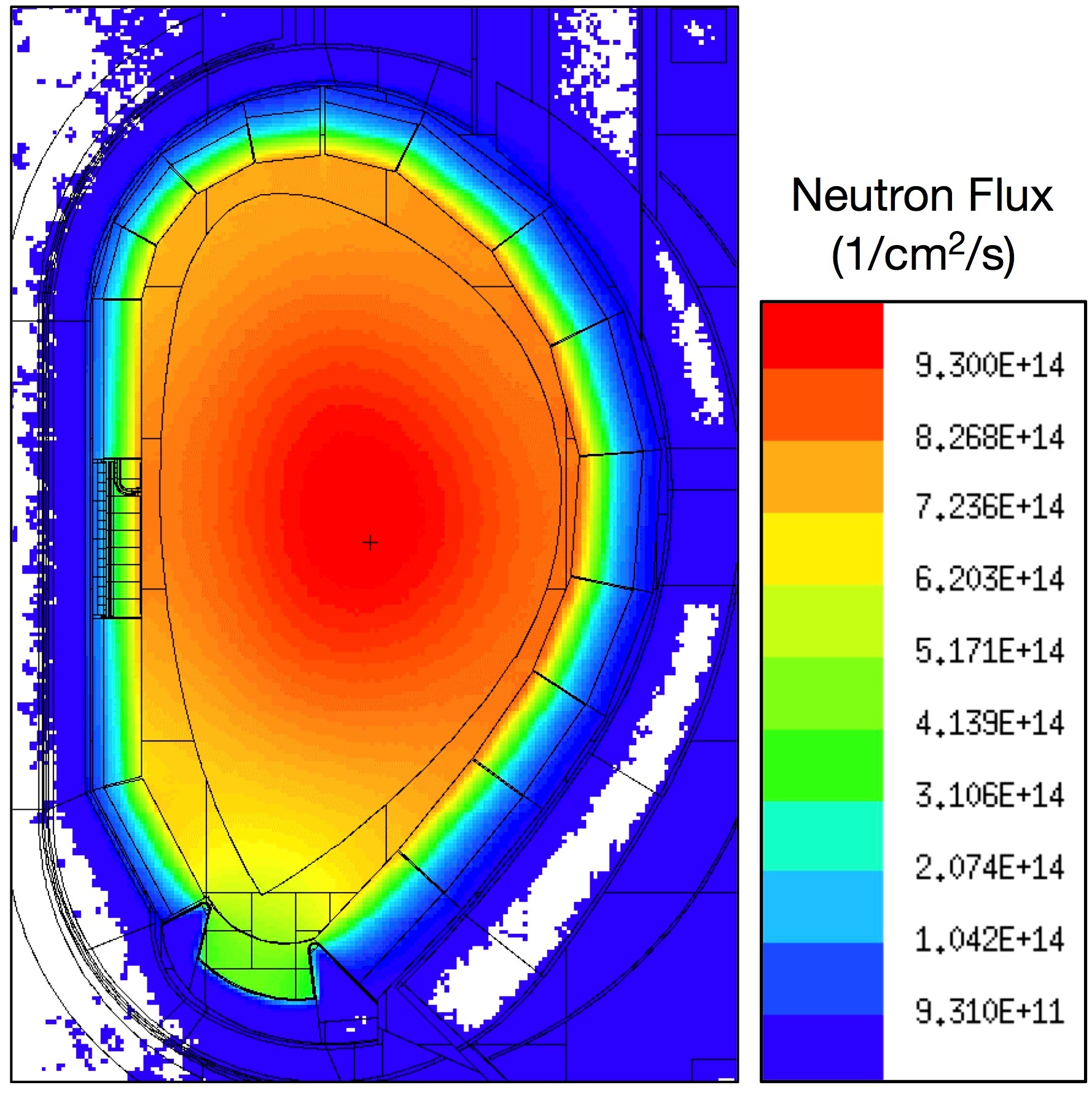
neutron flux materials
Tritium breeding and fuel cycles
Commercial D–T fusion depends on efficient tritium breeding in lithium blankets. Designing a compact, high-yield breeder that integrates with a novel confinement concept is nontrivial and often the source of unexpected scaling costs.
Thermal management and energy conversion
Capturing fusion energy as electricity at high efficiency is a plant-level engineering task. Some advanced concepts promise direct conversion of charged particles; others rely on heat exchangers and turbines — each choice influences complexity, efficiency and economics.
Who’s Competing, and How the Field Has Shifted
The fusion landscape is no longer dominated solely by national programs and megaprojects. A wave of private companies pursues alternative geometries and faster, smaller devices, while public projects continue to push the frontiers of scale and physics validation.
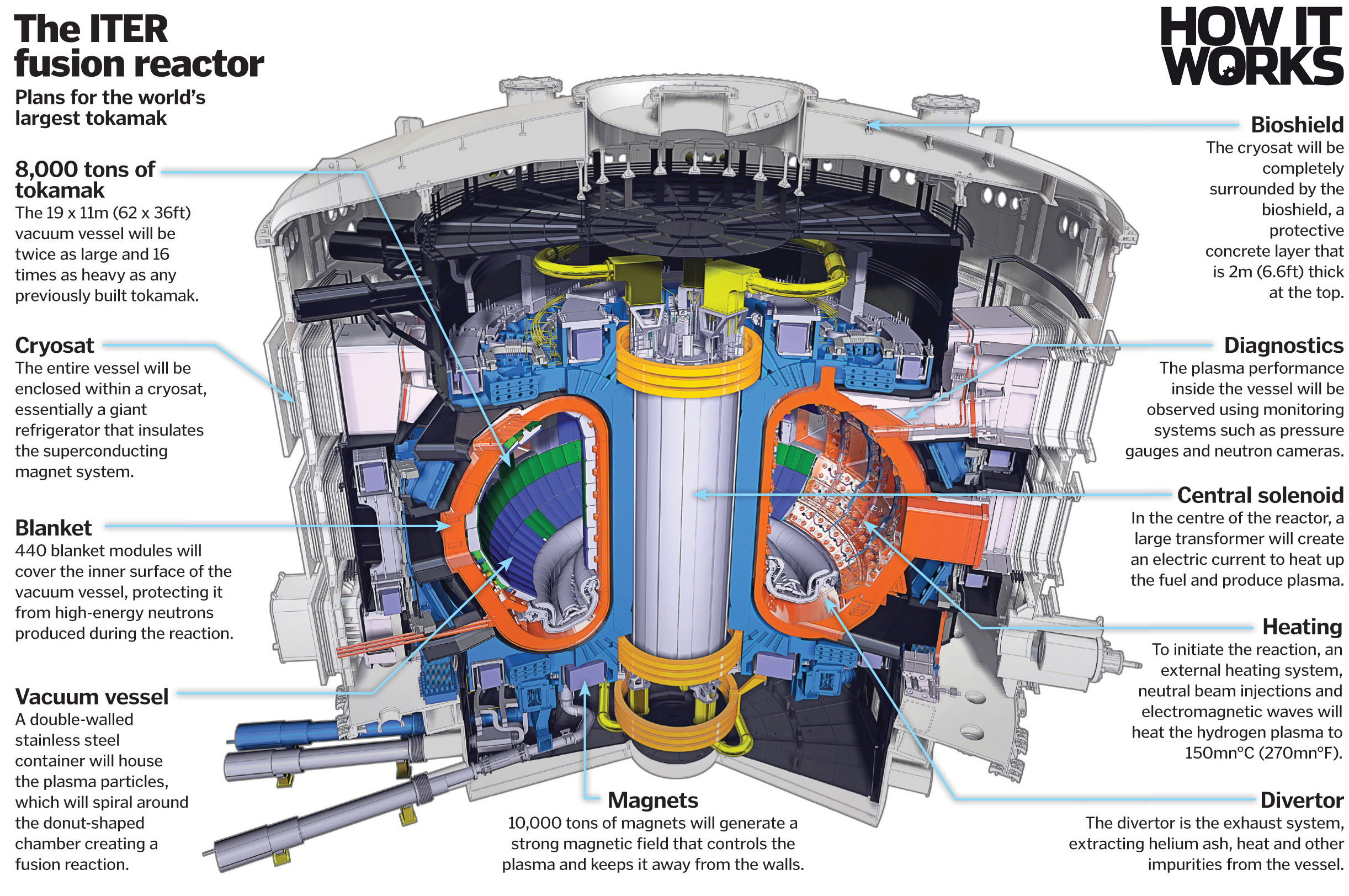
ITER fusion project
A complementary ecosystem
Large projects test core physics at scale and validate materials and systems that can be shared broadly. Smaller teams iterate quickly, experimenting with new designs and exploiting modern electronics, computation and advanced materials. If a credible shortcut exists, it could allow smaller teams to leapfrog large projects in commercial terms — but the two ecosystems remain complementary: one proving the fundamental physics, the other proving manufacturability and margins.
Realistic Timelines: Don’t Believe Hyperbole
Optimism runs high in fusion circles, and breakthroughs routinely spark headlines predicting commercial power in a decade. But translating a laboratory demonstration into a grid-connected plant typically takes many stages: prototype demonstration, pilot plant, regulatory approvals, factory-scale manufacturing and multi-year reliability testing. Even with a real shortcut, expect a phased timeline measured in years to decades, not months.
Caution A single promising experiment is not a commercial guarantee. History is full of physics demonstrations that proved fragile at scale. Investors and policymakers should treat early breakthrough claims as a reason to accelerate rigorous testing, not to suspend pragmatic due diligence.
What Policy and Industry Should Do Next
Double down on validation
Governments and funders should shift to a portfolio approach: continue support for large-scale physics validation (where needed) while funding rapid, independent validation of claimed shortcuts. Independent replication, robust peer review, and pre-competitive materials testing will separate hype from engineering reality.
Prepare supply chains and workforce
Industrial readiness matters. If a shortcut allows compact reactors, governments should incentivize domestic manufacturing of HTS magnets, advanced power electronics, and radiation-tolerant materials. Universities and technical programs must train engineers who can move from plasma physics to factory-floor production.
Scenarios: How This Could Play Out
Optimistic pathway
Independent labs replicate the initial results, engineers demonstrate a modest prototype with favorable Q and scalable maintenance, and within 10–15 years firms deploy pilot plants that begin to displace fossil fuel plants in niche markets — data centers, industrial heat and isolated grids.
Measured pathway
Replication shows promise but reveals new integration challenges (breeding, materials, energy conversion). A decade of engineering and pilot projects gradually reduce cost until the 2030s–2040s when fusion becomes a significant part of the generation mix.
Conservative pathway
Early promises face scaling hurdles that require fundamental R&D, pushing commercial deployment into the 2040s and beyond. Fusion remains a strategic long-term goal, alongside rapid deployment of renewables and storage today.
Societal and Ethical Considerations
As fusion transitions from lab science to industrial technology, we must confront regulatory, safety and equity questions. Industrial siting, local workforce development, licensing frameworks and the geopolitics of supply chains will all matter. Ensuring that benefits are broadly shared, and not concentrated in a few regions or companies, is a policy choice.
Conclusion — What to Watch and What to Believe
Breakthroughs and shortcuts are the lifeblood of scientific progress. A credible shortcut to fusion energy would accelerate the timeline for climate-mitigation tools and reshape global industry. But prudence matters: validation, replication and engineering maturity determine whether a shortcut is a real acceleration or a detour.
A shortcut that survives replication could turn fusion from a decades-long research program into a deployable climate solution — but replication is the gatekeeper.
For readers: watch for independent replications, prototype demonstrations that address tritium breeding and materials longevity, and clear engineering road maps to grid connection. Those are the milestones that separate hopeful headlines from transformative technology.
- Shortcuts typically combine new physics regimes with engineering advances — they are not magic.
- Materials, tritium breeding and energy conversion remain the core engineering challenges.
- Independent replication and phased pilot projects are essential before commercialization.
- A validated shortcut shortens timelines and changes the competitive landscape, but realistic deployment still takes years.
Final Thought
Fusion’s promise has always been large and slow-moving. A real shortcut would change that calculus, but only if it can pass the gauntlet of engineering, economics and regulation. For now, cautious optimism and strategic investment are the best responses: accelerate validation, support manufacturing readiness, and plan energy systems that can integrate fusion when — and only when — it is ready.