Shaq's $400M Empire: Car Washes, Skyscrapers & The Big Chicken
When most people think of Shaquille O'Neal they picture a dominant presence on the basketball court: a 7-foot-1 center who owned the paint, a four-time NBA champion and an easygoing cultural personality. What is less obvious at first glance is how Shaq has quietly built a business empire worth roughly $400 million—an eclectic portfolio that includes roughly 150 car washes, stakes in skyscrapers and a wildly popular restaurant often referred to simply as The Big Chicken. The story of this empire is not a straight line from celebrity paycheck to trophy asset. It's an instructive case in leverage—of fame, of capital, and of an appetite for repetitive, scalable businesses.
From Hardwood to Holdings
A different kind of retirement plan
Shaq's transition from athlete to entrepreneur did not happen overnight. Athletes have money when they perform and must decide whether to spend, save, or multiply those earnings. In Shaq's case, he used three advantages many athletes lack: a public persona that attracts partnership opportunities, a willingness to invest in everyday businesses that scale, and a hands-on approach to dealmaking. Rather than chasing headline tech startups with binary outcomes, his portfolio favors industries with steady cash flow and clear unit economics.
"Scale matters more than glamour: owning 150 profitable car washes beats one flashy tech bet."
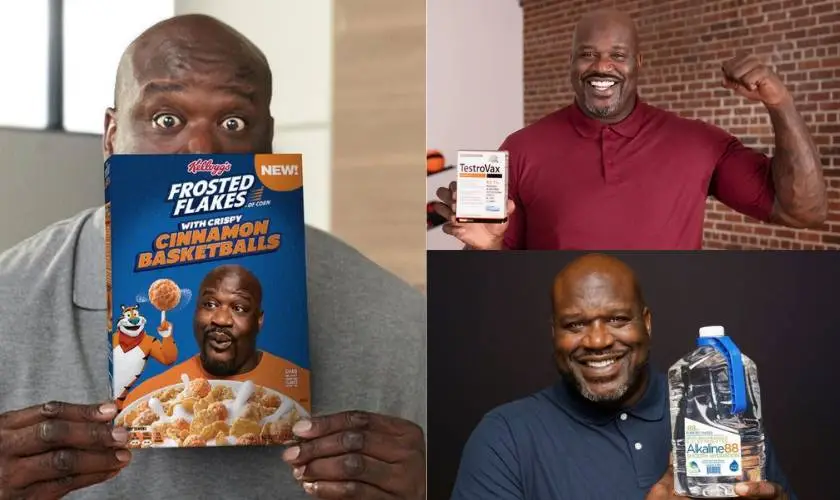
Shaq celebrity brand deals
Personality as capital
Brand equity plays differently for a celebrity. Shaq's voice, humor, and accessibility make him valuable not just as a logo on a jersey but as an active partner in promotions, product concepting, and local marketing. That soft power lowers customer acquisition costs for ventures tied to his name, and—crucially—makes some deals possible that wouldn't be without a famous face attached.
The Car Wash Kingdom
Why car washes?
Car washes are often overlooked in conversations about smart business models because they are mundane. But mundane is precisely the appeal. Car washes are transaction-heavy, cash flow-positive, and repeat-driven. They benefit from straightforward unit economics: consistent demand, limited product complexity, and clear pricing strategies. Multi-unit ownership unlocks operational leverage—a manager can oversee several locations, equipment can be standardized, and marketing can be bundled.
Shaq car wash franchise
How scale creates value
Owning around 150 locations doesn't just multiply revenue—it's where operational improvements and supplier negotiation turn into real profit. Bulk purchasing of chemicals and parts reduces cost-per-wash. Centralized staffing and cross-training allow managers to allocate labor efficiently. Marketing campaigns that feature Shaq's personality can be replicated across markets. The result is compounding returns: each additional location dilutes fixed overhead and increases marginal profit.
Exit and scale strategies
For investors like Shaq, car washes can be cash flow assets or acquisition targets. A cluster of profitable locations can be sold as a package to regional operators or private equity, often at multiples of EBITDA that beat many other small-business categories. Alternatively, retaining ownership generates predictable cash for reinvestment into higher-growth plays such as real estate.
Real Estate & Skyscrapers
The logic of owning property
Real estate is a familiar next step for entrepreneurs who have built steady cash flow. It is tangible, often inflation-resistant, and can provide both rental income and capital appreciation. Shaq's move into larger-scale real estate—office towers, mixed-use developments and other high-profile assets—demonstrates a shift from owning many small cash-flowing businesses to acquiring fewer, larger assets that anchor a portfolio.
Shaquille O'Neal skyscraper investment
How celebrity deals differ
A celebrity's involvement can open doors in real estate that pure financial players might find harder to access. A tower with a unique tenant or signature restaurant can command premium rents and visibility. Shaq's name attached to a redevelopment project can accelerate leasing, attract media, and generate foot traffic—intangibles that feed into valuation alongside traditional metrics like cap rates and rental yield.
A famous name can compress marketing spend and accelerate revenue growth for a property—if activation is done right.
The Big Chicken: Brand, Place, and Community
From roadside landmark to restaurant brand
The Big Chicken began as a local landmark and evolved into a restaurant with a cult following—an asset type that fits Shaq's playbook: rooted in community, high on repeat visits, and ripe for replication or brand extension. Restaurants are notoriously fickle, but those with a strong identity and local roots can become franchise-worthy if the concept is solid and the operations are replicable.
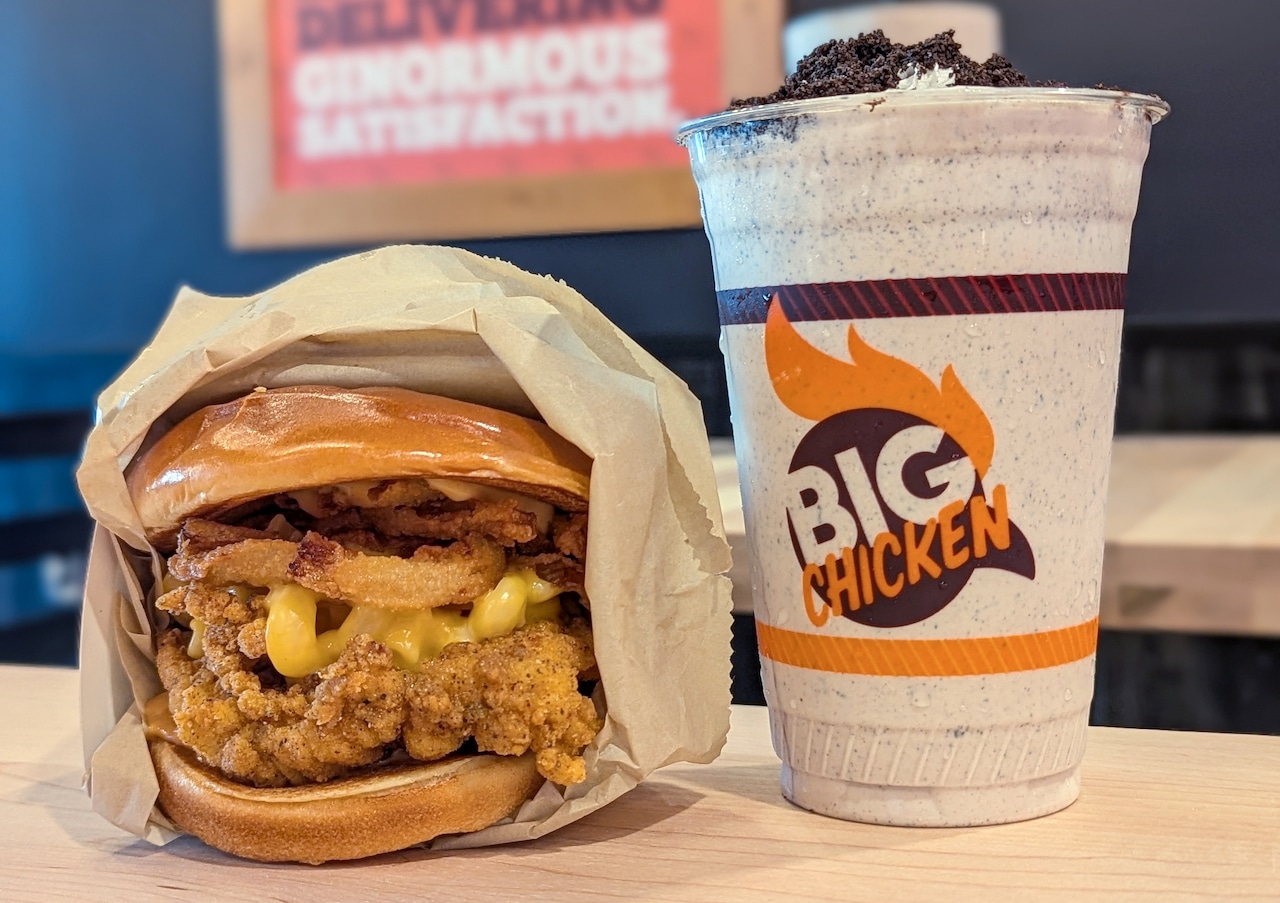
The Big Chicken restaurant
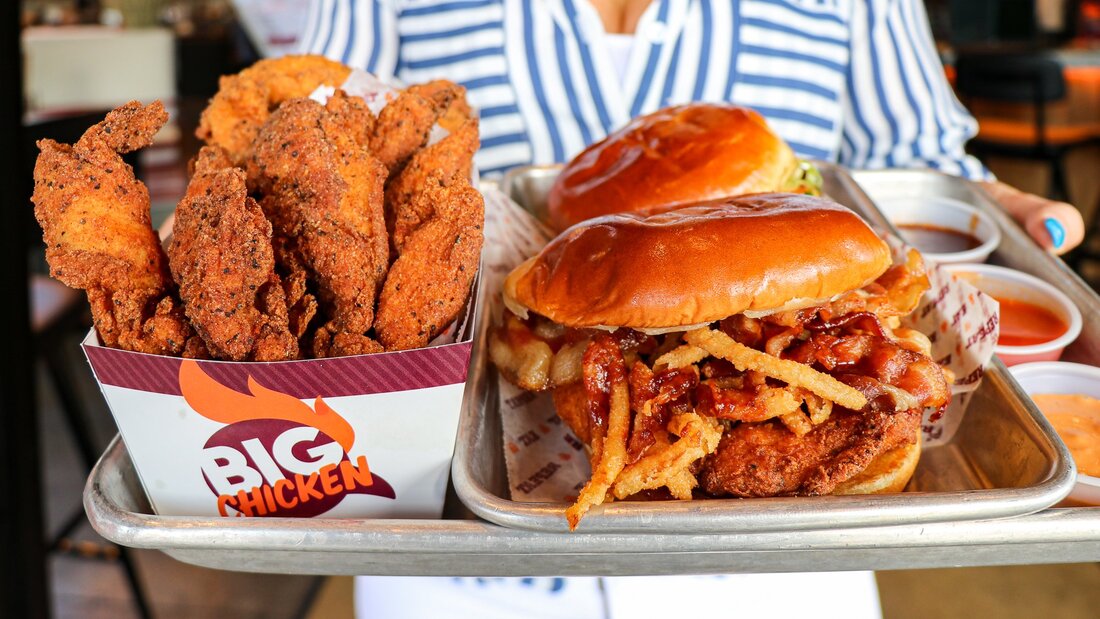
Shaq restaurant brand
Balancing authenticity and growth
Scaling a beloved local spot requires protecting what made it special while professionalizing operations. That means maintaining menu staples, preserving customer experience, and ensuring supply chains can support multiple units without degrading quality. Shaq's celebrity presence helps with initial awareness, but long-term success depends on the product and operations.
The Playbook: How Shaq Builds Businesses
1. Prioritize cash-flowing units
One lesson that runs through Shaq's investments is a bias toward businesses that make money at the unit level. Whether a car wash or a restaurant, each location should be capable of standing on its own financially. This approach minimizes portfolio tail risk and gives owners the option to scale, sell, or hold.
2. Use personality strategically
Shaq doesn't just slap his name on everything. He picks businesses where his involvement adds measurable value—through PR, local marketing appearances, or hands-on activation. That selective approach preserves the power of his brand and prevents dilution.
3. Centralize operations
Centralization is the engine of multi-unit success. Shared procurement, unified HR practices, centralized training, and a common operating playbook reduce unit costs and speed replication. For multi-site owners, the goal is to make each new opening 20–30% cheaper and faster than the previous one.
4. Partner with specialists
Celebrity money opens deals; specialists execute them. Shaq partners with experienced operators, real estate developers, and management teams who bring industry know-how. The combination of capital and expertise is a common theme among successful celebrity investors.
Lessons for Entrepreneurs
Start with repeatability
Your first priority should be to build something that customers come back to. That repeat revenue stabilizes cash flow and attracts investors. Shaq's emphasis on car washes and restaurants underscores how repetition and locality can build durable businesses.
Think in clusters
Clustering—owning multiple units in a region—creates operational efficiency. Managers can rotate staff, purchasing is consolidated, and advertising can be hyper-local. Clusters also make exit sales tidier: buyers often prefer acquiring a contiguous set of stores.
Use brand, but don't outsource product quality
A famous name can drive traffic, but repeat customers stay for consistent quality. Entrepreneurs should view brand as an accelerant, not a substitute for operational excellence.
Risks, Criticisms, and What Could Go Wrong
Concentration and market cycles
Owning many of the same type of asset exposes an investor to sector-specific shocks. A regulatory change, local economic downturn, or sudden shift in consumer behavior could compress margins across all locations. Diversification across asset classes—into real estate and other ventures—mitigates but does not eliminate this risk.
Reputation risk
When a celebrity's brand is attached, any operational misstep becomes headline news. Service failures, labor disputes, or franchisee issues can multiply in media coverage and damage both the business and the celebrity's wider portfolio.
Illiquidity of large assets
Skyscrapers and major real estate deals are valuable but illiquid. They tie up capital and require a longer time horizon. For an owner who needs quick liquidity, heavy allocation to such assets can be a drawback—though they often provide yield and long-term appreciation.
Measuring Success: Beyond Net Worth
Cash flow beats headlines
Net worth estimates make for good headlines, but the more practical metric for a portfolio like this is recurring cash flow. Car washes and restaurants produce operating cash that funds new investments, covers debt service, and pays for lifestyle expenses without liquidating trophy assets. Evaluating the business on EBITDA, free cash flow, and return on invested capital tells a clearer story than a single net-worth number.
Social and community returns
Some of Shaq's investments have local impact—jobs, revitalized retail, community sponsorships. Evaluating success purely by financial metrics misses these softer returns, which can translate into long-term brand value and goodwill.
Conclusion: The Architecture of a Celebrity Empire
Shaquille O'Neal's business journey offers a pragmatic playbook for anyone with capital and a taste for scale. He balances the magnetic pull of celebrity with a preference for repetitive, cash-generating businesses and selective investments in larger assets. The empire is not built on a single mega-hit; it's a latticework of many mid-sized successes—car washes that hum along quietly, restaurants that anchor neighborhoods, and property deals that appreciate over time.
For entrepreneurs, the lessons are actionable: favor unit-level profitability, centralize operations, use brand strategically, and diversify across both size and asset class. For investors, the takeaway is similar: celebrity-backed ventures can be compelling when they follow sound economics rather than rely solely on star power. Shaq's approach demonstrates that fame can be transformed into an enduring machine for wealth creation—if paired with discipline, the right partners, and a willingness to roll up one's sleeves and learn how businesses actually run.
- Scale in mundane businesses yields steady cash and operational leverage.
- Brand amplifies but does not replace product quality and unit economics.
- Diversification between many small units and selective large assets balances liquidity and appreciation.
This feature synthesizes public narratives and business principles to illustrate how celebrities can turn fame into a diversified investment portfolio.