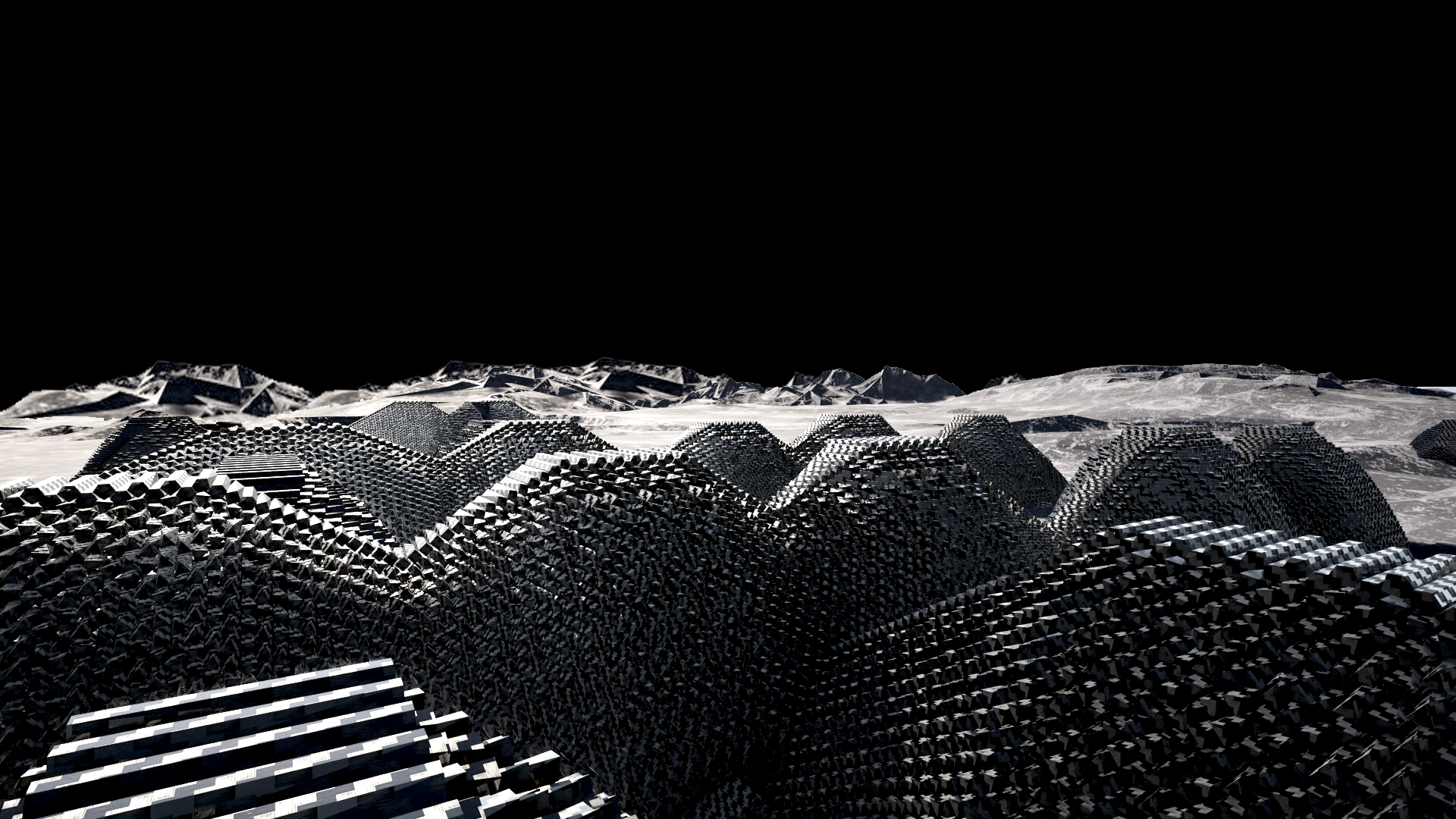
Scientists Turn Moon Dust into LEGO-Like Bricks for Lunar Bases
Imagine building a Moon base by snapping together bricks made from the ground beneath your feet. Long the stuff of science fiction, that image is moving into the realm of hard engineering: researchers across universities, space agencies, and private labs are turning lunar regolith—commonly called "Moon dust"—into LEGO-like bricks that lock together, stack securely, and can be produced on-site with minimal cargo flown from Earth. This article explores how that works, why it matters, the technical tradeoffs, and what the next decade might hold for off-Earth construction.
Why Moon Bricks Matter
Lifting mass out of Earth's gravity well is staggeringly expensive. Every kilogram of habitat material flown to the Moon increases mission cost and complexity. In-situ resource utilization (ISRU) flips that equation: use materials already available on the Moon to reduce Earth launch mass, minimize resupply needs, and enable scalable infrastructure. Converting regolith into structural elements—especially ones that are modular and easy to assemble—addresses three major goals simultaneously: cost reduction, speed of deployment, and resiliency of habitat design.
Building habitats from local material could reduce launch mass by tens of percent and make sustained lunar presence feasible.
What Is Lunar Regolith?
Lunar regolith is the fine, powdery layer covering the Moon's bedrock, created over billions of years by meteorite impacts and space weathering. It's abrasive, highly variable in composition depending on location, and contains useful minerals such as oxides of silicon, iron, aluminum, and calcium. Unlike terrestrial soil it contains no organic matter and behaves oddly in vacuum and low gravity—properties that make it a challenge and an opportunity for construction.
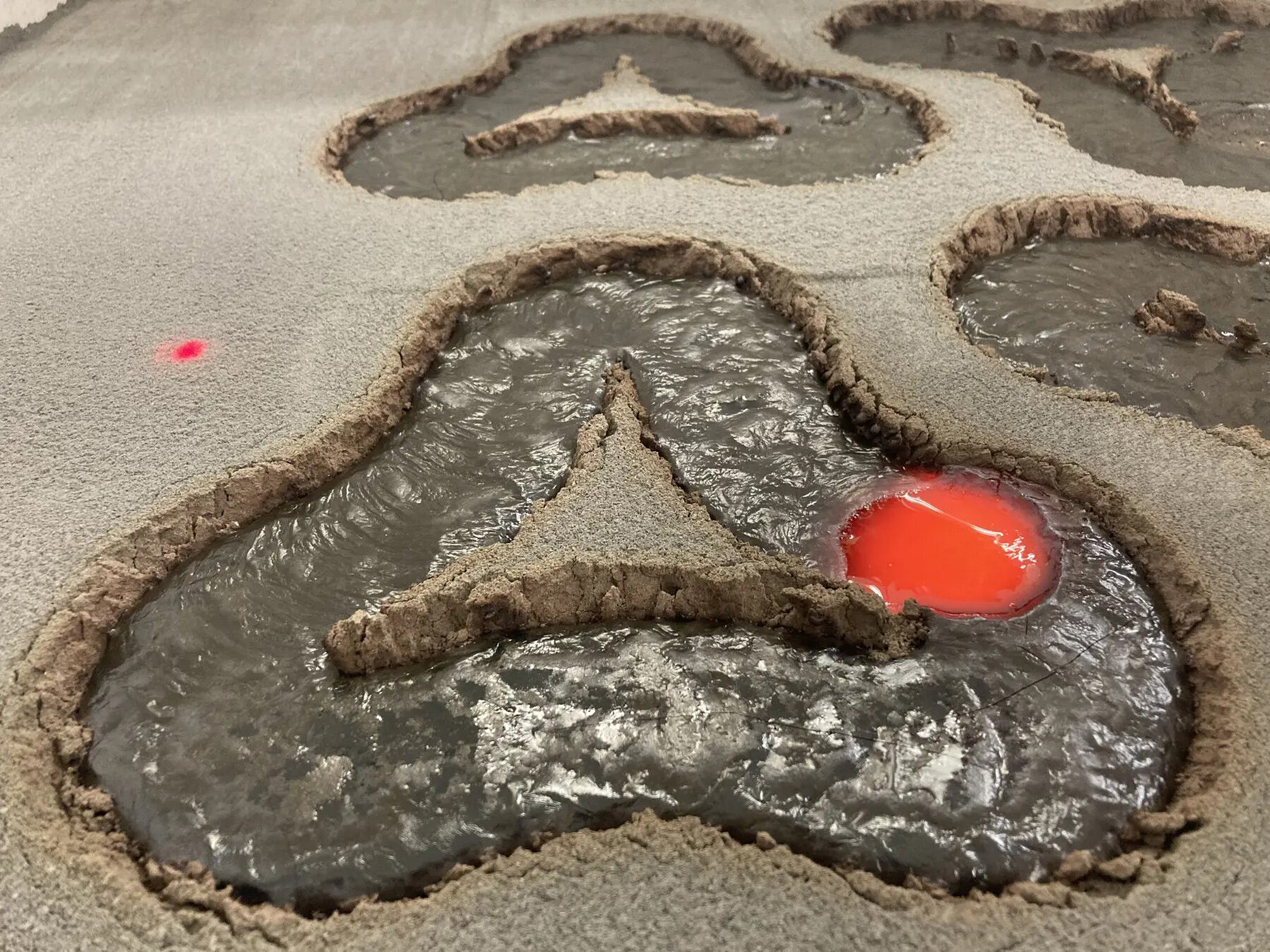
lunar regolith moon dust
How Scientists Turn Regolith into Bricks
Multiple parallel avenues lead from raw regolith to usable building blocks. Three methods stand out: thermal sintering (including microwave sintering), geopolymerization (chemically binding regolith into rock-like material), and additive manufacturing (3D printing) that fuses or consolidates layers into shapes — each with advantages and technical constraints.
Thermal and Microwave Sintering
Sintering uses heat to fuse regolith particles into a solid mass without fully melting them. Microwave energy is particularly attractive because certain regolith minerals absorb microwaves efficiently, enabling localized heating and consolidation with reduced energy loss. The result can be dense, strong bricks or paving stones. Sintered regolith often needs minimal additives and can achieve good compressive strength, making it suitable for floor slabs, radiation shielding blocks, or foundation elements.
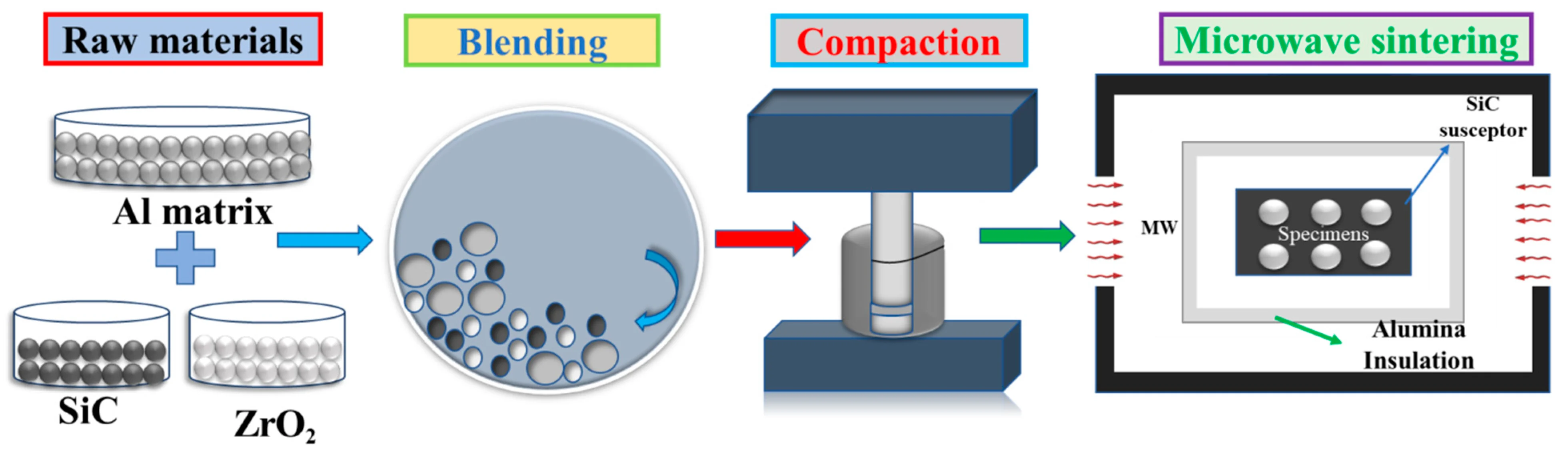
microwave sintering regolith process
Geopolymerization and Chemical Binders
Geopolymer approaches use alkaline activators to bind regolith particles into a cement-like matrix. This process can be tuned to produce bricks with controlled porosity, tensile strength, and thermal properties. While it often requires bringing chemical activators from Earth, proponents argue those chemicals can be highly concentrated and used to produce many bricks per kilogram carried, yielding an efficient mass tradeoff compared with hauling ready-made habitats.
Additive Manufacturing and Modular Design
3D printing regolith—either by extruding geopolymer mixtures or by fusing regolith layer by layer using lasers or concentrated sunlight—enables complex geometries and the production of interlocking shapes. The "LEGO-like" idea hinges on standardized modules with mortise-and-tenon or dovetail features that make assembly quick and robust. Robotic systems can print and assemble at scale long before crews arrive, creating a base skeleton that astronauts later outfit and expand.
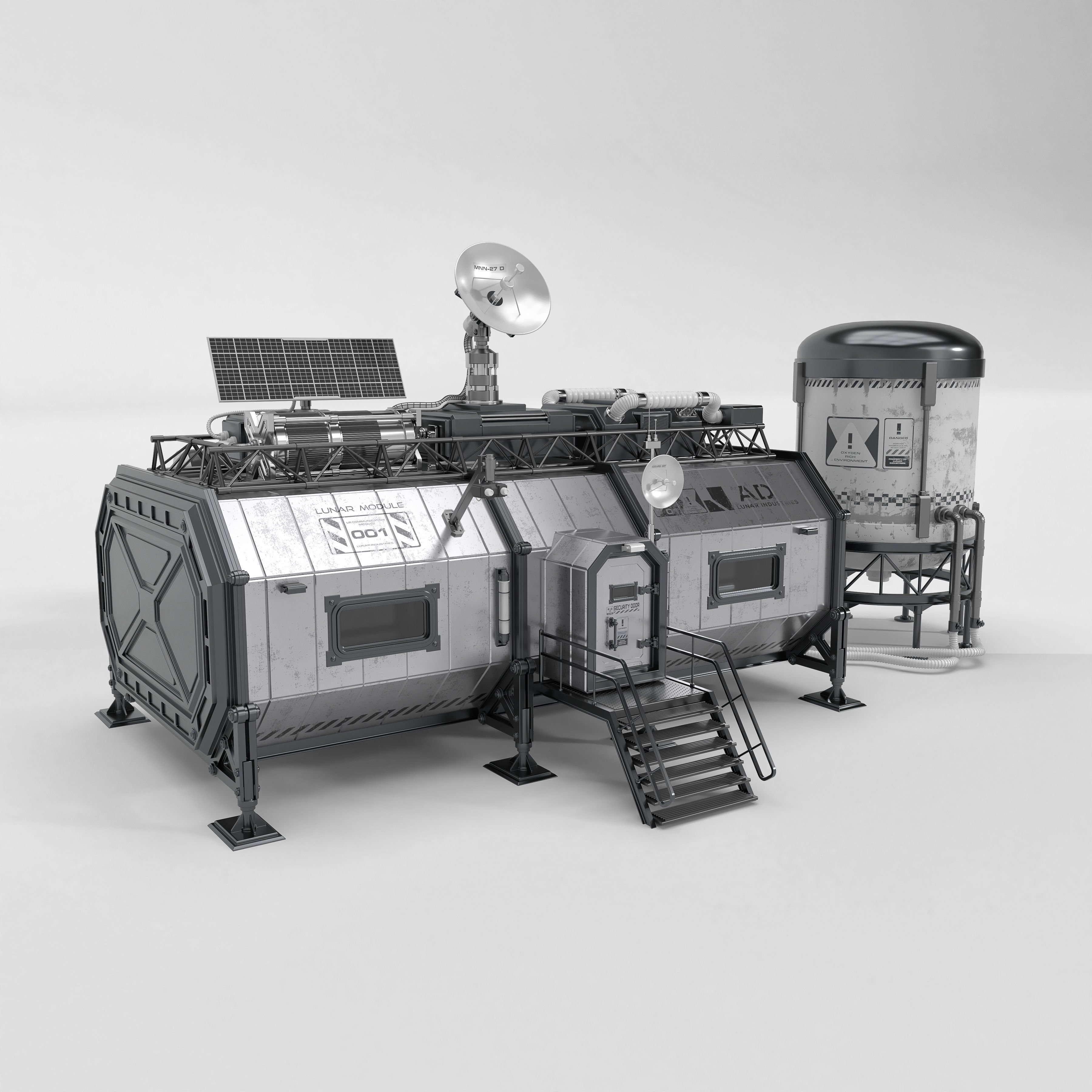
3D printed lunar habitat module
Designing LEGO-Like Bricks for Lunar Use
Designing modular bricks for the Moon goes beyond mere interlock. Engineers must consider thermal expansion in extreme diurnal cycles, abrasive dust contamination, mechanical tolerances in low gravity, and the need for radiation and micrometeoroid protection. Successful designs therefore include features like overlapping joints to minimize direct particle intrusion, cavity geometries to trap regolith for extra thermal mass, and standardized connectors to interface with airlocks, EVA ports, and equipment mounts.
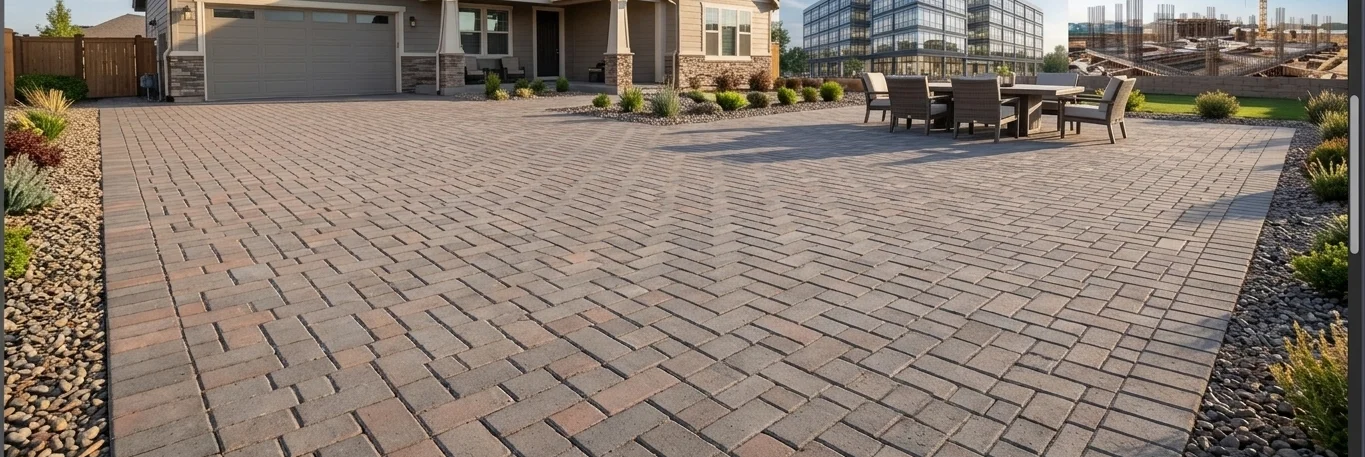
interlocking modular space bricks
Testing on Earth: Simulants and Vacuum Chambers
Because access to actual lunar material is limited, researchers rely on regolith simulants—crushed terrestrial minerals engineered to mimic the grain size, chemistry, and mechanical behavior of real Moon dust. Simulant tests are run in vacuum chambers, thermal cycling rigs, and radiation testbeds to approximate lunar conditions. Mechanical testing includes compression, tensile, abrasion, and impact tests to understand how bricks will perform as structural and protective elements.
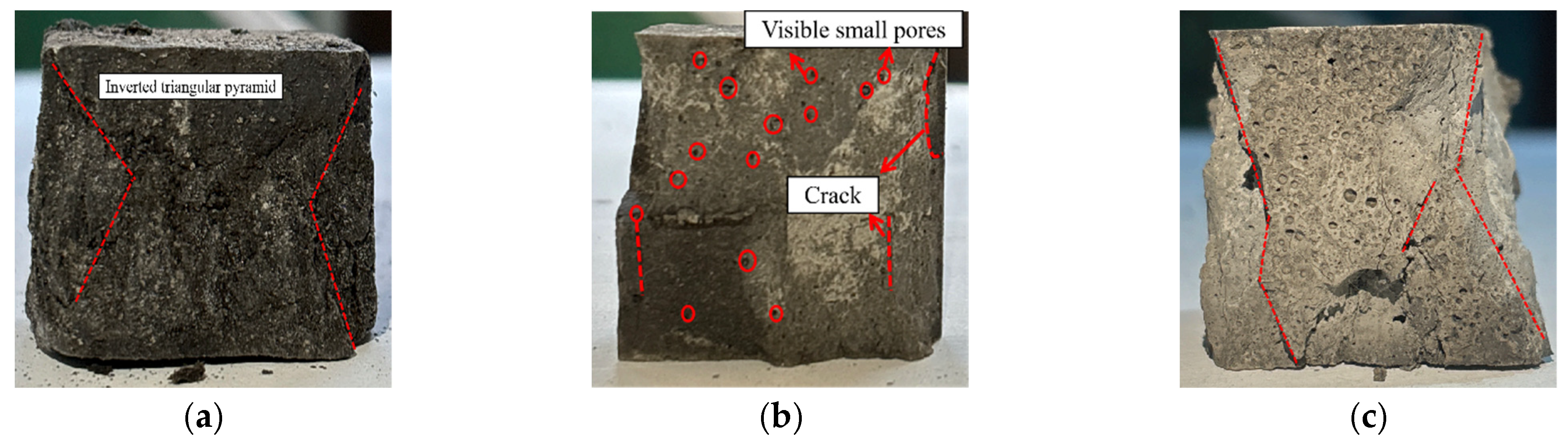
lunar regolith simulant material
Advantages of Regolith Bricks
Turning regolith into bricks offers clear, tangible benefits:
- Mass savings: fewer cargo flights and lower launch costs because the raw material is local.
- Scalability: bricks can be manufactured in large numbers to expand habitats progressively.
- Resilience: modular assemblies are reparable—damaged units can be replaced incrementally.
- Flexibility: standardized modules simplify planning and enable a common construction language across missions.
Challenges and Open Questions
No innovation arrives without trade-offs. Key technical and programmatic challenges include:
- Power requirements: Sintering and printing demand substantial energy; generating and managing that power on the Moon necessitates robust solar arrays, energy storage, or nuclear options.
- Dust behavior: Lunar dust is electrostatically charged and abrasive, causing wear and contamination of moving parts and seals.
- Material variability: Regolith composition varies by region; a solution tuned to mare basalt may not perform identically in highlands anorthosite.
- Reliability of robotics: Autonomous printing and assembly systems must be highly reliable and maintainable with limited human oversight.
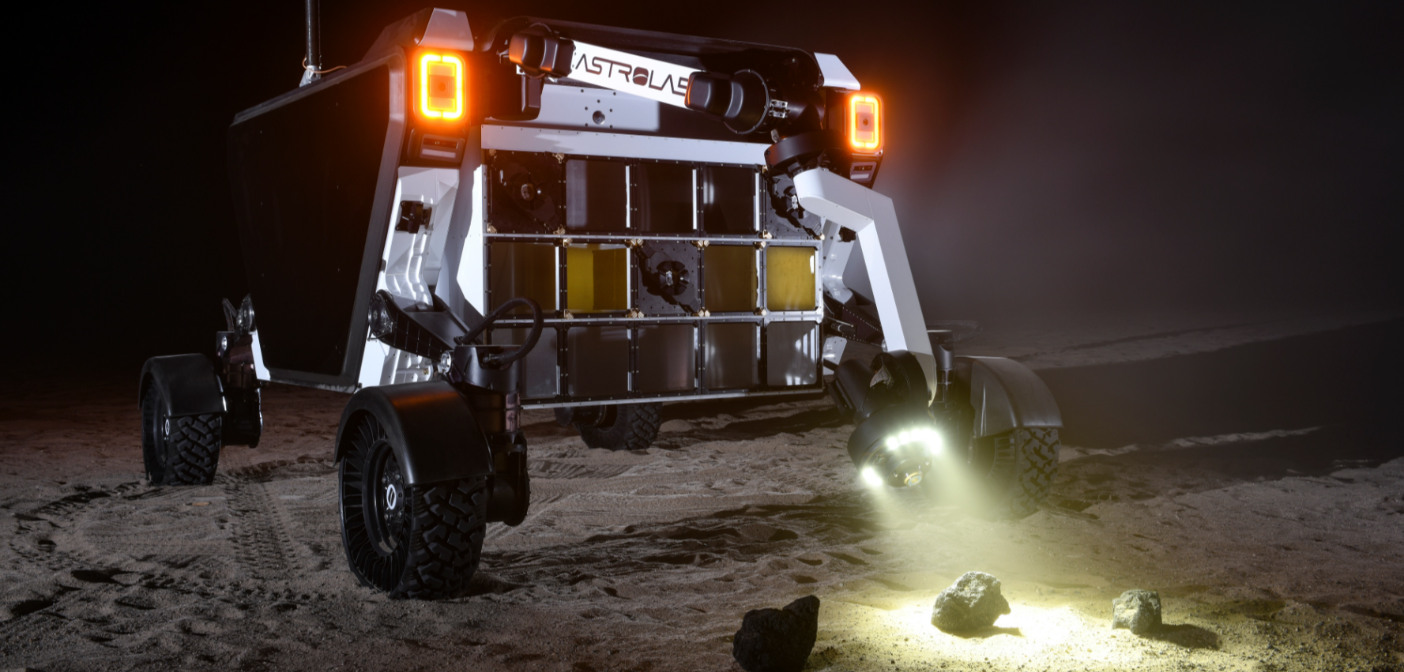
robotic lunar construction rover
The greatest hurdle isn't the brick itself—it's supplying steady, affordable power and designing machines that can work for years in a hostile environment.
Comparing Construction Approaches
A simple table highlights the tradeoffs between the main methods:
| Method | Primary Benefit | Main Drawback |
|---|---|---|
| Sintering (thermal/microwave) | Minimal additives; strong bricks | High power demand; brittle under some loading |
| Geopolymerization | Control over material properties; printable mixtures | Requires chemical activators; curing times |
| Additive (laser/solar fusion) | Complex shapes, low waste | Equipment complexity; fine control under lunar conditions |
Logistics: From Prototype to Base
Bricks alone don't make a base. A pragmatic programmatic approach couples brick production with power generation, robotic assembly, and modular life-support systems. A likely pattern is phased deployment: small robotic factories land near a reliable power source and produce test structures; after verification, a second wave builds larger habitable volumes; finally, human crews arrive to expand and inhabit the constructed space. This phased model reduces risk and allows iterative learning — crucial in an environment where mistakes are costly.
Practical Use Cases for Regolith Bricks
Early lunar brick applications will likely be pragmatic, protective, and infrastructural: radiation shields over habitat modules, landing pads to prevent dust plumes, berms to shelter sensitive equipment, heat sinks, and storage vaults. Later, as confidence grows, bricks could form entire pressurized structures with internal liners and inflatable membranes providing airtight volumes while regolith blocks handle load and shielding.
Radiation and Micrometeoroid Protection
Lunar surface is exposed to galactic cosmic rays and solar particle events. Regolith, with sufficient thickness, is an excellent passive shield. Bricks can be stacked to create walls several meters thick or used as a loose outer shell over a pressurized interior. Interlocking designs also reduce seams—often the weakest points for penetration and leakage—making them inherently safer for long-term human use.
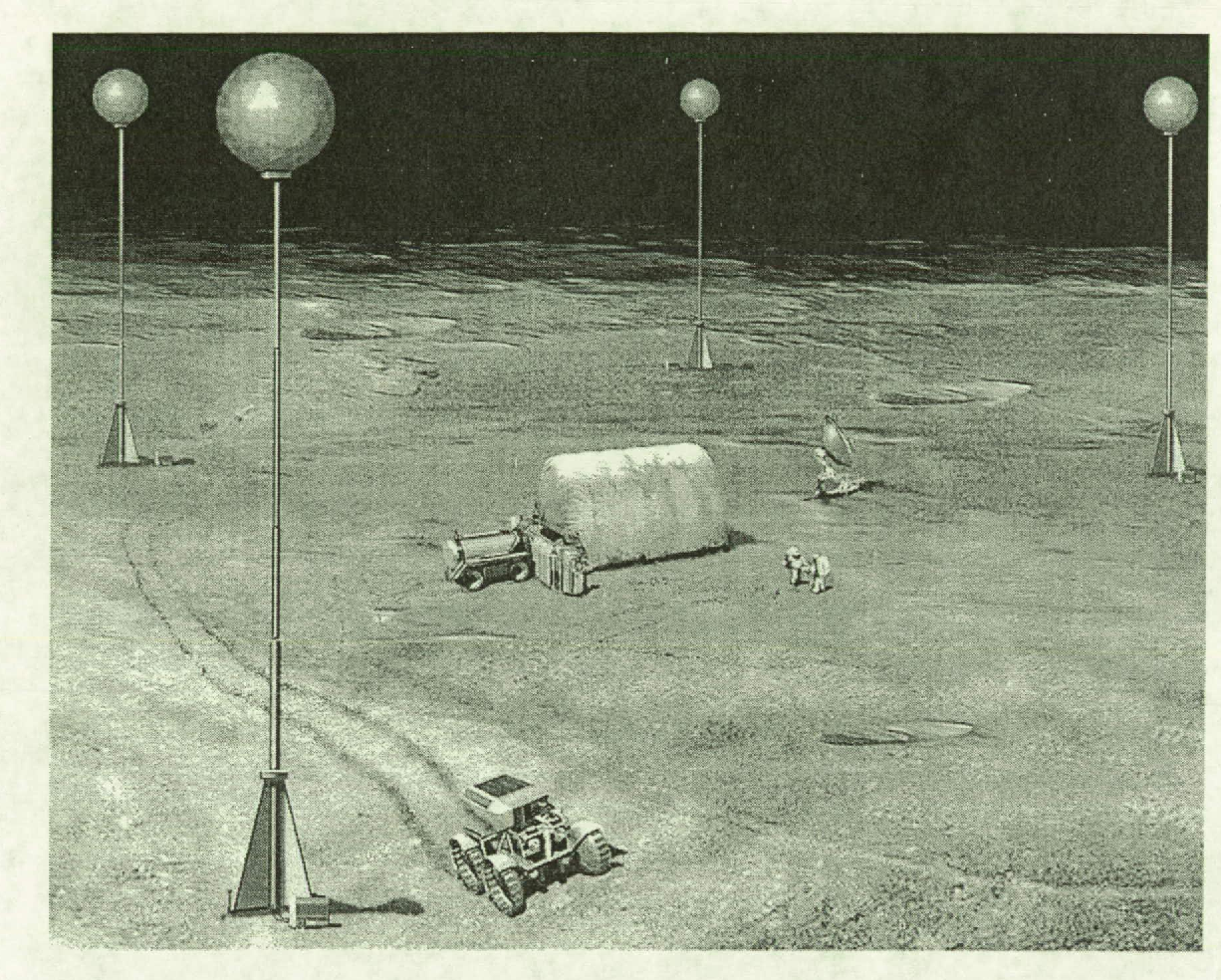
lunar base radiation shielding
What This Means for Future Missions
LEGO-like regolith bricks change mission economics and design philosophy. They allow designers to prioritize small, robust core habitats launched from Earth and then expand them using local material. This means lower up-front costs, faster growth of surface infrastructure, and more experimental freedom: landing pads, greenhouses, observatories, and manufacturing hubs can be added with far less Earth-supplied mass.
- Reduced launch mass
- Scalable infrastructure
- Local repairability
- High power demand
- Dust management challenges
- Dependency on reliable robotics
Timeline and Next Steps
Several demonstrator missions and terrestrial testbeds are plausible in the coming years. Early milestones include: validation of sintered brick mechanical properties under lunar thermal cycles, long-duration operation of microwave sintering rigs on regolith simulant in vacuum, and demonstration of autonomous interlocking assembly by rovers. Scaling will then follow: small commercial or agency-led factories producing hundreds to thousands of bricks per mission season, ultimately enabling habitats measured in tens to hundreds of square meters rather than ephemeral modules.
Conclusion: Why This Is More Than a Clever Trick
Converting Moon dust into LEGO-like bricks is not just an engineering novelty—it's a strategic enabler for a sustainable lunar economy. By reducing the mass that must be launched from Earth, by enabling scalable and repairable structures, and by leveraging widely available local resources, regolith bricks could make permanent lunar habitats financially and operationally feasible. The technology is not finished; it requires solutions for power, variability, and durability. But the path from small demonstrators to functional bases is clear enough that planners now include regolith-based construction in roadmaps for lunar exploration and settlement.
- Turning regolith into interlocking bricks could dramatically lower launch mass and costs for lunar bases.
- Primary methods include sintering, geopolymerization, and additive fusion—each with distinct tradeoffs.
- Major challenges are power supply, dust control, and ensuring long-term reliability of robotic systems.
- Regolith bricks are likely to be used first for shielding, landing pads, and infrastructure before pressurized habitats.
Final Thought
The Moon has been a destination for human wonder and scientific inquiry for decades. Turning its ubiquitous dust into the very blocks that support human life there is a quiet revolution: pragmatic, elegant, and emblematic of how exploration increasingly blends ingenuity with resourcefulness. In the years ahead, when astronauts step out onto lunar soil and put their hands on a locally made brick, they will be touching one of the first tangible proofs that humanity can extend its built environment beyond Earth.