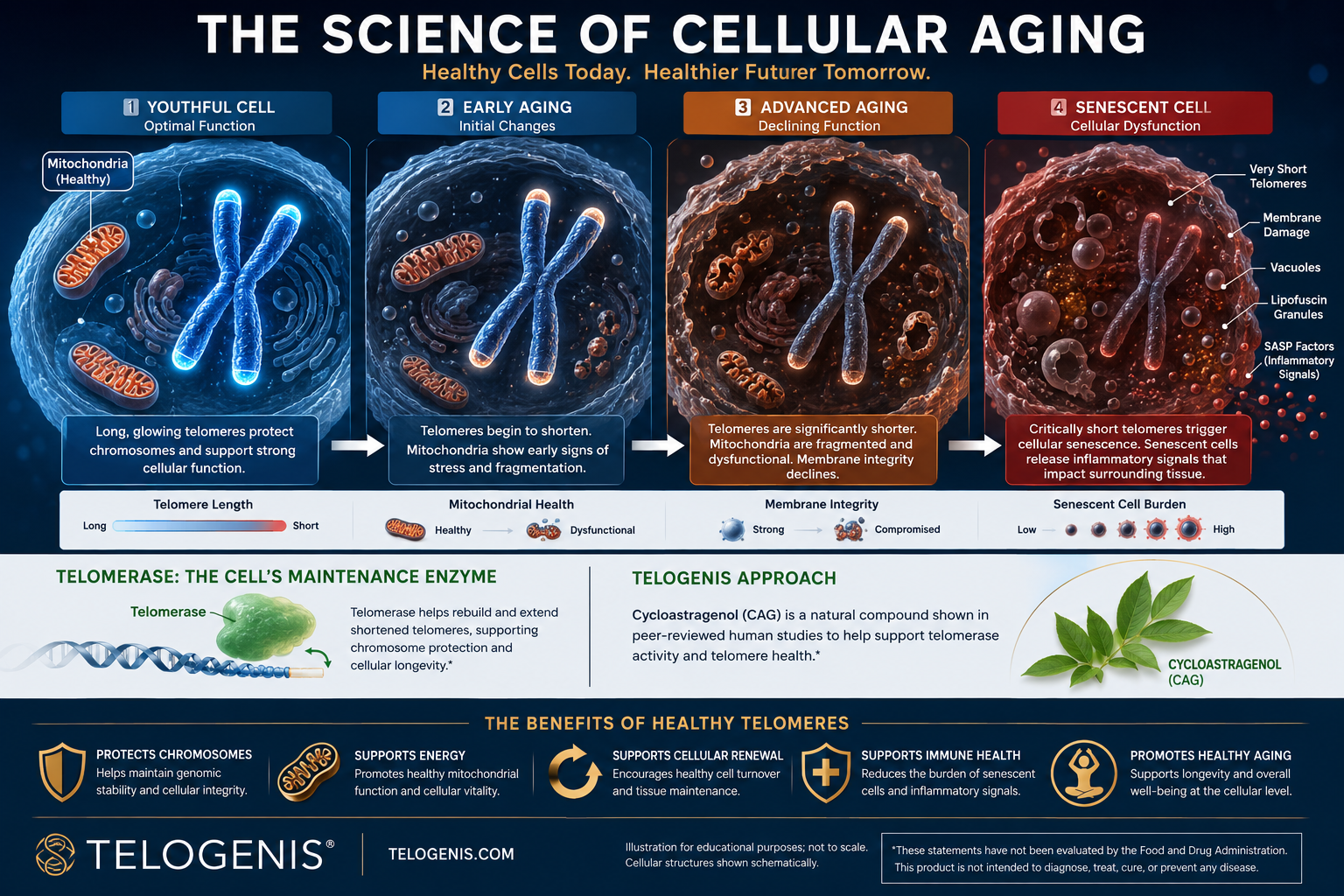
Scientists Reverse 60 Years of Cellular Aging — Rejuvenation Breakthrough
The headline reads like science fiction: researchers report they can take human cells that have accumulated six decades' worth of molecular aging and restore them to a much younger biological state. For scientists and the public alike, the experiment is both thrilling and disorienting. If the result holds up, it reframes how we think about aging—not as a one-way street but as a process that, under the right conditions, can be dialed back. Yet the path from a laboratory culture dish to safe therapies that extend healthy human life is long, uncertain, and strewn with technical and ethical obstacles. This article examines what the advance actually means, how it works at the molecular level, where the opportunities lie, and why caution is necessary even as optimism grows.
What Exactly Happened?
In the simplest terms, scientists used controlled cellular reprogramming to reset the biological markers of age in human cells. Rather than replacing the cells with embryonic stem cells or introducing foreign tissue, the researchers temporarily activated a set of genes known to reprogram cell identity and epigenetic state. When applied carefully—brief pulses rather than permanent expression—this intervention reversed hallmark measures of cellular age by an amount equivalent to about 60 years on established epigenetic clocks. Key features associated with old cells, such as aberrant DNA methylation patterns and markers of senescence, shifted toward patterns typical of much younger cells, while core functions like mitochondrial efficiency and protein homeostasis improved.
Why the Result Is Important
This experiment demonstrates three things of consequence. First, the epigenetic modifications that accumulate with age and are tightly associated with cellular dysfunction are not immutable; they can be reconfigured in human cells. Second, it is possible to achieve such reconfiguration without fully erasing cell identity if the reprogramming is transient and carefully dosed. Third, molecular age—measured by tools like DNA methylation clocks—can be a useful, responsive readout to evaluate rejuvenation strategies. Taken together, these points shift rejuvenation from a theoretical goal toward an experimental reality.
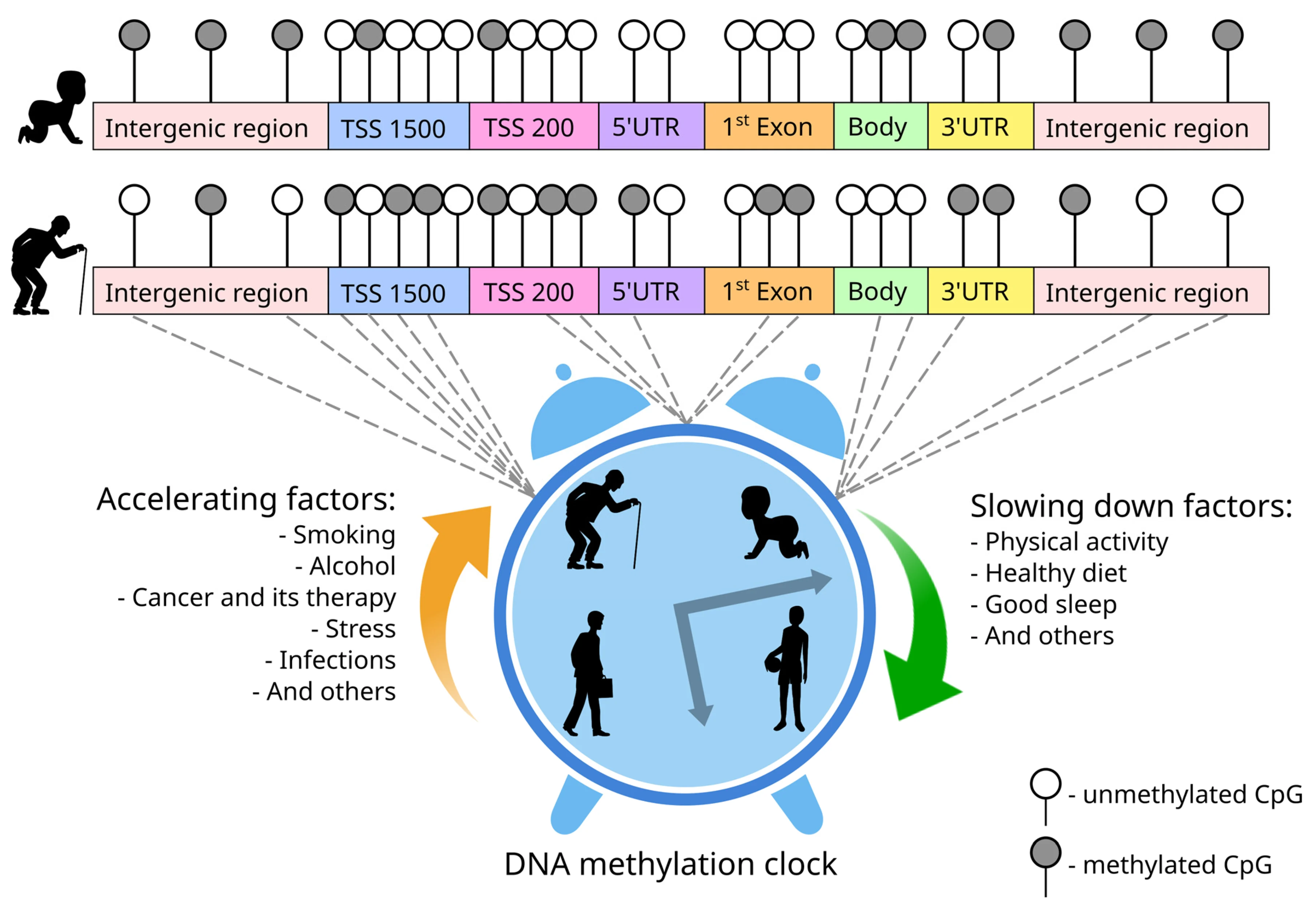
DNA methylation epigenetic clock diagram
"Aging looks less like a ruin and more like a complex software state that, given the right commands, can be restored."
How Cellular Reprogramming Rewinds Molecular Age
At the heart of this work is the concept of cellular reprogramming: turning back a differentiated cell's molecular clock to a more primitive, permissive state. The classically used tools are the so-called Yamanaka factors—Oct4, Sox2, Klf4 and sometimes c-Myc—which are transcription factors capable of remodeling chromatin, altering DNA methylation landscapes, and restarting gene expression programs. When expressed long enough and in the right environment, these factors can convert a skin or blood cell into an induced pluripotent stem cell (iPSC), essentially erasing the cell’s specialized identity.
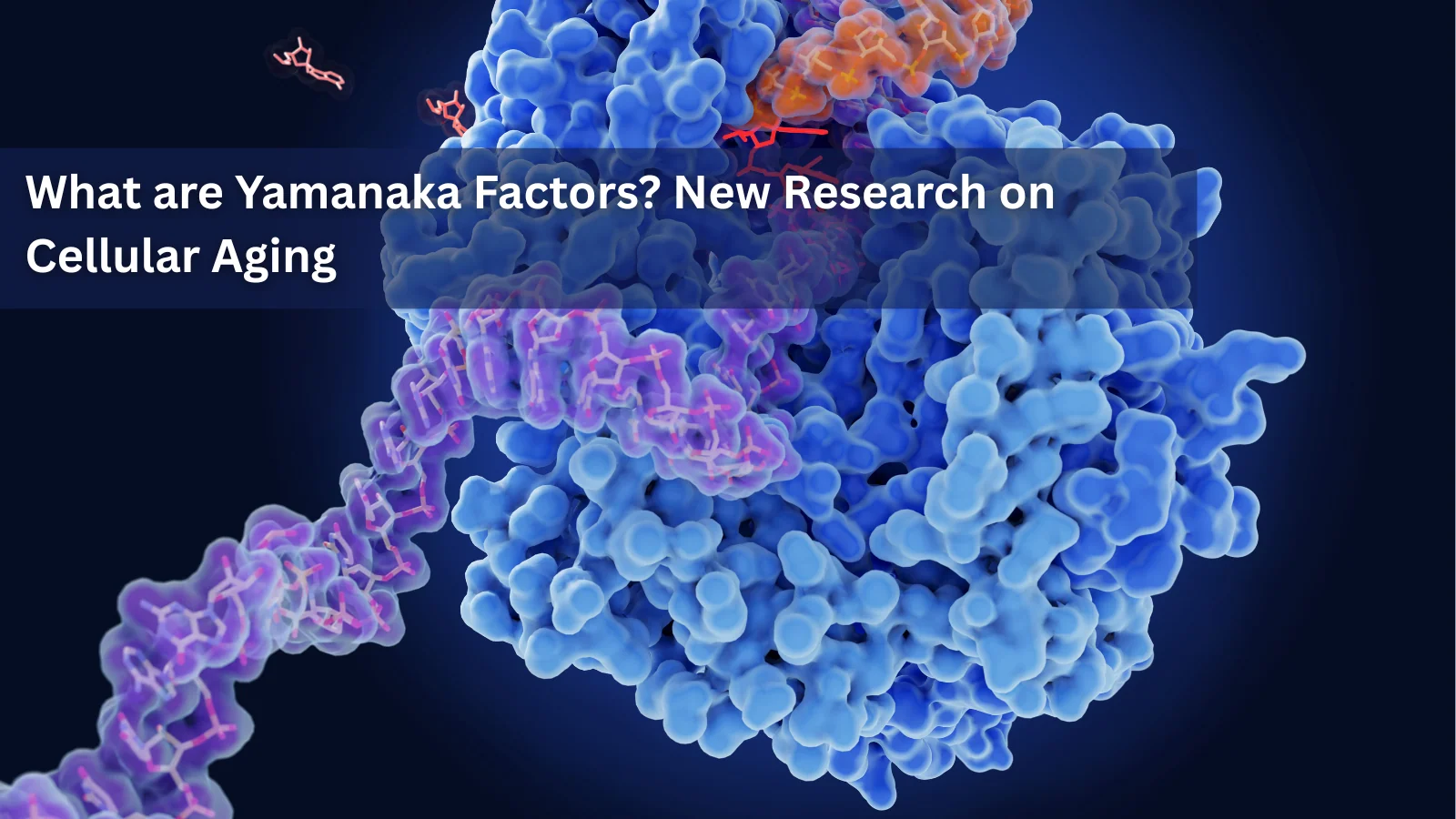
Yamanaka factors molecular biology
But full reprogramming to pluripotency is not the objective for rejuvenation therapies; it would wipe out the cell’s identity and carry tumorigenic risk. Instead, the emerging approach uses transient or partial reprogramming: short, controlled exposure to reprogramming factors that is sufficient to reset aging markers without erasing the cell’s functional identity. The result can be thought of as soft-resetting the epigenome—removing epigenetic 'scars' of aging while preserving the cell's place and role in tissue.
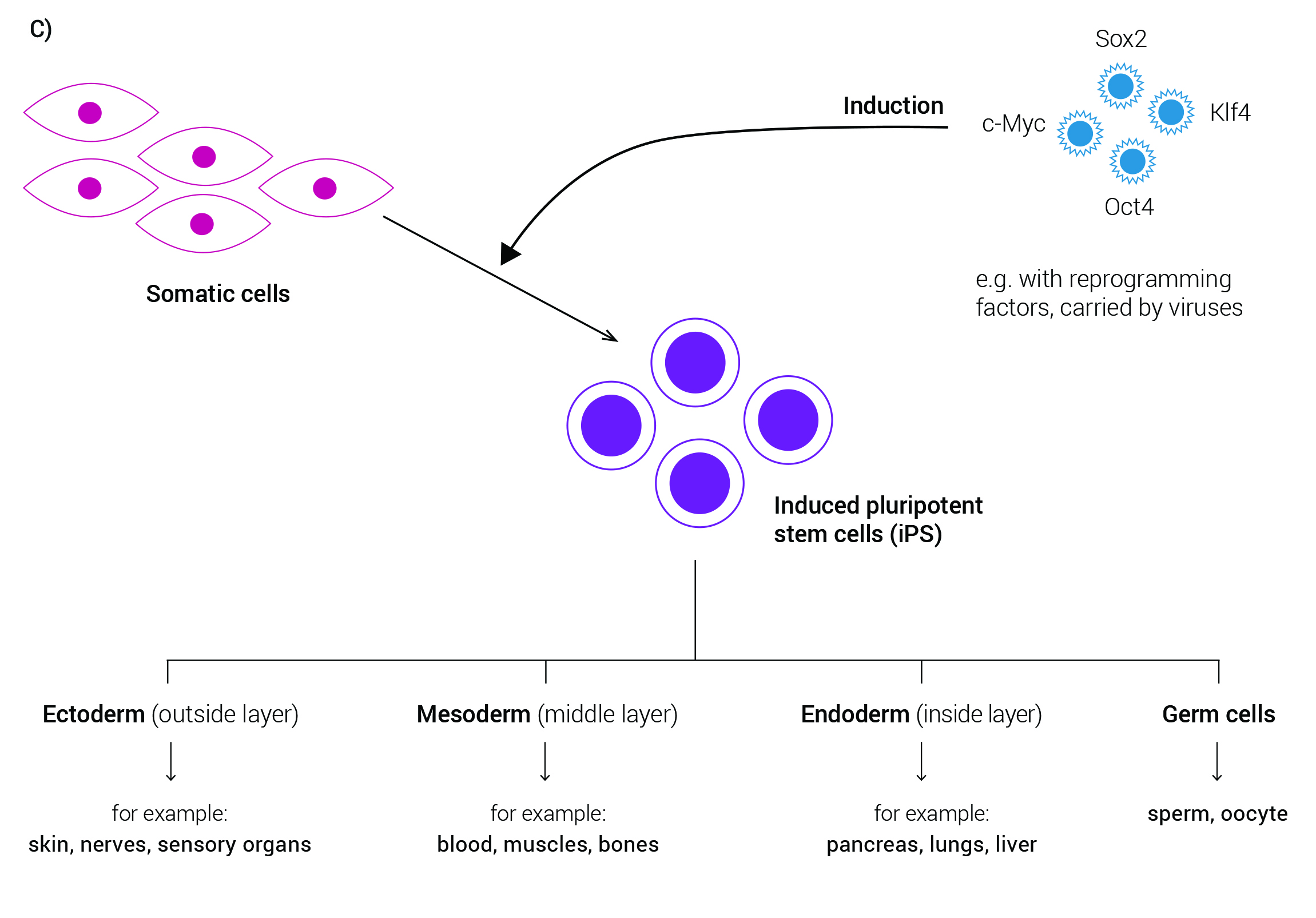
induced pluripotent stem cells iPSC
What Is an Epigenetic Clock?
An epigenetic clock is a biomarker derived from DNA methylation patterns that correlates strongly with chronological age and, importantly, predicts biological age—how old a cell or tissue appears in functional terms. These clocks use methylation of specific cytosine-phosphate-guanine (CpG) sites across the genome to produce an age estimate. In aging research they have been pivotal: when an intervention reduces epigenetic age, researchers infer a rejuvenating effect. The present work reports large-scale reductions in epigenetic age signals, implying that many age-associated methylation marks were reset toward a youthful pattern.
The Experimental Approach — Generalized Overview
Although technical details vary between laboratories, the broad experimental pattern is consistent. Scientists take human somatic cells—commonly fibroblasts or blood-derived cells—from donors spanning a spectrum of chronological ages. They then deliver reprogramming factors using temporary expression systems: inducible vectors, mRNA, or small-molecule cocktails that mimic reprogramming activity. Crucially, exposure is carefully timed: long enough to alter epigenetic marks, but short enough to avoid loss of cellular identity. After treatment, cells are profiled across multiple dimensions: DNA methylation, transcriptomes, protein markers, mitochondrial function, telomere length, and indicators of senescence. In the reported breakthrough, these assays moved in concert toward a younger state.
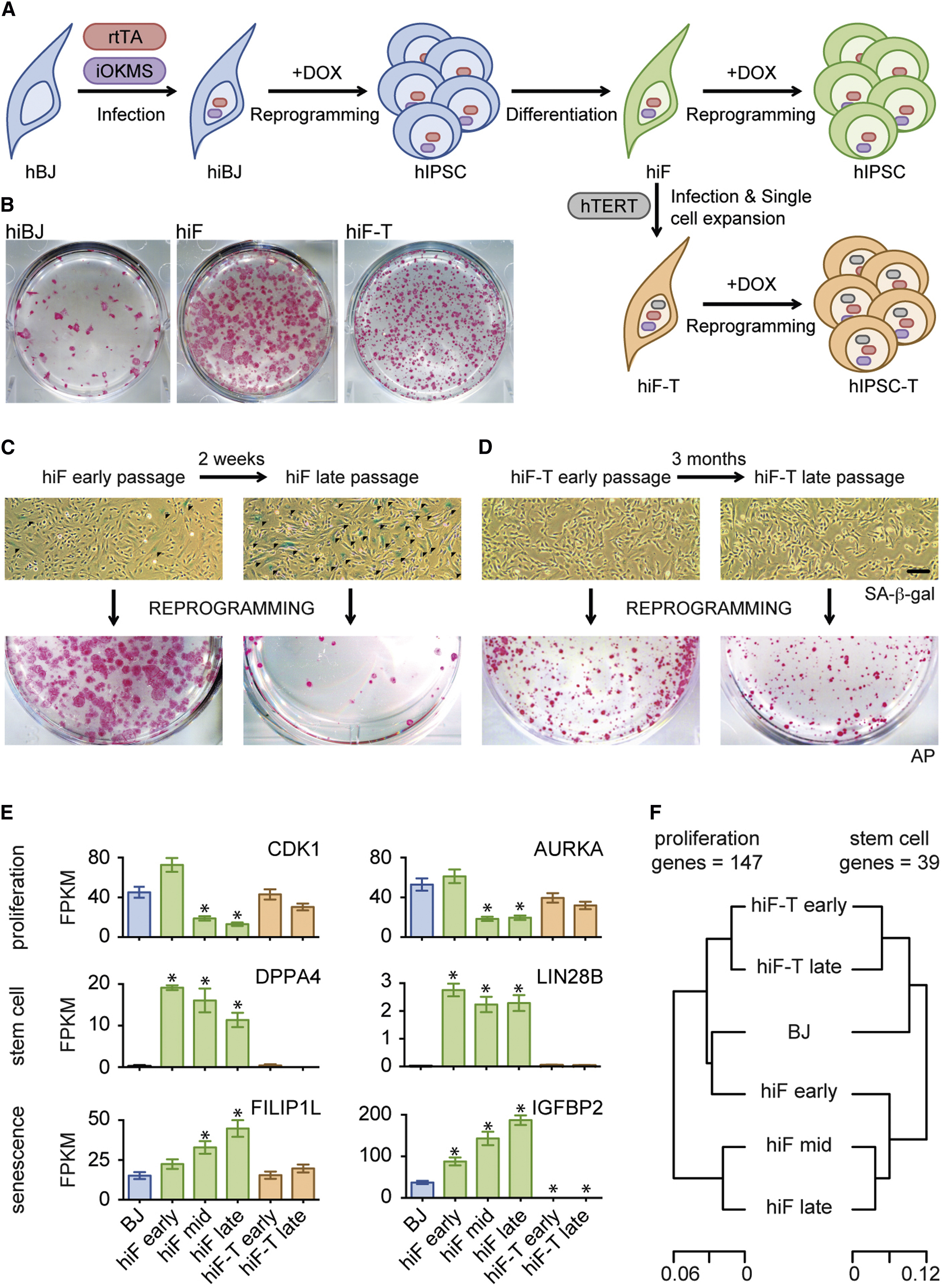
human cell reprogramming laboratory
Beyond DNA: Functional Improvements
Rejuvenation is meaningful only if molecular changes translate into function. The study reported improvements beyond methylation clocks: reduced expression of senescence-associated secretory phenotype (SASP) markers, improved mitochondrial respiration, more robust stress responses, and enhanced proliferation capacity when appropriate. These improvements suggest restored cellular resilience—the ability to maintain homeostasis and respond to damage—which is the essence of healthspan.
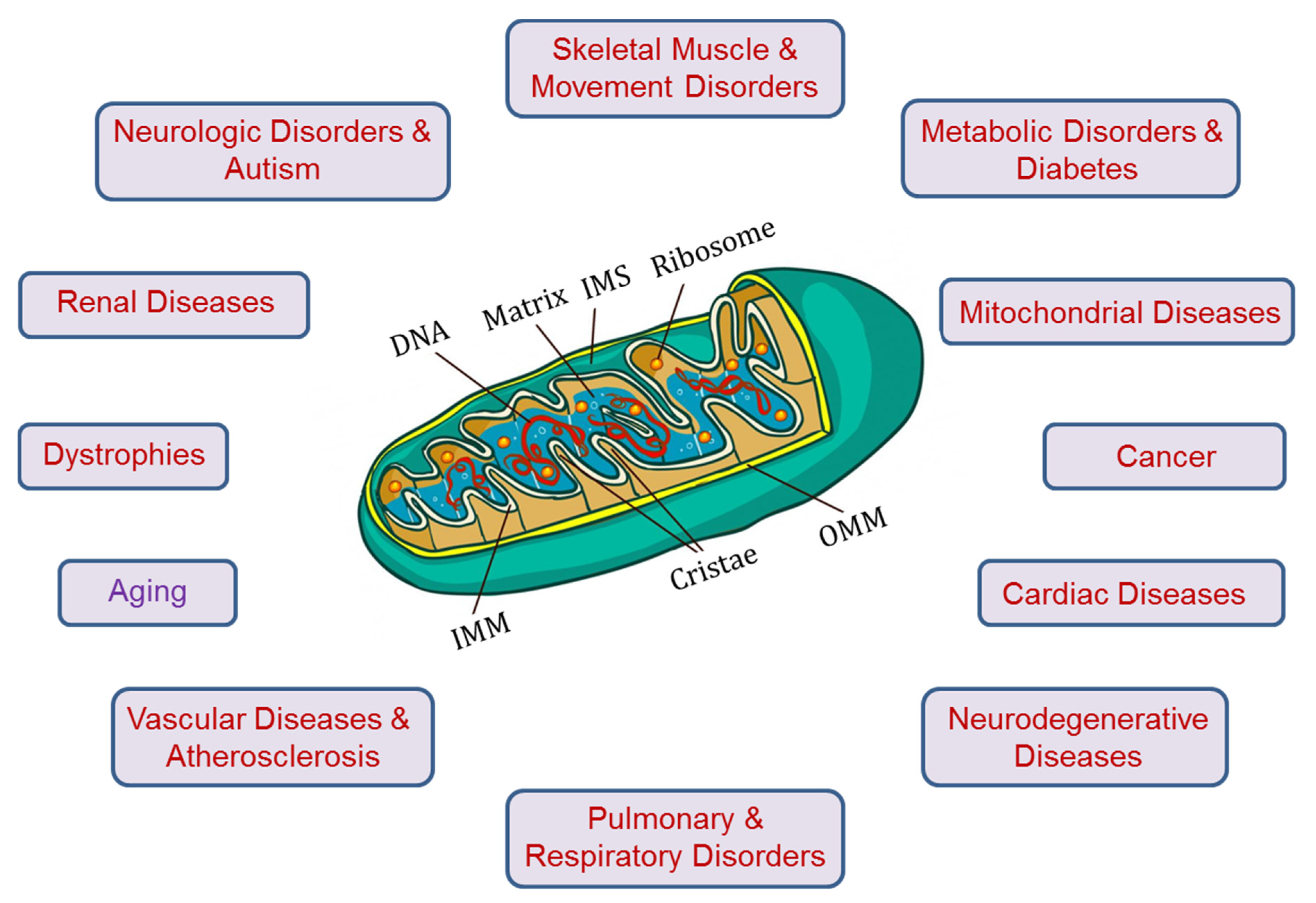
mitochondria cellular function visualization
Potential Clinical Applications
The implications for medicine are profound but nuanced. If the effect is reproducible and safely delivered in tissues, it could become the foundation for therapies that treat age-related diseases by restoring function rather than simply managing symptoms. Potential near-term applications are likely to be ex vivo: cells from a patient are rejuvenated in the lab and returned—examples include rejuvenated immune cells for chronic infection or cancer, engineered tissues for degenerative disease, and improved grafts for transplant. In the longer term, controlled in vivo approaches could target organs or cell types most responsible for disease burden: heart, liver, brain, or pancreas. Restoring youthful function in key tissues could delay or reverse pathologies such as fibrosis, neurodegeneration, and metabolic decline.
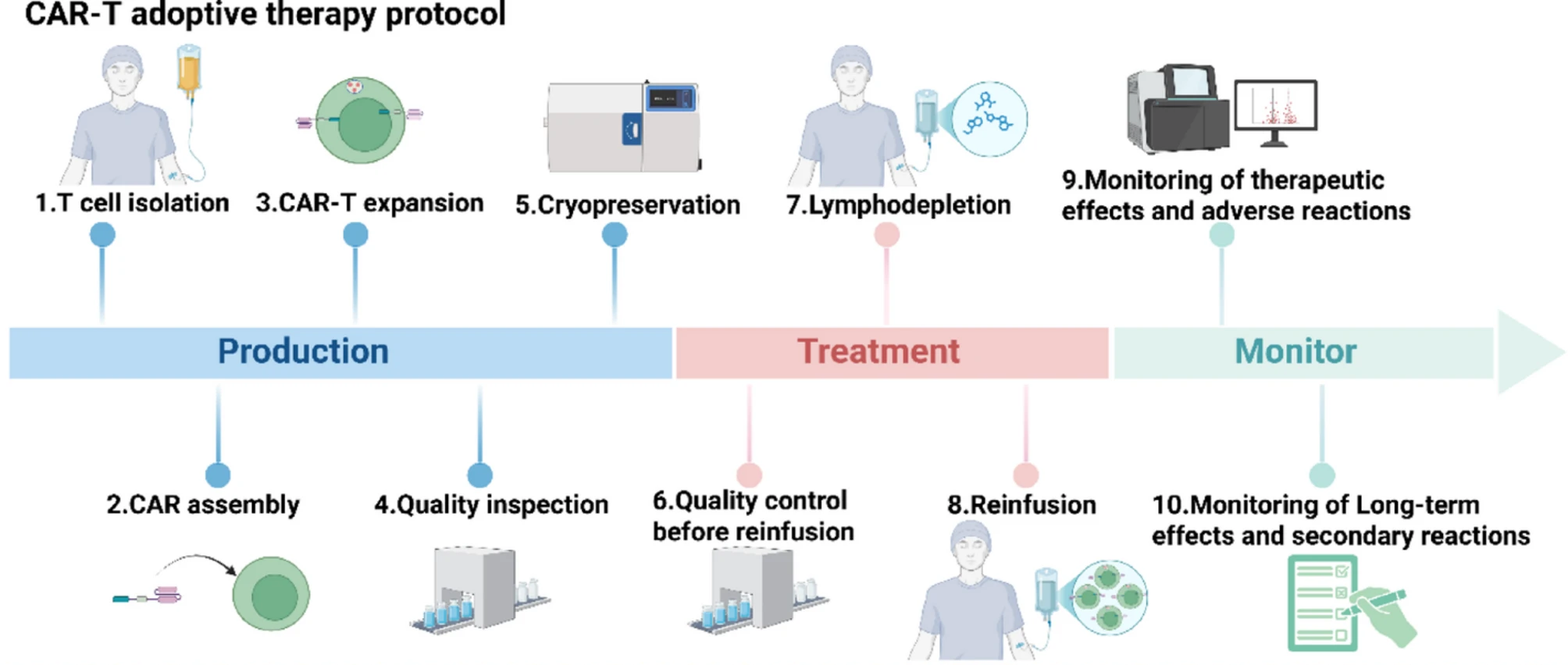
ex vivo cell therapy process
Risks and Uncertainties
There are substantial risks to translating a cellular reset into a clinical therapy. First, reprogramming factors influence cell identity and proliferation; if misapplied, they could induce uncontrolled growth or tumor formation. Second, the immune system might respond to altered cells in unpredictable ways. Third, the long-term durability of the reset state is unclear—cells that appear younger in the lab could re-accumulate age marks in a hostile aged tissue environment. Fourth, rejuvenation at the cellular level may create mismatches between rejuvenated cells and their older neighbors, potentially disrupting tissue homeostasis.
Caution Short-term laboratory improvements do not guarantee long-term benefits or safety in living organisms. Rigorous preclinical testing and phased clinical trials are essential.