
Ross Scott at the European Parliament: What Gamers Need to Know
The sight of a game critic or creator taking a seat in a formal chamber of lawmakers can feel, to many players, like a long-overdue recognition: games are not just toys; they are expressive media, economic engines, and cultural artifacts. When Ross Scott—known to many for his sharp commentary on games, media, and culture—appears in front of the European Parliament on an issue framed as "Stop Killing Games," it is worth pausing. This is not theater. It is a concrete moment when policy, public opinion, and the future of interactive entertainment intersect. For gamers, that convergence shapes everything from what titles will be published, to whether classic games will be preserved, to the limits of critique, satire, and modding.
Ross Scott video game critic
Context: Why the European Parliament Matters to Gamers
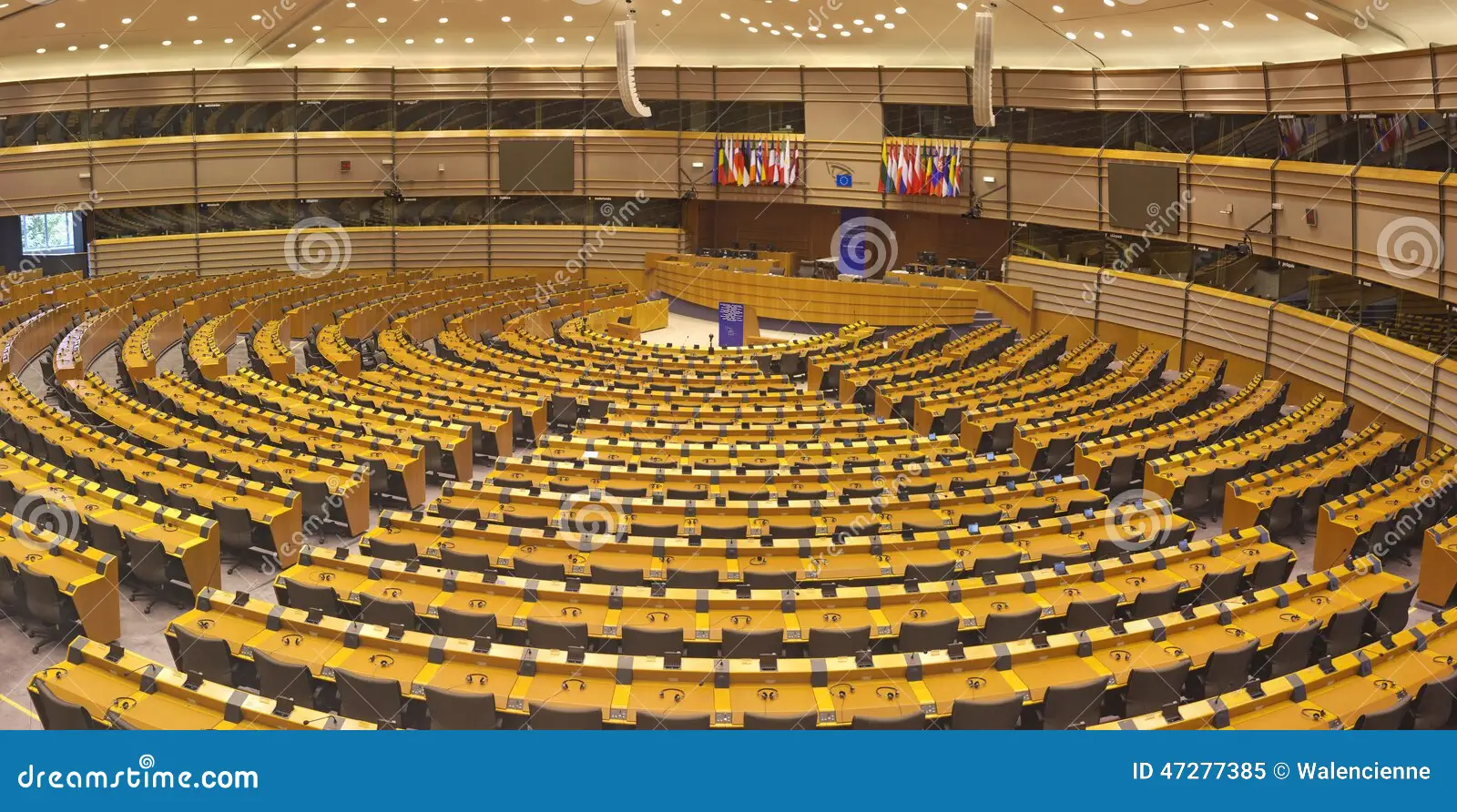
European Union institutions draft and approve rules that affect tens of millions of players, developers, and platform operators across member states. Regulations or directives originating in Brussels can set standards for content moderation, platform liability, consumer protections, digital single market rules, age rating frameworks, and copyright enforcement. The European Parliament is a legislative body where elected Members of the European Parliament (MEPs) debate and shape these measures. What looks like a local parliamentary hearing to some is, in fact, part of a transnational policy process with global reach.
European Parliament chamber interior
Who Is Ross Scott — and Why His Voice Resonates
Ross Scott is a figure best known to many for long-form video essays and commentary that combine humor, cultural critique, and a deep interest in how games function as narrative and technology. His voice matters because he speaks from both an enthusiast and a creator’s perspective: he understands the technical ecosystems of games, the economics that sustain developers, and the cultural mechanisms that let players interpret and remix interactive work. When someone with that background testifies or advocates in a formal policy setting, they translate abstract legal language into the lived realities of players and creators.
Games survive or perish not only by market forces, but by the rules lawmakers write—and those rules decide whether we can play, study, and remember.

Stop Killing Games campaign logo
What "Stop Killing Games" Means
"Stop Killing Games" functions as both a slogan and a policy critique. It tends to bundle several related concerns: overbroad content restrictions that choke creative risk-taking, regulatory frameworks that create compliance costs impossible for small developers, aggressive copyright enforcement that undermines preservation and research, and platform practices that prioritize monetization over meaningful engagement. The slogan captures a fear familiar to many gamers: that well-intentioned laws or blunt platform rules will have the unintended effect of narrowing what games can be and how they are experienced.
Major Policy Flashpoints Behind the Slogan
Several technical and legal issues sit at the heart of this debate. Understanding them helps explain why politicians and advocates clash.
- Content regulation and moderation: Rules aimed at hate speech, disinformation, or harmful content can be written in ways that sweep up satire, critique, or historically accurate depictions used for storytelling.
- Copyright enforcement and DMCA-style takedowns: Aggressive enforcement can remove mods, fan translations, and archival copies—activities that sustain community life and historical research.
- Platform liability and safe harbor rules: Changes to liability can force platforms to over-filter user content to avoid fines, chilling user-generated content.
- Age ratings and claims of harm: Stricter or more centralized rating regimes can increase costs and uncertainty for small studios, deterring creative experimentation.
- Digital preservation and emulation: Laws that criminalize circumvention of DRM or that treat emulation as infringement threaten the ability of archivists and libraries to preserve games.
Why Gamers Should Care — Concrete Impacts
The consequences of policy moves are rarely abstract. Here are concrete ways player experiences change when regulation tilts the wrong way.
- Fewer experimental titles: Higher compliance costs and legal risk reduce the incentive for small teams to take narrative or mechanical risks.
- Modding and community projects at risk: The vibrant culture of mods, total conversions, and fan-made content could be curtailed or driven underground.
- Loss of access to older games: Without legal pathways for preservation, classic titles become unplayable relics, erasing cultural history.
- Less player agency: Overbroad moderation can remove streams, critiques, and parodies that serve as public commentary on games.
- Consolidation of power: Regulation that favors large incumbents with legal teams risks concentrating distribution and gatekeeping in a handful of platforms.
Ross Scott's Argument: Translation and Principles
When someone like Ross Scott speaks at a parliamentary hearing, the value is twofold. First, he translates legalese into narrative: what does a liability regime feel like in a studio that ships a patch? How does a takedown notice affect a community that has spent years building a mod? Second, he offers principles that cut across single-issue debates—principles such as proportionality, transparency, and respect for cultural value. Advocates tend to push for rules that protect children and the vulnerable while avoiding regulatory tools that are blunt enough to damage legitimate expression and technological innovation.
Balancing Safety and Freedom: The Nuance Lawmakers Often Miss
One of the frustrations of this debate is its tendency to be framed as a binary: safety versus freedom. But the reality is nuanced. Policy can be designed to protect players—especially minors—from genuinely harmful content, while still safeguarding creative work and historical preservation. The difference lies in careful drafting: clear definitions, robust notice-and-takedown processes, exemptions for academic research and preservation, and proportional penalties that do not create perverse incentives for platforms to over-censor.
Regulation without nuance is censorship by consequence: platforms choose the easiest path to avoid fines, and communities pay the price.
Examples That Illustrate the Stakes
Imagine three scenarios: a small indie studio faces a compliance bill that doubles its operating costs because of new registration requirements; a beloved mod that fixes a game's bugs is taken down after an automated claim; and a national archive is blocked from creating playable copies of an early console library because of anti-circumvention statutes. Each scenario shows how policy choices cascade into degraded player experiences, fewer preserved works, and a chilling effect on community labor.
What Gamers Can Do—Practical Steps
Participation is not only the right of citizens; it is an effective tool. Here are concrete steps players can take if they want to influence outcomes.
- Inform yourself: Understand the specific proposal—what it changes, whom it affects, and how.
- Speak to representatives: Contact MEPs or national lawmakers, offering a succinct description of intended and unintended consequences.
- Support archival initiatives: Donate to or volunteer with organizations preserving game history.
- Back civil society groups: Groups working on digital rights and expressive freedom can translate individual concerns into policy advocacy.
- Amplify creators' testimony: Share reasoned testimony from developers and critics that explain the real-world impacts of policy choices.
A Short Checklist for Evaluating Proposals
When assessing any piece of legislation that touches games or platforms, players should ask a few targeted questions:
- Does it include clear definitions to avoid overreach?
- Are there narrow, evidence-based exceptions for preservation, parody, and critique?
- Does it impose disproportionate compliance costs on small entities?
- Is there a transparent appeals process for content removals?
- Are penalties proportional and targeted, not bluntly punitive?
How This Shapes the Industry Long-Term
Policy decisions made in parliaments echo for years. A regulatory environment that rewards scale and compliance-friendly products alters the incentives of both investors and creators. We might see fewer risky, original titles and more safe, algorithmically optimized products designed for monetization. Conversely, rules that preserve space for experimentation and reduce unnecessary friction for small teams tend to produce a more diverse ecosystem—artists and developers can take chances, communities can thrive, and culture broadens.
- Protection against genuinely harmful content.
- Clear consumer rights and safety standards.
- Harmonization across borders can simplify cross-market distribution.
- Possible overreach that chills creative expression.
- Disproportionate burden on indie developers and archivists.
- Automated enforcement can remove legitimate content.
What to Watch Next
Follow parliamentary committee calendars and public consultations related to digital markets, copyright reform, platform regulation, and media policy. Watch for amendments that include preservation exceptions, micro-enterprise exemptions, or clarified safe-harbor protections. Pay attention to the language: small shifts in wording—"liable for" versus "responsible for"—can dramatically change how platforms handle user content.
Conclusion: Why This Moment Matters
Ross Scott's testimony and the "Stop Killing Games" framing matter because they crystallize a broader conversation: who gets to decide the shape of digital culture, and by what rules? Games sit at the intersection of art, technology, commerce, and community. When lawmakers make choices without listening to the people who create and play games, the result is often brittle policy that harms the very culture it intends to protect. Gamers who care about diversity, preservation, and expressive freedom should treat parliamentary debates as civic terrain worth engaging.

Game modding community workshop
Key Takeaways
- Regulation at the EU level has global impact on games and communities.
- Broad or blunt rules often have unintended chilling effects on creativity and preservation.
- Voice's like Ross Scott's translate technical realities into human consequences for lawmakers.
- Players can influence outcomes through informed engagement, advocacy, and support for preservation efforts.

Video game preservation archive
Final Thought
At stake is nothing less than the future of play: whether games remain a vibrant, evolving cultural medium or become a narrower, risk-averse product category shaped by fear of legal exposure. The choice will reflect not just parliamentary votes, but who shows up to explain, to persuade, and to demand nuance. For gamers, that means paying attention, speaking up, and helping craft rules that protect people without extinguishing the creative sparks that make games worth playing.