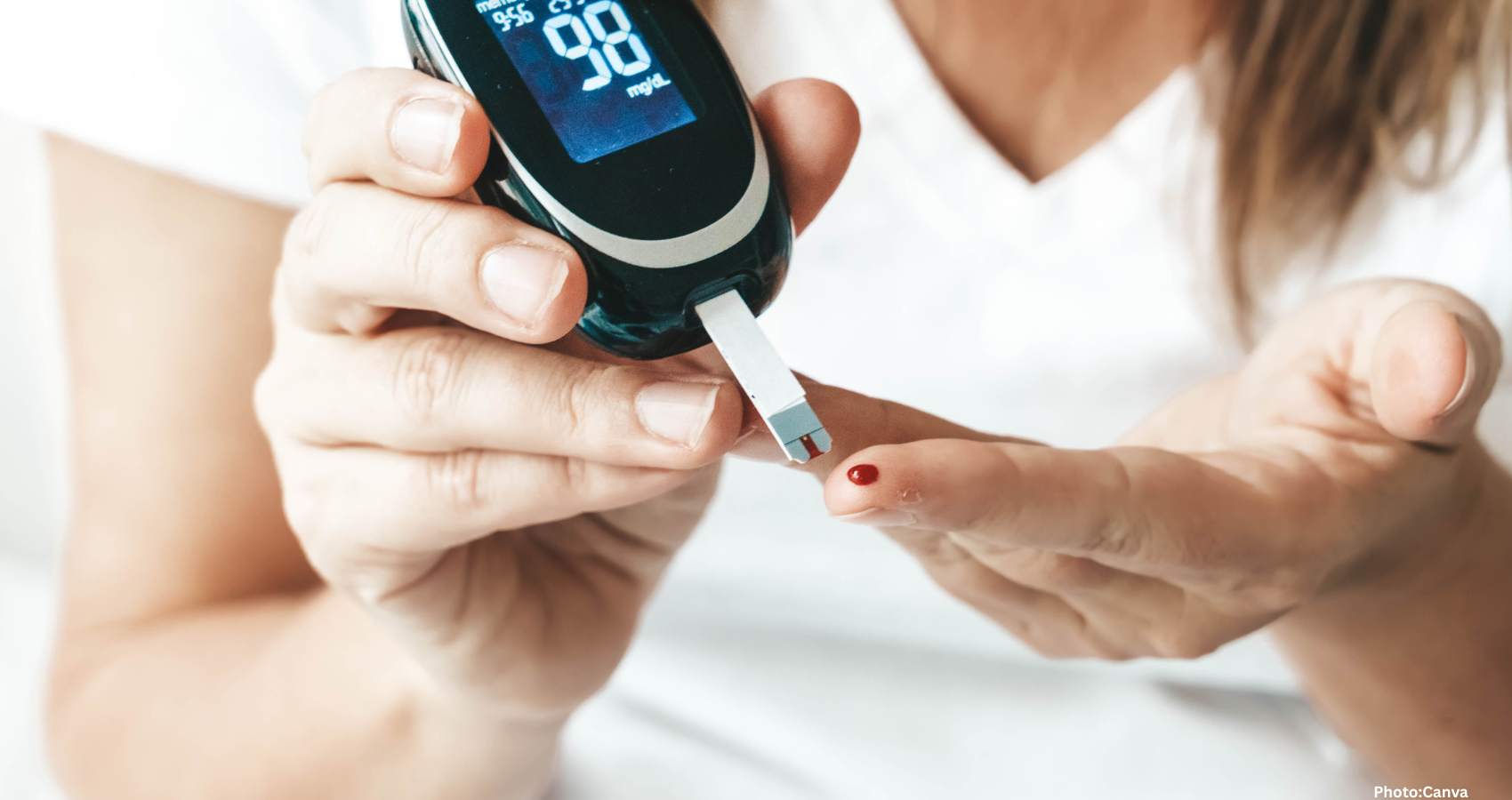
Reversing Prediabetes Lowers Heart Disease Risk by 58%
Prediabetes used to be a warning sign, a yellow light on the dashboard of health. Now, emerging evidence suggests it is also a reversible condition—and that reversing it can dramatically lower the risk of the most feared consequences: heart attacks, strokes and fatal cardiovascular events. If you or someone you love has been told their numbers are "borderline," this is not a sentence; it is an opportunity. This article unpacks what reversal means, why a 58 percent reduction in cardiovascular risk matters, and how to turn laboratory values into lasting protection for the heart.
WHY THIS MATTERS
More than one in three adults in many countries has prediabetes, a metabolic state where blood sugar control is impaired but has not yet crossed the threshold for type 2 diabetes. The period of prediabetes is not harmless: prolonged high glucose and the underlying insulin resistance accelerate atherosclerosis, increase inflammation, and worsen endothelial function—pathways that lead directly to coronary artery disease and stroke.
Reversing prediabetes isn't only about avoiding diabetes; it can cut the risk of deadly heart problems by more than half.
This new perspective reframes clinical priorities. For decades, much attention focused on preventing progression to diabetes; now we must also aim to reverse prediabetes as a strategy to prevent cardiovascular disease. Reversal transforms the trajectory of a person's long-term health and reduces the cardiovascular burden borne by families and health systems.
THE STUDY, THE NUMBER, AND WHAT IT MEANS
What the 58 percent reduction represents
Saying that reversal cuts risk by 58 percent summarizes a comparison between two groups of people with prediabetes: those whose metabolic measures returned to normal within a defined follow-up period and those whose prediabetes persisted or progressed. The headline figure indicates a relative risk reduction for major cardiovascular events among people who reversed prediabetes versus those who did not.
Relative risk reductions are powerful messaging tools, but they do not tell the whole story. Absolute risk—how many actual events occur per 1,000 people—depends on baseline cardiovascular risk, age, and other conditions like hypertension and smoking. For an individual, a clinician will translate relative numbers into absolute terms to guide decisions.
How reversal is typically defined
Reversal of prediabetes is usually defined by laboratory thresholds: a return of hemoglobin A1c (HbA1c) into the normal range (commonly <5.7 percent) and/or normalization of fasting plasma glucose and/or an oral glucose tolerance test. The timeframe varies by study—some assess reversal at 1 year, others at 3 to1465 years. Regardless, the important point is that metabolic improvement is measurable and consequential.
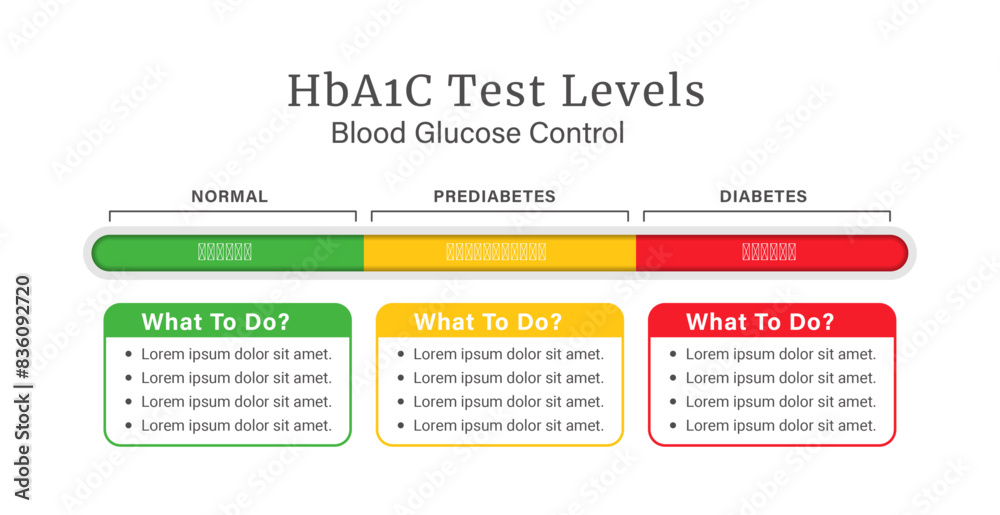
HbA1c blood sugar test
BIOLOGY: WHY IMPROVING GLUCOSE LOWERS HEART RISK
Insulin resistance and the artery wall
Insulin resistance, the central defect in most cases of prediabetes, drives several pathogenic processes that harm the heart. It increases circulating free fatty acids, promotes small dense LDL particles that are more likely to clog arteries, and raises triglycerides while lowering HDL cholesterol. At a vessel level, insulin resistance impairs endothelial nitric oxide production, reducing the artery's ability to dilate and increasing susceptibility to plaque formation.

insulin resistance artery health
Inflammation and thrombosis
Even modest elevations in blood sugar stimulate inflammatory pathways. Chronic low-grade inflammation weakens plaque stability and raises the risk of plaque rupture—the immediate cause of many heart attacks. Better glycemic control reduces inflammatory markers and may restore a more stable vascular environment.
Metabolic domino effects
Reversing prediabetes often involves weight loss, improved lipid profile, and lower blood pressure—each an independent factor for reduced cardiovascular events. Therefore, the cardiovascular benefit of reversal is not solely a glucose story; it is a composite improvement across the cardiometabolic spectrum.
HOW TO REVERSE PREDIABETES: A PRACTICAL, EVIDENCE-BASED PLAN
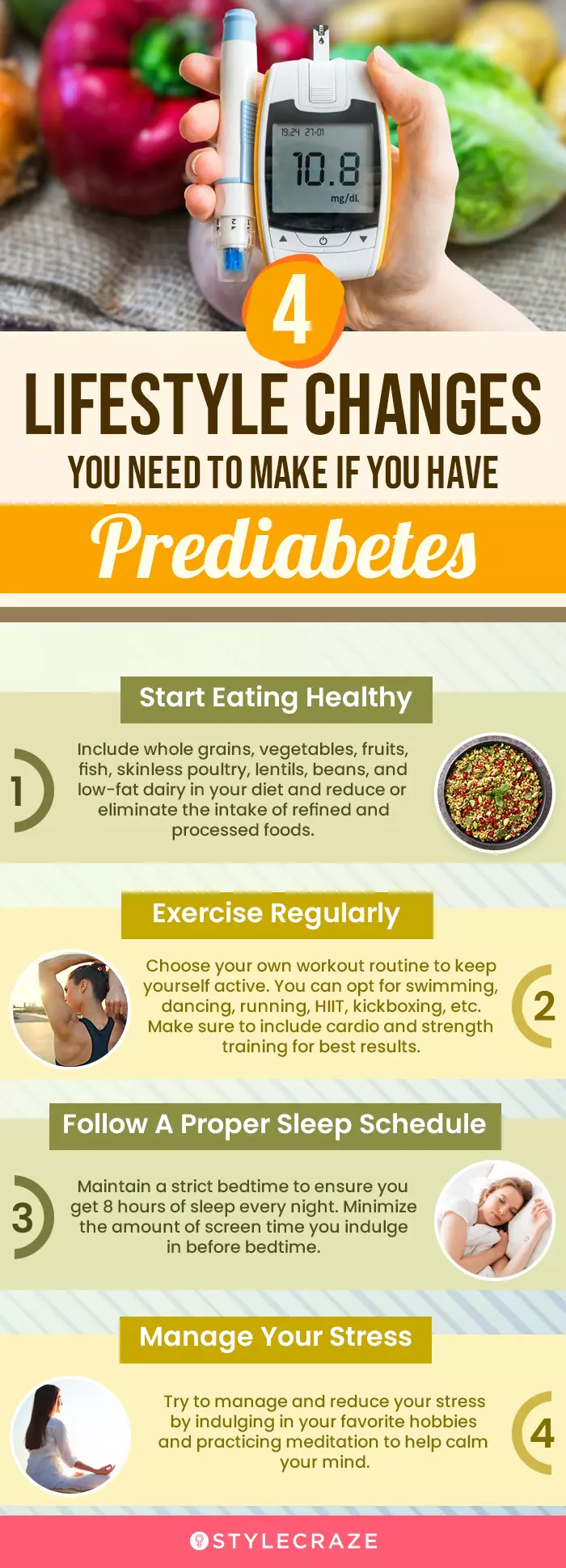
Reversal is achievable for many people. The interventions that work are familiar: changes to diet, physical activity, modest weight loss, high-quality sleep, and strategic use of medication when indicated. Below is a stepwise, practical plan clinicians and individuals can apply.
1. Know your numbers and risk
Start with accurate measurement: HbA1c, fasting glucose, and, when appropriate, a 2-hour oral glucose tolerance test. Add blood pressure, fasting lipids, weight, and waist circumference to understand cardiometabolic risk. A simple baseline enables targeted goals and realistic expectations.
2. Set a modest, achievable weight-loss target
For people with overweight or obesity, losing 5 to 10 percent of total body weight often produces meaningful improvements in glucose metabolism and lipids. Even 3 to 5 percent can lower fasting glucose and insulin levels. Realistic, sustained weight loss—rather than rapid short-term reductions—yields the best long-term outcomes.
weight loss prediabetes reversal
3. Use dietary patterns that improve insulin sensitivity
Rather than obsessing over single nutrients, adopt an overall eating pattern that prioritizes whole foods, fiber, and unsaturated fats while limiting refined carbohydrates and added sugars. Effective patterns include the Mediterranean-style diet and lower-carbohydrate approaches tailored to personal preference and medical needs.

Mediterranean diet vegetables
- Focus on: vegetables, legumes, whole grains, nuts, fatty fish, olive oil.
- Limit: sugar-sweetened beverages, refined grains, and processed snacks.
- Portion control: mindful eating and attention to calorie balance help with weight loss.
4. Move more—exercise for insulin sensitivity
Both aerobic and resistance exercise improve insulin sensitivity. Aim for at least 150 minutes per week of moderate-intensity aerobic exercise (such as brisk walking) plus two sessions per week of resistance training. Frequent short bouts of movement through the day also help glucose control.
5. Optimize sleep and stress
Poor sleep and chronic stress increase cortisol and worsen insulin resistance. Prioritize 7 to 9 hours of quality sleep per night and use stress-reduction strategies—mindfulness, structured breathing, or cognitive-behavioral techniques—to lower physiologic burden.
6. Avoid tobacco and limit alcohol
Smoking increases cardiovascular risk independently and accelerates glycemic deterioration. Alcohol contributes calories and can destabilize glucose control; moderation or avoidance is advised depending on your situation.
7. Consider pharmacologic tools when appropriate
When lifestyle change is insufficient or when risk is high, medications can help. Metformin is often used for diabetes prevention and may assist weight management and glycemic control. Newer agents (such as GLP-1 receptor agonists) can produce substantial weight loss and improve cardiometabolic markers. Medication decisions should be individualized with a clinician.
MEASURING SUCCESS: WHAT TO TRACK
- HbA1c: target <5.7 percent for normal range; track every 3 to 6 months while making changes.
- Fasting glucose: consistent values in the normal range support reversal.
- Weight and waist circumference: modest reductions correlate with metabolic improvements.
- Lipids and blood pressure: improved cardiovascular profile is part of the goal.
Successful reversal shows up as more than numbers: better energy, clearer thinking, and less medication burden for many people.
REAL-LIFE STORIES
From numbers to life
Imagine a 52-year-old office worker whose fasting glucose is 110 mg/dL and HbA1c is 5.9 percent. With a modest 7 percent weight loss, 30 minutes of brisk walking daily, and a shift to a Mediterranean-style eating pattern, their HbA1c drops to 5.5 percent within a year. That move didn't just change lab values; it lowered blood pressure by a few points, reduced LDL cholesterol, and—if the headline is any guide—cut their future risk of heart attack or stroke dramatically.
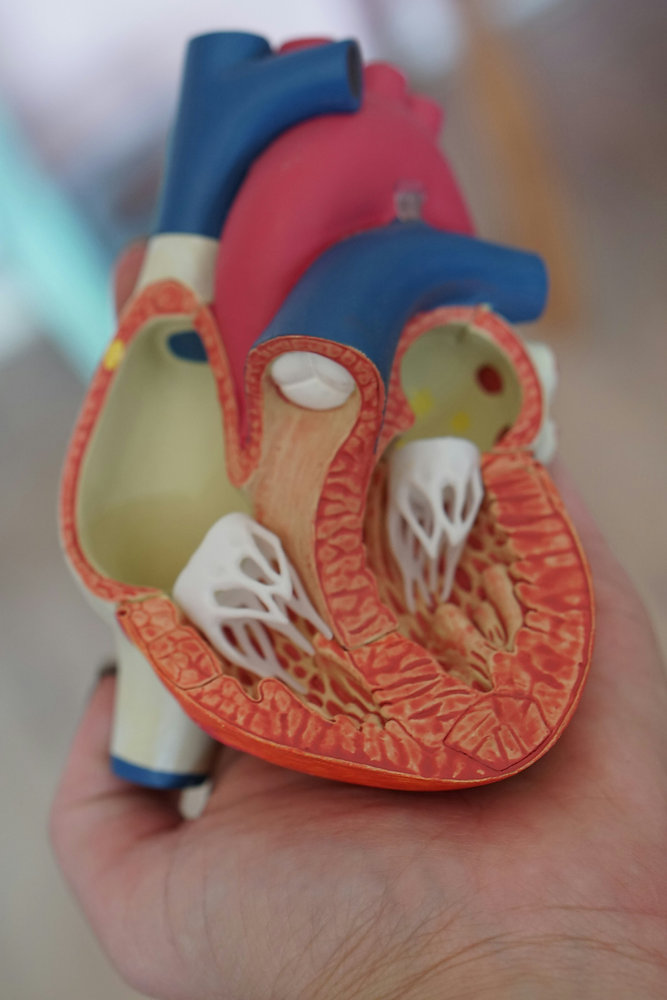
cardiovascular risk reduction
These are not exceptional anecdotes. Clinical programs worldwide report that structured lifestyle interventions—counseling, supervised exercise, and dietary coaching—can produce sustained reversal for many participants. The challenge is scaling access so everyone at risk can benefit.
prediabetes lifestyle intervention
PRACTICAL BARRIERS AND HOW TO OVERCOME THEM
Access, affordability, and adherence
Behavior change is hard. Structural barriers—food deserts, unsafe neighborhoods for exercise, limited time, and financial constraints—make it more difficult for many people to follow recommended plans. Clinicians and public health programs should design support that is culturally appropriate, affordable, and individualized.
WHAT THIS MEANS FOR PUBLIC HEALTH AND CLINICAL PRACTICE
If reversing prediabetes reduces cardiovascular events by the magnitude suggested, the implications are large. Preventive strategies that prioritize reversal could shift healthcare spending from advanced disease care toward upstream interventions—screening programs, community-based lifestyle support, and policies to improve food environments and physical activity opportunities.
Clinicians should integrate reversal goals into routine care: screen regularly, set measurable targets, and offer both behavioral and pharmacologic support. Communities should consider investments that make healthy choices the easiest choices.
KEY TAKEAWAYS
- Reversal of prediabetes is a realistic goal and appears to reduce major cardiovascular events substantially.
- Success combines weight management, dietary pattern shifts, regular physical activity, sleep and stress optimization, and targeted medication when needed.
- Public health efforts to increase access to prevention can magnify individual benefits and reduce population-level heart disease.
CONCLUSION: A NEW, ACTIONABLE FRAMEWORK
Prediabetes should be treated as an actionable condition—not only to prevent diabetes but to protect the heart. The headline figure—a 58 percent reduction in deadly heart problems when prediabetes is reversed—offers urgency and hope. It reframes prevention as restoration: restoring normal metabolism, restoring vascular health, and restoring years of life and quality of life for millions of people.
The steps are familiar and evidence-based: measure, move, eat, sleep, reduce stress, and when appropriate, add medication. What remains is to make these tools accessible to all who need them and to adopt a clinical mindset that aims not merely to delay disease but to reverse it whenever possible.
Turning a yellow light into a green one—reversing prediabetes—could be one of the most powerful ways to protect your heart.
- Large potential reduction in heart disease risk.
- Improved overall metabolic health and quality of life.
- Possible reduction in long-term healthcare costs.
- Requires sustained behavior change and support.
- Structural and socioeconomic barriers may limit access.
- Some people may need medication or specialized care.
If you have prediabetes, talk with your clinician about a reversal plan that fits your life. If you are helping a loved one, encourage realistic goals and seek programs that provide coaching, community, and medical oversight. The science says reversal is not only possible—it may halve the risk of life-threatening heart problems. That is a message worth acting on.