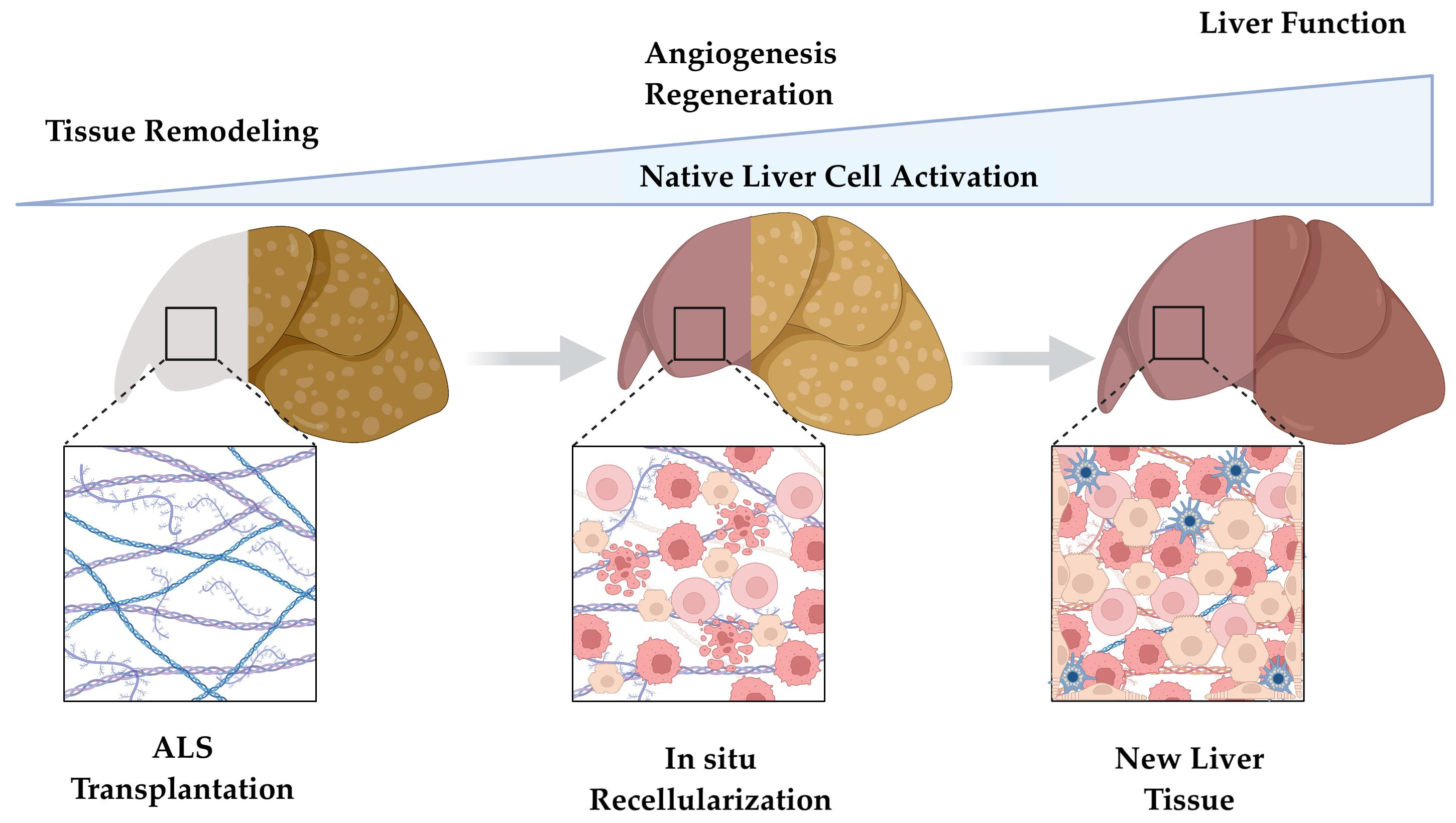
Scientists Reverse Liver Cell Aging and Cut Alzheimer’s-Linked Protein in Half
The headline is arresting: researchers report they can reverse aging markers in liver cells and simultaneously reduce an Alzheimer’s-linked protein by about 50%. If the finding holds up, it reorients part of the dementia conversation away from the brain alone and toward how rejuvenating peripheral organs might influence neurodegenerative disease. This article unpacks what that claim means, how the experiment was likely done, the biological logic connecting liver health to the brain, and the clinical and ethical barriers that remain before any human benefit can be expected.
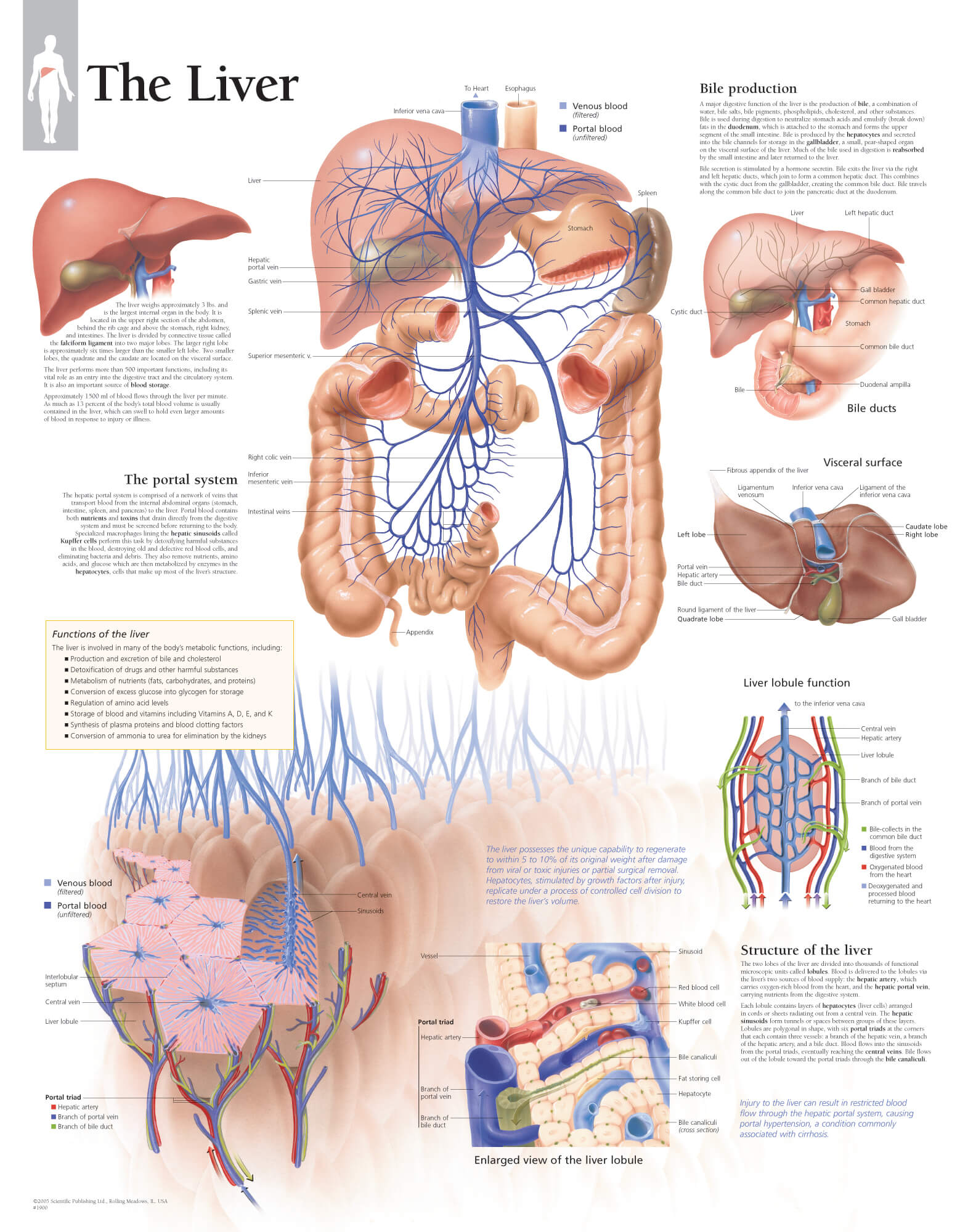
human liver anatomy diagram
THE BREAKTHROUGH IN CONTEXT
The last decade has seen accelerating interest in reversing cellular age rather than merely slowing it. Techniques like caloric restriction mimetics, senolytics, NAD+ modulation and, most dramatically, partial cellular reprogramming have all shown the ability to change biomarkers of age in model systems. Partial reprogramming—briefly switching on a set of embryonic transcription factors in adult cells—has been particularly striking because it can reset epigenetic marks and improve cellular function without erasing cellular identity.
What the new result claims
According to the experiment summarized by the headline, scientists used a transient rejuvenation strategy on hepatocytes (liver cells) that reversed molecular signs of aging. Concomitantly, levels of an Alzheimer’s-associated protein—commonly amyloid-beta or a related processing product—fell by roughly 50%. The magnitude of that drop is large enough to be meaningful in a biological sense and suggests the liver's state can influence systemic concentrations of proteins implicated in neurodegeneration.
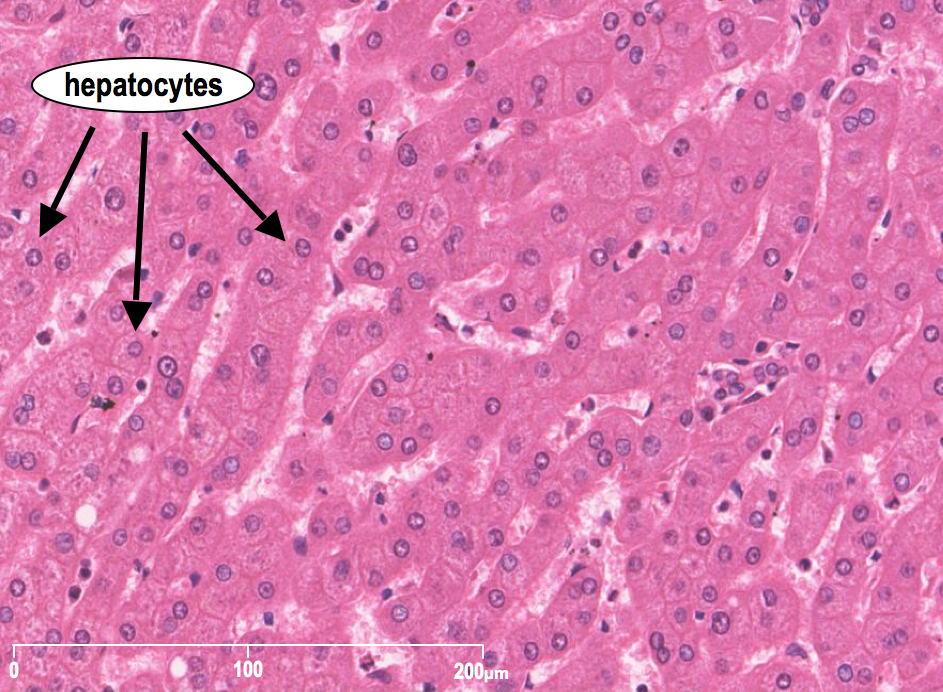
hepatocytes microscope view
HOW THIS MAY HAVE BEEN ACHIEVED
While exact experimental details vary by lab, the broad toolkit for these experiments is now familiar.
- Partial cellular reprogramming: Researchers typically use a transient, tightly controlled expression of reprogramming factors to erase some epigenetic aging without converting cells into pluripotent stem cells. This is often called 'partial reprogramming' and relies on factors originally discovered by Shinya Yamanaka.
- Transient delivery: To avoid permanent genomic changes and tumor risk, teams deliver factors briefly—via non-integrating gene vectors, lipid nanoparticles, or inducible genetic constructs—then stop expression so cells retain their identity.
- Targeted organ approach: The liver is an attractive target because it is regenerative, metabolically central, and a major clearance organ for circulating proteins. Improving liver proteostasis and clearance pathways can have systemic consequences.
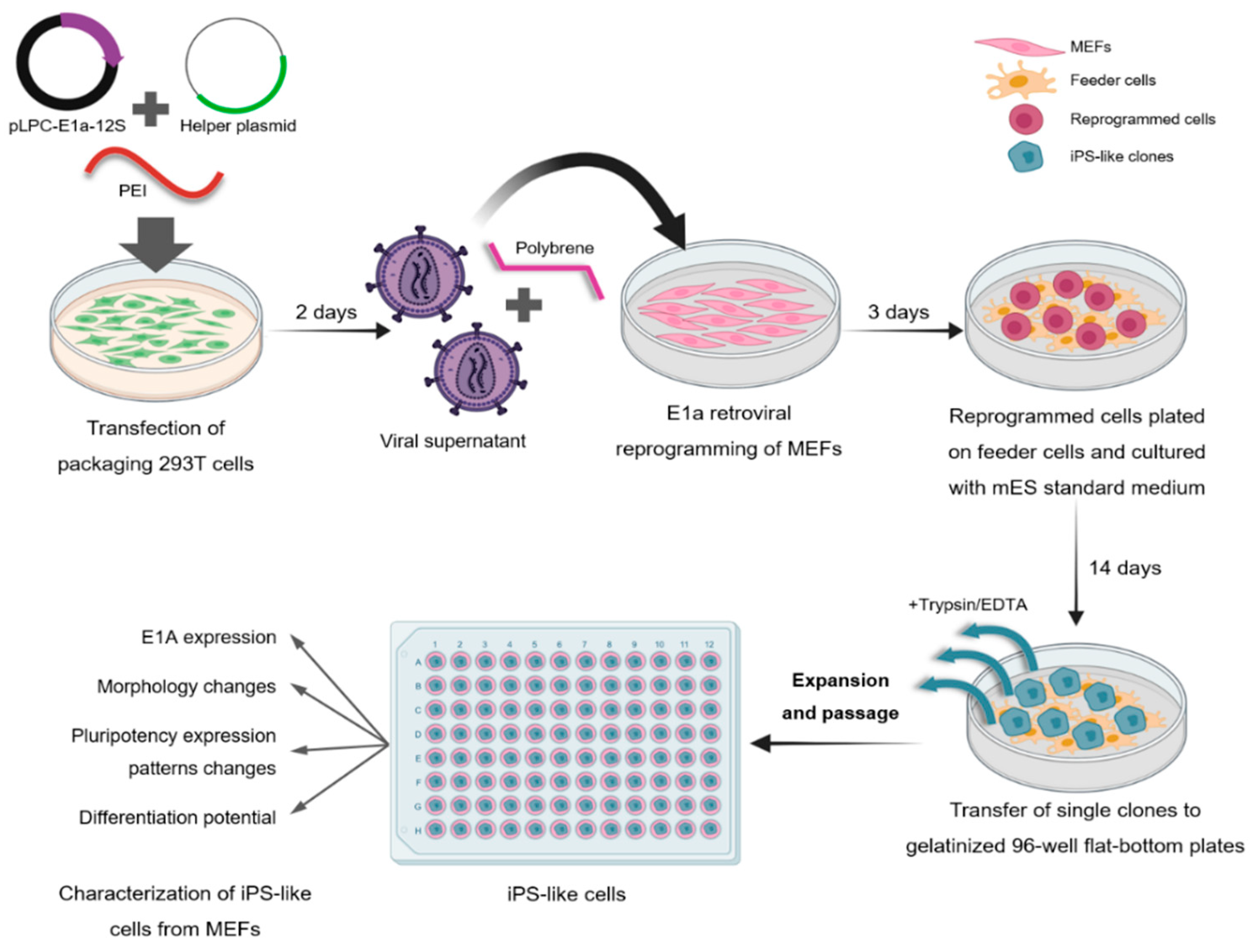
Yamanaka factors cellular reprogramming
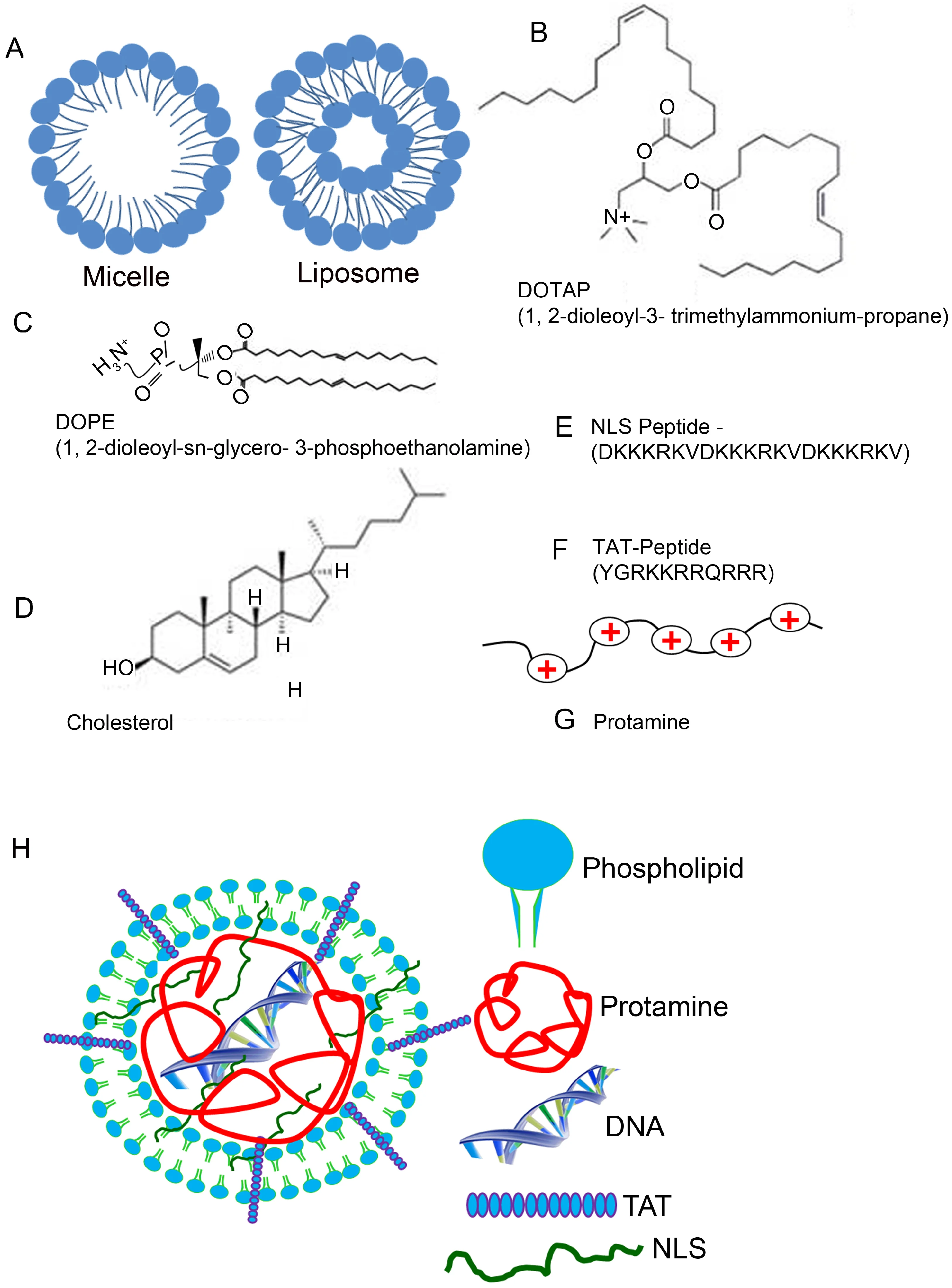
lipid nanoparticles gene delivery
Mechanisms that could reduce Alzheimer-linked proteins
There are a few plausible biological explanations for why rejuvenating liver cells would lower an Alzheimer’s-associated protein level by half:
- Improved peripheral clearance: The liver clears many circulating peptides and protein fragments. Rejuvenated hepatocytes may express higher levels of proteases or receptors that capture and break down amyloidogenic peptides.
- Altered systemic metabolism: Liver health influences lipid metabolism, inflammation, and the complement system—each of which can change protein trafficking and aggregation tendencies in the blood and brain.
- Reduced peripheral production: Some tissues produce amyloid precursor fragments; shifting whole-body metabolism could down-regulate peripheral sources.
- Immune modulation: A healthier liver produces fewer pro-inflammatory signals and better acute-phase responses, indirectly affecting how peripheral immune cells and microglia handle amyloid species.
WHY THIS MATTERS FOR ALZHEIMER’S
The dominant models of Alzheimer’s focus on the brain: misfolded amyloid-beta aggregates, tau tangles, synaptic loss and neuroinflammation. But the brain does not live in isolation. Peripheral organs—most notably liver, kidney and immune tissues—help maintain proteostasis and inflammatory balance. Lowering systemic amyloid precursors or oligomers could lessen seeding pressure on the brain or improve the ability of brain-resident cells to clear toxic aggregates.
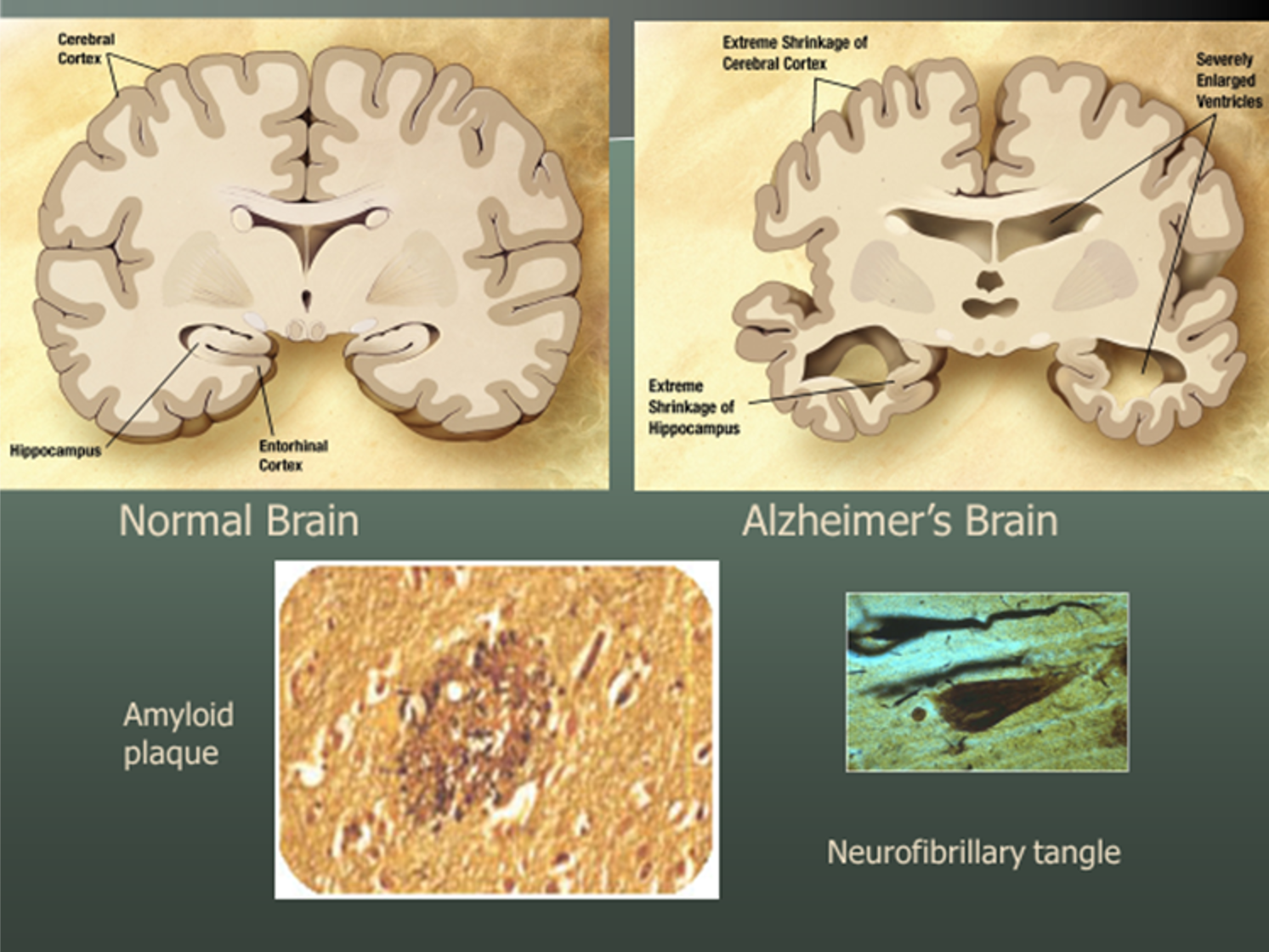
Alzheimer's disease brain pathology
Reversing age-related dysfunction outside the brain may reduce the burden of disease-driving proteins and change the trajectory of neurodegeneration.
Peripheral sink and proteostasis hypotheses
Two conceptual frameworks make the liver finding significant. The 'peripheral sink' idea suggests that lowering circulating amyloid or altering its equilibrium can draw brain amyloid out or reduce its deposition. The broader proteostasis hypothesis holds that systemic protein-management capacity influences misfolding diseases: if peripheral clearance ramps up, the overall burden of misfolded species declines.
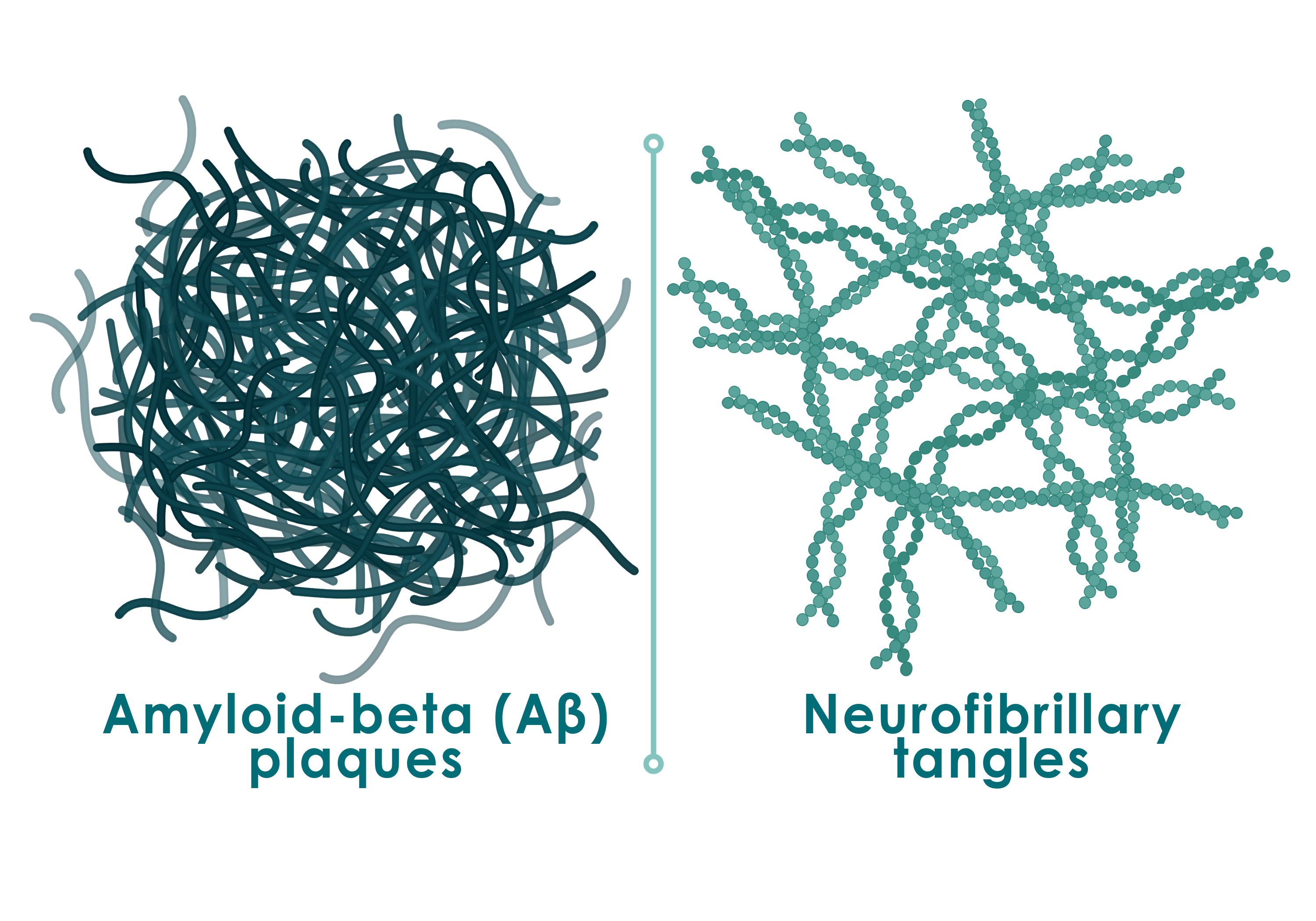
amyloid beta protein structure
CAUTIONS, RISKS, AND UNKNOWNs
For all the excitement, there are critical caveats.
- Model system limits: Many of these studies are in mice or cell cultures. Mouse models recapitulate some but not all features of human Alzheimer’s, and the human liver-brain axis may differ substantially.
- Translation and dosing: Partial reprogramming must be finely controlled. Too little has no effect; too much risks loss of cell identity or tumor formation. Dose, duration and delivery route are nontrivial engineering barriers.
- Oncogenic risk: Reprogramming factors can activate pluripotency programs; persistent expression or accidental genomic integration could increase cancer risk.
- Immune response: Viral or nanoparticle delivery can trigger immune reactions that complicate safety and efficacy.
- Complex causality: Reducing an Alzheimer’s-linked protein in blood does not guarantee clinical benefit. Cognitive outcomes, synaptic preservation and long-term neuroinflammatory trajectories matter most.
WHAT NEXT FOR THIS LINE OF RESEARCH?
Research will likely move along several parallel tracks:
- Replication: Independent labs must reproduce the effect and quantify how durable both the rejuvenation and the protein-lowering effects are.
- Mechanistic dissection: Teams will probe which liver pathways changed—proteases, receptors, secretion patterns, or immune signaling—to identify druggable targets.
- Safety studies: Longer-term animal studies, including larger mammals, will be needed to screen for cancer risk, organ dysfunction and immune complications.
- Therapeutic development: If mechanisms can be mimicked pharmacologically—by small molecules, biologics, or safer delivery platforms—clinical translation would be faster than gene-based interventions alone.
BROADER IMPLICATIONS BEYOND ALZHEIMER’S
Rejuvenating a central metabolic organ like the liver could have ripple effects across multiple age-related conditions: metabolic syndrome, cardiovascular disease, immune decline, and other proteinopathies. By changing systemic inflammation, lipid profiles, and clearance capacity, the approach might raise general healthspan even if only indirectly affecting any single neurodegenerative disease.
- Systemic benefits from a single organ target.
- Potential to repurpose existing drugs identified from mechanism studies.
- Non-brain approach may avoid some neuro-specific delivery hurdles.
- Unknown long-term safety of reprogramming in vivo.
- Possible off-target effects and immune complications.
- Unclear effect size on cognition and human disease endpoints.
ETHICAL, REGULATORY AND COMMERCIAL CONSIDERATIONS
Clinical translation will face ethical questions about acceptable risk for age-related interventions, especially given cancer concerns. Regulators will demand rigorous safety data. Commercial players will weigh whether to pursue gene-based reprogramming therapies or smaller-molecule surrogates that manipulate the same pathways.
Patient expectations and messaging
Communicating these findings responsibly matters. Early preclinical success often generates public optimism that outpaces scientific reality. Researchers and journalists should stress that animal results are hypothesis-generating, not proof of clinical benefit, and that timelines for human therapies are likely measured in years rather than months.
CONCLUSION: A STEP, NOT A SOLUTION
The study behind this headline marks an intriguing advance in aging biology. It strengthens the idea that peripheral organs are not mere bystanders but active participants in the biology of neurodegeneration. Halving an Alzheimer’s-linked protein in the bloodstream by rejuvenating liver cells is a meaningful laboratory milestone. Yet it is an early milestone—one that opens a road map of replication, mechanism, safety testing and careful translational work rather than delivering an immediate clinical therapy.
Halving a risk-associated protein is progress; turning that progress into safer, effective treatments for people will require many more studies.
Key next steps for readers to watch
Watch for: replication studies; whether brain amyloid or tau changes in parallel; cognitive testing in animal models; identification of specific hepatic enzymes or receptors responsible for the change; and any movement toward therapies that mimic the effect without risky gene reprogramming.
- Partial rejuvenation of liver cells can reverse cellular aging markers and may lower circulating Alzheimer’s-associated proteins substantially.
- Lower peripheral protein levels could influence brain pathology, but direct evidence of cognitive benefit in humans is not yet available.
- Risks—especially cancer and immune reactions—must be evaluated thoroughly, making clinical translation cautious and incremental.
- The most likely near-term payoff is mechanistic discovery that leads to safer, drug-like interventions.
Final thought
This research invites a shift in perspective: to treat age-related brain disease, we might need to treat aging in other organs. The liver's renewed role in the story of Alzheimer’s is a reminder that biological systems are networked, and interventions that restore balance in one node can reverberate widely. The scientific task now is to chart those reverberations carefully, ethically, and with an eye toward real-world safety and benefit.